アカイ

Situated at the Miyajimaguchi gateway in Hatsukaichi, アカイ occupies a position that few dining addresses in the Hiroshima prefecture can claim: immediate proximity to the ferry terminal that connects the mainland to Miyajima Island. The restaurant draws from a local dining culture shaped by oysters, anago, and the rhythms of pilgrimage tourism, placing it within a compact but competitive cluster of independent restaurants serving the island corridor.
Pearl is the En Primeur Club membership app — saves, bookings, and concierge access live there. Same editors, same standards.
- Address
- 4 Chome-3-41 Miyajimaguchi, Hatsukaichi, Hiroshima 739-0411, Japan
- Phone
- +817026621329
- Website
- pocket-concierge.jp
- Directions
- Get directions
 Saves & bookings on Pearl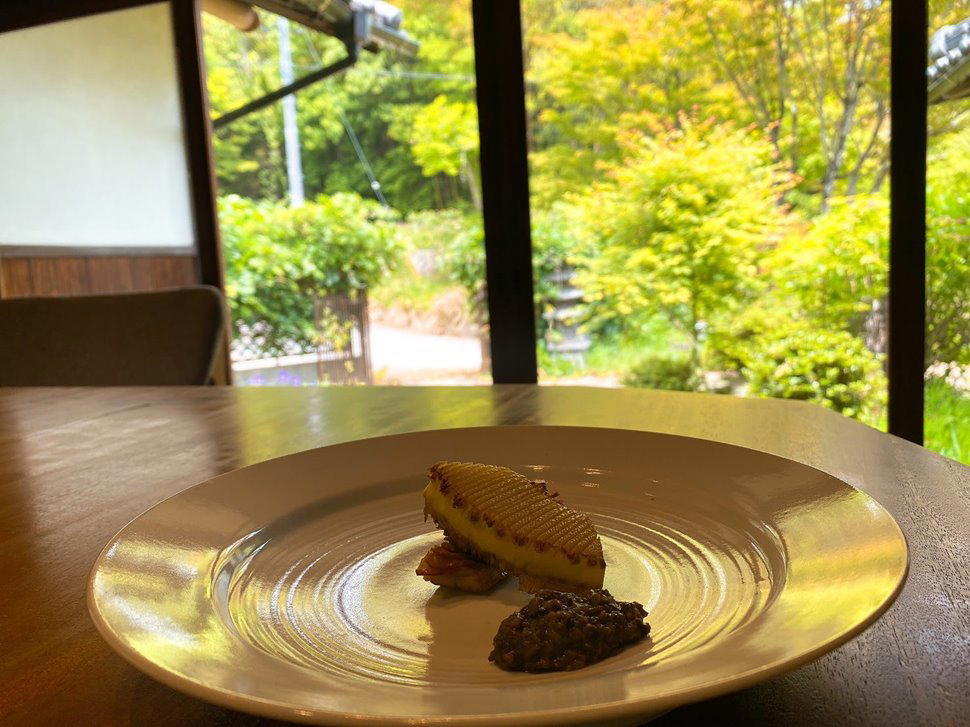
At the Edge of the Island Crossing
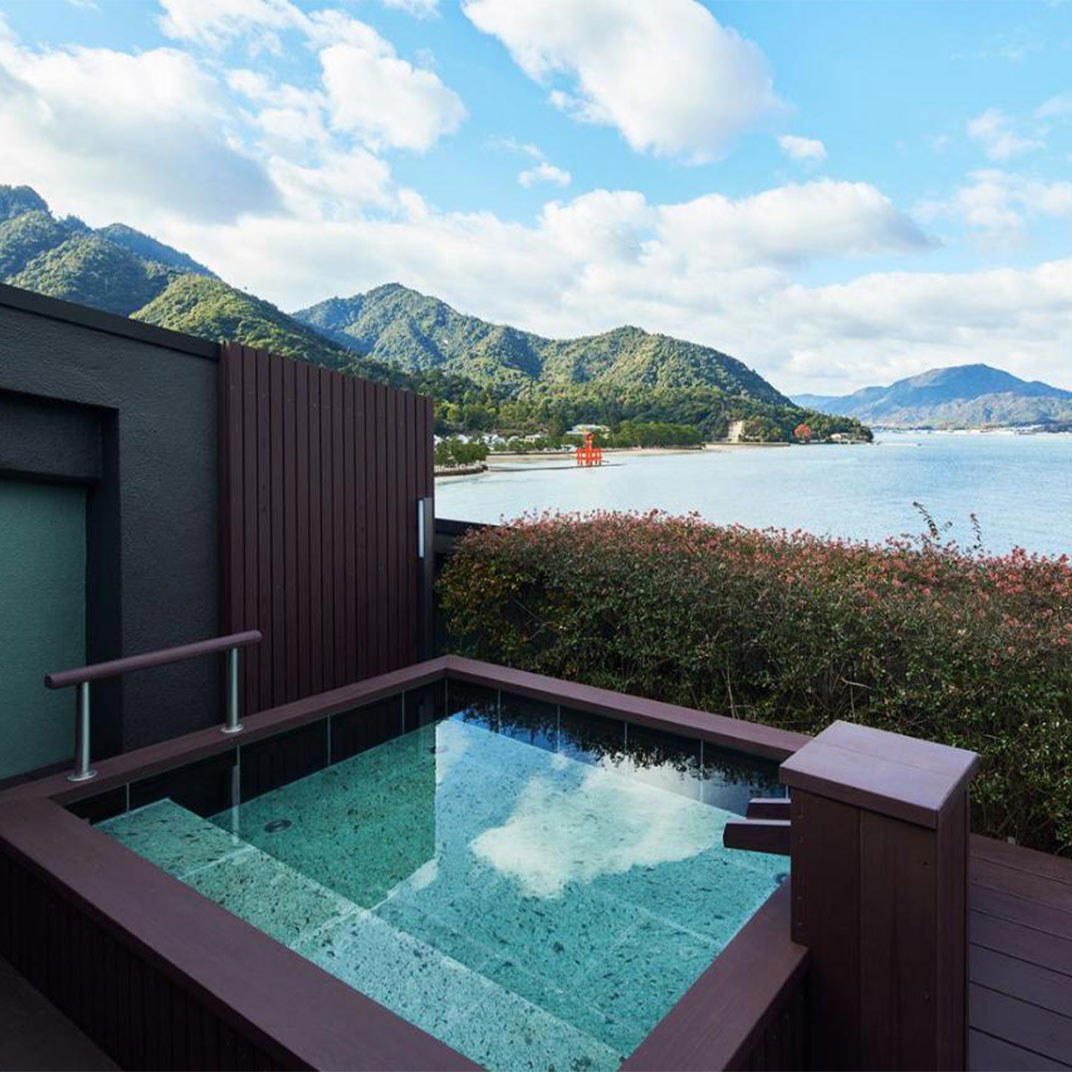
アカイ is a restaurant in Hatsukaichi, Hiroshima, serving Modern Japanese-French Fusion Kappo. Miyajimaguchi, the strip of Hatsukaichi that runs to the ferry pier, is not a neighbourhood built around dining. It exists in service of transit: visitors arriving by JR Sanyo Line, locals heading to and from Miyajima, and a steady procession of day-trippers making the short crossing to see Itsukushima Shrine's floating torii gate. In that context, a restaurant at 4 Chome-3-41 Miyajimaguchi occupies genuinely charged real estate, sitting between the rhythms of departure and return rather than inside the quieter residential or commercial streets of central Hatsukaichi. アカイ holds that position, and it matters for how the experience reads: you are not seeking out a dining destination so much as arriving at one that the geography of the region pushes you toward.
In places like Naritasan, Nikko, or the approach roads to major shrines in Kyoto, restaurants that occupy transit-adjacent addresses tend to develop a distinct character, part of the journey rather than a detour from it. The Miyajimaguchi strip operates on the same logic, with Douze Miyajima, Miyajima Sushi Tensen, Sekitei, and TP dining & cafe tino each staking out a position within a cluster of independent venues that serve the island corridor. The competition is genuine, and the reader arriving with limited time faces real choices about where to sit down before or after the crossing.
What the Hiroshima Corridor Produces
Hiroshima Prefecture's coastal identity is inseparable from two products: Hiroshima oysters, which account for roughly 60 percent of Japan's total oyster production, and anago (conger eel), which the Miyajima area has treated as a defining local dish for generations. Anago-meshi, braised conger over rice, typically served in lacquered boxes, became the gateway food for this stretch of the San'yo coast long before the current wave of food tourism reached the region. Restaurants at Miyajimaguchi sit inside that tradition whether they choose to foreground it or not; the expectation of anago and oysters is baked into the geography.
Japan's broader dining scene has fragmented sharply by geography and ambition level. Counter-heavy kaiseki in Kyoto, seafood omakase in Tokyo's Ginza, and the French-inflected precision of venues like HAJIME in Osaka or the meticulous sushi served at Harutaka in Tokyo occupy a different register entirely from the transit-corridor dining of Miyajimaguchi. Gion Sasaki in Kyoto and akordu in Nara operate in heritage corridors too, but in areas where the visitor infrastructure has matured over decades to support multi-course, appointment-only dining. Miyajimaguchi is earlier in that arc, and the independent restaurants there reflect it.
Where アカイ Sits in the Local Set
What the address confirms is that アカイ operates in the same gravitational field as its neighbours: all of these venues compete for the attention of visitors with a ferry to catch and a finite meal window, alongside locals who have developed genuine preferences among a small roster of options. That competitive pressure tends to sharpen independent restaurants in Japan's heritage corridors; venues that survive the comparison develop something worth returning for, whether that is product sourcing, speed of service, or the kind of specific local knowledge that turns a quick meal into something more considered.
Goh in Fukuoka represents one end of that spectrum, nationally recognised, reservation-only, with a defined culinary identity. Much of the leading eating in Japan happens at venues that never reach that visibility but are no less deliberate in their cooking. The Miyajimaguchi corridor has venues that operate closer to that quieter register, and アカイ, based on its address and local positioning, reads as part of that cohort.
Getting There and Practical Framing
Miyajimaguchi is served directly by the JR Sanyo Line, with the station a short walk from the ferry pier and the immediate restaurant cluster. Visitors coming from central Hiroshima reach Miyajimaguchi in roughly 25 to 30 minutes by local train. The Hiroshima Electric Railway (tram) also runs to Miyajimaguchi, making the approach manageable without a car. The address at 4 Chome-3-41 positions アカイ within walking distance of both the station and the pier, which is the standard geography for this strip. Given the transit-oriented nature of the neighbourhood, timing a meal here means working around ferry schedules and, during peak seasons such as spring cherry blossom and autumn foliage periods, the considerable crowds that Miyajima draws from across western Japan and internationally.
Japan's heritage tourism corridors see their sharpest demand spikes in late March through early April and again in mid-November. Restaurants at Miyajimaguchi feel those rhythms directly. Visiting outside those windows, summer weekdays, or the quieter stretch between January and mid-March, gives a materially different experience of both the neighbourhood and the crossing itself.
For those mapping a longer Japan itinerary that crosses dining styles and price tiers, the contrast between transit-corridor venues like those at Miyajimaguchi and destination-format rooms, say, Birdland in Sakai, Bistro Ange in Toyohashi, or the precision cooking at Le Bernardin in New York City and Atomix in New York City, clarifies what each format is actually optimised to deliver. Miyajimaguchi is optimized for place, timing, and local product. That is a feature, not a limitation, of the category.
Questions Worth Asking Before You Arrive
- Is アカイ appropriate for children?
- In the absence of confirmed data on the restaurant's format, the neighbourhood context is one useful guide. Miyajimaguchi is a family-frequented transit corridor, and restaurants in this category across Japan tend toward informal settings where children are accommodated without difficulty. If price and format data become available, that framing may shift; for now, the transit-adjacent positioning in Hatsukaichi suggests a less formal environment than appointment-only dining rooms in Hiroshima city.
- Is the atmosphere formal or casual?
- Japan's heritage corridor restaurants span a wide register, from lacquered kaiseki rooms to counter-seat lunch spots. The Miyajimaguchi address and the competitive set it operates within, including Douze Miyajima and TP dining & cafe tino, point toward the informal-to-mid-casual range rather than a formally coded dining room. Verify current format before visiting.
- What dish should I order at アカイ?
- The record does not list a signature dish. What the regional context strongly suggests: if anago or Hiroshima oysters appear on the menu, they are the products this stretch of coastline has built its culinary identity around, and represent one geographically grounded choice at any Miyajimaguchi restaurant.
- How does アカイ's location near the Miyajima ferry compare to dining options on the island itself?
- Dining on Miyajima Island is heavily concentrated around the approach to Itsukushima Shrine, where anago-meshi lunch boxes and oyster grills serve high visitor volumes, particularly during peak season. Mainland-side restaurants at Miyajimaguchi, including アカイ, tend to operate with slightly less tourist-density pressure and may offer a more considered sit-down experience. The practical advantage of eating at Miyajimaguchi is flexibility: meals are not tied to the island's compressed dining window between ferry arrivals and departures.
A Tight Comparison
Comparable venues nearby, for context on price, style, and recognition.
| Venue | Cuisine | Price | Notes |
|---|---|---|---|
| アカイThis venue — the venue you are viewing | Not listed | $$$ | Not listed |
| CHILAN | Ajina, Modern Vietnamese & Natural Wine | $$$ | Not listed |
| Sekitei | Miyahama Onsen, Kaiseki Ryokan Dining | $$$$ | Not listed |
| Douze Miyajima | Not listed | $$$$ | Miyajimaguchi, French-Japanese Fusion Bistro |
| Momiji Do Niban Ya | Not listed | $ | Miyajima Omotesando shopping street, Traditional Japanese wagashi & fried momiji manju |
| Miyajima Sushi Tensen | Not listed | $$$$ | Miyajima, Seasonal Seto Inland Sea Omakase |
Recognition history
Dated appearances from independent guides and award organizations, with the underlying list record or original source where available.
The Japan Times Destination Restaurants Destination Restaurants Selection #9
The Japan Times Destination Restaurants
Continue exploring
More in Hatsukaichi
Restaurants in Hatsukaichi
Browse all →
Bars in Hatsukaichi
Browse all →
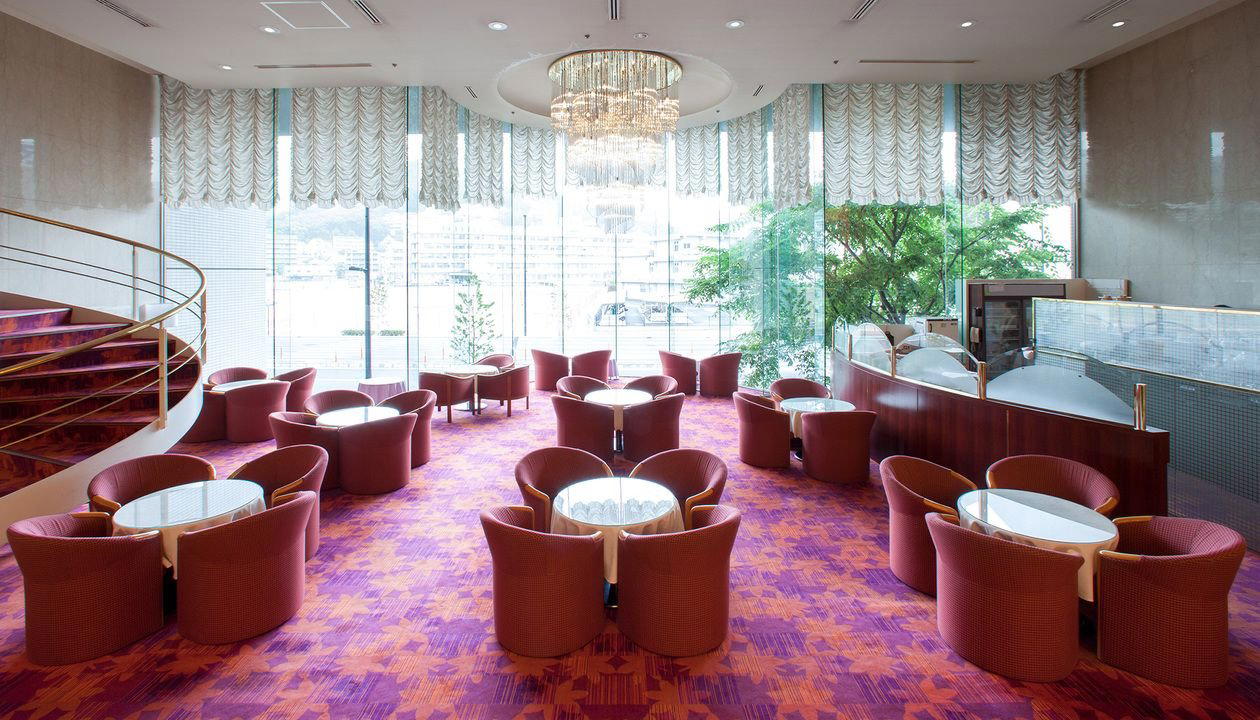
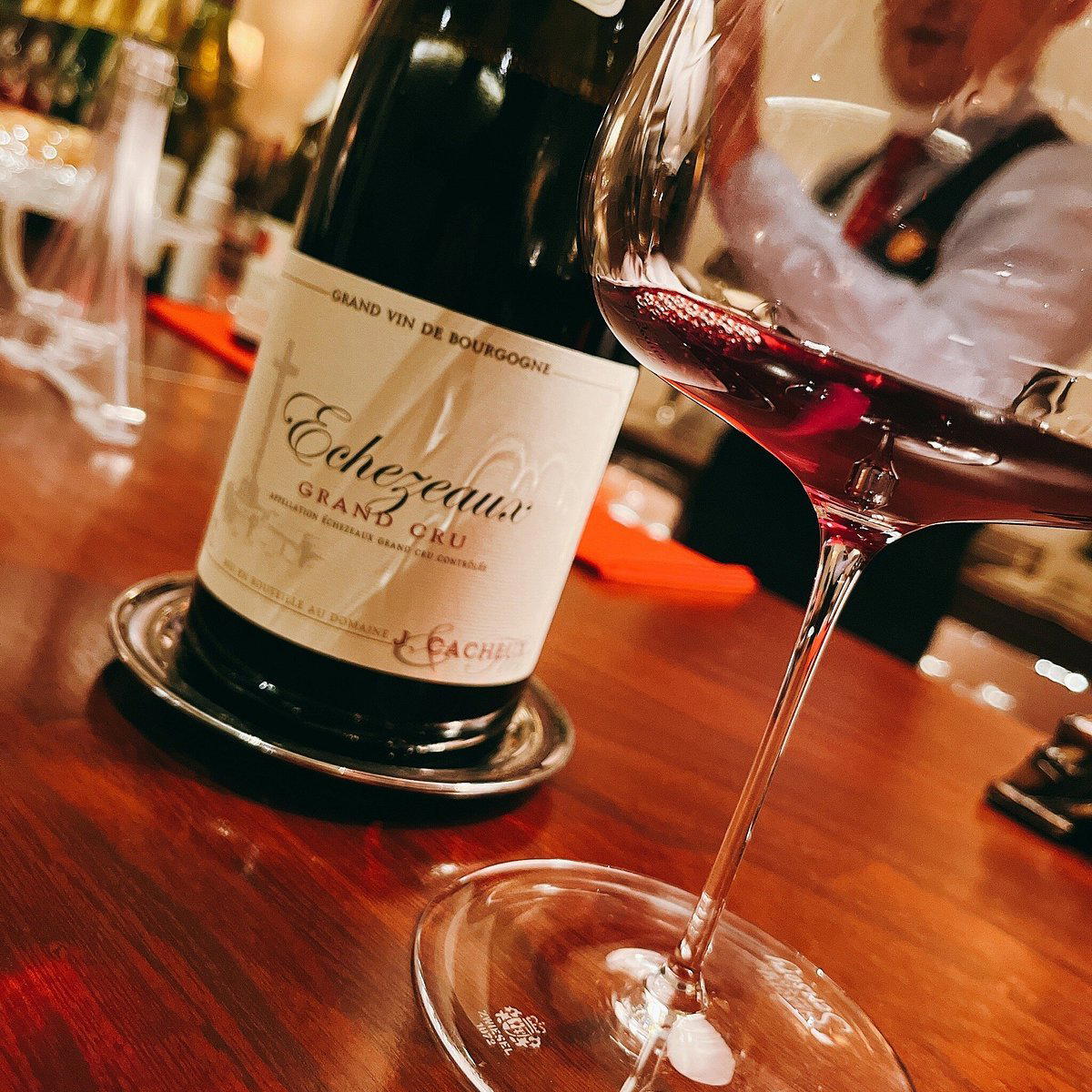
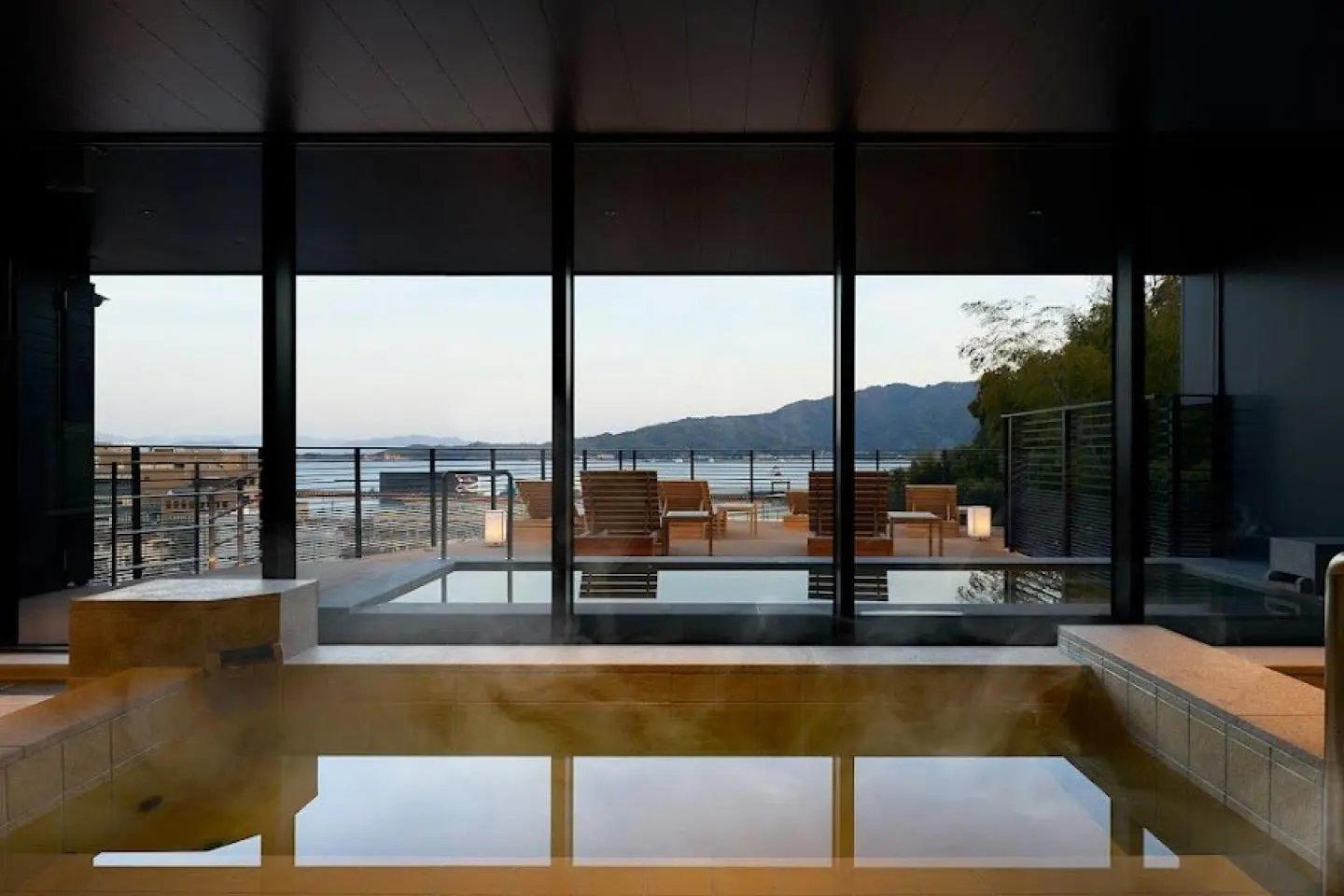
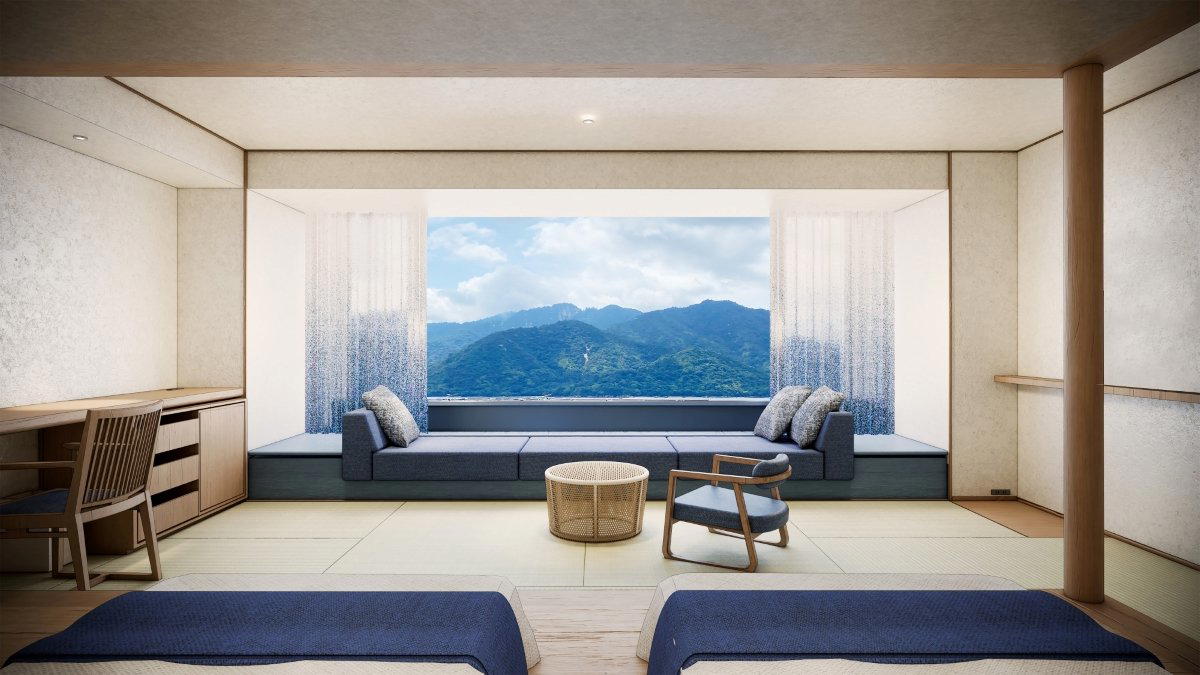
At a Glance
- Intimate
- Cozy
- Elegant
- Special Occasion
- Standalone
- Sake Program
- Local Sourcing
- Mountain
Current opening hours
- Monday
- 12–3 PM, 7–10 PM
- Tuesday
- 12–3 PM, 7–10 PM
- Wednesday
- 12–3 PM, 7–10 PM
- Thursday
- Closed
- Friday
- Closed
- Saturday
- 12–3 PM, 7–10 PM
- Sunday
- 12–3 PM, 7–10 PM
Hours can change for holidays and private events. Last verified .
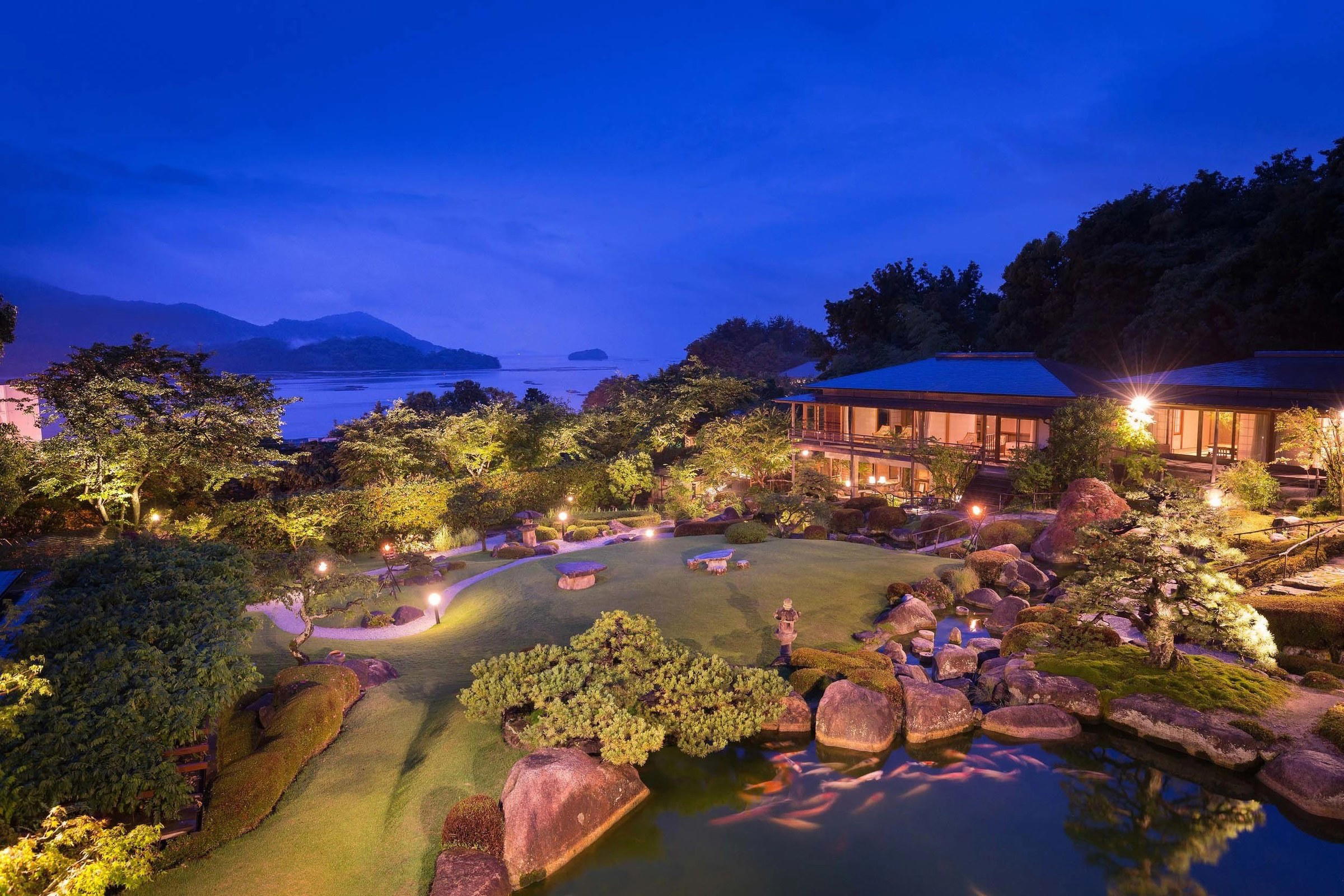
Calm and relaxed space in a traditional house setting.