
Tabelog 100 #71
Our verdict
In Nagoya's Higashi Ward, ふじ原 occupies a position in the city's quieter, residential dining tier, a counterpoint to the louder tonkatsu and hitsumabushi circuit that defines the city's culinary identity to outsiders.

Pearl is the En Primeur Club membership app, where members save venues, book tables and use the concierge.
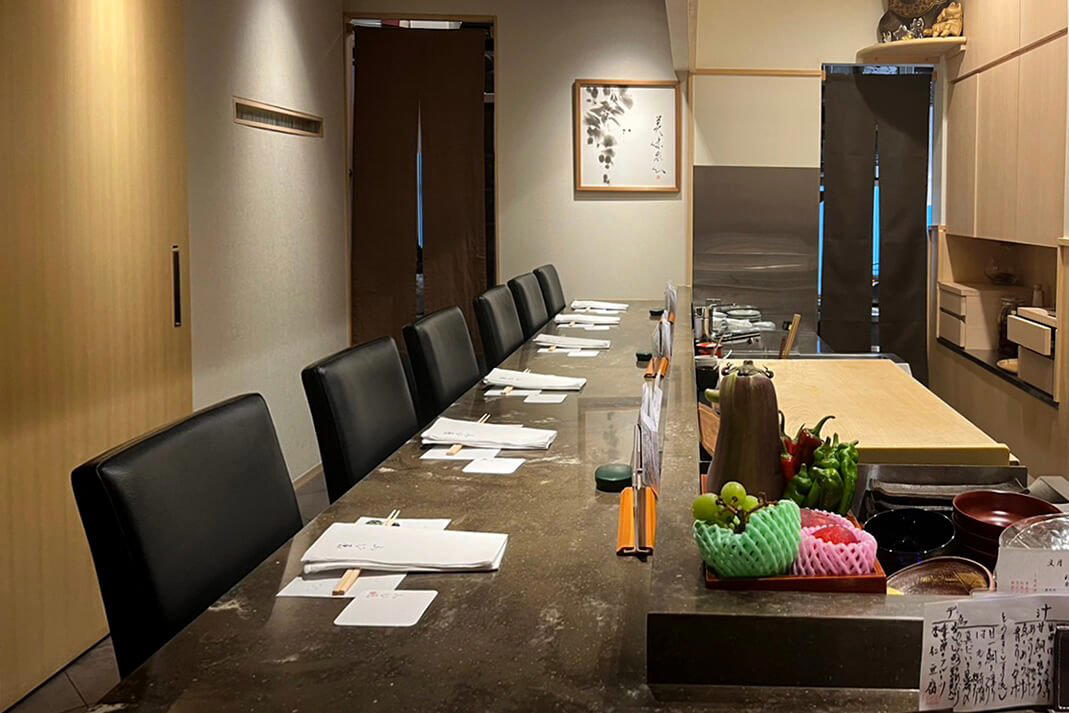
Higashi Ward and the Dining Tier It Represents
Nagoya's food reputation travels on a short list of exports: miso katsu, hitsumabushi, the dark, punchy flavours of Nagoya-meshi. Venues like Atsuta Horaiken (あつた蓬莱軒 本店) have built national name recognition around that unagi tradition, while the city's Italian and French crossover scene, see Bacio and Chez Kobe, pulls in a different direction entirely. What receives less attention is the stratum in between: the neighbourhood-anchored restaurants in wards like Higashi that exist almost entirely outside the promotional circuit and whose reputations are built slowly, through repeat custom rather than press cycles.
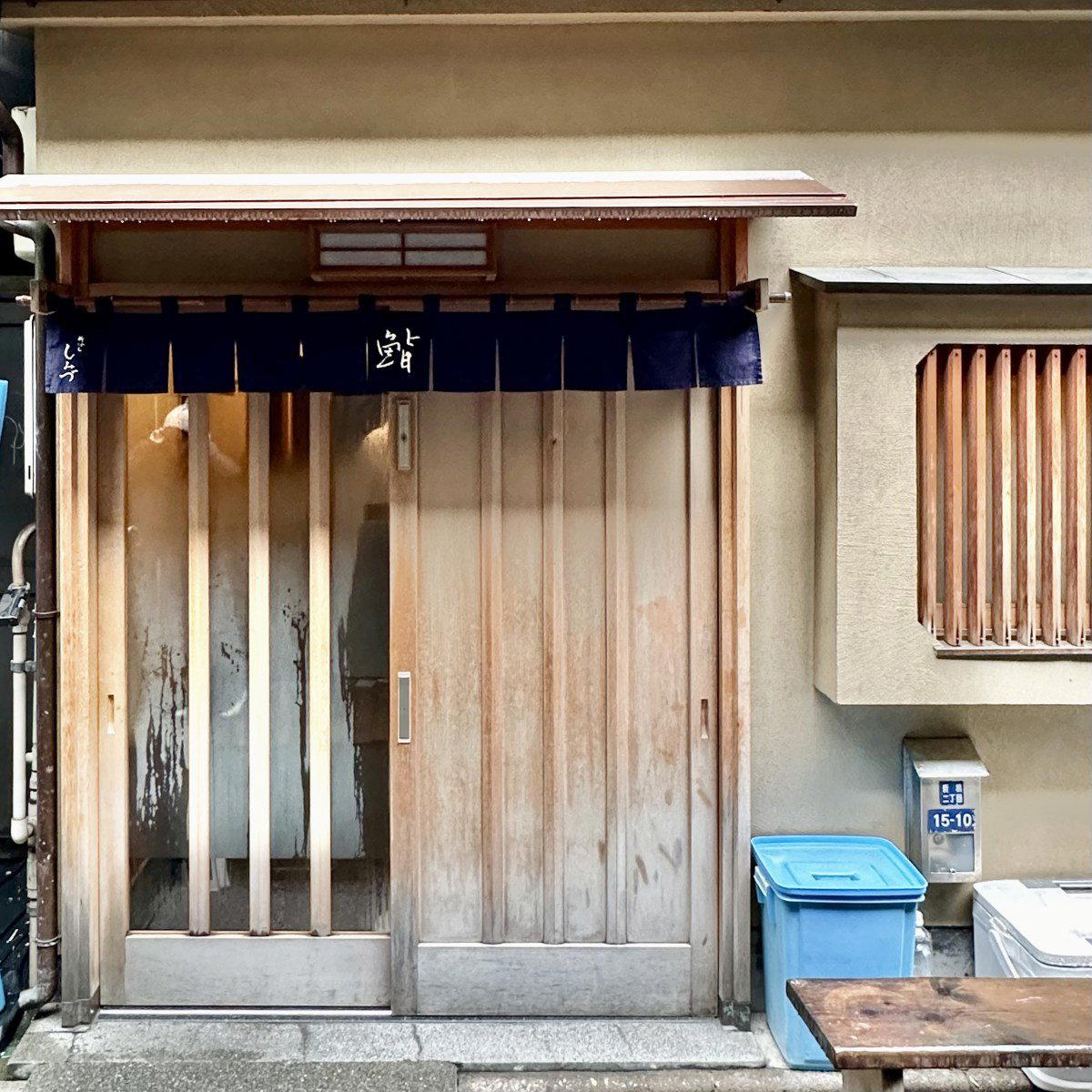
ふじ原 sits in that stratum. Its address places it inside the White Mates building on Izumi, a residential and low-key commercial stretch in Higashi Ward that is not a dining destination by the usual measures. There are no clusters of rated restaurants nearby to generate foot traffic, no obvious tourist pull. That positioning is, in itself, an editorial signal: restaurants that survive in locations like this do so on the strength of what they serve and whom they serve it to, not on location advantage.
The Local-Ingredients, Global-Technique Question in Nagoya
Across Japan, the most interesting tension in contemporary dining is not between tradition and modernity, that argument is largely settled, but between the application of internationally trained technique to ingredients that have no equivalent outside their specific region. Nagoya sits at the centre of a prefecture, Aichi, with a genuinely distinctive agricultural and aquatic identity: Hatcho miso aged for three years in cedar barrels, Nagoya Cochin chicken with a fat-marbled texture that separates it from standard breeds, seasonal river fish from the Kiso and Nagara systems, and coastal produce from Ise Bay that rarely leaves the region in any meaningful commercial volume.
Restaurants across Japan's secondary cities, Fukuoka, Kanazawa, Sapporo, have learned to frame those local specificities as a competitive advantage rather than a limitation. Goh in Fukuoka and Gion Sasaki in Kyoto both demonstrate how deeply regional sourcing, when held alongside refined technique, creates a proposition that urban flagships in Tokyo or Osaka cannot easily replicate. The same logic applies in Nagoya, where the strongest local restaurants use Aichi's larder not as a nod to regionalism but as a genuine structural advantage.
For a restaurant like ふじ原, operating in a residential ward without the signalling infrastructure of formal awards or a wide-access website, the local-ingredients angle is typically where credibility accumulates. Neighbourhood restaurants in Higashi Ward that retain a loyal client base over years tend to anchor their menus to what is available locally and seasonally, adjusting frequently rather than maintaining a static menu designed for tourist legibility. This is a different operating model from the Michelin-tracked venues, Harutaka in Tokyo or HAJIME in Osaka, where menu stability and signature dishes are part of the brand architecture.
Where ふじ原 Sits Against Its Nagoya Peers
Within Nagoya's restaurant population, the comparison set matters. The city has produced credible representations of Italian cooking, cucina Wada and Cucina Italiana Gallura occupy that space, alongside French-influenced counters and specialist format venues. ふじ原 does not appear in any of those formally documented categories.
That absence is not a negative marker in Japan's dining culture. Some of the most respected neighbourhood restaurants across Japanese cities operate with minimal digital footprint, no English-language presence, and booking systems that rely entirely on telephone or personal introduction. Venues in similar positions across the country, from 一本木 石川制 in Nanao to 夕佳亭山乃 in Sapporo, demonstrate that limited public visibility and strong local reputation are not mutually exclusive.
For comparison within Nagoya specifically, the neighbourhood restaurant model differs from venue types built around format theatre or signature-dish recognition. Unafuji, the unagi specialist, and the kyoto-cuisine-influenced Hachisen both operate with a degree of format clarity that makes the visitor proposition legible from the outside. ふじ原, by contrast, presents a more opaque entry point, which, for certain travellers, is precisely the appeal.
Planning a Visit to ふじ原
ふじ原 is located at White Mates, 1 Chome-14-23 Izumi, Higashi Ward, Nagoya. Higashi Ward is accessible from central Nagoya via the municipal subway network, with the Izumi area sitting in the residential eastern spread of the city. The building address is specific enough to locate via mapping applications, though given the venue's limited public digital presence, confirming current opening hours and reservation availability before travelling is necessary. No phone number, website, or booking method appears in the public record at the time of writing; local-language outreach through the venue's building contact or through a hotel concierge in Nagoya is the most practical approach for non-Japanese speakers.
Timing considerations in Nagoya generally favour weekday visits for neighbourhood restaurants, where weekend demand from local regulars can make walk-in access difficult. The city's broader dining calendar is shaped by seasonal Aichi produce, with spring and autumn typically bringing the strongest local sourcing across the restaurant tier. Travellers building a wider Japan itinerary around dining may find useful reference points in akordu in Nara and 湖畔荘 in Takashima, both of which represent the local-produce, refined-technique pairing in adjacent regions. Our full Nagoya restaurants guide covers the wider city dining context in more detail.
For travellers who value the transparency of fully documented venues, with published menus, clear price tiers, and allergy handling protocols in writing, the venues above in Nagoya's Italian and French sectors offer that legibility. ふじ原 operates at the less documented end of the spectrum, and the experience of visiting it will depend considerably on what a traveller is prepared to navigate without prior certainty. That is, in a number of Japan's leading neighbourhood dining rooms, exactly the point.
Frequently asked questions
What dish is ふじ原 famous for?
Should I book ふじ原 in advance?
What is ふじ原 known for?
How does ふじ原 handle allergies?
Is ふじ原 worth it?
What makes ふじ原 a different kind of dining proposition in Nagoya compared to the city's more prominent restaurants?
The Quick Read
Comparable venues nearby, for context on price, style, and recognition.
| Venue | Cuisine | Price | Awards | Notes |
|---|---|---|---|---|
| ふじ原This venue (the venue you are viewing) | Seasonal Japanese Kaiseki | $100–150 | Tabelog 100 #71 | Not listed |
| Shutei Nawa | Japanese Izakaya Seafood | $50–100 | Tabelog 100 #61 | Higashi, Japanese Izakaya Seafood |
| kawaramachi hisaya ukiyo banare | Modern Japanese Izakaya & Meat Kappo | $50–100 | Tabelog 100 #21 | Naka, Modern Japanese Izakaya & Meat Kappo |
| Sushi Gonzaemon | Edomae Sushi Omakase | $100–150 | Tabelog 100 #97 | Naka, Edomae Sushi Omakase |
| Ningyocho Imahan Nagoya middorandosukuea ten | Traditional Japanese Sukiyaki & Shabu-Shabu | Not listed | Tabelog 100 #89 | Nakamura, Traditional Japanese Sukiyaki & Shabu-Shabu |
| Tempura Yokoi | Traditional Tempura Restaurant | $50–100 | Tabelog 100 #33 | Moriyama, Traditional Tempura Restaurant |
Recognition history
Dated appearances from independent guides and award organizations, with the underlying list record or original source where available.
Tabelog 100 #71 · No. 71
Tabelog · Tabelog 100 - Japanese cuisine - EAST - 2025
Continue exploring
More in Nagoya
Details
- Cozy
- Elegant
- Intimate
- Sophisticated
- Date Night
- Business Dinner
- Special Occasion
- Private Dining
- Sake Program
- A La Carte
- Sake Program
Current opening hours
- Monday
- 5:30–10 PM
- Tuesday
- 5:30–10 PM
- Wednesday
- 5:30–10 PM
- Thursday
- 5:30–10 PM
- Friday
- 5:30–10 PM
- Saturday
- 5:30–10 PM
- Sunday
- Closed
Hours can change for holidays and private events. Hours as of .
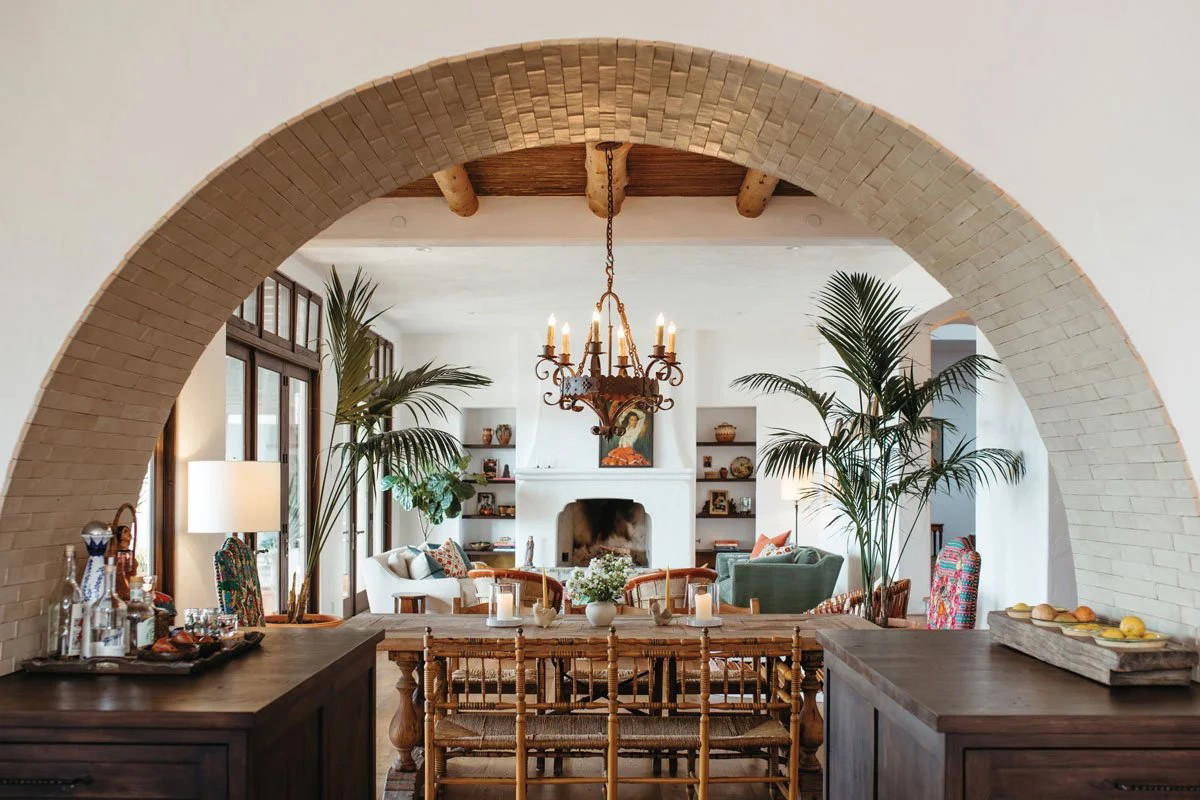
Calm warm Japanese atmosphere with seasonal decor that highlights the cuisine allowing relaxed enjoyment.