
Tabelog 100 #9
Our verdict
サヴァカ sits in Kikugawa, a quiet Shizuoka city where the Kakegawa foothills meet tea-field country, placing it within a regional dining tradition shaped by proximity to some of Japan's most carefully tended agricultural land. With limited information publicly available, the restaurant invites discovery on its own terms, operating at a remove from the urban fine-dining circuit that defines venues like Harutaka in Tokyo or Gion Sasaki in Kyoto.

Pearl is the En Primeur Club membership app, where members save venues, book tables and use the concierge.
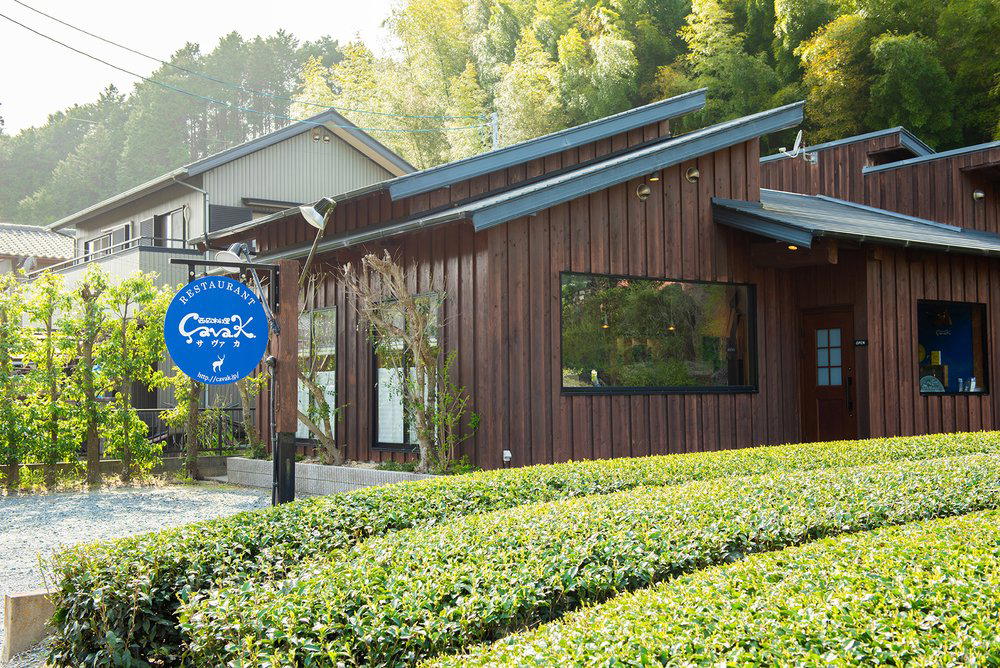
Kikugawa and the Shizuoka Sourcing Tradition
Shizuoka Prefecture occupies a particular position in Japanese food culture that has little to do with the prefecture's modest profile on international itineraries. Sandwiched between the Izu Peninsula and the Central Alps, the region produces wasabi in cold mountain streams, some of Japan's most prized green tea on terraced hillsides above the Oi River valley, and seafood pulled from Suruga Bay, one of the deepest bays in the country. Kikugawa sits within that agricultural web, a small city whose food culture has historically been shaped less by restaurant ambition than by what grows and moves through the surrounding land. That context matters when considering a restaurant like サヴァカ, located at 791-11 Sabaka in the Kikugawa district, because ingredient-led cooking in this part of Shizuoka is less a marketing position than a structural condition of operating here.
Japan's regional dining scene has shifted considerably over the past decade. Where fine dining once concentrated almost exclusively in Tokyo, Osaka, and Kyoto, chefs with serious training have increasingly chosen smaller cities as their base, attracted by direct relationships with farmers and producers that metropolitan rents and supply chains tend to complicate. The pattern is visible across the country: restaurants like Goh in Fukuoka and akordu in Nara have built serious reputations by working in cities that sit outside Tokyo's gravitational pull. Kikugawa is a quieter version of that shift, one that hasn't yet generated the coverage those cities have, which means restaurants operating there remain largely unknown to travellers constructing Japan itineraries around Michelin routes.
The Address and What It Suggests
The address itself, Sabaka, carries some interpretive weight. サヴァカ is the phonetic rendering of that place name in katakana, a naming convention common among Japanese restaurants that want to root their identity in a specific locality rather than a culinary concept. It's the same instinct that drives restaurants to name themselves after the farm, the mountain, or the fishing village that defines their sourcing geography. The choice signals orientation toward place over brand, and toward the specific over the generic.
Shizuoka's ingredient traditions are worth understanding on their own terms before arriving. Wasabi cultivated in the prefecture's mountain streams has a freshness and complexity that the processed paste served at most restaurants outside Japan does not approximate. Shizuoka tea, particularly the gyokuro and fukamushi-cha styles grown in Kakegawa, a city directly adjacent to Kikugawa, carries enough depth of flavour that it functions as a culinary ingredient as well as a beverage. Suruga Bay produces shirasu (whitebait), sakuraebi (cherry blossom shrimp), and a range of deep-water fish that rarely travel far from the region. A restaurant situated in this geography, if it's paying attention to what surrounds it, has access to ingredients that chefs in Osaka and Tokyo spend considerable effort and logistics trying to source. Restaurants like HAJIME in Osaka have built their identity partly on the difficulty of sourcing Japan's finest regional produce at scale; a small kitchen in Kikugawa operates under different constraints entirely.
Regional Dining Without the Urban Frame
The broader context for understanding サヴァカ is the quiet persistence of Japanese regional cuisine that operates without the recognition infrastructure of the major cities. Venues in Tokyo like Harutaka and Kyoto's Gion Sasaki are mapped, rated, awarded, and subject to the full apparatus of food criticism. A restaurant in Kikugawa operating under the radar of that system is not necessarily inferior; it is simply not subject to it. The conditions that produce food culture in a city like Kikugawa are agricultural and communal rather than competitive and hierarchical. That difference in context produces a different kind of eating experience, one that is harder to benchmark against Tokyo pricing tiers or Michelin star counts but no less serious for that.
For comparison, the Japanese regional dining that has attracted international attention tends to cluster around a few legible narratives: the sushi counter in a fishing town, the kaiseki ryokan in a hot spring resort, the farm-to-table room above a rice paddy. サヴァカ's location in Kikugawa doesn't fit any of those templates cleanly, which is part of why it remains outside the circuits travelled by visitors following Gion Sasaki recommendations or booking ahead at Harutaka.
Planning a Visit
Kikugawa is accessible by shinkansen from Tokyo's Shin-Osaka line, with Kakegawa Station as the nearest major stop on the Tokaido Shinkansen, placing the area roughly 90 minutes from Tokyo and under an hour from Nagoya. From Kakegawa, Kikugawa is a short local train ride. For visitors building a Shizuoka itinerary, the region sits naturally between a Fuji approach from the east and the Enshunada coast to the west. Given the absence of publicly confirmed hours, booking methods, or pricing for サヴァカ specifically, verifying details directly before visiting is necessary. That kind of operational profile is not unusual for small Japanese restaurants that rely primarily on repeat local custom rather than visitor traffic.
Travellers who want to place this stop within a wider Shizuoka and regional Japan context might also consult our full Kikugawa restaurants guide, which covers the city's dining options with more breadth. For the broader regional picture across Japan's smaller cities, venues like 一本木 右川製 in Nanao, 湖畔荘 in Takashima, and 庄羽屋 in Nishikawa Machi offer useful reference points for what serious regional Japanese dining looks like outside the major cities. For those extending a Japan trip internationally or building a broader comparative frame, Atomix in New York City and Le Bernardin in New York City represent the kind of credentialled fine dining against which regional Japanese cooking is sometimes measured, though the comparison is more useful as contrast than as benchmark.
Frequently asked questions
Is サヴァカ suitable for children?
Kikugawa is a low-profile Shizuoka city and restaurants operating there tend toward smaller, locally oriented formats rather than family-dining setups. The rural Sabaka address suggests a neighbourhood-scale operation rather than a broad-format restaurant built for large groups.
What's the vibe at サヴァカ?
The restaurant takes its name directly from its address in Sabaka, Kikugawa, a naming convention that signals a close relationship to place rather than to urban positioning or trend. Kikugawa sits within Shizuoka Prefecture's agricultural belt, and restaurants there tend to operate quietly without the foot traffic or review culture of Tokyo or Kyoto. Expect a setting shaped more by locality than by hospitality theatre.
How does サヴァカ's location in Sabaka, Kikugawa compare to better-known Shizuoka dining destinations?
Kikugawa sits within the same Shizuoka agricultural corridor that feeds restaurants in Hamamatsu and Shizuoka City, but operates without their concentrated dining infrastructure or international visibility. The Sabaka address places サヴァカ squarely in a producing region rather than a consuming one, a distinction that shapes the kind of sourcing relationships smaller regional restaurants can maintain. Kakegawa Station on the Tokaido Shinkansen is the practical access point, making a detour feasible from the Tokyo–Osaka corridor.
What do people recommend at サヴァカ?
Shizuoka Prefecture is a significant producer of tea, wasabi, citrus, and seafood from Suruga Bay, and restaurants in the Kikugawa area frequently reflect that sourcing geography. Specific dish recommendations are best sought through direct contact with the restaurant.
How It Stacks Up
Comparable venues nearby, for context on price, style, and recognition.
| Venue | Cuisine | Price | Awards | Notes |
|---|---|---|---|---|
| サヴァカThis venue (the venue you are viewing) | French Gibier Fine Dining | $50–100 | Tabelog 100 #9 | Not listed |
| Shin Japanese cuisine Obune | New Japanese kaiseki-style cuisine | Not listed | Tabelog 100 #84 | Kikugawa |
| Cheval | Seasonal French with Japanese influences | $50–100 | Michelin Plate | Nihonbashi |
| ラルブル | Tokyo Terroir French Cuisine | $50–100 | Not listed | Akiruno |
| CORK | Modern French restaurant | $50–100 | Tabelog 100 #24 | Chikusa |
| LA MODESTIE | French Wine Restaurant | $100–150 | Tabelog 100 #64 | Higashi |
Recognition history
Dated appearances from independent guides and award organizations, with the underlying list record or original source where available.
Tabelog 100 #9 · No. 9
Tabelog · Tabelog 100 - French - EAST - 2025
Continue exploring
More in Kikugawa
Restaurants in Kikugawa
All restaurants in Kikugawa →
Hotels in Kikugawa
Browse all →
Wineries in Kikugawa
Browse all →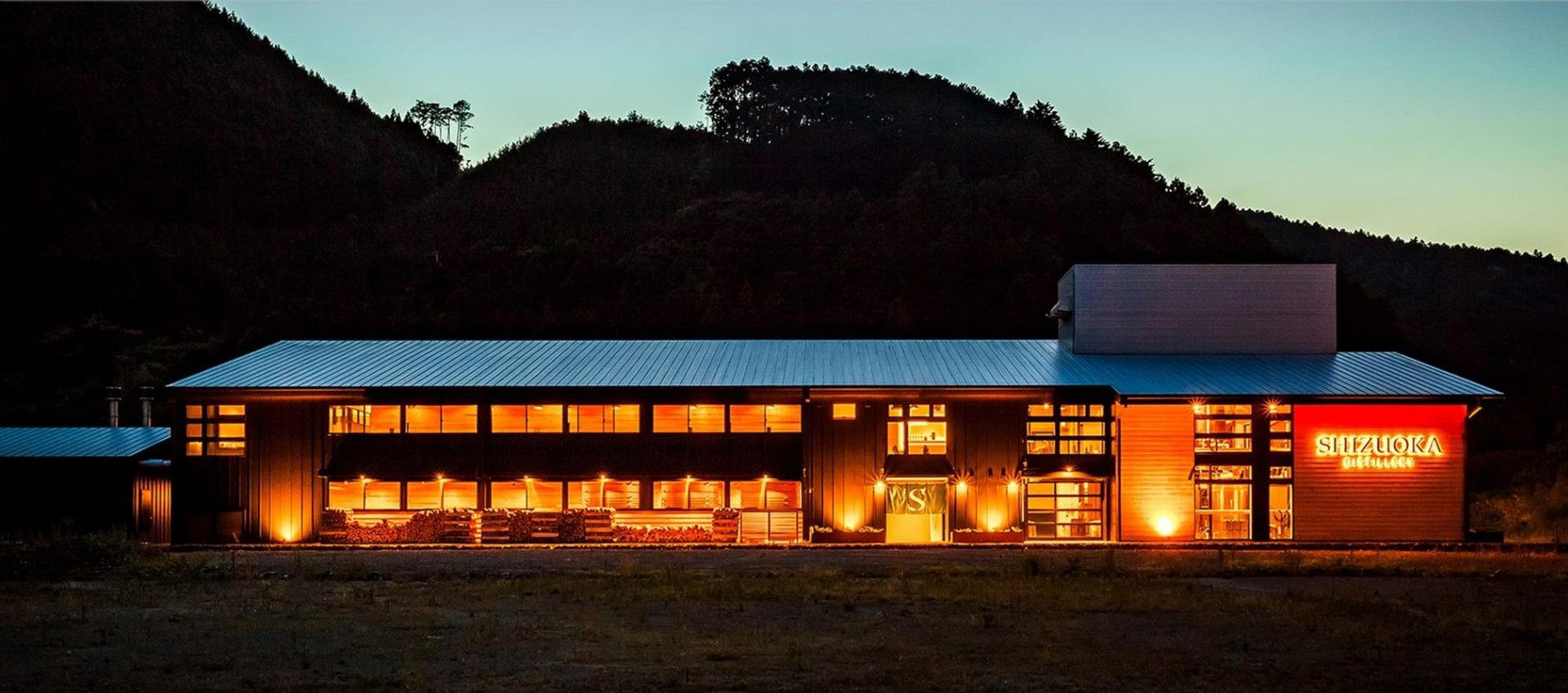
Details
- Elegant
- Intimate
- Rustic
- Romantic
- Date Night
- Special Occasion
- Business Dinner
- Private Dining
- Standalone
- Historic Building
- Local Sourcing
- Prix Fixe
- Set Menu
Current opening hours
- Monday
- Closed
- Tuesday
- Closed
- Wednesday
- 11:30 AM–1:30 PM, 6–8:30 PM
- Thursday
- 11:30 AM–1:30 PM, 6–8:30 PM
- Friday
- 11:30 AM–1:30 PM, 6–8:30 PM
- Saturday
- 11:30 AM–1:30 PM, 6–8:30 PM
- Sunday
- 11:30 AM–1:30 PM, 6–8:30 PM
Hours can change for holidays and private events. Hours as of .
Warm traditional Japanese architecture in a secluded rural setting, creating an intimate and refined dining atmosphere.