

Michelin 2 Grapes · Falstaff Winery - 4 Stars
A Fifth Growth in name only, Château Pontet-Canet has spent decades closing the gap on Pauillac's upper classification tier. Under winemaker Jean-Michel Comme, the estate has become a reference point for biodynamic viticulture in the Médoc. The estate does not welcome general-public visits; access is reserved for wine professionals and the trade, by appointment only.

Pearl is the En Primeur Club membership app, where members save venues, book tables and use the concierge.
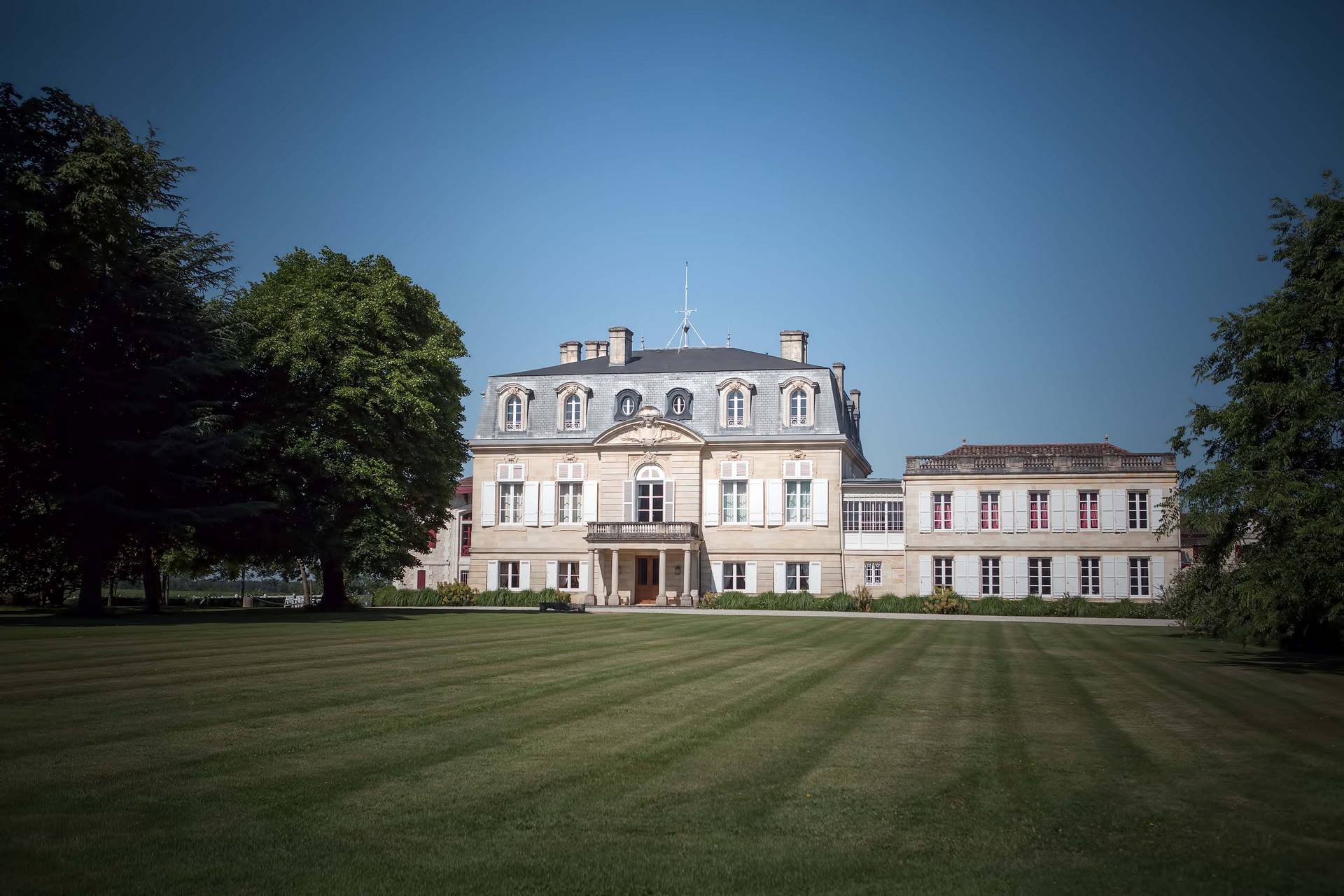
Where Pauillac's Gravel Speaks Loudest
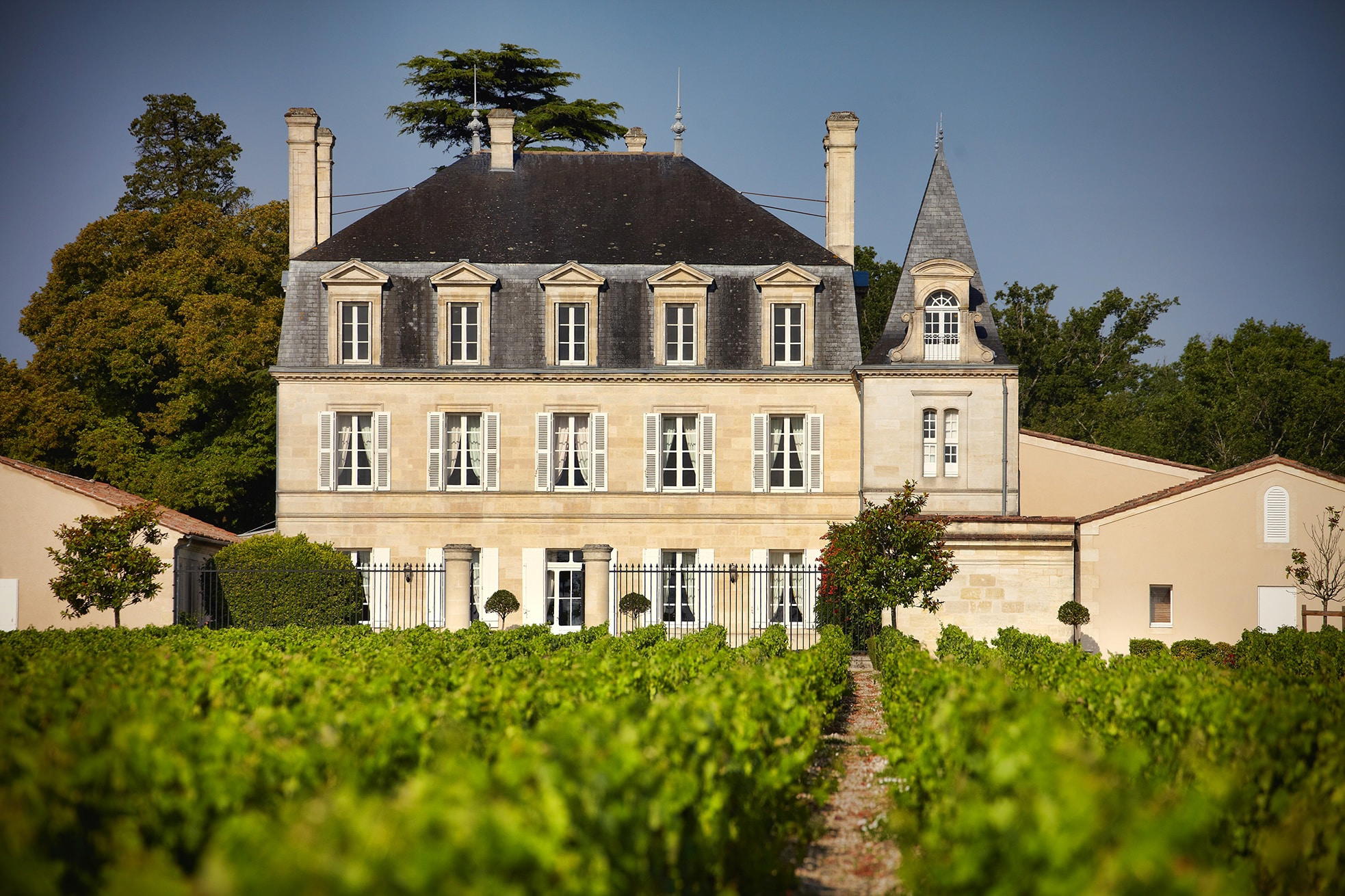
Approach Pontet-Canet from the D2, the route des châteaux that threads through the Médoc, and the shift in register is immediate. The chai sits close to Mouton Rothschild's northern boundary, a piece of geography that has shaped the estate's ambitions as much as its soils. The gravel ridges here, the croupes that drain freely and warm quickly, produce Cabernet Sauvignon of structural intensity, and the physical proximity to a First Growth neighbour has never been lost on the people who work this land. In Pauillac, address carries weight, and this address carries considerable weight.
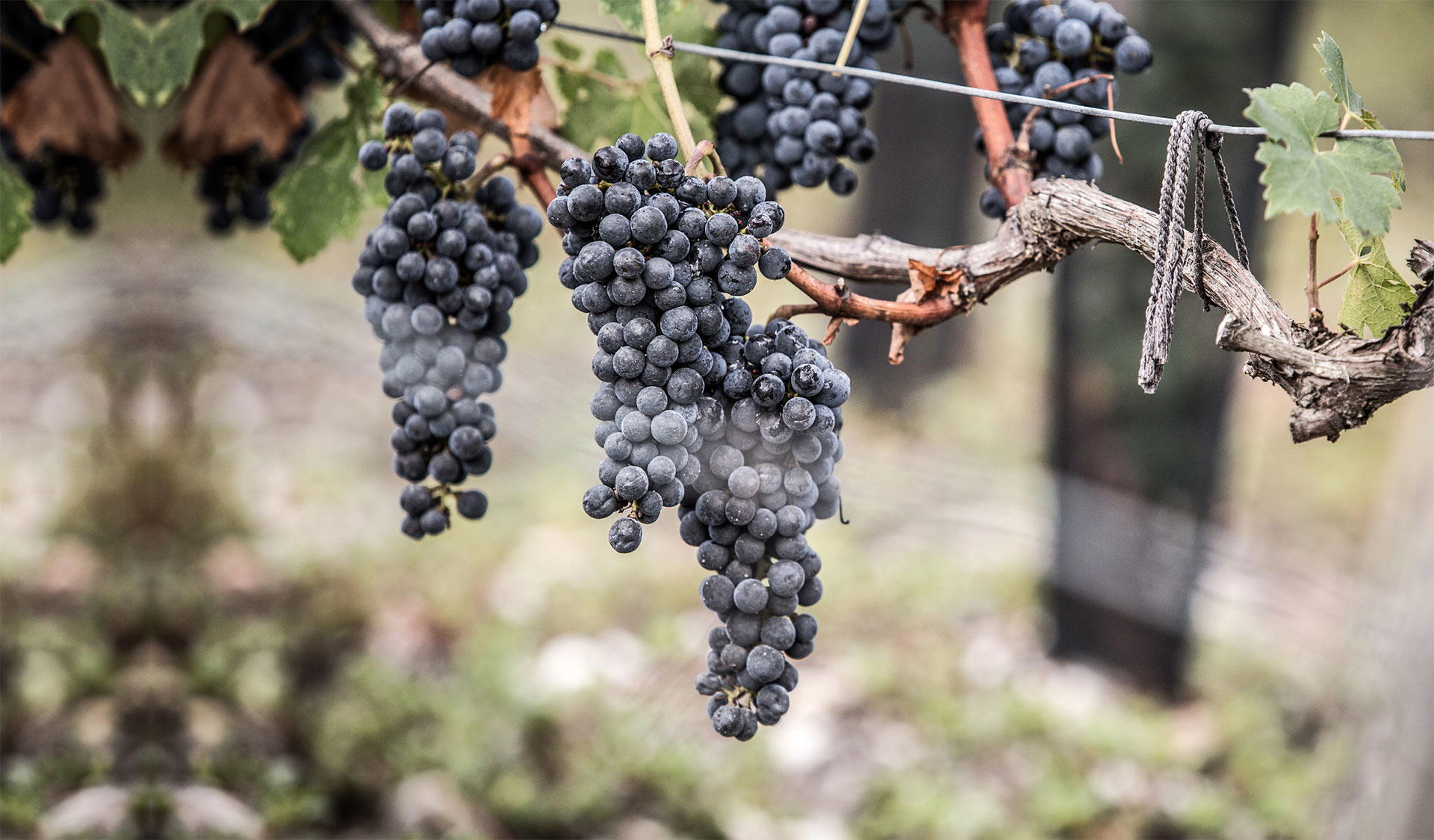
The ritual of a serious Bordeaux visit rarely begins with the wine. It begins with the land. Biodynamic farming, which Pontet-Canet adopted rigorously over the past two decades under winemaker Jean-Michel Comme, makes that land visible in ways that conventional viticulture often obscures. Cover crops between the rows, horse-drawn ploughing in some parcels, a calendar tied to lunar cycles, these are not aesthetic choices but a framework for coaxing greater specificity from each harvest. For a trade visitor granted an appointment, the vineyard walk before any tasting becomes an argument about farming philosophy, one that Médoc estates are increasingly being asked to make out loud.
The Logic of a Fifth Growth in the Modern Market
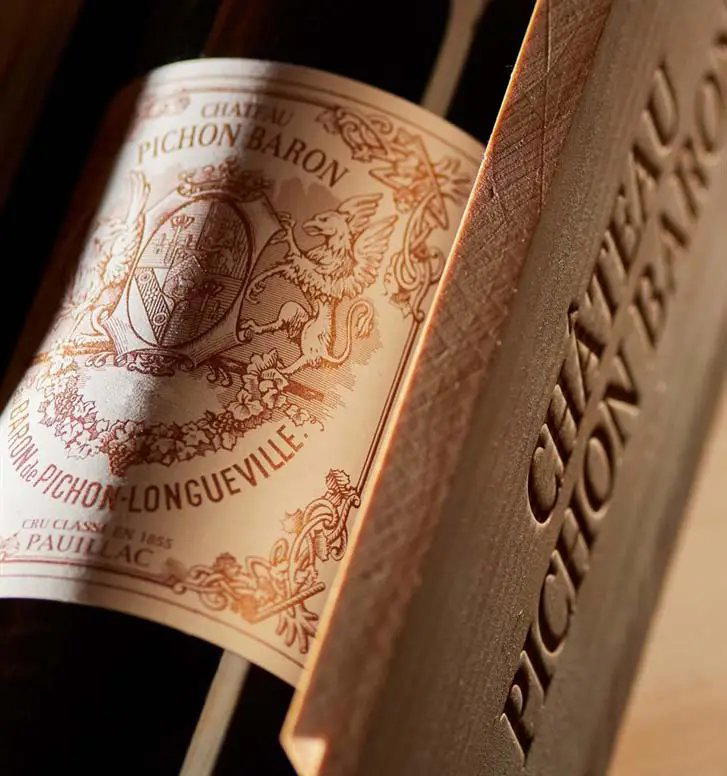
The 1855 Classification placed Pontet-Canet fifth among the Pauillac growths, a rank below Mouton, Latour, and Lafite Rothschild, and below the two Pichons. That hierarchy made sense in mid-nineteenth century Bordeaux, when price averages determined placement. What it cannot fully account for is a century and a half of divergent investment, changing ownership, and evolving winemaking ambition. The classification system is both the ceiling and the floor: it provides instant legibility for buyers, but it also creates the conditions under which estates like Pontet-Canet can outperform their official standing consistently enough that the gap becomes the story.
Within Pauillac's Fifth Growth cohort, Pontet-Canet occupies a different tier from neighbours such as Château Batailley, Château d'Armailhac, and Château Grand-Puy-Ducasse in the secondary market, a position reinforced by sustained critical recognition and allocation dynamics that increasingly resemble those of classified growths ranked well above it. Château Haut-Bages-Libéral and Château Pédesclaux are fellow Fifth Growths worth benchmarking against, but the pricing and collector interest around Pontet-Canet places it in a different conversation. For a broader reading of what Pauillac's classified estates offer across the full appellation, our full Pauillac guide maps the competitive field in detail.
The Tasting as a Structured Argument
Bordeaux château visits operate on a formal grammar that differs sharply from the drop-in culture of, say, Burgundy or the Napa Valley. Appointments are reserved for wine professionals and the trade, and should be requested weeks in advance. The tasting does not begin until you have been received, often in a reception room adjacent to the chai, and the wines are presented in a sequence that builds, young barrel samples before older bottled vintages, or vice versa, depending on what the estate wants you to understand about its arc. This is not hospitality as entertainment. It is hospitality as argument.
At an estate with the farming conviction that Pontet-Canet has demonstrated, that argument runs from the soil outward. Jean-Michel Comme, whose tenure has coincided with the estate's ascent in critical standing, has shaped a house style that prioritises texture and tannic integration over the extracted weight that characterised many Médoc wines in the early 2000s. The result, across strong vintages, is a Pauillac that rewards the kind of comparative tasting that serious collectors undertake: set it beside Lynch-Bages or Grand-Puy-Lacoste and the biodynamic influence becomes legible in the mid-palate density and the grain of the tannins. The wine holds its appellation character, cassis, cedar, graphite, while arriving with a different structural profile from its more conventionally farmed neighbours.
This matters for how the tasting ritual should be approached. Trade visitors who arrive having tasted widely across the Médoc will extract considerably more from the conversation than those for whom Pontet-Canet is a first reference point. The estate's team is practiced at reading that distinction and calibrating the depth of the visit accordingly. Come prepared, and a trade appointment can extend well beyond a standard forty-five minutes.
Biodynamic Bordeaux and What It Changes
The broader movement toward biodynamics and organics in Bordeaux has accelerated since the early 2010s, driven partly by a handful of estates whose results demonstrated that farming method and wine quality were not separable variables. Pontet-Canet's early and documented commitment to these practices positioned it as a reference point in that conversation, alongside Right Bank estates and a small number of Médoc counterparts. Across the wine world, this shift is visible in very different settings: Albert Boxler in Niedermorschwihr brings comparable rigour to Alsace, and Accendo Cellars in St. Helena represents the Napa end of the precision-viticulture spectrum. What unites these producers is an insistence that farming decisions compound over time in ways that no winery intervention can replicate.
For a trade visitor, the practical implication is that the vineyard itself carries more information than it would at a conventionally managed estate. The diversity of plant life between vine rows, the absence of herbicide residue in the soil structure, the variation between parcels that biodynamic management tends to amplify, these are observable during the walk, not just inferrable from the tasting. Plan for more time outside than you might expect.
Placing Pontet-Canet in the Wider Médoc Circuit
A serious Médoc itinerary tends to be structured around the grandes maisons, the First and Second Growths that anchor every serious collector's mental map. But the more instructive visits often come from estates operating just beneath that tier, where farming philosophy and winemaking ambition are both visible and less thoroughly mediated by global brand machinery.
Comparisons outside the Médoc can orient a collector's palate usefully. Château Bélair-Monange in Saint-Emilion and Château Branaire-Ducru in St-Julien offer different appellation expressions at similar classification levels, while Château Cantemerle in Haut-Médoc and Château Boyd-Cantenac in Cantenac extend the classified growth comparison into adjacent appellations. Château Bastor-Lamontagne in Preignac provides a Sauternes counterpoint for those building a full Bordeaux circuit. For a break from wine altogether, Chartreuse in Voiron and Aberlour in Aberlour are among the most compelling producer visits elsewhere in France and Scotland.
Planning the Visit
Pontet-Canet is located at 33250 Pauillac, accessible from Bordeaux via the D2 corridor. The estate does not welcome general-public visits. Access is reserved for wine professionals and the trade, by appointment only. It does not operate as a walk-in tasting room. The appointment format means that logistics require advance planning, particularly during the en primeur campaign period in spring and around harvest in September and October, when estate schedules compress significantly. Outside those windows, visits tend to be more spacious and the team more available for extended conversation. Arriving with specific vintage questions and some familiarity with the estate's farming approach will make the appointment more productive. The surrounding appellation offers a concentrated set of classified château visits within a short drive, making Pauillac a logical base for a two-day Médoc programme rather than a single stop.
Frequently Asked Questions
What wine is Château Pontet-Canet famous for?
Pontet-Canet produces a Grand Cru Classé Pauillac from Cabernet Sauvignon-dominant blends, the style typical of the appellation. Under winemaker Jean-Michel Comme, the estate became a reference point for biodynamic viticulture in the Médoc, which has influenced its positioning significantly.
What should I know about Château Pontet-Canet before I go?
The estate is in Pauillac, one of the Médoc's most concentrated appellations for classified growth visits. General-public visits are not offered. Access is reserved for wine professionals and the trade, by appointment., so plan ahead.
A Credentials Check
Comparable venues nearby, for context on price, style, and recognition.
| Venue | Cuisine | Awards | Notes |
|---|---|---|---|
| Château Pontet-CanetThis venue (the venue you are viewing) | Cabernet Sauvignon, Merlot | Michelin 2 Grapes · Falstaff Winery - 4 Stars | Not listed |
| Chateau Lafite Rothschild | Cabernet Sauvignon, Merlot | Michelin 3 Grapes · Falstaff Winery - 5 Stars | Pauillac |
| Château Lynch-Bages | Cabernet Sauvignon, Merlot | Michelin 1 Grape · Falstaff Winery - 4 Stars | Pauillac |
| Château Grand-Puy-Lacoste | Cabernet Sauvignon, Merlot | Michelin 1 Grape · Falstaff Winery - Listed | Pauillac |
| Château Pichon-Longueville-Comtesse-de-Lalande | Cabernet Sauvignon, Merlot | Michelin 2 Grapes · Falstaff Winery - 4 Stars | Pauillac |
| Château d’Armailhac | Cabernet Sauvignon, Merlot | Michelin Main Selection · Falstaff Winery - 3 Stars | Pauillac |
Recognition history
Dated appearances from independent guides and award organizations, with the underlying list record or original source where available.
Michelin 2 Grapes
Michelin
Falstaff Winery - 4 Stars
Falstaff
Continue exploring
More in Pauillac
Wineries in Pauillac
All wineries in Pauillac →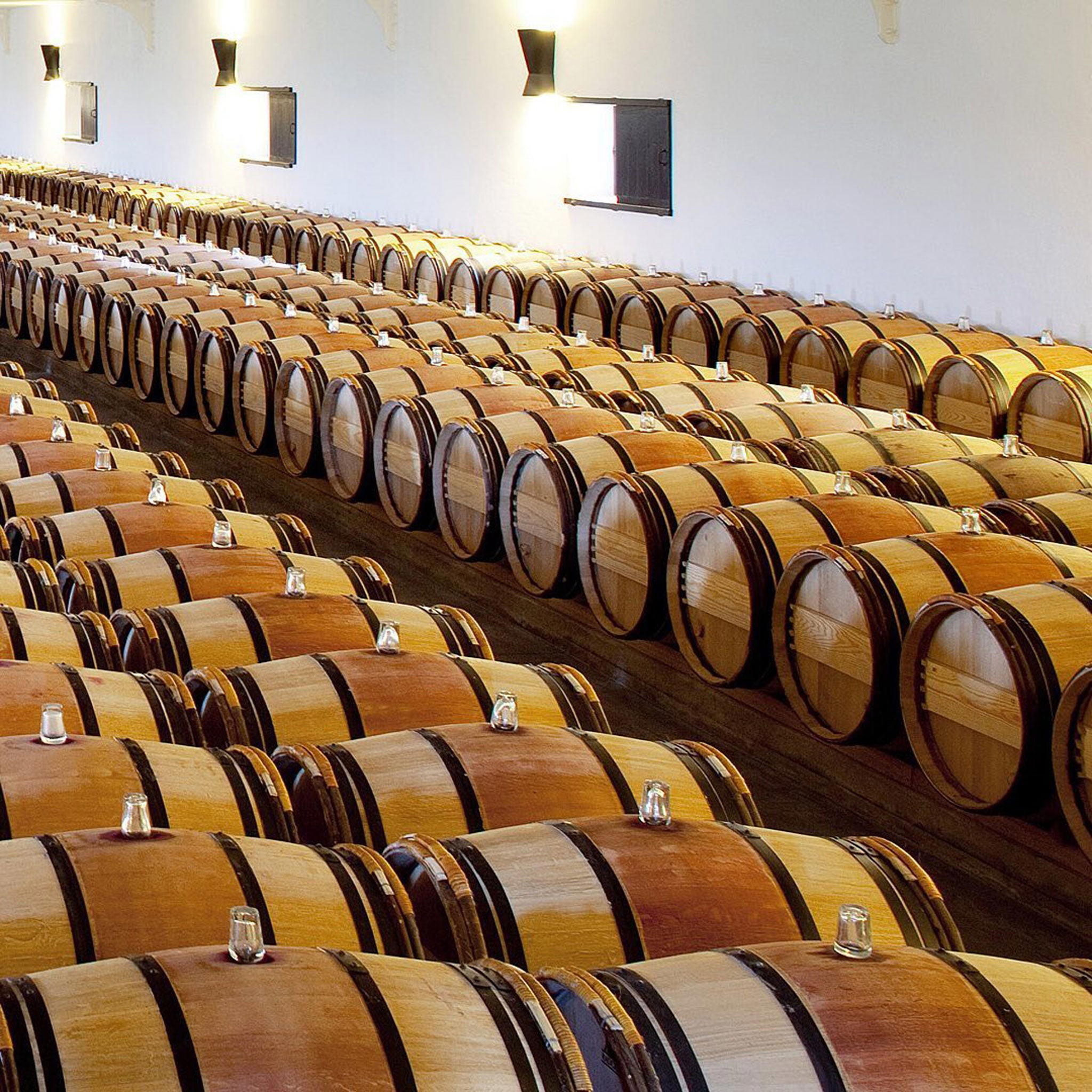
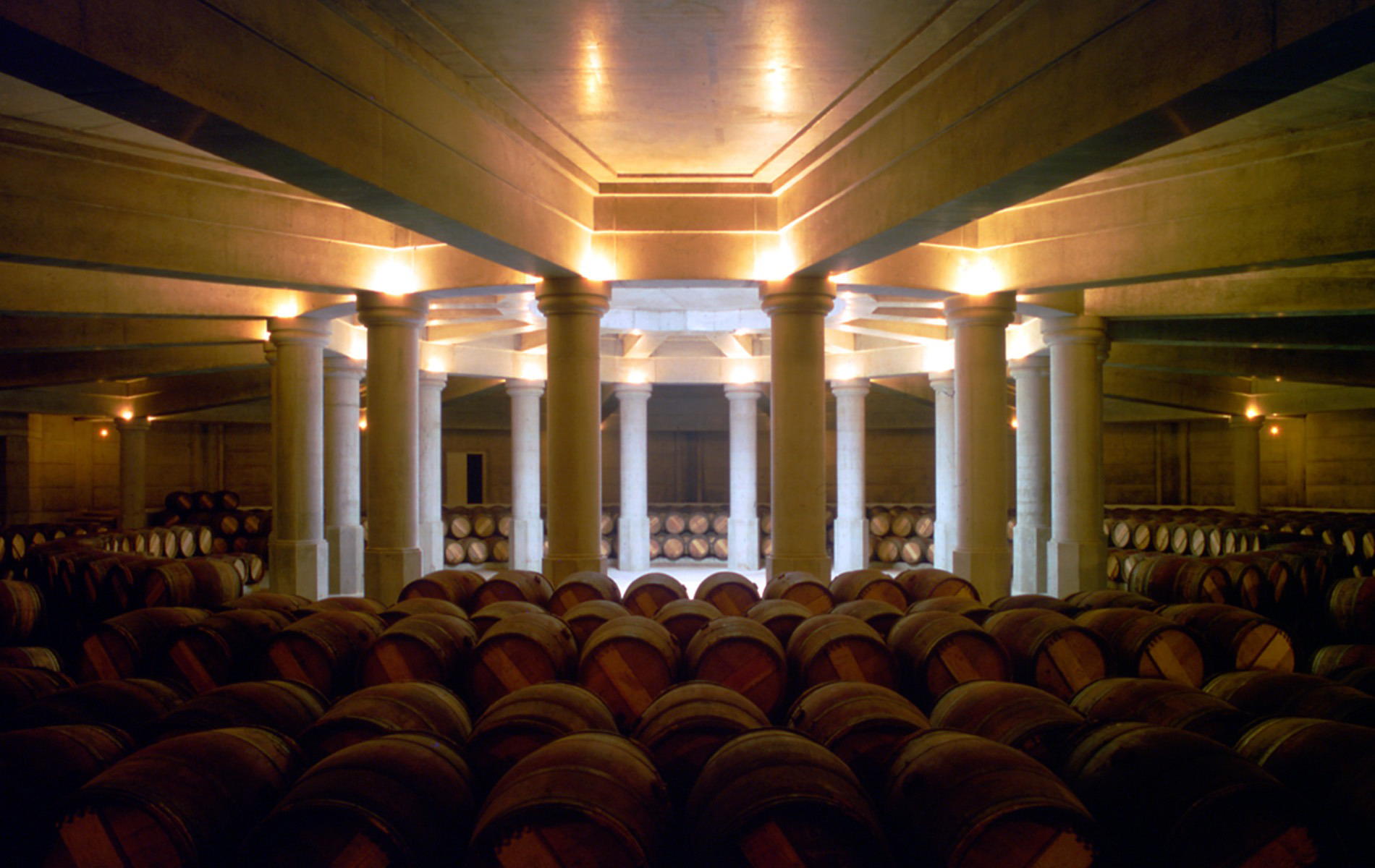
Bars in Pauillac
Browse all →
Details
- Classic
- Elegant
- Rustic
- Well Known
- Sophisticated
- Wine Education
- Special Occasion
- Vineyard Tour
- Barrel Room
- Historic Building
- Biodynamic
- Organic
- Vineyard
- Cabernet Sauvignon
- Merlot
- Cabernet Franc
- Petit Verdot
- Still Red
- Amphora
- Cave Tasting
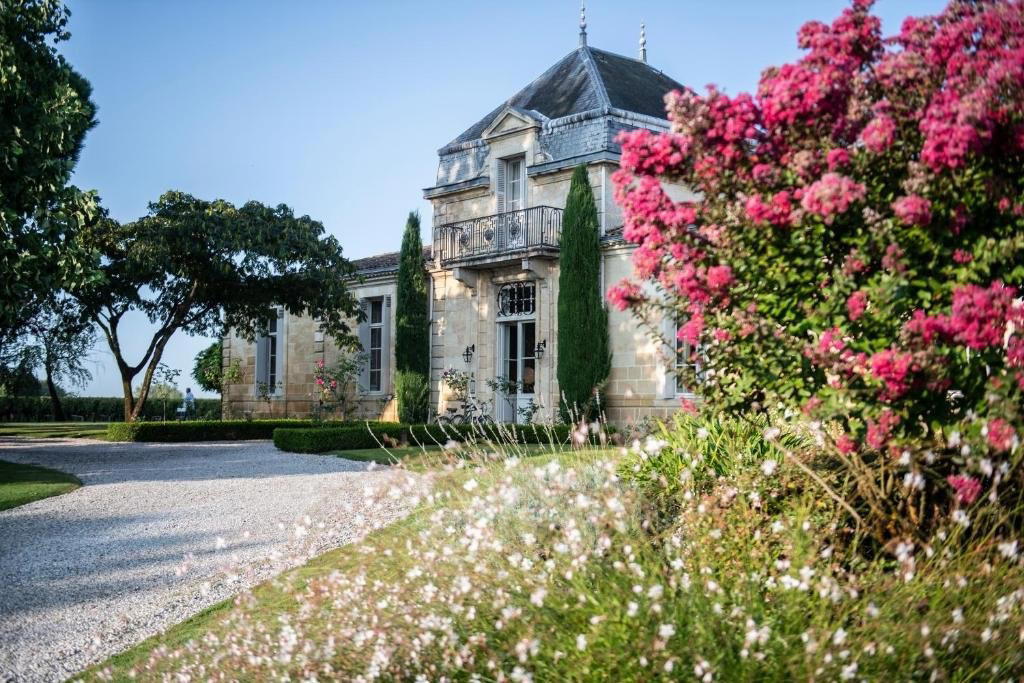
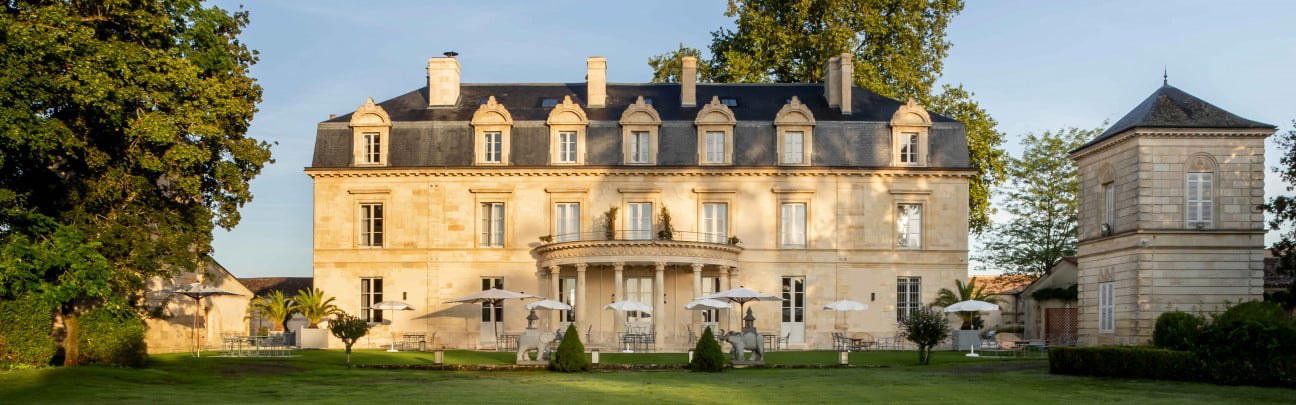
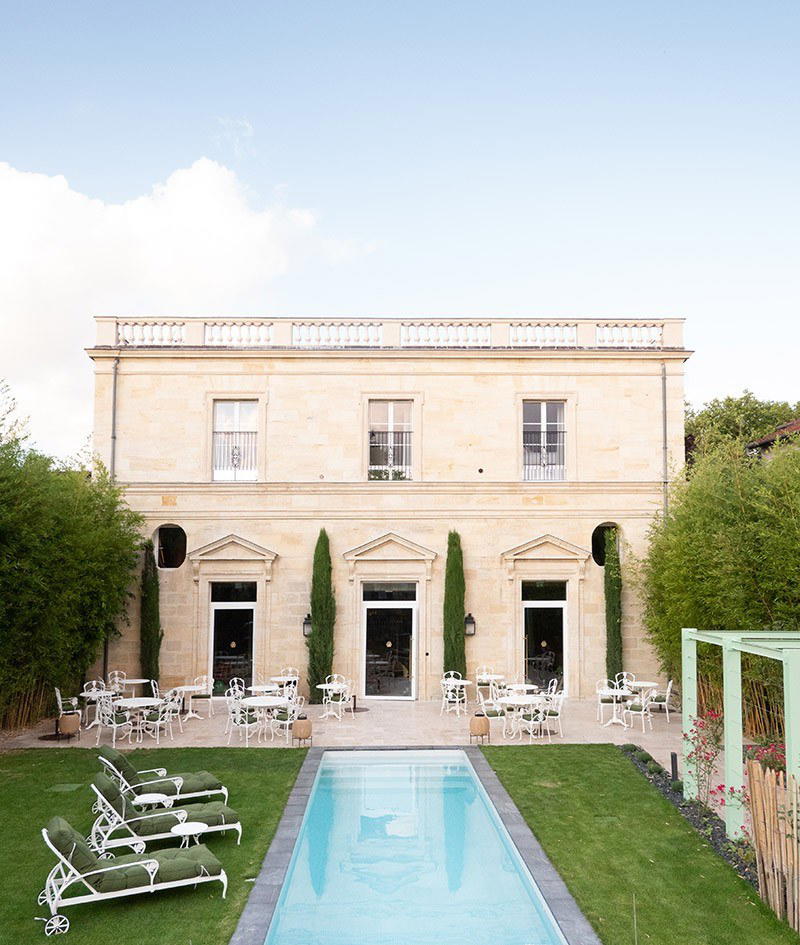
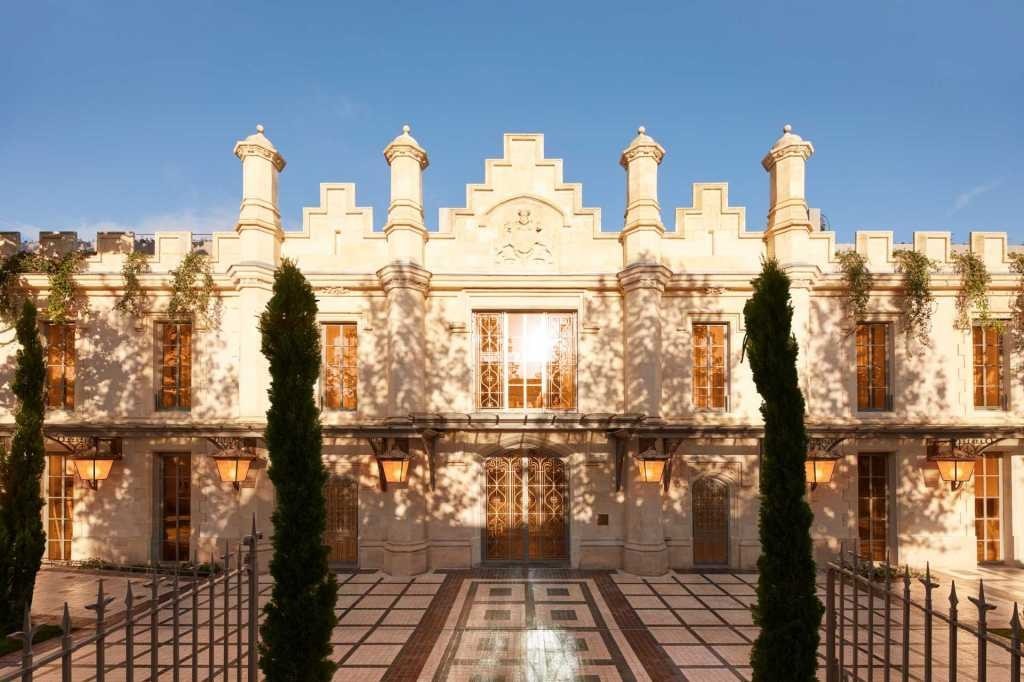
Timeless elegance with a focus on purity and energy, reflecting biodynamic harmony in a historic setting.