

Château Pichon-Longueville-Comtesse-de-Lalande has produced wine from its Pauillac estate since 1780, placing it among the Médoc's most historically continuous properties.
Pearl is the En Primeur Club membership app — saves, bookings, and concierge access live there. Same editors, same standards.
- Address
- Rte des Châteaux, 33250 Pauillac
- Phone
- +33 5 56 59 19 40
- Website
- pichon-comtesse.com
- Directions
- Get directions
 Saves & bookings on Pearl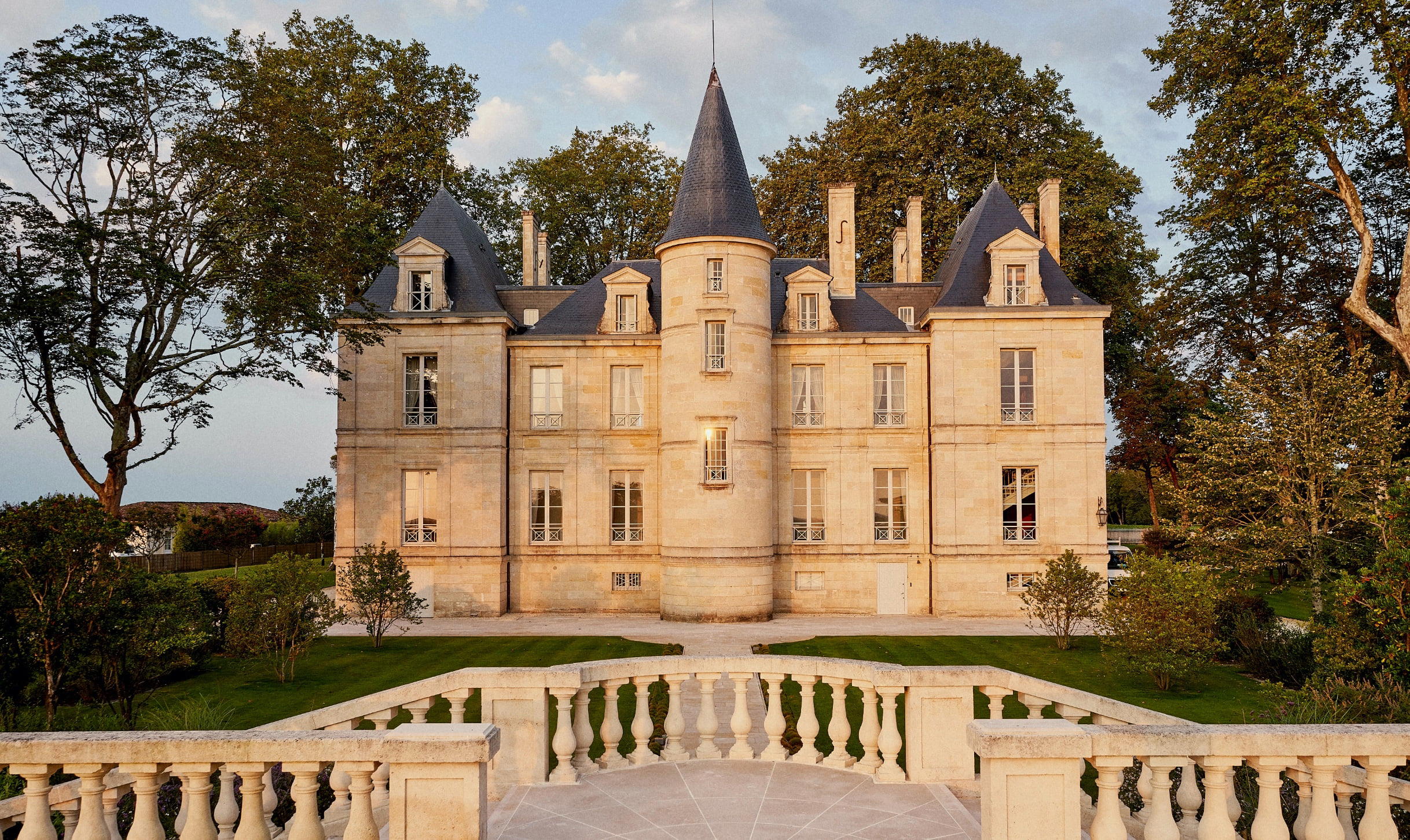
Where the Route des Châteaux Tells Its Oldest Stories
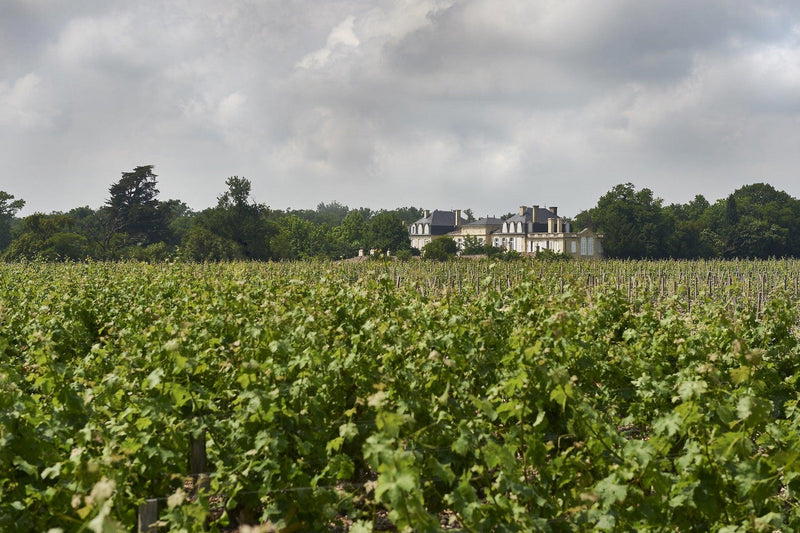
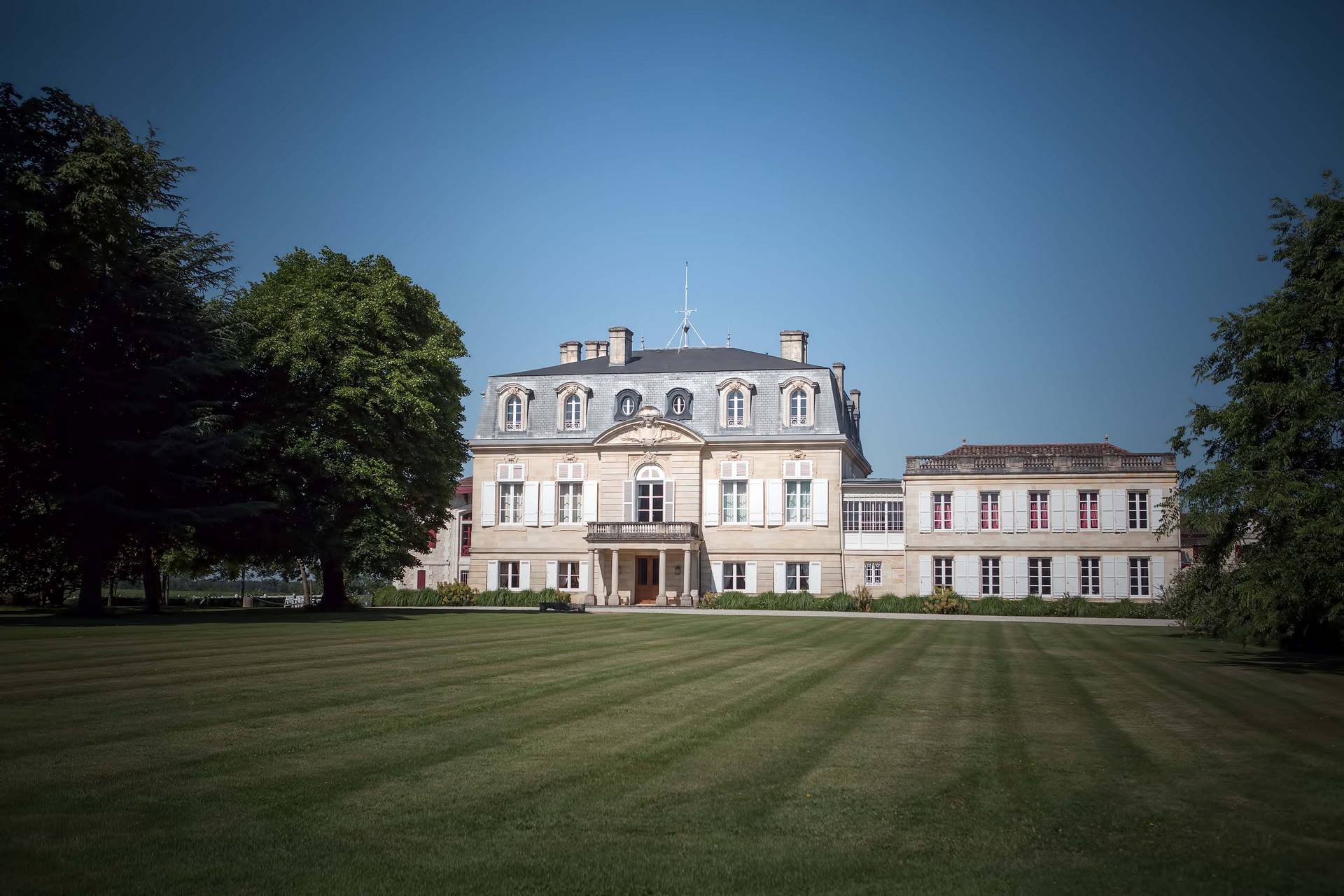
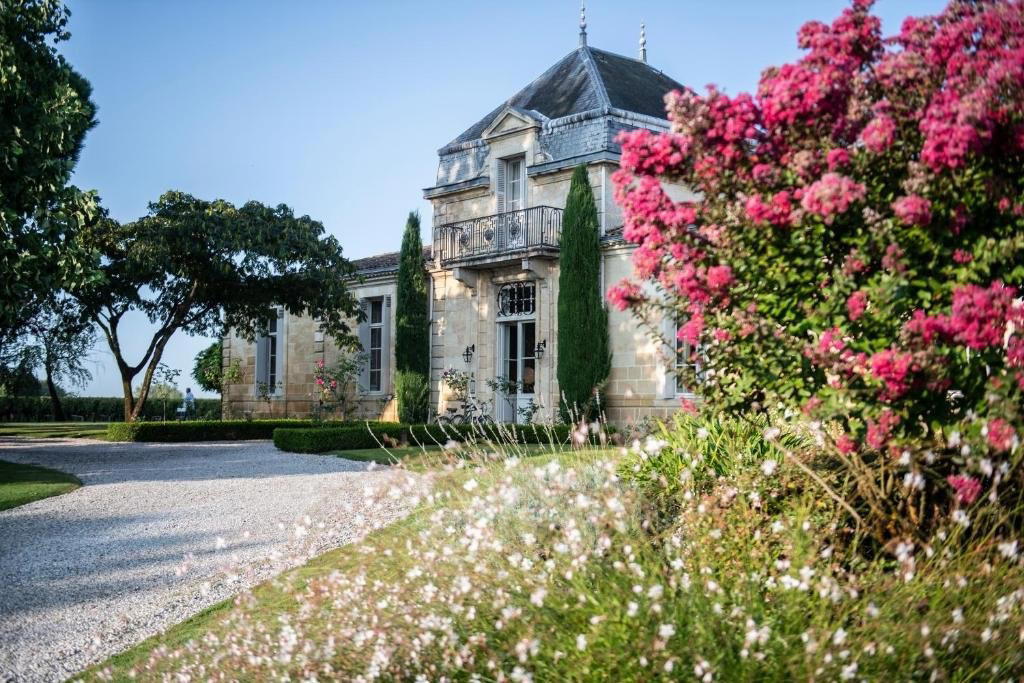
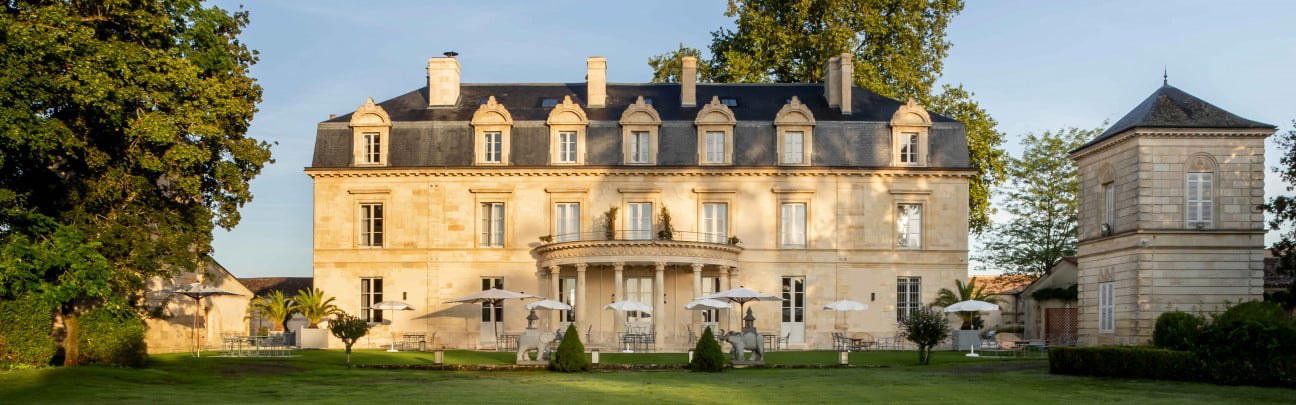
The D2 road running north through Pauillac is lined with famous names at regular intervals, but there is a particular stretch between Pichon-Baron and the boundary of Château Latour where the density of prestige becomes almost architectural. Approaching from the south, the towers of Château Pichon-Longueville-Comtesse-de-Lalande — the nineteenth-century château itself reflected in its ornamental pond — announce a property that has been shaping the character of Pauillac Cabernet-dominant blending since its first vintage in 1780. That date matters. Most of Bordeaux's modern reputation was built across the nineteenth century; an estate producing documented wine before the Revolution occupies a different historical register entirely.
In the context of Médoc classification, Pichon-Comtesse (as it is referred to throughout the trade) holds Second Growth status from the 1855 classification, a tier it shares with neighbours including Château Batailley and Château d'Armailhac. But classification rank has never been the complete story here. For several decades, market pricing and critical consensus have placed Pichon-Comtesse closer to the First Growth bracket in terms of collector demand, a positioning that reflects vineyard quality, consistency, and the proportion of Merlot in its blend, higher than many Pauillac peers, which gives the wine a textural profile that sits outside the appellation's most austere tradition.
Pauillac's Blending Tradition and Where Pichon-Comtesse Fits
Understanding Pichon-Comtesse requires first understanding what Pauillac does differently from the rest of the Médoc. The appellation sits on deep gravel banks above the Gironde, and its soils drain so efficiently that Cabernet Sauvignon achieves a phenolic maturity here that is difficult to replicate further south in Margaux or north in Saint-Estèphe. The classic Pauillac formula is Cabernet-heavy, structured, and designed for extended cellaring. Properties like Château Haut-Bages-Libéral and Château Grand-Puy-Ducasse work firmly within that template.
Pichon-Comtesse has historically incorporated a more significant proportion of Merlot than most Pauillac estates, drawn from parcels whose limestone-influenced soils suit the variety. The result is a wine that retains the appellation's depth and cedar-inflected complexity but introduces a roundness and approachability in relative youth that Cabernet-dominant Pauillac rarely offers. This is not a stylistic accident, it is a deliberate expression of a specific terroir mosaic, and it has given the château a broader audience among collectors who want Pauillac's pedigree without committing to decades of cellaring before the wine opens.
Winemaker Nicolas Glumineau has overseen the estate's direction in recent years, working within a tradition that has produced consistently high-quality vintages across very different climatic conditions. In the context of the appellation, that consistency is what separates the upper tier from properties like Château Pédesclaux, which operate with strong track records but at different scale and recognition levels.
The 1855 Classification in the Twenty-First Century
The 1855 classification remains one of the wine world's most debated documents, created for a Paris exhibition and never officially revised in its Médoc rankings. For most of the twentieth century, the hierarchy it established mapped reasonably well onto quality and price. Since the 1980s, that alignment has loosened. A handful of Second and Third Growth estates now trade above some First Growths in certain vintages, and Pichon-Comtesse is among the most discussed examples of that divergence.
The comparison set that genuinely matters for Pichon-Comtesse is not the broader Second Growth tier but a small group of properties across Pauillac and Saint-Julien, Château Lynch-Bages, Château Pontet-Canet, Château Grand-Puy-Lacoste, Château Clerc Milon, Château Lafite Rothschild, where pricing, allocation, and critic scoring have converged into a de facto hierarchy that the 1855 classification no longer captures. For broader Médoc reference, properties like Château Branaire Ducru in St-Julien and Château Cantemerle in Haut-Médoc illustrate how different price points and classification levels express the same gravel-bench Cabernet tradition at varying intensities.
Across France and beyond, the tradition of estate wines built on centuries of continuous production shares certain characteristics: deep institutional memory of specific parcels, the ability to compare current vintages against an internal archive, and a market position that is less vulnerable to fashion cycles. Albert Boxler in Niedermorschwihr represents that model in Alsace; Chartreuse in Voiron holds a different kind of historical continuity in French production. In Bordeaux, the estates most trusted by the en primeur market tend to be precisely those with the longest unbroken production histories, Pichon-Comtesse's 1780 first vintage puts it in a category very few Médoc properties can match.
En Primeur, Allocation, and When to Visit
For collectors, the practical relationship with Pichon-Comtesse typically runs through the en primeur system. Futures are released each spring following the harvest, priced against comparable vintages and competitor releases in the same week of tastings. The estate is located on the Route des Châteaux at Rte des Châteaux, 33250 Pauillac, directly accessible from the D2, approximately two kilometres south of Pauillac town, which places it on the standard Médoc touring circuit that most serious wine travellers undertake from a Bordeaux base.
Visits to Pauillac's classified estates require advance arrangement, and Pichon-Comtesse is no different. The spring primeur period, typically April, draws trade and press to the region in numbers that make spontaneous visits during that window difficult. Autumn, after harvest, offers a quieter but still active period when cellar teams are processing the new vintage. The surrounding communes, particularly those with properties like Château Bélair-Monange in Saint-Emilion, Château Boyd-Cantenac in Cantenac, and Château Bastor-Lamontagne in Preignac, allow visitors to build broader itineraries across Bordeaux's main appellations within a single trip. For reference across the full Pauillac appellation, see our full Pauillac guide, which covers the commune's classification structure, seasonal timing, and comparative estate profiles. Those with an interest in premium single-malt production as a parallel study in terroir-driven, long-aged spirits might also consider Aberlour in Aberlour or Accendo Cellars in St. Helena as comparative reference points in their respective categories.
Recognition history
Dated appearances from independent guides and award organizations, with the underlying list record or original source where available.
Falstaff Winery - 4 Stars
Falstaff
Michelin 2 Grapes
Michelin
Continue exploring
More in Pauillac
Wineries in Pauillac
Browse all →
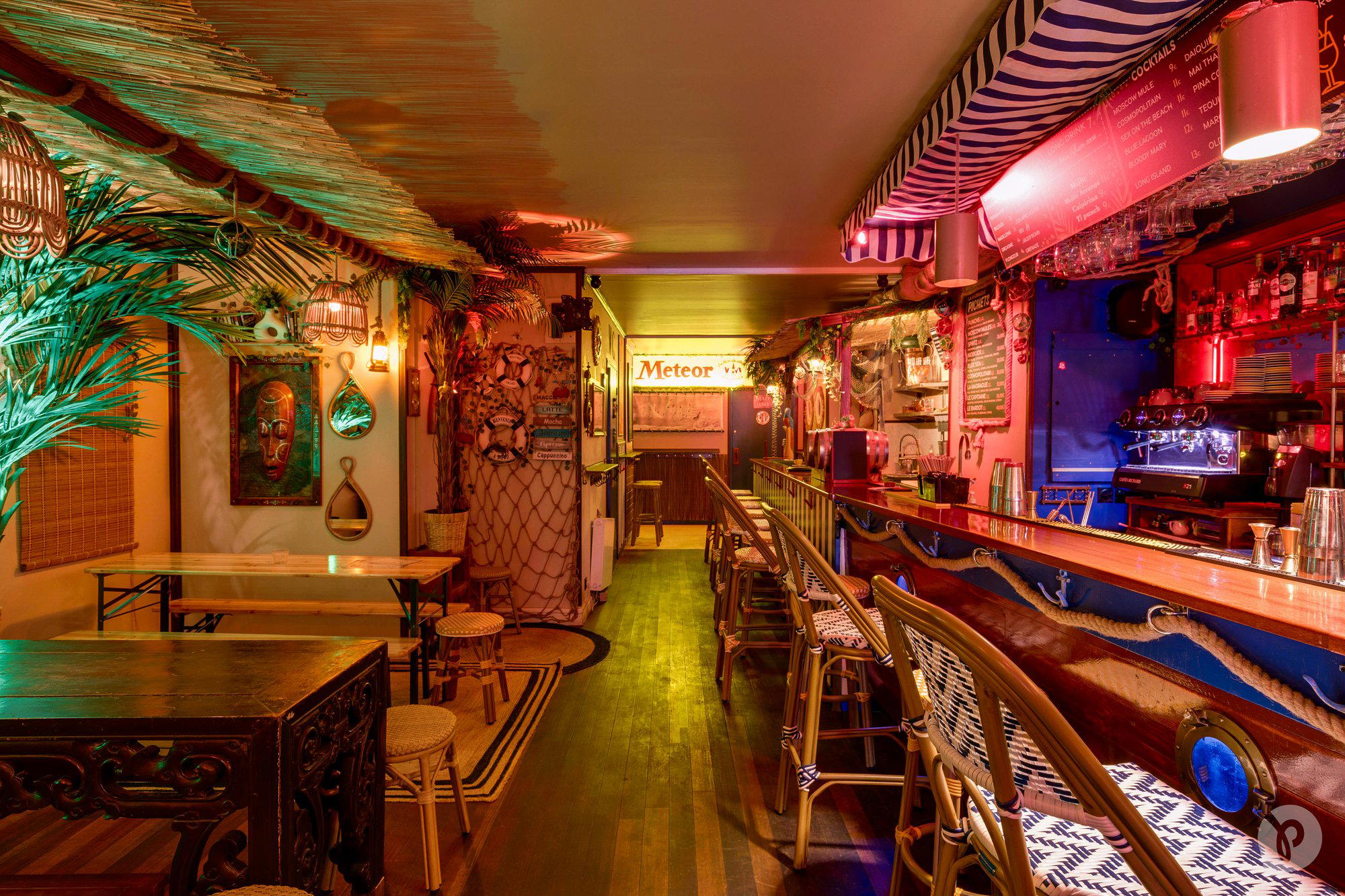
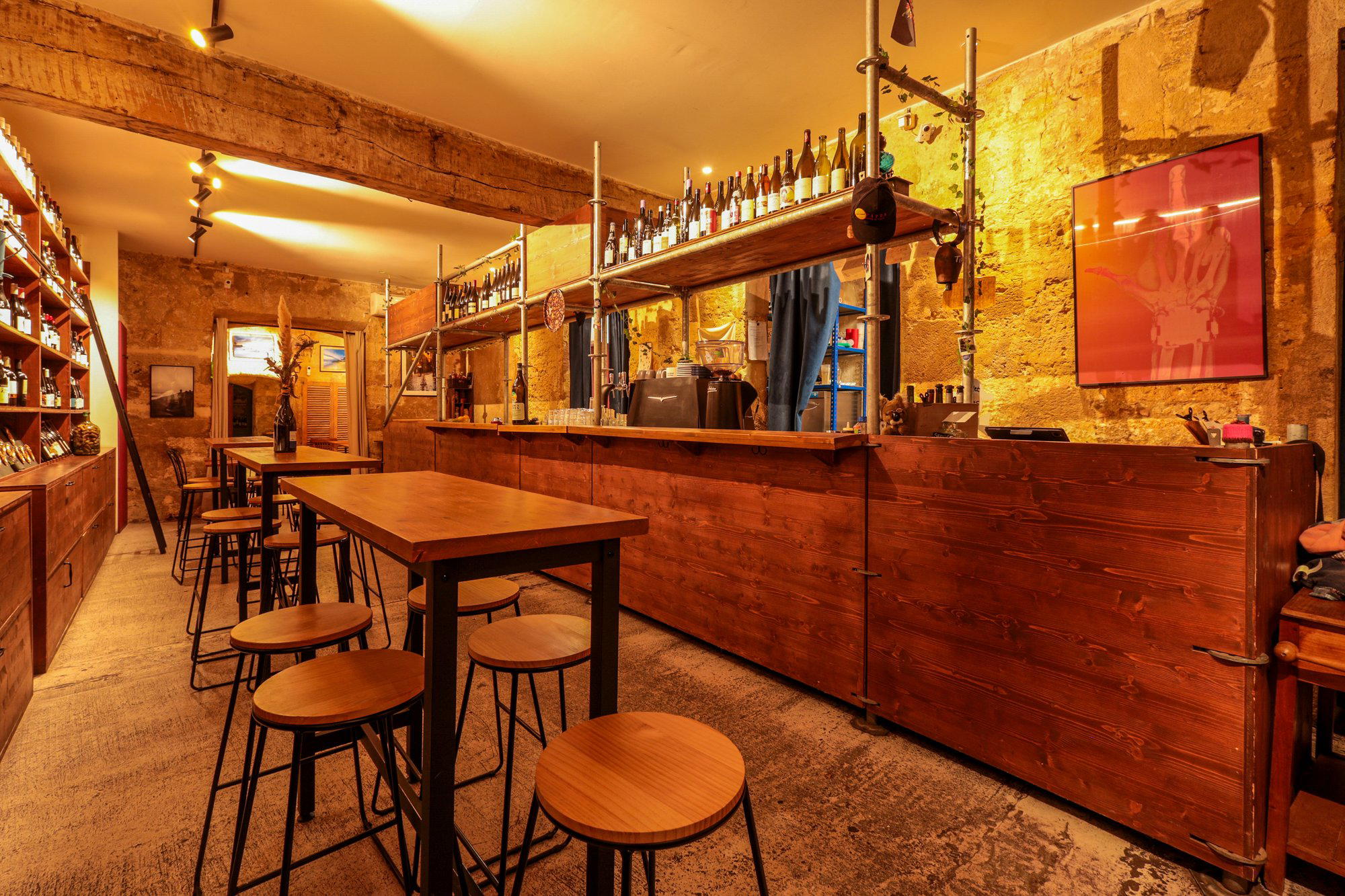
Bars in Pauillac
Browse all →

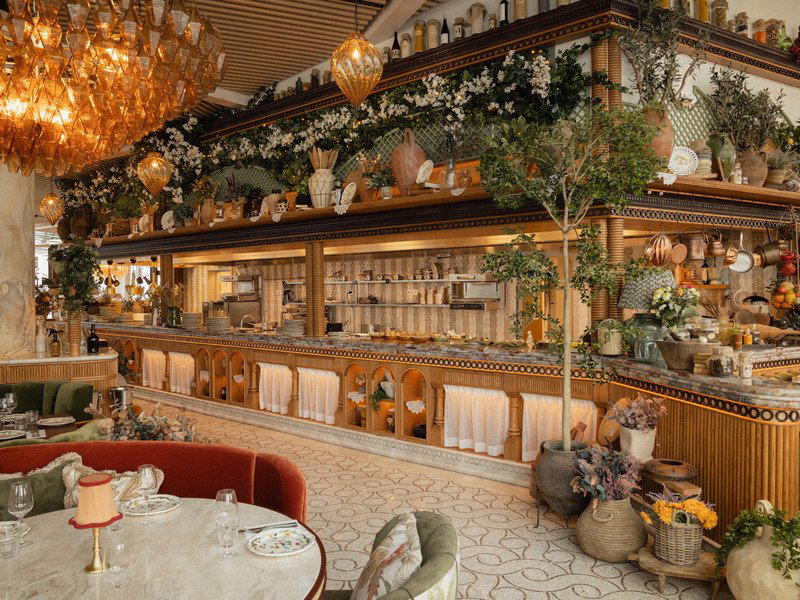
Restaurants in Pauillac
Browse all →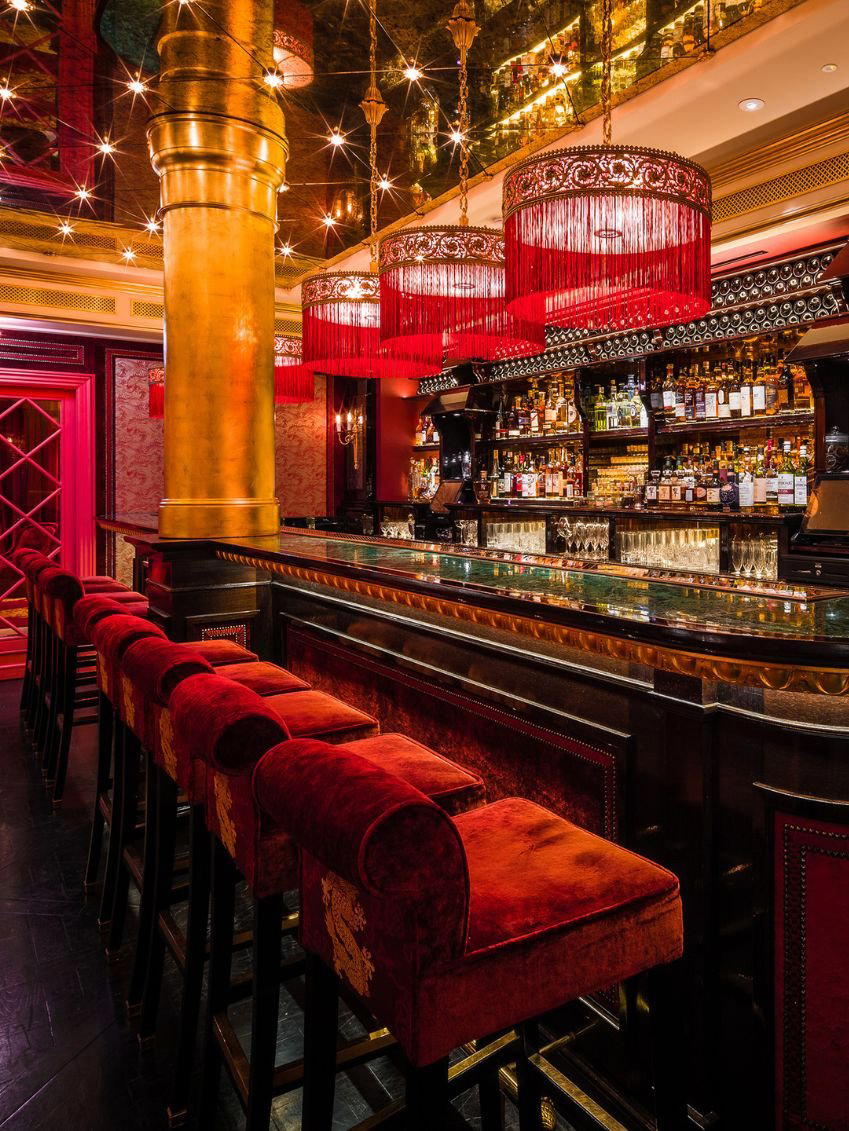
At a Glance
- Elegant
- Classic
- Sophisticated
- Well Known
- Wine Education
- Special Occasion
- Cave Tasting
- Barrel Room
- Vineyard Tour
- Historic Building
- Sustainable
- Vineyard
- Pauillac AOC
- Cabernet Sauvignon
- Merlot
- Cabernet Franc
- Petit Verdot
- Still Red
- Cave Tasting
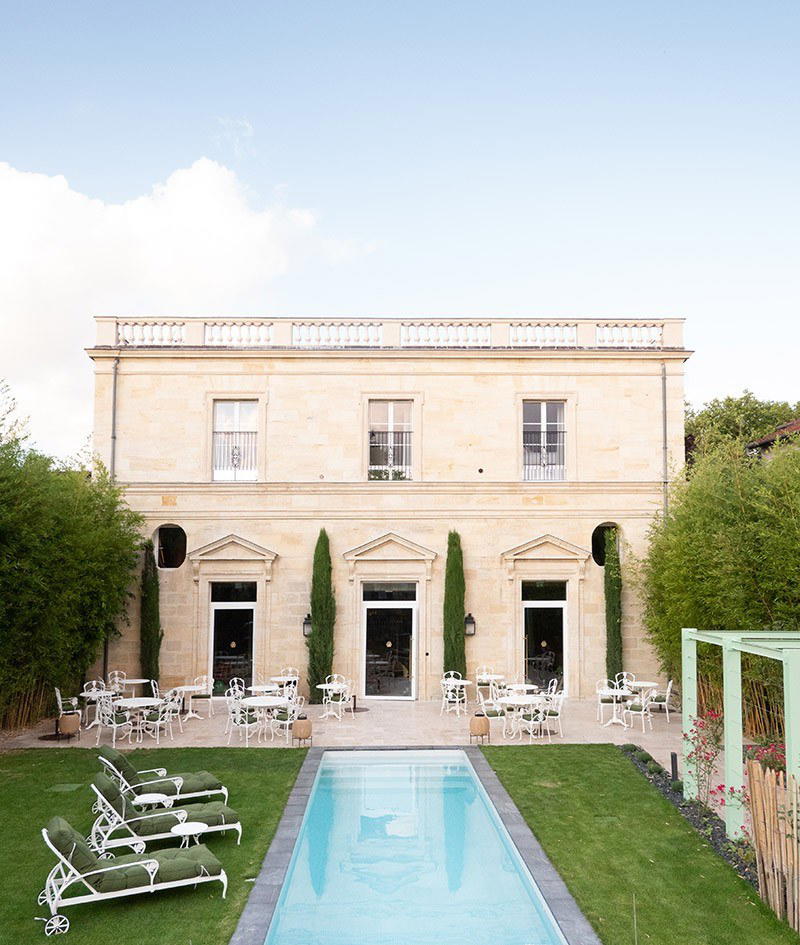
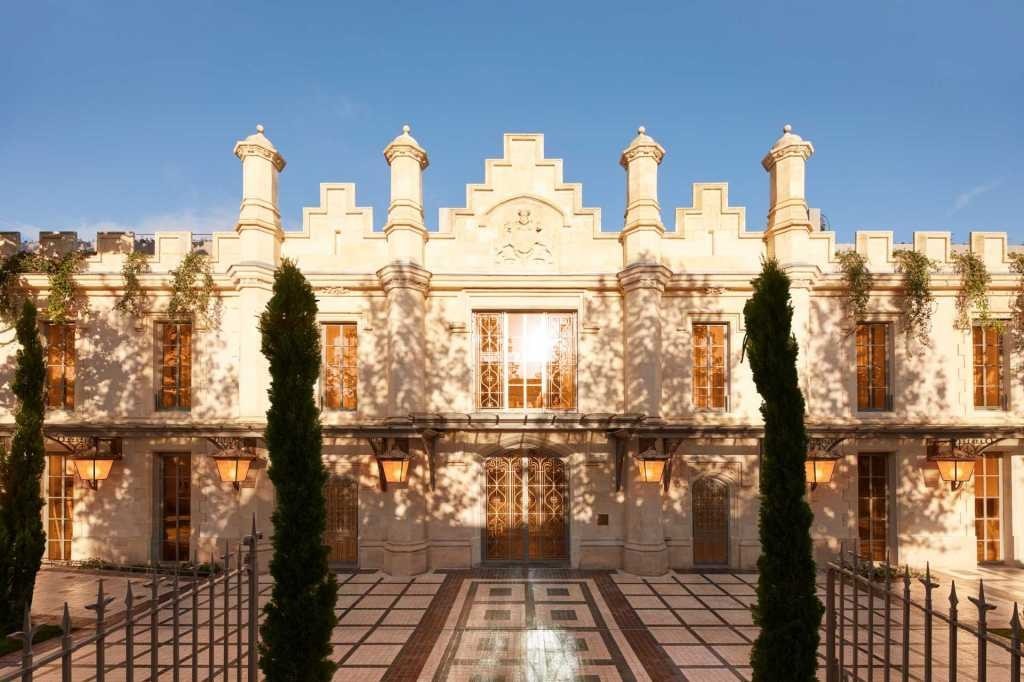
Elegant and majestic historic chateau with scenic vineyard surroundings, atmospheric cellars featuring old bottles, and a sophisticated tasting experience.
Know Before You Go
- Getting there
- Rte des Châteaux, 33250 Pauillac