Cloudy Bay Vineyards


Cloudy Bay Vineyards sits on Jacksons Road in the heart of Marlborough, where the Wairau Valley's stony soils and intense UV light shaped one of the wine world's most recognisable Sauvignon Blanc addresses.
Pearl is the En Primeur Club membership app — saves, bookings, and concierge access live there. Same editors, same standards.
- Address
- 230 Jacksons Road, Blenheim 7201
- Phone
- +64 3 520 9147
- Website
- cloudybay.com
- Directions
- Get directions
 Saves & bookings on Pearl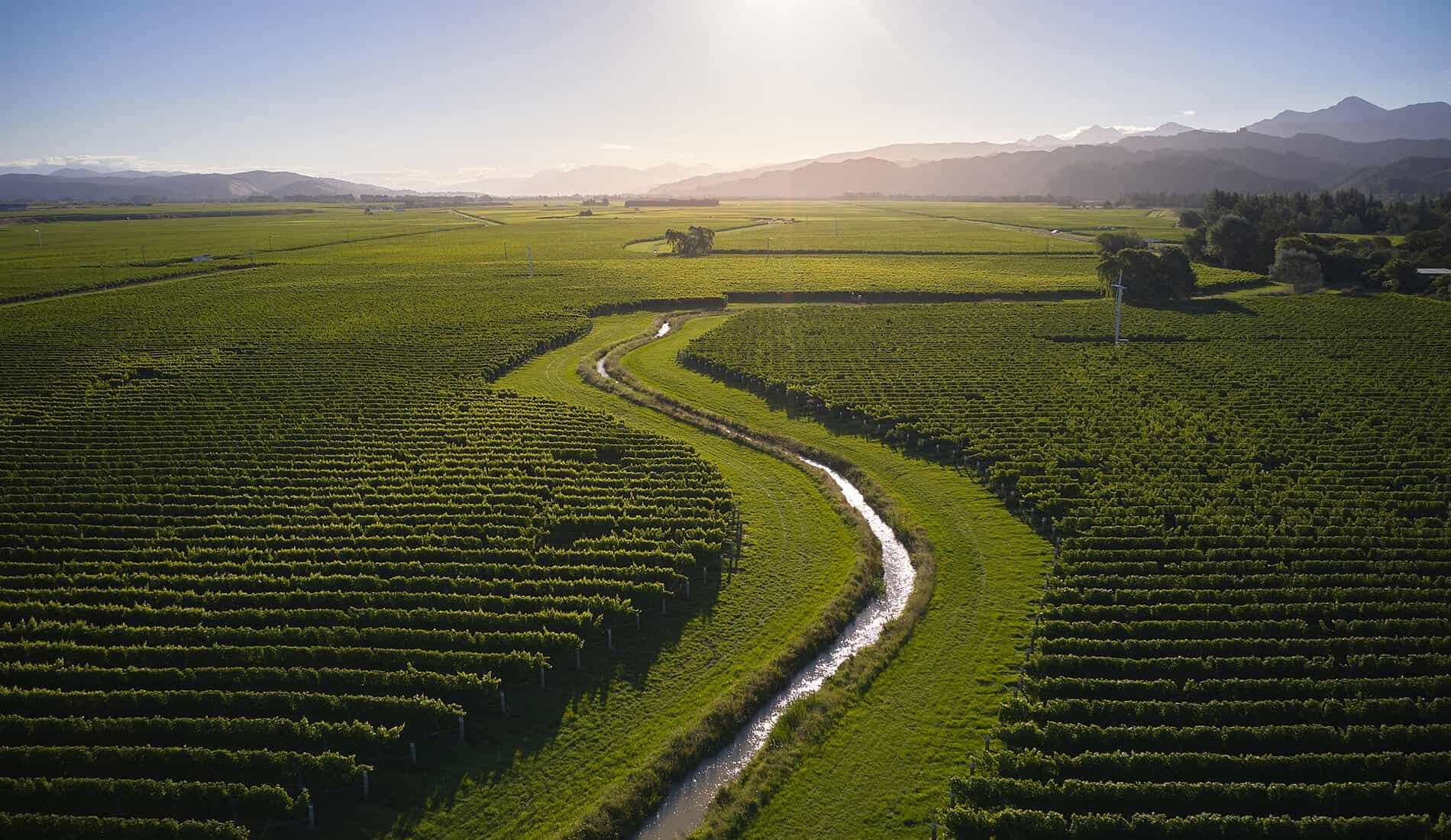
Where the Wairau Valley Earns Its Reputation
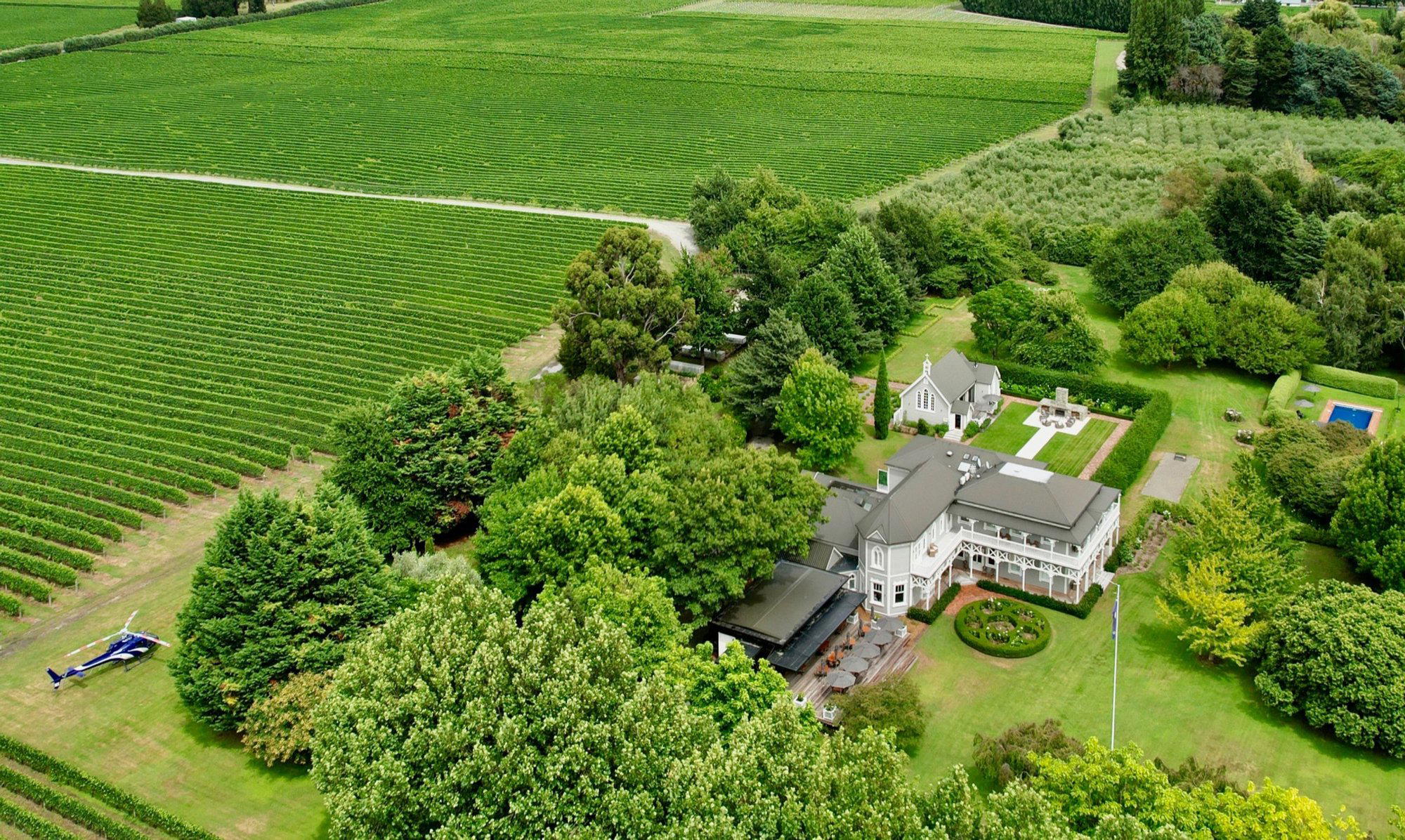
Drive south from Blenheim along Jacksons Road on a clear Marlborough morning and the scale of what the Wairau Valley does to a grapevine becomes immediately legible. The alluvial fans spread flat toward the Richmond Ranges, river stones sit close to the surface, and the light has a quality that viticulturalists in other regions spend careers trying to replicate. This is not decorative countryside. It is one of the more geologically deliberate winegrowing environments in the Southern Hemisphere, and Cloudy Bay Vineyards, at 230 Jacksons Road, sits squarely within it.
Marlborough's position as New Zealand's dominant winegrowing region is built almost entirely on a single set of conditions: long, cool ripening seasons, intense UV radiation at this southern latitude, and free-draining soils that stress the vine in precisely the right direction. Those conditions concentrate aromatics rather than sugar, which is why the region's Sauvignon Blanc reads with such directional clarity in the glass. Cloudy Bay helped put that argument to an international audience, and the address on Jacksons Road remains the physical anchor for understanding what the region actually does when the conditions align.
The Terroir Case Behind the Label
Marlborough Sauvignon Blanc is not a monolith. The Wairau Valley, where Cloudy Bay operates, produces a different expression from the Southern Valleys, where clay-heavy soils and higher rainfall shift the aromatic register toward something broader and riper. The Wairau's alluvial gravels drain quickly, limiting water availability and pushing roots deep, while the free air drainage from the ranges moderates temperatures overnight, extending the growing window without softening acidity. That combination is what gives the region's wines their characteristic tension: ripe stone fruit aromatics against a nervy, cutting acid structure.
The estate's move toward organic farming across increasing portions of its land adds another layer to the terroir argument. Organic viticulture in Marlborough is not a direct proposition given the region's humidity levels in wetter vintages, but when it works it tends to produce fruit with sharper site expression. The logic follows the same thread running through Burgundy, Central Otago, and the more terroir-focused Napa estates: less chemical intervention in the soil allows the specific character of the ground to register more directly in the fruit. For visitors arriving at Cloudy Bay on a vineyard tour, this shift is visible in the farming practices across the blocks, not just in the marketing language on the label.
For a broader view of how New Zealand's wine regions compare in their terroir approaches, the contrast with Central Otago's schist-driven intensity at Felton Road Wines in Bannockburn or the volcanic basalt soils influencing Rippon Vineyard in Wānaka sharpens the picture considerably. Marlborough's alluvial flatlands produce a fundamentally different wine from those refined, schist-fractured southern sites.
Atmosphere and the Physical Experience of the Estate
The Cloudy Bay experience is structured around the intersection of land, water, and elevation that defines Marlborough's geography. That framing matters: the eponymous bay itself, visible from the right vantage point in the Marlborough Sounds, is part of the broader landscape that gives the estate its identity, and the visitor program connects those two reference points.
Vineyard tours at Cloudy Bay move through blocks that demonstrate the range of conditions within the estate, from the stonier, lower-vigour sections that produce the tightest acid profiles to areas where the soil composition shifts and the wines read slightly differently. For visitors who engage with the tour at this level rather than treating it as an aesthetic backdrop, the variability across even a single estate communicates something meaningful about why single-vineyard and block-level designations carry weight in premium Marlborough winemaking. This is a more useful piece of education than any tasting room explanation can deliver.
Marlborough's broader wine tourism circuit is well-established, and Cloudy Bay sits within a cluster of estates along Jacksons Road that make the area worth a half-day or full-day visit. Wairau River Wines in Rapaura operates nearby and offers a useful point of comparison for how neighbouring estates express the same valley floor conditions through different winemaking decisions.
Cloudy Bay in the New Zealand Wine Conversation
New Zealand's premium wine identity has diversified significantly over the past two decades. Marlborough Sauvignon Blanc established the export case, but Pinot Noir from Central Otago and Martinborough, Chardonnay from Kumeu, and Syrah from Hawke's Bay have each built their own international arguments. Within that broader picture, Cloudy Bay occupies a specific position: it is the address that made the Marlborough region legible to international buyers at scale, which gives it a different kind of authority from newer estate projects that operate in smaller, more specialist niches.
The comparison with Hawke's Bay's more structured, Bordeaux-influenced program at Craggy Range in Hastings illustrates how New Zealand's wine regions have carved distinct identities rather than converging on a single style. Martinborough's Pinot-focused program, represented by Ata Rangi, sits in yet another lane. Cloudy Bay's Wairau Valley address remains the clearest entry point for understanding what Marlborough's specific combination of soil, light, and temperature does to aromatic white varieties, and that clarity of identity is not accidental. It is the result of being in the right place at the right time and staying consistent enough for the terroir argument to accumulate over vintages.
For those approaching New Zealand wine from a Southern Hemisphere comparative angle, Bosman Family Vineyards in Wellington offers a useful transposition point, while New World estates like Adelaida Vineyards in Paso Robles and Adelsheim Vineyard in Newberg demonstrate how different cool-climate thinking plays out across hemispheres. Closer to the Old World, the Burgundy-trained sensibility informing Greystone Wines in Waipara and the Chardonnay authority at Kumeu River Wines in Kumeu round out a picture of how seriously New Zealand's wine culture has matured beyond its founding export variety.
Planning a Visit
Cloudy Bay Vineyards is located at 230 Jacksons Road, Blenheim 7201, in Marlborough's Wairau Valley. The estate's visitor experience spans land, sea, and sky components beyond the standard vineyard tour, so allowing a half-day minimum makes sense if you intend to engage with more than the cellar door. Blenheim is the nearest hub for accommodation and transport connections, and the Jacksons Road wine corridor is most efficiently covered by car or dedicated wine tour vehicle rather than on foot.
Quick Comparison
Comparable venues nearby, for context on price, style, and recognition.
| Venue | Cuisine | Price | Awards | Notes |
|---|---|---|---|---|
| Cloudy Bay VineyardsThis venue — the venue you are viewing | Sauvignon Blanc, Chardonnay | $$$ | World's 50 Best #26 | Not listed |
| Wairau River Wines | Sauvignon Blanc, Pinot Noir | $$$ | World's 50 Best #52 | Rapaura |
| Rippon Vineyard | Pinot Noir, Riesling | $$$ | World's 50 Best #8 | Wānaka Town |
| Craggy Range | Pinot Noir, Merlot | $$$ | World's 50 Best #11 | Tuki Tuki |
| Greystone Wines | Pinot Noir, Chardonnay | $$$ | World's 50 Best #89 | Waipara Valley |
| Felton Road Wines | Pinot Noir, Chardonnay | $$$ | World's 50 Best #98 | Bannockburn |
Recognition history
Dated appearances from independent guides and award organizations, with the underlying list record or original source where available.
Falstaff Winery - 4 Stars
Falstaff
World's 50 Best Best Vineyards #26
World's 50 Best
Continue exploring
More in Blenheim
Wineries in Blenheim
Browse all →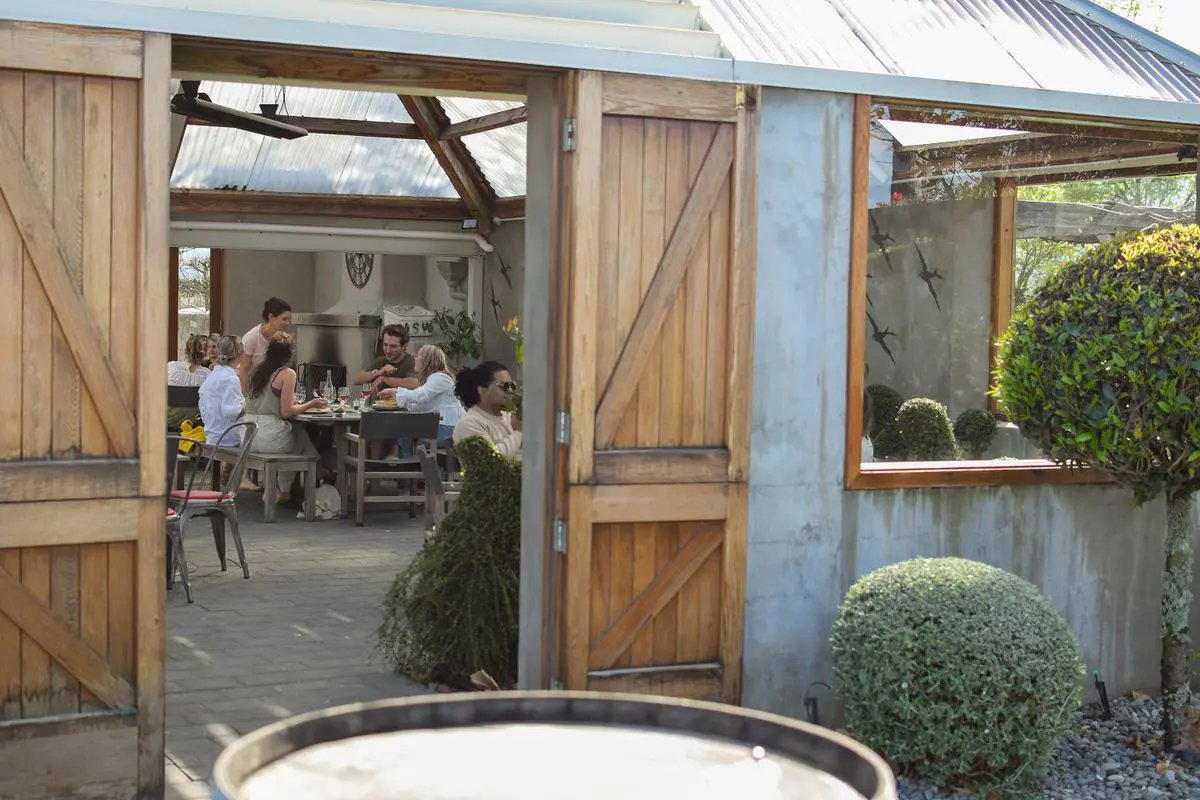

Bars in Blenheim
Browse all →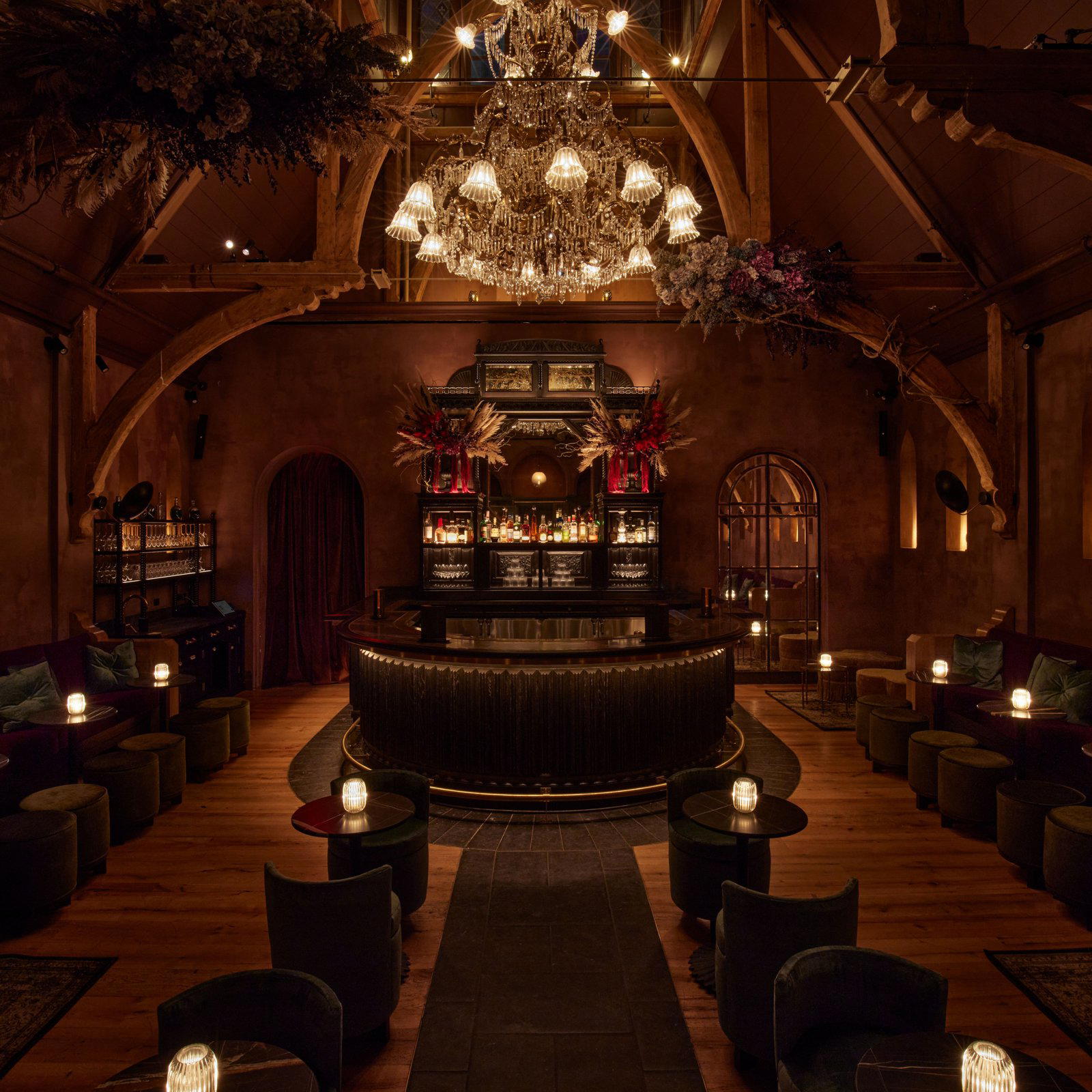
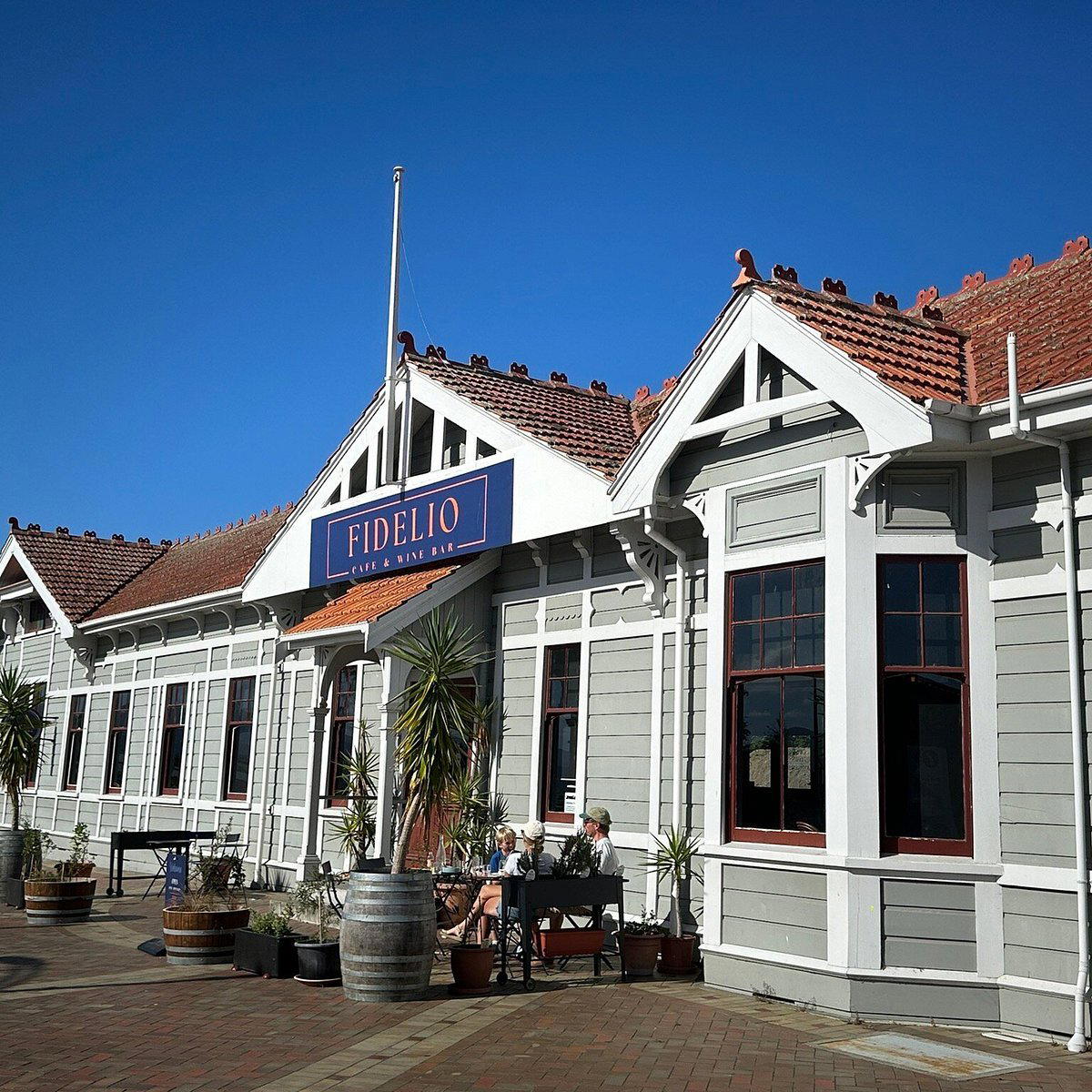
Restaurants in Blenheim
Browse all →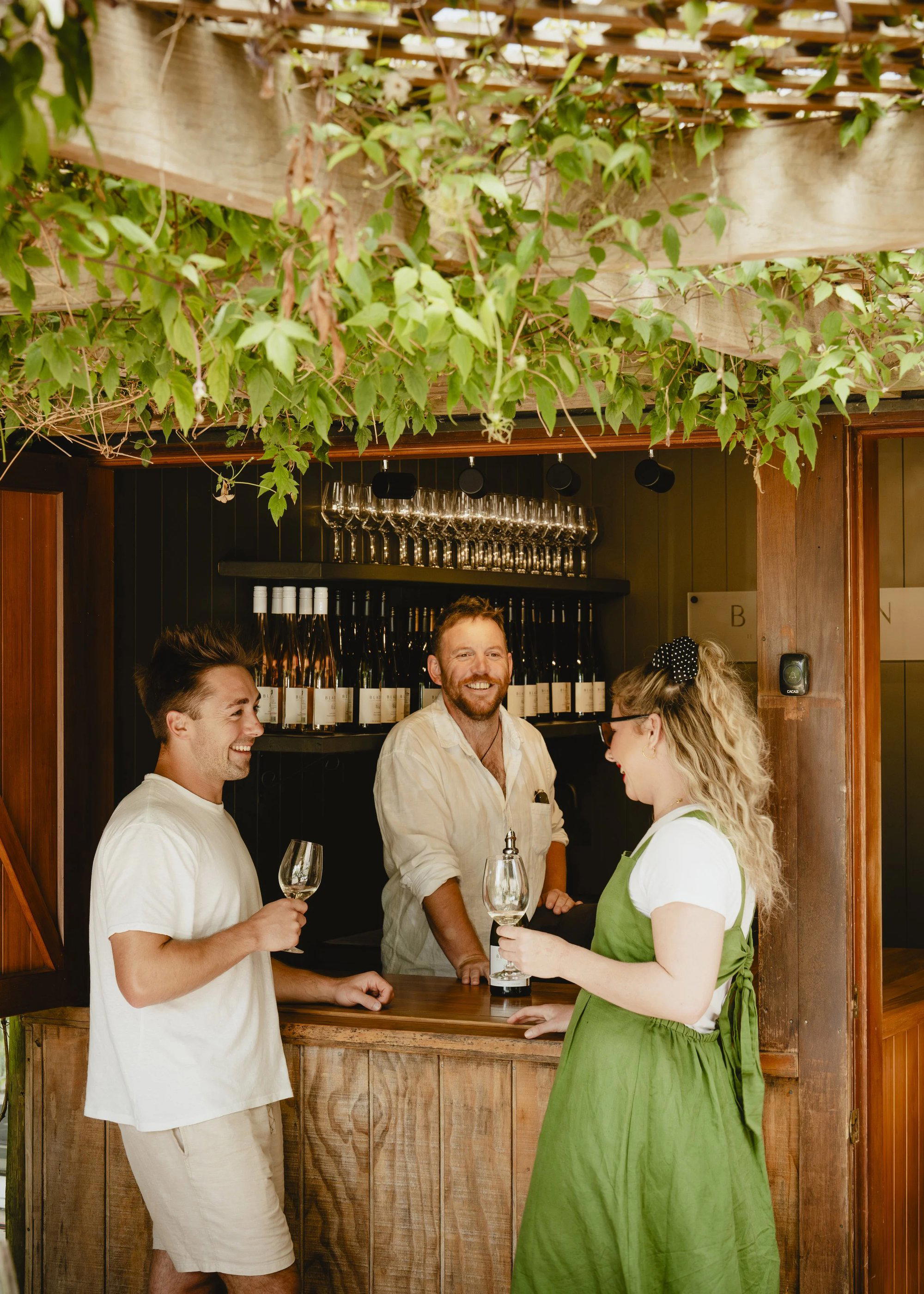
At a Glance
- Elegant
- Scenic
- Sophisticated
- Well Known
- Wine Education
- Special Occasion
- Celebration
- Vineyard Tour
- Estate Grounds
- Panoramic View
- Sustainable
- Vineyard
- Mountain
- Marlborough
- Sauvignon Blanc
- Chardonnay
- Pinot Noir
- Still White
- Still Red
- Sparkling
- Cellar Tasting
- Private Tasting
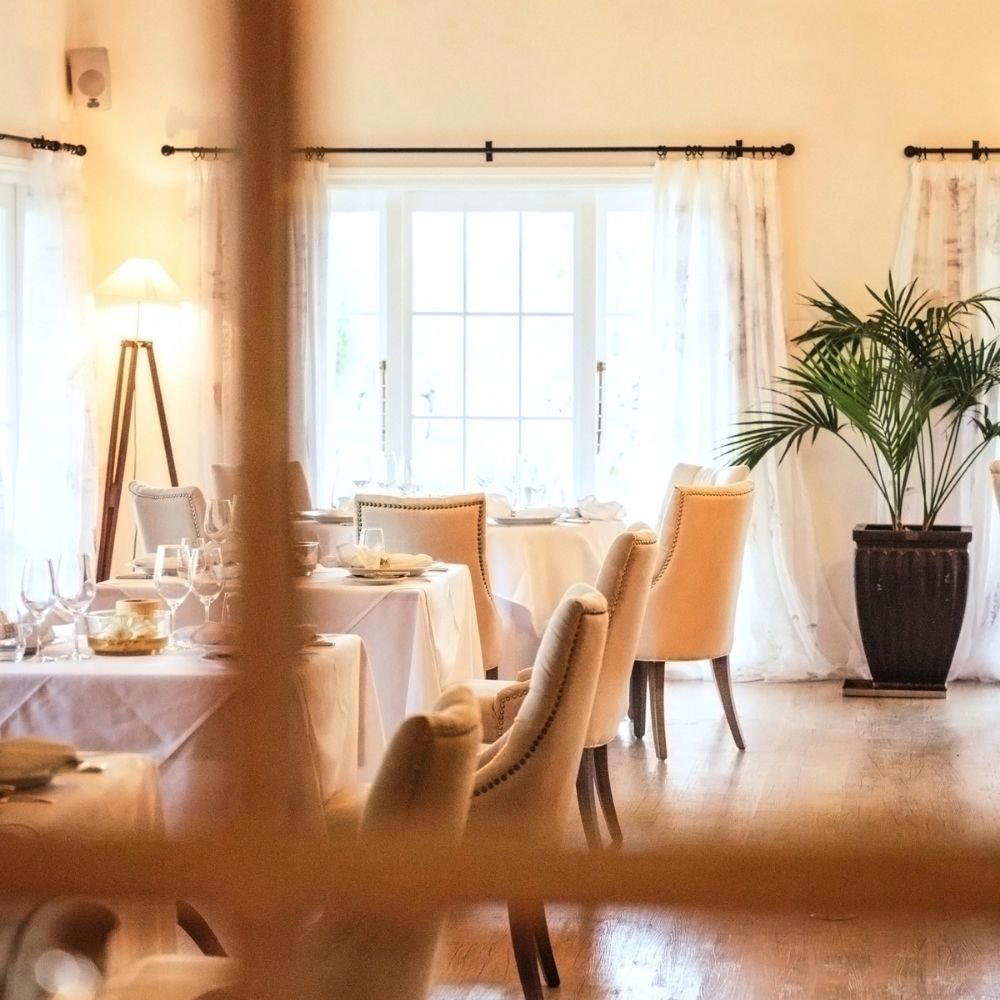
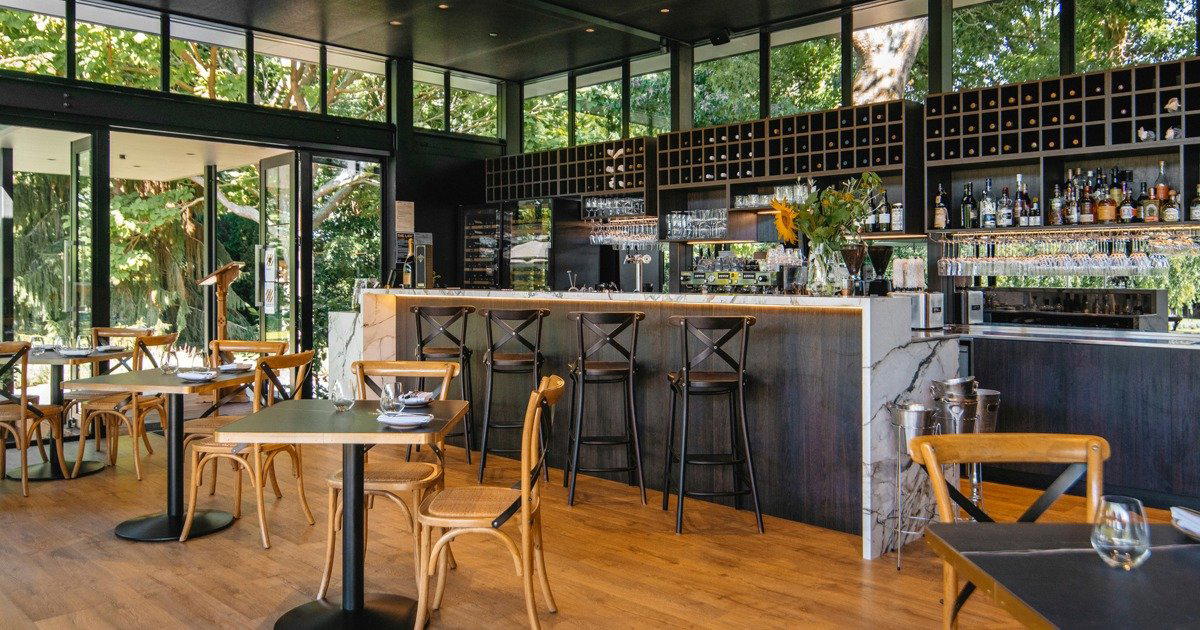
Elegant and sophisticated with a focus on heritage, featuring a historic wine library and scenic vineyard views.