
World's 50 Best #21
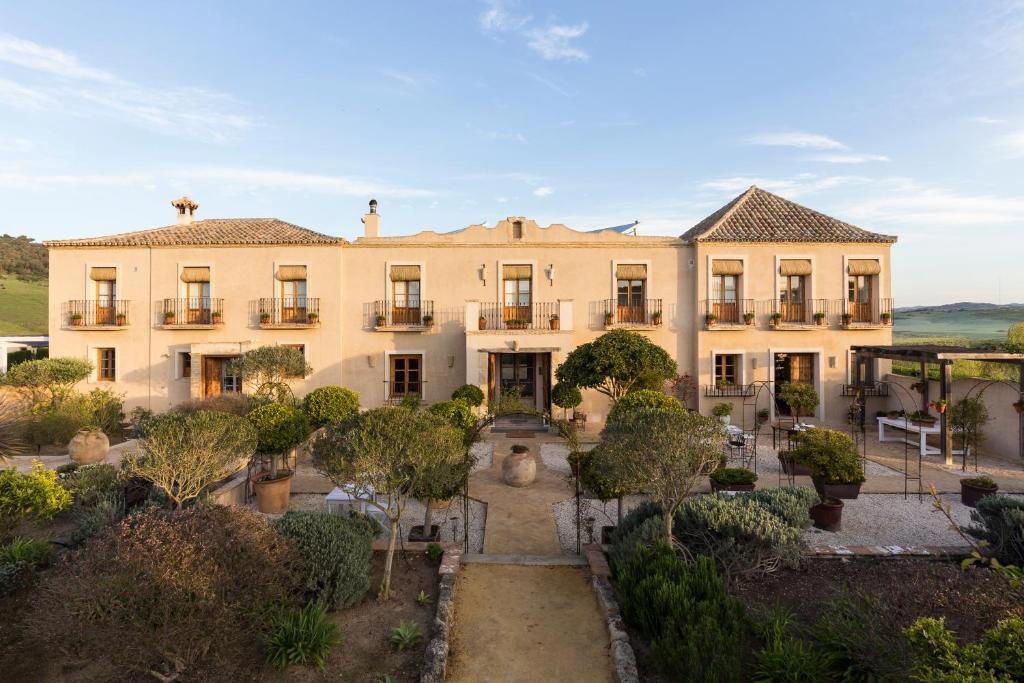
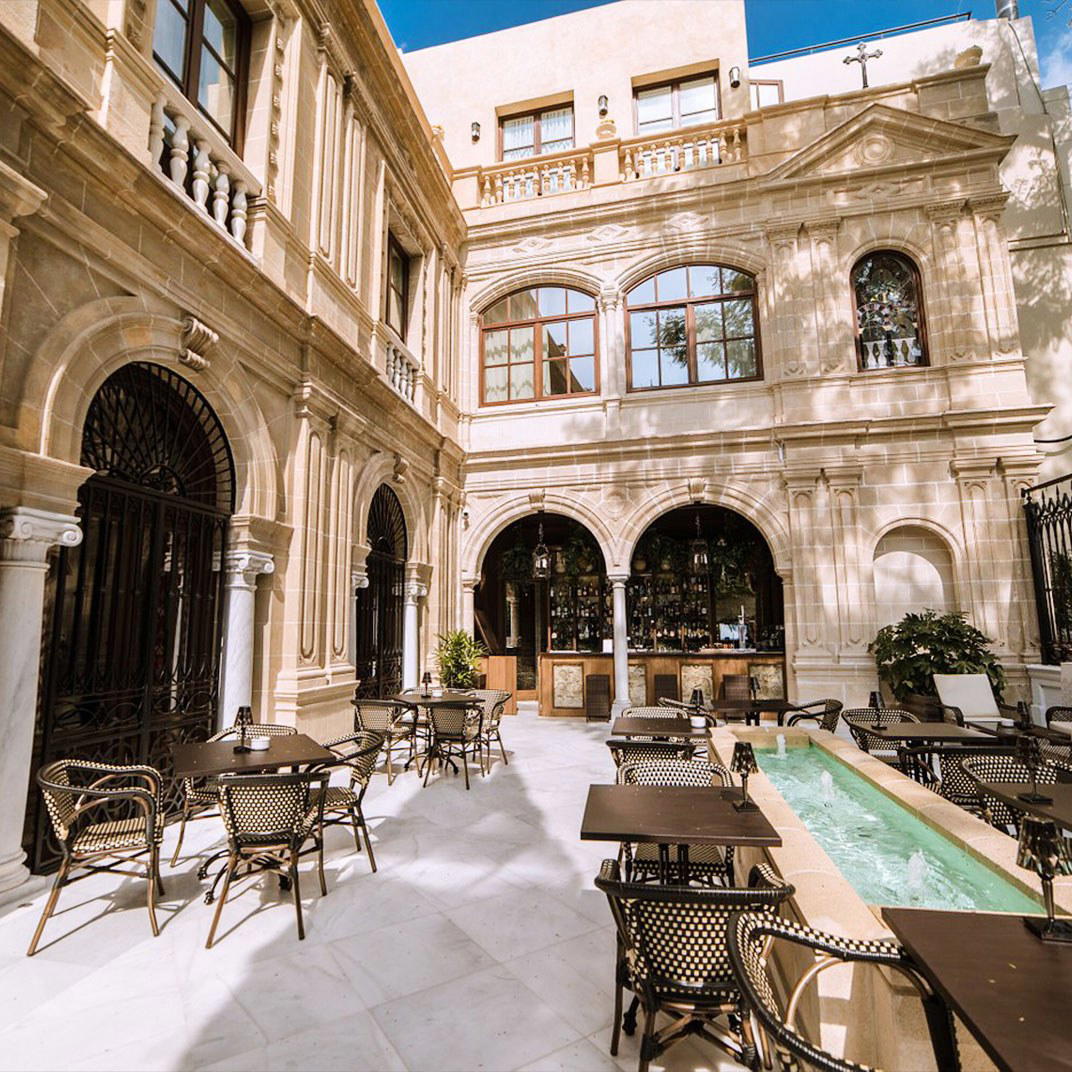
González Byass in Jerez is the bodega behind Tío Pepe, one of Spain's most recognised fino sherries, operating from a nineteenth-century estate in the heart of Old Town since 1841. The Hotel Bodega Tío Pepe occupies the original workers' cottages on the same grounds, placing guests directly inside Andalusia's most historically layered sherry-producing estate.

Pearl is the En Primeur Club membership app — saves, bookings, and concierge access live there. Same editors, same standards.
- Address
- C. Manuel María González, 12, 11403 Jerez de la Frontera, Cádiz
- Phone
- +34 956 35 70 16
- Website
- tiopepe.com
- Directions
- Get directions
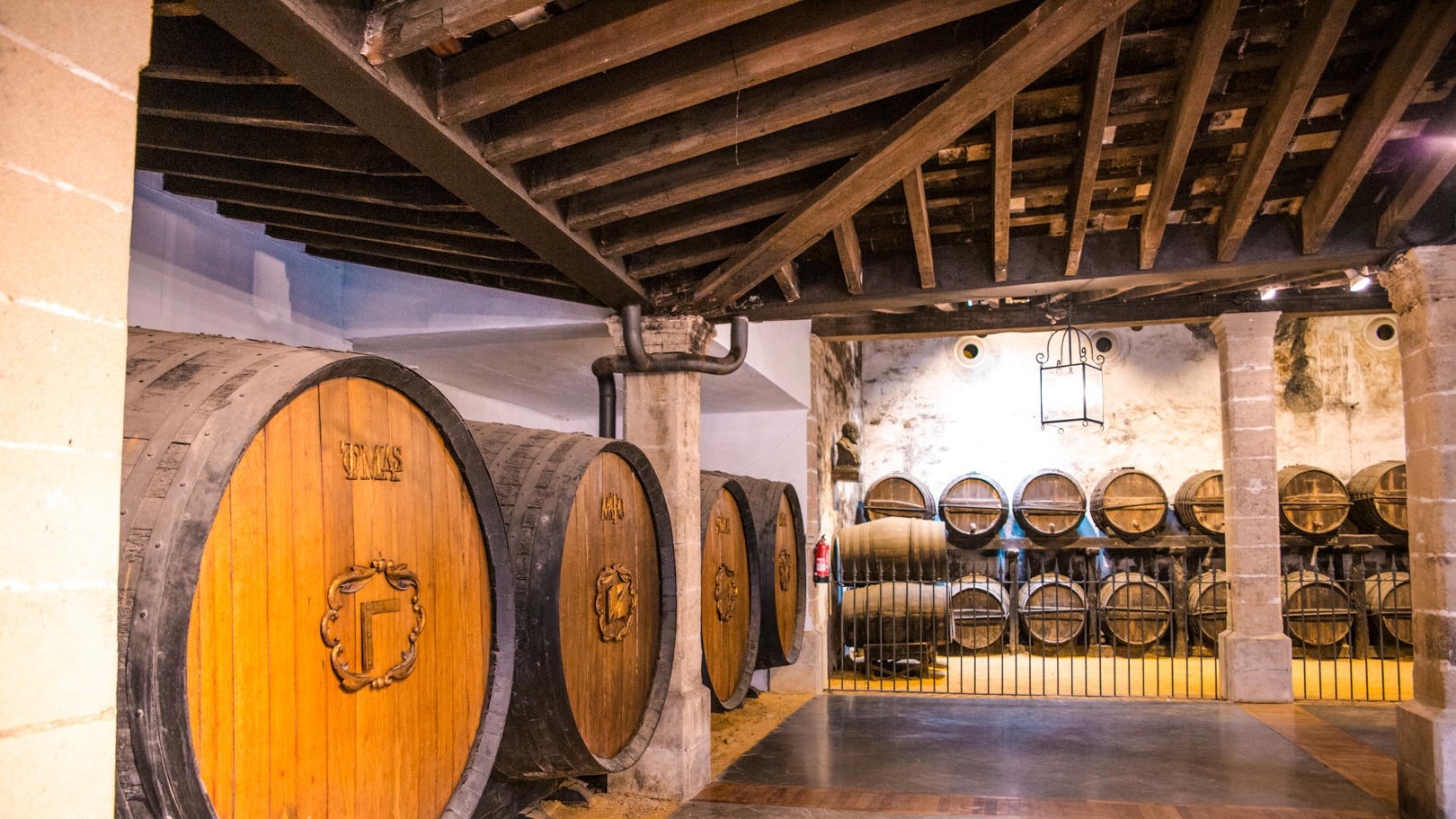
Where the Albariza Soil Speaks Loudest
The Marco de Jerez sits on a triangular wedge of Andalusia defined less by politics than by geology. The albariza soils here, a chalky white limestone that reflects sunlight upward into the vine canopy while retaining winter moisture against the summer drought, are among the most specific terroir conditions in European viticulture. Palomino Fino, the grape responsible for fino and manzanilla sherries, makes thin, almost neutral table wine almost everywhere else it is planted. On albariza, under the Atlantic-influenced Poniente winds and the desiccating Levante, it becomes a precise vehicle for the oxidative and biological ageing that defines the region's wines. González Byass, whose Tío Pepe label has been the benchmark fino since 1841, sits at the centre of this terroir argument — not as a boutique producer chasing provenance credentials, but as the estate that did more than any other to establish what albariza-grown Palomino could mean at commercial scale.
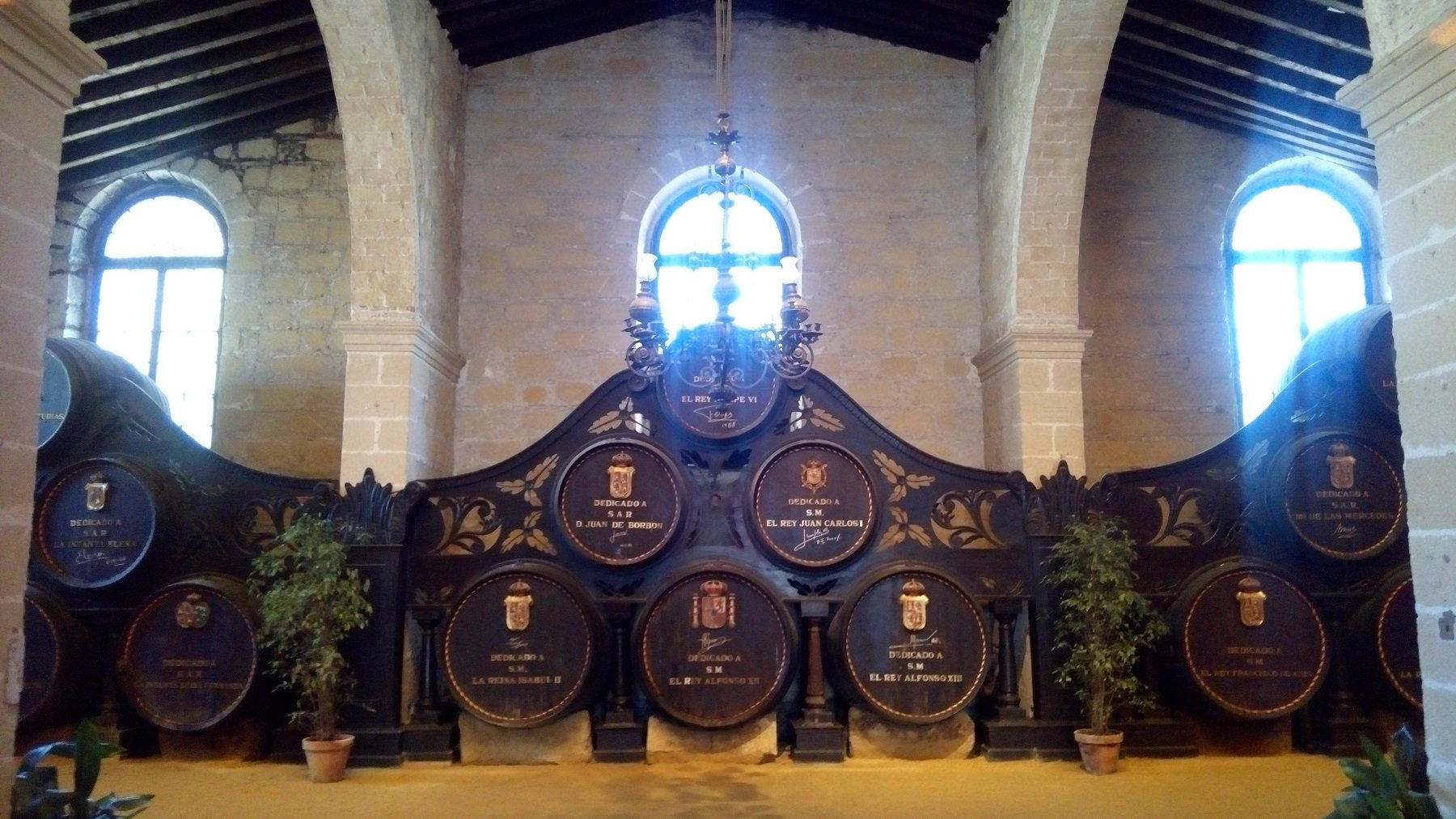
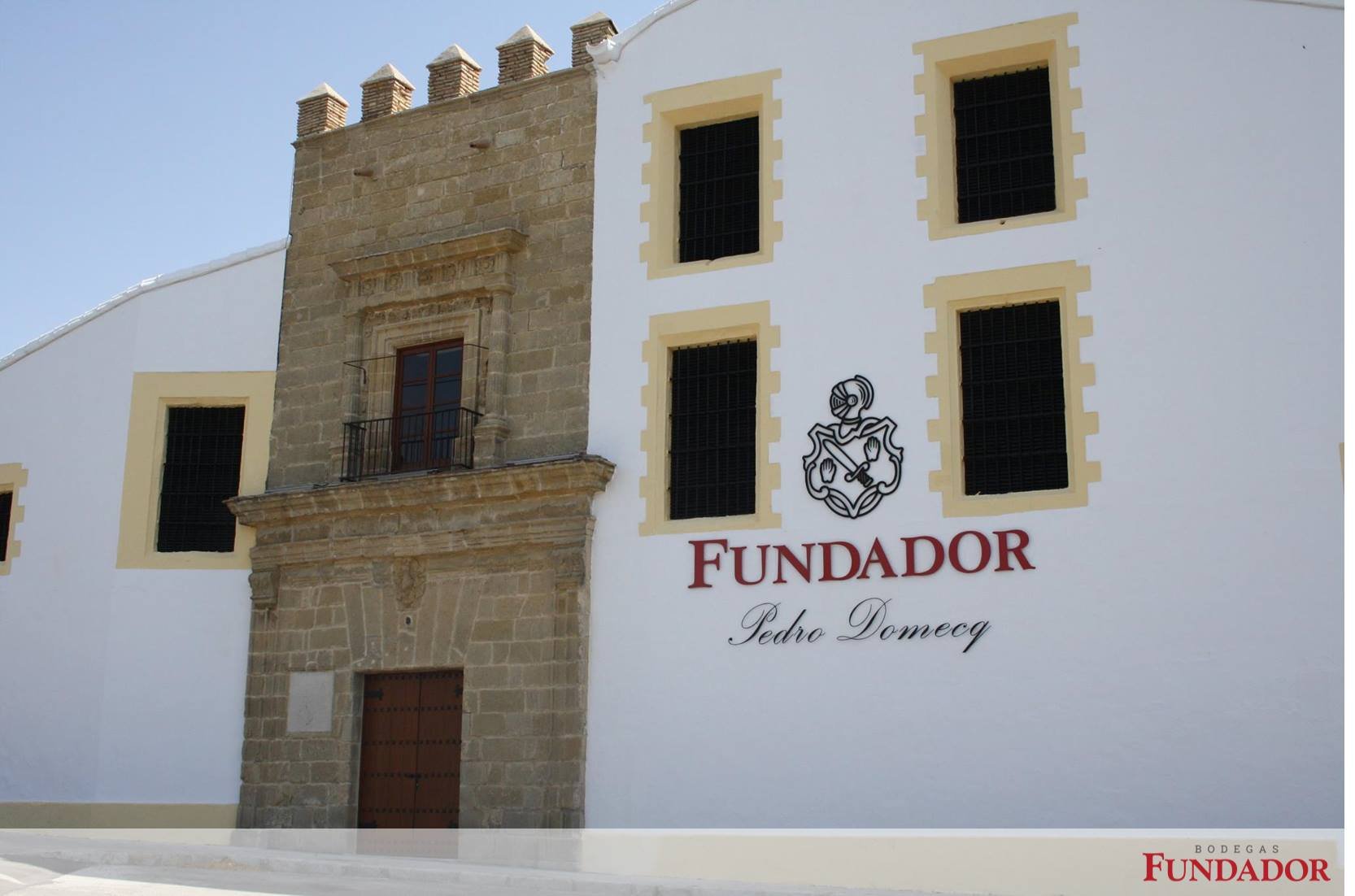
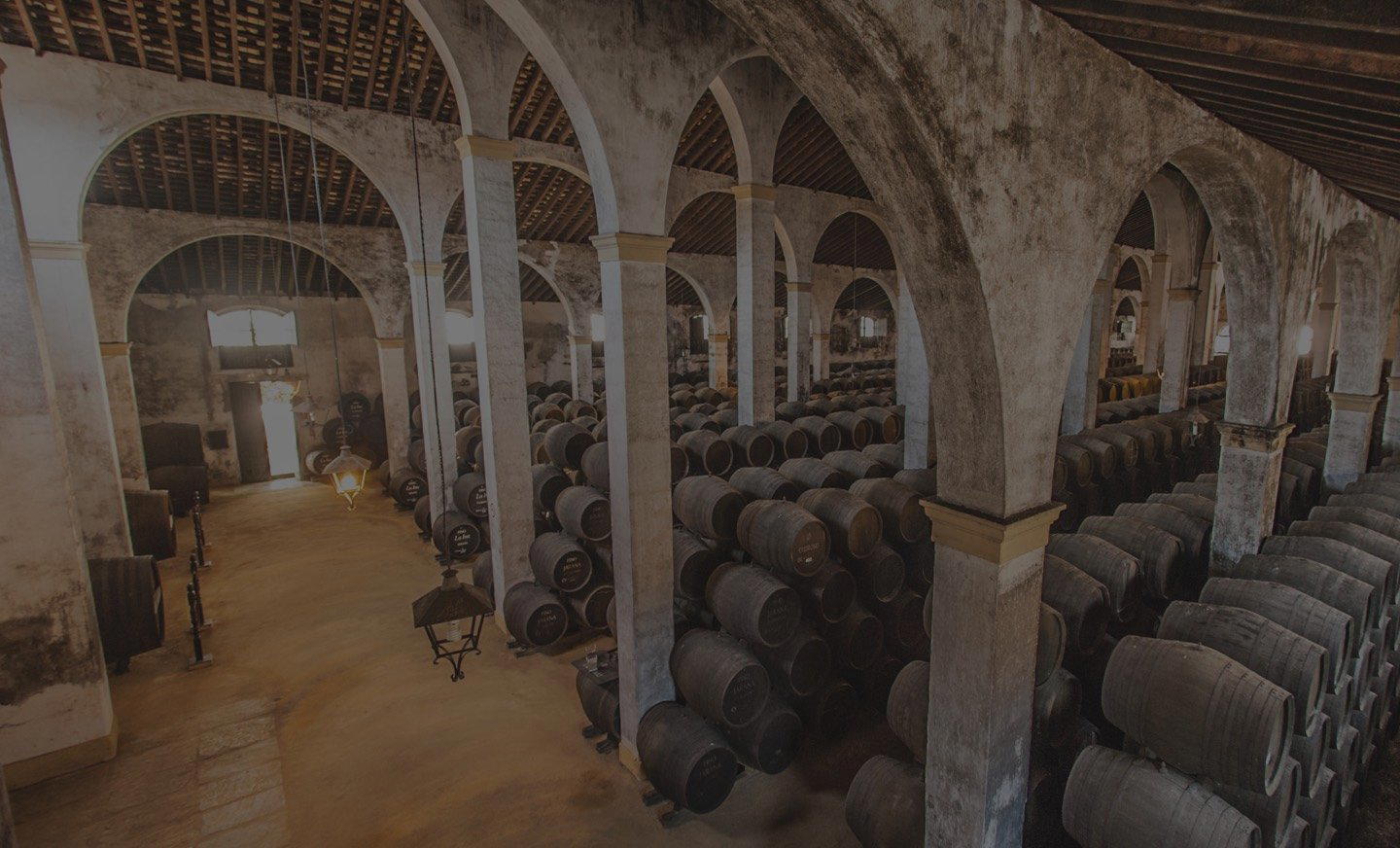
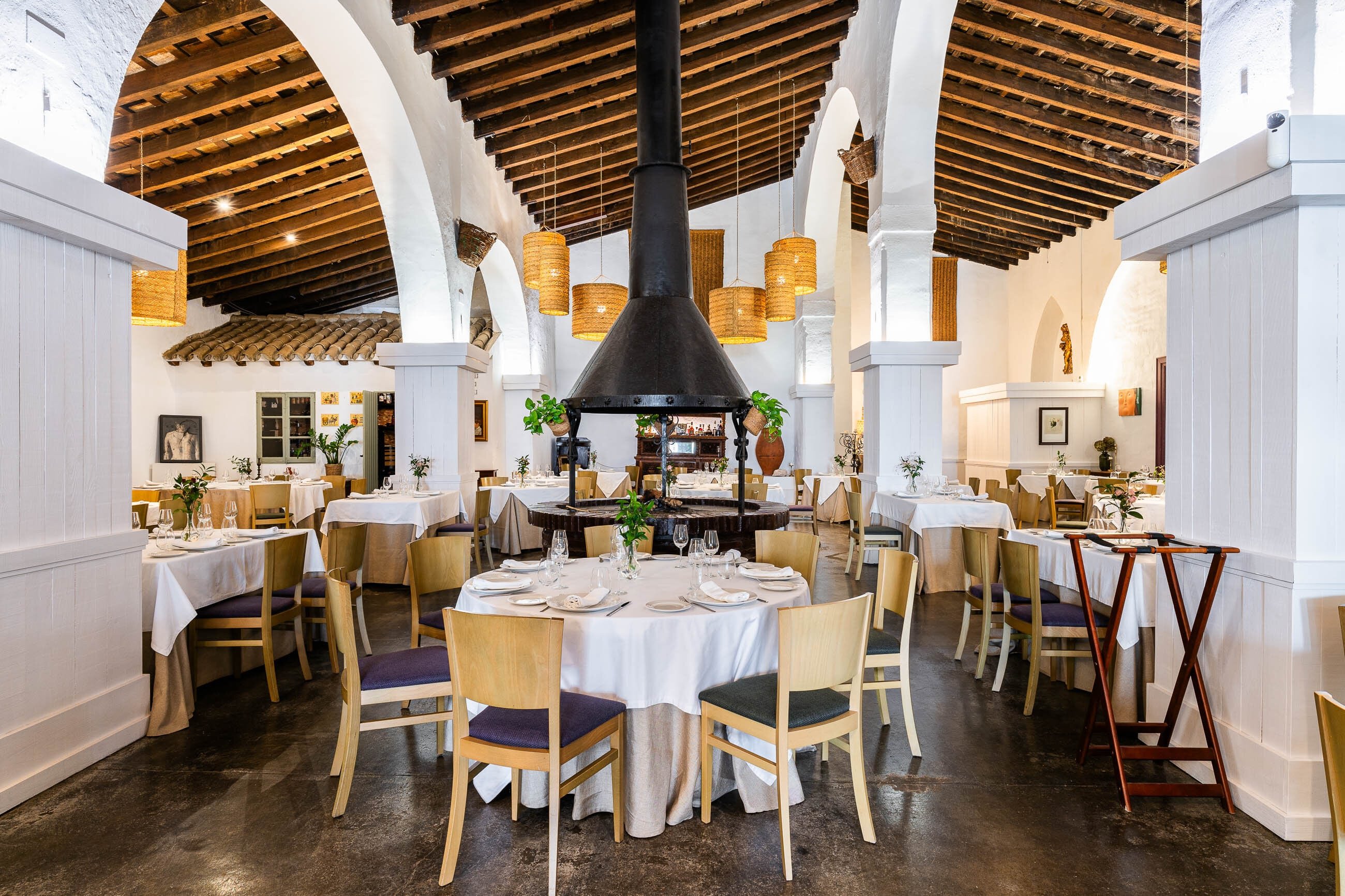
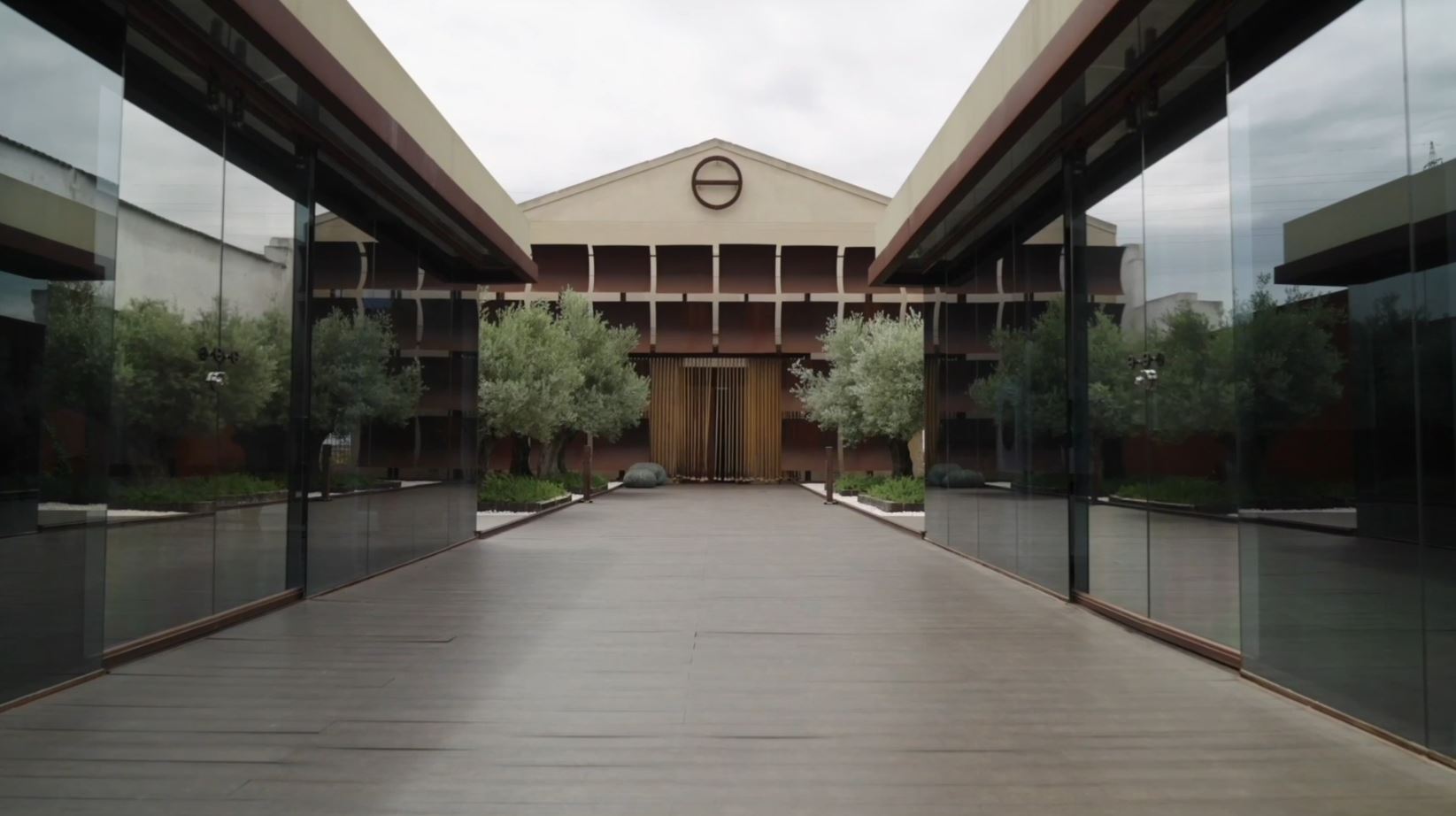
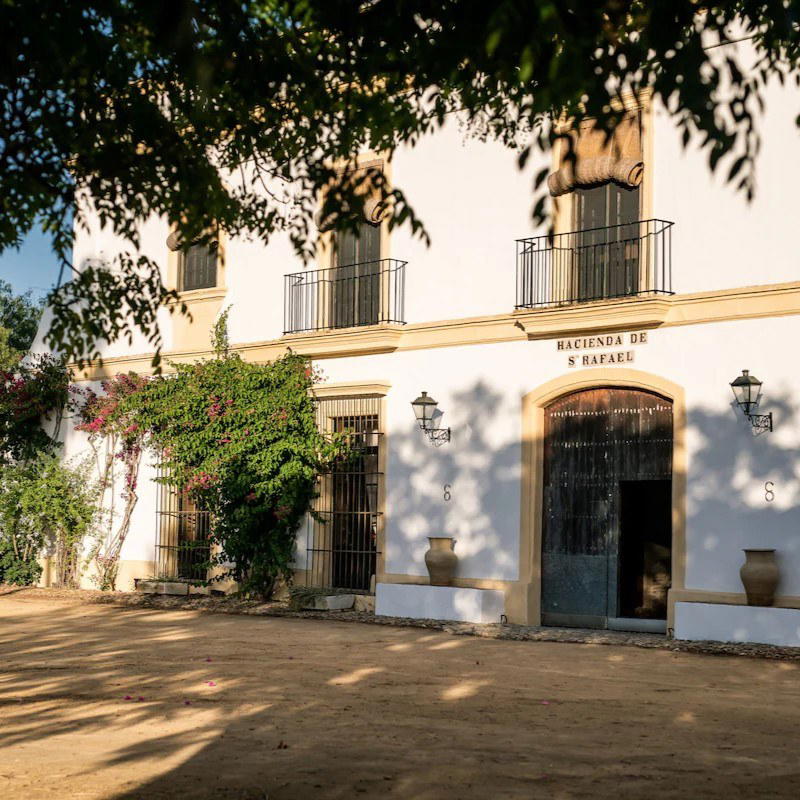
The estate on Calle Manuel María González, in the core of Old Town Jerez de la Frontera, occupies a position that is simultaneously historical monument and working bodega. The architecture of the place — nineteenth-century soleras, cathedral-scale ageing halls, the whitewashed cottages built for winery workers that now form the Hotel Bodega Tío Pepe, registers before the wine does. You arrive into a compound that has been shaped by nearly two centuries of a single purpose. That continuity is not incidental to the wine; in sherry production, where fino depends on a living yeast called flor to protect the wine from oxygen during ageing, the depth of a solera system and the conditions in which it was built are part of the product itself.
Flor, Solera, and the Biology Beneath the Label
Understanding why fino sherry tastes the way it does requires understanding flor: a film of Saccharomyces yeasts that forms spontaneously on the surface of young, lightly fortified wine in the bodegas of Jerez and, to a different degree, in Sanlúcar de Barrameda. This biological layer consumes oxygen, glycerol, and acetic acid, keeping the wine under it pale, bone-dry, and saline rather than oxidised and nutty. The thickness and behaviour of flor varies by bodega microclimate, humidity, and the physical characteristics of each cask. This means that technically identical base wines, aged in different bodegas, will diverge as the flor responds to its specific environment.
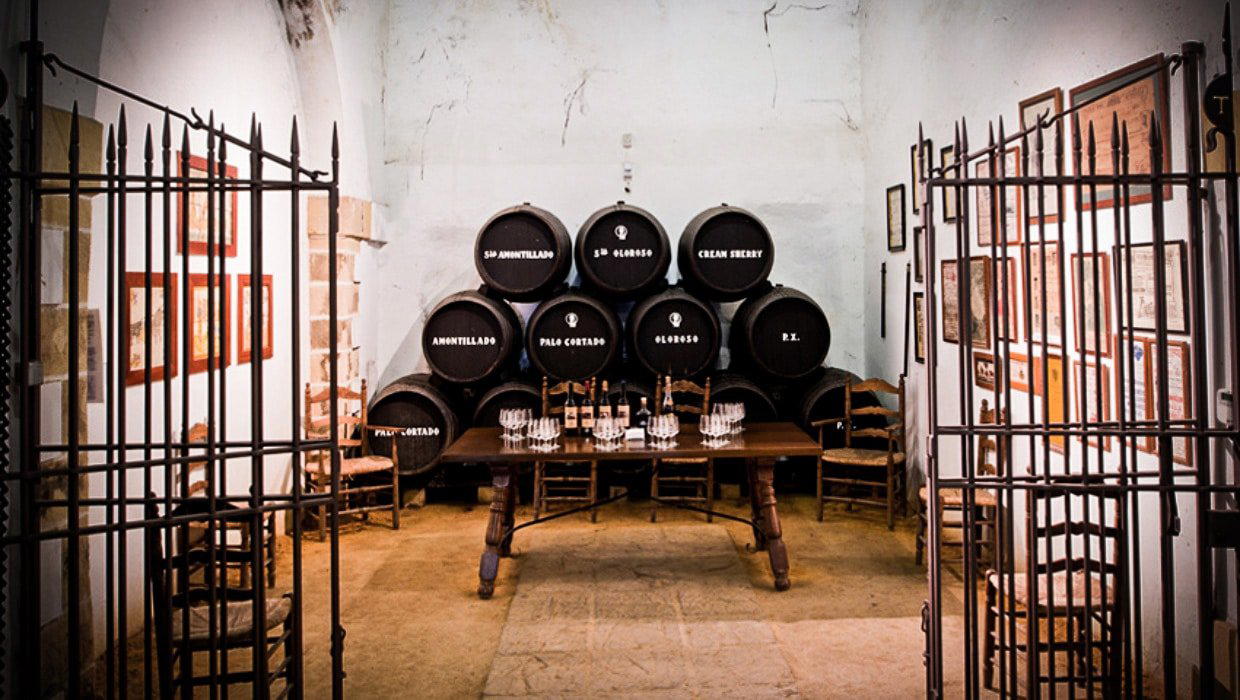
Tío Pepe is aged under flor in American oak butts within the González Byass soleras, a fractional blending system in which younger wine is periodically drawn down through successive tiers of older wine. The solera system means there is no single vintage in a standard fino; the wine carries the character of the place and the biological culture more than any particular harvest year. What albariza delivers to this equation is a base wine of low sugar and high acidity, lean in body but structured enough to carry the yeasty, chamomile, and saline register that characterises fino at its finest. EP Club recognised the estate with a Pearl 3-Star Prestige award in 2025, a rating that reflects the breadth of the producer's range and its position in the sherry category rather than a single wine in isolation.
For comparison within Spain's wine estate landscape, the solera-based model at González Byass differs fundamentally from the vintage-driven production at, for example, Clos Mogador in Gratallops or the structured Ribera del Duero approach at Bodegas Protos in Peñafiel. In those regions, the goal is preserving the specificity of a single year's growing conditions. In Jerez, the goal is maintaining a continuous sensory identity through biological transformation across decades. These are not competing philosophies, they are responses to fundamentally different raw materials and climatic realities.
The Hotel Bodega Tío Pepe: Staying Inside the Solera
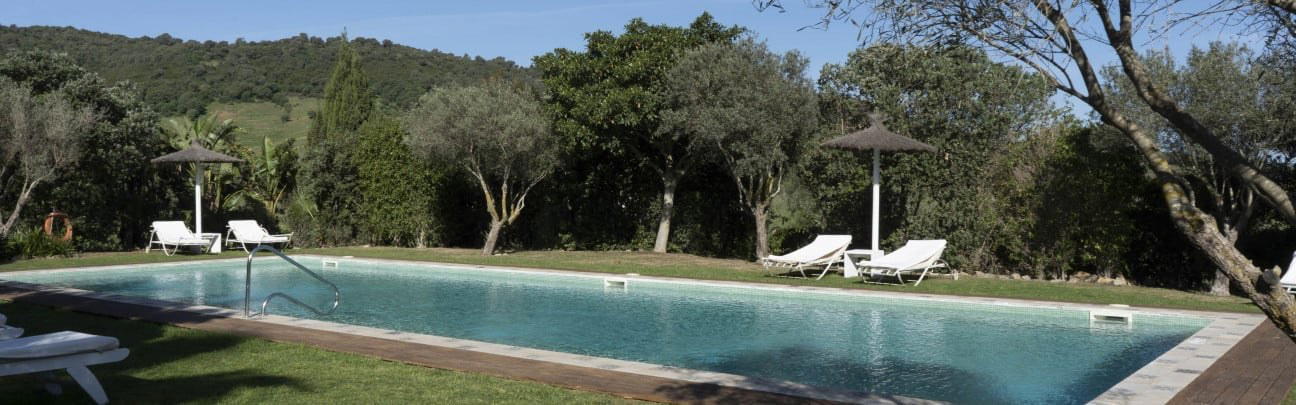
The hospitality offer at González Byass has expanded significantly around the original estate infrastructure. The Hotel Bodega Tío Pepe uses the nineteenth-century workers' cottages as its physical basis, which means the accommodation is embedded in the working compound rather than adjacent to it. The scale is deliberately limited, this is not a conference resort but a small property whose value is spatial and atmospheric access to one of the most historically significant sherry estates in the region.
Staying inside the bodega grounds changes the experience of visiting. Jerez is an early city in the summer heat, and access to the solera halls and the estate in the morning and evening, outside the standard tour hours, is a different proposition from a day visit. The address on Calle Manuel María González is in Old Town Jerez de la Frontera, walkable to the city's cathedral, the Alcázar, and the cluster of tapas bars and fino-focused wine bars that define the city's food and drink culture at street level. Sherry wines, particularly fino and manzanilla, are the natural pairing for the cuisine of the region: jamón ibérico, salted almonds, fried pescaíto, anchovies, and the cured cheeses of Andalusia all find their counterpart in the saline, low-sugar structure of a well-cellared fino.
Other sherry producers in the city, including Lustau in Jerez de la Frontera, work within the same appellation system and albariza-soil framework. The comparison is instructive: Lustau is known particularly for its almacenista range, sourced from small private producers, while González Byass represents the large-scale integrated model from vine to solera to bottle. Neither approach is categorically superior; they serve different interests for visitors who want to understand the full width of what Jerez produces.
Planning a Visit
The González Byass estate is at C. Manuel María González, 12, in the 11403 postcode of Jerez de la Frontera, Cádiz, a short walk from the historic centre. Jerez de la Frontera has its own airport with connections from several European cities, and the train station connects to Cádiz and Seville, from which high-speed rail links the region to Madrid and Barcelona. The bodega runs guided tours that cover the solera system and the history of the estate; timings and pricing are best confirmed directly with the venue, as these vary seasonally. The Hotel Bodega Tío Pepe operates separately from the day-visitor tours, and room availability at a property of this size warrants advance booking, particularly during the Feria del Caballo in May and the Vendimia harvest festival in September, when Jerez draws significant visitor numbers. For a broader view of how González Byass fits into the city's drinking culture, our full Jerez restaurants guide covers the tapas bars, wine bars, and bodegas worth knowing across the city.
Visitors interested in benchmarking González Byass against other significant Spanish wine estates might consider a broader Iberian itinerary: CVNE (Cune) in Haro for Rioja's tempranillo-dominated solera and barrel culture, Codorníu in Sant Sadurní d'Anoia for cava production at historical scale, or Abadía Retuerta in Sardón de Duero for a more intimate estate-hotel format in Castilla. Each sits in a distinct appellation with its own climatic logic; together they map the range of what Spanish wine-focused travel currently offers. Further afield within the EP Club network, Emilio Moro in Pesquera de Duero, Marqués de Cáceres in Cenicero, Marqués de Griñón (Dominio de Valdepusa) in Malpica de Tajo, Arzuaga Navarro in Quintanilla de Onésimo, Bodegas Vivanco in Valle de Mena, and Bodegas Ysios in Laguardia represent the range of estate experiences across northern Spain. For those travelling beyond Europe, Accendo Cellars in St. Helena and Aberlour in Aberlour offer instructive contrasts in how different climate traditions shape what a visit to a prestige producer actually involves.
Side-by-Side Snapshot
Comparable venues nearby, for context on price, style, and recognition.
| Venue | Cuisine | Price | Awards | Notes |
|---|---|---|---|---|
| González Byass (Tío Pepe)This venue — the venue you are viewing | Palomino Fino, Pedro Ximenez | $20–30 | World's 50 Best #21 | Not listed |
| Bodegas Ysios | Tempranillo, Viura | $20–30 | World's 50 Best #3 · Falstaff Winery - Listed | Rioja Alavesa |
| Bodegas de los Herederos del Marqués de Riscal | Tempranillo, Graciano | Not listed | World's 50 Best #1 · Falstaff Winery - 2 Stars | Elciego |
| Familia Torres | Cabernet Sauvignon, Chardonnay | Not listed | World's 50 Best #34 | Pacs del Penedès |
| Abadía Retuerta | Tempranillo, Cabernet Sauvignon | $50–100 | World's 50 Best #38 · Falstaff Winery - 5 Stars | Sardón de Duero |
| Marqués de Murrieta | Tempranillo, Graciano | Not listed | World's 50 Best #48 · Falstaff Winery - 5 Stars | Rioja Alta |
Recognition history
Dated appearances from independent guides and award organizations, with the underlying list record or original source where available.
World's 50 Best Vineyards #21
World's 50 Best
Full recognition history (6 entries)
World's 50 Best Vineyards #34
World's 50 Best
World's 50 Best Vineyards #21
World's 50 Best
World's 50 Best Vineyards #6
World's 50 Best
World's 50 Best Vineyards #9
World's 50 Best
World's 50 Best Vineyards #18
World's 50 Best

Details
- Classic
- Historic
- Well Known
- Elegant
- Wine Education
- Group Outing
- Celebration
- Vineyard Tour
- Barrel Room
- Historic Building
- Vineyard
- Garden
- Palomino Fino
- Pedro Ximenez
- Fortified
- Sherry Tasting
- Tapas Pairing
- English
- Spanish
- German
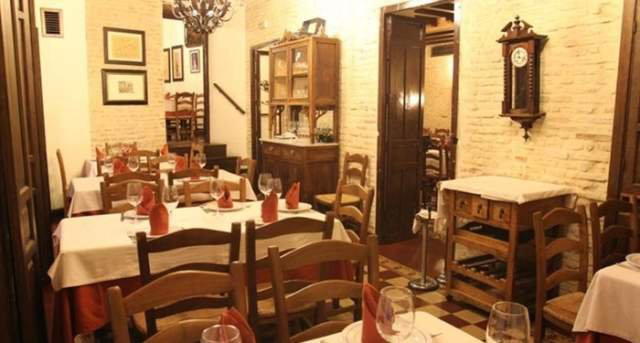
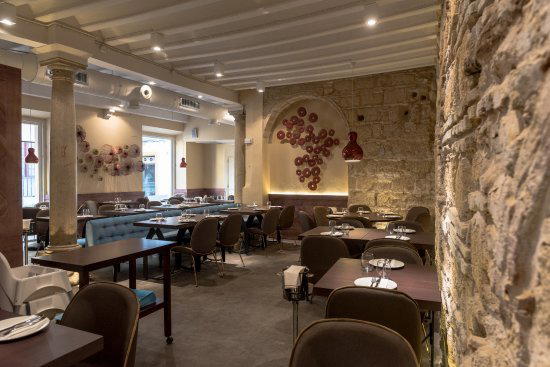
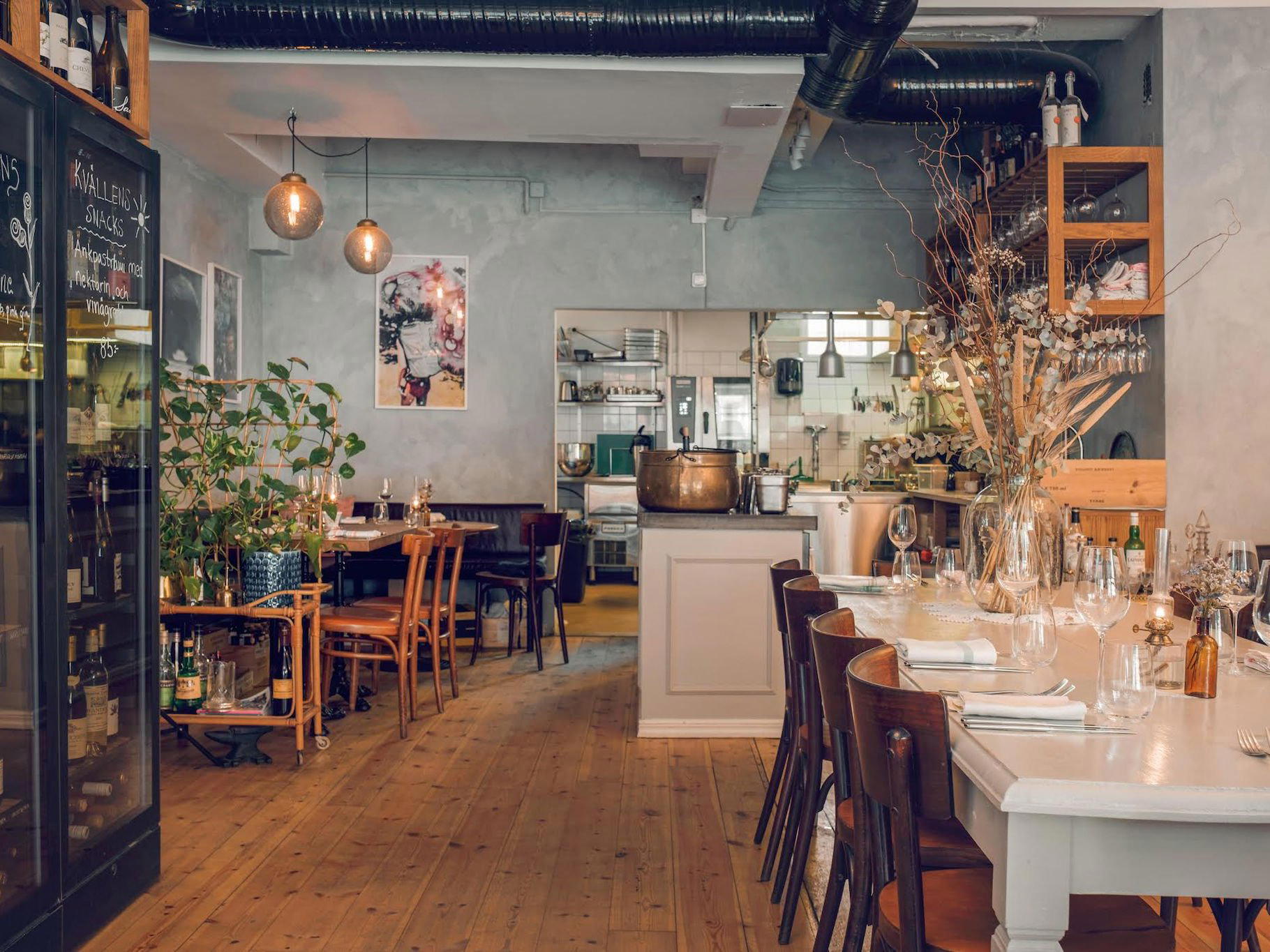
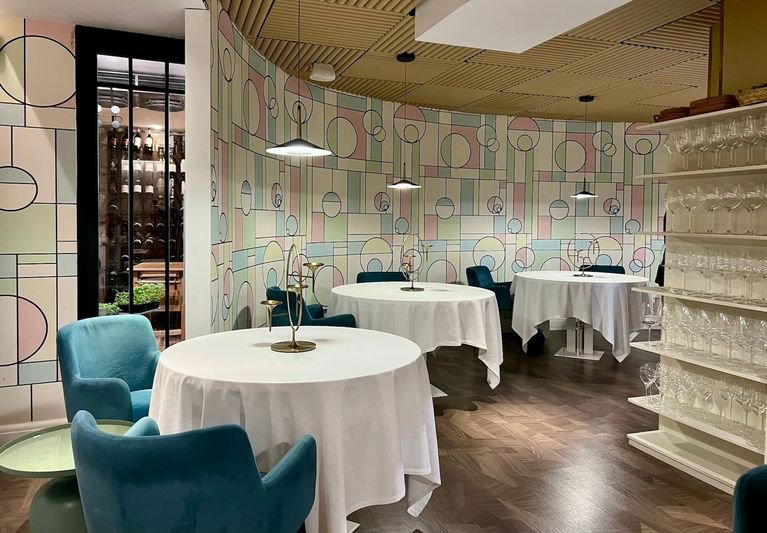
Shaded cellars filled with aromas of soleras, wood, and grapevines; serene gardens and cobblestone streets with light filtering through shutters, creating a peaceful and timeless atmosphere.