

World's 50 Best #1 · Falstaff Winery - Listed
Catena Zapata sits in Agrelo, in Mendoza’s Luján de Cuyo zone, where altitude, dry air and alluvial soils have shaped Argentina’s modern fine-wine argument. The draw is not only the Mayan-pyramid architecture, but the way the visit frames Malbec and high-altitude viticulture as serious terroir rather than export shorthand.

Pearl is the En Primeur Club membership app — saves, bookings, and concierge access live there. Same editors, same standards.
- Address
- Cobos S/N, M5509 Lujan de Cuyo, Mendoza
- Phone
- +54 261 413-1124
- Website
- catenazapata.com
- Directions
- Get directions
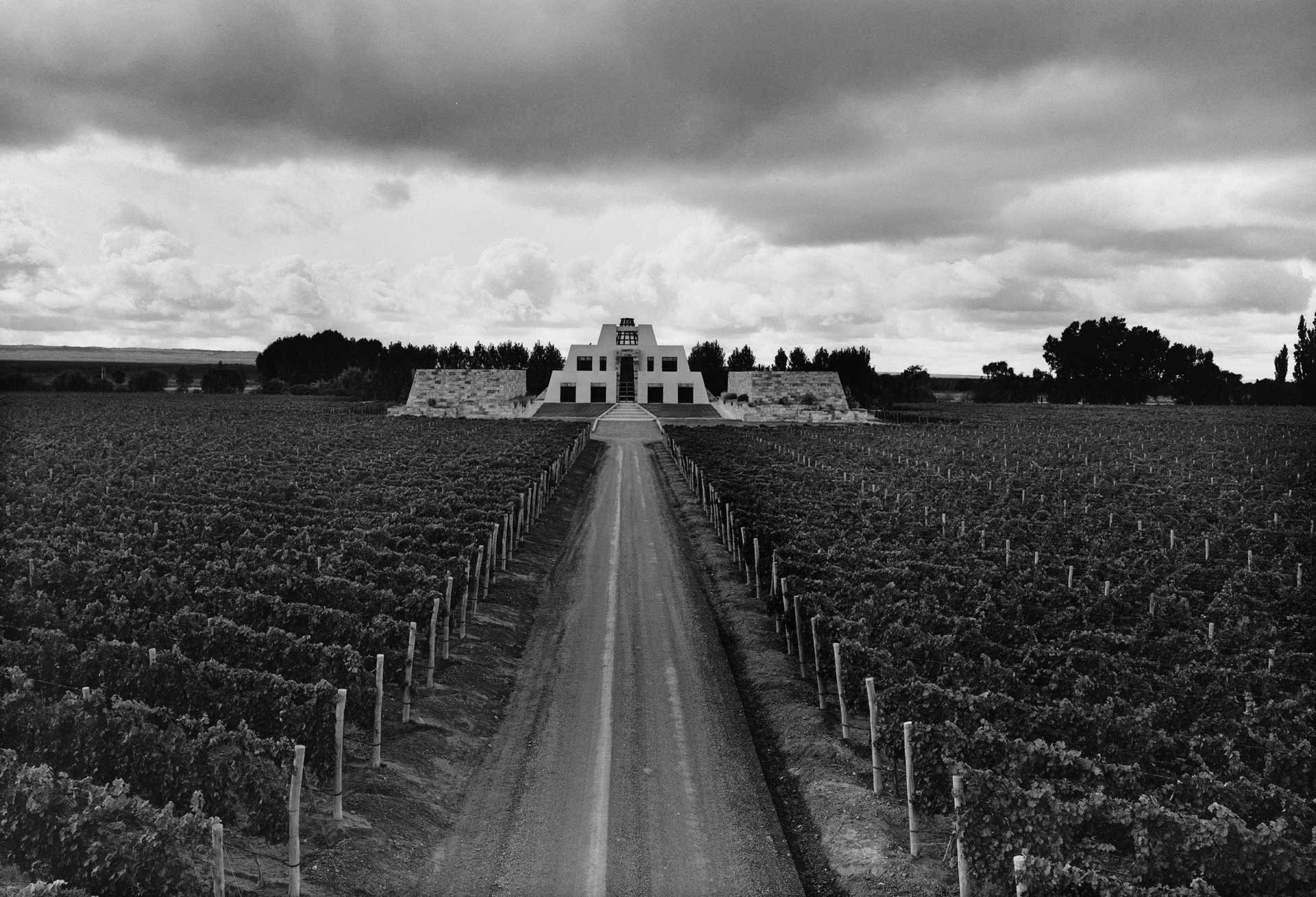
Approaching Catena Zapata means first reading the building before the bottle. The winery’s Mayan-pyramid-inspired form gives the visit a distinctive silhouette, and the verified description frames the site as home to Argentina’s foremost family of wine. For a visit in Agrelo, the safest way to understand the draw is architectural presence, family-wine history, and an informative tour rather than unverified claims about specific wines, menus, prices, or service formats.
Catena Zapata is recognized with 4 Star Prestige in 2025. The confirmed details support a polished winery profile, with smart casual dress noted for visitors.
Agrelo's dry light and the argument for terroir
What is verified is the winery’s Mayan-pyramid inspiration and its role as the home of Argentina’s foremost family of wine. That is enough to make the visit read as more than a simple stop: the building and the family narrative are central to the experience.
The confirmed description also notes informative tours that school visitors in the winery’s history. Because the available facts do not verify a particular tasting sequence, route, food pairing, or technical curriculum, it is better to describe the visit broadly: a history-led winery experience in Agrelo, anchored by distinctive architecture and a nationally significant wine-family identity.
Agrelo also rewards careful comparison without overstating details. Travellers building a focused route can compare Catena Zapata with Bodega Chandon Argentina or with Finca Decero. Other nearby options can add context, but Catena Zapata’s verified hook remains unusually clear: pyramid-inspired architecture, family-wine history, and 4 Star Prestige recognition.
The pyramid is visual shorthand; the tour is the substance
Wine tourism often leans on architecture, and Catena Zapata’s building is an important part of the first impression. The verified description specifically points to its Mayan-pyramid inspiration. That image is not just decorative in the page’s current evidence base; it is one of the few concrete details confirmed for the venue and should remain central to how the visit is framed.
The tour component is also verified in broad terms: informative tours school visitors in the winery’s history. This supports describing Catena Zapata as a place for context and orientation, but not as proof of a specific route, tasting menu, bottle list, lunch service, or private format. Visitors who care about those details should check directly with the winery before making plans.
Within a wider Agrelo itinerary, Catena Zapata can be treated as a substantial anchor because its confirmed identity is strong. It is a smart casual winery visit with a highly recognizable building and a history-led narrative. Comparisons with other named wineries should be made carefully and only where their details are separately verified.
How to place it in an Agrelo wine day
Catena Zapata works well as a planned visit rather than an improvised stop, simply because the verified description emphasizes informative tours and history. No specific opening hours, duration, lunch offering, tasting price, or reservation rule is verified here, so the practical advice is direct: confirm current arrangements directly before building the rest of the day around it.
For readers mapping time in Agrelo around the visit, keep the plan flexible and avoid relying on unverified assumptions about meals, tastings, transport, or timing. Use Catena Zapata as the confirmed anchor, then check current details directly for any surrounding stops.
It is a 4 Star Prestige winery in Agrelo, associated with a Mayan-pyramid-inspired building, Argentina’s foremost family of wine, smart casual dress, and informative historical tours. That is the grounded frame for planning a visit.
Comparison Snapshot
Comparable venues by cuisine and price in the same metro.
| Venue | Cuisine | Awards |
|---|---|---|
| Catena ZapataThis venue — the venue you are viewing | Informative tours school you in its history, dating back to; Inspired by Mayan pyramids, the Catena Zapata winery is home to Argentina’s foremost family of wine. Informative tours school you in its history, dating back to; Inspired by Mayan pyramids, the Catena Zapata winery is home to Argentina’s foremost family of wine. Informative tours school you in its history, dating back to; Inspired by Mayan pyramids, the Catena Zapata winery is home to Argentina’s foremost family of wine. Informative tours school you in its history, dating back to; Inspired by Mayan pyramids, the Catena Zapata winery is home to Argentina’s foremost family of wine. Informative tours school you in its history, dating back to | World's 50 Best #1 · Falstaff Winery - Listed |
| Bodega Chandon Argentina | Not listed | Falstaff Winery - Listed |
| Finca Decero | Not listed | Falstaff Winery - Listed |
Recognition history
Dated appearances from independent guides and award organizations, with the underlying list record or original source where available.
World's 50 Best Vineyards #1
World's 50 Best
Falstaff Winery - Listed
Falstaff
Full recognition history (6 entries)
World's 50 Best Vineyards #9
World's 50 Best
World's 50 Best Vineyards #7
World's 50 Best
World's 50 Best Vineyards #11
World's 50 Best
World's 50 Best Vineyards #5
World's 50 Best
Continue exploring
More in Agrelo
Wineries in Agrelo
Browse all →

Bars in Agrelo
Browse all →
Restaurants in Agrelo
Browse all →
Details
- Well Known
- Elegant
- Scenic
- Sophisticated
- Wine Education
- Special Occasion
- Solo Exploration
- Vineyard Tour
- Estate Grounds
- Panoramic View
- Historic Building
- Sustainable
- Vineyard
- Malbec
- Cabernet Sauvignon
- Chardonnay
- Cabernet Franc
- Petit Verdot
- Pinot Noir
- Still Red
- Still White
- Sparkling
- Estate Tasting
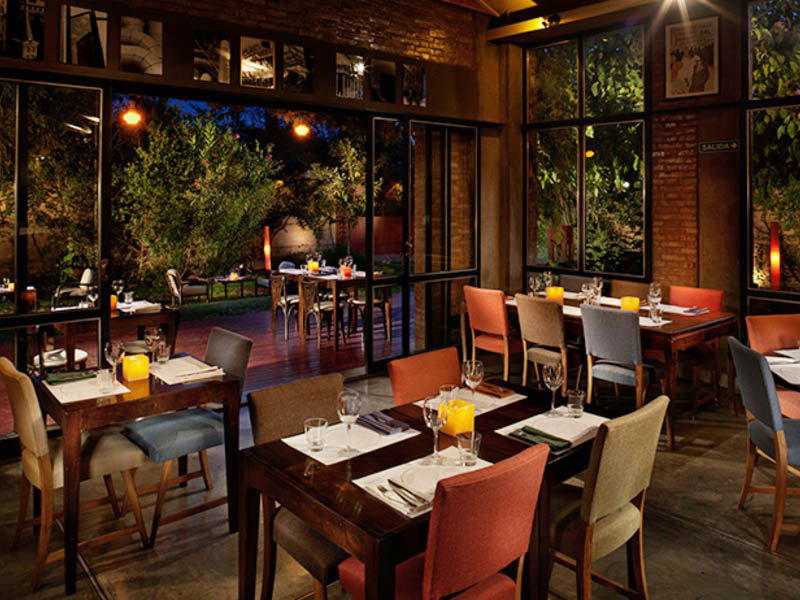
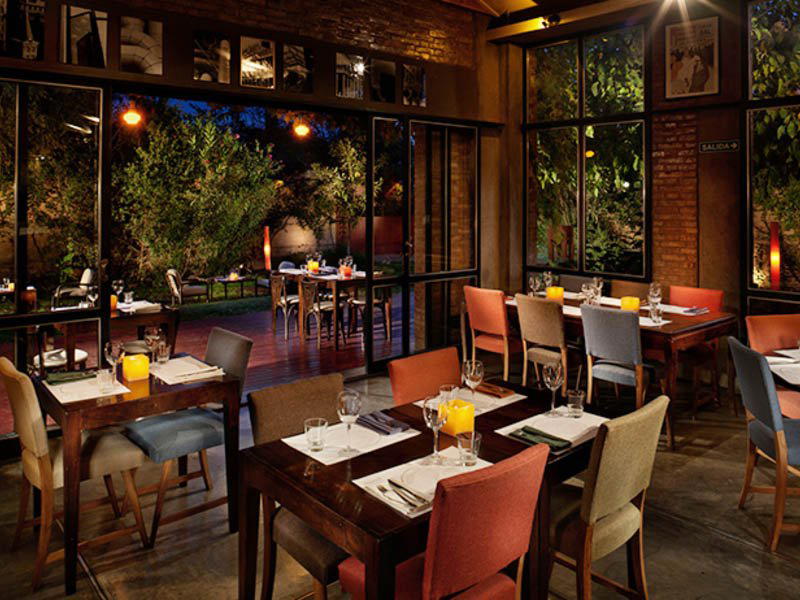
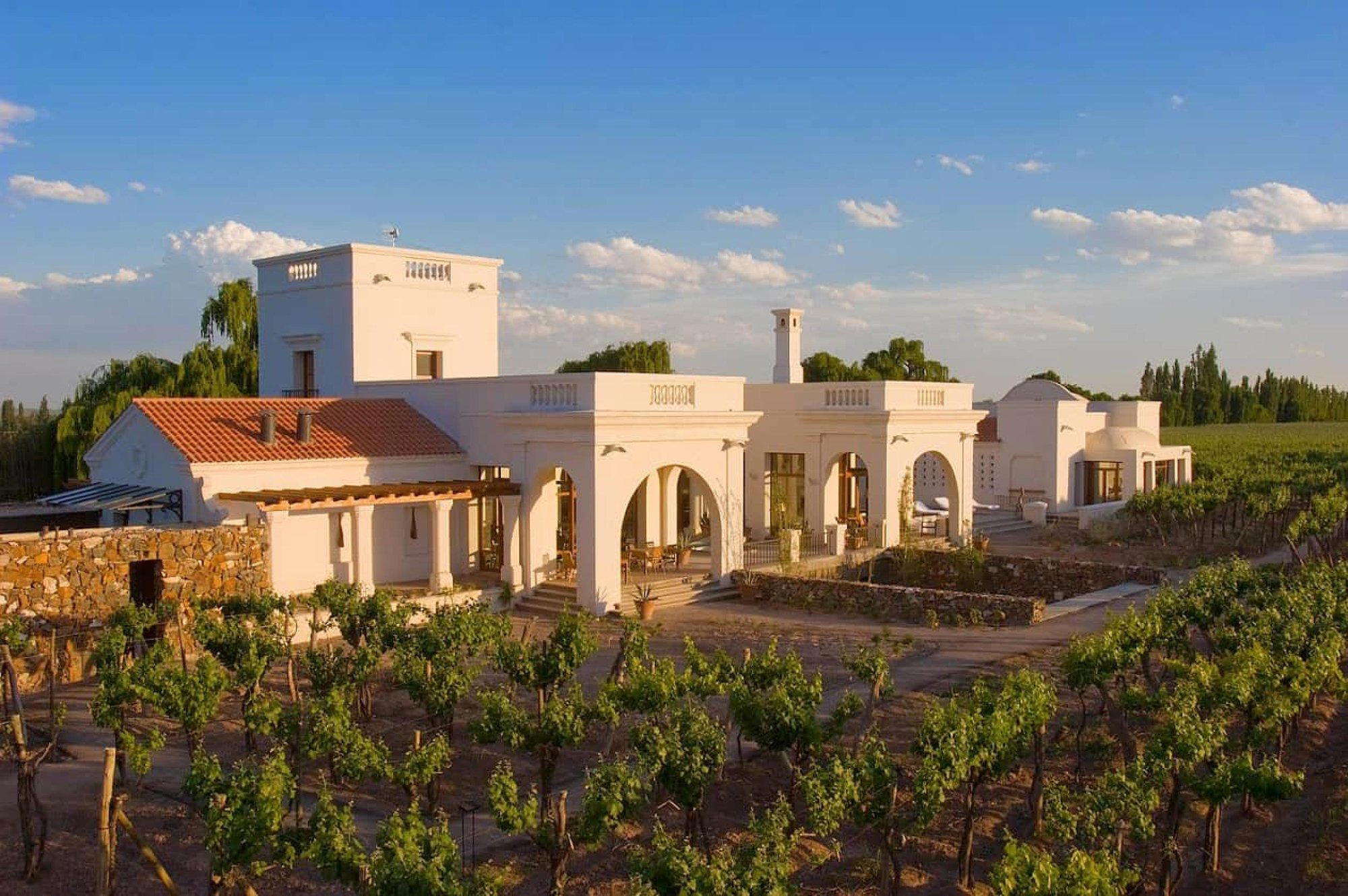
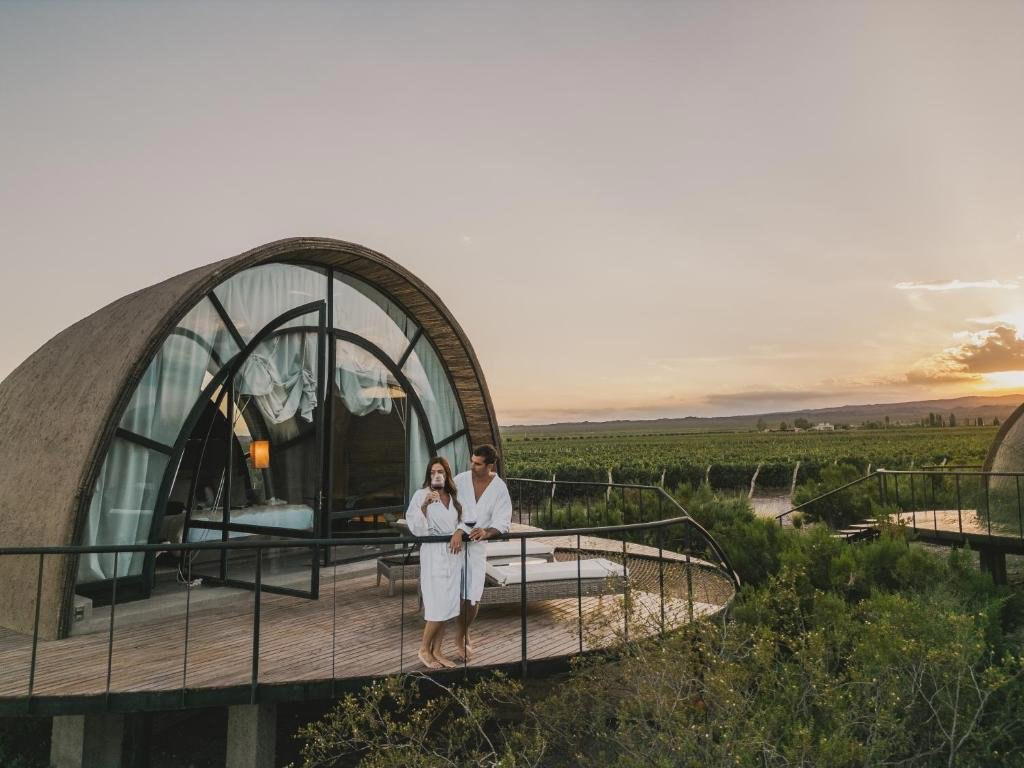
Sophisticated and elegant with a landmark pyramid structure inspired by Mayan design, offering a serene, historic atmosphere amid vineyards.