Château Troplong Mondot


Michelin 2 Grapes · Falstaff Winery - 4 Stars
Sitting on the limestone plateau above Saint-Émilion, Château Troplong Mondot has produced wine from its hilltop terroir since 1829.. The site's elevation and clay-limestone soils give its Merlot-dominant blends a structure that places them in direct conversation with the appellation's grands crus classés.

Pearl is the En Primeur Club membership app — saves, bookings, and concierge access live there. Same editors, same standards.
- Address
- Château Troplong, Mondot, 33330 Saint-Laurent-des-Combes
- Phone
- +33 5 57 55 32 05
- Website
- troplong-mondot.com
- Directions
- Get directions
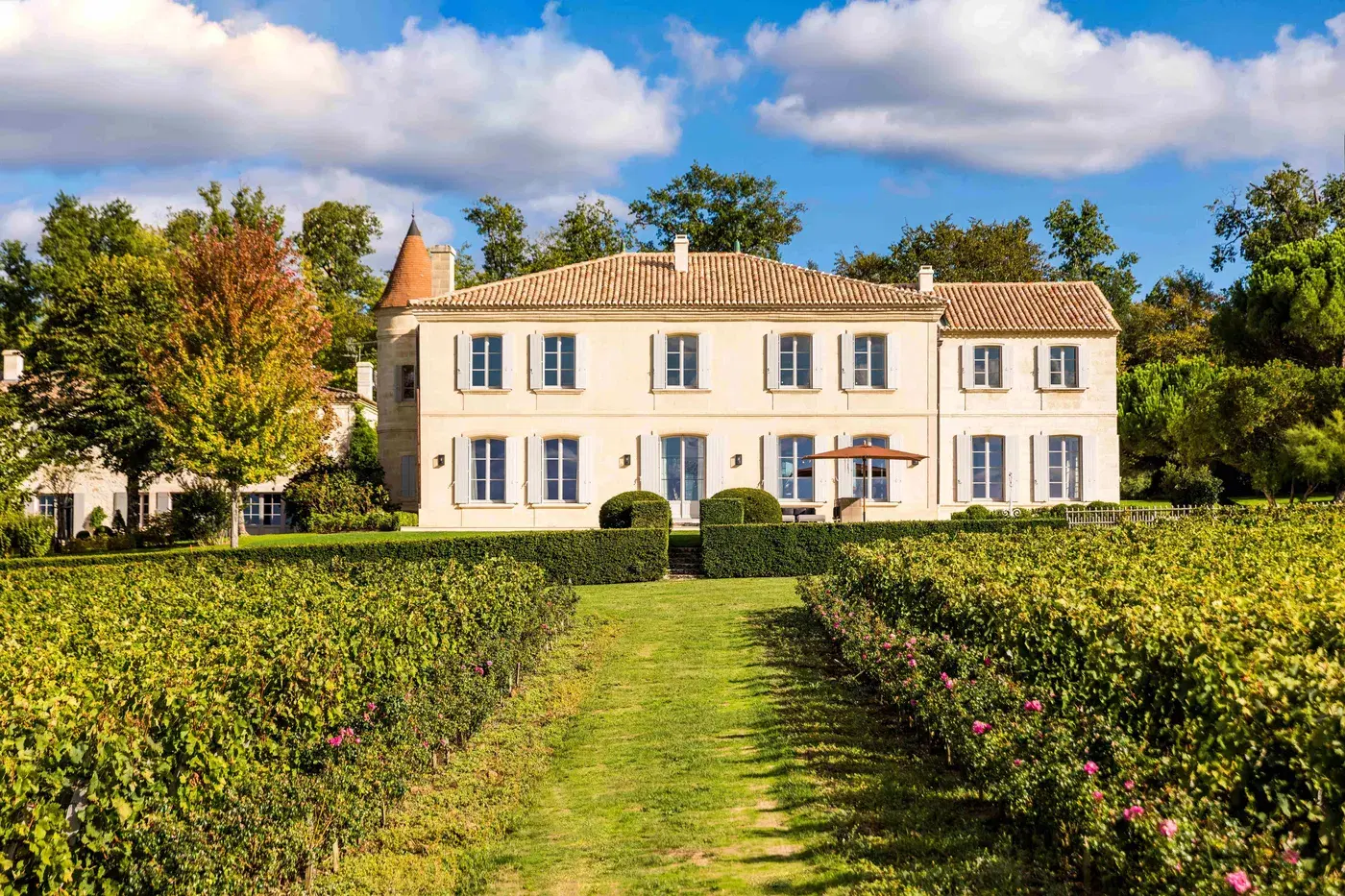
Elevation as Argument: The Terroir of the Troplong Mondot Plateau
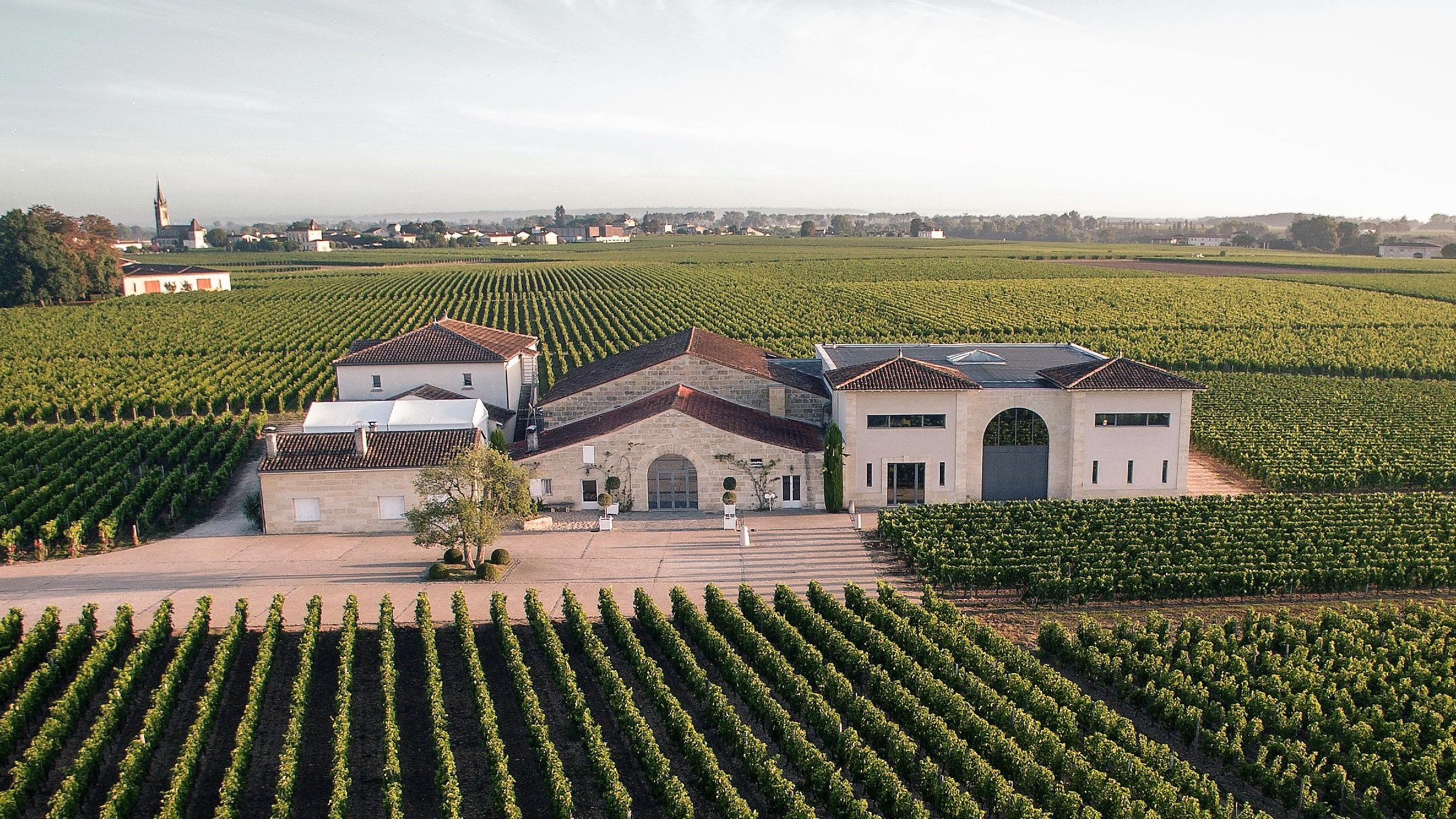
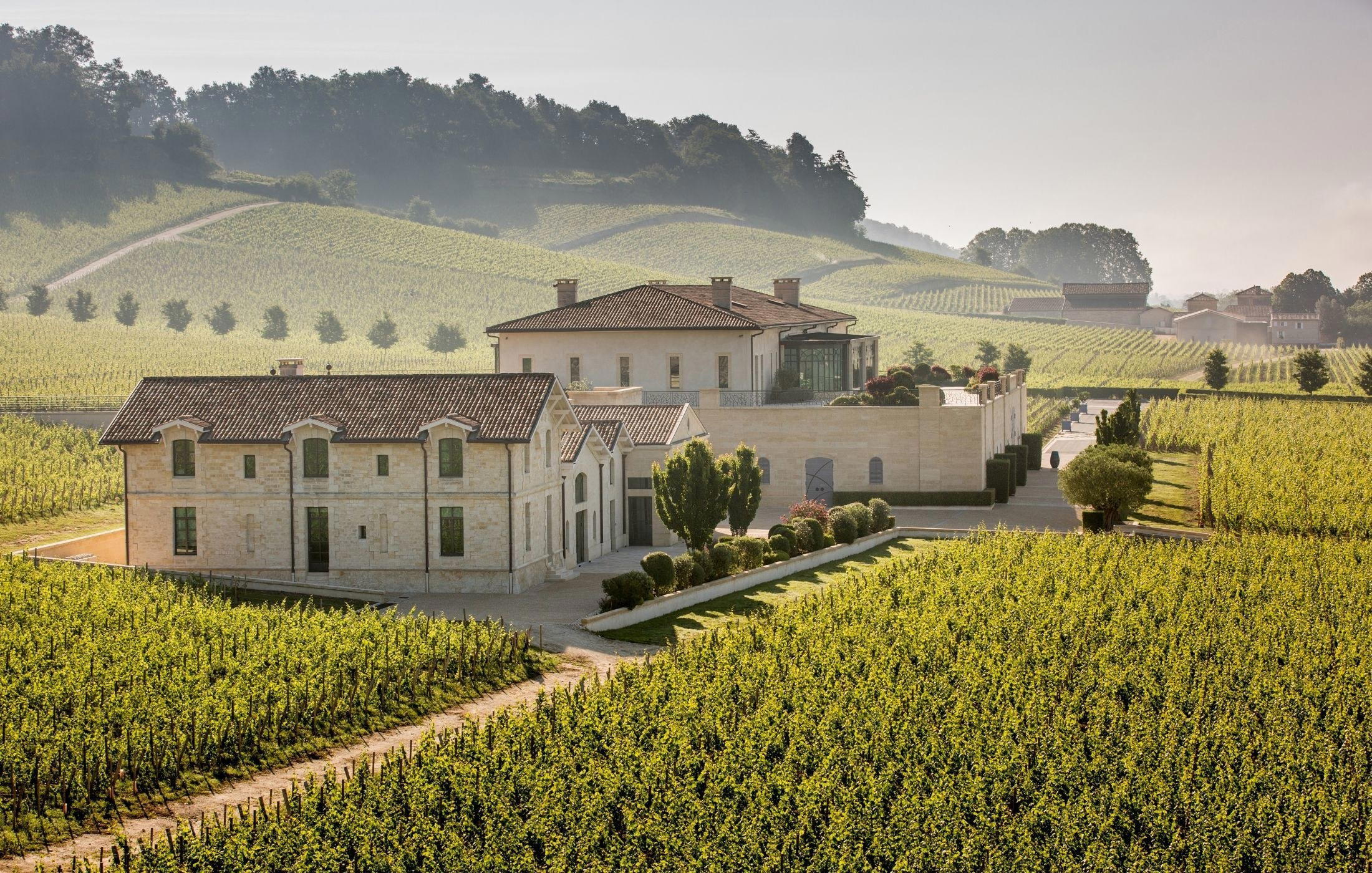
The hill that Château Troplong Mondot occupies is not incidental to its wine. The estate sits at one of the highest points on the Saint-Émilion limestone plateau, where the combination of altitude, southern and eastern exposure, and a deep clay-limestone subsoil creates conditions that differ materially from the flatter, sandier soils at the appellation's edges. When you approach the property along the ridge road from Saint-Laurent-des-Combes, the panorama of the Dordogne valley below is a reminder that this estate's position was never accidental — producers who planted here in the early nineteenth century understood that elevation meant drainage, temperature variation, and a particular kind of mineral intensity in the fruit.
That argument has been made continuously since 1829, making Troplong Mondot one of the older operating estates in the Saint-Émilion zone. Nearly two centuries of recorded vintages give the property a historical baseline that few Right Bank addresses can match. For more context on the Saint-Laurent-des-Combes wine scene, see our full Saint-Laurent-des-Combes restaurants guide.
Clay, Limestone, and What the Soil Actually Delivers
The terroir discussion at Troplong Mondot centres on two geological realities: the presence of clay in the topsoil and the proximity of the limestone bedrock beneath. Clay retains water during dry summers and releases it gradually to vine roots — a natural regulation that matters enormously in Bordeaux's increasingly warm growing seasons. Limestone, by contrast, stresses the vine in a productive way, forcing roots deeper and imparting the chalky mineral register that distinguishes plateau Saint-Émilion from the more fruit-forward wines produced on sandy soils near the river.
These are not abstract characteristics. The clay-limestone combination at this elevation typically produces wines with more structural tension than those grown on the alluvial terraces below, wines that require time to resolve their tannins but that reward patience with length and precision rather than immediate opulence. This places Troplong Mondot in a specific stylistic conversation within the Right Bank: it is less about the voluptuous, early-drinking profile associated with some Pomerol addresses and more about the kind of structured, age-worthy Merlot that the limestone plateau historically produces. Collectors interested in the spectrum of Right Bank styles might compare this against Château Clinet in Pomerol, where a different soil profile delivers a noticeably different expression from broadly similar grape varieties.
Winemaking in Service of Place
The winemaking at Troplong Mondot is guided by Aymeric de Gironde, whose role is to translate the plateau's conditions into the bottle rather than to impose a house style over them. The distinction matters in modern Bordeaux, where the debate between interventionist and terroir-driven winemaking continues to divide estates at every classification level. At a property where the soil and position are the primary arguments, the cellar's job is interpretation rather than construction.
This philosophy connects Troplong Mondot to a broader shift in premium Right Bank winemaking, where the most recognised estates have moved away from the extraction-heavy approach that peaked in the late 1990s and early 2000s. The emphasis on preserving the site's natural acidity and mineral character, rather than amplifying fruit through excessive extraction or new-oak concentration, aligns the estate with a generation of Bordeaux producers who are increasingly making wines that speak to their geography. This is a trajectory visible across the classification, from Château Canon-la-Gaffelière at the plateau's edge to estates further afield in the Médoc such as Château Branaire Ducru in St-Julien and Château Batailley in Pauillac, where the conversation about terroir fidelity versus technical intervention is equally live.
The Estate on the Hill: Visiting Troplong Mondot
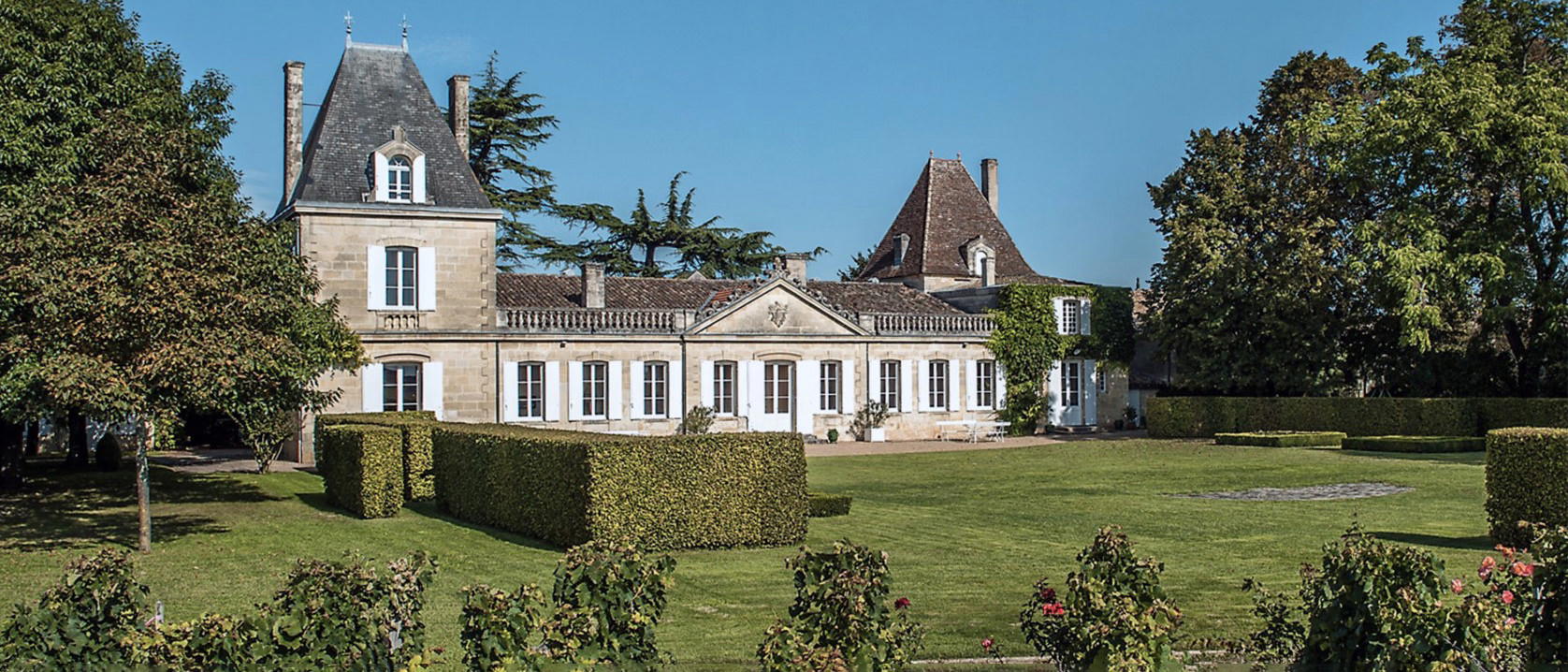
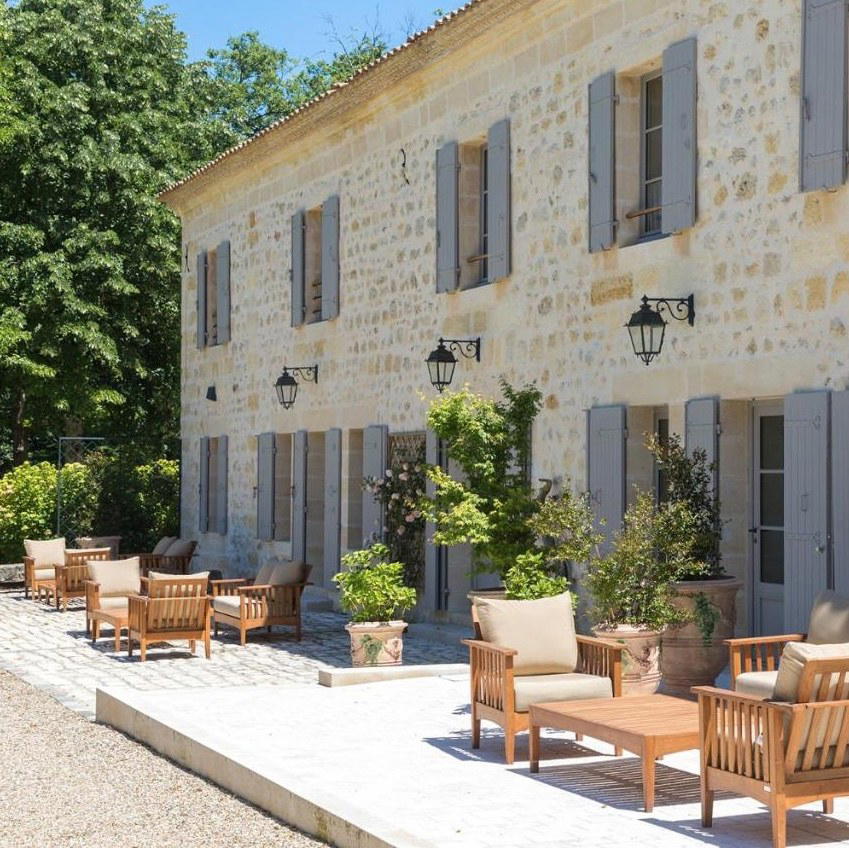
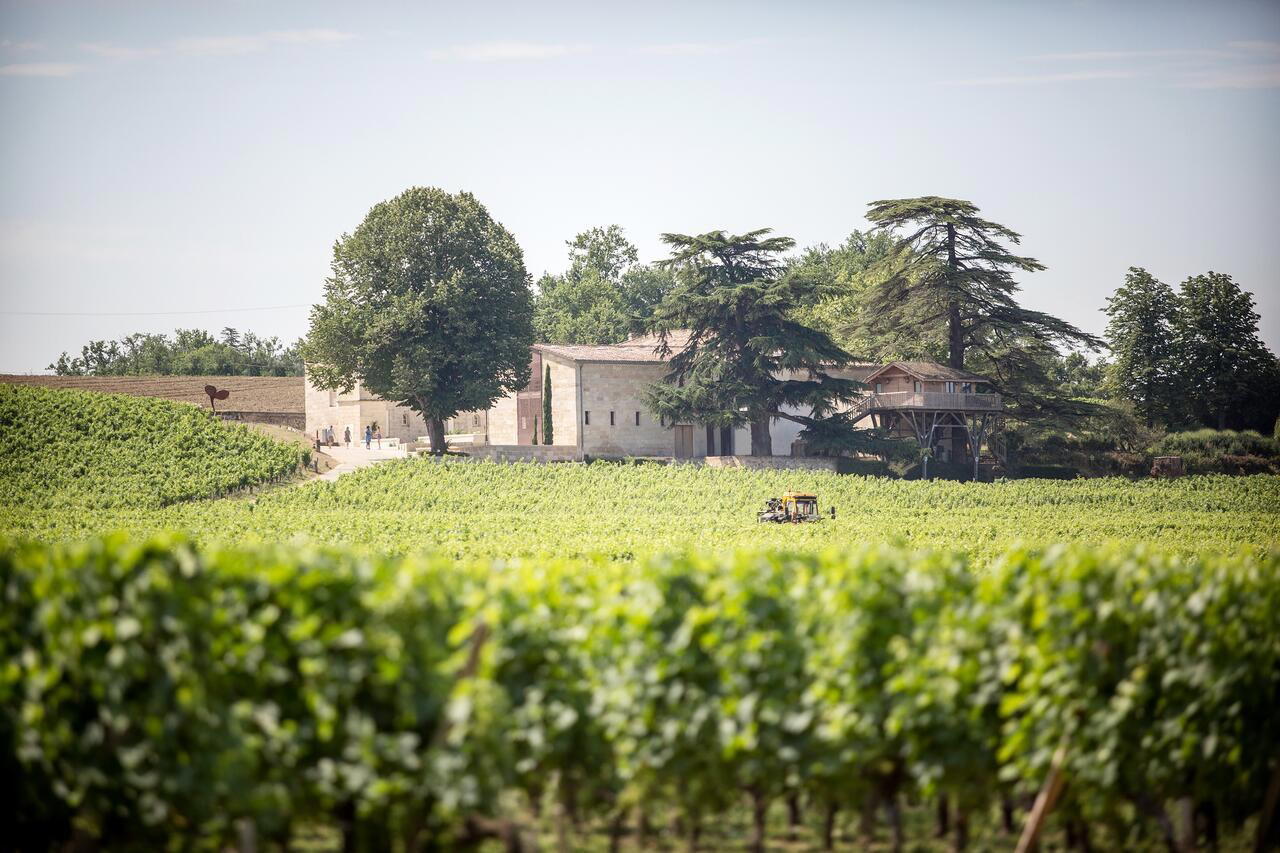
The physical experience of visiting Troplong Mondot is shaped almost entirely by its position. Arriving at the property, the vineyard stretches visibly in multiple directions, with the elevation offering a clear sense of the slope that governs how water moves through the vines after rain. Unlike the flat parcels that dominate the Médoc's gravel banks or the valley floor across the Dordogne, this is wine country where you can actually see the topography at work.
For visitors planning the journey, Saint-Laurent-des-Combes sits just minutes from the town of Saint-Émilion, making the estate logistically convenient for those combining a visit here with exploration of the broader appellation. The village itself is quiet and small, with Troplong Mondot representing one of the commune's most significant addresses. En primeur visits, which typically occur in spring following harvest, draw a concentrated trade and collector audience to the region; timing a visit to coincide with this period offers the opportunity to taste across multiple estates and compare the plateau's expression against other classified addresses. Estates across the wider Bordeaux region that share a commitment to terroir-driven production include Château Cantemerle in Haut-Médoc and Château Boyd-Cantenac in Cantenac, both worth including in an extended Bordeaux itinerary.
For those approaching wine tourism beyond Bordeaux, the contrast with other French wine regions is instructive. The limestone-driven precision of plateau Saint-Émilion finds loose echoes in Albert Boxler in Niedermorschwihr in Alsace, where granite and limestone soils shape white wines with comparable structural intent. Sweet wine enthusiasts extending a Bordeaux trip south might visit Château Bastor-Lamontagne in Preignac or Château d'Arche in Sauternes, both operating in a completely different stylistic register but sharing the broader Gironde's capacity to produce wines of genuine geographical specificity.
Troplong Mondot in the Classification Context
Within Saint-Émilion's classification system, Troplong Mondot has historically occupied a position that generates sustained interest from collectors and critics tracking the appellation's evolution. The classification itself has been periodically contested and revised, making it a less stable reference than the fixed 1855 Médoc system, but the estate's production track record since 1829 provides a continuity that transcends any single classification cycle.
For collectors building a position in Saint-Émilion, this rating, combined with the estate's historical depth and the terroir credentials of the plateau position, makes Troplong Mondot a reference point rather than a peripheral name. Comparison with equivalently rated Right Bank estates, and with Left Bank grands crus from Château Dauzac in Labarde to Château d'Esclans in Courthézon, underlines how different terroir arguments play out across Bordeaux's geography. Further afield, estates such as Accendo Cellars in St. Helena demonstrate how the precision-over-power philosophy is increasingly a global conversation, not a local one. For those interested in how aged spirits production intersects with similar conversations about provenance, Aberlour in Aberlour offers a parallel case study in how geography shapes flavour over time, and Chartreuse in Voiron rounds out a picture of how French terroir-based production extends well beyond wine.
Comparison Snapshot
Comparable venues nearby, for context on price, style, and recognition.
| Venue | Cuisine | Awards | Notes |
|---|---|---|---|
| Château Troplong MondotThis venue — the venue you are viewing | Merlot, Cabernet Sauvignon | Michelin 2 Grapes · Falstaff Winery - 4 Stars | Not listed |
| Château L'Eglise Clinet | Merlot, Cabernet Franc | Falstaff Winery - 4 Stars | Pomerol |
| Château Coutet | Merlot, Cabernet Franc | Not listed | Saint-Emilion |
| Château Pichon-Longueville-Comtesse-de-Lalande | Cabernet Sauvignon, Merlot | Michelin 2 Grapes · Falstaff Winery - 4 Stars | Pauillac |
| Clos Haut-Peyraguey | Semillon, Sauvignon Blanc | Falstaff Winery - 3 Stars | Bommes |
| Château La Conseillante | Merlot, Cabernet Franc | Michelin 3 Grapes · Falstaff Winery - 4 Stars | Pomerol |
Recognition history
Dated appearances from independent guides and award organizations, with the underlying list record or original source where available.
Michelin 2 Grapes
Michelin
Falstaff Winery - 4 Stars
Falstaff
Continue exploring
More in Saint-Laurent-des-Combes
Wineries in Saint-Laurent-des-Combes
Browse all →
Bars in Saint-Laurent-des-Combes
Browse all →

Restaurants in Saint-Laurent-des-Combes
Browse all →
Details
- Elegant
- Sophisticated
- Classic
- Scenic
- Special Occasion
- Wine Education
- Vineyard Tour
- Estate Grounds
- Panoramic View
- Sustainable
- Organic
- Vineyard
- Merlot
- Cabernet Sauvignon
- Cabernet Franc
- Still Red
- Cave Tasting
- Private Tasting
- English
- French
Ornate and sensuous with rich, concentrated flavors; elegant, refined atmosphere in a historic, polished estate.