

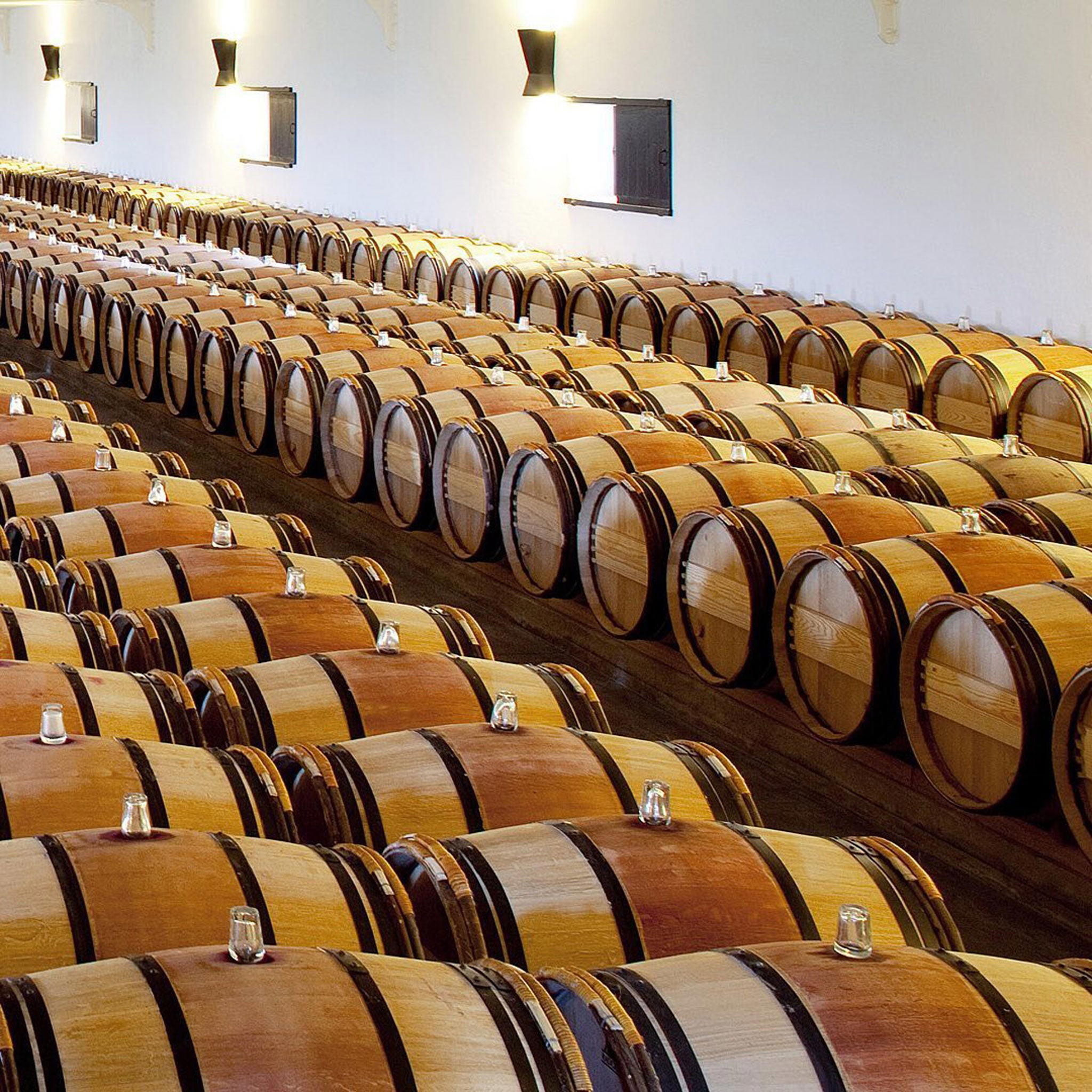
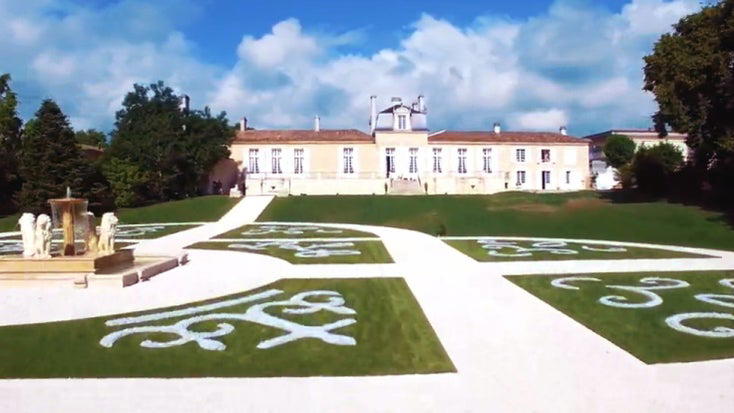
Château Lynch-Bages has anchored Pauillac's fifth-growth tier since its first recorded vintage in 1779. The estate produces Cabernet Sauvignon-dominant blends that consistently price and trade above their classification, making it one of the Médoc's most closely watched fifth growths. Visits to the property connect wine tourism with the full Pauillac terroir story.
Pearl is the En Primeur Club membership app — saves, bookings, and concierge access live there. Same editors, same standards.
- Address
- 33250 Pauillac
- Phone
- +33 5 56 73 24 00
- Website
- lynchbages.com
- Directions
- Get directions
 Saves & bookings on Pearl
Pauillac and the Weight of Classification
The 1855 Classification still organises how the world prices and perceives Médoc Cabernet. Two centuries on, it creates a set of fixed reference points that the market either confirms or quietly revises through secondary prices, critical scores, and collector demand. In Pauillac, that revision process is more active than almost anywhere else in Bordeaux. The appellation holds three first growths — Lafite Rothschild, Latour, and Mouton Rothschild — which set a ceiling that pulls every estate beneath them into sharper relief. What distinguishes Pauillac from neighbouring Saint-Julien or Margaux is the degree to which its fifth growths have benefited from that reflected prestige. Châteaux like Château Batailley, Château d'Armailhac, and Château Grand-Puy-Ducasse trade on the appellation name as much as on their individual rankings. Château Lynch-Bages sits at the centre of this dynamic, carrying a fifth-growth designation it has long outperformed in reputation if not always in price.
The Estate in Context
Lynch-Bages occupies a plateau west of the town of Pauillac, on the gravelly, well-drained soils that define the left-bank archetype. The property's first recorded vintage dates to 1779, which places it among the older continuous production histories in the Médoc and provides a depth of archive that informs contemporary decisions in the cellar. In the fifth-growth peer group, this longevity matters: it anchors style comparisons across decades and gives buyers a longer track record against which to measure current releases. Winemaker Nicolas Labenne now holds that continuity, working within a house style that has built its reputation on approachability at a younger age than many of its Pauillac neighbours, while retaining the structure to develop over time.
Within Pauillac's fifth-growth cohort, that distinction separates it from peers like Château Haut-Bages-Libéral and Château Pédesclaux, both of which have pursued their own quality trajectories in recent vintages but carry different collector profiles.
Where Lynch-Bages Sits in the Pauillac Hierarchy
Pauillac's internal hierarchy is more compressed than its classification suggests. At the leading, Pontet-Canet has spent two decades building a biodynamic reputation that shifted its secondary market price well above its fifth-growth neighbours. Grand-Puy-Lacoste occupies a loyal following among Bordeaux traditionalists who value consistency over reinvention. Clerc Milon benefits from the organisational scale of the Mouton stable. Pichon-Longueville-Comtesse-de-Lalande, though technically a second growth, anchors the southern end of the appellation and provides the benchmark against which ambitious fifth growths measure themselves.
Lynch-Bages has historically occupied a different niche from all of them: it is the fifth growth most associated with broad market recognition across export territories. In the UK, US, and Asian markets, the name circulates among buyers who know relatively few classified growths by name, which creates a floor of demand that keeps allocation lists active and secondary prices firmer than classification alone would justify. This is not merely reputation management, it reflects a house approach to communicating the property across multiple generations of buyers rather than solely to specialist collectors.
The Regional Wine Tradition Lynch-Bages Represents
Understanding Lynch-Bages requires understanding what Pauillac Cabernet Sauvignon is actually attempting to do. The style is structural by design: high tannin in youth, with a mid-palate fruit density driven by the gravel plateau's heat retention and drainage, and a finish that evolves toward cedar, graphite, and dark fruit with time in bottle. This is not Margaux's perfumed mid-weight template or Saint-Estèphe's harder, more austere profile. Pauillac sits between those poles, and the leading estates use that position deliberately.
Lynch-Bages has long been associated with a slightly more forward expression of that template: accessible within five to eight years of vintage while still rewarding longer cellaring. This places it in conversation with buyers who cannot or will not wait twenty years for a wine to open, which partially explains its strong performance in restaurant programs and gift markets where relative immediacy matters. Across the Médoc more broadly, this balance, between classical structure and approachability, represents a stylistic choice with real commercial logic behind it. Châteaux that lean harder into pure longevity models, like some of the Saint-Julien second growths, occupy a different buyer segment. Lynch-Bages has chosen its lane deliberately, and Labenne's tenure maintains that direction.
It is worth placing this within the wider Bordeaux context. The same tension between tradition and accessibility plays out at estates across the region: Château Bélair-Monange in Saint-Emilion pursues a different idiom entirely, rooted in Merlot dominance and limestone terroir, while Château Branaire Ducru in St-Julien represents the more reserved, backward style that characterises its appellation. Lynch-Bages fits a Pauillac logic that is its own distinct argument.
Visiting the Property
The village of Pauillac itself functions as a base for Médoc wine tourism, with the river Gironde providing both a geographic orientation and a practical transport corridor. Visitors approaching the estate from Bordeaux city cover roughly 50 kilometres north along the D2 wine road, a route that passes through Saint-Julien and the other classified commune villages before arriving in Pauillac. The Lynch-Bages property sits within the Bages hamlet, which has developed into one of the more complete visitor destinations in the Médoc, integrating the chai, a wine shop, a bistro, and accommodation. This concentration of amenity within a single address makes it a logical anchor for a two- or three-day Médoc itinerary. For a fuller picture of what the town and surrounding appellations offer, our full Pauillac restaurants guide maps the neighbourhood in detail.
Booking visits and tastings should be arranged directly through the estate's official channels in advance, particularly during the primeur week in April when the Médoc sees concentrated demand and appointment availability tightens considerably. The en primeur window is also the moment when Lynch-Bages receives the most direct critical attention, with scores and release pricing setting expectations for secondary market performance over the following years.
Lynch-Bages Within a Broader Collector Framework
Collectors who track Lynch-Bages often hold it alongside properties from other regions as a reference point for what structured, age-worthy red at the upper fifth-growth tier can achieve. Within the EP Club portfolio, the estate sits alongside recognised producers across different traditions: Château Cantemerle in Haut-Médoc represents a softer expression from the same peninsula, while Château Boyd-Cantenac in Cantenac offers a Margaux-appellation contrast in structure and aromatic profile. Further afield, properties like Accendo Cellars in St. Helena represent the Napa Cabernet tradition that Bordeaux classification first inspired, while estates like Albert Boxler in Niedermorschwihr, Chartreuse in Voiron, Château Bastor-Lamontagne in Preignac, and Aberlour in Aberlour show the EP Club's range across French and Scottish production traditions that share rigour if not grape variety.
Within that context, Lynch-Bages reads as a property that has consistently delivered on the core promise of Pauillac: structured, Cabernet-led wine with a production history long enough to demonstrate that it is not an artefact of a single talented decade, but a sustained expression of one of the Médoc's most reliably productive terroirs.
Recognition history
Dated appearances from independent guides and award organizations, with the underlying list record or original source where available.
Falstaff Winery - 4 Stars
Falstaff
Michelin 1 Grape
Michelin
Continue exploring
More in Pauillac
Wineries in Pauillac
Browse all →
Bars in Pauillac
Browse all →
Restaurants in Pauillac
Browse all →
At a Glance
- Classic
- Elegant
- Well Known
- Sophisticated
- Wine Education
- Special Occasion
- Vineyard Tour
- Historic Building
- Estate Grounds
- Vineyard
- Pauillac AOC
- Cabernet Sauvignon
- Merlot
- Cabernet Franc
- Petit Verdot
- Still Red
- Cave Tasting
- Private Tasting
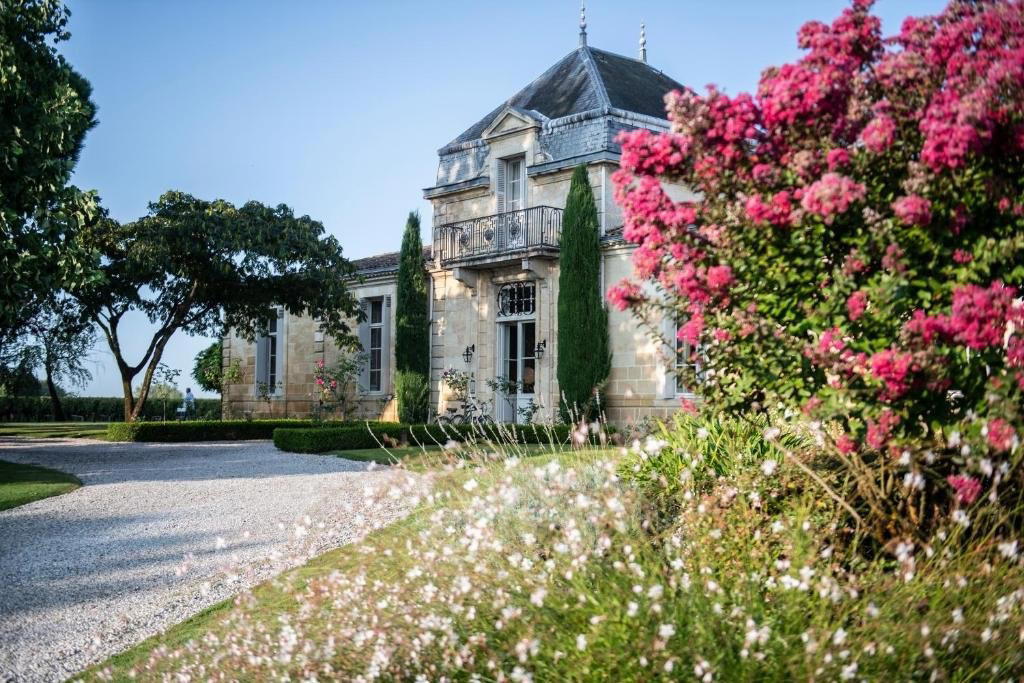
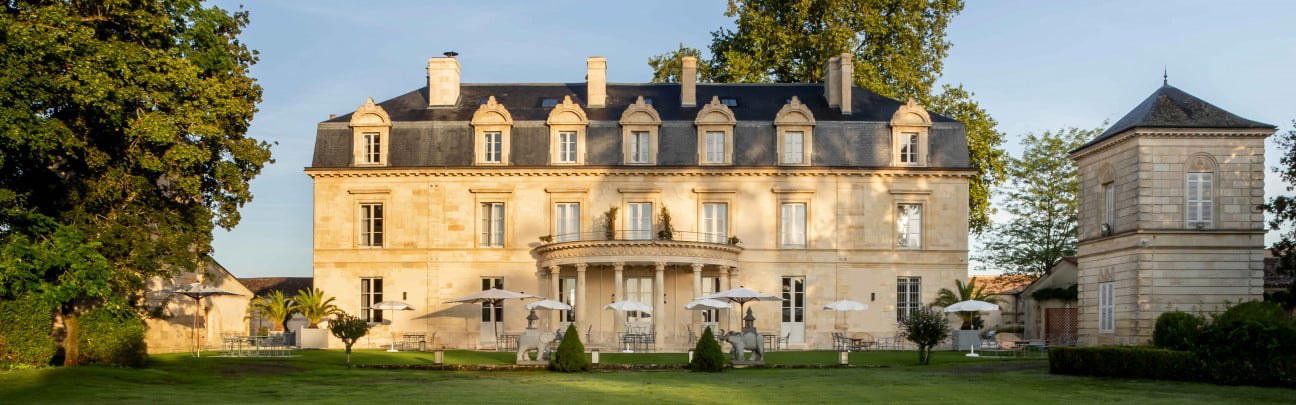
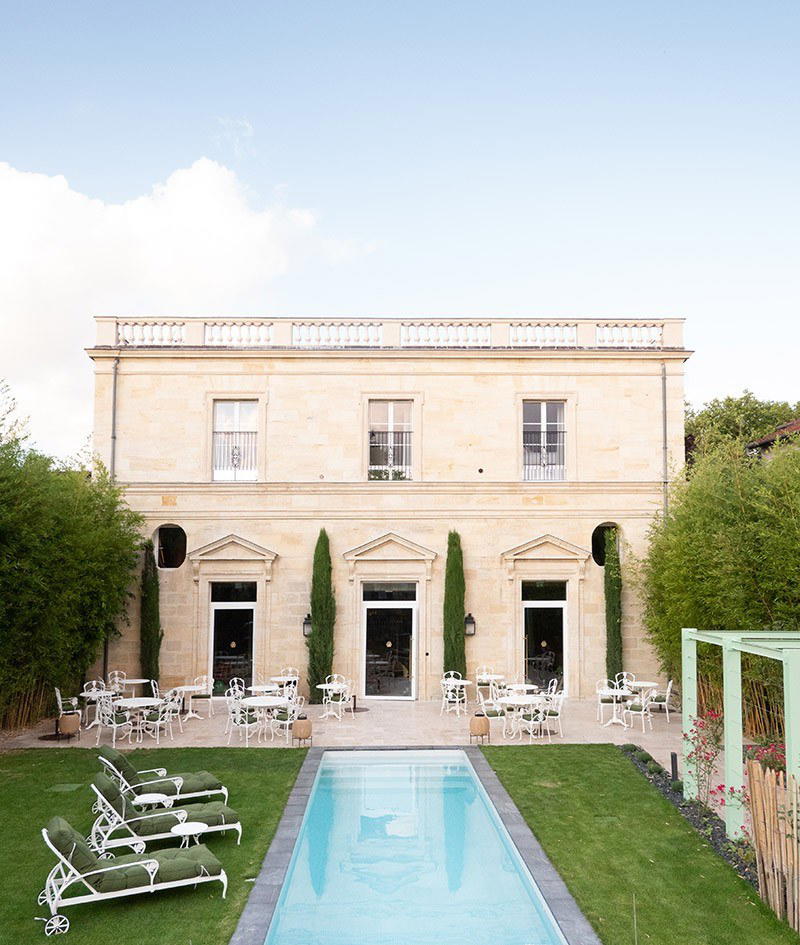
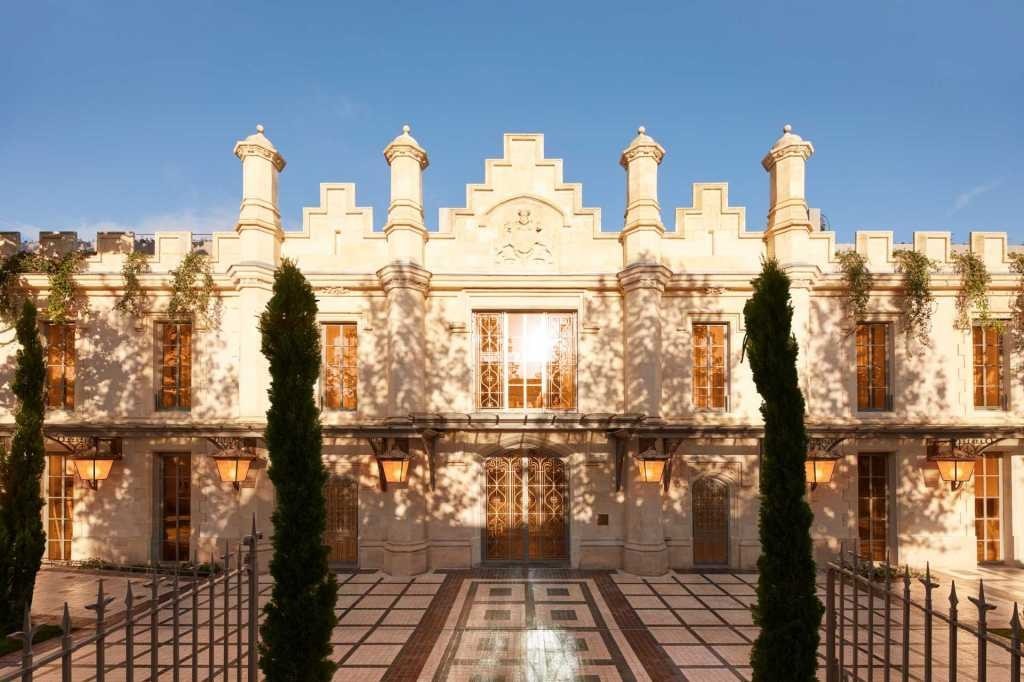
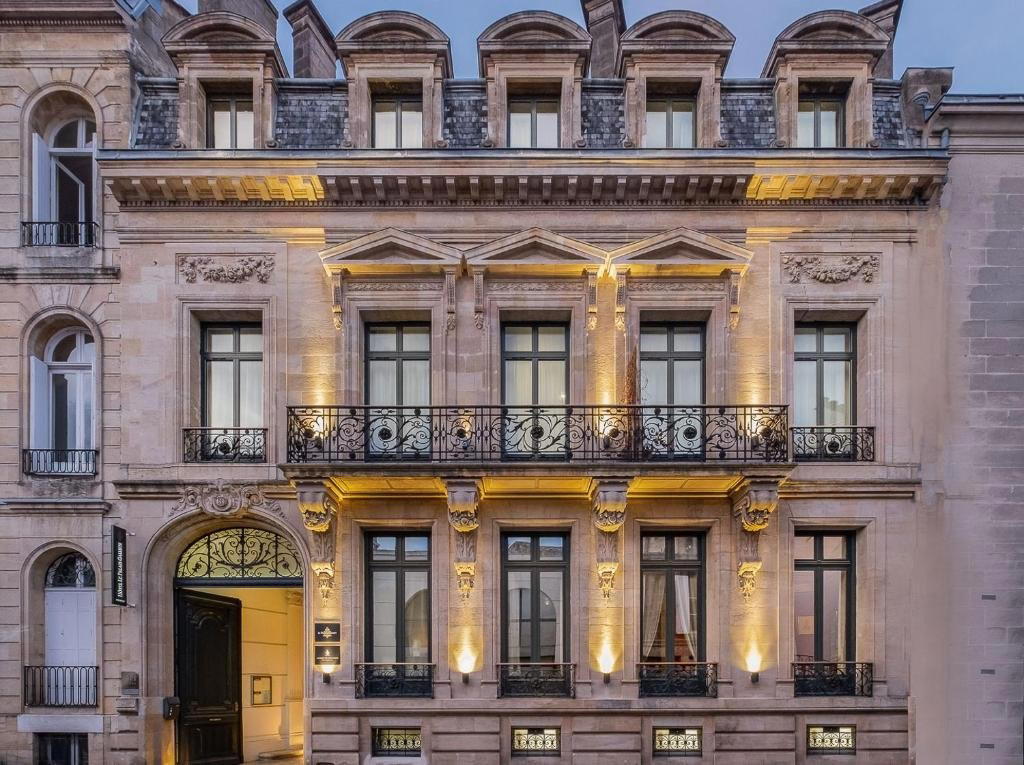
Elegant historic chateau setting with sophisticated, refined atmosphere amid prestigious Bordeaux vineyards.
Know Before You Go
- Getting there
- 33250 Pauillac