

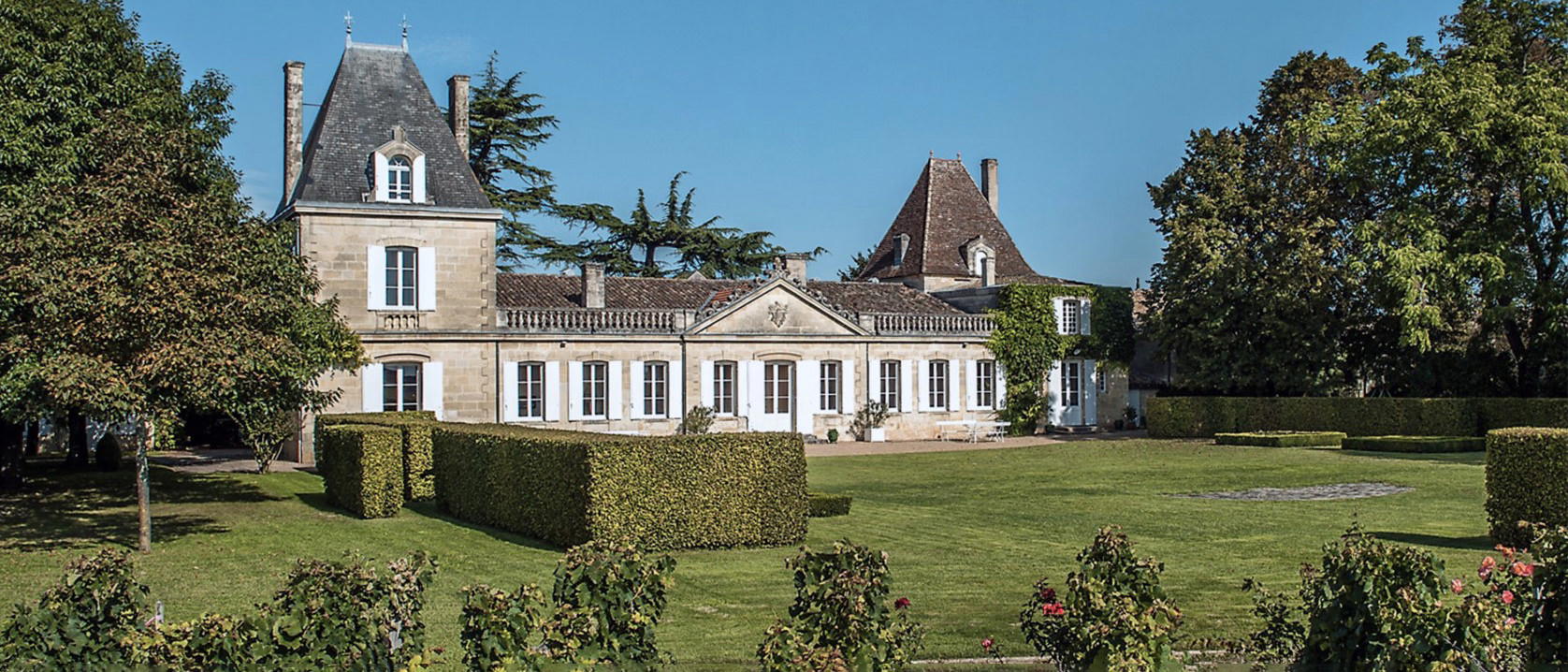
Château La Fleur Petrus sits in the heart of Pomerol on gravelly-clay soils that define the appellation's most serious addresses. Visits require advance planning; allocations are limited and demand from collectors keeps the estate's releases tightly distributed.
Pearl is the En Primeur Club membership app — saves, bookings, and concierge access live there. Same editors, same standards.
- Address
- 7 Rue de Tropchaud, 33500 Pomerol
- Phone
- +33 5 57 51 78 96
- Website
- moueix.com
- Directions
- Get directions
 Saves & bookings on Pearl
Where Pomerol's Geology Does the Heavy Lifting
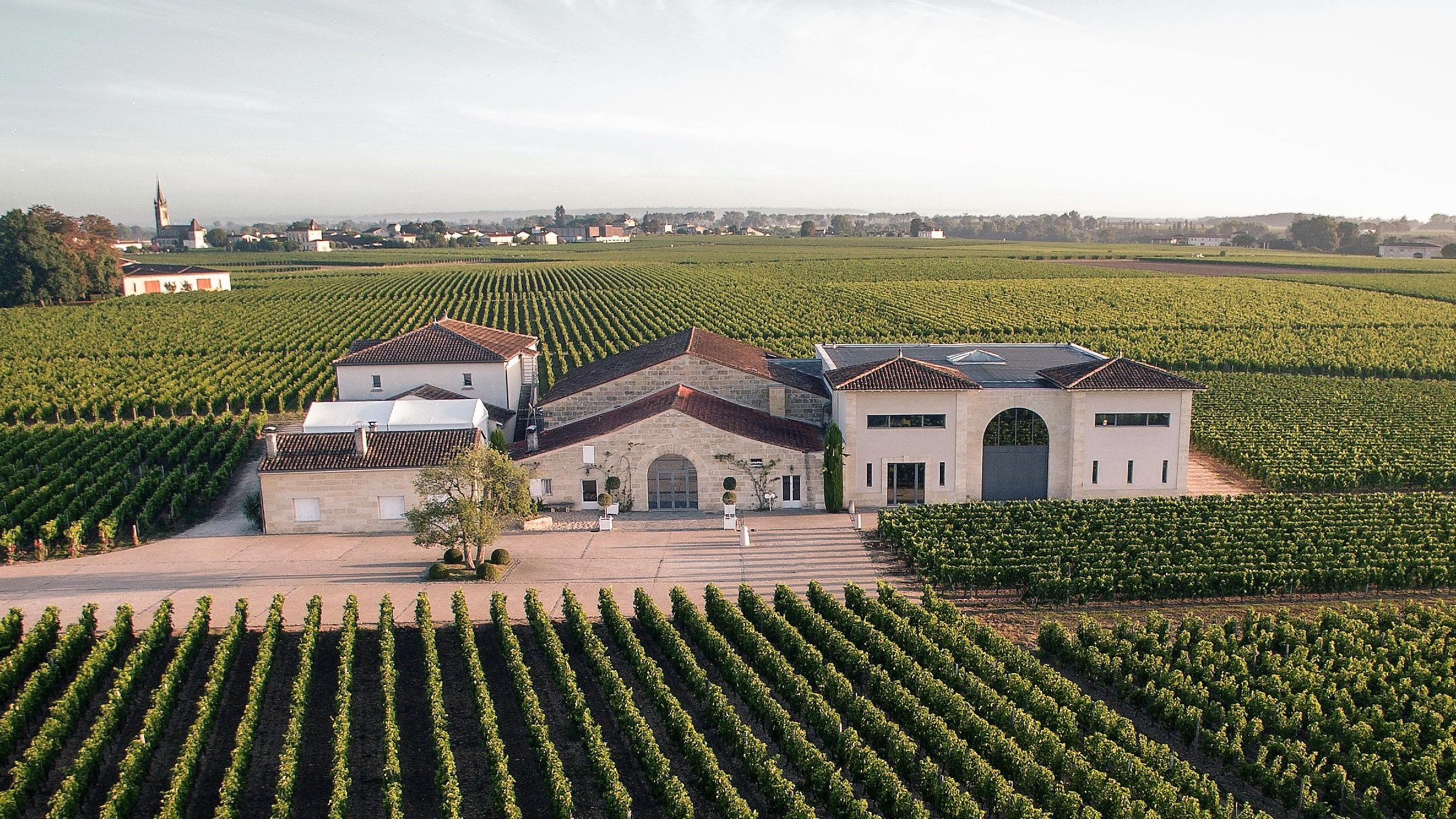
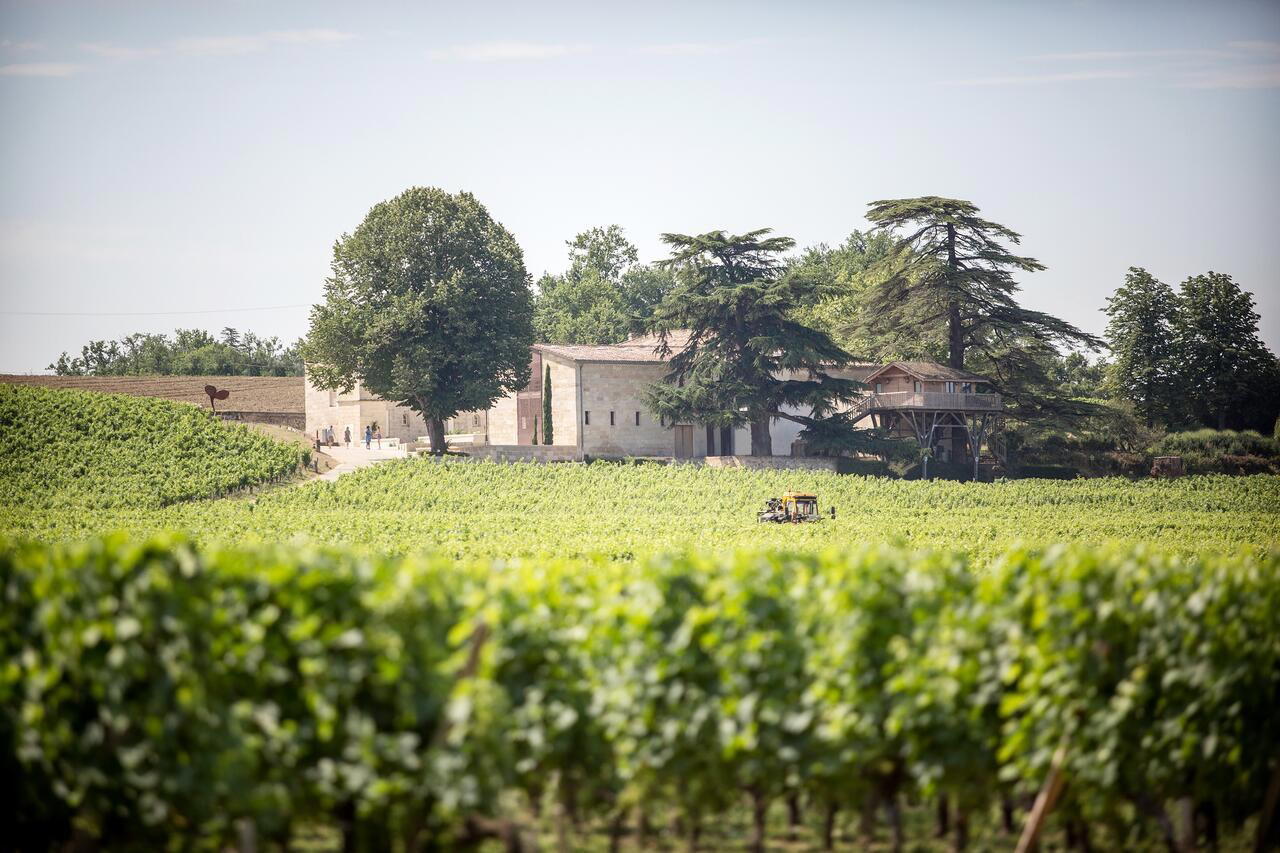
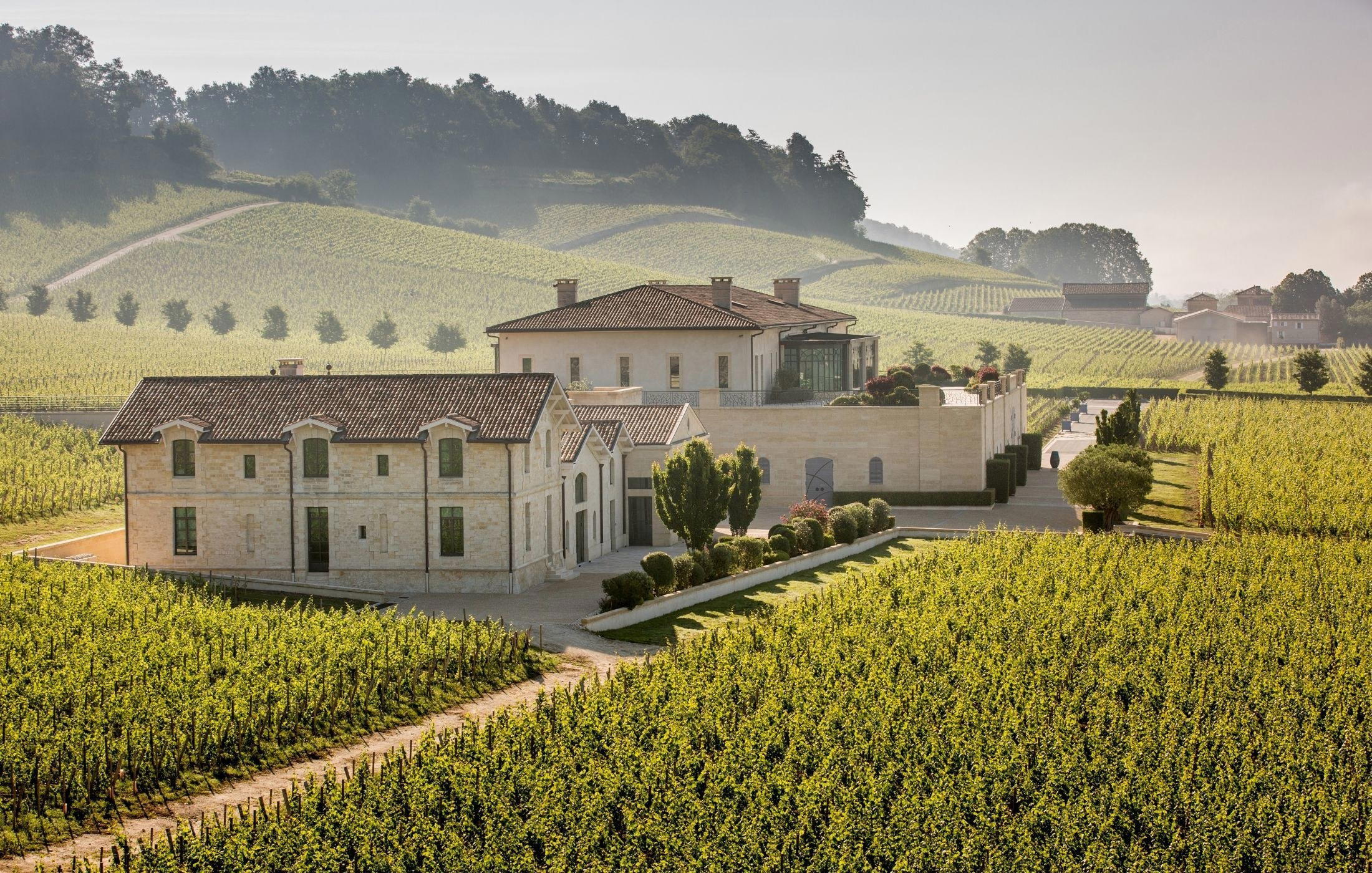
Approach the plateau of Pomerol on a grey November morning and the appellation announces itself not through grand gates or imposing châteaux facades but through the flatness of the land and the particular quality of the light. This is a working agricultural corner of Bordeaux where the vineyards press close to the road and the distances between famous addresses are measured in footsteps rather than kilometres. Château La Fleur Petrus, at 7 Rue de Tropchaud, sits within that compact geography, on soils that have shaped the character of Pomerol's most serious wines for generations: a mix of gravel and clay that sits adjacent to some of the appellation's most closely watched parcels.
That proximity is not incidental. In Pomerol, location on the plateau is the primary credential. The appellation has no official classification, which means the market sorts producers by the quality of their terroir, the consistency of their track record, and the credibility of whoever is making the wine. That continuity of ownership and direction matters in a region where institutional knowledge of individual parcels translates directly into wine quality.
The Moueix Approach and What It Means for the Vineyard
The Moueix family's association with the Right Bank stretches back to the mid-twentieth century and represents one of the most coherent narratives in Bordeaux viticulture. Their approach across estates tends toward careful parcel management, attention to picking dates, and a preference for allowing terroir expression over technical intervention. At Château La Fleur Petrus, Edouard Moueix carries that tradition into current vintage decisions. This matters particularly when considering the estate through a sustainability lens: vine management on clay-gravel soils at this altitude does not require aggressive chemical intervention, and estates within the Moueix portfolio have historically placed emphasis on working with the land's natural structure rather than against it.
Across Bordeaux, the broader shift toward organic and environmentally considered viticulture has accelerated through the 2010s and into the 2020s. Pomerol's small farm sizes make certification logistics different from larger appellations, and the estate-by-estate picture is uneven. What is consistent across the plateau's serious producers, including neighbours such as Château Trotanoy and Château Le Gay, is a growing focus on soil health and vine density as the foundation of wine quality. At Château La Fleur Petrus, the gravelly terroir imposes its own discipline: well-drained soils limit vigour naturally, reducing the temptation to intervene chemically to manage excess growth.
Because Pomerol operates without a formal hierarchy, understanding where a given château sits requires mapping it against recognisable reference points. Château La Fleur Petrus belongs to a cohort that sits clearly above appellation-generic Pomerol but below the micro-production prestige tier anchored by Pétrus and Le Pin. This is not a criticism; it is a useful description of where the wine lives commercially and how collectors should think about it.
These are estates where the wine shows appellation typicity — the plush, iron-inflected fruit and relatively early-maturing structure that Merlot on Pomerol clay produces — while also carrying enough concentration and structure for mid-term cellaring.
For those building a Bordeaux cellar with Right Bank weight, the estate functions as a reliable acquisition alongside reference-point producers in Saint-Emilion such as Château Bélair-Monange, where similarly thoughtful viticulture shapes wine character. The broader category of restrained, terroir-driven French production connects to producers well outside Bordeaux, from Albert Boxler in Niedermorschwihr to Médoc peers like Château Branaire Ducru in St-Julien and Château Batailley in Pauillac.
Viticulture in Context: The Sustainability Picture on the Plateau
The intersection of Pomerol's small-scale farming and an increasing consumer interest in sustainable production has created a quiet but meaningful shift in how the appellation's estates are managed. Vine age is a relevant variable here: older vines, which are a feature of many serious Pomerol addresses, develop deeper root systems that engage with subsoil water and mineral content rather than relying on surface irrigation. This reduces the pressure to supplement nutritionally and contributes to the kind of natural vine stress that concentrates flavour.
For producers motivated to pursue formal certification, Bordeaux has seen a meaningful uptick in HVE (Haute Valeur Environnementale) and organic certification applications through the 2020s. Pomerol's scale makes these transitions more manageable than in larger appellations, and the soil profiles across the plateau, particularly the iron-rich crasse de fer layer beneath some parcels, are well suited to low-intervention farming. Comparable moves toward certified sustainability are visible across the Bordeaux region, with estates such as Château Bastor-Lamontagne in Preignac and Château Boyd-Cantenac in Cantenac providing useful reference points for how the region is repositioning on environmental practice.
Planning a Visit to Château La Fleur Petrus
Pomerol is not set up for casual wine tourism in the way that larger appellations are. There is no village wine trail, no central tasting room hub, and no significant hospitality infrastructure attached to most estates. Visiting Château La Fleur Petrus at 7 Rue de Tropchaud requires direct contact with the estate or its négociant partners, and given the limited annual production and the Moueix family's distribution approach, access is not guaranteed to walk-in enquiries. The town of Libourne, approximately five kilometres west, serves as the practical base for the appellation: it has hotels, restaurants, and rail connections to Bordeaux's Saint-Jean station. Serious visitors tend to plan visits to the plateau as part of a broader Right Bank itinerary that also takes in Saint-Emilion. For a broader orientation to the appellation and its producers, our full Pomerol guide maps the region's key addresses and seasonal considerations.
The autumn months, from late September through November, align the visit with harvest activity on the plateau, offering a different perspective on how Pomerol's producers think about picking decisions and parcel sequencing. It is also when the landscape reads most clearly as a working agricultural system rather than a heritage destination.
Recognition history
Dated appearances from independent guides and award organizations, with the underlying list record or original source where available.
Falstaff Winery - 4 Stars
Falstaff
Michelin 1 Grape
Michelin
Continue exploring
More in Pomerol
Wineries in Pomerol
Browse all →
Bars in Pomerol
Browse all →

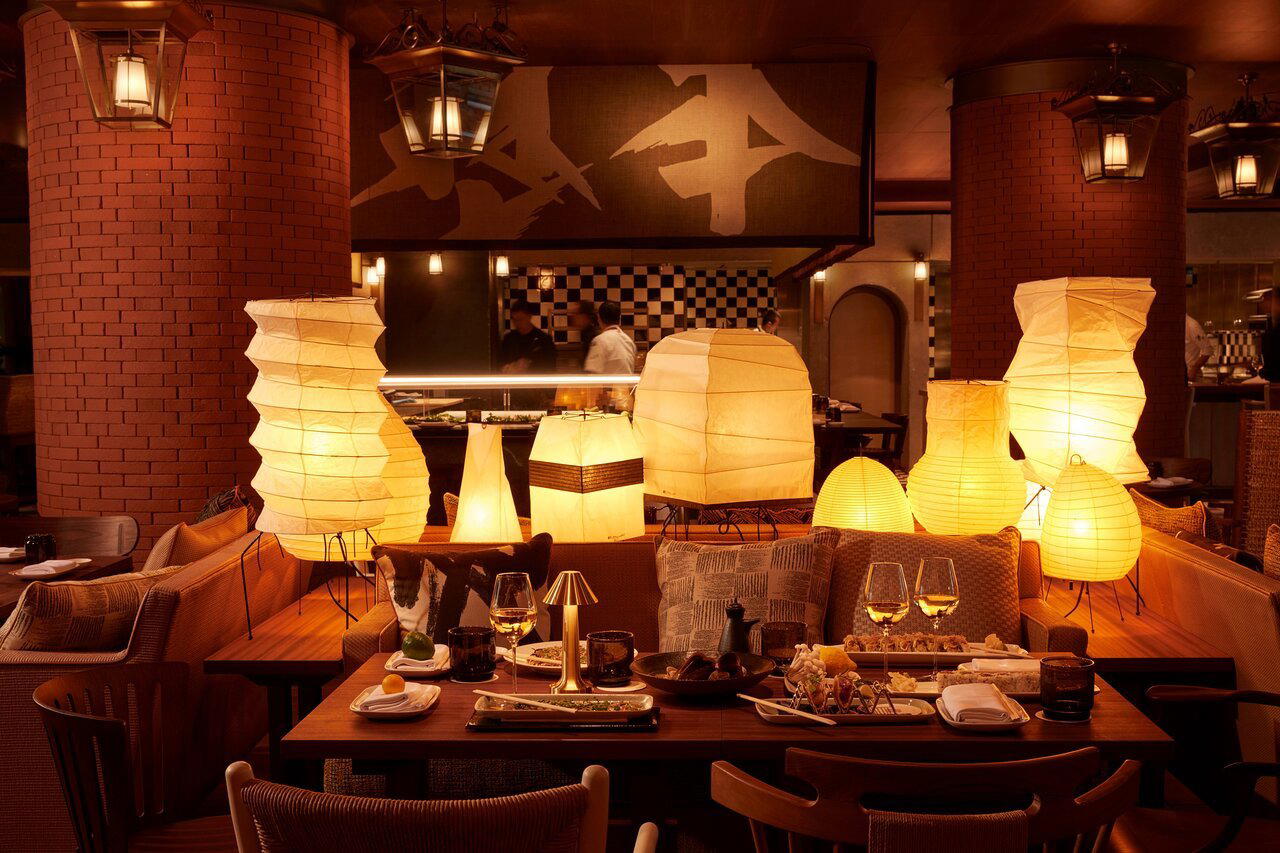
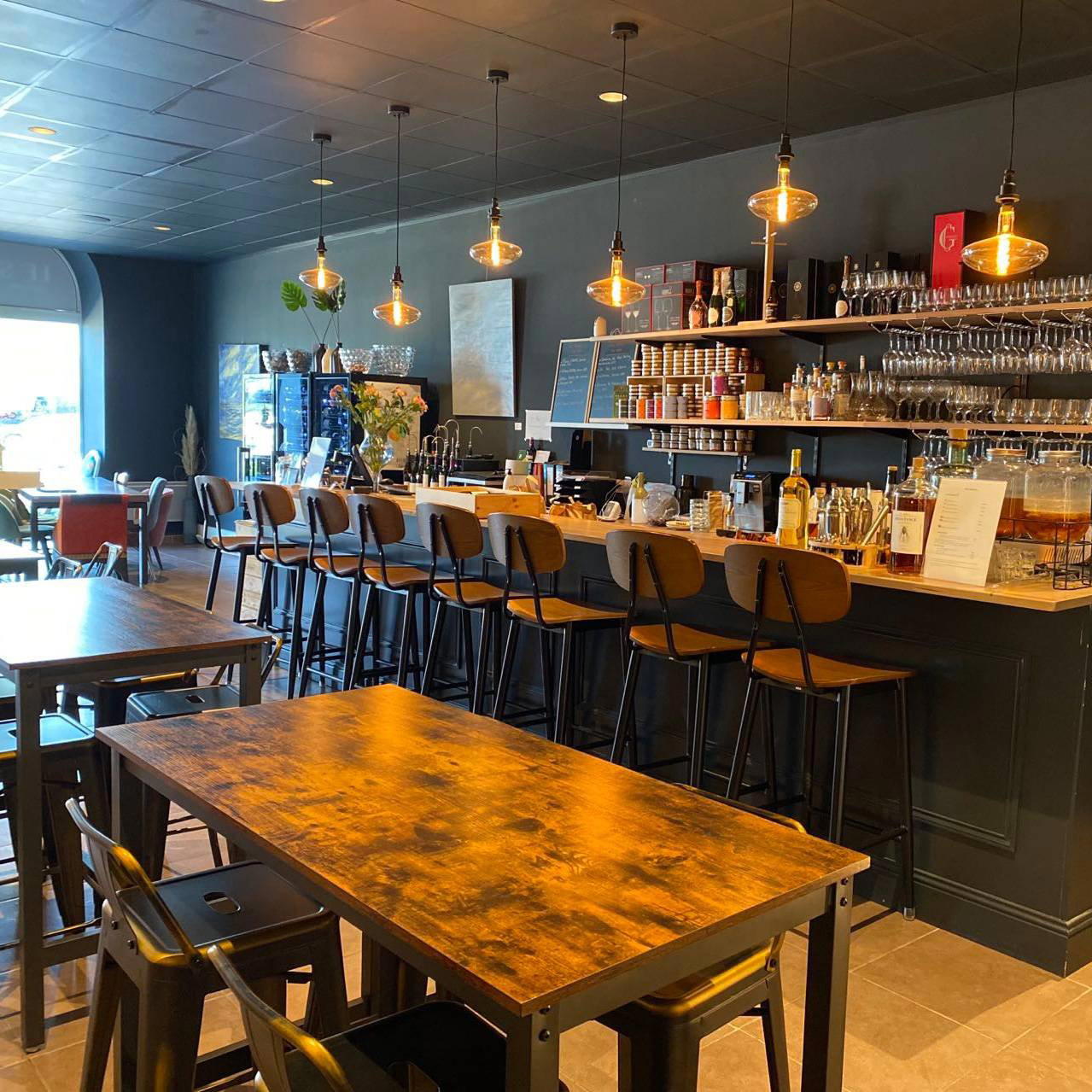
Restaurants in Pomerol
Browse all →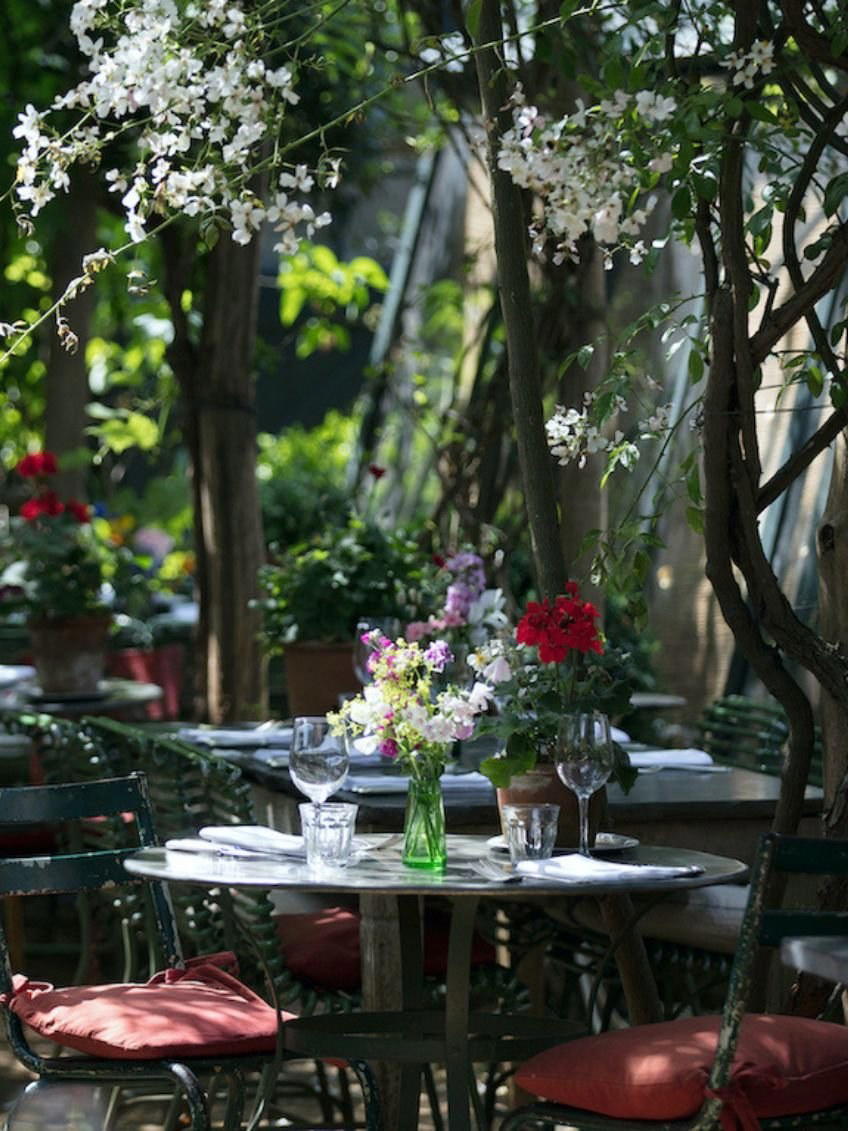
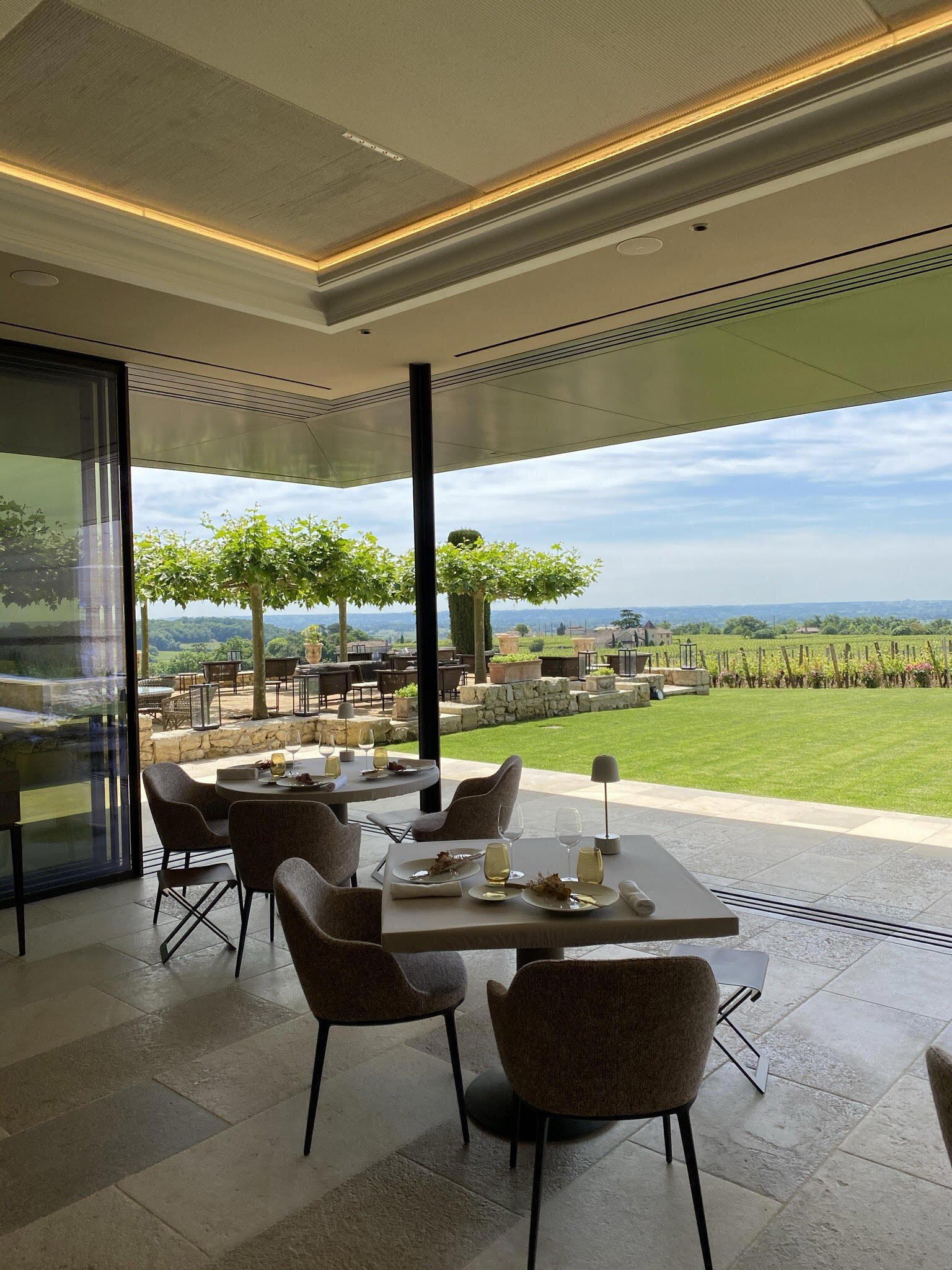
At a Glance
- Elegant
- Classic
- Sophisticated
- Scenic
- Wine Education
- Special Occasion
- Vineyard Tour
- Estate Grounds
- Historic Building
- Sustainable
- Vineyard
- Pomerol AOC
- Merlot
- Cabernet Franc
- Petit Verdot
- Still Red
- Private Tasting
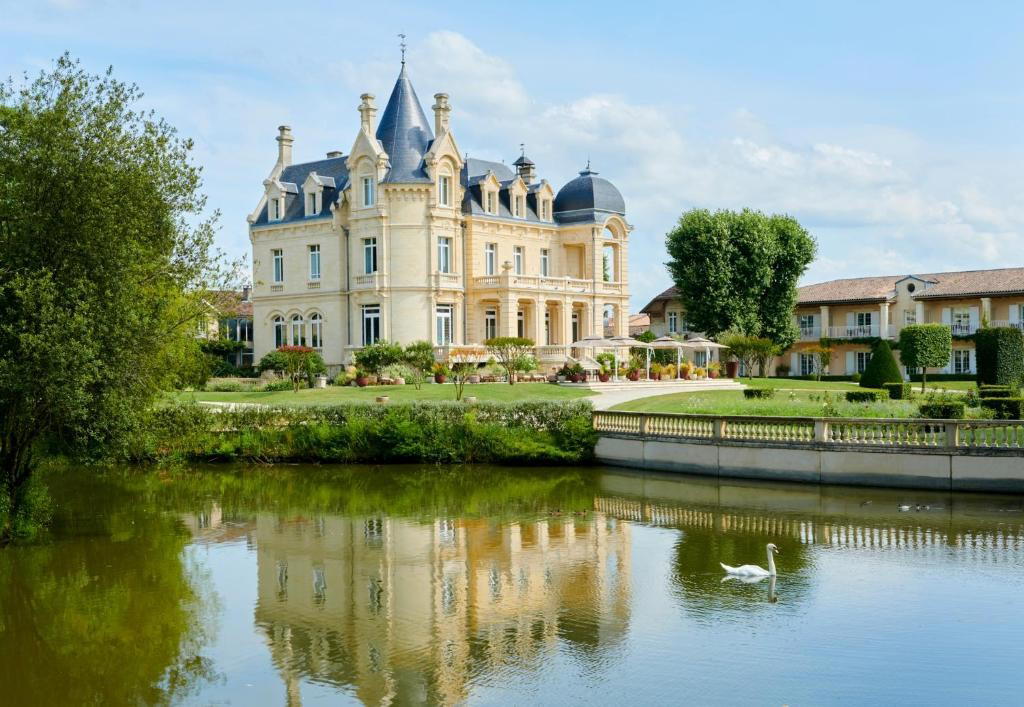
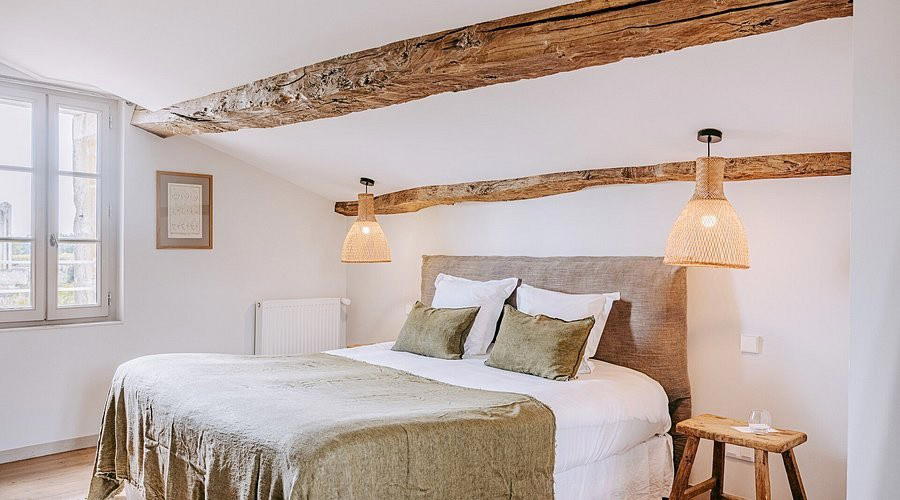
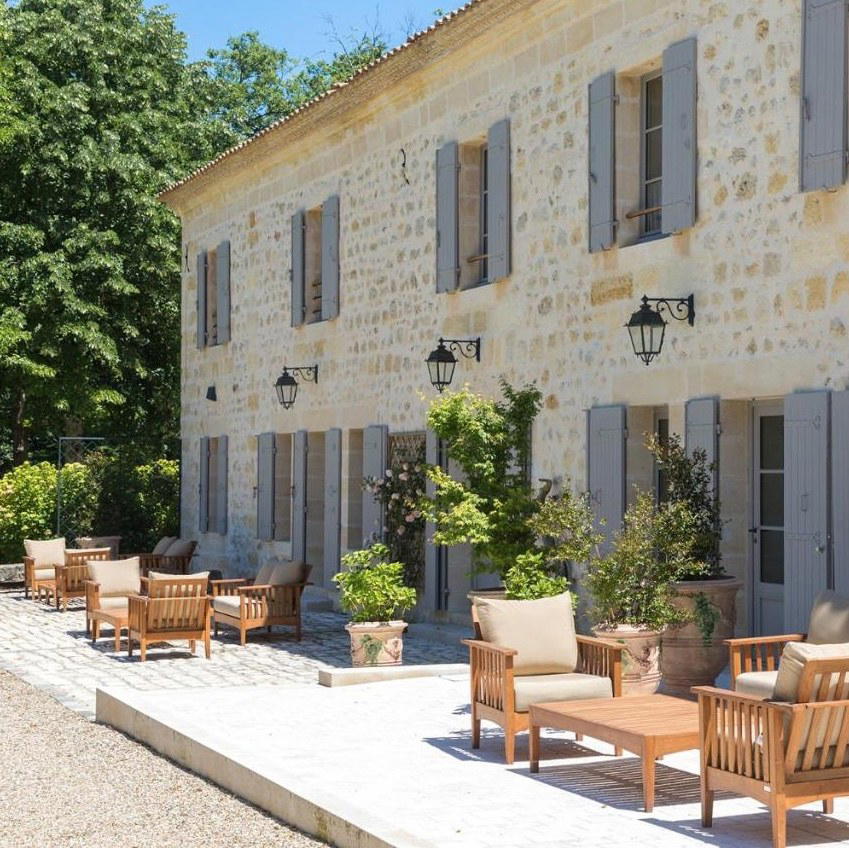
Classic French country chateau atmosphere with modern facilities for small receptions and tastings, evoking timeless elegance and refinement.
Know Before You Go
- Getting there
- 7 Rue de Tropchaud, 33500 Pomerol