Opus One


World's 50 Best #24 · Falstaff Winery - Listed
Opus One releases a single Cabernet-dominant Bordeaux blend each year from its Oakville estate, a format that places it among the most deliberately constrained prestige wineries in Napa Valley. Winemaker Michael Silacci oversees a program rooted in Old World discipline applied to New World terroir.

Pearl is the En Primeur Club membership app — saves, bookings, and concierge access live there. Same editors, same standards.
- Address
- 1144 Oakville Cross Rd, Oakville, CA 94562
- Phone
- (707) 944-9442
- Website
- opusonewinery.com
- Directions
- Get directions
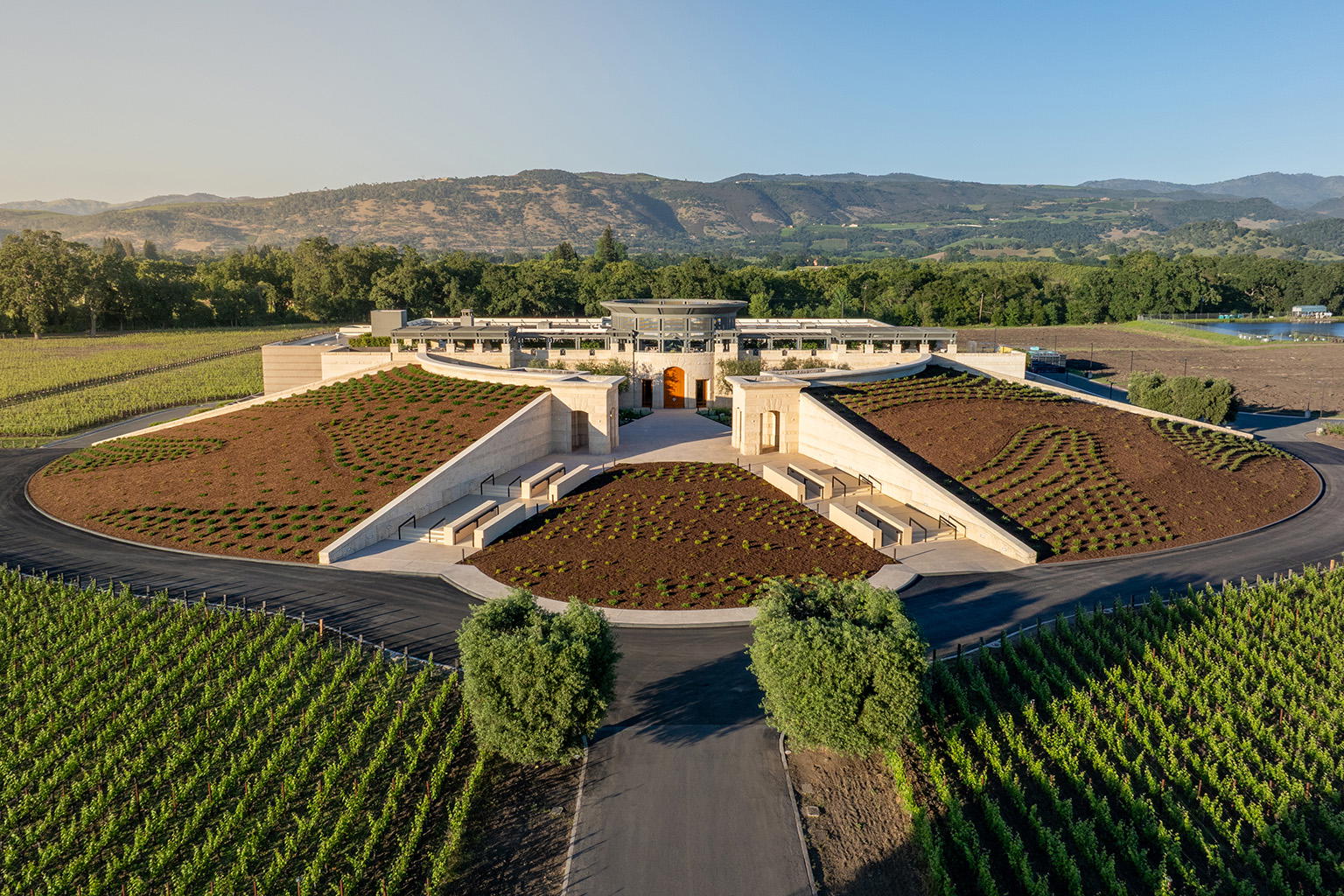
One Wine, One Release: The Logic Behind Opus One's Single-Label Model
In a valley where wineries routinely build portfolios of six, eight, or a dozen labels, the decision to produce exactly one wine each year reads as a deliberate constraint rather than a limitation. Opus One has operated on that premise since its first vintage in 1979, releasing a single Bordeaux-style blend on the 1st of October each year. That calendar anchor matters: it turns each release into a distinct event rather than a rolling inventory exercise, and it concentrates every decision made in the vineyard and cellar into a single outcome.
This single-wine model is not common in the Oakville AVA, where neighbouring estates — including Cardinale Winery, Groth Vineyards and Winery, and Nickel and Nickel — typically produce multiple vineyard-designate or varietal bottlings. The decision to compress everything into one label places the burden of quality entirely on a single annual judgment call, a format more familiar in Bordeaux's classified estates than in California's historically variety-led production culture.
The Franco-Californian Framework
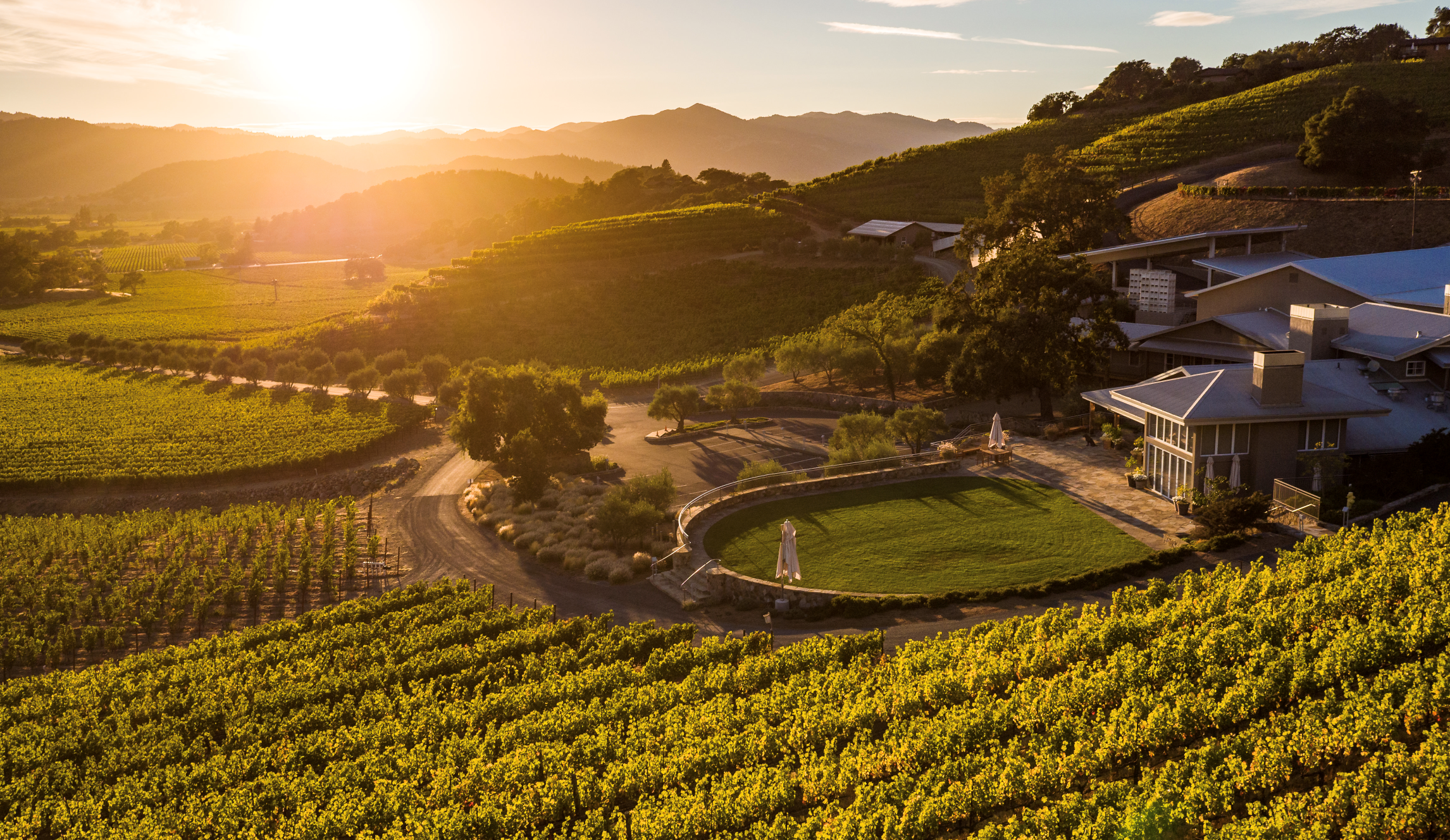
Opus One was conceived as a meeting of Old World and New World practice at a point when that collaboration was genuinely novel. The founding partnership between Robert Mondavi and Baron Philippe de Rothschild brought Médoc discipline into direct contact with Napa Valley Cabernet terroir, and the winery's architecture, a low-profile, symmetrical structure set into the Oakville hillside, reflects that cultural synthesis in built form rather than just branding language.
What that founding logic produced, over more than four decades, is a winery that positions itself against a different competitive set than most of its Oakville neighbours. The peer conversation is not purely regional: the wine is priced and distributed in a bracket that includes first-growth adjacents and other franco-californian projects, rather than the broader Napa Cabernet market. For context, Silver Oak Napa Valley and PlumpJack Winery occupy a different tier of the same appellation, each with distinct stylistic and commercial identities, but Opus One's pricing and allocation signals place it in a narrower group.
Among California wineries operating at this level of Old World conceptual framing, comparisons extend beyond Napa. Accendo Cellars in St. Helena and Alpha Omega Winery in Rutherford represent different expressions of Bordeaux-influenced thinking applied to northern California terroir, each with their own winemaking philosophy and price positioning.
Michael Silacci and the Winemaking Team
The editorial angle that matters here is not the winemaker's biography, but what his tenure signals about institutional continuity. Michael Silacci has served as Opus One's winemaker for an extended period, and in a single-wine estate, that continuity carries significant weight. When a property produces only one label, the winemaking team does not have the buffer of a second or third tier wine to absorb experimental decisions or off-vintage challenges. Every vintage must hold.
That structural pressure shapes how the team at Opus One works across departments. The collaboration between viticulture, winemaking, and the visitor-facing program is not incidental; it is what a single-wine estate requires to maintain coherence across a long production timeline. The winery draws on estate and controlled Oakville fruit, and the decisions made at harvest directly determine what will be presented at the October release roughly a year and a half later. There is no secondary product to redirect lesser barrels toward.
This kind of institutional teamwork across growing, production, and presentation is characteristic of the top tier of estate-focused Bordeaux-model wineries globally. For other California wineries where that inter-departmental discipline is similarly evident, Adelsheim Vineyard in Newberg and Alexander Valley Vineyards in Geyserville offer useful points of comparison in terms of team-driven, single-estate philosophy, albeit in different varietals and appellations.
The Oakville AVA and Why Location Reinforces the Model
Oakville is not the widest or most varied of Napa's sub-appellations, but it consistently produces Cabernet Sauvignon of a density and structure that justifies its premium classification within the valley. The appellation's central Napa Valley floor position, combined with well-drained alluvial soils and a diurnal temperature swing that preserves acidity, provides a framework well-suited to Bordeaux-style blending. This is the terroir argument that Opus One's founding partnership identified in the 1970s, and it remains the basis on which the estate's single wine is made each vintage.
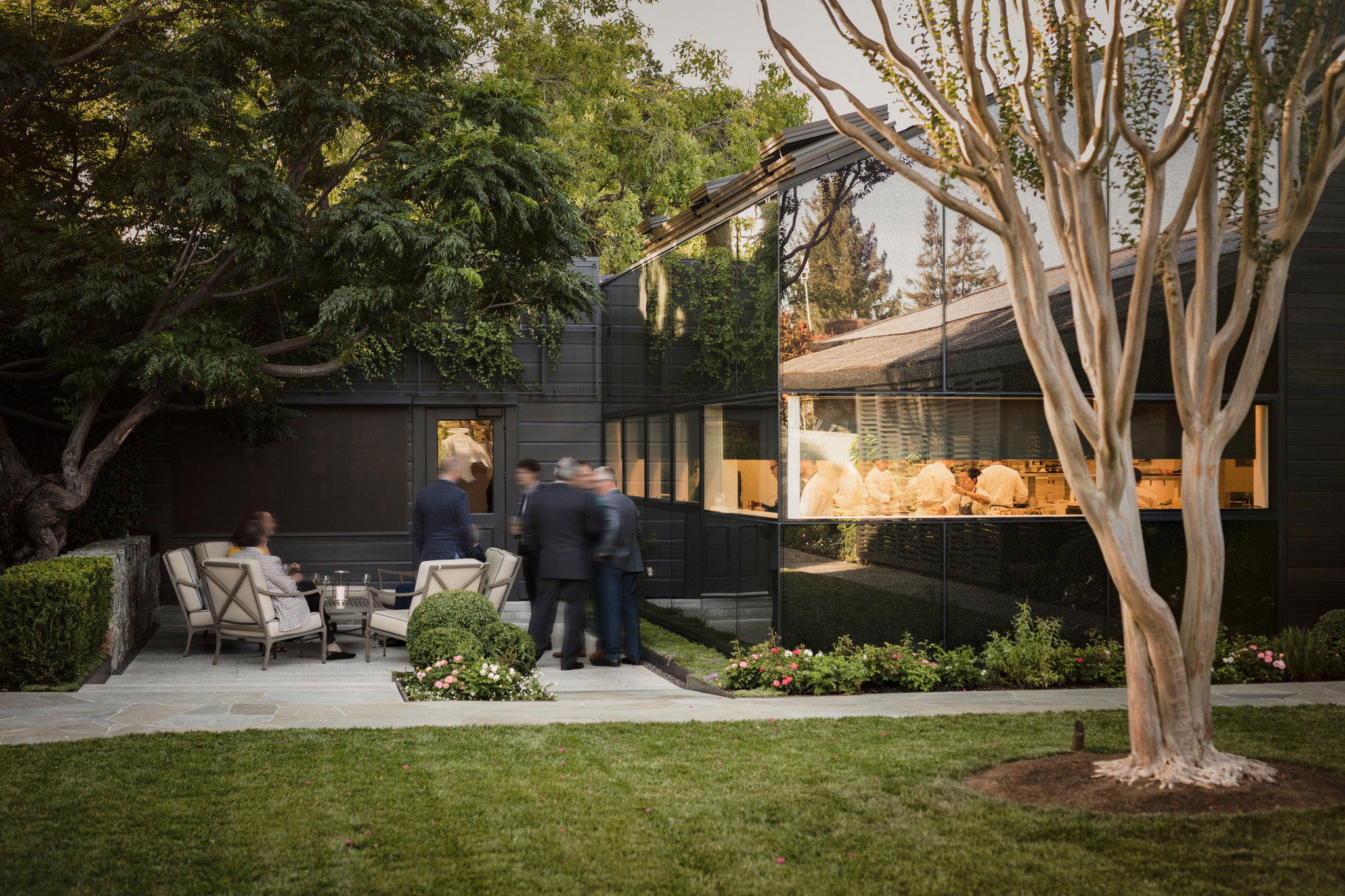
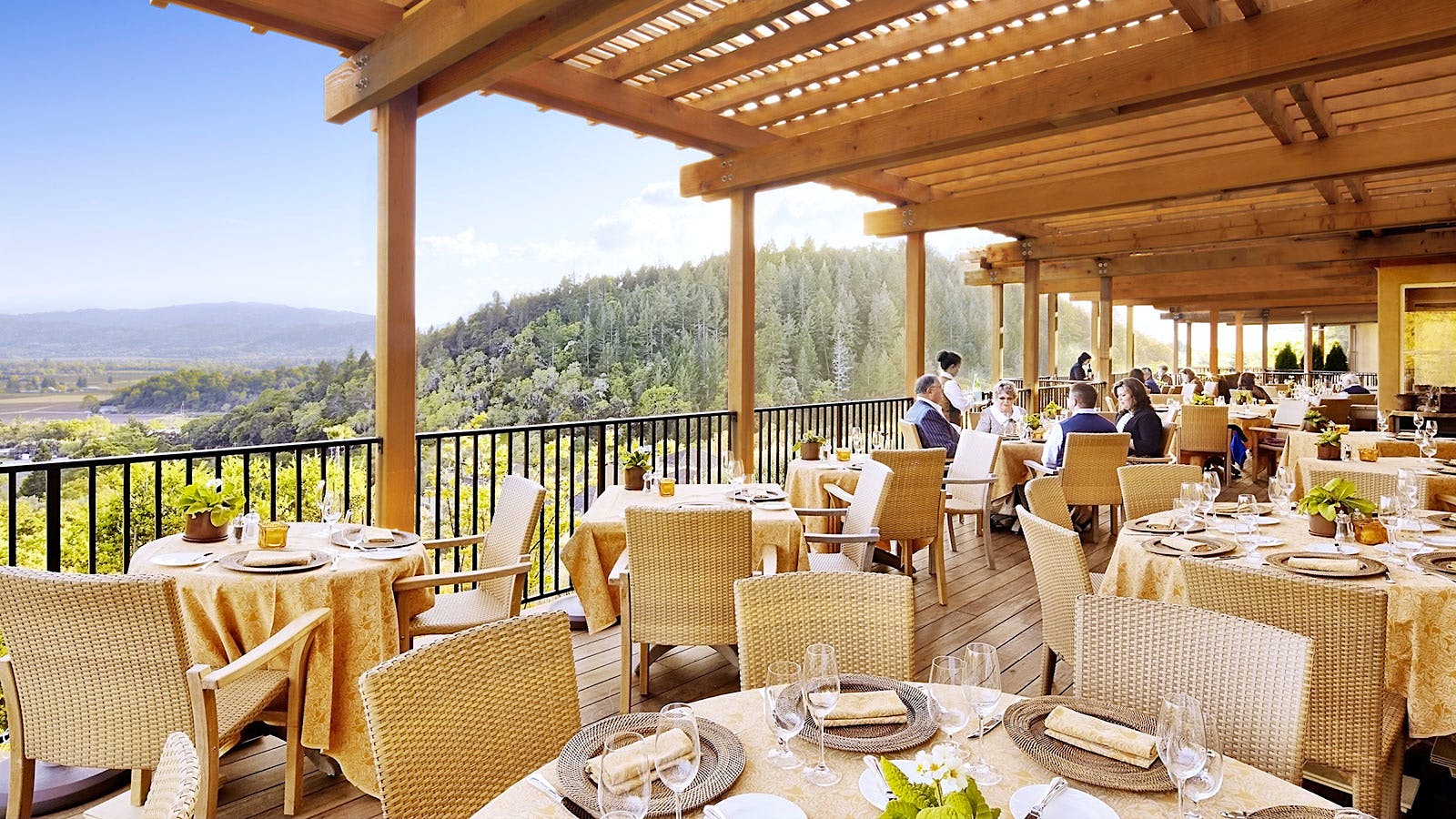
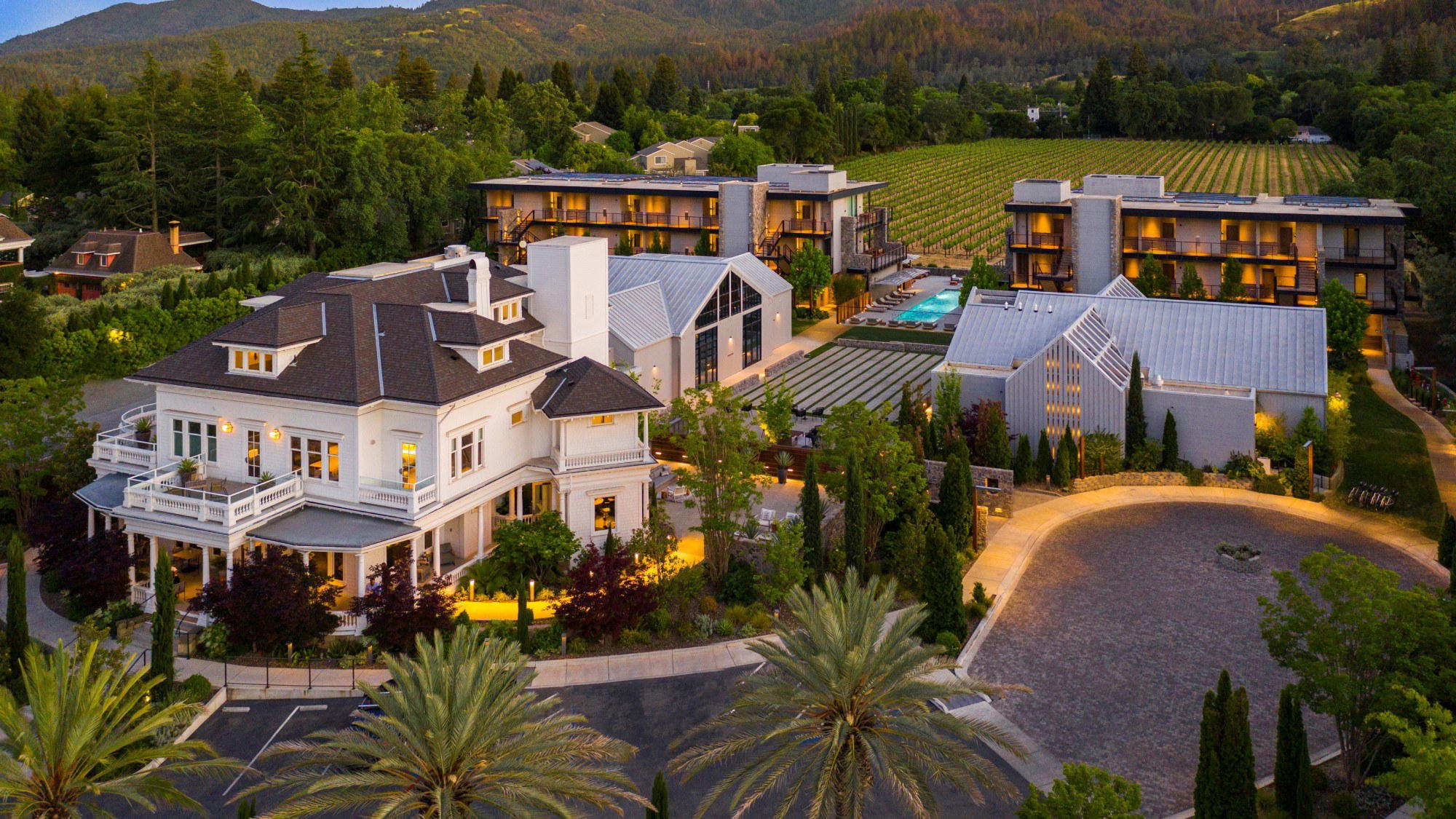
For visitors to the Oakville corridor, the winery experience is architecturally distinct. The building's rooftop terrace and underground barrel cellar reflect the original brief for a structure that would read as neither purely Californian nor European, but as a physical statement of the hybrid identity the wine represents. That is not incidental design; it is a spatial argument for the same concept expressed in the bottle.
Our full Oakville guide covers the appellation's broader dining and winery landscape in detail for visitors planning time in this part of the valley.
Recognition and Position Within the Napa Prestige Tier
That rating, considered alongside the winery's 1979 founding vintage and its sustained allocation-based distribution model, describes a property that has operated at the prestige tier for long enough to treat that position as structural rather than aspirational.
Allocation-based access is itself a trust signal in this category. Wines distributed through allocations, rather than open retail, require a level of sustained demand that cannot be manufactured by marketing spend alone. Opus One's release structure, with a fixed annual date and allocation list, mirrors the model used by properties such as Adelaida Vineyards in Paso Robles and Alban Vineyards in Arroyo Grande at their respective prestige tiers, though Opus One's price point and distribution geography are considerably broader.
Planning a Visit
Opus One is located at 1144 Oakville Cross Road in Oakville, California, on a road that bisects the appellation east to west and places the winery within easy reach of Highway 29. Visits to the property are structured rather than walk-in, which is consistent with how allocation-model wineries at this price point manage access. Given the single-wine focus, the visitor experience is calibrated around a specific program rather than a broad tasting room format; contacting the winery directly to confirm current booking availability and experience formats is advisable before arriving, as procedures at prestige Napa estates can vary by season and release calendar.
The annual October 1st release date is the key temporal anchor for anyone whose interest is in accessing the current vintage at source. That date functions as both a logistical detail and a statement about the winery's identity: one wine, one moment each year.
For visitors exploring the Oakville appellation more broadly, the surrounding estate density makes it direct to build a focused itinerary. Andrew Murray Vineyards in Los Olivos, Aberlour, and Achaia Clauss in Patras represent a wider geographic range of winemaking traditions worth exploring in any serious study of how single-estate models function across different wine cultures.
Recognition Snapshot
Comparable venues nearby, for context on price, style, and recognition.
| Venue | Cuisine | Price | Awards | Notes |
|---|---|---|---|---|
| Opus OneThis venue — the venue you are viewing | Cabernet Sauvignon, Cabernet Franc | $300–500 | World's 50 Best #24 · Falstaff Winery - Listed | Not listed |
| Robert Mondavi Winery | Cabernet Sauvignon, Sauvignon Blanc | $200–300 | World's 50 Best #39 · Falstaff Winery - Listed | Oakville |
| Nickel & Nickel | Cabernet Sauvignon, Chardonnay | $100–150 | Not listed | Oakville |
| Tierra Roja Vineyards | Cabernet Sauvignon | $150–200 | Not listed | Oakville |
| To Kalon Vineyard Company | Cabernet Sauvignon, Cabernet Franc | Not listed | Not listed | Oakville |
| TEXTBOOK | Winery | Not listed | Not listed | Oakville |
Recognition history
Dated appearances from independent guides and award organizations, with the underlying list record or original source where available.
World's 50 Best Vineyards #24
World's 50 Best
Falstaff Winery - Listed
Falstaff
Full recognition history (4 entries)
World's 50 Best Vineyards #20
World's 50 Best
World's 50 Best Vineyards #19
World's 50 Best
Continue exploring
More in Oakville
Wineries in Oakville
Browse all →
Bars in Oakville
Browse all →
Restaurants in Oakville
Browse all →
Details
- Elegant
- Sophisticated
- Well Known
- Scenic
- Romantic Getaway
- Wine Education
- Special Occasion
- Celebration
- Barrel Room
- Estate Grounds
- Terrace
- Panoramic View
- Historic Building
- Design Destination
- Private Tasting
- Sustainable
- Vineyard
- Mountain
- Cabernet Sauvignon
- Cabernet Franc
- Merlot
- Petit Verdot
- Malbec
- Still Red
- Seated Flight Tasting
- Library Vintage Tasting
- Courtyard Experience
- English
- Winemaker: official source · checked
Serene, elegant, and refined with Neoclassical design elements; caramel-hued tasting rooms with French and American artwork; cool and sophisticated rather than rustic or cozy.