Chateau Leoville Las Cases

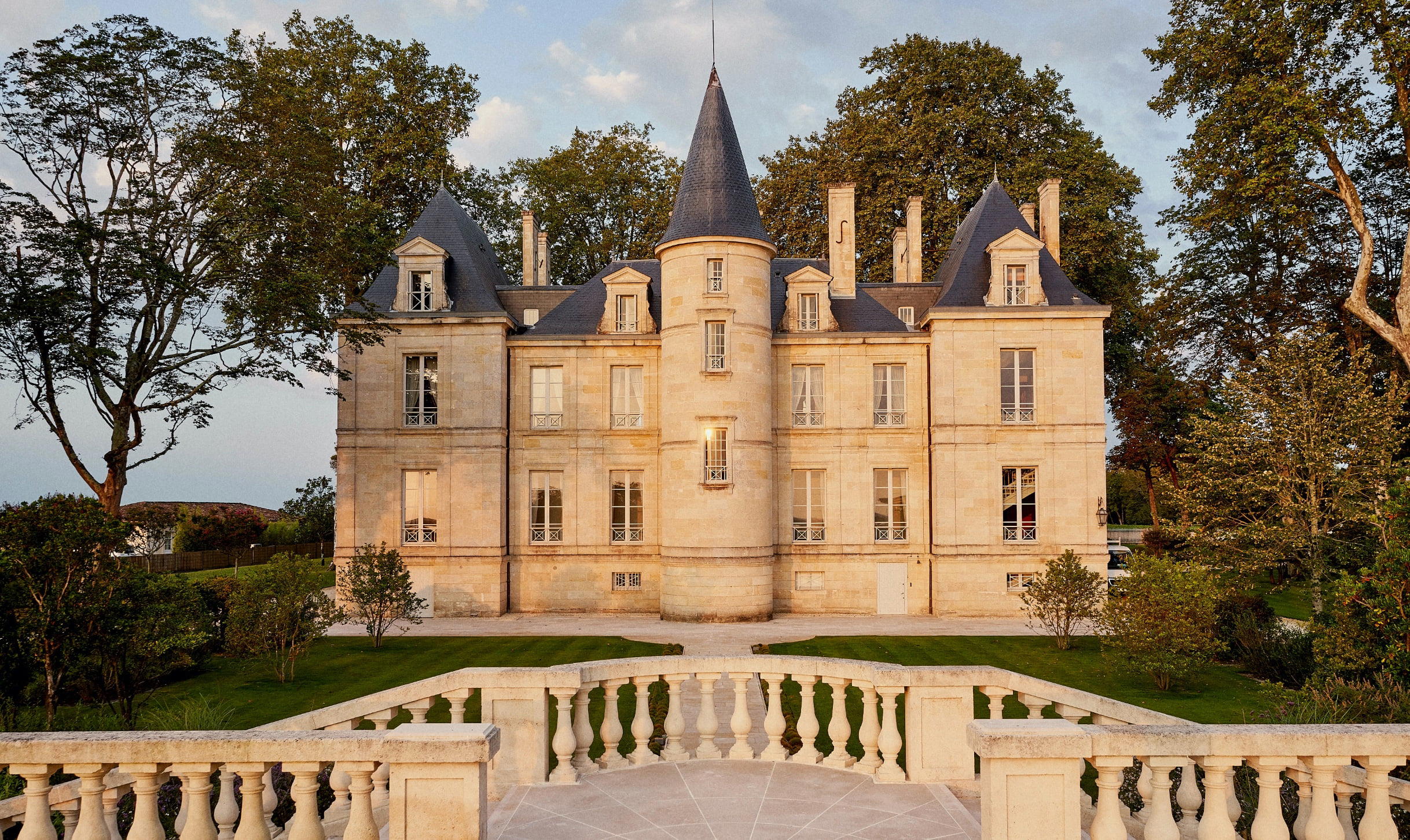
Château Léoville Las Cases has shaped Saint-Julien's identity since its first vintage in 1724, producing Cabernet-dominant wines from one of the Médoc's most closely observed gravel plateaus.
Pearl is the En Primeur Club membership app — saves, bookings, and concierge access live there. Same editors, same standards.
- Address
- Rue de l'École, 33250 Saint-Julien-Beychevelle
- Phone
- +33 5 56 73 25 26
- Website
- domaines-delon.com
- Directions
- Get directions
 Saves & bookings on Pearl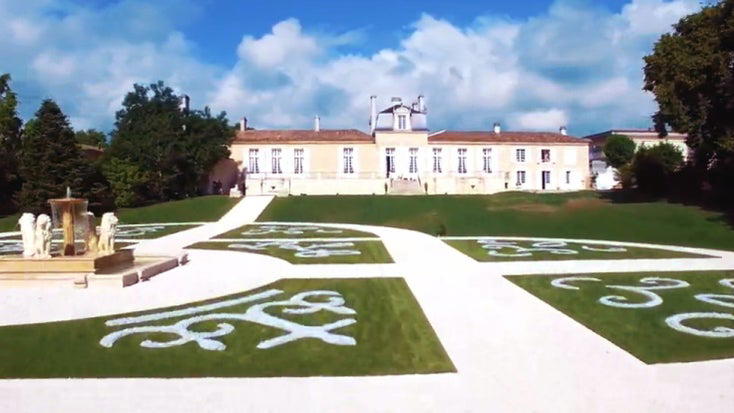
The Gravel Plateau Above the Gironde
Saint-Julien is the smallest of the four major Médoc appellations by production, yet it maintains the highest proportion of classed-growth estates relative to its size. Within that context, the vineyard at Château Léoville Las Cases occupies a position that other Saint-Julien estates spend decades referencing. The estate's central parcel, the Grand Enclos, sits on a continuous ridge of deep Günzian gravel directly adjacent to the Château Latour boundary. That proximity is not incidental: the drainage profiles, subsoil structure, and mesoclimate of this corridor are among the most studied in the Médoc, and the wines produced here reflect the specificity of that geology with a consistency that distinguishes them from the broader appellation.
Gravel soils in this part of the Haut-Médoc warm quickly in the growing season and drain with exceptional efficiency, stressing vine roots just enough to concentrate extraction without sacrificing aromatic precision. The Gironde estuary, visible from the upper rows of the Grand Enclos, moderates temperature extremes through autumn, extending hang time on the Cabernet Sauvignon that dominates the estate's plantings. The combination produces wines with a structural signature — tight tannin grain, restrained fruit in youth, long mid-palate tension — that places Léoville Las Cases closer in character to its Pauillac neighbours than to the more approachable, plummy profile common elsewhere in Saint-Julien.
A Three-Century Accumulation of Evidence
When an estate records its first vintage in 1724, the accumulated viticultural record becomes evidence in itself. Producers across Bordeaux can adjust vine management, change winemakers, and experiment with extraction, but terroir expression at this level only reveals itself across multiple generations of farming and documentation. Château Léoville Las Cases has that record. Under winemaker Pierre Graffeuille, the estate carries forward a philosophy centred on parcel-level precision: the Grand Enclos is farmed and vinified separately from the surrounding parcels that feed the estate's second wine, producing a grand vin with a narrower, more focused terroir statement than estates that blend more liberally across their holdings.
The 1855 classification gives it an official second-growth designation, but the wine has traded above that category for decades, reflecting a market consensus that the terroir and production rigour justify a different comparison set. Domaines Barons de Rothschild (Lafite), whose Pauillac vineyards share the same gravel corridor, provides the most obvious geographic reference point for understanding why this stretch of the left bank commands sustained attention from collectors.
That rating tier, applied across the estate's recent releases, reflects not just wine quality in isolation but the stability of the production programme: the selection discipline that keeps the grand vin's volume lower than many comparably sized estates, the parcel tracking that allows vintage-by-vintage terroir mapping, and the estate's ability to produce structured, cellar-worthy wine even in difficult growing years.
Within Saint-Julien, that level of consistency is shared by a handful of estates. Château Branaire Ducru and Château Cantemerle occupy lower tiers in both price and critical positioning, illustrating the range across the Médoc classification system. Elsewhere in Bordeaux, Château Bélair-Monange on the Right Bank and Château Clinet in Pomerol occupy analogous prestige positions in their respective appellations, where Merlot-dominant terroirs create a distinct style contrast with the Cabernet-led structure of Saint-Julien's leading estates.
Reading the Wine Through Its Landscape
The character of a Léoville Las Cases grand vin in a serious vintage reads as a direct geological transcript. The high proportion of Cabernet Sauvignon in the blend, the exact figure varies by vintage but routinely exceeds seventy percent, means the wine carries the variety's natural austerity in youth. Cedar, graphite, and dark fruit are the commonly cited reference points, but these descriptors mean little without understanding their source: gravel soils that limit water retention, a vine canopy managed to maximise sunlight penetration at the cluster level, and a winemaking process that avoids the softening techniques some estates apply to accelerate approachability.
This approach demands patience from the cellar. Releases typically require a decade of ageing before the tannin structure integrates sufficiently to allow the aromatic complexity to emerge. That timeline shapes how serious buyers approach the wine, with en primeur purchases made on the strength of the estate's track record and the vintage's growing season data rather than on immediate drinkability. Compared to Sauternes estates such as Château Bastor-Lamontagne or Château d'Arche, where botrytis and ripeness are the primary quality variables, the dry red wines of Saint-Julien operate on a fundamentally different timeline and quality calculus. Similarly, the gravel and limestone-influenced terroirs of estates like Château Batailley in Pauillac and Château Boyd-Cantenac in Cantenac offer useful comparative windows into how subsoil variation across the Médoc produces measurably different structural outcomes.
Visiting Saint-Julien and Planning Around the Estate
The village of Saint-Julien-Beychevelle, where the estate's address at Rue de l'École places it near the heart of the appellation, is small enough to walk between its major properties in under an hour. The estate does not operate as a public tasting room in the manner of some larger châteaux, and visits require advance arrangement through the estate's commercial contacts. Serious buyers and collectors typically approach through their négociant or allocation channel rather than through direct walk-in access. For those planning a broader Médoc itinerary, the estate sits within a thirty-minute drive of central Bordeaux, a city whose dining scene is covered in depth in our full Bordeaux restaurants guide.
The Médoc's wine road connects Saint-Julien to the broader classification tier across appellations: Pauillac to the north, Margaux to the south, and the right bank appellations of Saint-Émilion and Pomerol accessible via the Dordogne crossings east of the city. Producers in entirely different regional traditions, from Albert Boxler in Alsace to Accendo Cellars in St. Helena, represent contrasting benchmarks for understanding what single-site precision means outside the Bordeaux classification framework. Even further afield, the production philosophy at Chartreuse in Voiron and the sourcing rigour at Château d'Esclans reflect how provenance and long production histories shape premium positioning across very different categories. Aberlour in Speyside offers a further parallel: a production site where geography and tradition combine to define a category benchmark, as Léoville Las Cases does within its own.
Recognition history
Dated appearances from independent guides and award organizations, with the underlying list record or original source where available.
Falstaff Winery - 3 Stars
Falstaff
Michelin 3 Grapes
Michelin
Continue exploring
More in Saint-Julien-Beychevelle
Wineries in Saint-Julien-Beychevelle
Browse all →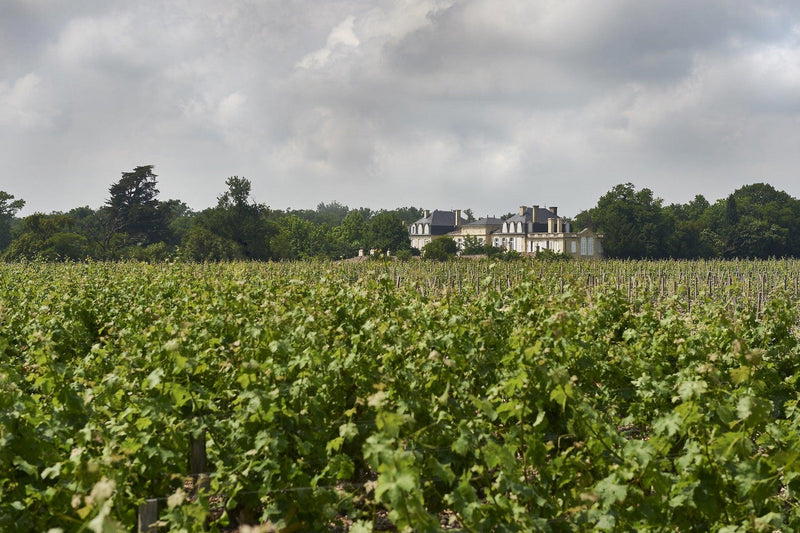
Bars in Saint-Julien-Beychevelle
Browse all →
Restaurants in Saint-Julien-Beychevelle
Browse all →
At a Glance
- Classic
- Elegant
- Sophisticated
- Well Known
- Wine Education
- Special Occasion
- Vineyard Tour
- Historic Building
- Sustainable
- Organic
- Vineyard
- Saint Julien AOC
- Cabernet Sauvignon
- Merlot
- Cabernet Franc
- Petit Verdot
- Still Red
- Private Tasting
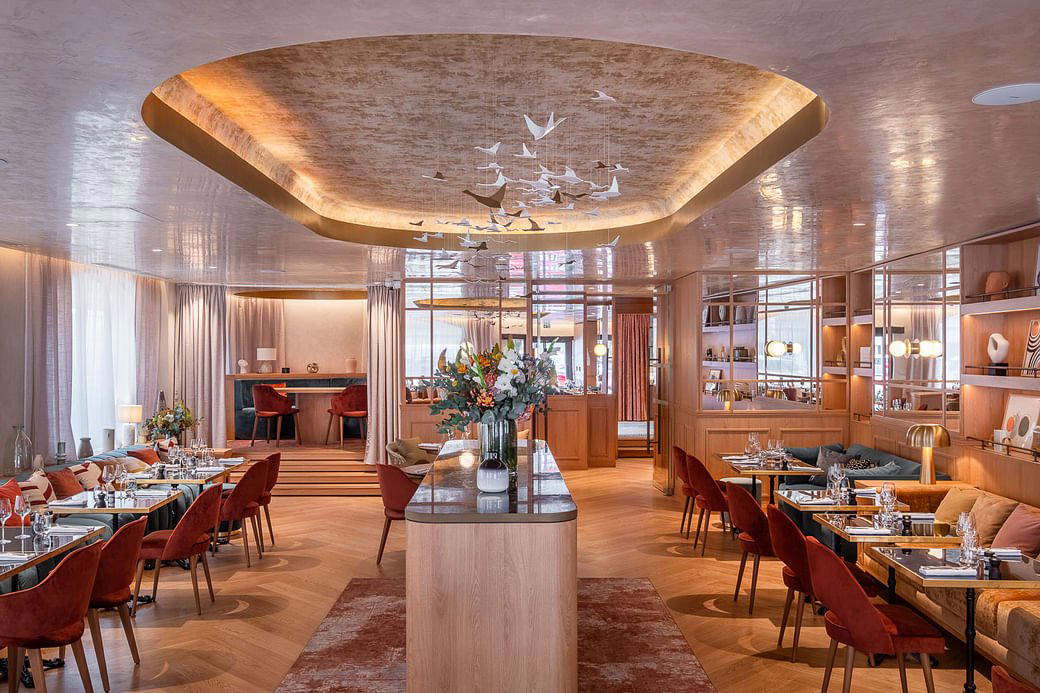
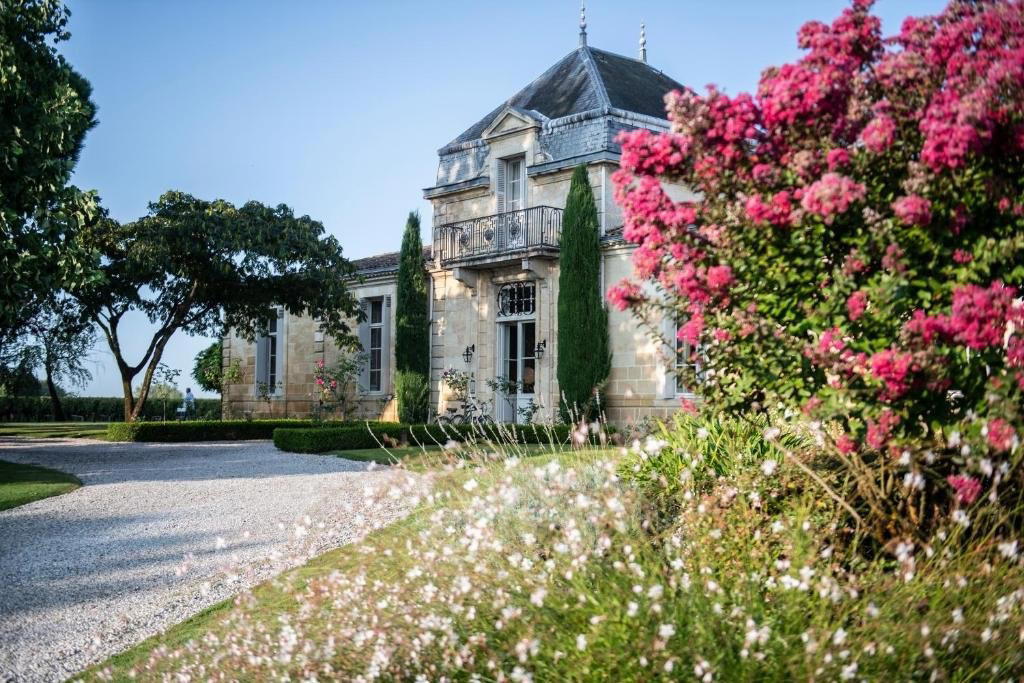
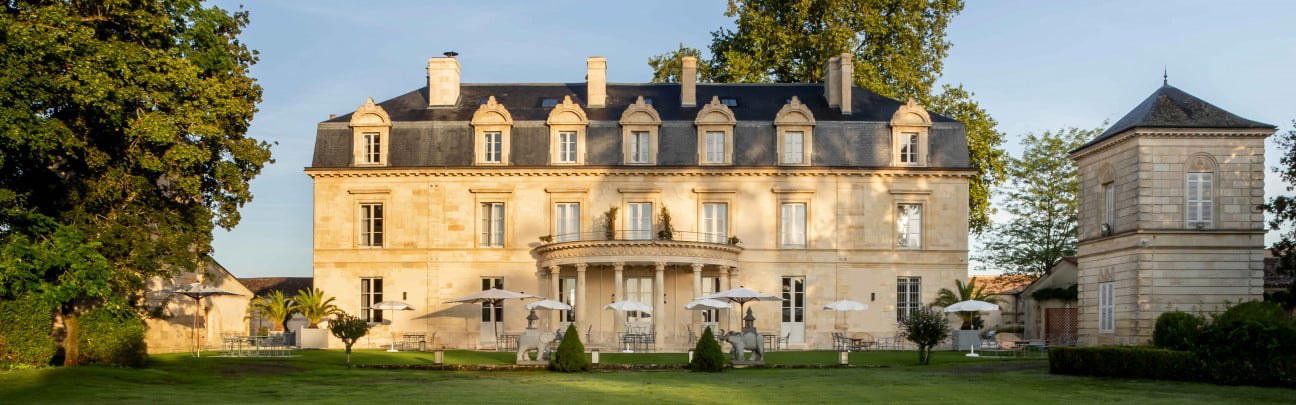
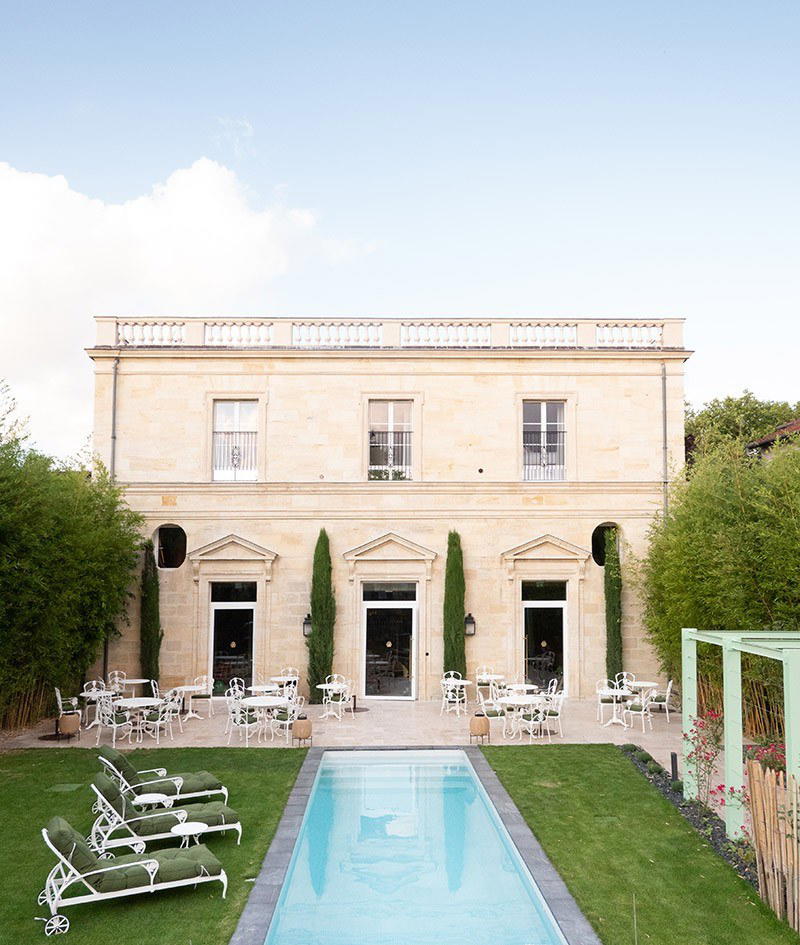
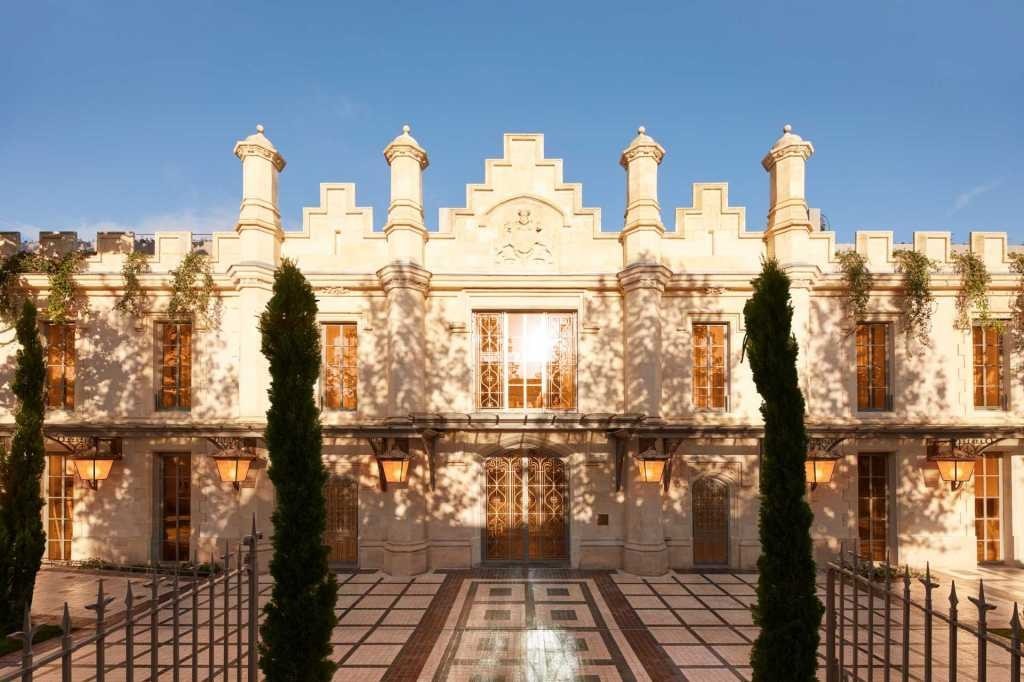
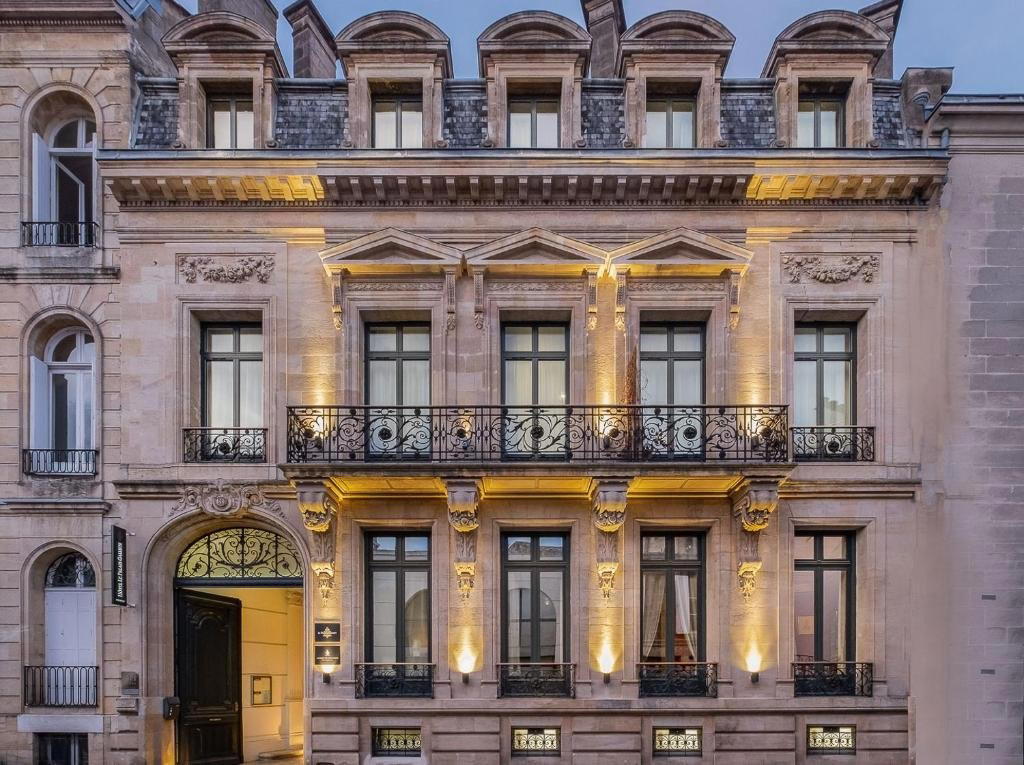
Ornate and historic with an elegant, sophisticated atmosphere evoking tradition and excellence in a classic Bordeaux chateau setting.
Know Before You Go
- Getting there
- Rue de l'École, 33250 Saint-Julien-Beychevelle