Chapoutier

Chapoutier sits at the serious end of the Northern Rhône's producer hierarchy, operating from Tain-l'Hermitage with more than three decades of certified biodynamic viticulture under winemaker Michel Chapoutier..
Pearl is the En Primeur Club membership app — saves, bookings, and concierge access live there. Same editors, same standards.
- Address
- 18 Avenue Dr Paul Durand, 26600 Tain-l'Hermitage
- Phone
- +33 4 75 08 28 65
- Website
- chapoutier.com
- Directions
- Get directions
 Saves & bookings on Pearl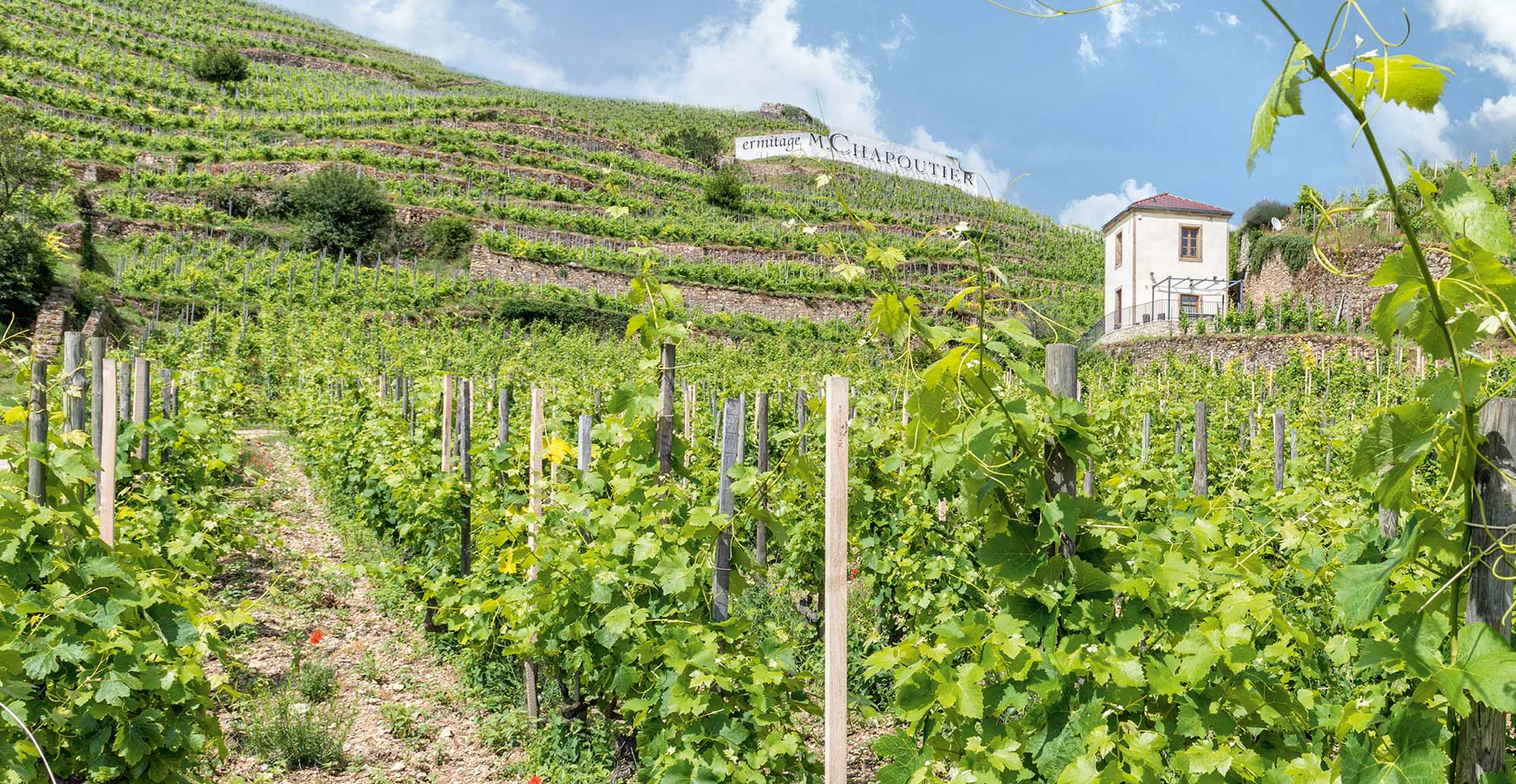
Where the Rhône Gets Serious
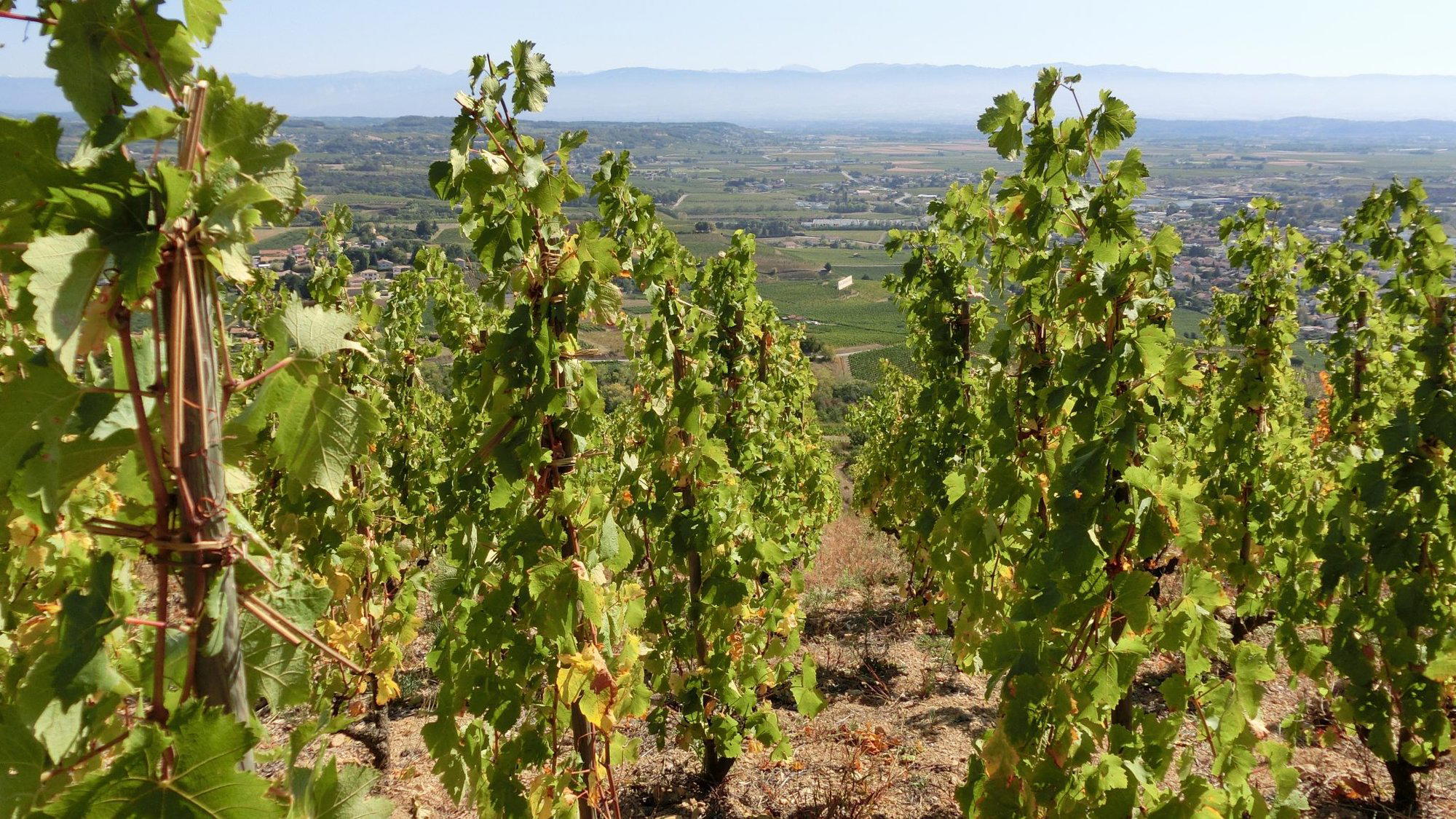
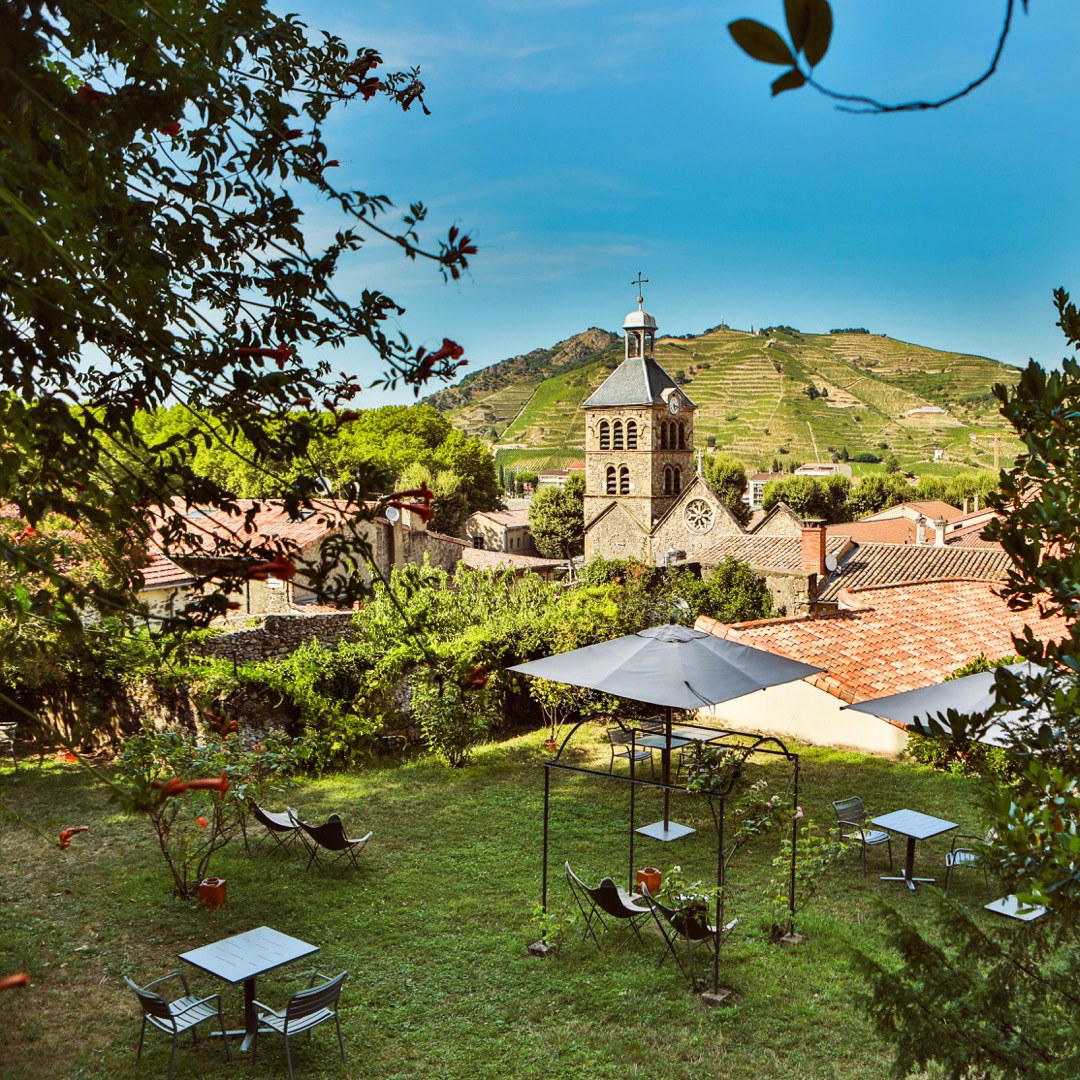
Tain-l'Hermitage is a small town with outsized viticultural weight. The granite hill of Hermitage rises directly behind the village, one of France's most closely watched appellations, and the N7 corridor through town is lined with producers whose names appear on particularly competitive restaurant wine lists in Europe. This region rewards careful navigation if you want to understand how the leading houses differ. Chapoutier, operating from 18 Avenue Dr Paul Durand, occupies a visible position in that hierarchy, with significant holdings across the Rhône and a commitment to biodynamic farming that predates the current fashion for it by several decades.
The Northern Rhône's identity is built on small appellations with high-stakes terroir: Hermitage, Crozes-Hermitage, Cornas, Saint-Joseph, and Condrieu. What distinguishes the better houses here is not volume but specificity, the ability to articulate what each parcel contributes to the final wine. That granularity shapes the tasting experience at Northern Rhône producers, where single-vineyard designations do real conceptual work. Delas Freres and Paul Jaboulet Aîné operate within the same geographic footprint, and any assessment of the region benefits from understanding how these houses position against each other.
The Biodynamic Commitment in Context
Biodynamic viticulture is now a widely discussed approach across French wine regions, but Chapoutier adopted the practice more than thirty years ago, when the method sat well outside mainstream viticulture. That timeline matters: a three-decade track record is not the same as a recent conversion motivated by market positioning. The approach involves treating the vineyard as a self-regulating system, avoiding synthetic inputs, and working according to a biodynamic calendar. In the Northern Rhône's granitic soils, proponents argue it produces wines with more legible terroir character, though the scientific community remains divided on mechanisms. What is verifiable is the length of commitment and its application across Chapoutier's holdings.
This places Chapoutier in a wider conversation alongside producers such as Albert Boxler in Niedermorschwihr, where a similar philosophy of minimal intervention and respect for site has shaped multi-generational practice. Across French wine regions, the decision to pursue organic or biodynamic certification carries real cost implications, in labour, in yield management, in the willingness to absorb difficult vintages without chemical correction. That Chapoutier has maintained the path for more than thirty years says something about institutional conviction, whatever one's view on the agronomic theory.
The Tasting Room Format
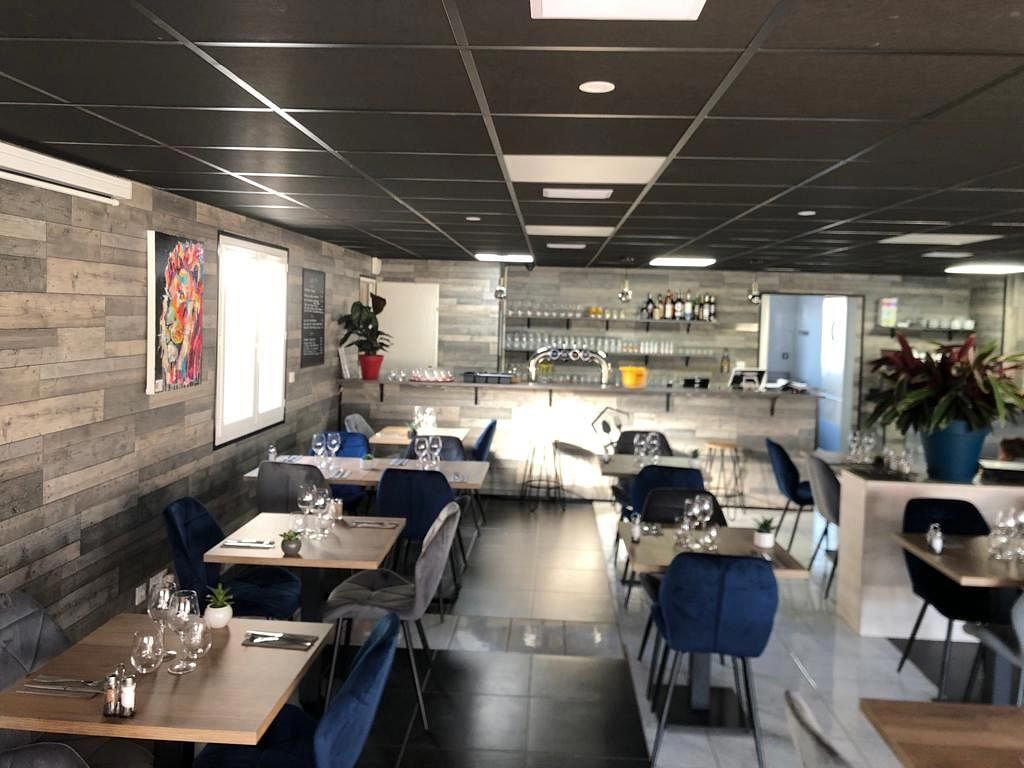
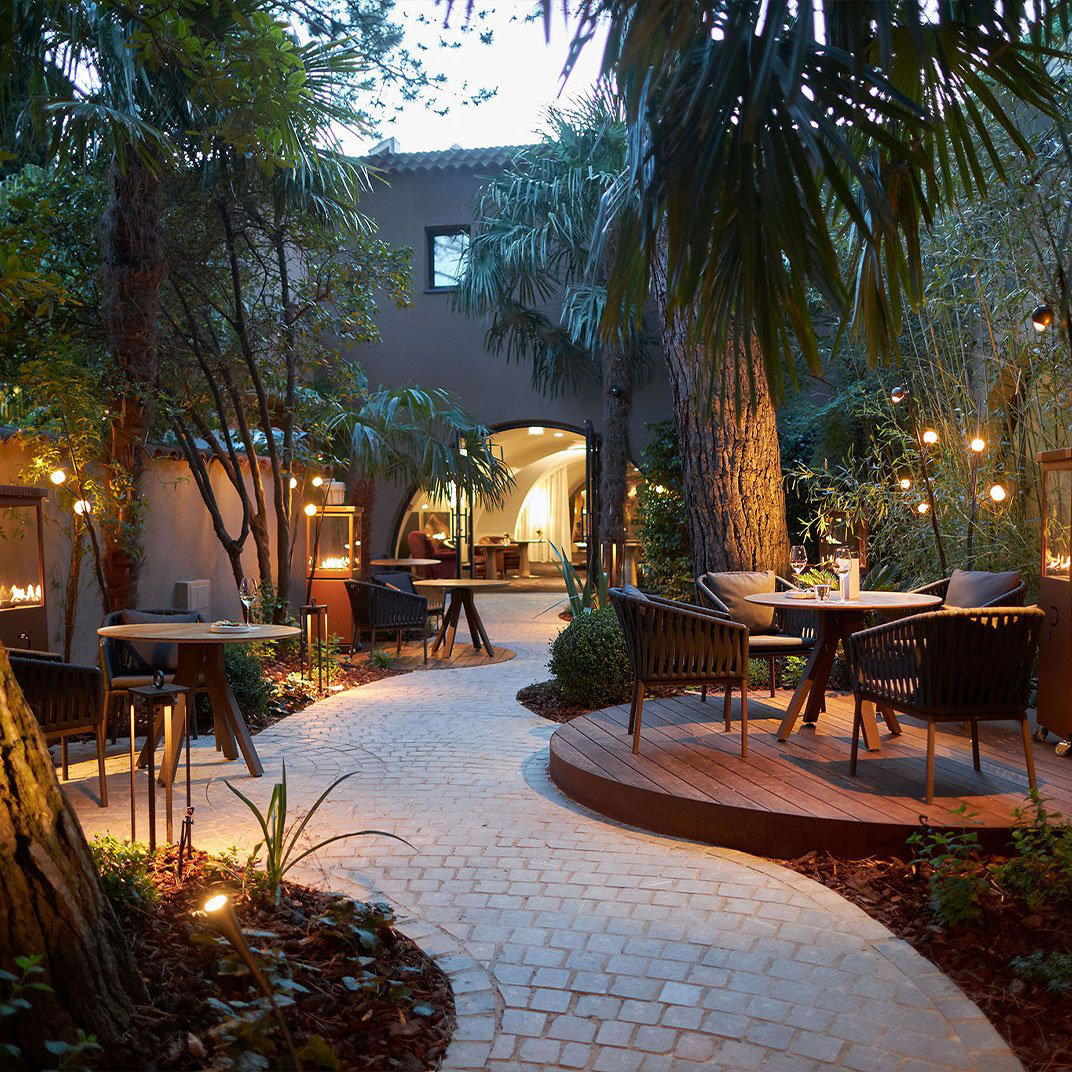
Arriving at the Tain-l'Hermitage address, the experience is shaped by the town's character rather than any theatrical design gesture. Tain sits across the Rhône from Tournon-sur-Rhône, linked by a suspension bridge, and the old town retains the unhurried quality of a working viticultural settlement rather than a tourist destination reconfigured around wine tourism. The Chapoutier visitor operation reflects that register: the emphasis falls on the wines and the explanations behind them.
In the Northern Rhône more broadly, tasting room formats tend toward the instructional. The appellations here are complex enough that a knowledgeable guide genuinely adds value, the differences between Hermitage and Crozes-Hermitage, between a north-facing and a south-facing parcel, between a granite-dominant and a loess-dominant soil, are not academic distinctions. They show up in the glass.
For visitors comparing experiences across the region, the Northern Rhône offers a different kind of engagement than, say, a Château Bastor-Lamontagne in Preignac or a Château Batailley in Pauillac in Bordeaux. The appellation architecture is less hierarchically formalised than the Médoc classification, and the grape variety range, Syrah for reds, Marsanne, Roussanne, and Viognier for whites, asks more of the visitor in terms of prior knowledge. Coming prepared with a working understanding of the key appellations will make any tasting session here more productive.
What to Taste and Why It Matters
The Northern Rhône's red identity is built on Syrah, and the range of expressions the variety achieves across the appellation ladder is one of the more instructive comparisons in French wine. At the leading, Hermitage produces wines built for extended ageing, structured, tannic in youth, capable of decades of development in the right vintages. Crozes-Hermitage, surrounding the hill on three sides, offers earlier-drinking profiles at lower price points. Saint-Joseph, running north along the river, adds another register: lighter, often more aromatic. These distinctions carry real meaning when tasted side by side.
Michel Chapoutier's winemaking approach, applied across these appellations, provides a consistent reference point for understanding how a single producer interprets different terroirs. That comparative dimension is part of what makes a visit to a house with broad holdings useful for tasting. For visitors building a deeper map of French wine, the Rhône sits in a comparable set with the more internationally famous Burgundy and Bordeaux regions, and comparing the tasting infrastructure across regions, from Tain to a Château Bélair-Monange in Saint-Emilion or a Château Clinet in Pomerol, illuminates how different French regions have structured their wine tourism.
Planning a Visit to Tain-l'Hermitage
Tain-l'Hermitage sits roughly an hour south of Lyon by TGV, with a train station that puts the town centre within easy walking distance. The address at 18 Avenue Dr Paul Durand places Chapoutier within the town rather than on an isolated domaine. For those building a broader Rhône itinerary, the town also gives access to Valrhona's chocolate factory and a number of smaller producers on the Hermitage hill, making it a viable day or overnight stop rather than a single-destination visit.
The wider region repays multi-day exploration. Further south, the Southern Rhône's Grenache-dominant appellations represent a different viticultural culture. To the west, the Ardèche offers a different kind of rural France entirely. And for visitors drawn to French artisan production more broadly, a stay in the area connects to a network of destinations including Chartreuse in Voiron, roughly an hour to the east.
For those comparing Northern Rhône producers with other French regions, the EP Club also covers houses including Château Boyd-Cantenac in Cantenac, Château Branaire Ducru in St-Julien, Château Cantemerle in Haut-Médoc, Château d'Arche in Sauternes, and, further afield, Aberlour in Aberlour and Accendo Cellars in St. Helena.
Cuisine and Credentials
Comparable venues nearby, for context on price, style, and recognition.
| Venue | Cuisine | Price | Awards | Notes |
|---|---|---|---|---|
| ChapoutierThis venue — the venue you are viewing | Syrah | $$$ | World's 50 Best #42 | Not listed |
| Paul Jaboulet Aîné | Syrah, Marsanne | $$$ | Not listed | Tain-l'Hermitage |
| Delas Freres | Syrah, Marsanne | $$$ | Not listed | Tain-l'Hermitage |
| E. Guigal | Syrah, Viognier | $$$$ | World's 50 Best #42 | Ampuis |
| Domaine Faiveley | Pinot Noir, Chardonnay | $$$ | World's 50 Best #59 | Nuits-Saint-Georges |
| Domaine Henri Bourgeois | Winery | Not listed | World's 50 Best #43 | Loiré |
Recognition history
Dated appearances from independent guides and award organizations, with the underlying list record or original source where available.
Falstaff Winery - Listed
Falstaff
World's 50 Best Best Vineyards #77
World's 50 Best
World's 50 Best Best Vineyards #42
World's 50 Best
Continue exploring
More in Tain-l'Hermitage
Wineries in Tain-l'Hermitage
Browse all →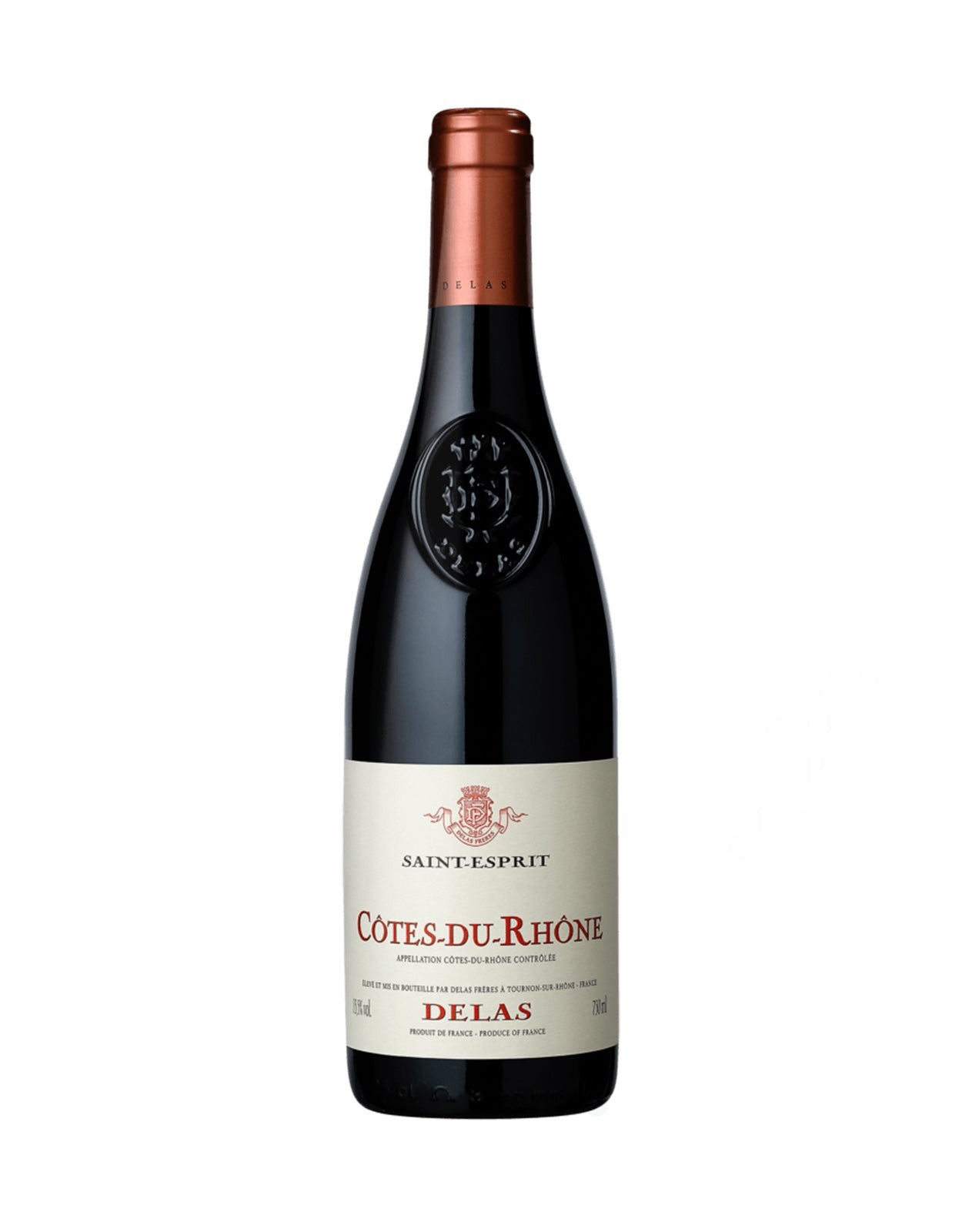

Bars in Tain-l'Hermitage
Browse all →
Restaurants in Tain-l'Hermitage
Browse all →
At a Glance
- Classic
- Well Known
- Elegant
- Scenic
- Wine Education
- Special Occasion
- Vineyard Tour
- Historic Building
- Panoramic View
- Biodynamic
- Organic
- Vineyard
- Mountain
- Hermitage AOC
- Syrah
- Still Red
- Still White
- Cave Tasting
- Private Tasting
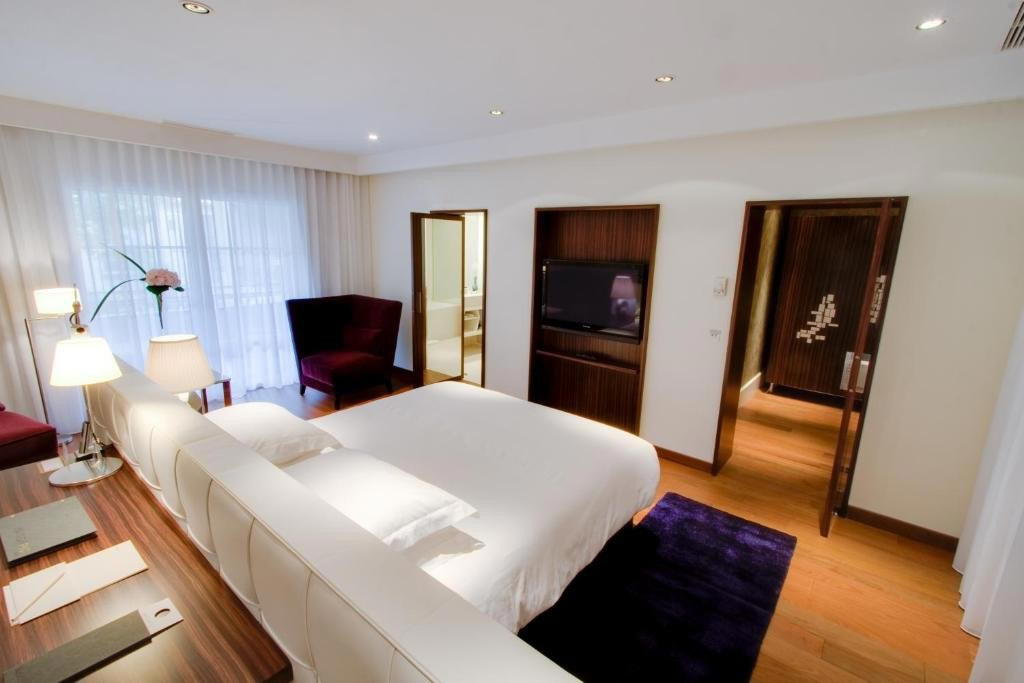
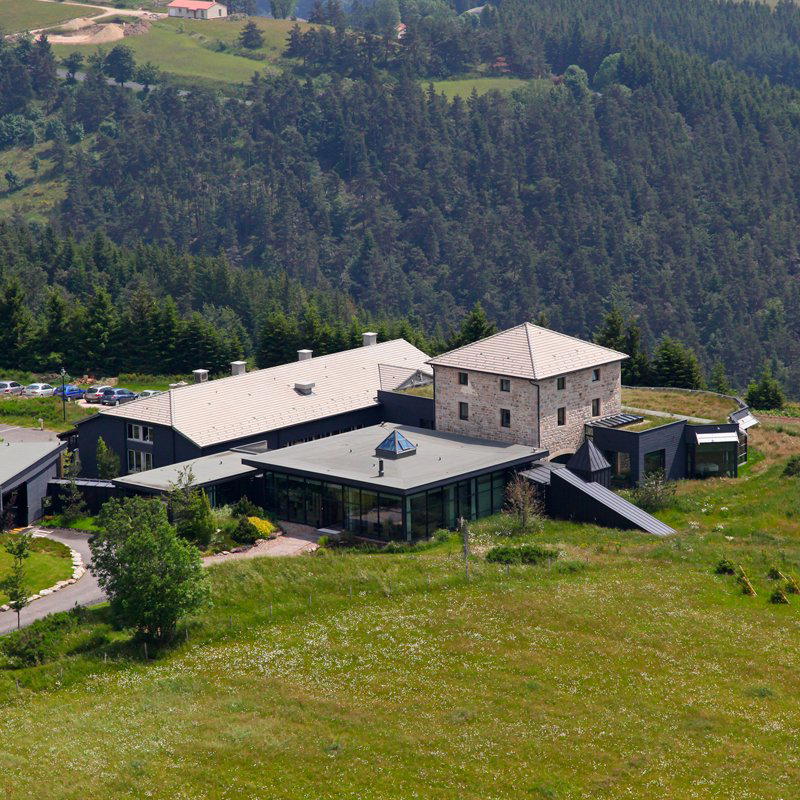
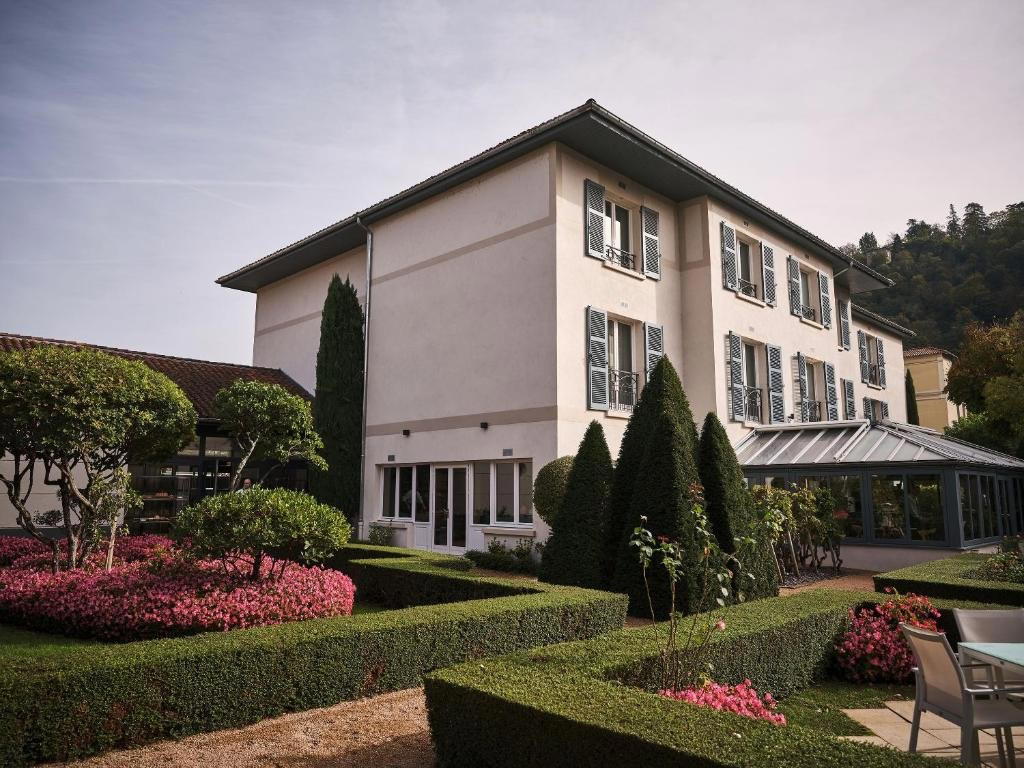
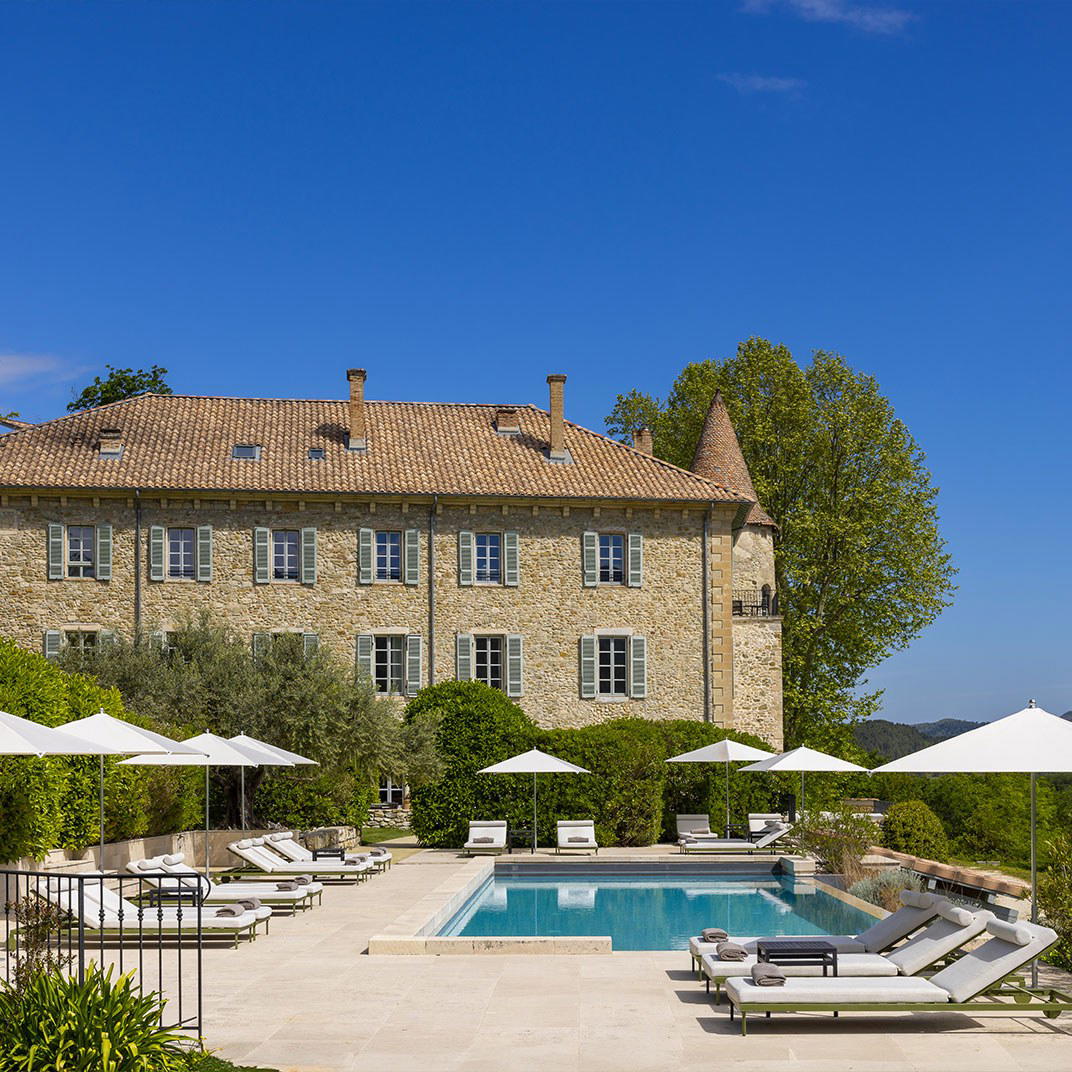
Historic and sophisticated atmosphere rooted in family legacy and terroir reverence, evoking timeless elegance amid Hermitage hill vineyards.