

Positioned among the appellation's Second Growths, it offers a precise, structured expression of the Margaux style that rewards comparison with its immediate neighbours on the Médoc's gravelly plateau.
Pearl is the En Primeur Club membership app — saves, bookings, and concierge access live there. Same editors, same standards.
- Address
- Rue Alexis Millardet, 33460 Margaux-Cantenac
- Phone
- +33 5 57 88 82 10
- Website
- chateaurauzansegla.com
- Directions
- Get directions
 Saves & bookings on Pearl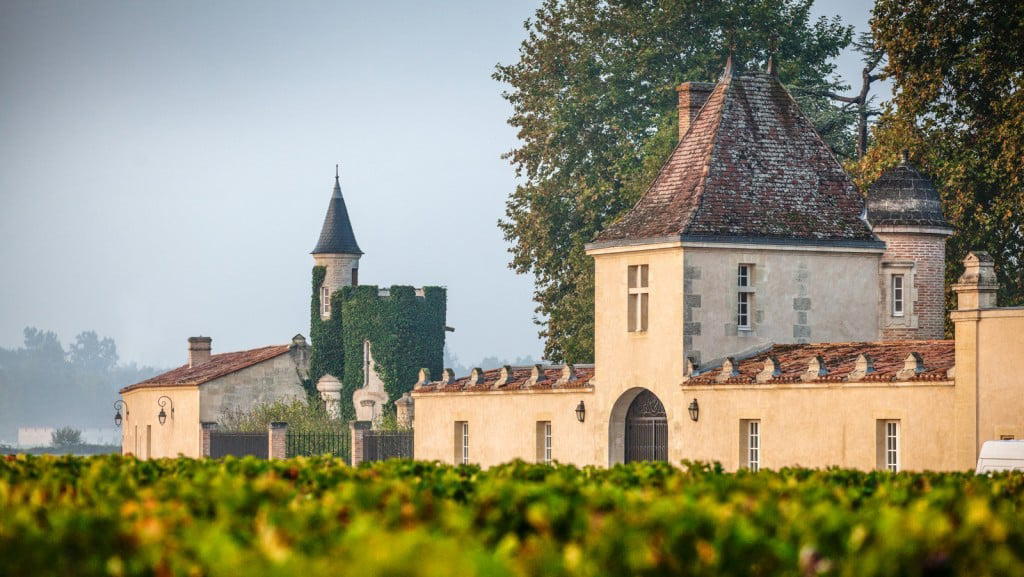
Where the Médoc's Long Memory Lives
The gravelly plateau of Margaux produces some of Bordeaux's most discussed red wines, but the appellation's character is rarely understood through a single visit or a single estate. It is better understood as a pattern: a cluster of classified growths, each occupying a slightly different pocket of the commune's famously draining soils, each calibrated against centuries of accumulated viticultural knowledge. Château Rauzan Ségla, whose first recorded vintage dates to 1661, sits near the heart of that pattern. Few properties in the Médoc carry a documented history of comparable length, and that continuity shapes how the estate is read within the appellation's internal hierarchy.
The address on Rue Alexis Millardet places the château within Margaux-Cantenac, the administrative zone that consolidates several of the commune's most prominent classified estates. Rauzan Ségla was classified as a Second Growth in the 1855 Bordeaux classification, a tier that in Margaux places it above the bulk of the commune's estates but below the solitary First Growth, Château Margaux. That position has defined the estate's competitive set for over a century and a half, and it remains the most useful frame for understanding what Rauzan Ségla produces and how it is priced against its neighbours.
The Margaux Appellation in Context
Margaux sits at the southern end of the Haut-Médoc's run of famous communes. Where Pauillac produces Cabernet-dominant wines of considerable structural weight, and Saint-Julien is known for consistency and polish, Margaux has long claimed a reputation for aromatic finesse, a particular violet-inflected quality that the commune's thin, well-drained soils are said to encourage. That generalisation holds up under scrutiny better than most regional clichés: the soils genuinely differ from those further north, with higher gravel content and a texture that stresses the vine and forces root systems deep.
The appellation contains five classified First, Second, Third, Fourth, and Fifth Growths from the 1855 classification, plus a larger body of Cru Bourgeois and unclassified estates. Within that structure, the Second Growths occupy a distinct commercial and critical tier. Alongside Rauzan Ségla, the Margaux Second Growths include Château Durfort-Vivens and the consistently discussed Château Lascombes. The Third Growths bring in estates like Château Desmirail, Château Ferrière, and the often-discussed Château Marquis-de-Terme. Together, these estates form a dense competitive cluster where winemaking decisions, vintage conditions, and critical scores are compared in close proximity.
For collectors and en primeur buyers, the Margaux Second Growths represent a specific kind of value calculation. They trade at a significant premium over most classified estates in less celebrated communes, but at a discount to Château Margaux itself and to the most sought-after First Growths of Pauillac. That spread has historically created an entry point for serious Bordeaux collectors who want appellation character without First Growth pricing.
Rauzan Ségla's Place Within the Tier
Among Margaux Second Growths, Rauzan Ségla has accumulated a reputation for producing wines that lean toward the appellation's classic aromatic profile rather than the richer, more extracted style that some estates adopted in the late 1990s and 2000s. That rating places it in a bracket where the conversation shifts from whether a wine is competent to how it compares with the strongest vintages from peer estates.
The first vintage in 1661 is not merely a historical footnote. In Bordeaux, longevity implies soil knowledge accumulated across generations of observation, an awareness of which parcels perform in cooler years, which blocks ripen consistently, and how the estate's specific combination of varieties behaves across the full range of Médoc vintage conditions. That knowledge base is genuinely difficult to replicate in younger properties, and it is part of what the Second Growth classification implicitly prices into a bottle.
For comparison, estates of similar age and classification tier elsewhere in Bordeaux, such as Château Batailley in Pauillac or Château Branaire Ducru in St-Julien, offer a useful cross-commune reference. The Margaux character remains distinct from either: less tannic power than Pauillac, more aromatic delicacy than Saint-Julien at its most structured.
Approaching the Estate and Planning a Visit
Margaux-Cantenac is accessible from Bordeaux by car in under an hour, with the D2, the so-called Route des Châteaux, serving as the primary artery through the classified-growth communes of the Médoc. The village of Margaux is small, and the major estates are concentrated within a compact area. Visitors to the region typically structure days around multiple properties, as the density of classified estates makes it practical to visit two or three in a single afternoon.
Many Médoc classified growths require appointments for cellar visits and tastings, and this is particularly true of Second Growths and above, where production quantities are managed carefully and visitor numbers are kept controlled. Planning around the spring en primeur week in April or the autumn harvest period in September and October will place any visit in the context of the estate's active production calendar, which adds considerably to the experience of understanding how the wines are made.
Those building a wider Bordeaux itinerary might also consider the contrast that comes from visiting estates across different appellations and styles. The structured tannins of Château Bélair-Monange in Saint-Émilion or the Sauternes sweetness of Château Bastor-Lamontagne in Preignac provide useful counterpoints to the Margaux style. Beyond Bordeaux entirely, the precision-focused approach of Albert Boxler in Niedermorschwihr illustrates how different France's fine wine map is when you move from the Atlantic-influenced Médoc into Alsace. For something entirely outside the wine category, Chartreuse in Voiron offers a completely different lens on French production heritage. Closer to Bordeaux, Château Boyd-Cantenac in Cantenac sits within the same commune and offers a Third Growth comparison at short distance.
For broader regional dining and drinking context, the EP Club full Margaux guide covers the appellation's estates and food options in detail. Further afield on the premium wine trail, Accendo Cellars in St. Helena and Aberlour in Aberlour offer transatlantic and Scottish comparisons for the collector building a wider reference library of fine production.
For a Second Growth Margaux with continuous production since 1661, that consistency across decades of vintage variation is itself a form of evidence. Collectors who track en primeur releases will find Rauzan Ségla appearing regularly in the discussions that follow each Bordeaux campaign, positioned in the middle band of Second Growth interest alongside its Margaux peers.
The estate's combination of historical depth, appellation-specific aromatic character, current winemaking under Nicolas Audebert, and confirmed Prestige rating makes it one of the more clearly positioned properties in the Margaux appellation for collectors who prioritise provenance and classification coherence alongside drinking quality.
Recognition history
Dated appearances from independent guides and award organizations, with the underlying list record or original source where available.
Falstaff Winery - Listed
Falstaff
Michelin 1 Grape
Michelin
Continue exploring
More in Margaux
Wineries in Margaux
Browse all →
Bars in Margaux
Browse all →
Restaurants in Margaux
Browse all →
At a Glance
- Elegant
- Classic
- Sophisticated
- Well Known
- Special Occasion
- Wine Education
- Vineyard Tour
- Historic Building
- Organic
- Vineyard
- Margaux AOC
- Cabernet Sauvignon
- Merlot
- Cabernet Franc
- Petit Verdot
- Still Red
- Estate Tasting
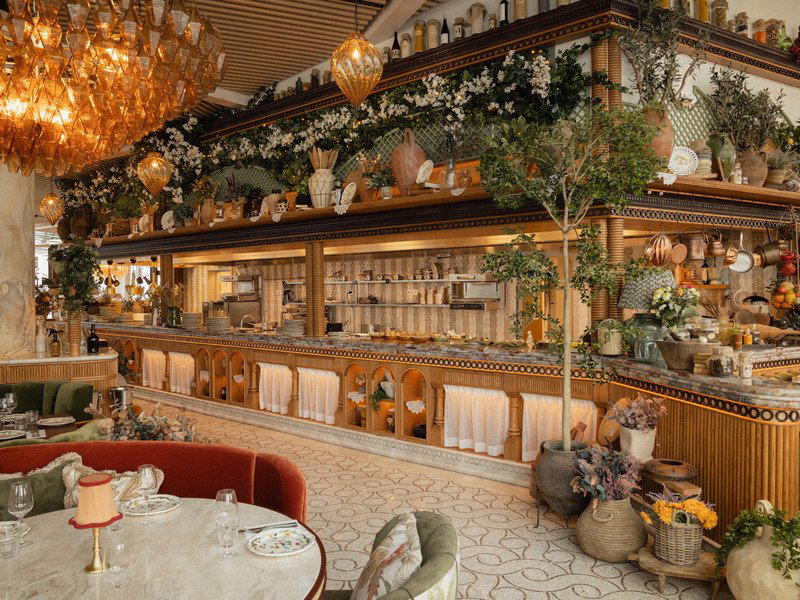
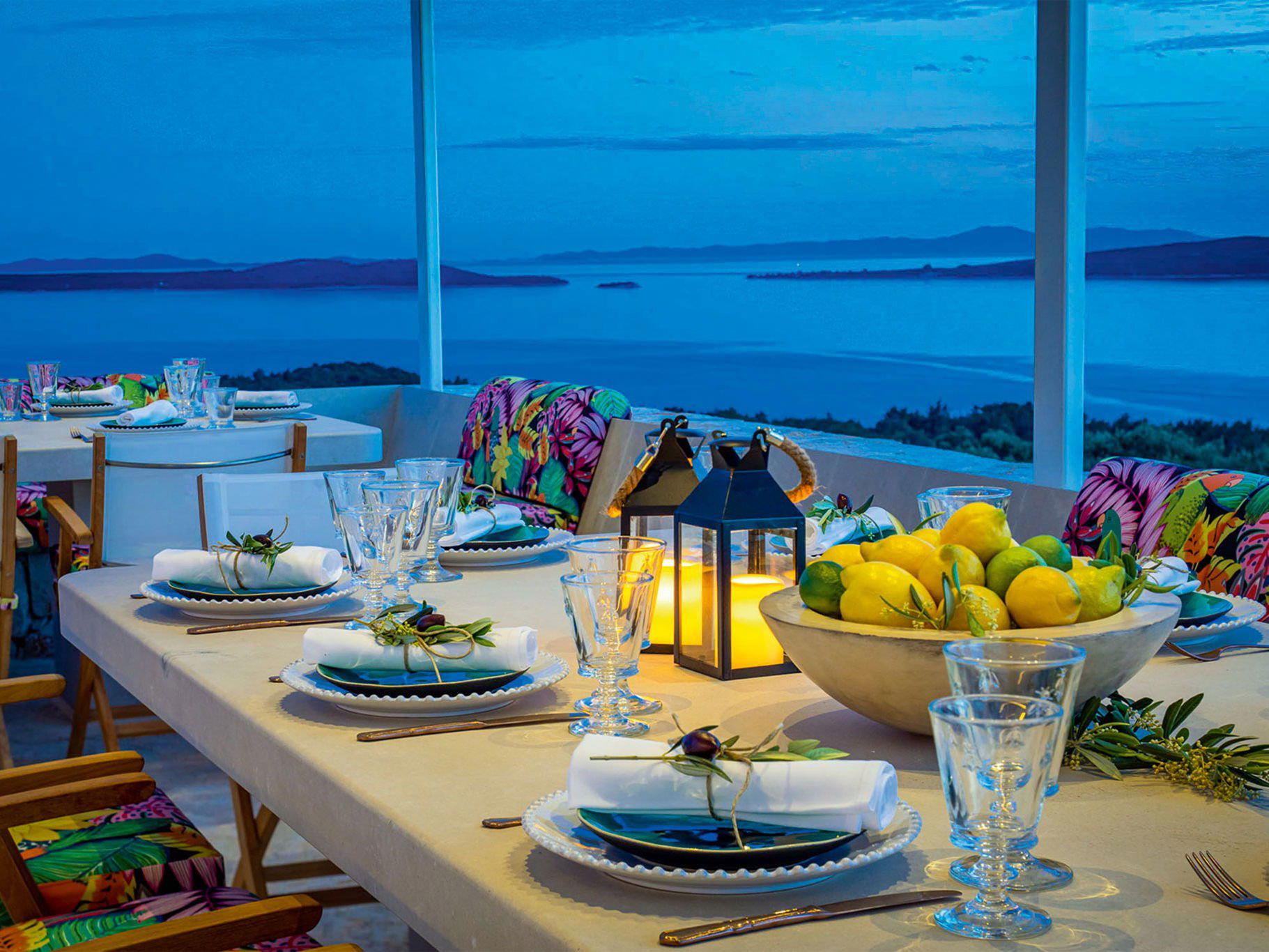
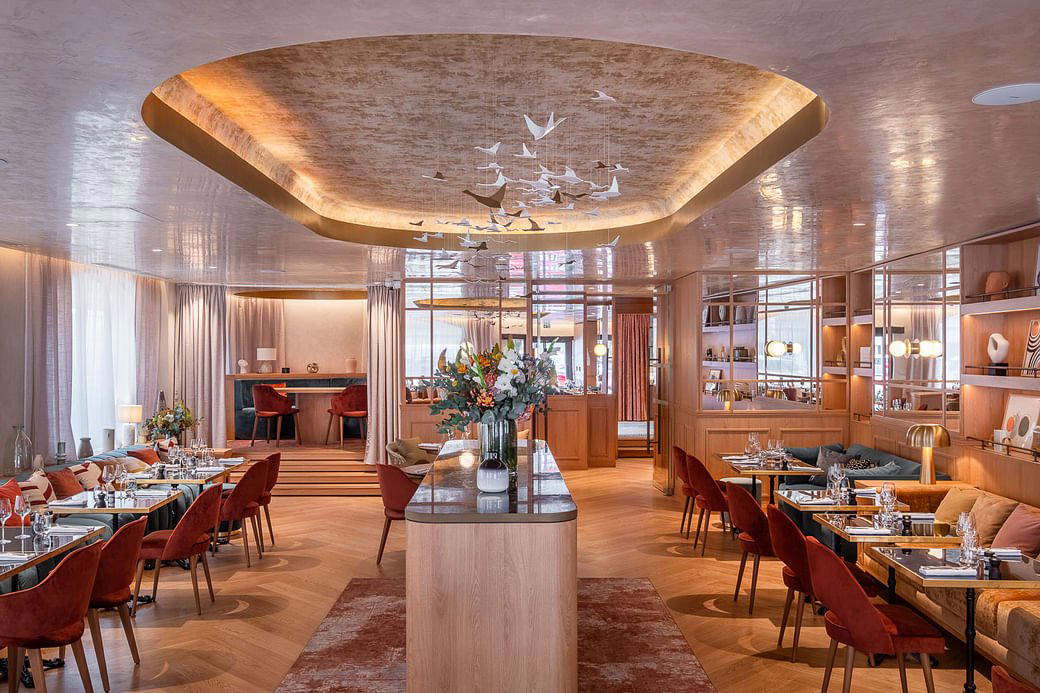
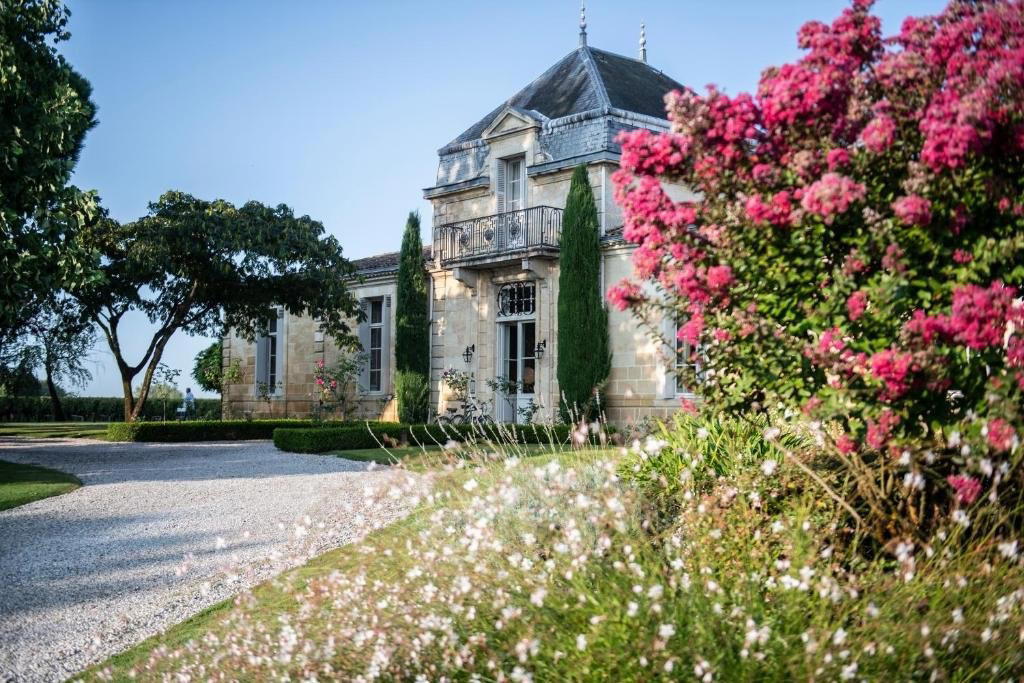
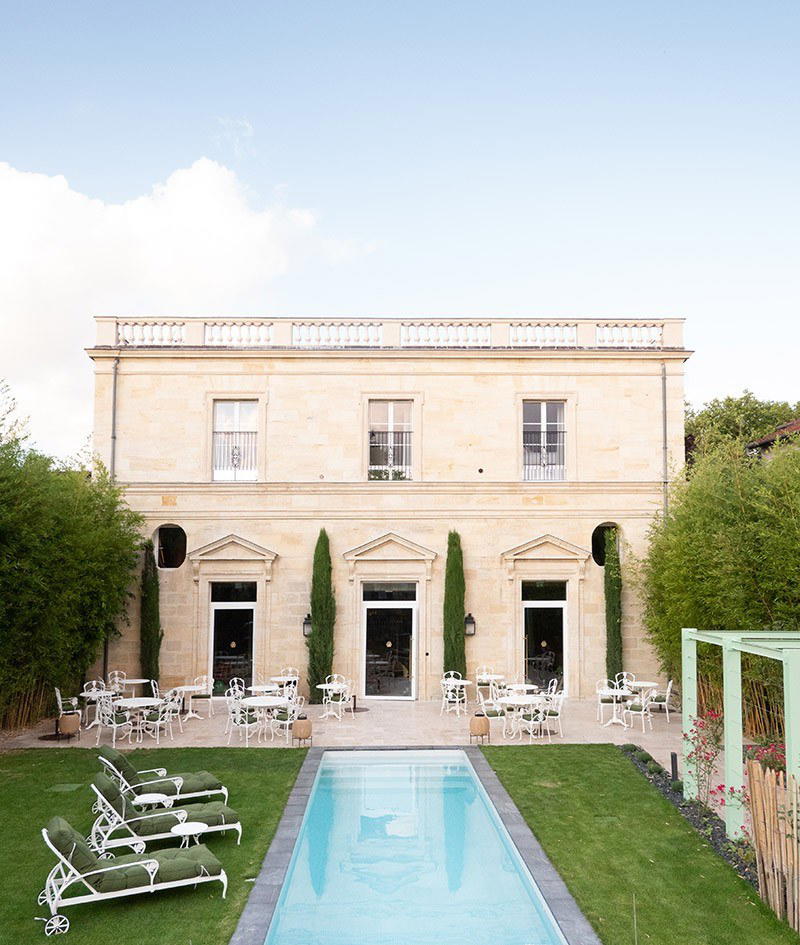
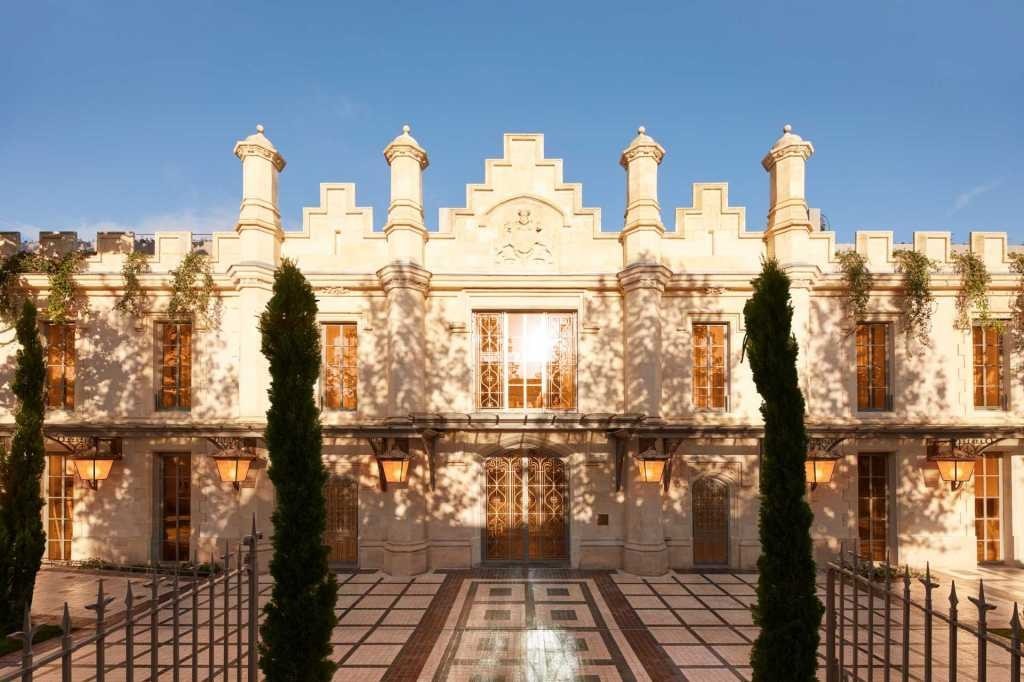
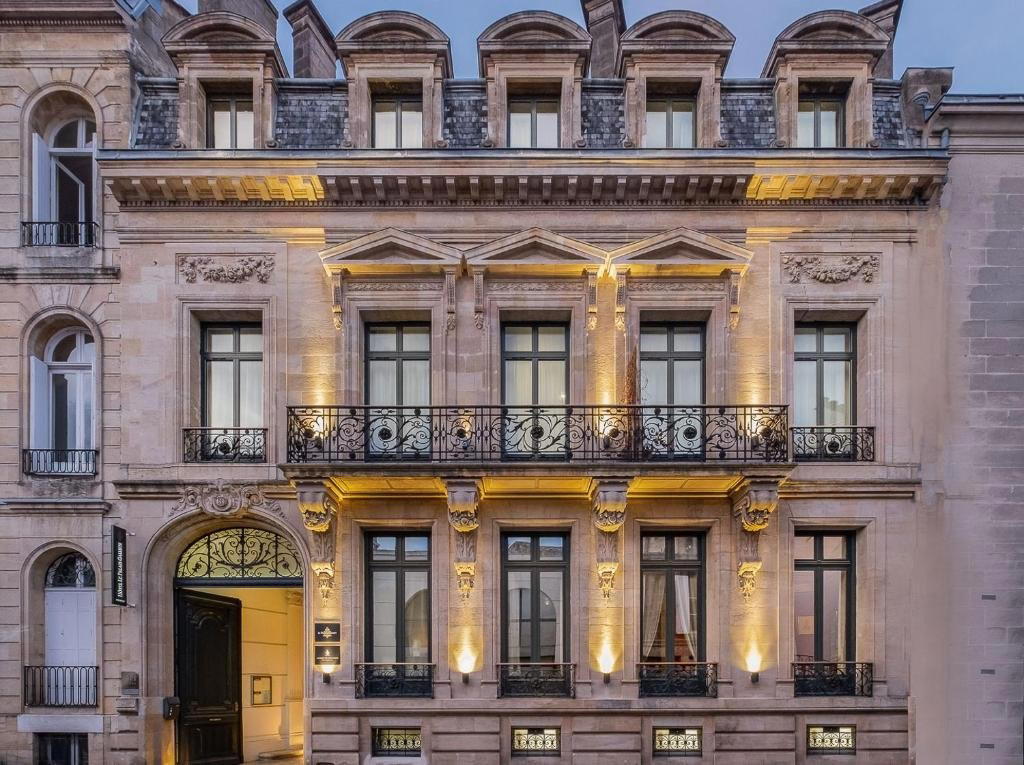
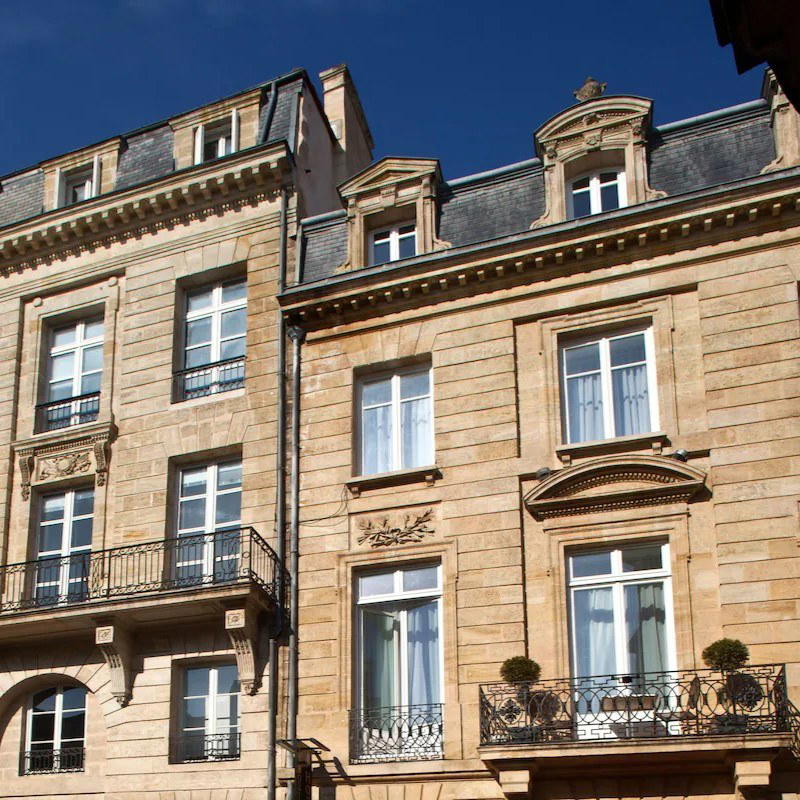
Elegant and refined historic château atmosphere with sophisticated, classic ambiance reflecting its prestigious heritage.
Know Before You Go
- Getting there
- Rue Alexis Millardet, 33460 Margaux-Cantenac