Château Beychevelle


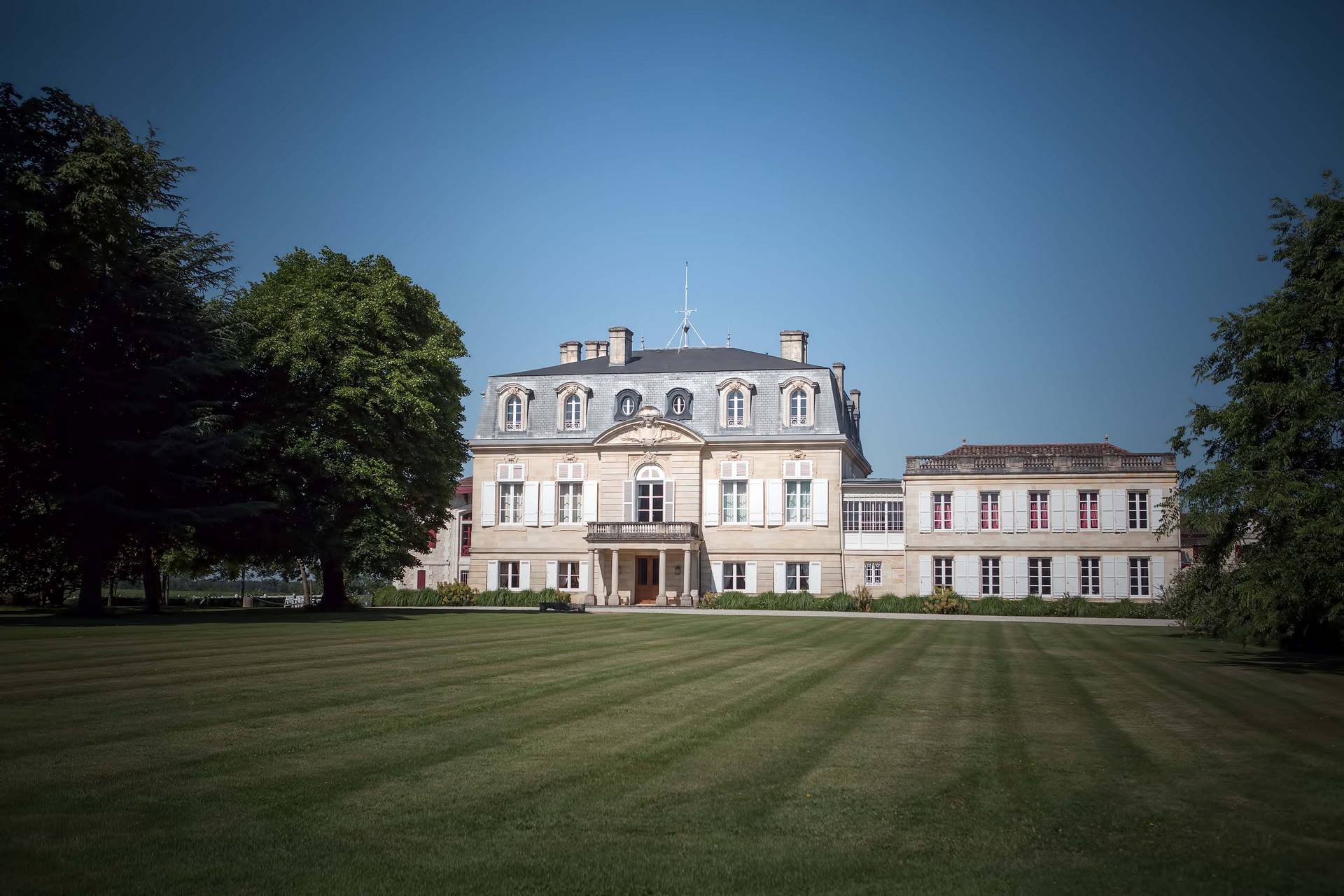
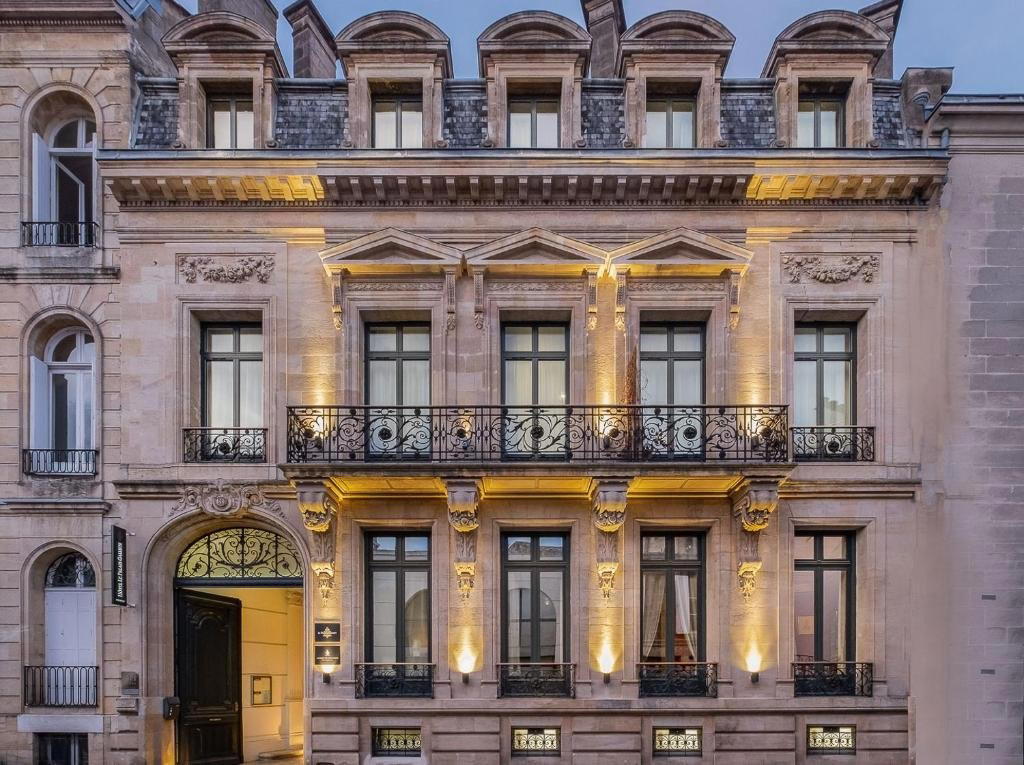
One of the Médoc's most architecturally distinguished estates, Château Beychevelle has produced wine from its Saint-Julien terroir since 1583.
Pearl is the En Primeur Club membership app — saves, bookings, and concierge access live there. Same editors, same standards.
- Address
- Château Beychevelle, 33250 Saint-Julien-Beychevelle
- Phone
- +33 5 56 73 20 70
- Website
- beychevelle.com
- Directions
- Get directions
 Saves & bookings on Pearl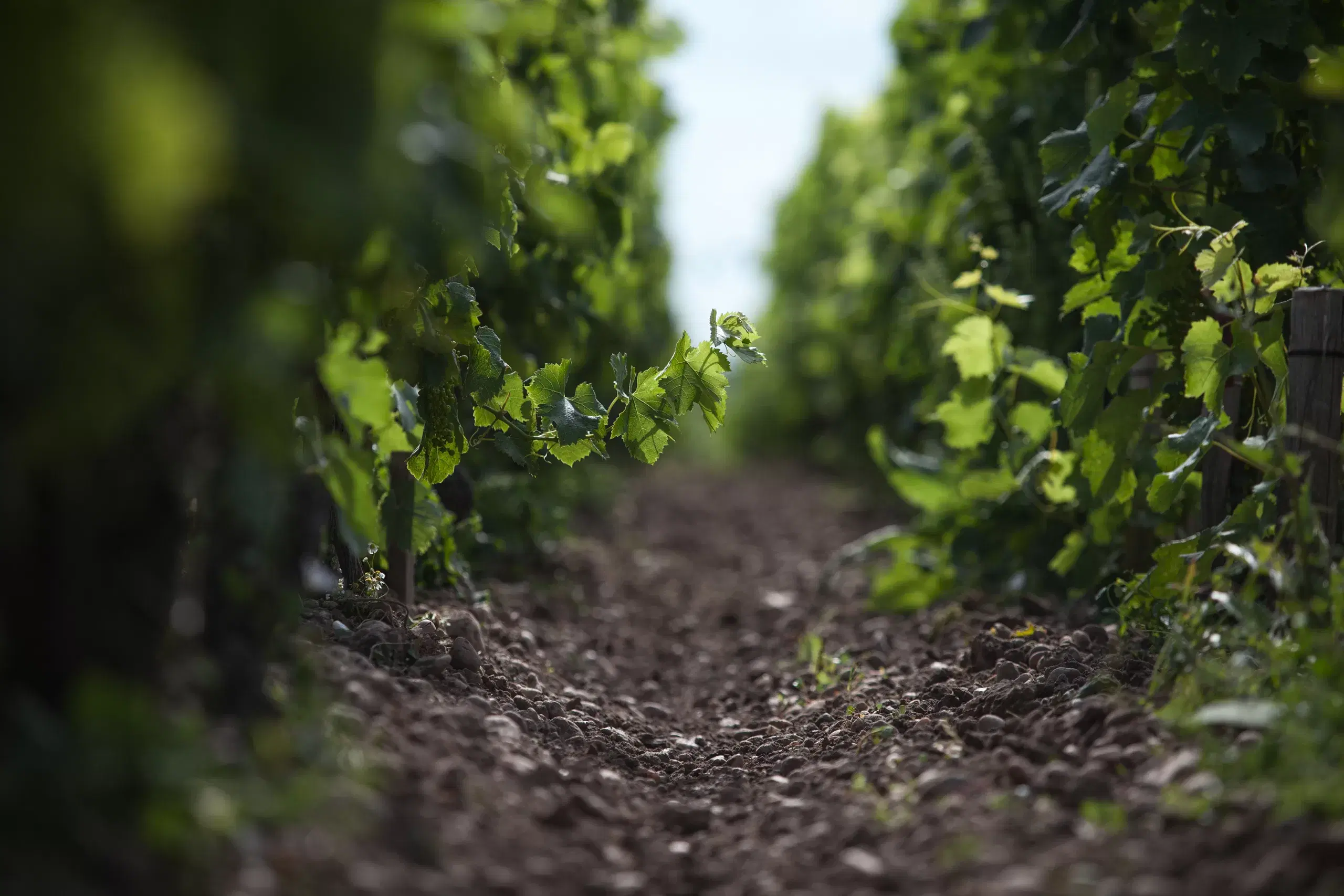
Where the Gironde Shapes the Glass
The gravel mounds of Saint-Julien-Beychevelle sit close enough to the Gironde estuary that the river functions as a genuine viticultural force rather than a backdrop. The water mass moderates temperature swings across the growing season, softening frost risk in spring and extending the warm window into autumn. That maritime buffer is most legible in the wines: Saint-Julien tends to produce Cabernet Sauvignon with more suppleness than the firmer, more extracted style associated with Pauillac to the north, yet with more structural precision than much of the Haut-Médoc further south. Château Beychevelle, positioned on one of the appellation's higher gravel terraces with direct sightlines to the estuary, draws from that dynamic as directly as any estate in the commune. The property's records trace back to 1583, making it one of the longer continuous wine-producing histories in the left bank, and the accumulated data of that span — which vintages rewarded early picking, which tolerated patience — is embedded in how the estate reads its land.
Gravel, Drainage, and the Logic of the Plateau
Left bank Bordeaux runs on a consistent geological argument: deep Günzian and Mindel gravel deposits over clay and limestone subsoils force vine roots downward in search of water and nutrients, producing low yields of concentrated, mineralically inflected fruit. Saint-Julien sits at the heart of this configuration. The plateau immediately around Beychevelle is among the better-draining sections of the commune, which matters considerably in wet vintages when waterlogged soils dilute fruit character. Drainage is not a secondary concern in Bordeaux; it is the primary filter that separates terroir-expressive wines from weather-dependent ones. In difficult years, estates on higher, better-drained gravel perform differently from neighbours fifty metres away on heavier clay. That positional advantage is one reason Beychevelle has held sustained collector interest across centuries of variable weather. Winemaker Philippe Blanc operates within that physical reality, making decisions calibrated to what each season delivers rather than imposing a fixed stylistic template on the fruit.
For context on how this terroir argument plays out across neighbouring addresses, Château Gloria, Château Lagrange, and Château Langoa-Barton each sit within the same appellation and offer instructive comparisons. Gloria draws from a patchwork of plots rather than a single contiguous terroir; Lagrange works a larger, more diverse site in the commune's interior; Langoa-Barton shares family ownership with Léoville Barton and occupies a similarly well-regarded gravel position. Setting Beychevelle against that peer group clarifies where its specific plot configuration sits in the Saint-Julien hierarchy.
The Estate in Its Competitive Tier
Beychevelle holds the classification of Fourth Growth under the 1855 system, a ranking that shapes both its market positioning and the expectations brought to each vintage. The 1855 classification remains the dominant reference point for Médoc pricing and collector allocation, even though it was constructed on trade data from a single year and has not been formally revised since (with the exception of Mouton Rothschild's elevation in 1973). Fourth Growths occupy a specific band in that structure: priced above the broad mid-tier of Crus Bourgeois but below the premium commanded by First and Second Growths, they attract buyers who want classified left bank precision without the entry costs of the top tier. Within the Fourth Growth cohort, Beychevelle regularly appears alongside Château Branaire Ducru in St-Julien and Château Batailley in Pauillac as estates that have maintained or improved relative to their classification in recent decades.
Comparison beyond the immediate appellation is also useful. Across Bordeaux, the question of terroir expression versus winemaking intervention has become increasingly pointed. At Château Bélair-Monange in Saint-Emilion, the focus lands on limestone and clay plateau terroir rather than gravel; the contrast with Beychevelle's gravel-dominant profile illustrates how differently the same regional classification logic plays out across soil types. For sweet wine enthusiasts exploring Bordeaux more broadly, Château Bastor-Lamontagne in Preignac and Château Doisy-Védrines represent the Sauternes tradition operating from a fundamentally different set of climatic and viticultural premises.
Production History and the Weight of a Long Record
A first vintage date of 1583 places Beychevelle's origins in a period when Bordeaux wine trade was already structured around English and Dutch merchant networks, long before the formal classification system existed. The estate has passed through multiple ownership configurations over those four centuries, each period leaving traces in the vineyard layout, the chai architecture, and the stylistic record. That length of documented production is not merely a marketing lineage. It means the estate has been calibrated against a wider range of climatic variation than most modern wineries have ever encountered, and it means the accumulated institutional knowledge about how this specific terroir performs is unusually deep. The 1970s and 1980s saw considerable investment in cellar infrastructure across Bordeaux's classified estates; Beychevelle's physical winemaking plant reflects that modernisation period, giving Philippe Blanc the technical tools to be precise where the terroir demands it.
For those interested in production programs with similarly long institutional histories, Aberlour in Aberlour and Chartreuse in Voiron represent comparable cases in spirits, where centuries of production data shape current decision-making in ways that newer producers cannot replicate. The dynamic is different in wine, where each vintage is discrete rather than blended across years, but the principle of accumulated site knowledge applies broadly.
Planning a Visit and Buying Through En Primeur
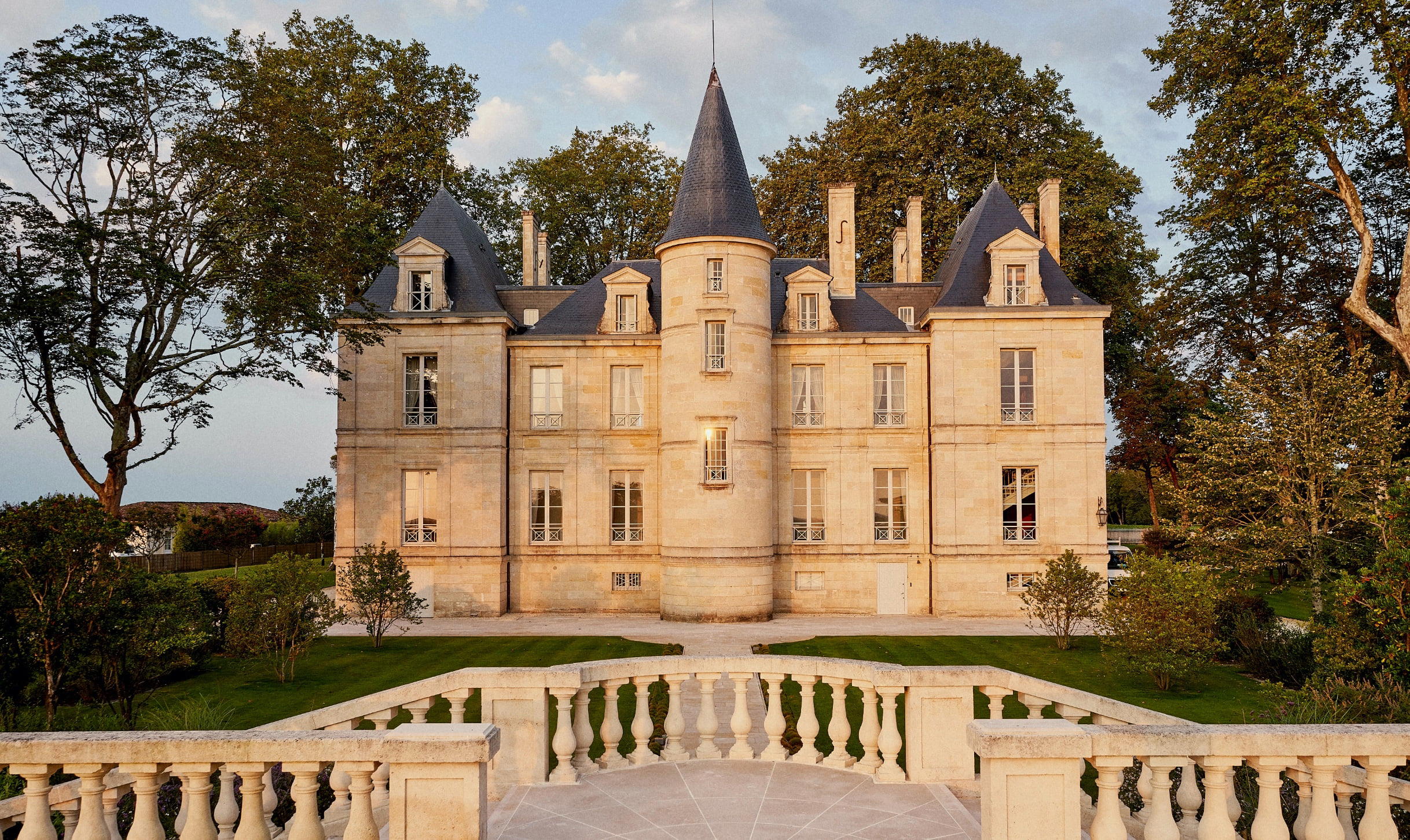
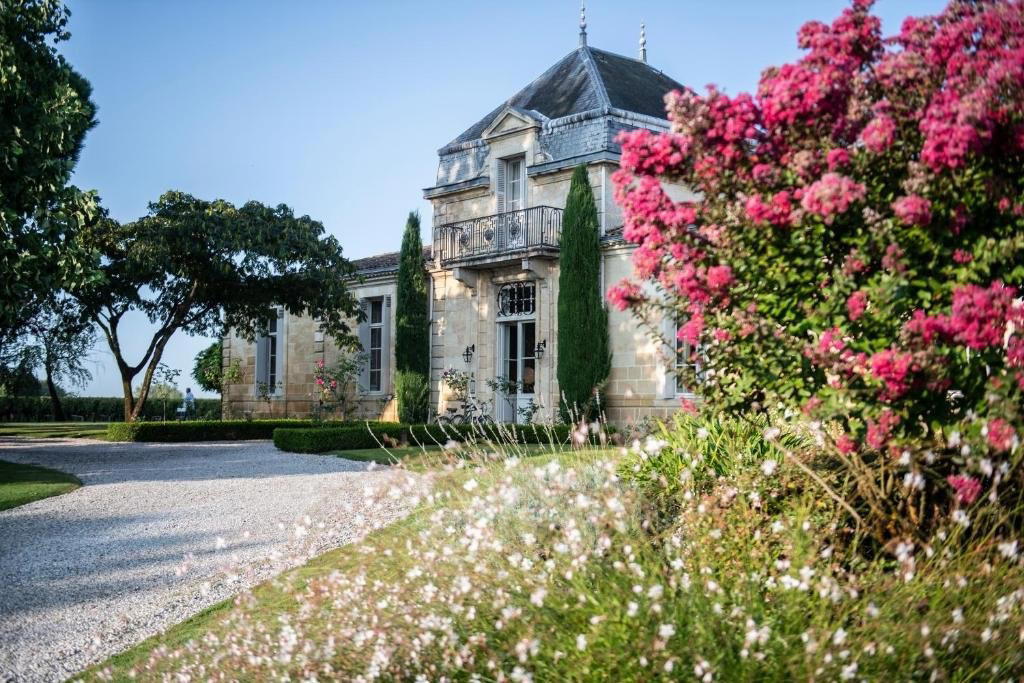
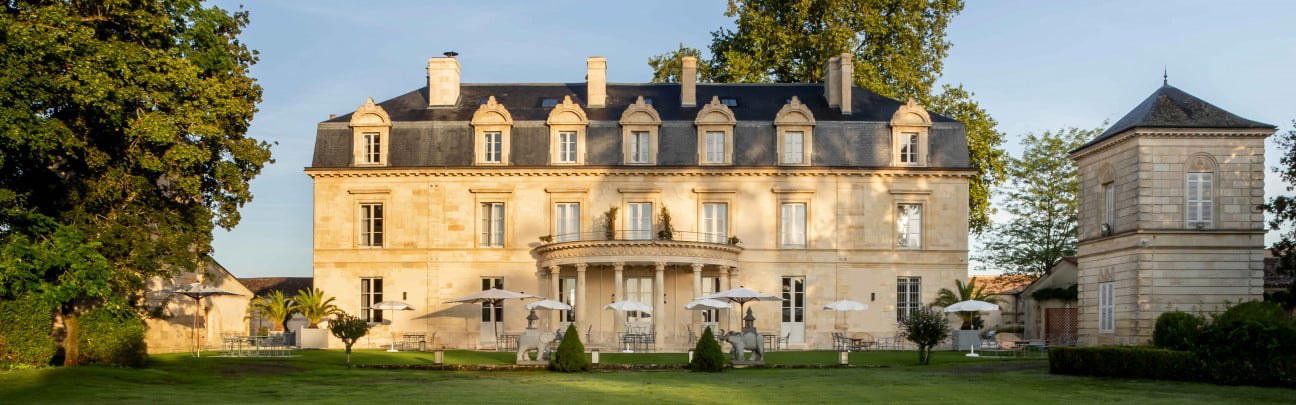
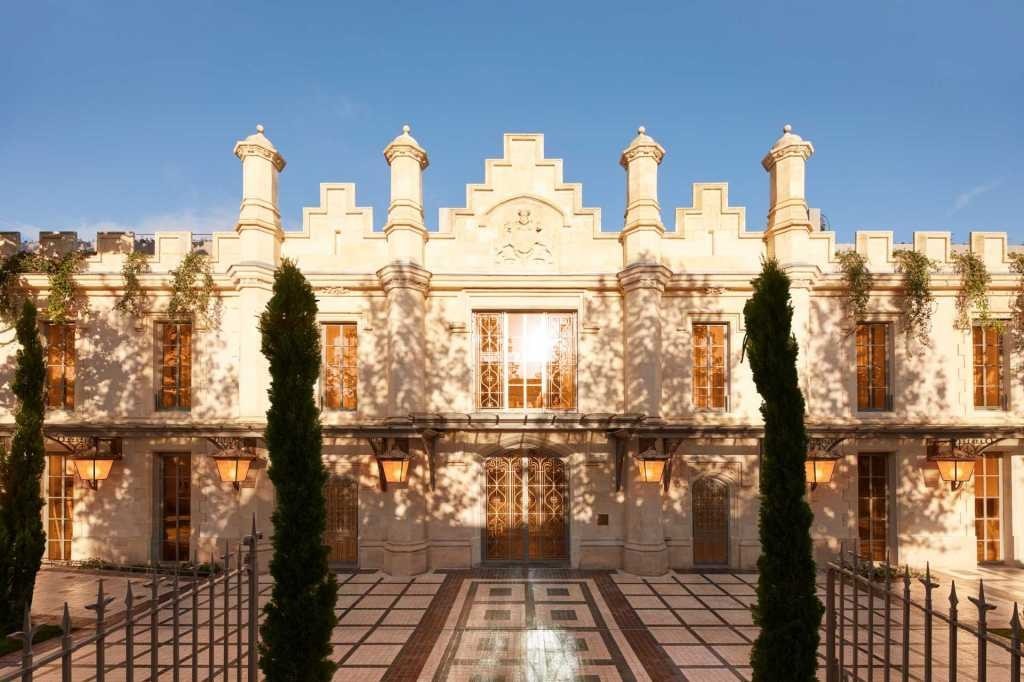
Saint-Julien-Beychevelle sits roughly 45 kilometres north of Bordeaux city along the D2, the Route des Châteaux that connects the left bank's major appellation villages. The commune is small and most serious estates are accessible from the main road, making day-trip itineraries from Bordeaux direct. Beychevelle's chai and estate buildings are among the more architecturally distinctive in the Médoc, and the estate receives visitors through scheduled appointments, the format standard to classified Bordeaux properties. Visitors interested in the broader commune should consult our full Saint-Julien-Beychevelle restaurants guide for eating and drinking options in the area.
En primeur buying, the system through which Bordeaux futures are sold in the spring following harvest, remains the primary channel through which serious collectors build allocations of estates like Beychevelle. Pricing fluctuates year to year based on vintage quality assessments from major critics and merchant houses; strong vintages in the early 2000s and 2010s drove significant allocation competition across classified Saint-Julien addresses. Those interested in the allocation logic that governs premium properties in adjacent regions might compare with how Chateau Le Pin operates in Pomerol, where extreme scarcity and no formal classification drives a different pricing dynamic, or Accendo Cellars in St. Helena and Albert Boxler in Niedermorschwihr for New World and Alsatian allocation models. Château Boyd-Cantenac in Cantenac provides a Margaux-appellation Third Growth comparison for those mapping classified Médoc buys across communes.
Recognition history
Dated appearances from independent guides and award organizations, with the underlying list record or original source where available.
Falstaff Winery - 3 Stars
Falstaff
Michelin Main Selection
Michelin
Continue exploring
More in Saint-Julien-Beychevelle
Wineries in Saint-Julien-Beychevelle
Browse all →
Bars in Saint-Julien-Beychevelle
Browse all →
Restaurants in Saint-Julien-Beychevelle
Browse all →
At a Glance
- Elegant
- Classic
- Well Known
- Sophisticated
- Wine Education
- Special Occasion
- Vineyard Tour
- Historic Building
- Estate Grounds
- Vineyard
- Waterfront
- Saint Julien
- Cabernet Sauvignon
- Merlot
- Petit Verdot
- Cabernet Franc
- Still Red
- Cave Tasting
Elegant and sophisticated with a classic, historic atmosphere steeped in tradition and precision.
Know Before You Go
- Getting there
- Château Beychevelle, 33250 Saint-Julien-Beychevelle