

Michelin 1 Grape · Falstaff Winery - 3 Stars
Château Sigalas-Rabaud sits within Sauternes' Bommes commune, producing Premier Cru Classé botrytised whites under winemaker Laure de Lambert Compeyrot. For collectors and visitors with a serious interest in sweet Bordeaux, it represents one of the appellation's more focused addresses.

Pearl is the En Primeur Club membership app, where members save venues, book tables and use the concierge.
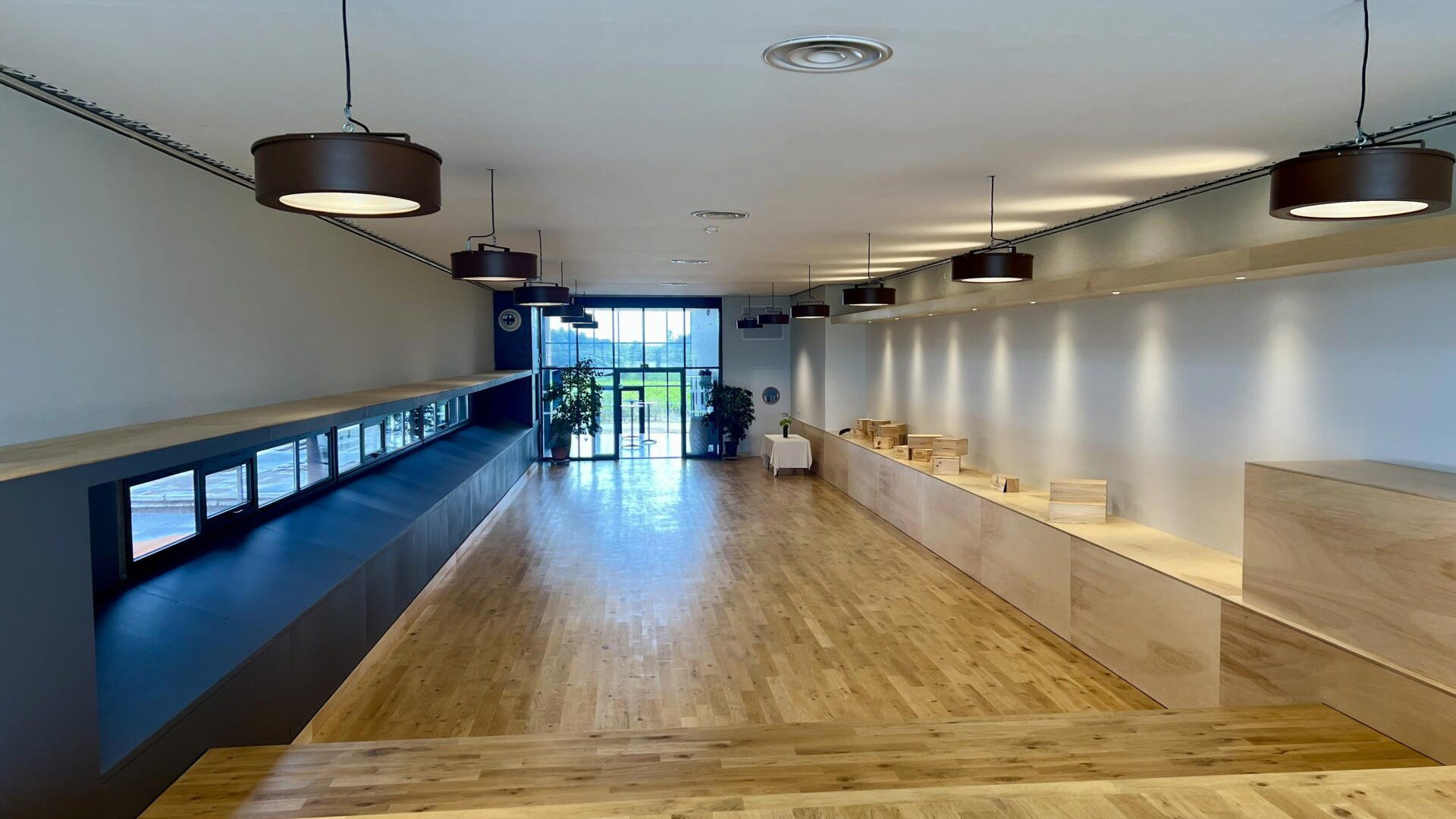
Sauternes in the Bommes Commune: Where Botrytis Defines the Work
The vineyards around Bommes sit at an elevation and proximity to the Ciron river that produce, with reliable regularity, the morning mists that allow Botrytis cinerea to colonise ripe Sémillon and Sauvignon Blanc grapes. This is not incidental geography. The entire culture of winemaking in this corner of the Sauternes appellation, the hand-harvesting in multiple passes, the management of concentration against dilution, the patience required across weeks of selective picking, exists because of what the land and climate do here that they cannot easily replicate elsewhere. Château Sigalas-Rabaud, at 1425 Route des Gourgues in Bommes, operates within that tradition under winemaker Laure de Lambert Compeyrot, whose role places her among a small cohort of women leading Premier Cru Classé estates in Bordeaux.
Sauternes Premier Cru Classé is a category with defined membership, established by the 1855 Classification, and estates within it are judged against one another over decades, not vintages.
The Pairing Question: Why Sauternes Is Harder to Drink Than to Admire
Among the challenges facing Sauternes as a category is the pairing question. The wines are frequently misunderstood as dessert-only propositions, and that misreading limits how and when they reach the table. The broader truth is that great botrytised Sauternes, structured, with high natural acidity cutting through residual sugar, pairs with a wider range of dishes than popular assumptions suggest. Foie gras remains the canonical Bordelais pairing, grounded in the fat-salt-acid dynamic that the wine resolves rather than compounds. But blue-veined cheeses, particularly Roquefort, produce a comparable tension: the saltiness of the cheese against the glycerol richness of the wine creates a pairing that works by contrast rather than alignment.
The more contemporary argument, gaining ground among sommeliers in Paris and London, is that aged Sauternes works with spiced or lightly umami-driven dishes, preparations that would otherwise overwhelm white Burgundy or Alsatian Riesling. The appellation's wines, including those from Sigalas-Rabaud, occupy a register where the food pairing conversation is genuinely more interesting than the wine-and-dessert cliché allows. Visitors approaching the estate with pairing curiosity will find that context at a property where the vineyards directly produce what they're tasting, giving the pairing discussion an immediacy that a retailer or restaurant setting cannot replicate.
The Estate's Position in Bommes
Bommes is one of five communes permitted to use the Sauternes appellation, alongside Sauternes itself, Barsac, Preignac, and Fargues. Within Bommes, several classified estates operate within close proximity. Château Rabaud-Promis and Château Rayne-Vigneau share the commune's Premier Cru Classé designation, and Clos Haut-Peyraguey sits within the same immediate geography. It is worth noting that Sigalas-Rabaud and Rabaud-Promis share a connected history: what is now two estates was, for a period, a single property, and the two share a name fragment that reflects that common origin. This historical relationship adds a layer of context for anyone visiting both, as comparing their current styles reveals how the same terroir base can express differently under separate ownership and winemaking decisions across generations.
For those building an itinerary across the appellation, Château de Myrat in Barsac and Château Bastor-Lamontagne in Preignac offer additional reference points across different communes, helping visitors calibrate how microclimate and soil variation shift the register of botrytised wines even within the broader appellation boundary. Our full Bommes restaurants and estates guide covers the practical logistics of building a route through the area.
Laure de Lambert Compeyrot and the Winemaking Approach
The presence of a named winemaker at a classified Sauternes estate matters as a signal of institutional direction rather than as a biographical story. Laure de Lambert Compeyrot's tenure at Sigalas-Rabaud places her in a recognised position within Bordeaux's châteaux system, where the winemaker's role combines vineyard management decisions, particularly the timing and number of passes during the botrytis harvest, with cellar choices around pressing, fermentation temperature, and elevage. In Sauternes, the harvest decision alone carries more year-to-year consequence than almost anywhere else in Bordeaux: a wrong call on whether to pick before autumn rain or wait for further noble rot concentration can define an entire vintage's character.
That decision-making context is part of what makes estate visits in Sauternes instructive in a way that differs from visits to dry Bordeaux producers. The conversation is not simply about oak regime or blending ratios. It is about risk management against weather, about reading the progression of Botrytis across individual rows, and about when concentration has reached the point where further waiting yields complexity rather than just more sugar. Visitors with that framing will get considerably more from an engagement with the estate than those approaching it purely as a tasting stop.
Placing Sigalas-Rabaud in the Wider Bordeaux Frame
Sauternes and its classified estates occupy a different tier of the Bordeaux conversation from the Médoc or Saint-Émilion, smaller production volumes, more labour-intensive viticulture, and a market that rewards patience from both producer and collector. Properties like Château La Mission Haut-Brion in the Pessac-Léognan appellation illustrate how the Left Bank's prestige hierarchy runs across multiple appellations with different production philosophies. Sigalas-Rabaud's classification and 2025 award place it within the upper tier of Sauternes, but the estate's scale and the niche character of its category mean it operates differently from the grand négociant-scale châteaux of the Médoc.
Collectors tracking Bordeaux's secondary market will recognise that premium Sauternes, from classified producers with consistent scores across major vintages, has historically underperformed relative to its equivalent-quality dry counterparts in terms of auction prices, which creates both a value argument and a collectability argument depending on one's position. That market dynamic is part of the context in which estates like Sigalas-Rabaud operate, and it influences how they think about visitor engagement and allocation distribution.
For those with interests that extend beyond Bordeaux, comparing Sigalas-Rabaud's sweet-wine approach to what producers in other French regions are doing with entirely different grapes and climate conditions offers a useful broadening of perspective. Albert Boxler in Niedermorschwihr works with Alsatian Riesling and Gewurztraminer in the Sélection de Grains Nobles and Vendanges Tardives categories, producing sweet wines through late harvest rather than botrytis concentration alone, a different mechanism producing structurally different results. Further afield, Château Bélair-Monange in Saint-Émilion, Château Batailley in Pauillac, Château Branaire Ducru in St-Julien, and Château Boyd-Cantenac in Cantenac represent the dry red Bordeaux classifications against which Sauternes is so often contextually compared.
Planning a Visit
Bommes is accessible from Bordeaux by car, with the Sauternes appellation sitting roughly 40 kilometres southeast of the city. The estate's address at 1425 Route des Gourgues places it within the commune's network of small roads connecting the classified properties. As with most Bordeaux châteaux, direct contact with the estate in advance is the standard approach for arranging visits and tastings; no booking information is listed here, and visitors should confirm availability and format directly. The harvest period in autumn, when botrytis conditions are being managed and picking decisions are live, is the moment when the estate's work is most visibly in motion, though it is also the period when operational focus limits hospitality bandwidth. Pre- and post-harvest visits allow for more structured engagement with the cellar and the wines.
Those building a broader itinerary might also consider visiting entirely different production contexts, Chartreuse in Voiron, Aberlour in Aberlour, or Accendo Cellars in St. Helena, for contrast with the Sauternes tradition, though these represent entirely different categories and geographies.
Comparable Spots, Quickly
Comparable venues nearby, for context on price, style, and recognition.
| Venue | Cuisine | Price | Awards | Notes |
|---|---|---|---|---|
| Château Sigalas-RabaudThis venue (the venue you are viewing) | Sémillon, Sauvignon Blanc | $10–20 | Michelin 1 Grape · Falstaff Winery - 3 Stars | Not listed |
| Château Rabaud-Promis | Sémillon, Sauvignon Blanc | Not listed | Falstaff Winery - Listed | Bommes |
| Château La Mission Haut-Brion | Cabernet Sauvignon, Merlot | Not listed | Michelin 2 Grapes · Falstaff Winery - 4 Stars | Pessac-Léognan |
| Château Rayne-Vigneau | Sémillon, Sauvignon Blanc | Not listed | Falstaff Winery - 3 Stars | Bommes |
| Château de Myrat | Semillon, Sauvignon Blanc | Not listed | Falstaff Winery - 2 Stars | Barsac |
| Château Lafaurie-Peyraguey | Sémillon, Sauvignon Blanc | Not listed | Falstaff Winery - 3 Stars | Bommes |
Recognition history
Dated appearances from independent guides and award organizations, with the underlying list record or original source where available.
Michelin 1 Grape
Michelin
Falstaff Winery - 3 Stars
Falstaff
Continue exploring
More in Bommes
Wineries in Bommes
All wineries in Bommes →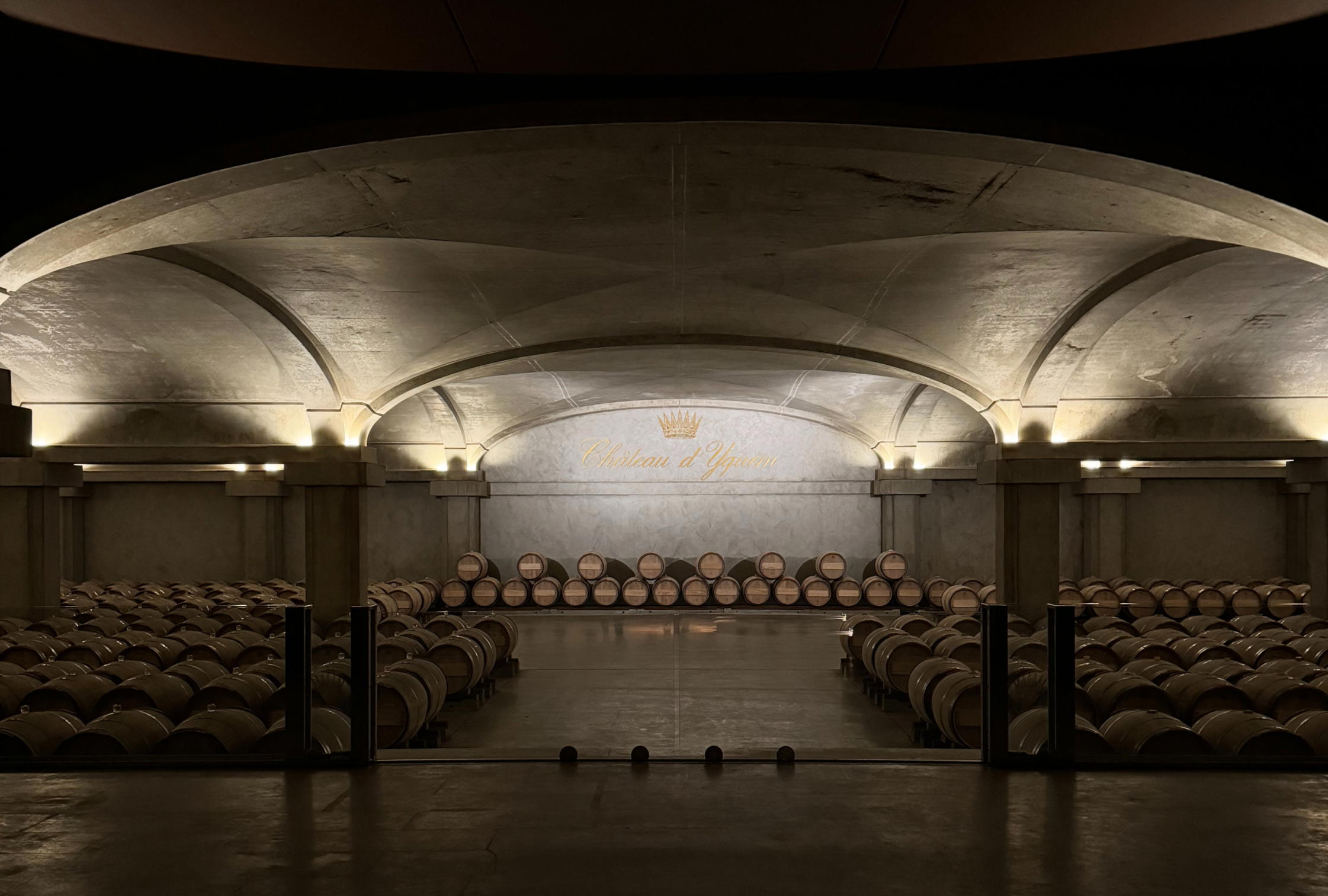
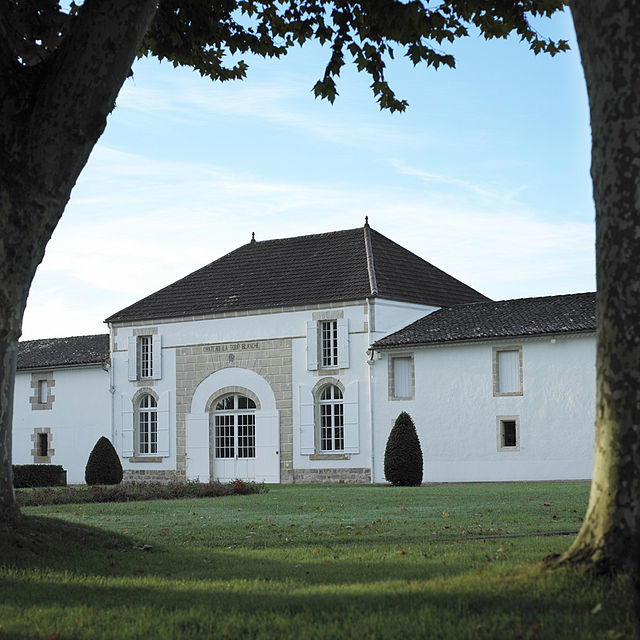
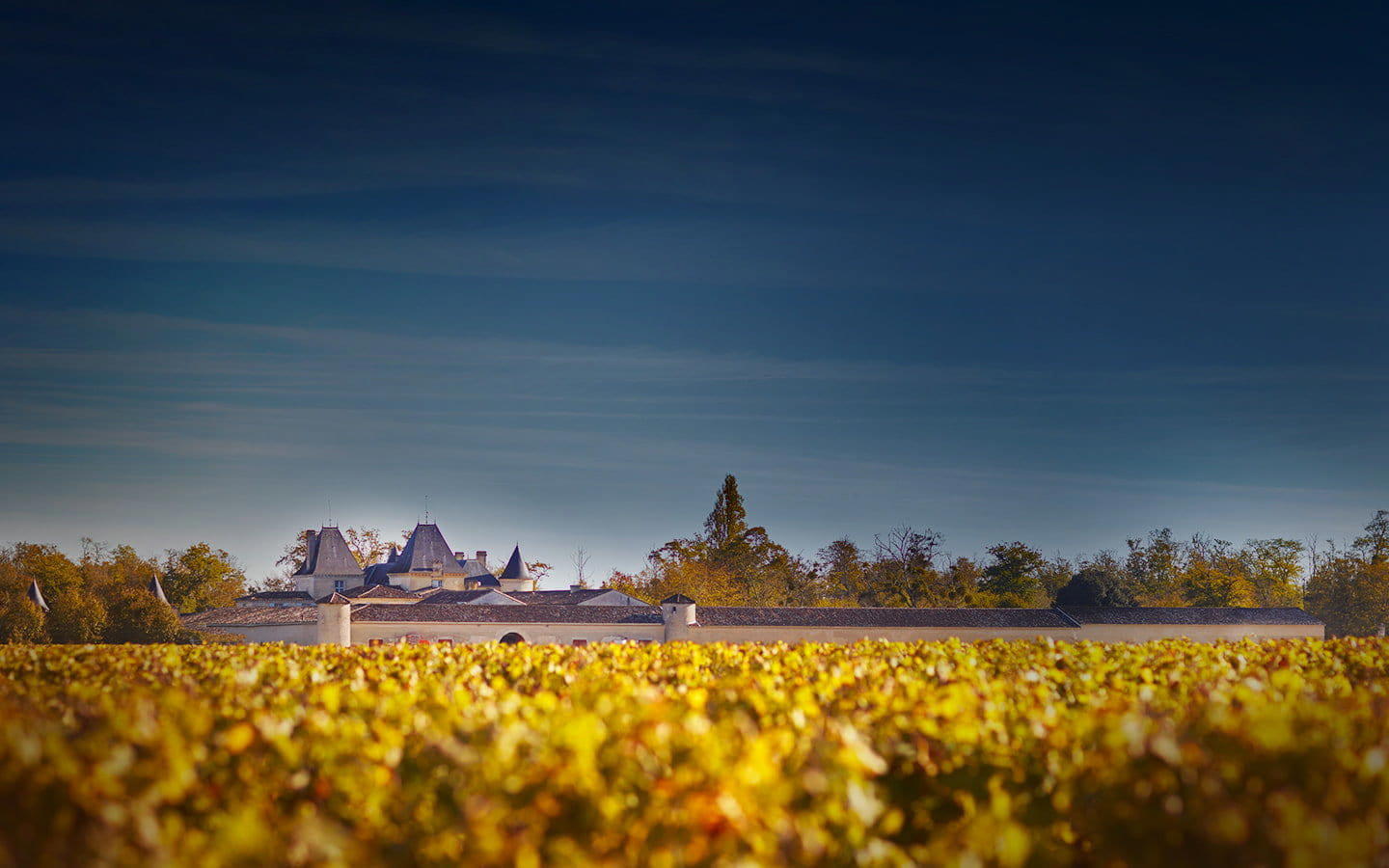
Bars in Bommes
Browse all →
Restaurants in Bommes
All restaurants in Bommes →
Details
- Romantic
- Elegant
- Classic
- Scenic
- Intimate
- Romantic Getaway
- Wine Education
- Special Occasion
- Cave Tasting
- Barrel Room
- Vineyard Tour
- Estate Grounds
- Historic Building
- Private Tasting
- Picnic Area
- Organic
- Sustainable
- Vineyard
- Sémillon
- Sauvignon Blanc
- Dessert
- Still White
- Guided Tasting
- Food Pairing
- Vineyard Tour
- English
- French
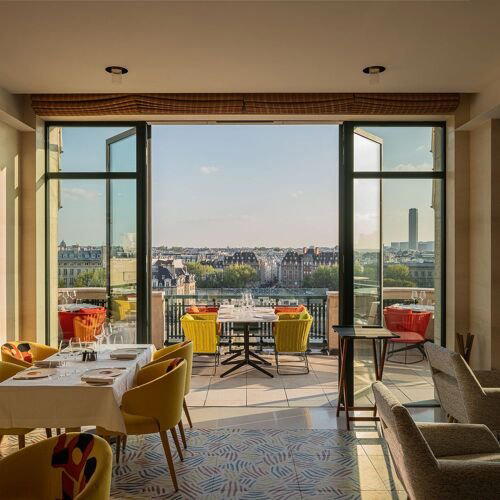
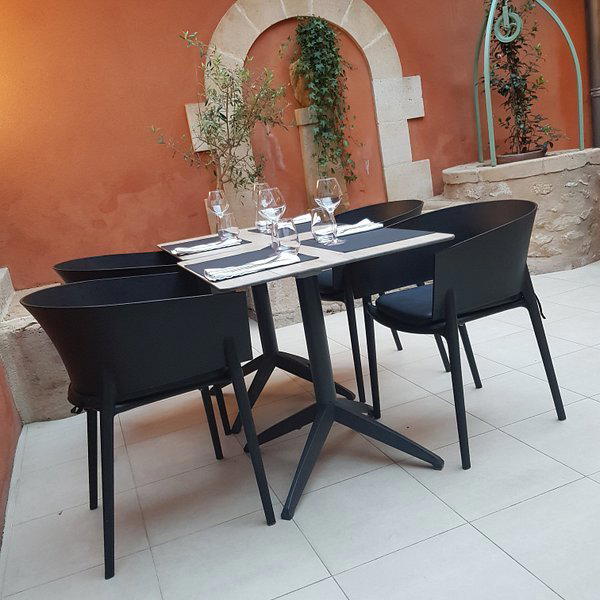
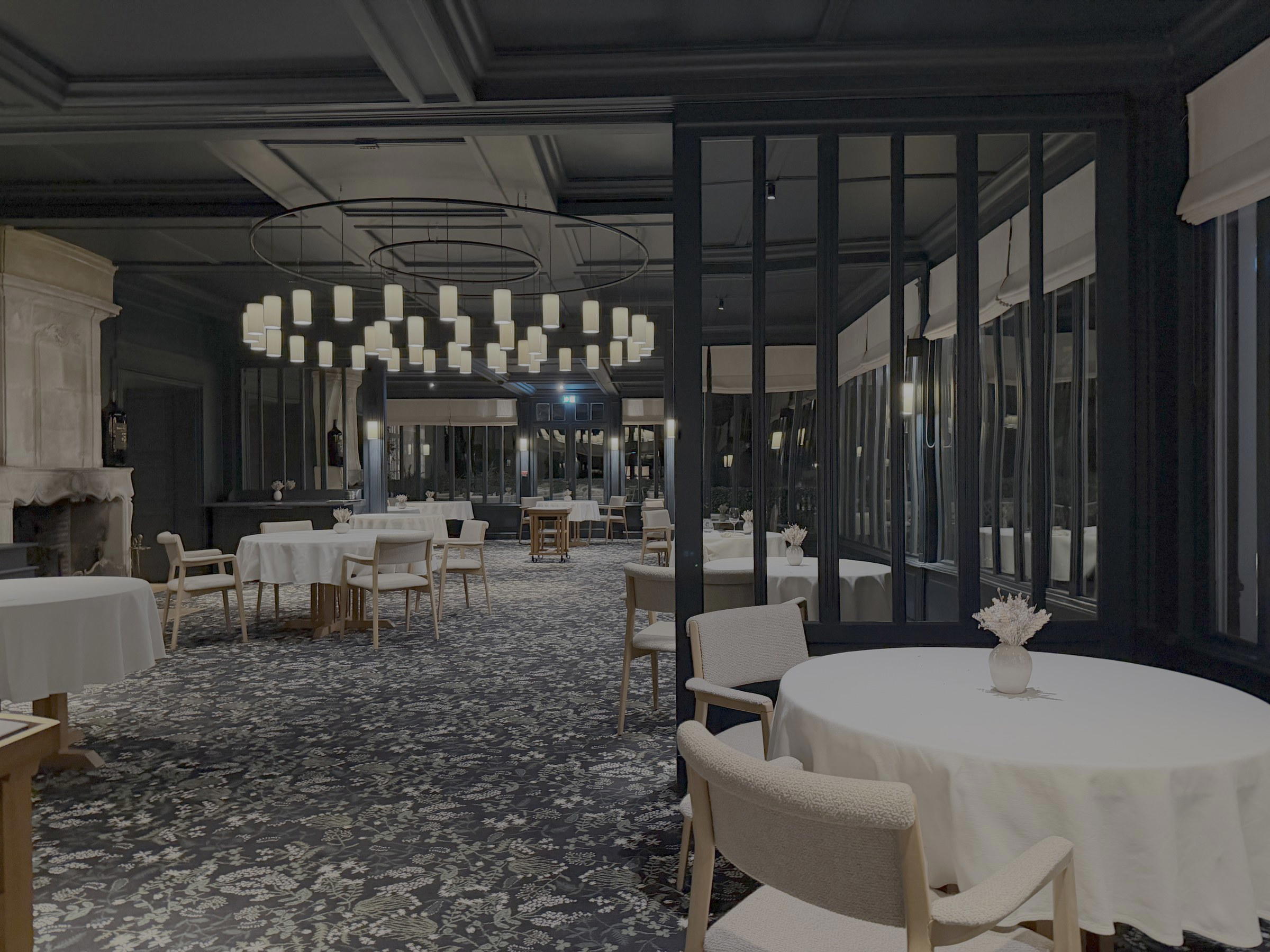
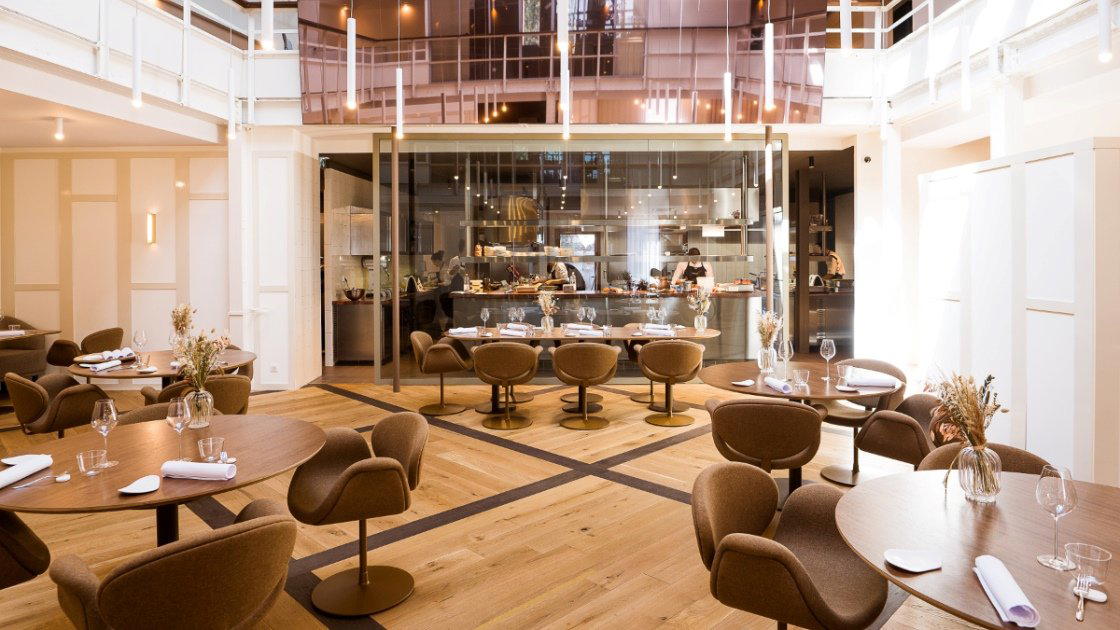
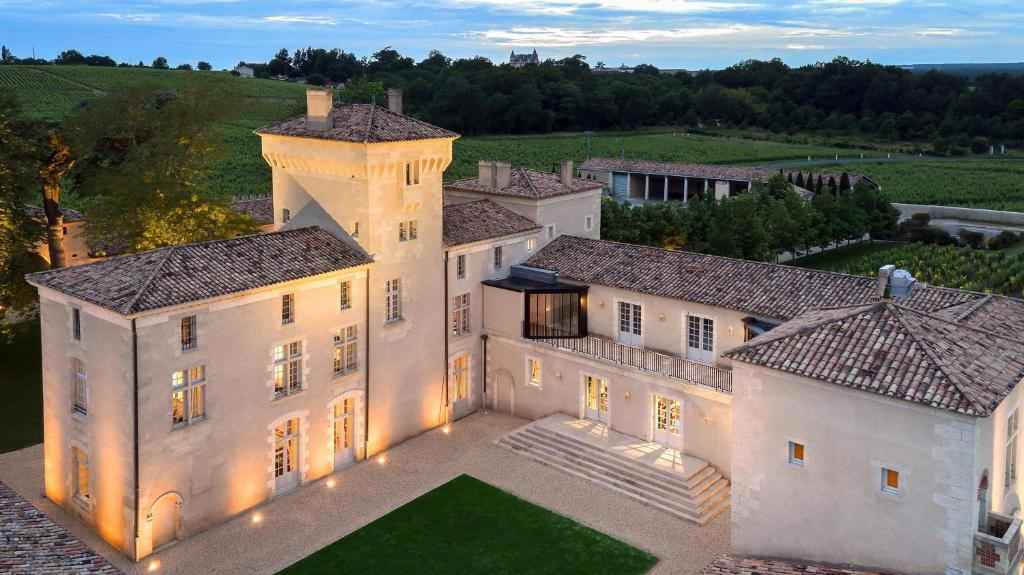
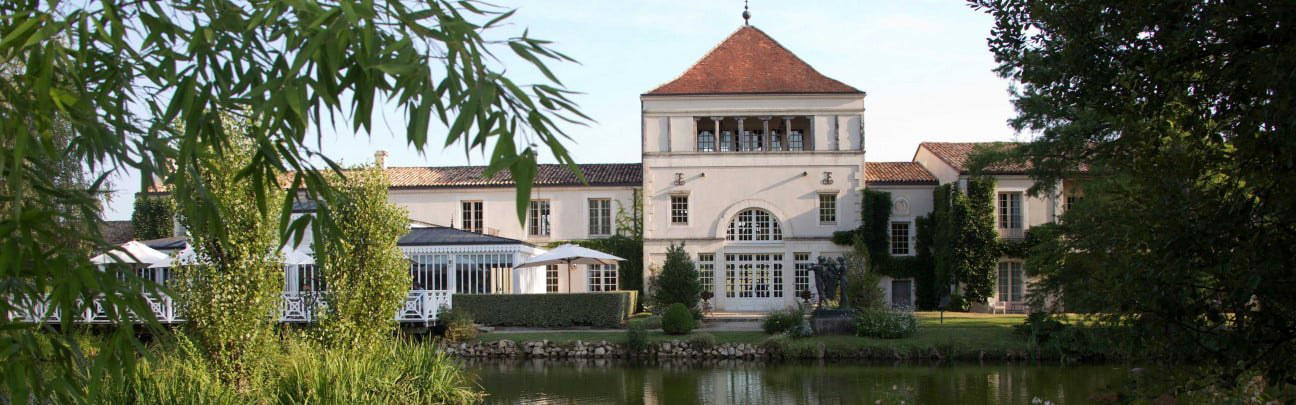
Warm, welcoming family atmosphere with high-quality furnishings and tasteful décor; peaceful setting set among vineyards with thermo-regulated cellars and barrel rooms visible through glass walls.