Château Léoville Barton


Château Léoville Barton has produced Saint-Julien Cabernet-dominant blends continuously since 1821, making it one of the Médoc's longest-running family-held estates.
Pearl is the En Primeur Club membership app — saves, bookings, and concierge access live there. Same editors, same standards.
- Address
- Chateau Langoa Barton, 33250 Saint-Julien-Beychevelle
- Phone
- +33 5 56 59 06 05
- Website
- barton-family-wines.com
- Directions
- Get directions
 Saves & bookings on Pearl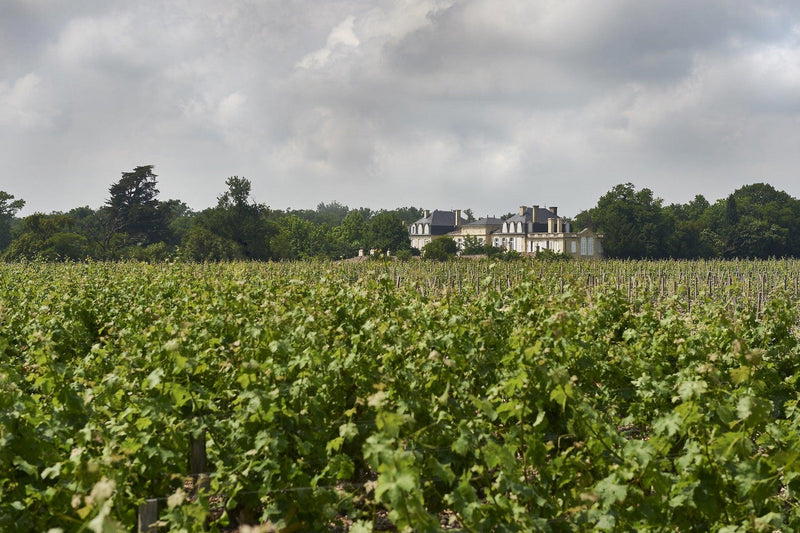
Two Centuries of Unbroken Tenure in Saint-Julien
The road into Saint-Julien-Beychevelle tells you something about how the Médoc organises itself. Château facades appear at regular intervals, their gravel approaches flanked by precisely managed vine rows, the whole corridor carrying the composed, unhurried quality of a region that has been doing this for a very long time. Arriving at Château Léoville Barton, which shares physical grounds with Château Langoa-Barton, that sense of continuity is not incidental. It is structural. The Barton family has held this estate since 1826, and the first vintage recorded under the Léoville Barton name dates to 1821, placing it among the longest unbroken family-run operations in classified Bordeaux.
That duration matters because it shapes how the wine is made. Estates with generational continuity tend to prioritise soil understanding over trend-following, and the Léoville Barton approach reflects that orientation. The appellation itself, Saint-Julien-Beychevelle, sits between Pauillac to the north and Margaux to the south, and its classified properties include Château Beychevelle, Château Gloria, and Château Lagrange. Within this group, Léoville Barton occupies a specific position: second growth classification under the 1855 system, family ownership, and a price point that sits demonstrably below equivalent-classified Pauillac neighbours. That gap has historically made it a reference point for value within classified Bordeaux.
The Viticulture Question in the Médoc
Saint-Julien's gravel-dominant soils, which drain quickly and retain heat through the growing season, have historically supported a conventional viticulture model. But across the Médoc more broadly, pressure has mounted to reconsider inputs, certifications, and long-term soil health. Léoville Barton operates within this shifting context. Winemaker Damien Barton-Sartorius, who oversees production here, works a vineyard planted predominantly to Cabernet Sauvignon with supporting proportions of Merlot and Cabernet Franc, the standard Saint-Julien composition. The management decisions around that vineyard, including cover crops, tillage approaches, and treatment regimes, sit at the centre of how properties in this appellation are differentiating themselves in the current decade.
Across Bordeaux, the move toward high environmental value (HVE) certification has accelerated among second-growth estates, and a cohort of left-bank properties have pursued organic or biodynamic conversion as a signal of long-term commitment to soil health. The incentive structure is partly reputational and partly practical: healthy soil biology correlates with vine resilience in increasingly variable vintage conditions. Estates with deep-rooted, lower-intervention vines have shown more consistent performance across difficult years than those reliant on synthetic correction. For a property like Léoville Barton, where the brand is built on generational continuity rather than spectacle, that long-term soil argument aligns naturally with the existing ownership philosophy.
That kind of multi-vintage consistency is precisely what sustainable viticulture advocates argue their approach produces: vines under lower chemical stress expressing terroir more accurately over time. Whether the specific practices at Léoville Barton align with certified organic or biodynamic standards is a matter of current estate policy, but the broader trend in Saint-Julien among peer properties points toward progressive reduction of synthetic inputs, even where full certification has not yet been pursued.
What the Wine Actually Represents
Saint-Julien occupies a particular sensory and structural register among the Médoc appellations. Its wines are generally described as sitting between the power concentration of Pauillac and the finesse-forward profile of Margaux, with a mid-weight frame, cedar and cassis character, and the structural tannin that demands cellaring. Léoville Barton's Cabernet-dominant blend fits that template, and across the property's history the wine has been noted for ageing capacity rather than early accessibility. A bottle from a strong vintage, correctly cellared, typically requires ten years before the tannin structure softens sufficiently for the wine to show its range.
That time horizon is not unusual in classified Bordeaux. Properties like Château Branaire Ducru in the same appellation and Château Batailley in Pauillac operate on similar patience requirements. The en primeur market exists largely because of this gap between release and drinking window, and Léoville Barton has long been traded en primeur as a consequence. For buyers who track Bordeaux futures, the estate's second-growth status combined with family ownership and relatively controlled pricing has historically made it a consistent allocation target.
Comparison with estates outside the Médoc context helps calibrate expectations. Properties making structured, long-lived reds from cool-climate sites, whether in the northern Rhône, Piedmont, or parts of California, often develop similarly patient followings. In Bordeaux itself, the comparison set includes fellow Saint-Julien second growths and outliers like Chateau Le Pin in Pomerol, which operates at a dramatically different price tier but illustrates how family ownership and consistency can build allocation-driven demand across very different positioning strategies.
The Estate in Its Neighbourhood
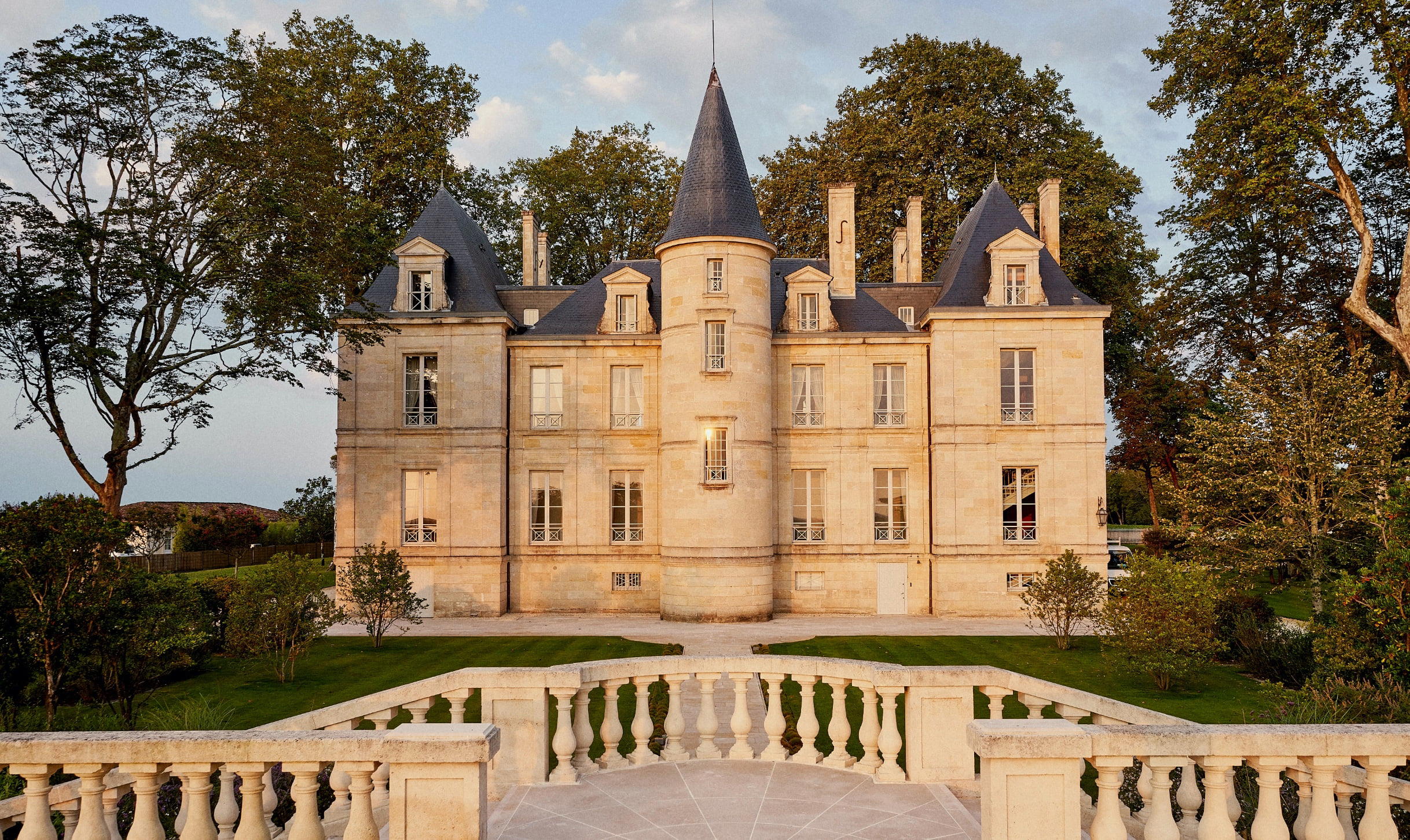
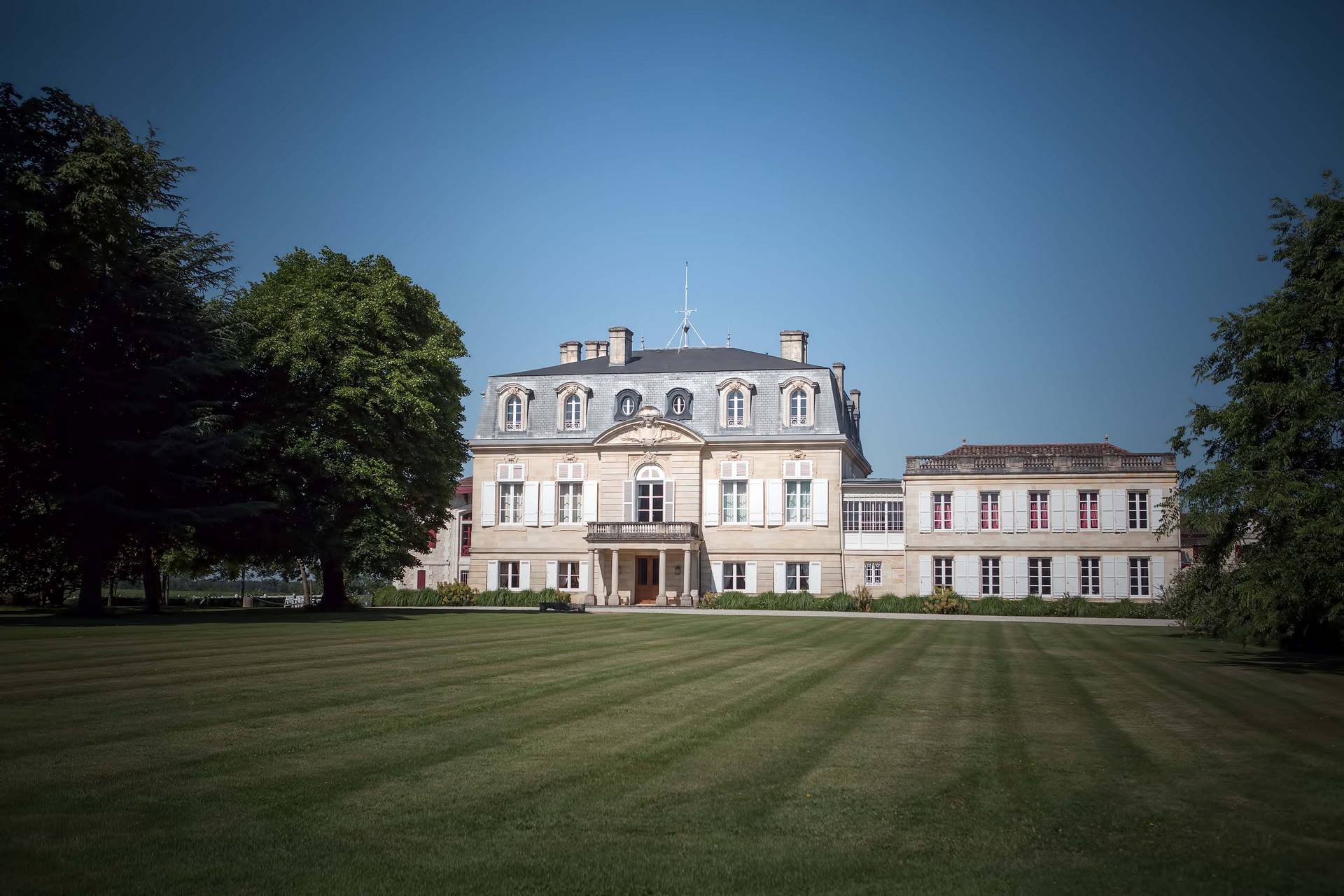
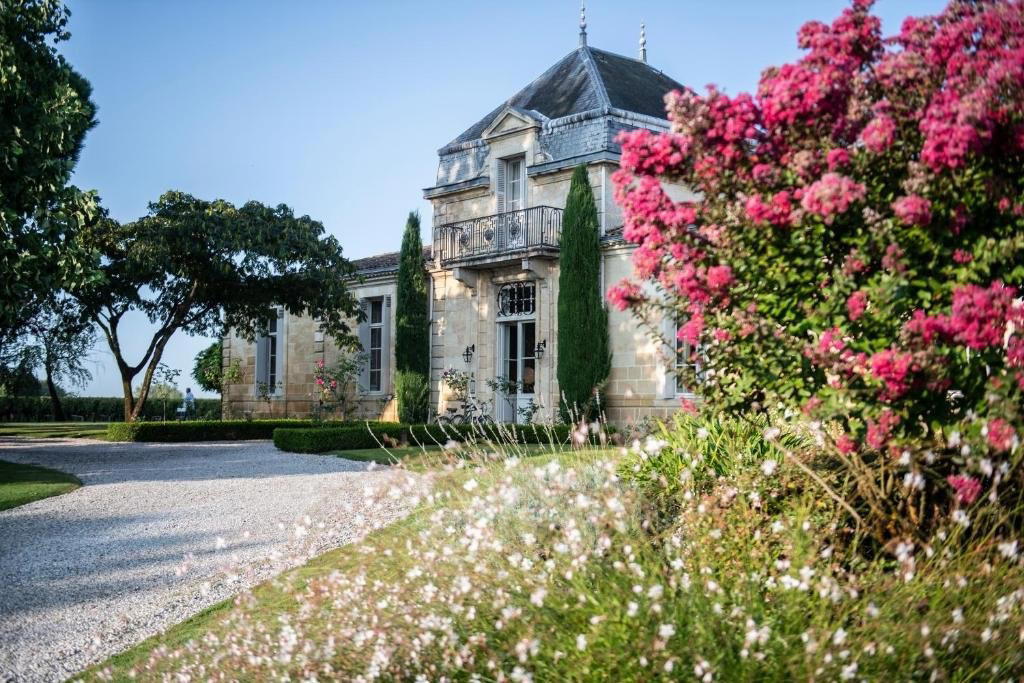
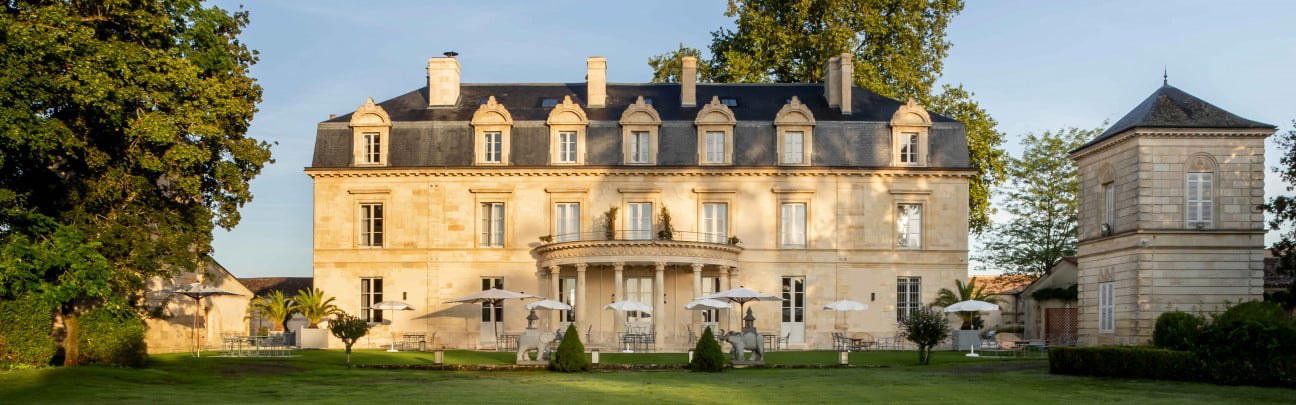
The physical relationship between Léoville Barton and Langoa Barton is unusual in the Médoc context. Both estates are run by the same family, share the same winemaking team under Damien Barton-Sartorius, and are produced at the Langoa Barton château, which functions as the operational centre for both. This arrangement means visitors approaching the property encounter Langoa's château buildings first, with Léoville Barton's vines adjacent but without a separate physical presence. It is a detail that occasionally surprises those accustomed to each classified growth having its own distinct premises.
Within walking distance, the appellations' other properties give Saint-Julien-Beychevelle a particular density of classified production. For those spending time in the region, the village itself and surrounding appellations repay exploration. Our full Saint-Julien-Beychevelle guide maps the broader estate and hospitality landscape. Further afield in France, estates operating in very different registers, from Albert Boxler in Niedermorschwihr to Château Bastor-Lamontagne in Preignac and Château Bélair-Monange in Saint-Emilion, illustrate how diverse France's classified wine culture remains across regions. International context from producers like Accendo Cellars in St. Helena and Château Boyd-Cantenac in Cantenac further shows how the left-bank Cabernet model has influenced winemaking globally while remaining distinctly Bordelais at its source.
Planning a Visit
Château Léoville Barton is located at Chateau Langoa Barton, 33250 Saint-Julien-Beychevelle, and visits to the property take place through the Langoa Barton reception. The Médoc's classified estates do not operate as open-access tourist sites; visits are typically arranged in advance and are suited to those with a focused interest in classified Bordeaux production rather than casual wine tourism. The Saint-Julien appellation sits roughly an hour north of Bordeaux city by car, and the D2, known as the Route des Châteaux, connects the major estates in sequence. Visiting in autumn, after harvest, offers the most active production atmosphere, though the vines themselves are most visually expressive in late spring through summer. Other producers in the region worth scheduling alongside include Chartreuse in Voiron for a contrasting French artisan tradition, and Aberlour in Aberlour for those extending a European spirits-and-wine trip across categories.
Recognition history
Dated appearances from independent guides and award organizations, with the underlying list record or original source where available.
Falstaff Winery - 4 Stars
Falstaff
Michelin 1 Grape
Michelin
Continue exploring
More in Saint-Julien-Beychevelle
Wineries in Saint-Julien-Beychevelle
Browse all →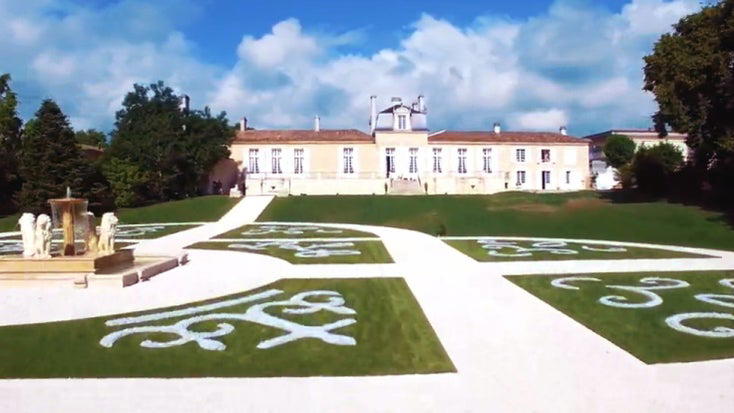
Bars in Saint-Julien-Beychevelle
Browse all →
Restaurants in Saint-Julien-Beychevelle
Browse all →
At a Glance
- Classic
- Elegant
- Sophisticated
- Well Known
- Wine Education
- Special Occasion
- Vineyard Tour
- Barrel Room
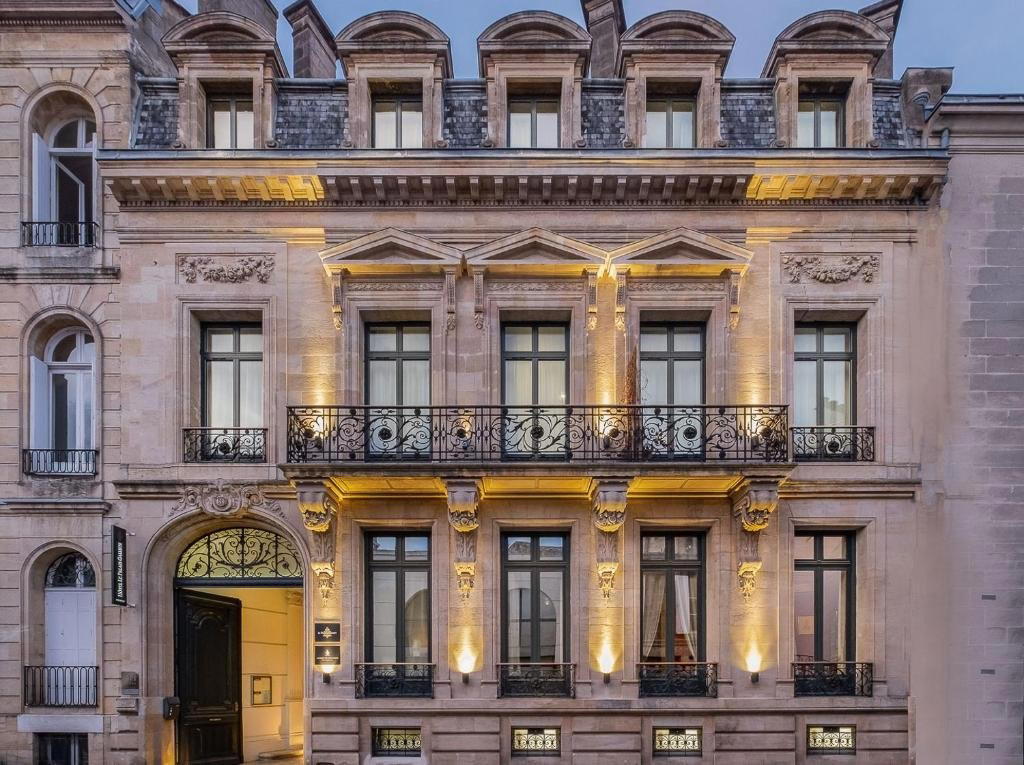
- Historic Building
- Sustainable
- Vineyard
- Waterfront
- Saint Julien AOC
- Cabernet Sauvignon
- Merlot
- Cabernet Franc
- Still Red
- Cave Tasting
- Private Tasting
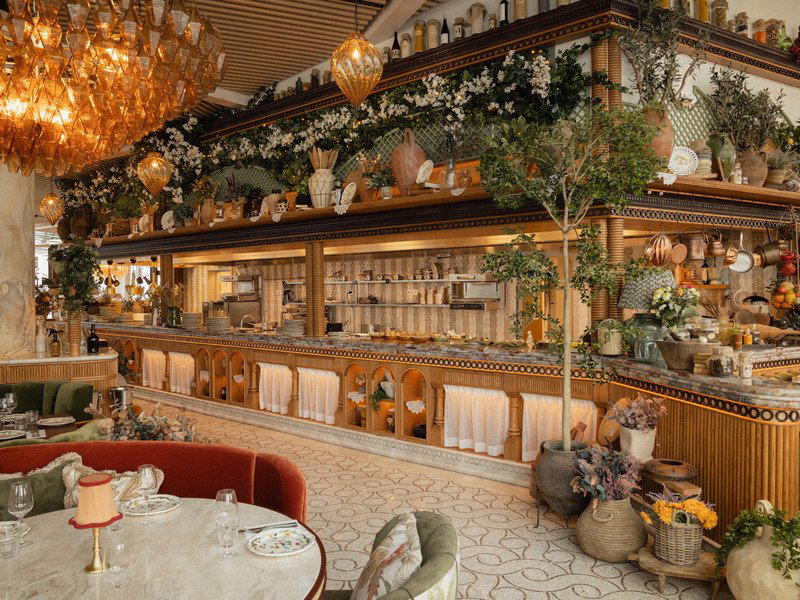
Classic and elegant with traditional winemaking atmosphere featuring wooden vats and barrel aging cellars.
Know Before You Go
- Getting there
- Chateau Langoa Barton, 33250 Saint-Julien-Beychevelle