

Michelin 1 Grape · Falstaff Winery - 4 Stars
The property sits within the dense concentration of classified Sauternes and Barsac estates that make this corner of Bordeaux one of the world's most compelling destinations for late-harvest wine.

Pearl is the En Primeur Club membership app — saves, bookings, and concierge access live there. Same editors, same standards.
- Address
- Suduiraut, 33210 Preignac
- Phone
- +33 5 56 63 61 92
- Website
- suduiraut.com
- Directions
- Get directions
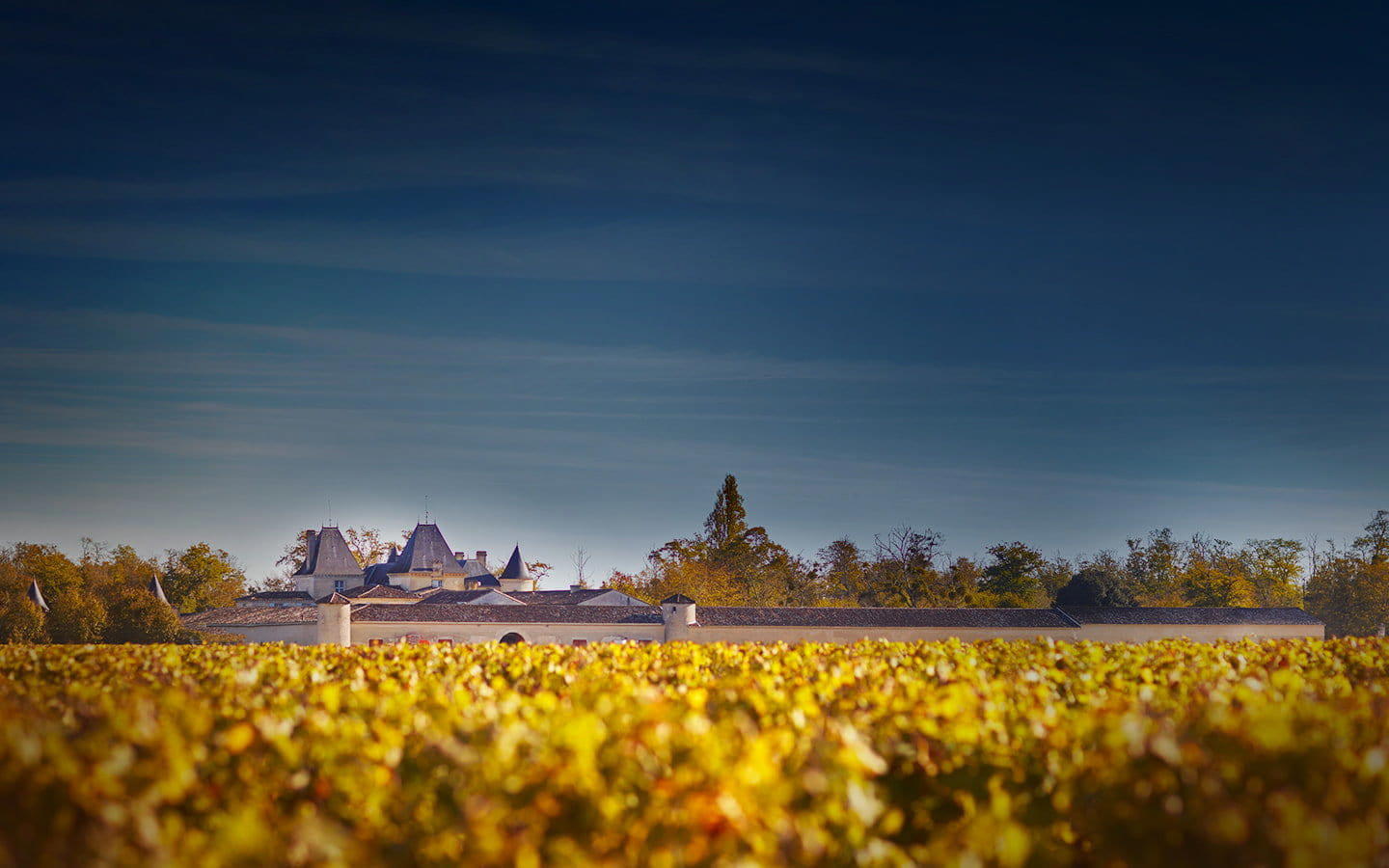
The Sweet Wine Country South of Sauternes
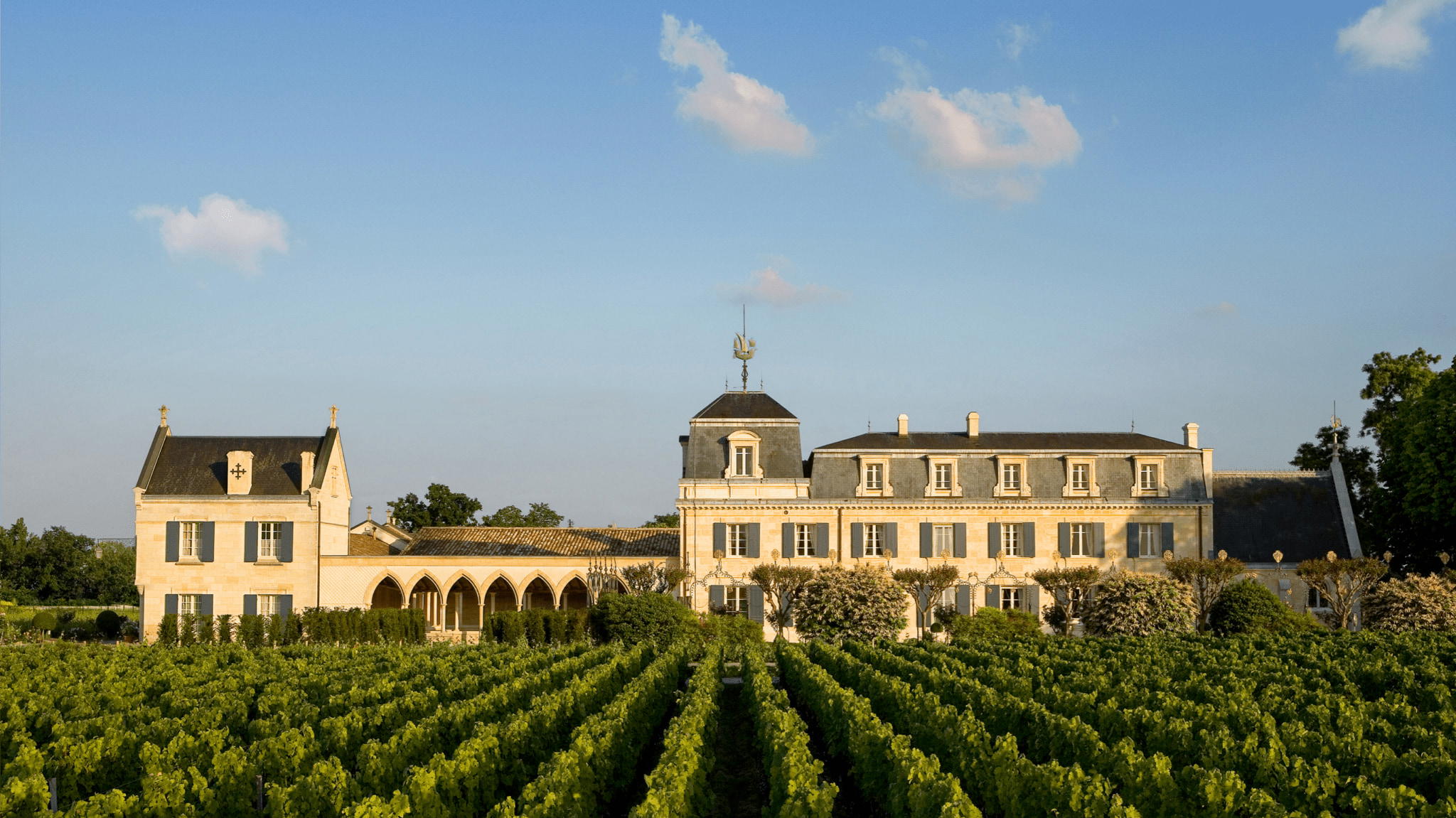
The road south from Bordeaux through the Graves flattens into a range of low vines and stone gatehouses before arriving in Preignac, one of five communes entitled to the Sauternes appellation. This is dense classified-growth territory. Estates producing botrytis-affected sweet wine from Sémillon and Sauvignon Blanc sit within a few kilometres of each other, and the 1855 classification still shapes the commercial and critical hierarchy here more than in almost any other Bordeaux appellation. Château Suduiraut holds Premier Cru Classé status within that classification, placing it in the tier directly below Château d'Yquem and above the Deuxièmes Crus. That positioning matters when you consider what the tasting experience at this level is meant to offer: wines of notable concentration, extended ageing potential, and a complexity that takes years, sometimes decades, to fully resolve.
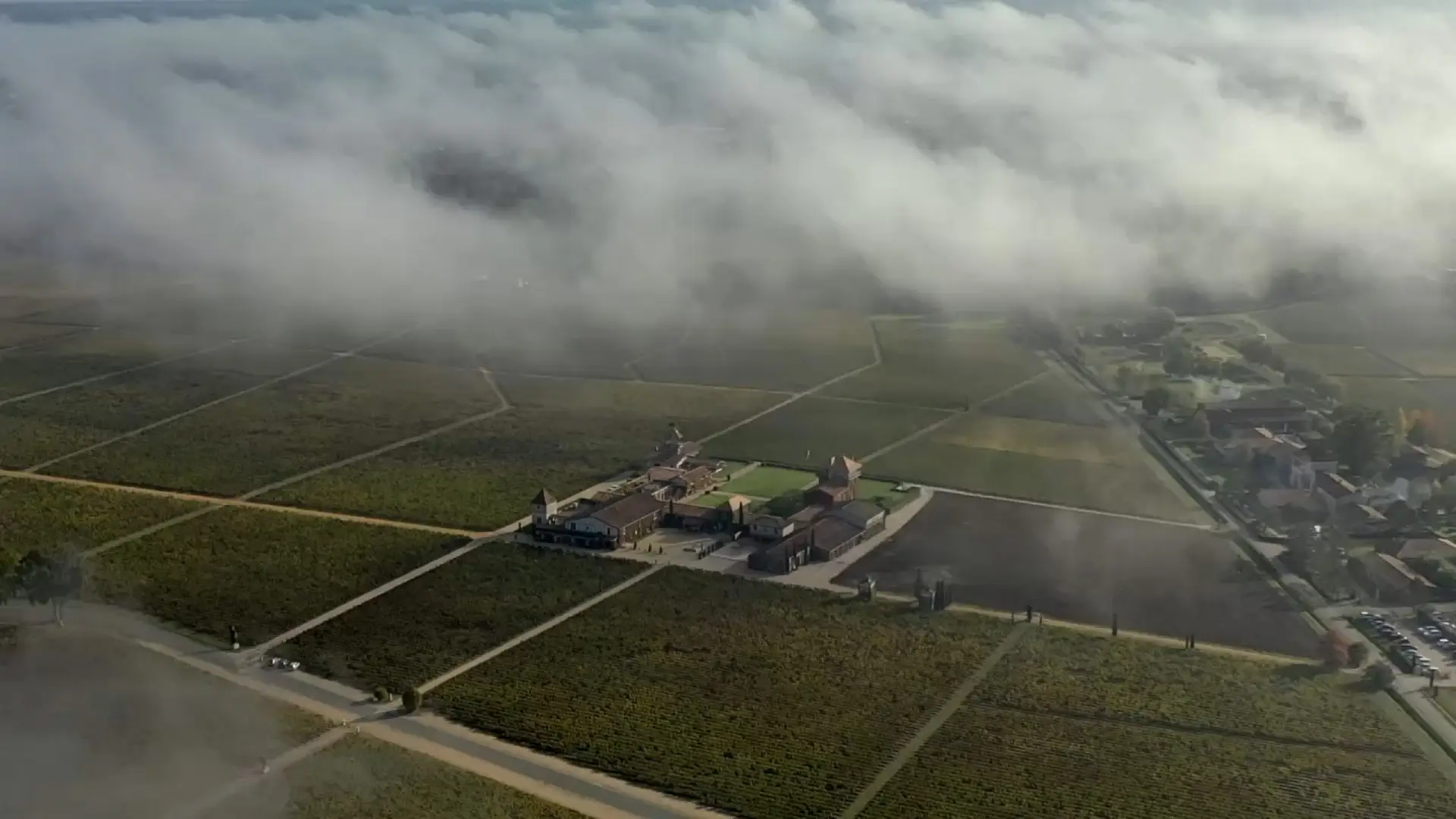
For visitors exploring the Sauternes zone, the choice between estates involves understanding how the communes differ. Preignac sits at the northern edge of the appellation, its vineyards benefiting from the morning mists that rise off the Ciron river and promote the Botrytis cinerea mould that transforms ripe Sémillon into something altogether different from a dry white wine. Château Bastor-Lamontagne, another notable Preignac estate, occupies a different classification tier and offers a useful point of comparison when assessing what Premier Cru status implies in practical, sensory terms.
A Tasting Visit in Context
Arriving at a Premier Cru estate in Sauternes is a different proposition from visiting a dry-wine château in the Médoc. The tasting format here is oriented around a wine that demands a particular kind of attention: slow, deliberate, and ideally served slightly chilled in modest pours. The richness of a well-aged Premier Cru Sauternes means that a standard tasting flight is shorter by volume than its red Bordeaux equivalent, and the conversation tends to move quickly toward harvest conditions, botrytis coverage, and selection percentages rather than blending ratios or barrel ageing protocols.
Under winemaker Pierre Montégut, Suduiraut's production philosophy sits within the classical Sauternes tradition: Sémillon-dominant blends, selective hand-harvesting in multiple passes through the vineyard (known as tries), and significant new oak ageing in barrel. The result is a wine that, in strong vintages, shows the golden-amber colour, apricot and honey aromatics, and the tension between sweetness and acidity that distinguishes a Premier Cru from more straightforwardly sweet Sauternes.
Visitors should be aware that the tasting experience at classified Sauternes estates is typically more appointment-driven than at comparable Médoc châteaux. The production calendar here revolves around a harvest that can stretch from September into November depending on botrytis progression, and estate staff are structured accordingly. Planning ahead is advisable, particularly for visits during or around harvest season, when access may be restricted.
How Suduiraut Sits Within the Premier Cru Tier
The 1855 classification created eleven Premier Crus in Sauternes, a group that includes estates spread across four of the five communes. The estate's vineyards in Preignac place it alongside Château d'Arche, which holds Deuxième Cru status, and not far from the commune of Fargues, where Château de Fargues operates outside the classified system but commands significant critical attention.
The sweet wine category within Bordeaux is one where critical recognition has become increasingly specific about vintage variation. A Premier Cru estate in a modest botrytis year produces something fundamentally different from the same estate in a year when conditions align perfectly for full noble rot coverage. This variability is part of what makes vertical tastings at properties like Suduiraut instructive: the contrast between vintages teaches more about how botrytis functions than any single bottle can demonstrate. Collectors and trade buyers focused on Sauternes often seek access to library vintages precisely for this reason.
For context beyond the appellation, the classified-growth model in Sauternes parallels, in some respects, the tiered production structures found at other French estates. Albert Boxler in Niedermorschwihr operates under a similarly focused, single-domaine philosophy in Alsace, where the terroir-lot system creates its own hierarchy of wines at different price and complexity points. The comparison is useful for visitors who are fluent in other French wine regions: the classification logic differs, but the emphasis on site fidelity and selective production is recognisable across both traditions.
Placing Preignac in a Broader Bordeaux Visit
Preignac is a practical base for covering the full Sauternes appellation in a day, with the commune positioned at a point that allows easy access northward to Barsac and southward to Sauternes itself. Visitors combining classified-growth Sauternes with a Left Bank itinerary can reach Château Batailley in Pauillac or Château Branaire Ducru in St-Julien within an hour's drive, though the contrast between a dry Cabernet-driven Médoc and a botrytis Sémillon Sauternes is significant enough that moving between the two on the same day requires recalibrating expectations. The structural richness of a Premier Cru Sauternes, even in modest format pours, tends to saturate the palate in a way that makes dry red wine tasting more difficult afterward rather than before.
For those extending the visit into other Bordeaux appellations, Château Bélair-Monange in Saint-Émilion, Château Clinet in Pomerol, Château Cantemerle in Haut-Médoc, and Château Boyd-Cantenac in Cantenac each represent different classification tiers and appellation styles worth mapping against the Sauternes experience. The diversity of Bordeaux's classified-growth system, from dry Graves whites to the concentrated sweetness of a Premier Cru Sauternes, is better understood through comparison than through individual visits in isolation.
Dining around Preignac is modest in scope, but the broader Bordeaux food scene is accessible within a reasonable drive. Our full Preignac restaurants guide covers the practical options for dining before or after a tasting visit to the appellation. Pairing a Premier Cru Sauternes with food in the classic regional tradition, foie gras, Roquefort, or simply stone fruit preparations, provides the kind of contextual tasting experience that a cellar visit alone cannot replicate.
For wine travellers whose itineraries extend beyond France, the contrast with other premium regional producers in different categories is instructive. Estates like Château d'Esclans in Courthézon and producers like Accendo Cellars in St. Helena or Aberlour in Aberlour operate under entirely different production logics, but the common thread for serious wine and spirits visitors is the same: classification or critical standing matters less than understanding the specific tradition a producer sits within and what the tasting format can teach about that tradition. Chartreuse in Voiron offers a point of reference for how French regional producers with deep classification heritage translate that standing into a visit-worthy experience, even when the category, liqueur rather than wine, sits at a remove from Sauternes entirely.
Planning the Visit
Preignac is roughly 40 kilometres southeast of Bordeaux city, accessible by car along the A62 motorway or the D10 route through the Graves. As with most classified-growth properties in Sauternes, appointments are the expected format for estate visits, and direct contact via the château is advisable well in advance of arrival. Harvest-period visits, typically September through November, carry the highest chance of restricted access but also the most instructive context for understanding how botrytis-affected harvesting actually functions. Visitors arriving outside harvest will find a quieter, more considered tasting environment, better suited to working through older vintages where they are made available.
Cuisine Lens
Comparable venues nearby, for context on price, style, and recognition.
| Venue | Cuisine | Awards | Notes |
|---|---|---|---|
| Château SuduirautThis venue — the venue you are viewing | Semillon, Sauvignon Blanc | Michelin 1 Grape · Falstaff Winery - 4 Stars | Not listed |
| Château Bastor-Lamontagne | Semillon, Sauvignon Blanc | Falstaff Winery - Listed | Preignac |
| Château de Fargues | Semillon, Sauvignon Blanc | Michelin 2 Grapes · Falstaff Winery - Listed | Preignac |
| Château Guiraud | Semillon, Sauvignon Blanc | Michelin Main Selection · Falstaff Winery - 3 Stars | Sauternes |
| Chateau Ausone | Cabernet Franc, Merlot | Michelin 2 Grapes · Falstaff Winery - Listed | Saint-Emilion |
| Château Clos Fourtet | Merlot, Cabernet Franc | Michelin Main Selection · Falstaff Winery - 4 Stars | Saint-Emilion |
Recognition history
Dated appearances from independent guides and award organizations, with the underlying list record or original source where available.
Michelin 1 Grape
Michelin
Falstaff Winery - 4 Stars
Falstaff
Continue exploring
More in Preignac
Wineries in Preignac
Browse all →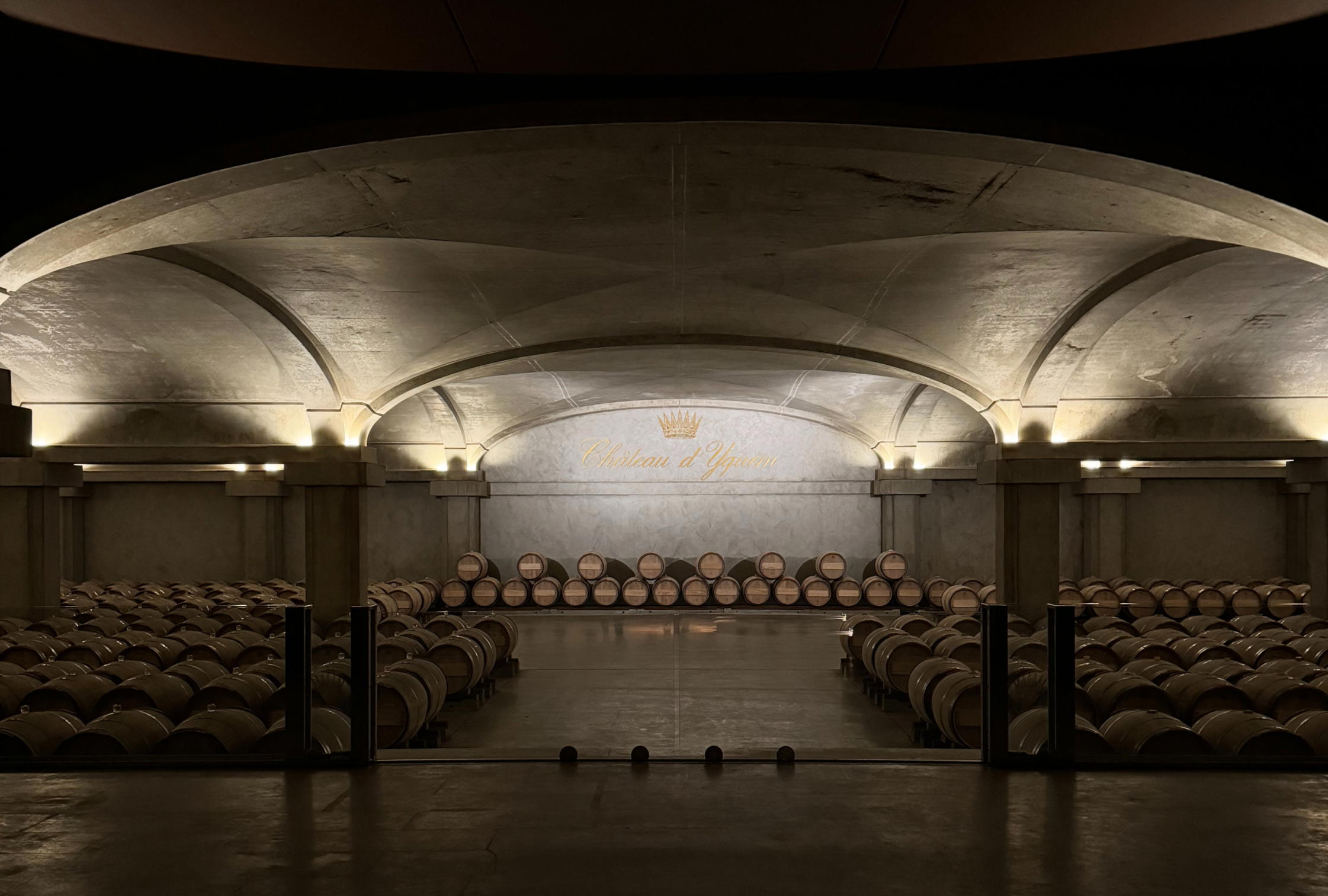
Bars in Preignac
Browse all →
Restaurants in Preignac
Browse all →
Details
- Elegant
- Classic
- Scenic
- Sophisticated
- Historic
- Wine Education
- Special Occasion
- Vineyard Tour
- Historic Building
- Garden
- Sustainable
- Vineyard
- Garden
- Semillon
- Sauvignon Blanc
- Dessert
- Private Tasting
- Masterclass
- English
- French
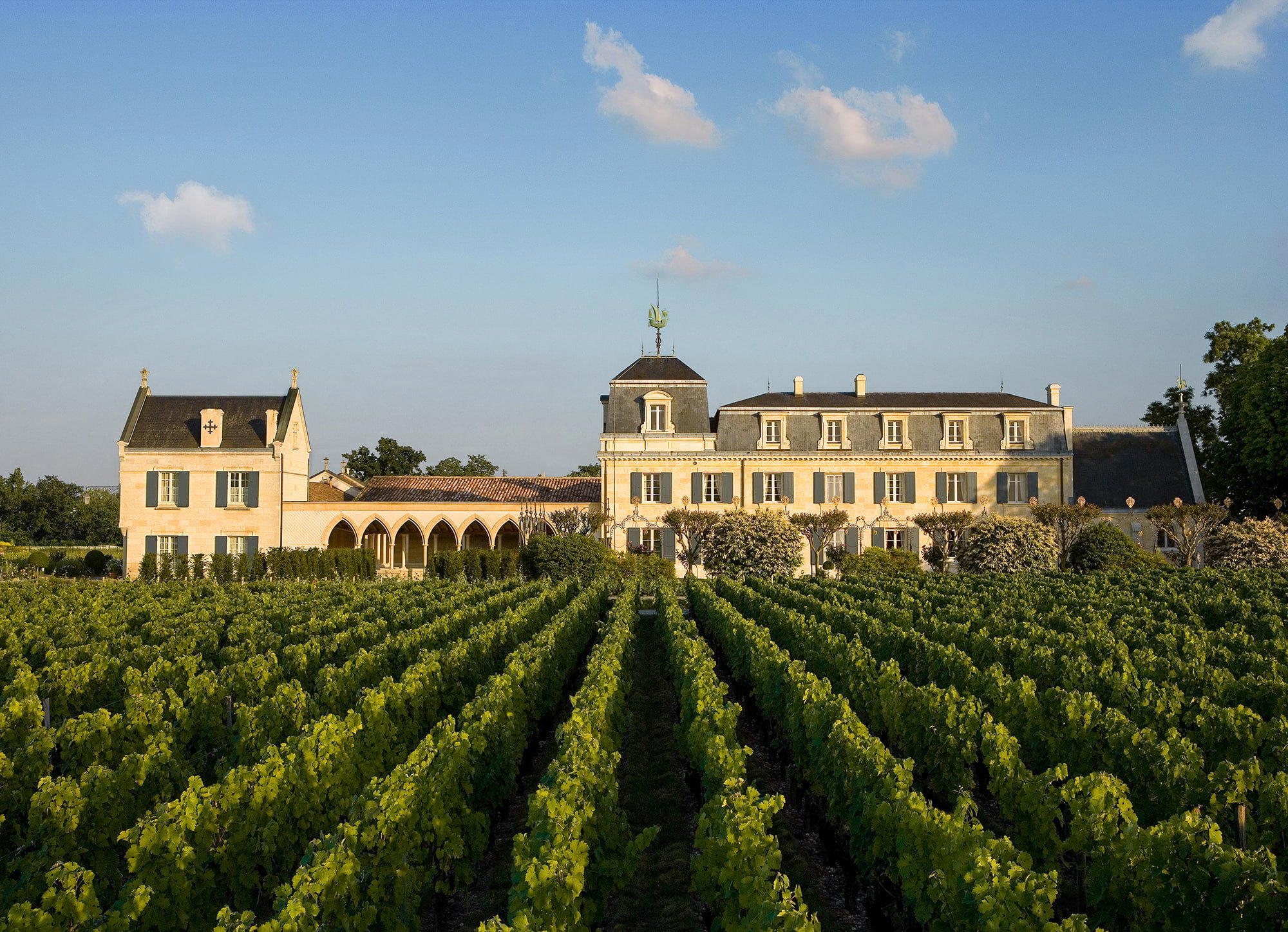
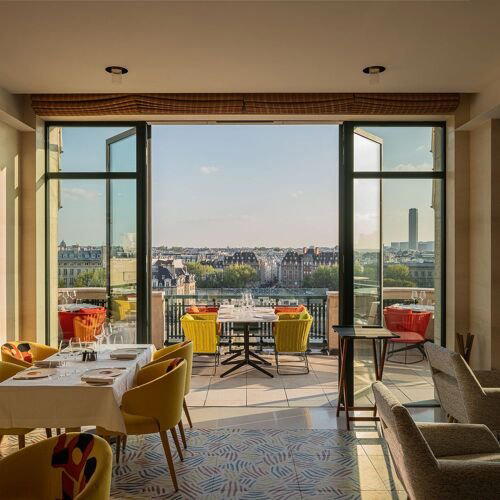
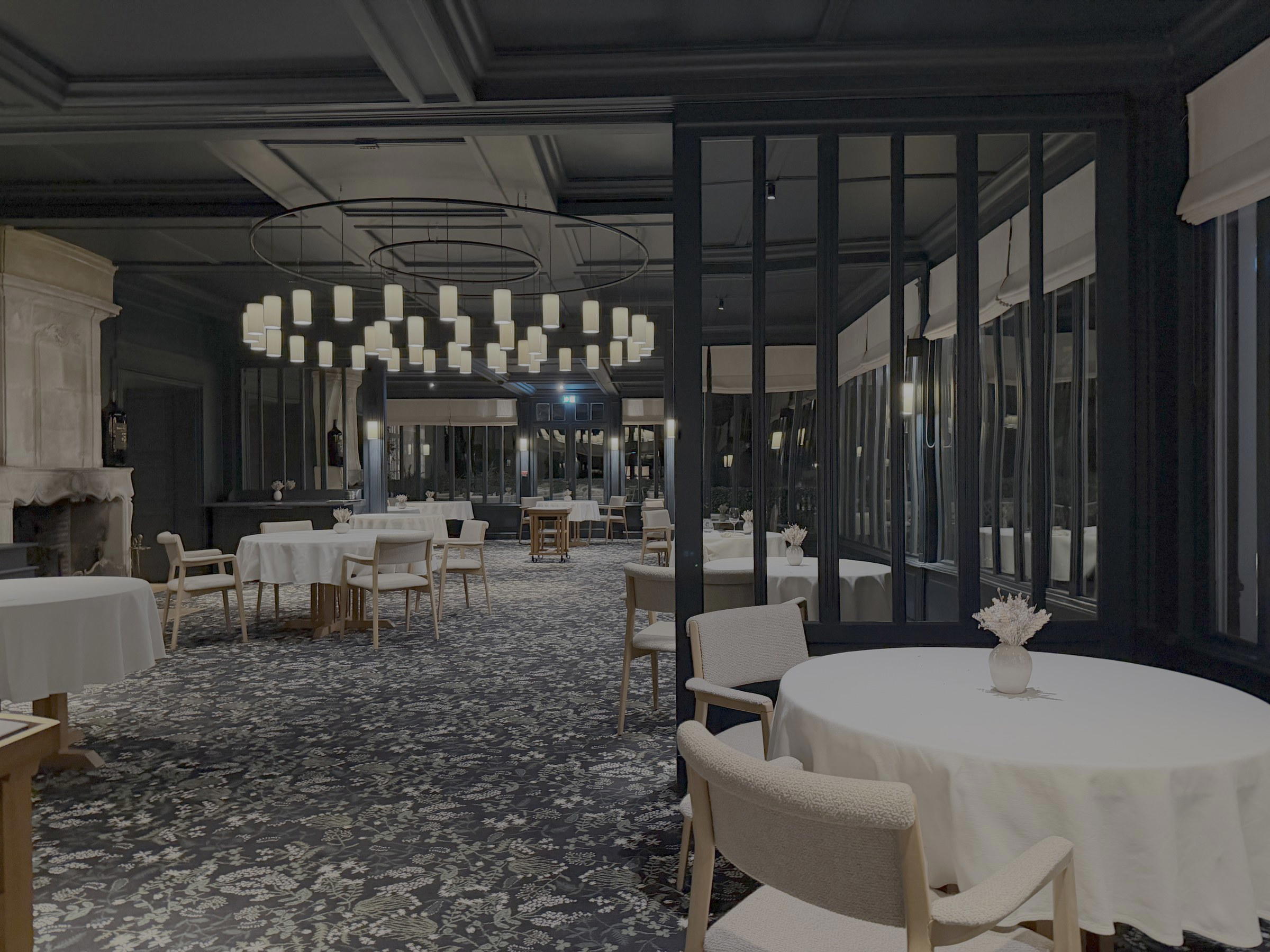
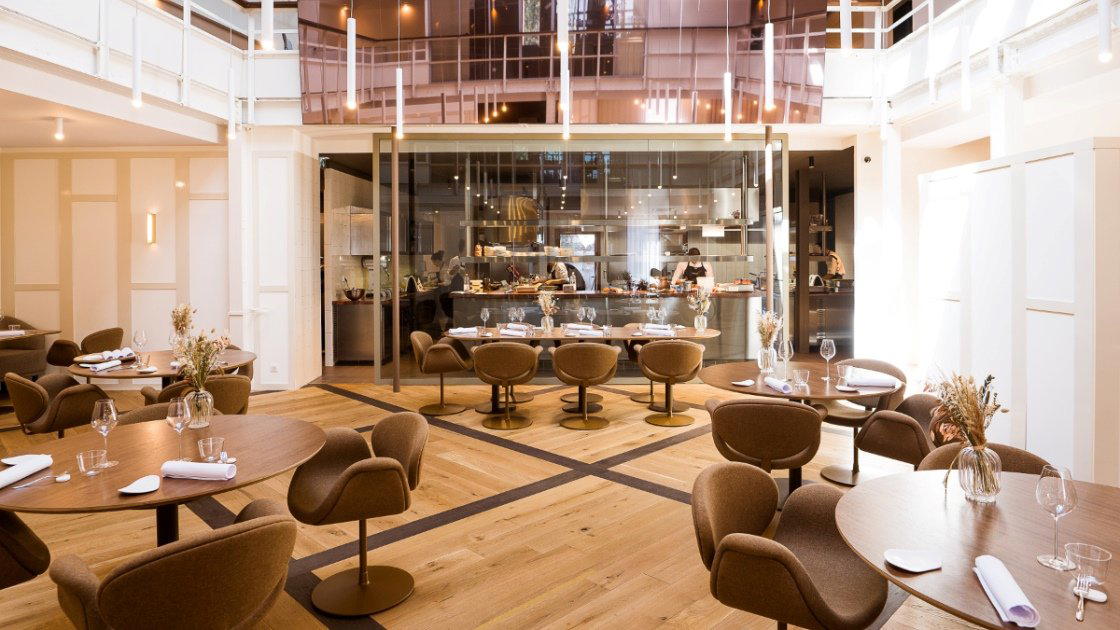
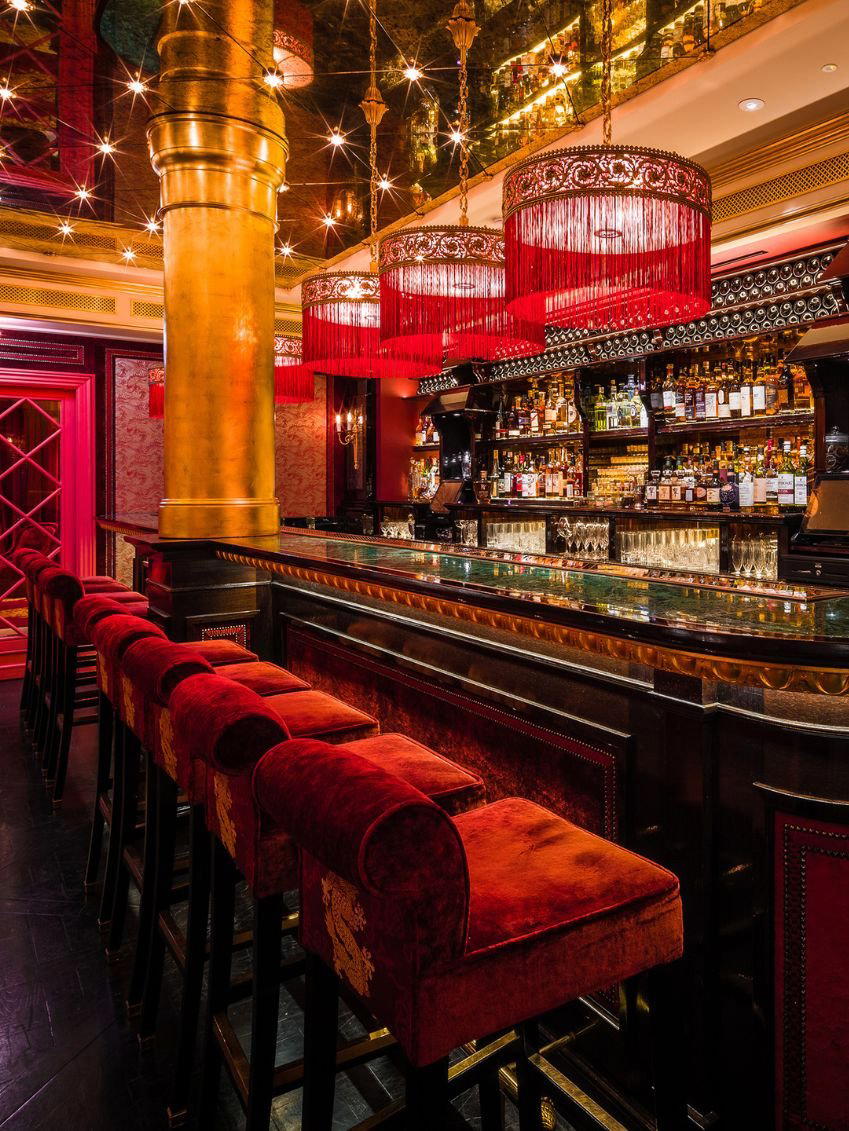
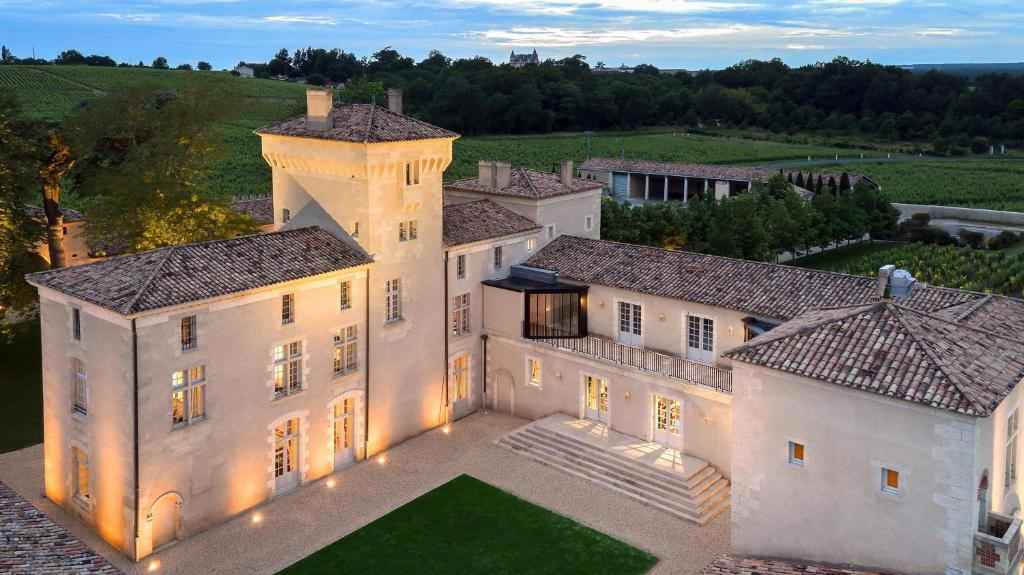
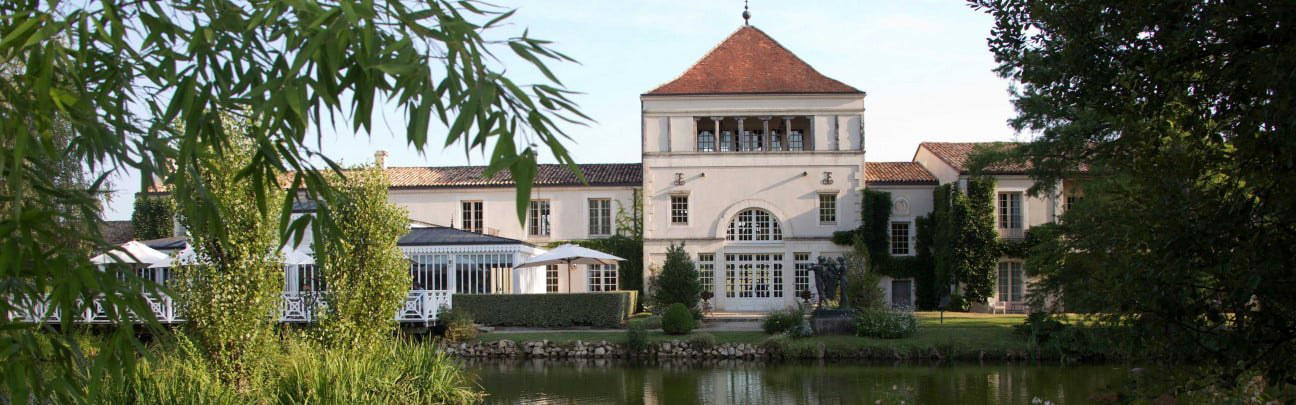
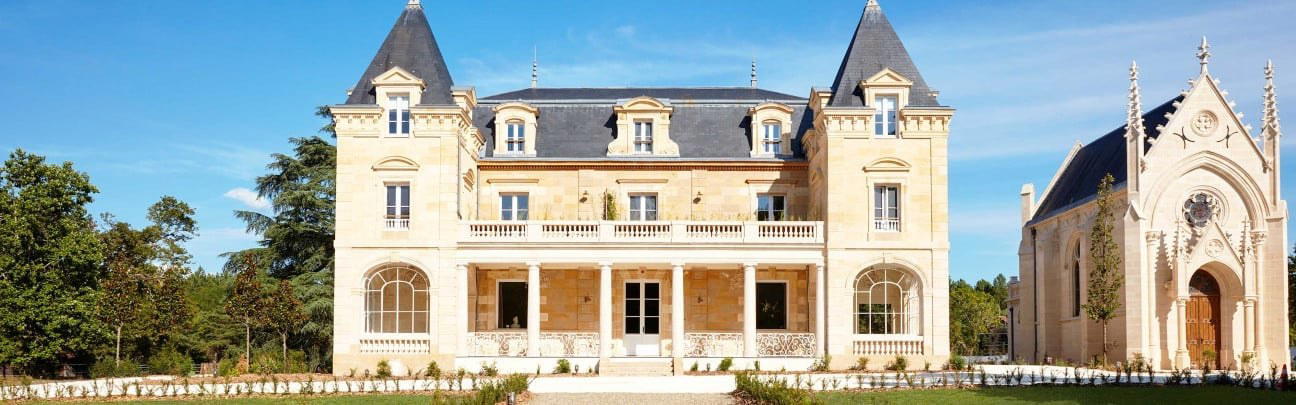
Elegant and tranquil historic chateau atmosphere with beautiful gardens, rustic yet well-kept cellars, and sophisticated tasting rooms.