Jordan Vineyard & Winery


Founded in 1972 as an homage to Bordeaux, Jordan Vineyard & Winery sits on Alexander Valley Road in Healdsburg, producing Cabernet Sauvignon and Chardonnay from a French-inspired château estate.
Pearl is the En Primeur Club membership app — saves, bookings, and concierge access live there. Same editors, same standards.
- Address
- 1474 Alexander Valley Rd, Healdsburg, CA 95448
- Phone
- +1 707-431-5250
- Website
- jordanwinery.com
- Directions
- Get directions
 Saves & bookings on Pearl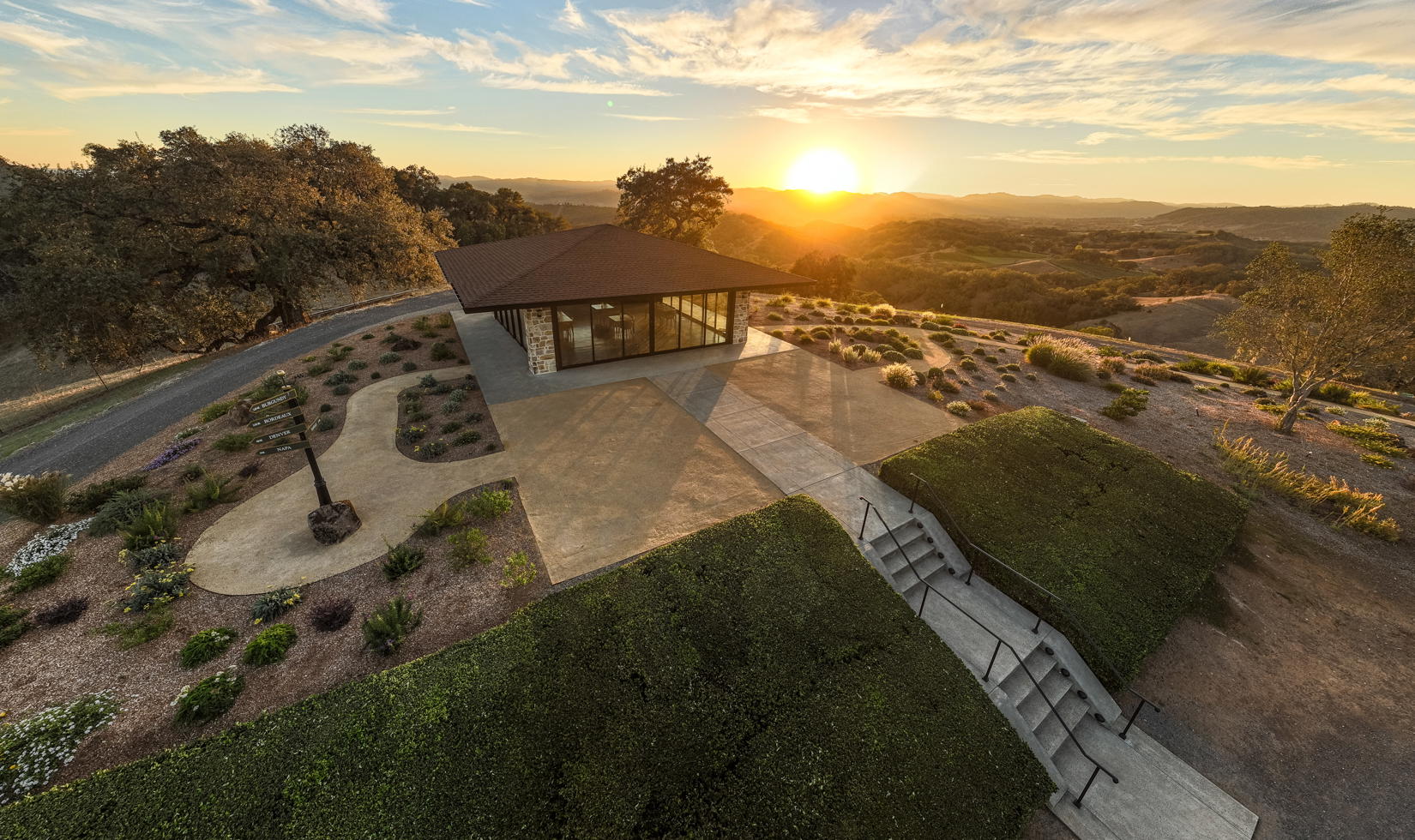
A Châteaux Model, Tested by Five Decades
When the ivy-clad château at 1474 Alexander Valley Road was completed in the early 1970s, the architectural statement it made was deliberate and somewhat audacious: California wine, argued in the grammar of Bordeaux. The estate was founded in 1972, at a moment when Sonoma County's Alexander Valley AVA was still finding its identity, and when French-influenced winemaking in California was a proposition rather than an established tradition. That positioning, French in form, Californian in terroir, has defined Jordan's place in the regional conversation ever since, and the way that position has evolved over five decades is what gives the property its editorial interest today.
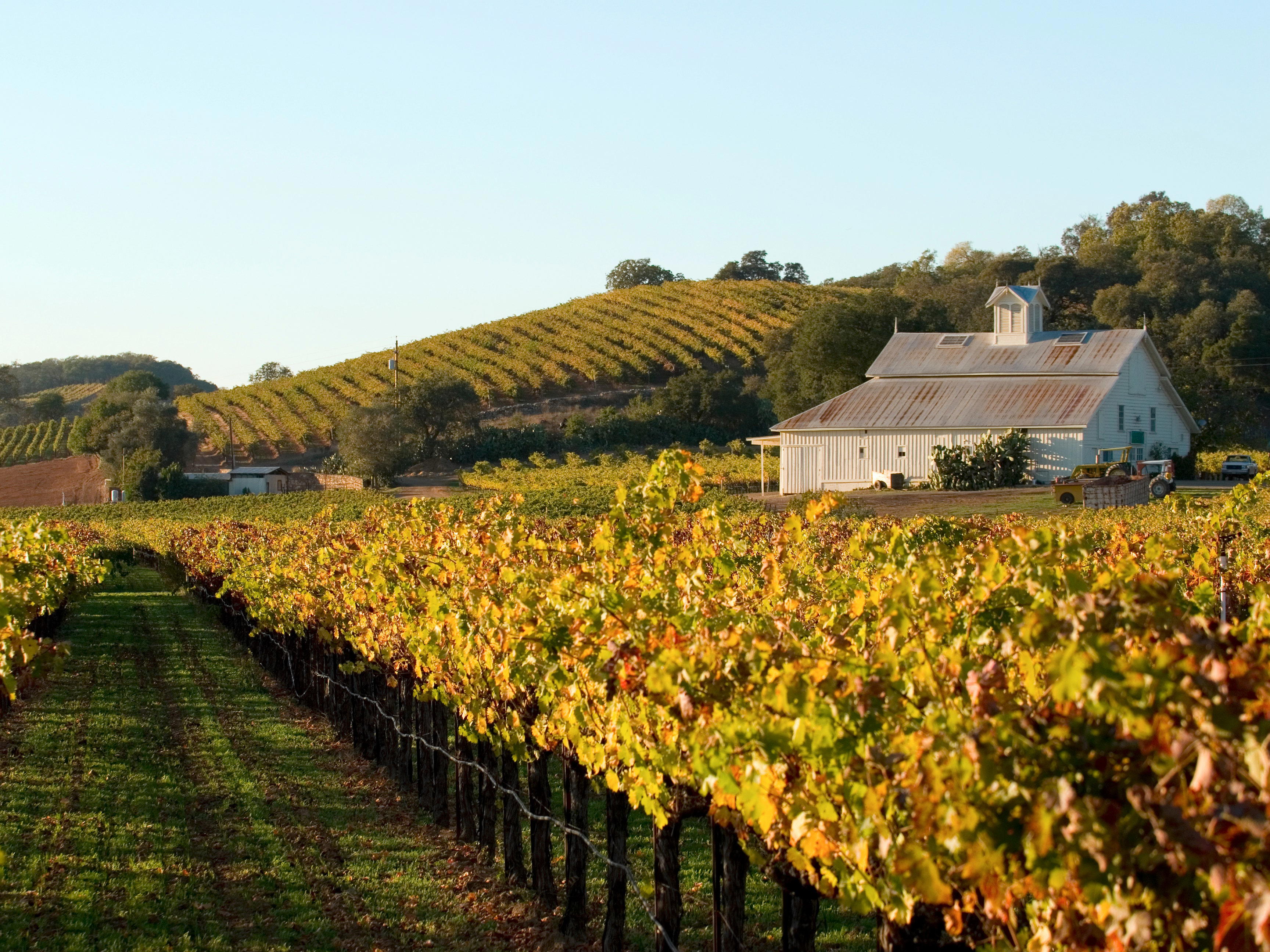
The broader context matters here. Alexander Valley, running roughly from Cloverdale south toward Healdsburg, built its reputation on warm-climate Cabernet Sauvignon with reliable ripeness and approachable structure. That profile suits the Bordeaux analogy Jordan has always leaned into. Across the same stretch of road and surrounding hillsides, producers like Alexander Valley Vineyards in Geyserville have cultivated similar soil with different stylistic ambitions. Jordan's decision, from the outset, was to pursue a restrained, food-friendly style, lower alcohol by Sonoma standards, less new-oak influence, that positioned it against Napa Valley's richer Cabernet tier rather than within it. That was a meaningful editorial stance in 1972; it remains one now.
How the Estate Has Repositioned Across Decades
The evolution at Jordan is less about dramatic reinvention and more about sustained refinement of an original thesis. In its first two decades, the winery operated largely on the strength of its Cabernet and a Chardonnay program that drew from Russian River Valley fruit, the two-wine focus giving it clarity of identity at a time when many California estates were expanding in multiple directions. That discipline has generally held, though the hospitality infrastructure around the wines has expanded considerably.
Where the estate has shifted most visibly is in how it presents itself to visitors. The château, which for many years operated as a relatively private affair, has opened its programming to include structured tastings, estate tours, and multi-course culinary experiences that pair the wines with food in an architecturally considered setting. This mirrors a broader pattern in premium California wine tourism: producers who built reputations through retail and restaurant placement in the 1980s and 1990s have, in the last decade, invested in direct-to-consumer hospitality as both a revenue channel and a brand deepening exercise. Estates like Rodney Strong Vineyards in Healdsburg and J Vineyards & Winery have followed parallel trajectories. Jordan's version of this shift leans into the château aesthetic, the physical property is the argument, and the hospitality format reinforces it.
Jordan is ranked No. 13 on The World’s 50 Best Vineyards list, underscoring its standing among global wine destinations.
The Wines: Cabernet as the Anchor Argument
The Cabernet Sauvignon program is the primary reason Jordan has maintained its position in premium wine conversations for five decades. Alexander Valley Cabernet tends toward softer tannins and dark fruit profiles compared to the volcanic and alluvial benchmarks of Napa's Rutherford or Oakville AVAs. Jordan's version has historically leaned into that approachability, producing wines intended for the table rather than the cellar, at release rather than after a decade of aging. This is a different value proposition from producers like Accendo Cellars in St. Helena, whose Cabernet is built for long-term development. Jordan's wines are often described by critics as the California option for a Bordeaux drinker: structured enough to be serious, approachable enough to open without a decade of patience.
Chardonnay, sourced from the cooler Russian River Valley appellation to the west of Alexander Valley, operates in a different register. Russian River Chardonnay sits in a competitive tier alongside producers across Sonoma County who have spent the last two decades arguing against heavy oak and malolactic butteriness. J Vineyards & Winery, which draws from similar Russian River fruit, provides a useful peer reference. Jordan's Chardonnay has long been positioned as food-friendly and restrained by California standards, a position that has only grown in relevance as the broader market has moved away from overt oak influence.
Healdsburg and the Estate's Competitive Set
Healdsburg functions as the premium hub for Sonoma County wine tourism, with the town square and surrounding roads drawing visitors who are choosing between a dense concentration of tasting rooms. Within that competitive field, Jordan occupies a specific niche: the grand estate experience, where the physical setting is as much the product as the wine. This contrasts with the cave-focused intimacy of Bella Vineyards and Wine Cave, the heritage Dry Creek identity of Dry Creek Vineyard, or the bridge-winery positioning of Lambert Bridge Winery. Each represents a different proposition in the same geography.
Jordan's château format is especially explicitly European among the group, and that distinction has become more rather than less relevant as wine tourism has professionalized. Visitors who have spent time at Bordeaux estates or Burgundy domaines will recognize the hospitality language, structured experiences, architectural seriousness, wines presented in the context of food and landscape. For those planning a broader California wine itinerary, comparisons further afield are also worth making: Alpha Omega Winery in Rutherford and Adelaida Vineyards in Paso Robles each occupy their own regional prestige tier, with different stylistic reference points. For Oregon Pinot drinkers who want to understand the California Chardonnay comparison, Adelsheim Vineyard in Newberg provides a useful counterpoint, as does the Rhône-focused work at Alban Vineyards in Arroyo Grande and Andrew Murray Vineyards in Los Olivos for those whose palate runs toward the Southern Rhône spectrum.
Jordan Vineyard & Winery is located at 1474 Alexander Valley Rd, Healdsburg, CA 95448. Visits are by appointment only, and the dress code is smart casual. At about $50 per person, the experience is priced for a considered half-day visit in Sonoma County.
Budget and Context
Comparable venues nearby, for context on price, style, and recognition.
| Venue | Cuisine | Price | Awards | Notes |
|---|---|---|---|---|
| Jordan Vineyard & WineryThis venue — the venue you are viewing | Not listed | $$$ | World's 50 Best #13 | Not listed |
| Ramey Wine Cellars | Not listed | $$$ | Not listed | Healdsburg, Chardonnay, Cabernet Sauvignon |
| Seghesio Family Vineyards | Not listed | $$$ | Not listed | downtown Healdsburg, Zinfandel, Sangiovese |
| Quivira Vineyards | Not listed | $$$ | Not listed | Dry Creek Valley, Zinfandel, Sauvignon Blanc |
| MacRostie Winery & Vineyards | Healdsburg, Chardonnay, Pinot Noir | $$$ | Not listed | Not listed |
| J Vineyards & Winery | Not listed | $$$ | Not listed | Russian River Valley, Pinot Noir, Chardonnay |
Recognition history
Dated appearances from independent guides and award organizations, with the underlying list record or original source where available.
Falstaff Winery - Listed
Falstaff
World's 50 Best Best Vineyards #13
World's 50 Best
World's 50 Best Best Vineyards #24
World's 50 Best
World's 50 Best Best Vineyards #20
World's 50 Best
World's 50 Best Best Vineyards #46
World's 50 Best
Continue exploring
More in Healdsburg
Wineries in Healdsburg
Browse all →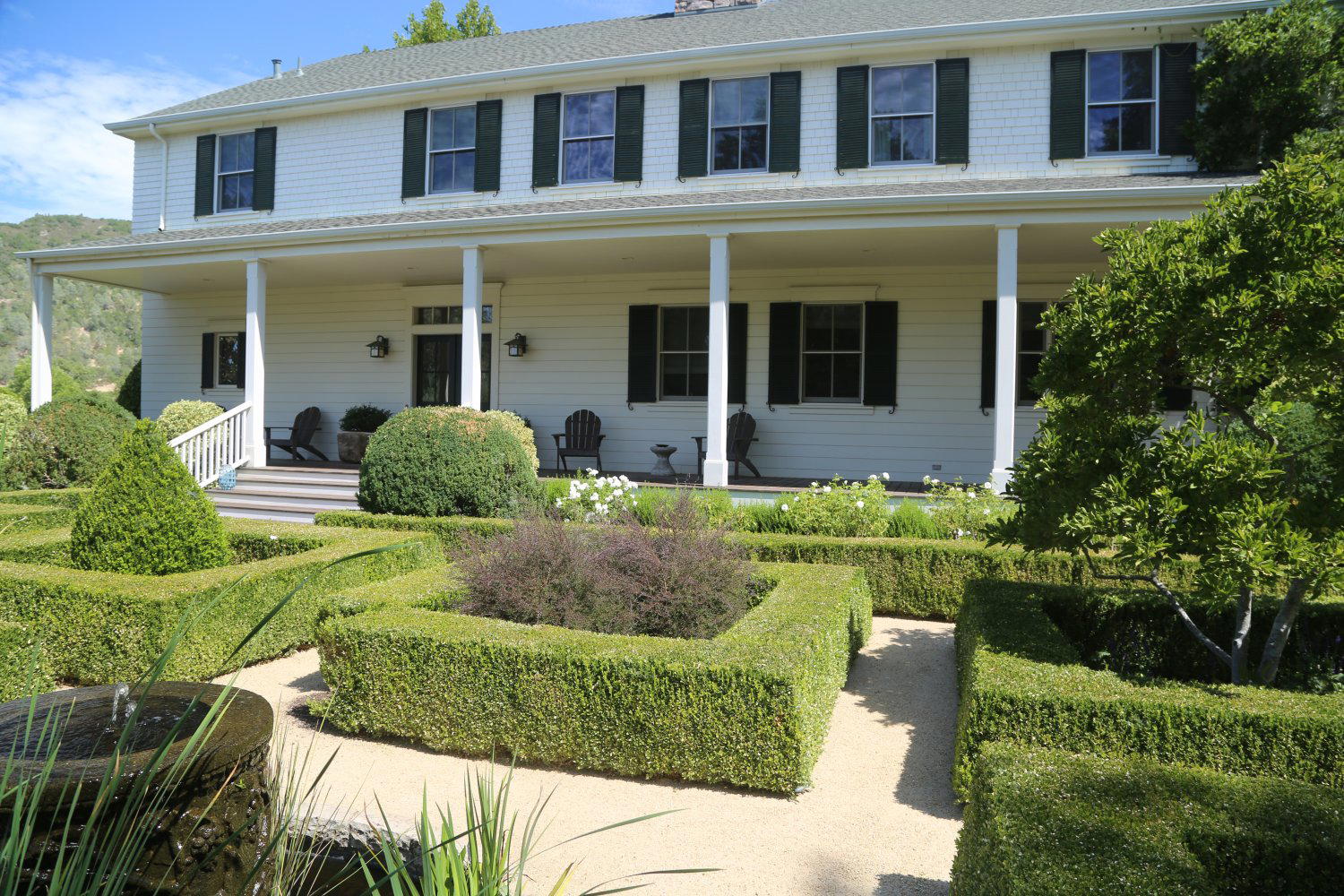
Bars in Healdsburg
Browse all →
Restaurants in Healdsburg
Browse all →
At a Glance
- Elegant
- Sophisticated
- Classic
- Scenic
- Intimate
- Romantic Getaway
- Special Occasion
- Wine Education
- Vineyard Tour
- Estate Grounds
- Panoramic View
- Sustainable
- Vineyard
- Mountain
- Garden
- Alexander Valley
- Cabernet Sauvignon
- Merlot
- Chardonnay
- Cabernet Franc
- Petit Verdot
- Still Red
- Still White
- Seated Tasting
- Private Tasting
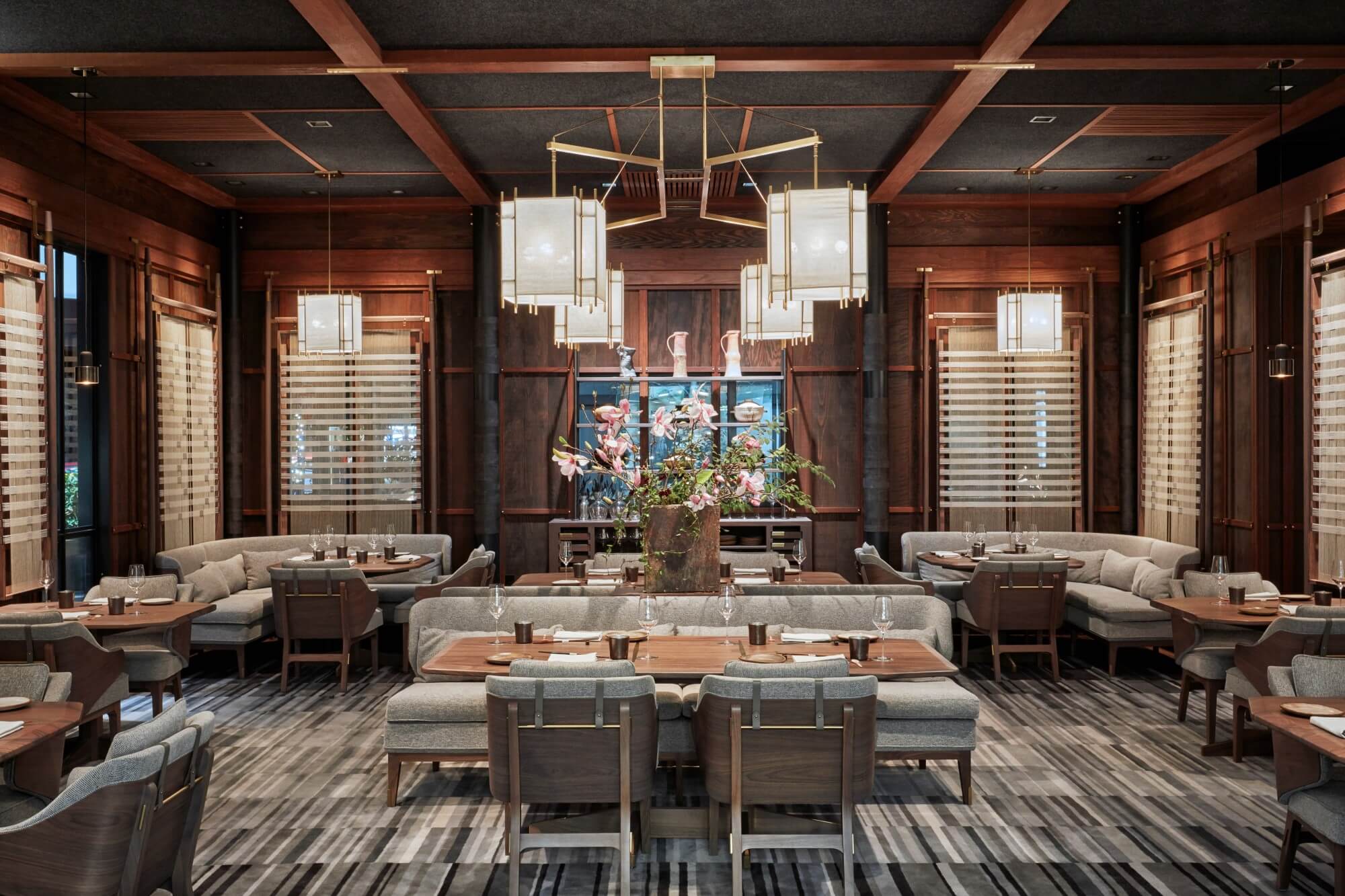
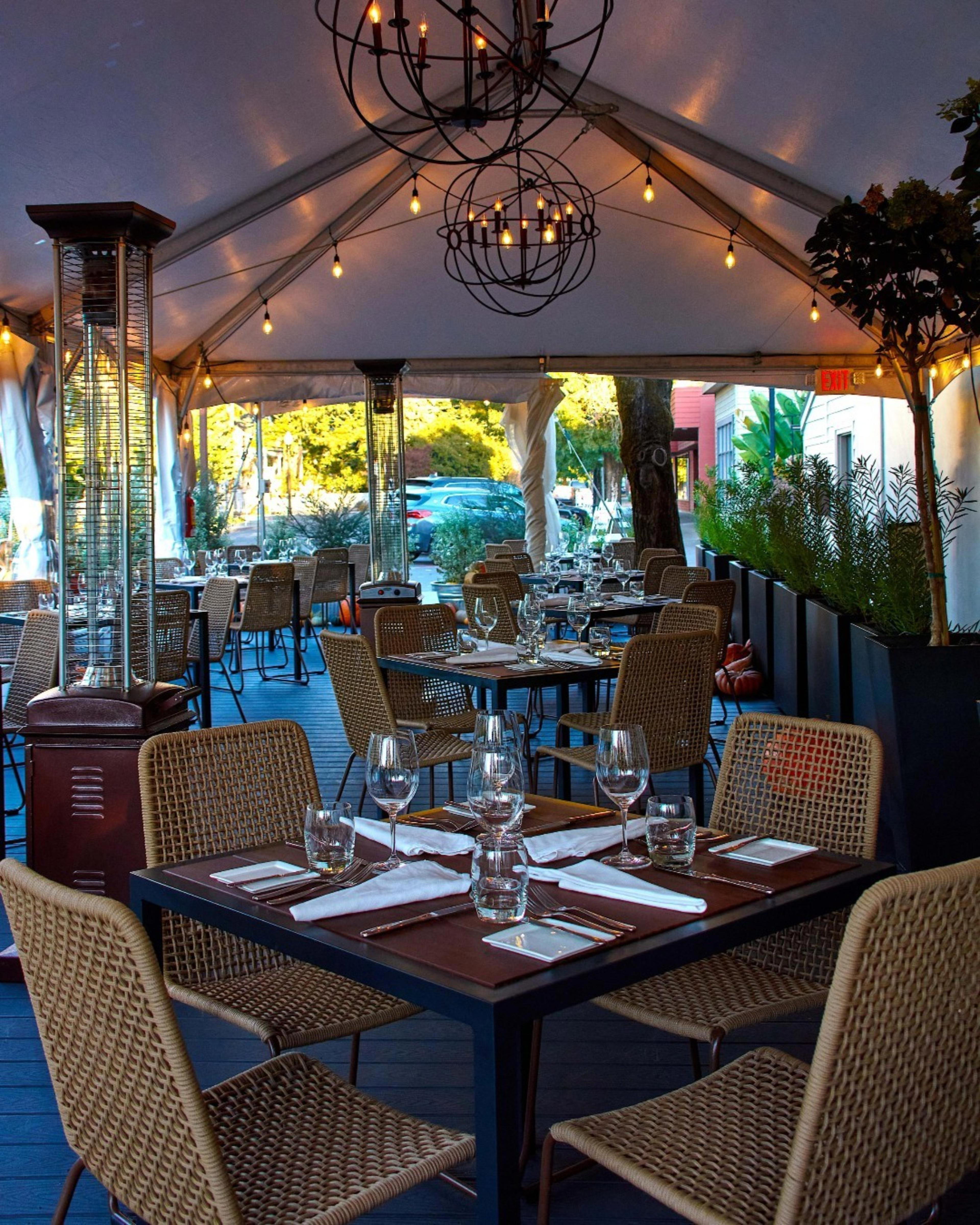
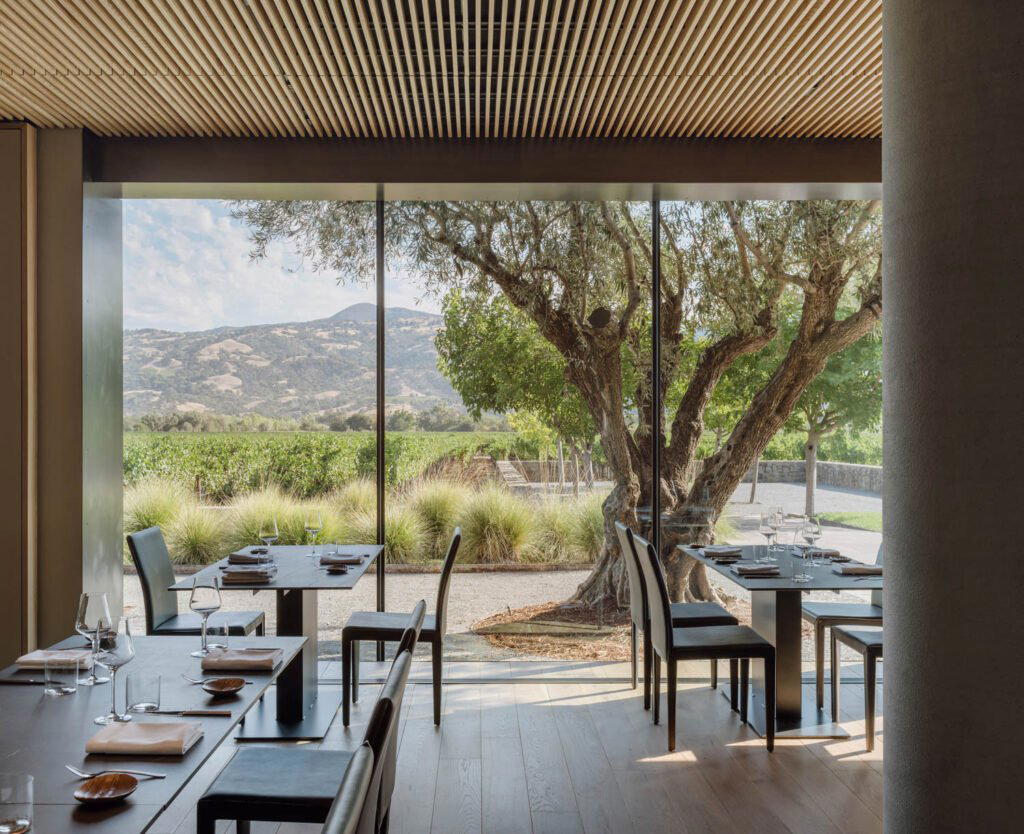
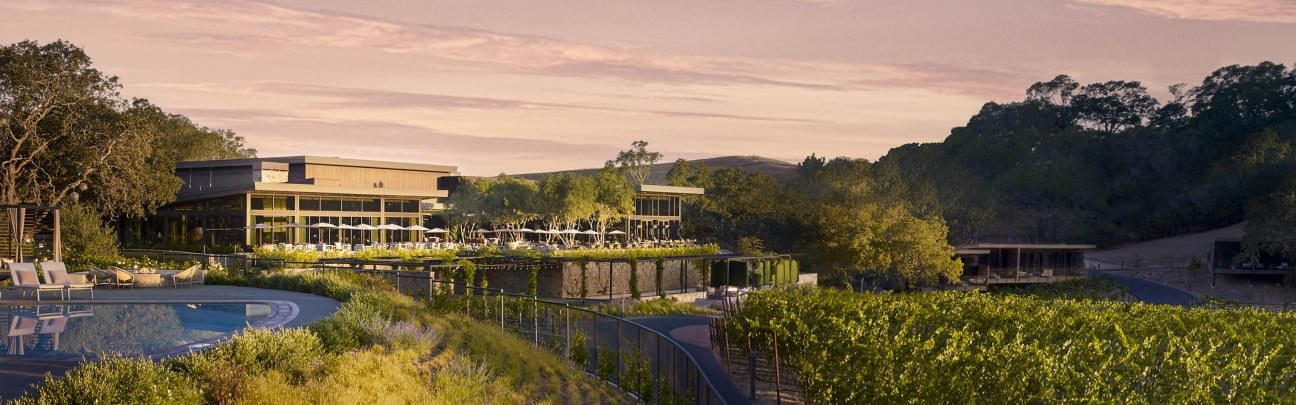
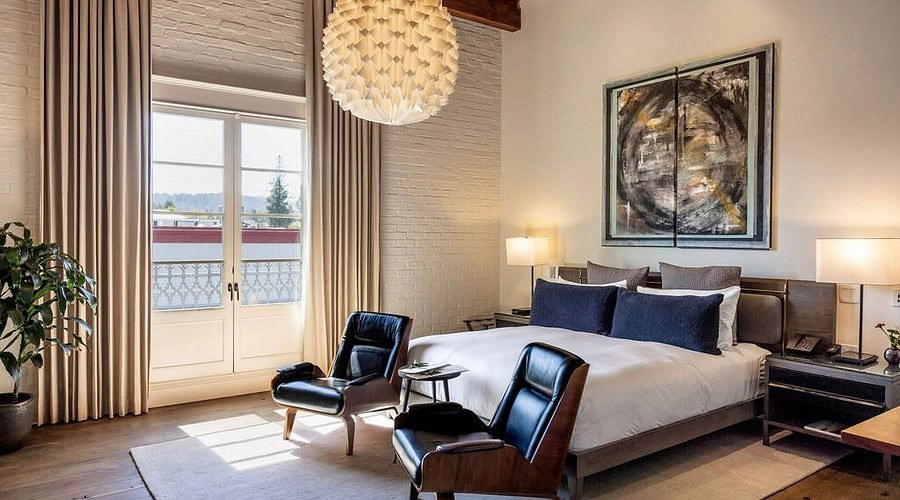
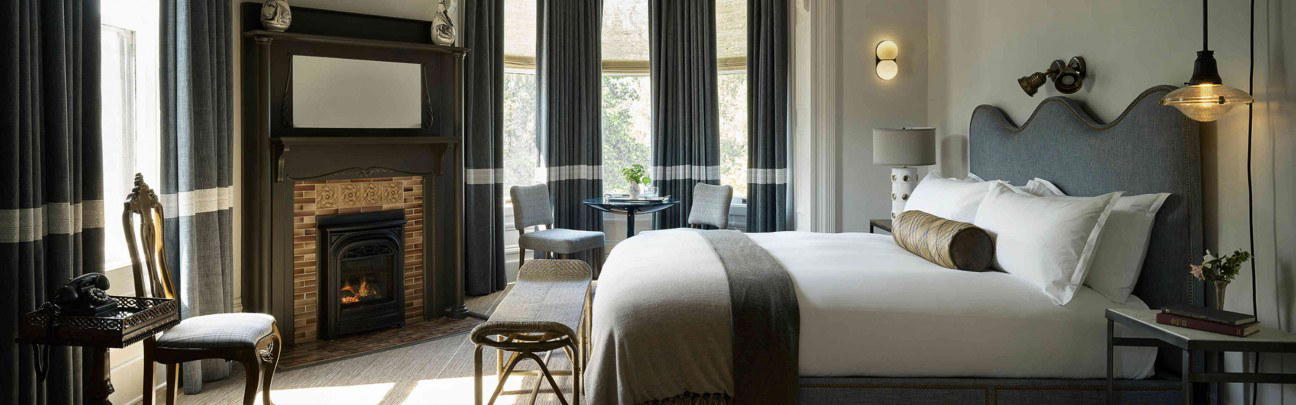
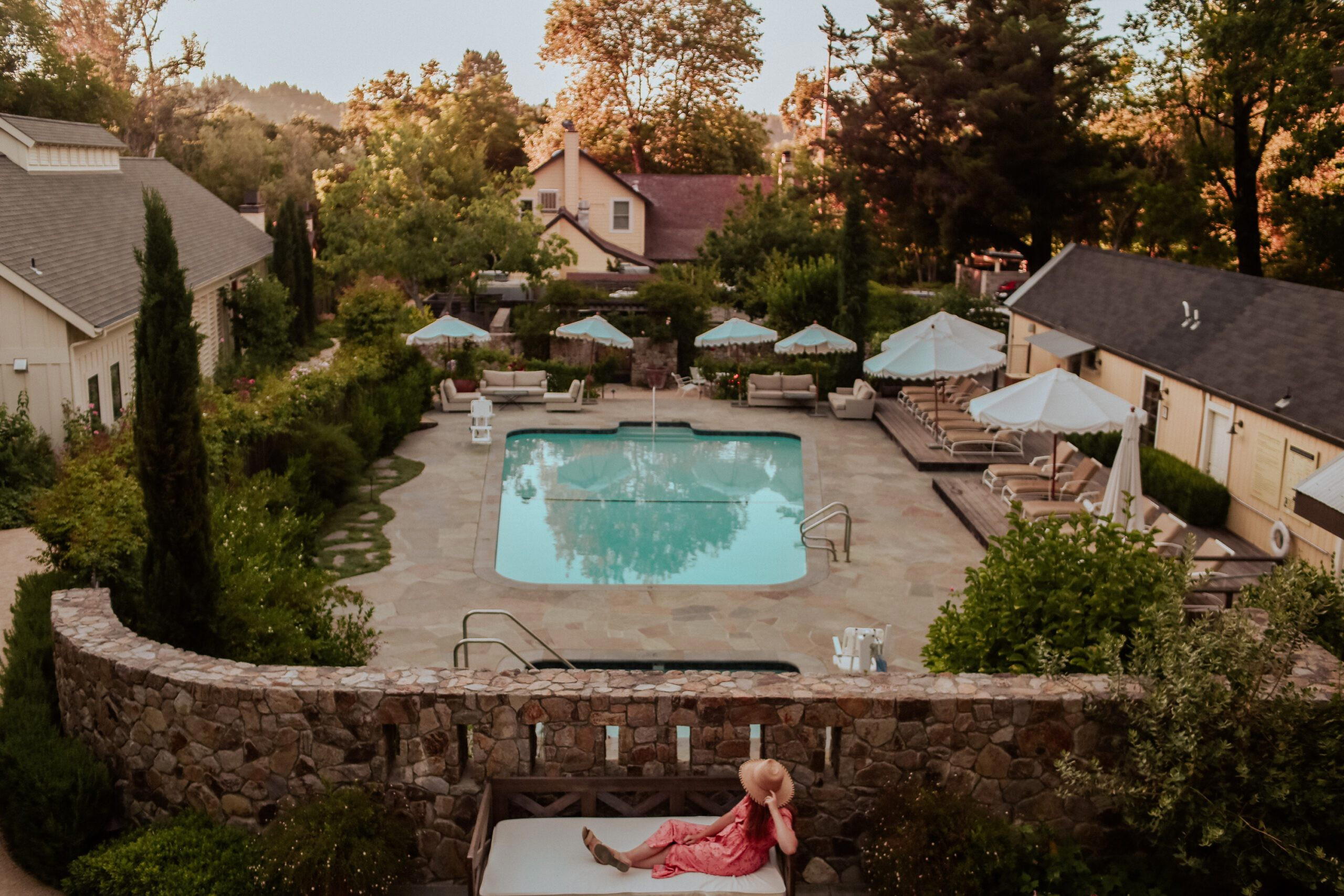
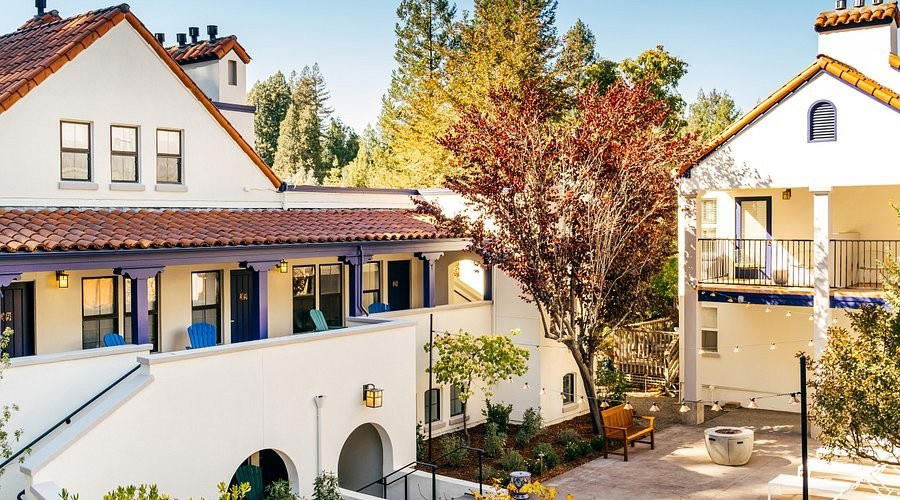
Elegant and sophisticated with a French chateau atmosphere, featuring natural beauty, hospitality-focused design, and serene estate grounds.