Ata Rangi


World's 50 Best #100 · Falstaff Winery - 5 Stars
Ata Rangi is one of Martinborough's founding organic estates, established in 1980 and now. The name translates as 'new beginning,' a phrase that has proven accurate: what began as a dairy farmer's pivot to viticulture now sits among the Wairarapa's most respected addresses. The estate's boutique scale and organic credentials place it in a distinct tier within New Zealand fine wine.

Pearl is the En Primeur Club membership app — saves, bookings, and concierge access live there. Same editors, same standards.
- Address
- 14 Puruatanga Road, Martinborough 5741
- Phone
- +64 6 306 9570
- Website
- atarangi.co.nz
- Directions
- Get directions
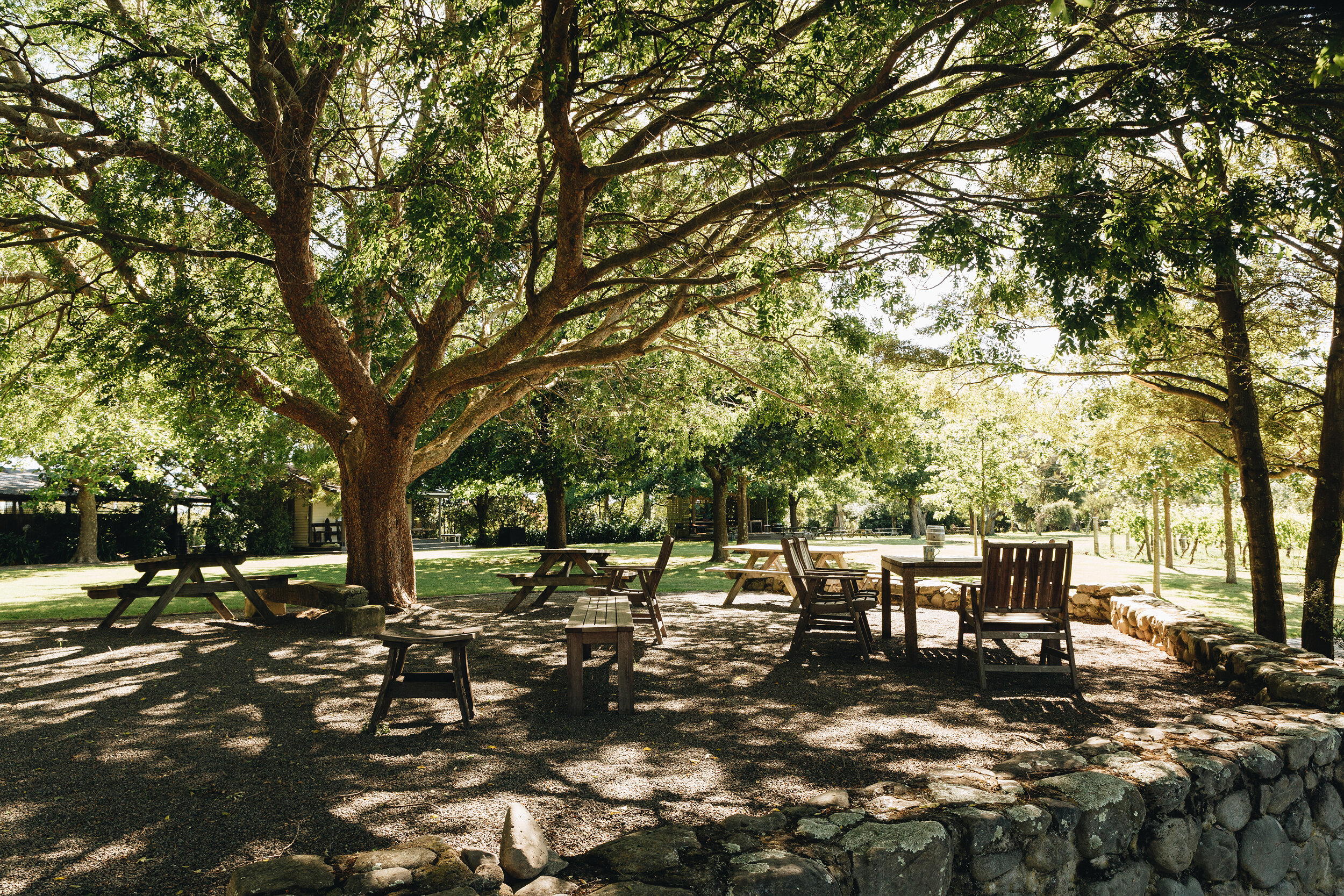
Where Wairarapa Soils Find Their Voice
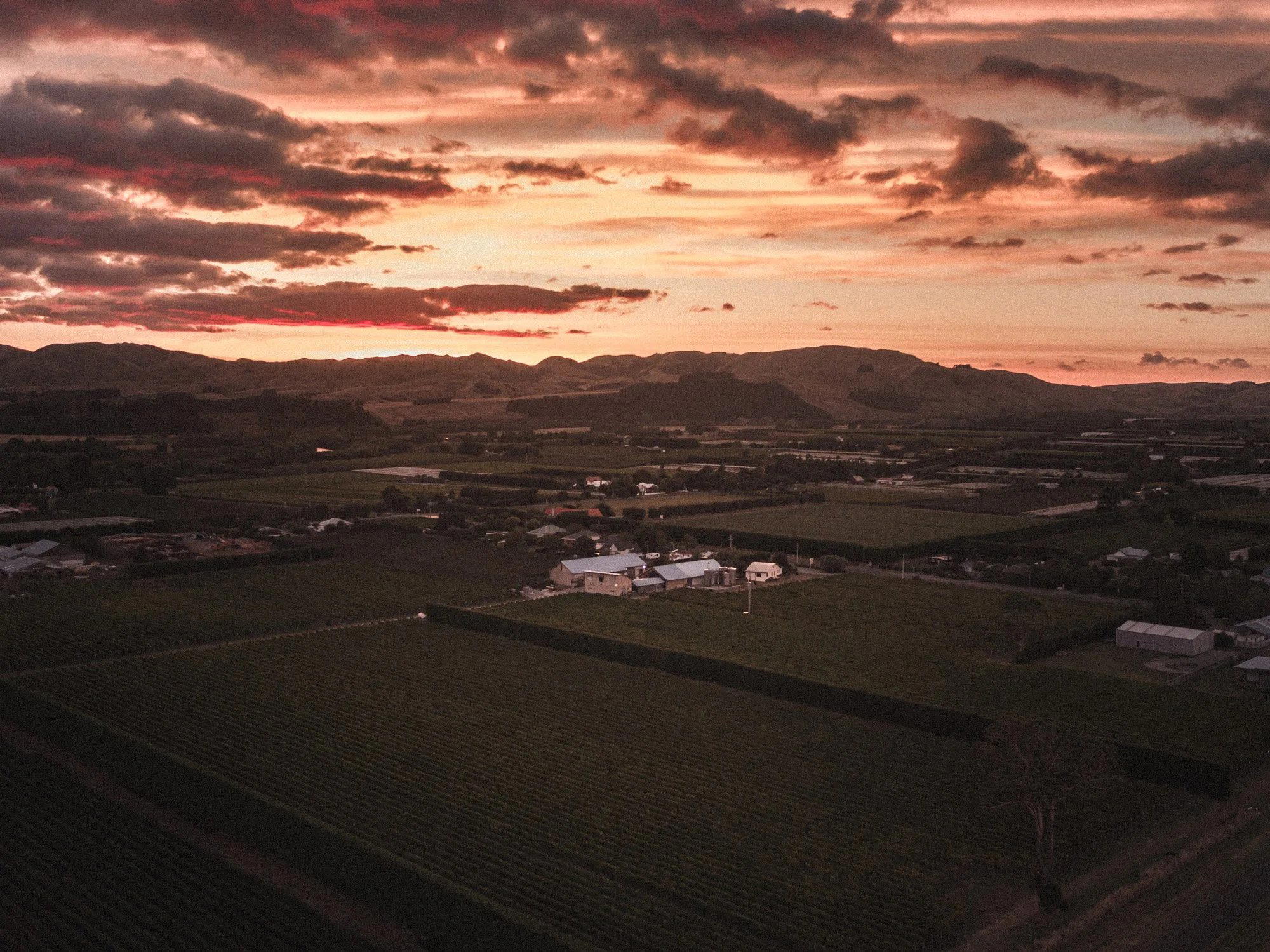
The Martinborough terrace is one of New Zealand's more quietly authoritative wine addresses. Formed by ancient river gravels deposited above a clay subsoil, it drains quickly, stresses the vine, and produces fruit with a concentration that doesn't require intervention to announce itself. Ata Rangi, at 14 Puruatanga Road, sits on this terrace and has been doing so since 1980, making it one of the oldest continuously operating estates in a region that now draws serious collectors from both hemispheres. The name translates from te reo Māori as 'new beginning,' which carries more weight than the typical winery nomenclature: the estate was founded by a dairy farmer who redirected his land and livelihood toward viticulture at a moment when Martinborough was not yet on any international map.
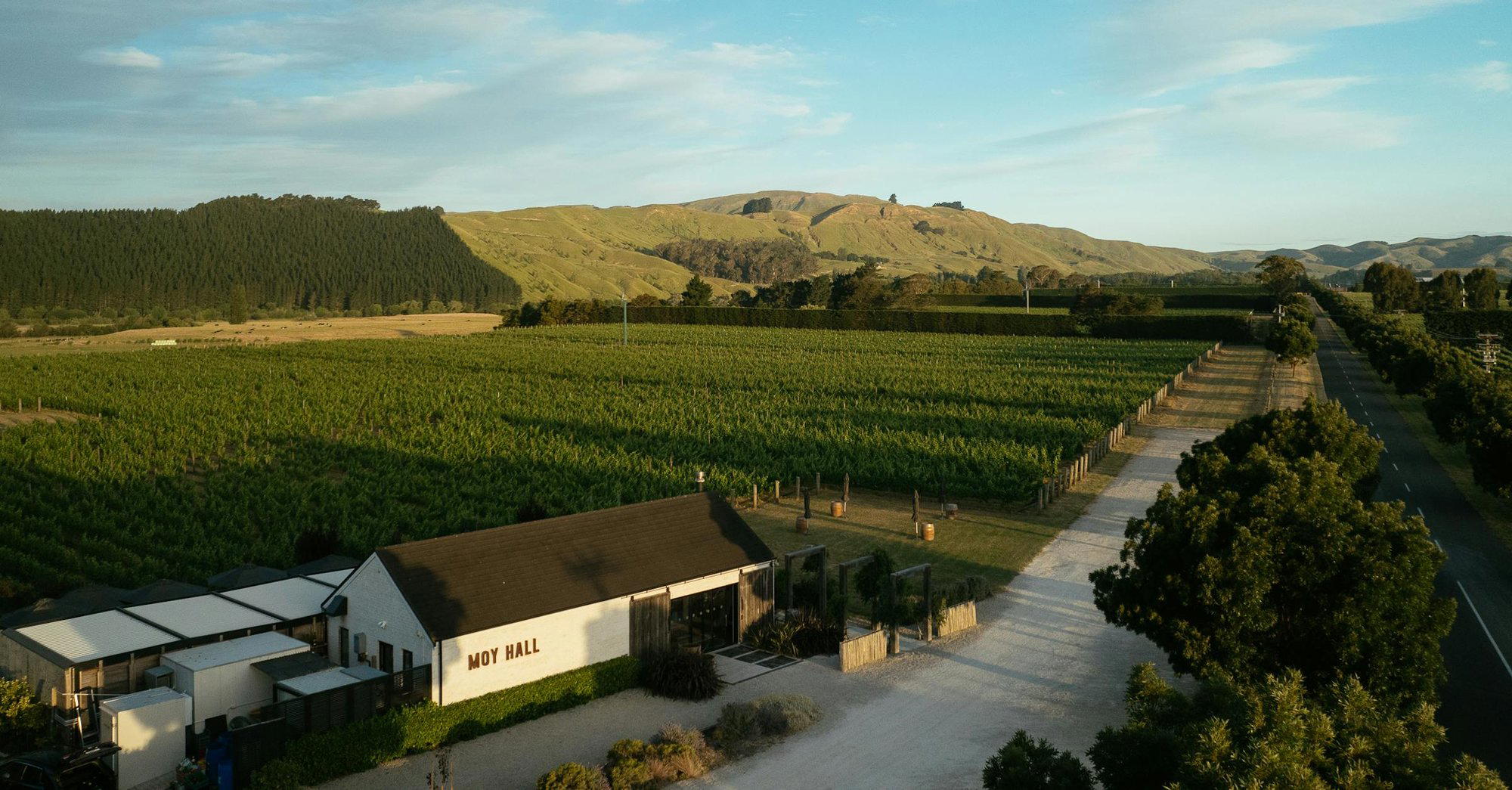
For visitors approaching from Wellington, the drive across the Rimutaka Range and into the Wairarapa basin is part of the recalibration. The landscape flattens, the light changes, and the pace drops. Martinborough's village square is compact enough to walk in twenty minutes, and the majority of the area's serious producers sit within cycling distance of it. Ata Rangi is among those within that radius. The estate's boutique scale means visits feel less like a tasting room transaction and more like an encounter with a working property, which is consistent with how organic estates of this size typically operate: the vineyard is the product, not the backdrop.
Organic Viticulture and the Terrace Below
Martinborough's gravel terraces were identified as a potential match for Burgundian varieties in the early 1980s, and that hypothesis has since been tested across several decades of vintages. The free-draining soils force root systems deeper in search of water and nutrients, a stress response that tends to concentrate flavour and sharpen acidity. Ata Rangi has worked these conditions as an organic estate, meaning synthetic inputs are absent from the soil management programme. That approach, across more than four decades of operation, has implications for soil biology and vine root depth that are not easily replicated by a newer property switching to organic certification mid-life.
Organic viticulture at this latitude carries particular challenges. The Wairarapa is not a warm, dry region on a consistent basis. Wet springs can bring disease pressure, and the margin for error without fungicide backup narrows. That the estate has maintained organic status across this many vintages, while. It places Ata Rangi in a specific peer group: New Zealand's longer-established organic estates, where the commitment predates organic wine's commercial fashionability.
For context on how New Zealand's organic and low-intervention wine tier has developed, Greystone Wines in Waipara represents a South Island counterpart operating with similar philosophical commitments, while Rippon Vineyard in Wānaka has pursued biodynamic certification across its Central Otago site. These are not identical operations, but they share a preoccupation with site fidelity over stylistic intervention that distinguishes them from the volume end of the New Zealand export market.
In a region like Martinborough, where vintage variation is real and the leading producers are assessed accordingly, that consistency is the harder metric to sustain. It also positions the estate above the majority of Wairarapa producers in terms of critical recognition, though it sits within a cohort of New Zealand wineries that have earned equivalent or adjacent recognition at the national level.
Martinborough's fine wine tier is smaller than Marlborough's, and the producers who anchor it tend to be boutique operations with limited production. This is a different competitive set from Cloudy Bay Vineyards in Blenheim or Wairau River Wines in Rapaura, both of which operate at a scale and in a style suited to Marlborough's Sauvignon Blanc-led identity. Ata Rangi is playing a different game on different soils with different varieties, and the rating reflects performance within that more rarefied bracket.
Comparable estates operating at the upper end of New Zealand's fine wine conversation include Felton Road Wines in Bannockburn and Kumeu River Wines in Kumeu, each anchoring their respective regions with long track records and international collector followings. Ata Rangi sits in that conversation for the Wairarapa.
Martinborough as a Wine Region
Understanding Ata Rangi requires understanding what Martinborough is and isn't. It is not a high-volume appellation. Production across the entire region remains modest by national standards, and the estates that matter most are typically working with holdings measured in single-digit or low double-digit hectares. What the region has developed, over roughly four decades of serious viticulture, is a reputation for Pinot Noir with more structural weight and savoury depth than most New Zealand examples, and for Chardonnay and Riesling that reflect the site rather than the house style.
The Wairarapa Wine Growers Association has actively pursued geographic indication status to protect the Martinborough name, recognising that the terrace's specific soil and climate profile is the asset worth defending. Rainfall is lower here than in many New Zealand wine regions, and the diurnal temperature range, warm days and cool nights during ripening, preserves acidity while allowing phenolic development. These are the conditions that produced Ata Rangi's founding hypothesis in 1980, and they remain the region's structural advantage.
For visitors planning a Wairarapa itinerary, the regional comparison that matters most is probably Hawke's Bay: Craggy Range in Hastings occupies a different climate zone and focuses heavily on Bordeaux varieties and Syrah, which points to how differently New Zealand's wine regions have specialised. Martinborough's identity remains cooler-climate, Burgundian-variety-led, and boutique in scale.
Planning a Visit
Martinborough is approximately 80 kilometres from Wellington, a drive of around one hour depending on conditions over the Rimutaka Range. The most practical approach for visitors based in the capital is a day trip, though the village has accommodation options for those preferring to stay in the region. The annual Toast Martinborough festival, held each November, concentrates visitor numbers significantly and requires advance planning; outside of that event, the village and its estates are quieter and more accessible on a walk-in or short-notice basis.
Ata Rangi's estate address at 14 Puruatanga Road places it within the main cluster of Martinborough producers. Given its boutique operation and organic status, contacting the estate directly before visiting is advisable rather than assuming tasting room hours or availability. The estate does not publish booking details through this platform. For a broader orientation to what Martinborough offers across wine, food, and accommodation, see our full Martinborough restaurants guide.
Those building a wider New Zealand wine itinerary might also consider Bosman Family Vineyards in Wellington as a complementary stop, or look further afield to Adelsheim Vineyard in Newberg and Adelaida Vineyards in Paso Robles for international reference points in cool-climate and organic viticulture respectively. For those tracking organic estate programmes across different hemispheres, Alban Vineyards in Arroyo Grande and Accendo Cellars in St. Helena offer further comparison, as does the historic scale of Achaia Clauss in Patras for a longer institutional perspective on estate longevity. For Scotch whisky enthusiasts making the contrast between Old World estate tradition and distilling heritage, Aberlour in Aberlour represents a useful point of reference on what four decades of continuous production means to a product's identity.
A Quick Peer Check
Comparable venues nearby, for context on price, style, and recognition.
| Venue | Cuisine | Price | Awards | Notes |
|---|---|---|---|---|
| Ata RangiThis venue — the venue you are viewing | Pinot Noir, Chardonnay | Not listed | World's 50 Best #100 · Falstaff Winery - 5 Stars | Not listed |
| Bosman Family Vineyards | Chenin Blanc, Grenache Blanc | $10–20 | Falstaff Winery - Listed | Bovlei |
| Greystone Wines | Pinot Noir, Chardonnay | $20–30 | World's 50 Best #89 · Falstaff Winery - 4 Stars | Waipara Valley |
| Wairau River Wines | Sauvignon Blanc, Pinot Noir | $20–30 | World's 50 Best #52 · Falstaff Winery - 2 Stars | Rapaura |
| Kumeu River Wines | Chardonnay, Pinot Gris | $20–30 | World's 50 Best #90 · Falstaff Winery - 5 Stars | Kumeu |
| Diemersfontein | Winery | Not listed | Not listed | Wellington |
Recognition history
Dated appearances from independent guides and award organizations, with the underlying list record or original source where available.
World's 50 Best Vineyards #100
World's 50 Best
Falstaff Winery - 5 Stars
Falstaff
Continue exploring
More in Martinborough
Wineries in Martinborough
Browse all →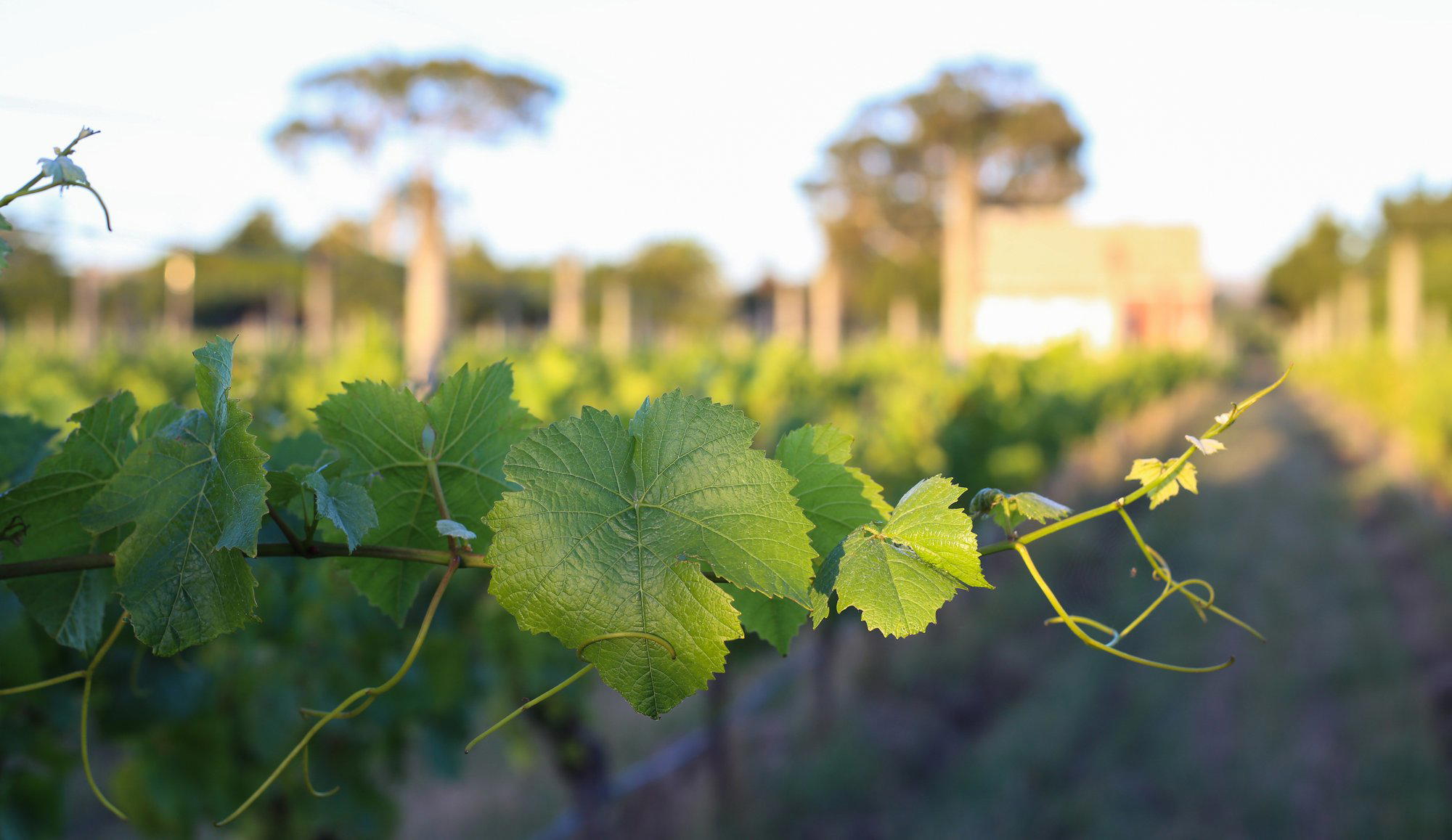

Bars in Martinborough
Browse all →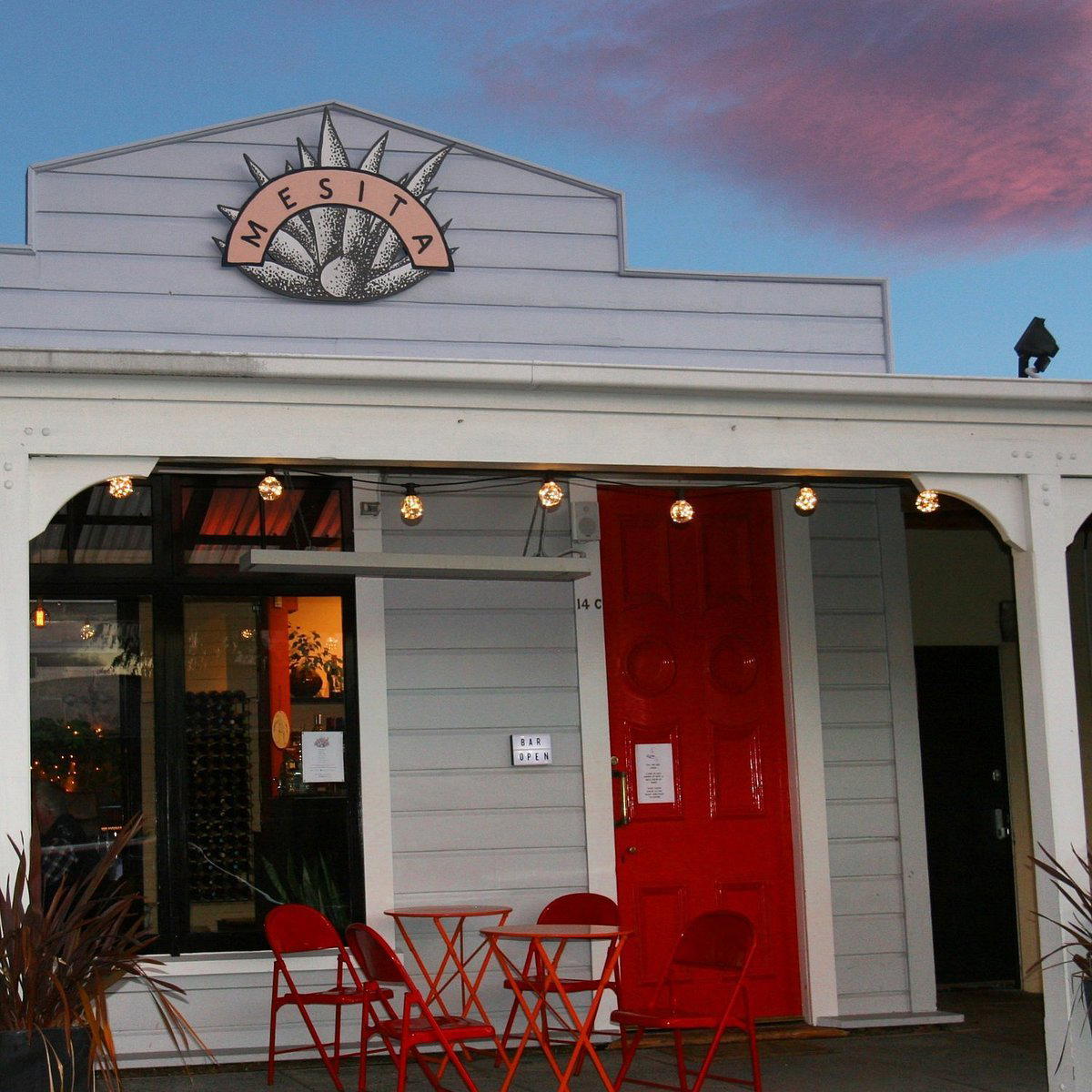
Restaurants in Martinborough
Browse all →
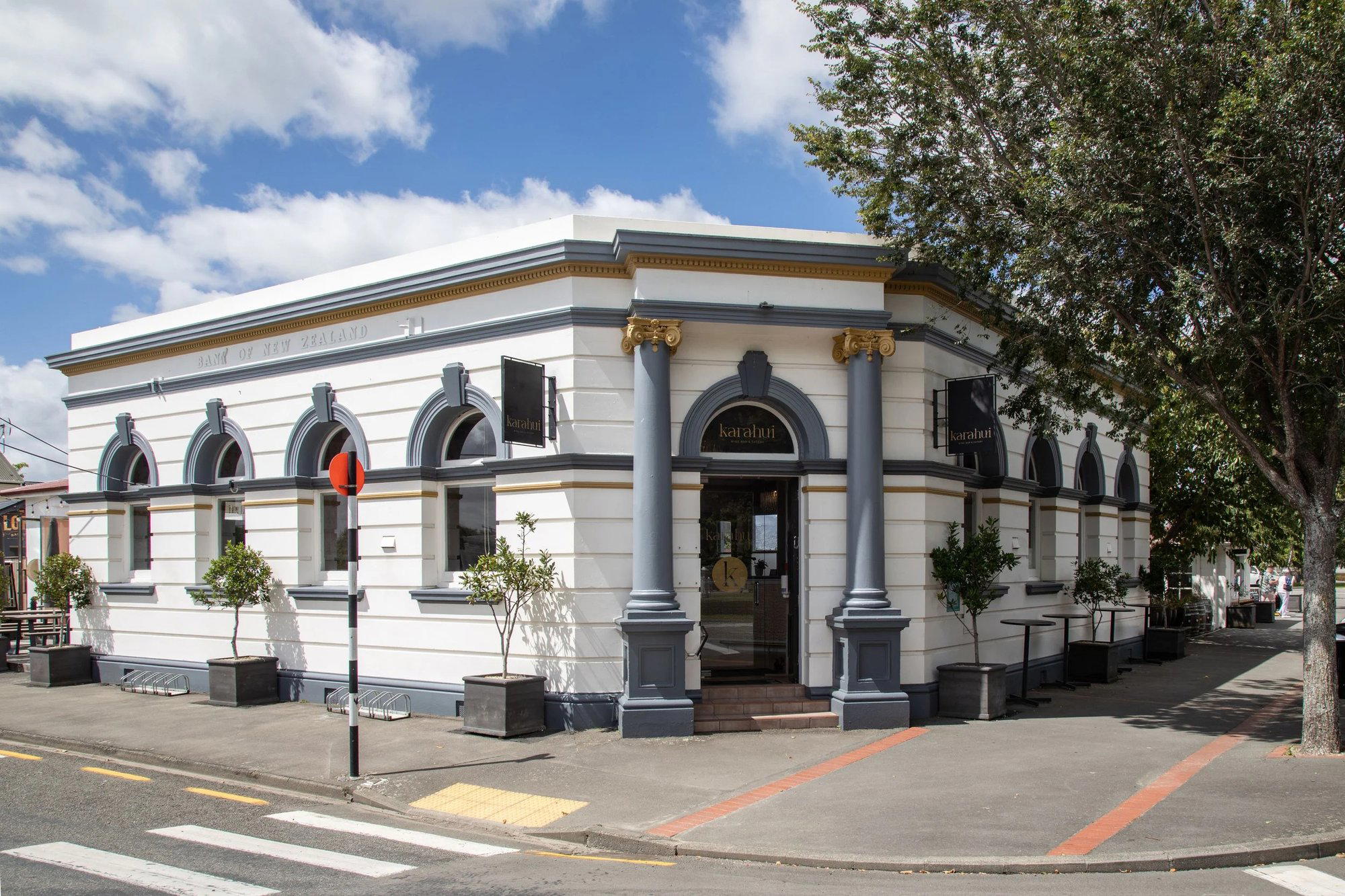
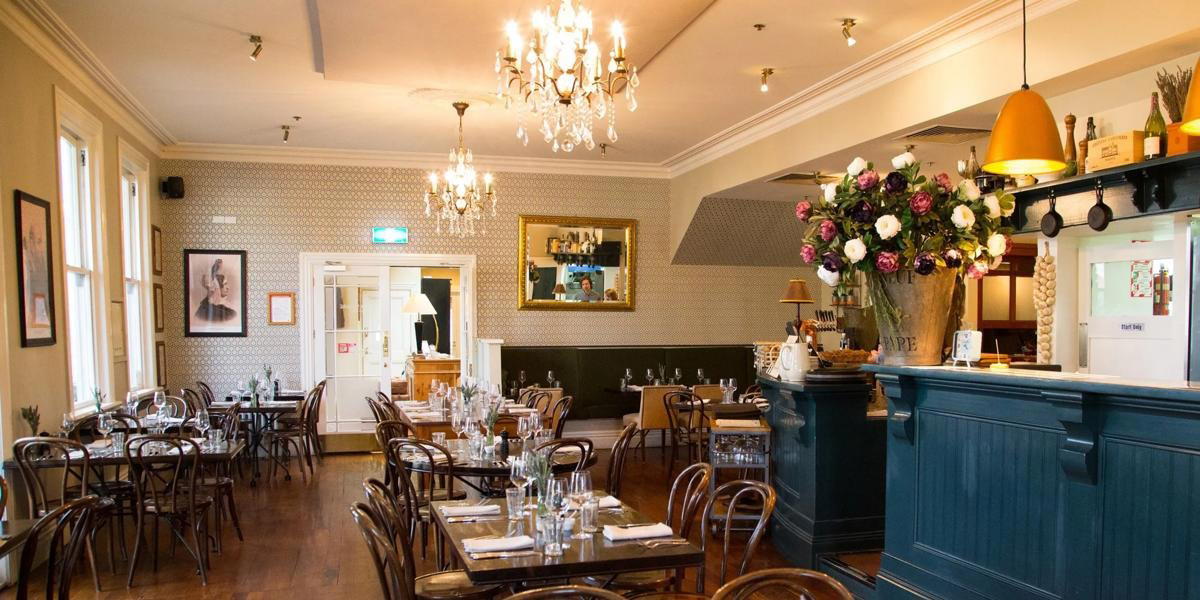
Hotels in Martinborough
Browse all →
Details
- Classic
- Elegant
- Rustic
- Intimate
- Scenic
- Wine Education
- Solo Exploration
- Special Occasion
- Vineyard Tour
- Estate Grounds
- Organic
- Sustainable
- Vineyard
- Garden
- Pinot Noir
- Chardonnay
- Pinot Gris
- Sauvignon Blanc
- Riesling
- Syrah
- Still Red
- Still White
- Still Rosé
- Seated Tasting
- Cellar Door
Simple elegance in a tiny wooden cabin tasting room with a serene, intimate atmosphere focused on seated wine tastings amid sustainable vineyard surroundings.