Castello di Ama

Castello di Ama has produced estate Chianti Classico from the hamlet of Ama since 1978, under the long stewardship of winemaker Marco Pallanti.. The estate also integrates a contemporary art programme across its grounds.
Pearl is the En Primeur Club membership app — saves, bookings, and concierge access live there. Same editors, same standards.
- Address
- Località Ama in Chianti, 53013 Gaiole in Chianti SI
- Phone
- +39 0577 746069
- Website
- castellodiama.com
- Directions
- Get directions
 Saves & bookings on Pearl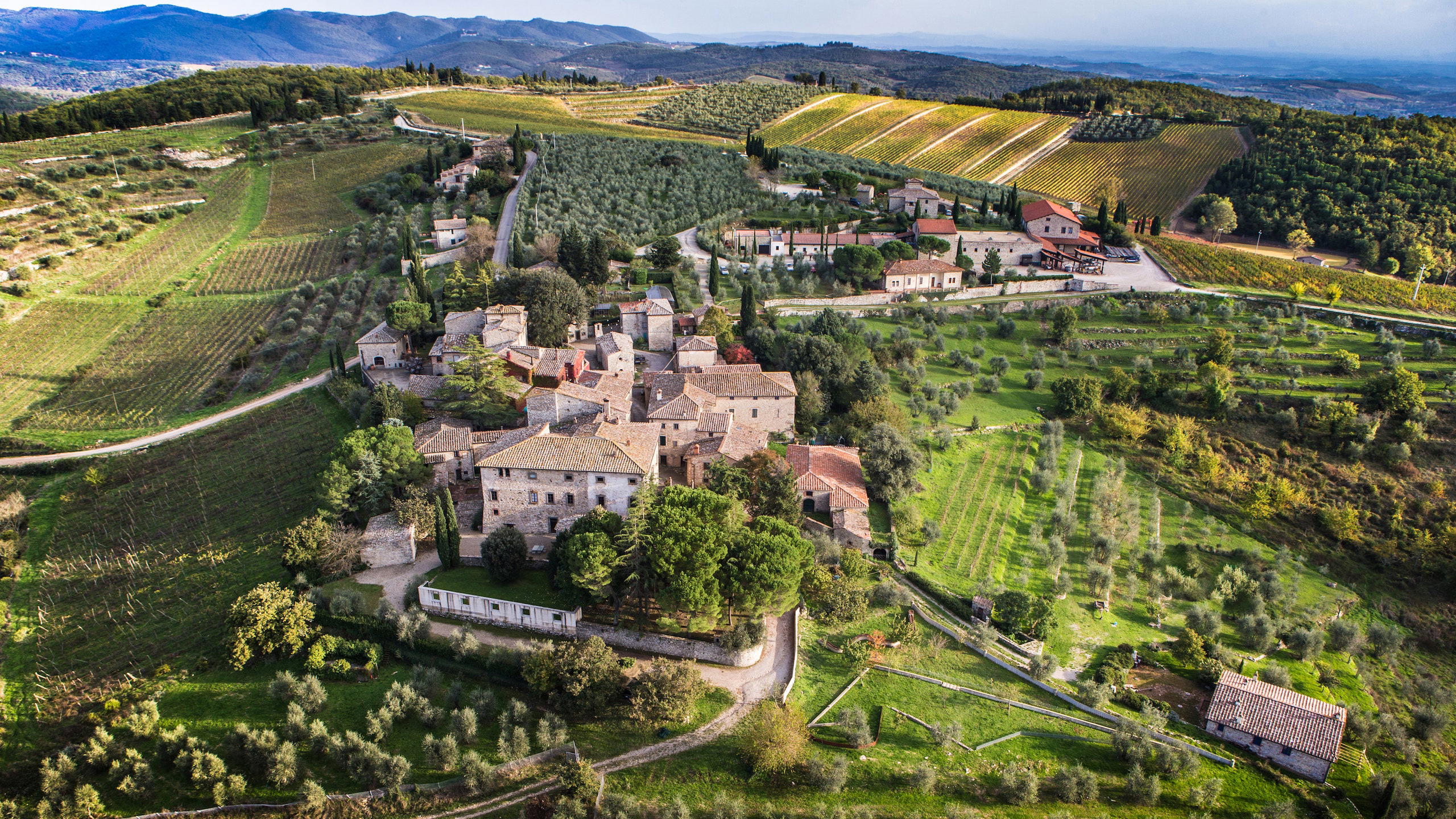
Ama, Gaiole, and the Logic of Place in Chianti Classico
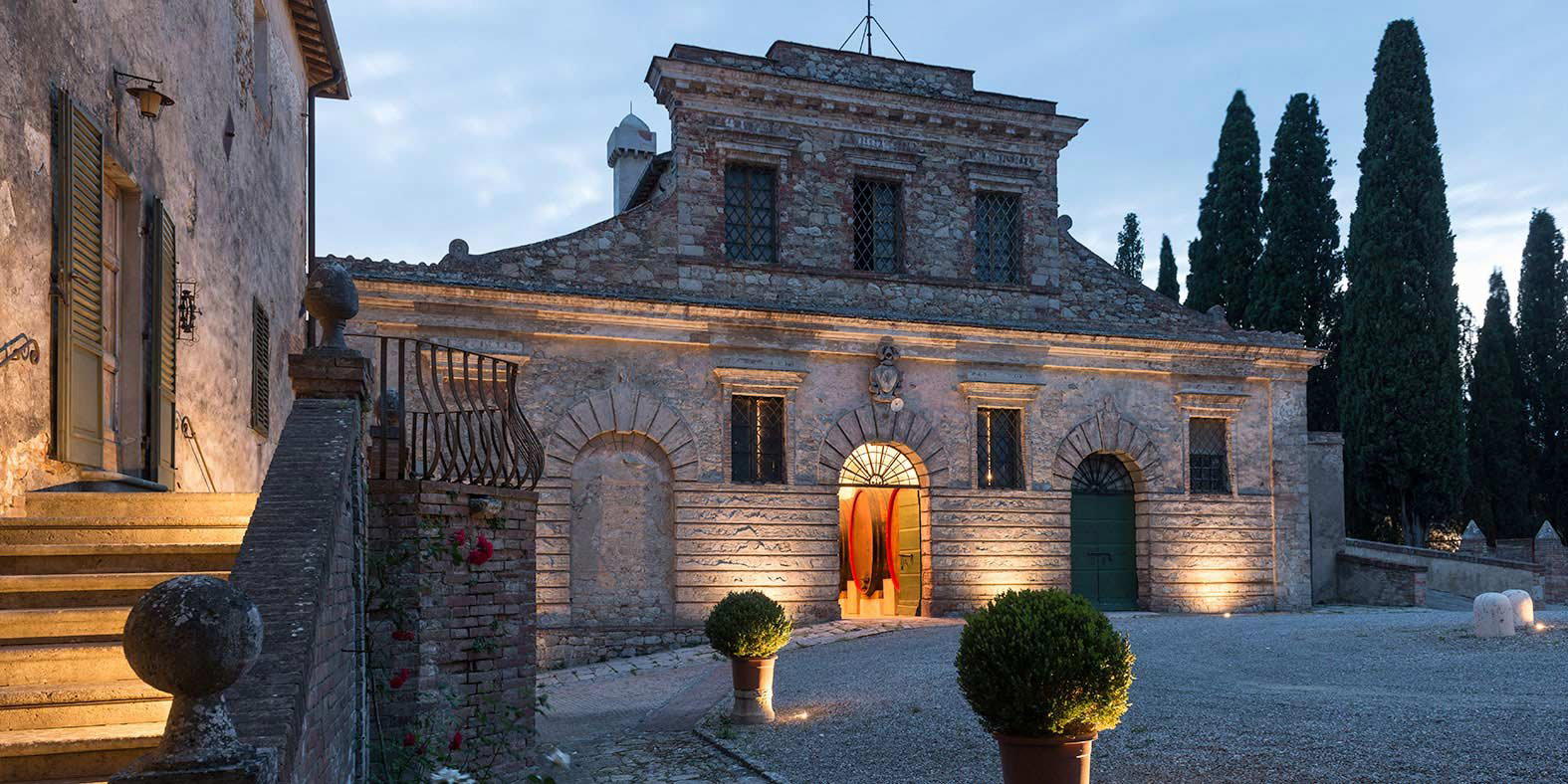
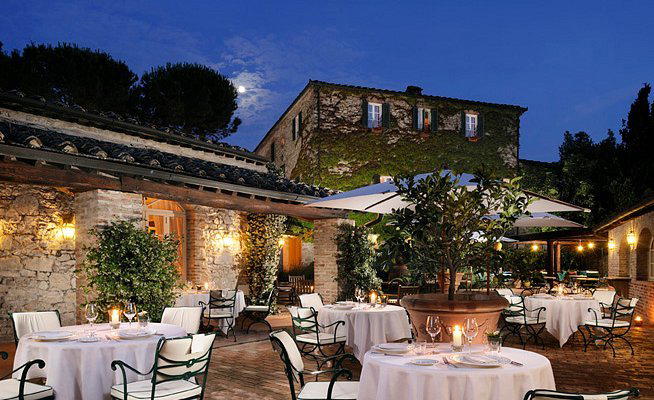
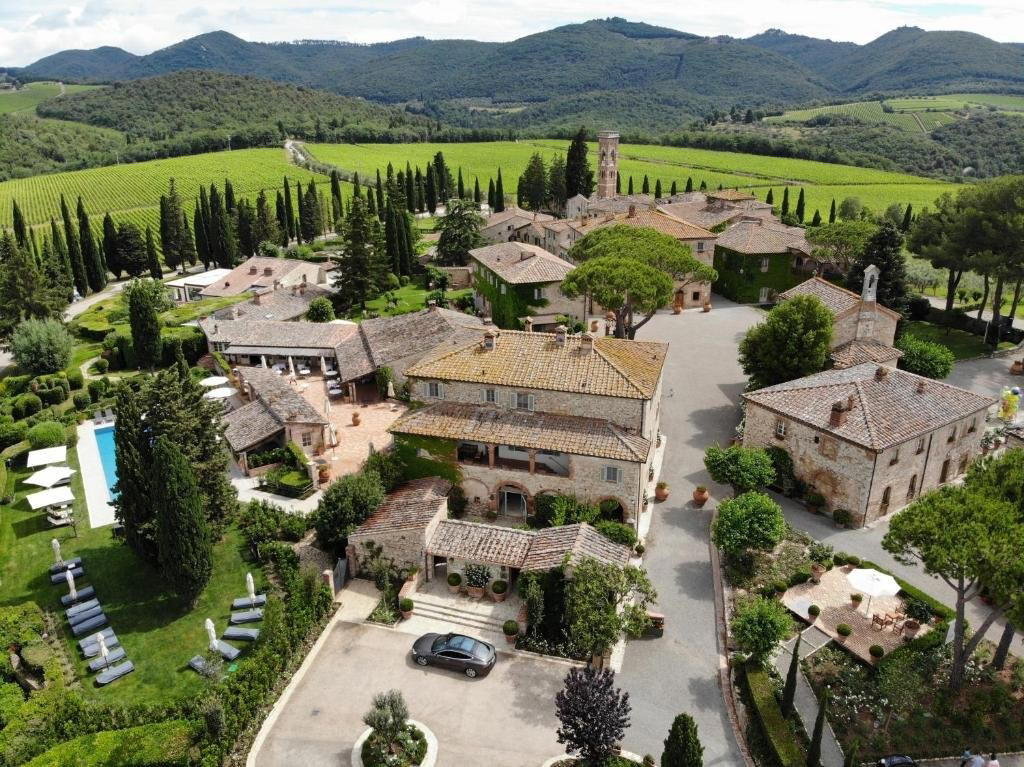
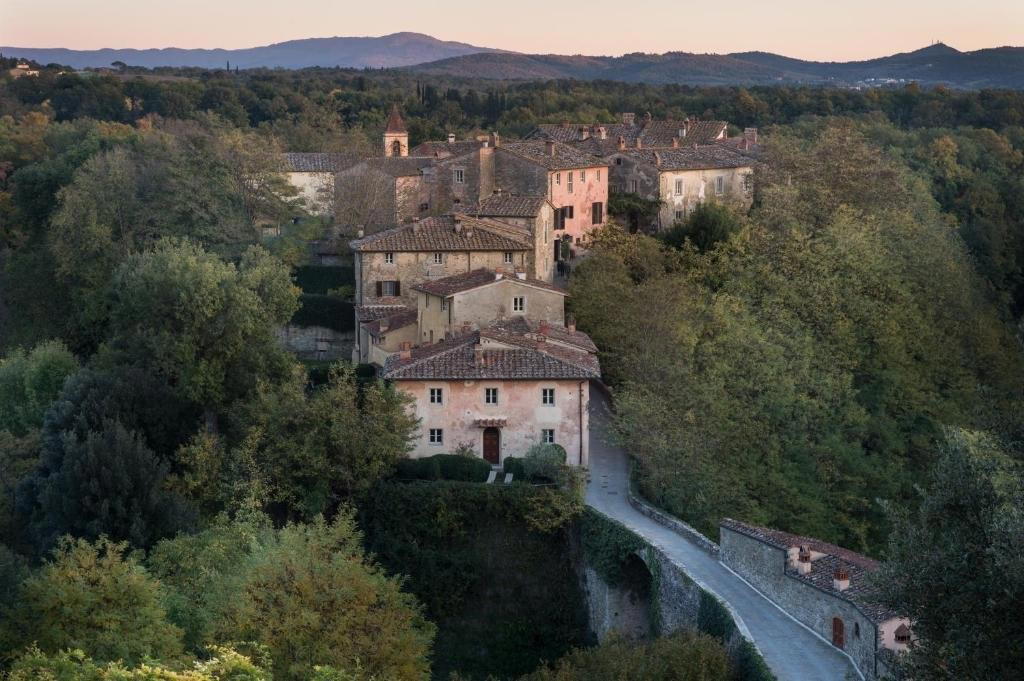
The road into the hamlet of Ama descends through cypress lines and oak woodland before the cluster of stone buildings appears, a working estate whose architecture has barely changed in outline since the medieval period, set against vineyards that drop and rise with the Siena hills. This is the physical reality that frames everything Castello di Ama produces, a winery in Gaiole in Chianti, Tuscany, with appointment-only visits and a price tier of about $75 per person. The altitude, the exposure, the particular mix of galestro and alberese soils: these are not incidental details but the operating conditions under which every bottle is made. In Chianti Classico, sense of place is a claim most estates make; at Ama, it has been the structuring principle since the first vintage in 1978.
Gaiole in Chianti occupies the eastern edge of the Classico zone, higher and cooler than Greve or Panzano, and that elevation registers in the wines as a tighter acidity and a longer arc from fruit to finish. Within Gaiole, the sub-zone around Ama has built its own reputation over forty-plus years, distinct enough that the estate's single-vineyard bottlings are regarded as benchmark expressions of what this corner of the appellation can produce. For comparison, estates like Barone Ricasoli (Brolio) draw from broader Gaiole holdings and operate at larger commercial scale; Ama's model has always been tighter, more focused on parcels.
Marco Pallanti and the Winemaking Framework
Winemaking philosophy in Chianti Classico has split for decades between producers who lean on international varieties and extended new-oak ageing, and those who treat Sangiovese as a complete argument on its own terms. Marco Pallanti, who has guided the cellar at Castello di Ama through the bulk of its modern identity, belongs firmly in the second group. The approach is oriented around vineyard-level differentiation: identifying which parcels have enough individual character to stand as single-vineyard wines and which work leading in the estate blend. This is not a universally held position in the zone, Antinori nel Chianti Classico operates with a different scale logic, and producers further afield in Tuscany like Biondi-Santi Tenuta Greppo in Montalcino have built their own distinct case for Sangiovese purity through Brunello. What unites these estates is the argument that Italian native varieties, when handled with restraint and site-specificity, require no correction.
Pallanti's tenure has spanned a period of significant change in the Chianti Classico appellation, including the introduction of the Gran Selezione tier and ongoing debates about clonal selection, barrel size, and ageing regimes. Ama's position through those shifts has been consistent: prioritise the expression of individual plots over stylistic adjustment for critical fashion. That consistency is a form of editorial decision-making in wine, and it has produced a house style, bright, structured, age-worthy Sangiovese with measurable site differences between single-vineyard releases, that now sits as a reference point for the appellation. Producers working in a comparable register in other Italian regions include Aldo Conterno in Monforte d'Alba and Bruno Giacosa in Neive, both of whom similarly used long-form commitment to a single variety and place as their defining argument.
Single-Vineyard Thinking in the Classico Zone
The single-vineyard programme at Castello di Ama is especially discussed dimension among the estate's output. In a zone where the Classico appellation already implies a geographic specificity, the step to named parcels is a further claim: that differences between plots within the estate are meaningful enough to warrant separate vinification and separate bottling. This is a position that requires both the vineyard data to justify it and the winemaking discipline to resist blending away the differences. The appellation's Gran Selezione category has given regulatory support to this kind of thinking, but Ama was making the argument in practice before the category existed.
The logic has parallels at other Italian estates working with complex holdings. Castello di Volpaia in Radda in Chianti works from a similarly historic site across the valley and draws its own conclusions about what elevation and terroir mean for Sangiovese expression. The two estates together illustrate how the Chianti Classico zone rewards producers who commit to reading their specific land rather than chasing a single regional style.
The Art Programme and What It Signals
Castello di Ama has installed a series of site-specific contemporary artworks across the estate, a programme that includes pieces commissioned from artists placed in relation to the architecture and landscape. This kind of integration is unusual in Italian wine tourism, where agriturismo infrastructure tends to focus on accommodation and food rather than cultural programming. The parallel in spirit, if not in exact format, is closer to what estates like Ca' del Bosco in Erbusco have done with their sculpture garden in Franciacorta, using art as a signal of the estate's ambition to be engaged with contemporary culture, not merely with production history.
For visitors, it means the estate offers a layered experience: the winery itself, the working vineyards, and a set of art installations that require some engagement with the landscape to find and appreciate. It is not a passive attraction. The combination positions Ama in a niche that sits between premium wine tourism and cultural venue, which is a small but growing category in Italian enological travel.
Where Ama Sits in the Regional comparable set
Within Gaiole and the broader Chianti Classico zone, that rating aligns it with a peer group for whom allocation, ageing potential, and critical tracking matter as much as immediate accessibility. This is not an estate oriented toward the casual wine tourist who wants a glass on the terrace and a label to remember; the wines reward and require more deliberate engagement.
The comparison set extends beyond Tuscany for collectors. Abadía Retuerta in Sardón de Duero represents a comparable position in the Iberian context: an estate with serious critical recognition, a clear site philosophy, and a wine programme built for long-term ageing rather than early drinking. The shared logic is a commitment to making wines that improve with time rather than performing at the point of release.
Planning a Visit
Gaiole in Chianti sits in the Siena province of Tuscany. The winery is located at Località Ama, a few kilometres outside the town of Gaiole itself, so a car is the practical requirement for a visit. The estate takes visits by appointment only. Spring and autumn are particularly practical seasons for a vineyard visit in terms of both harvest activity and cooler temperatures for tasting.
Comparable Venues
Comparable venues nearby, for context on price, style, and recognition.
| Venue | Cuisine | Notes |
|---|---|---|
| Castello di AmaThis venue — the venue you are viewing | Gaiole in Chianti, Sangiovese, Merlot | Not listed |
| Barone Ricasoli (Brolio) | Gaiole in Chianti, Sangiovese, Merlot | Not listed |
| Tenuta Sette Ponti | Castiglion Fibocchi, Sangiovese, Merlot | Not listed |
| Mazzei (Castello di Fonterutoli) | Not listed | Castellina in Chianti, Sangiovese, Merlot |
| L'Enoteca Banfi | Not listed | Montalcino, Sangiovese, Sangiovese Grosso |
| Lamoreaux Landing Wine Cellars | Winery | Not listed |
Recognition history
Dated appearances from independent guides and award organizations, with the underlying list record or original source where available.
Falstaff Winery - 5 Stars
Falstaff
Continue exploring
More in Gaiole in Chianti
Wineries in Gaiole in Chianti
Browse all →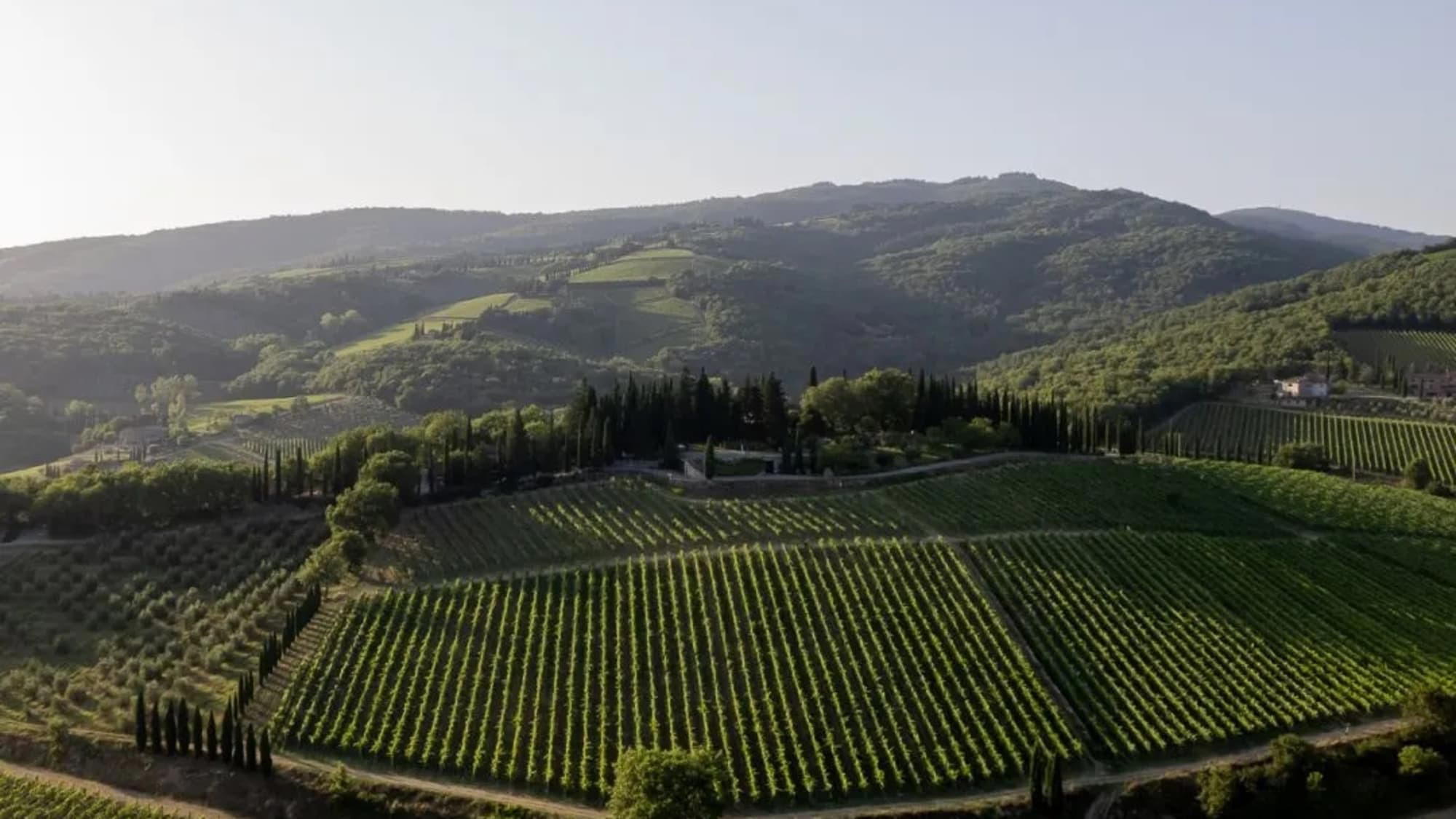
Bars in Gaiole in Chianti
Browse all →
Restaurants in Gaiole in Chianti
Browse all →
At a Glance
- Romantic
- Scenic
- Elegant
- Classic
- Romantic Getaway
- Wine Education
- Special Occasion
- Group Outing
- Vineyard Tour
- Estate Grounds
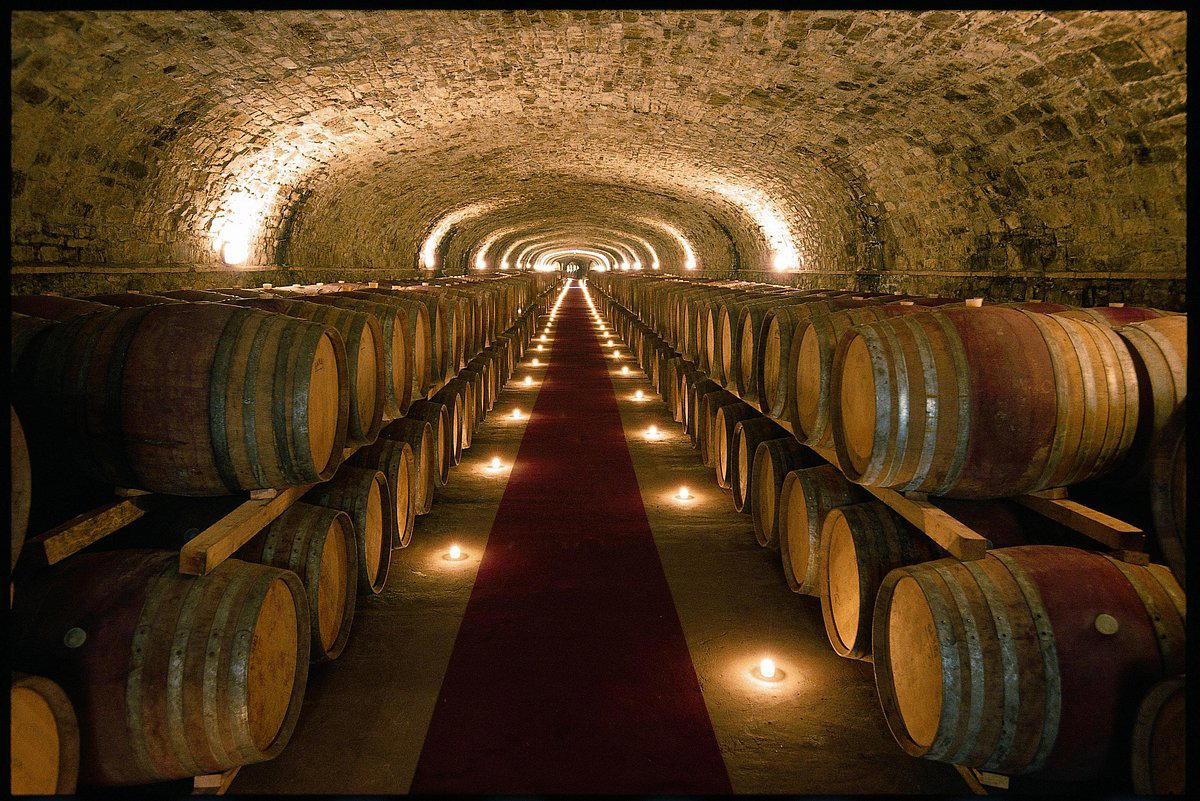
- Barrel Room
- Panoramic View
- Historic Building
- Private Tasting
- Sustainable
- Vineyard
- Garden
- Chianti Classico DOCG
- Sangiovese
- Merlot
- Chardonnay
- Pinot Noir
- Malvasia Nera
- Cabernet Franc
- Still Red
- Still White
- Still Rosé
- Estate Tasting
- Single Vineyard Selection
- Flight Tasting
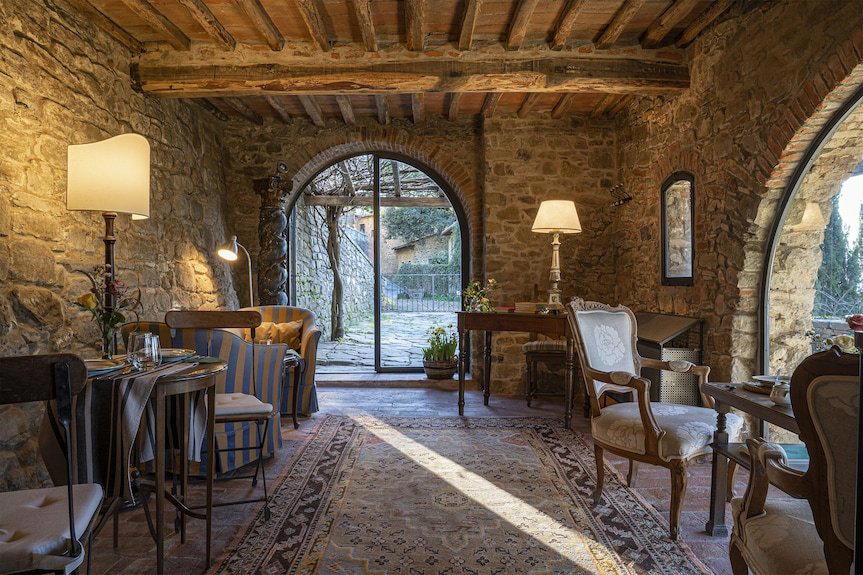
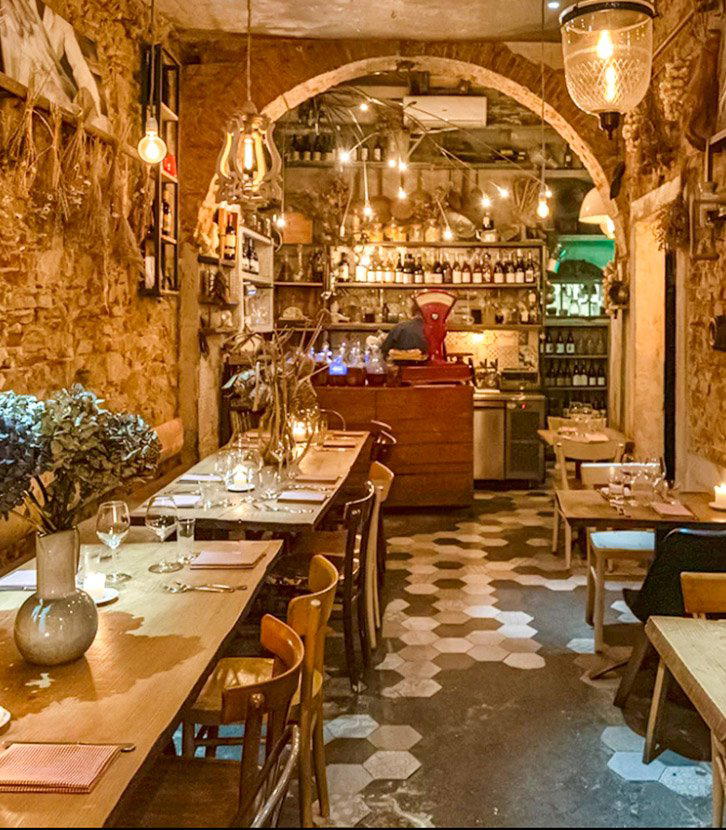
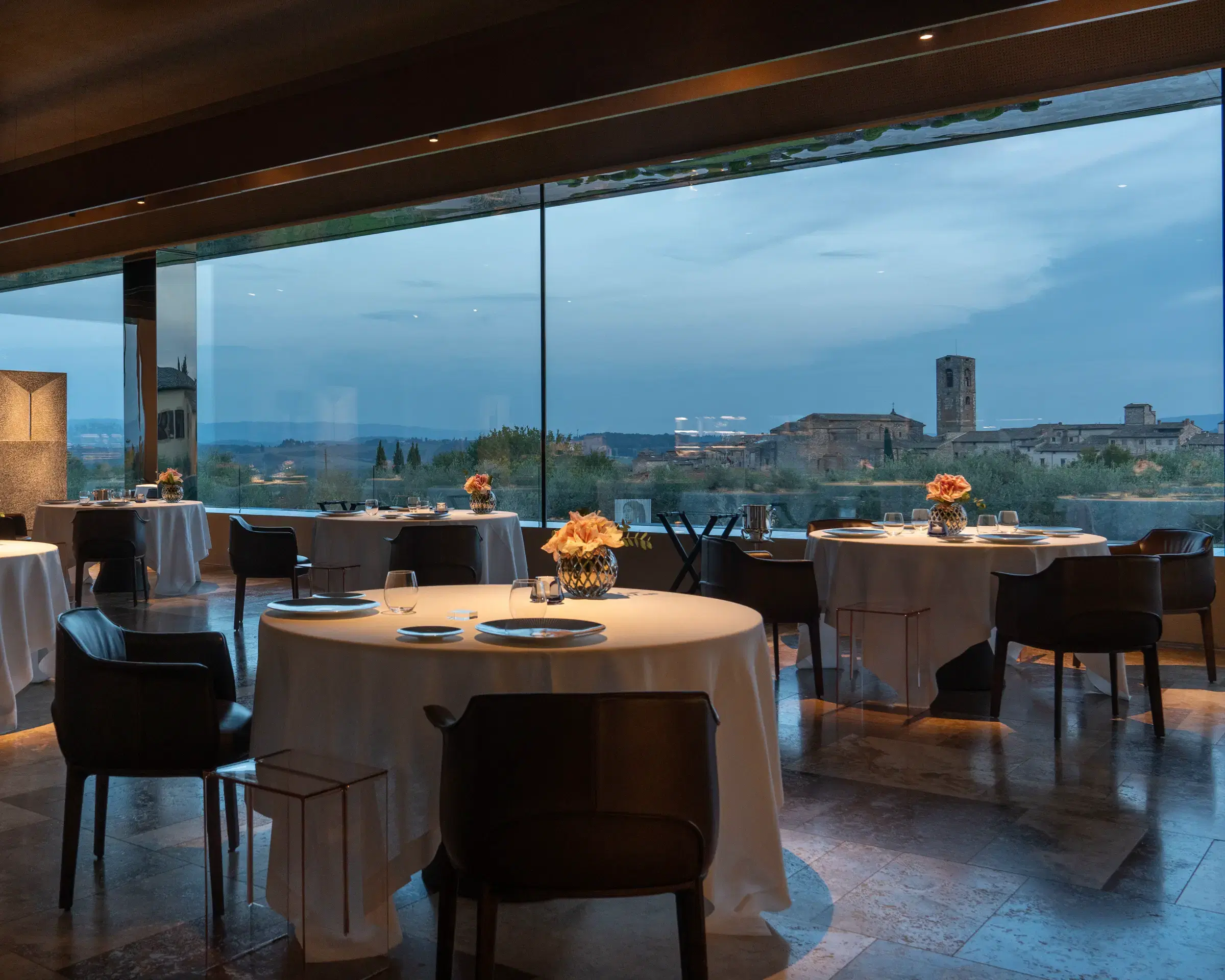
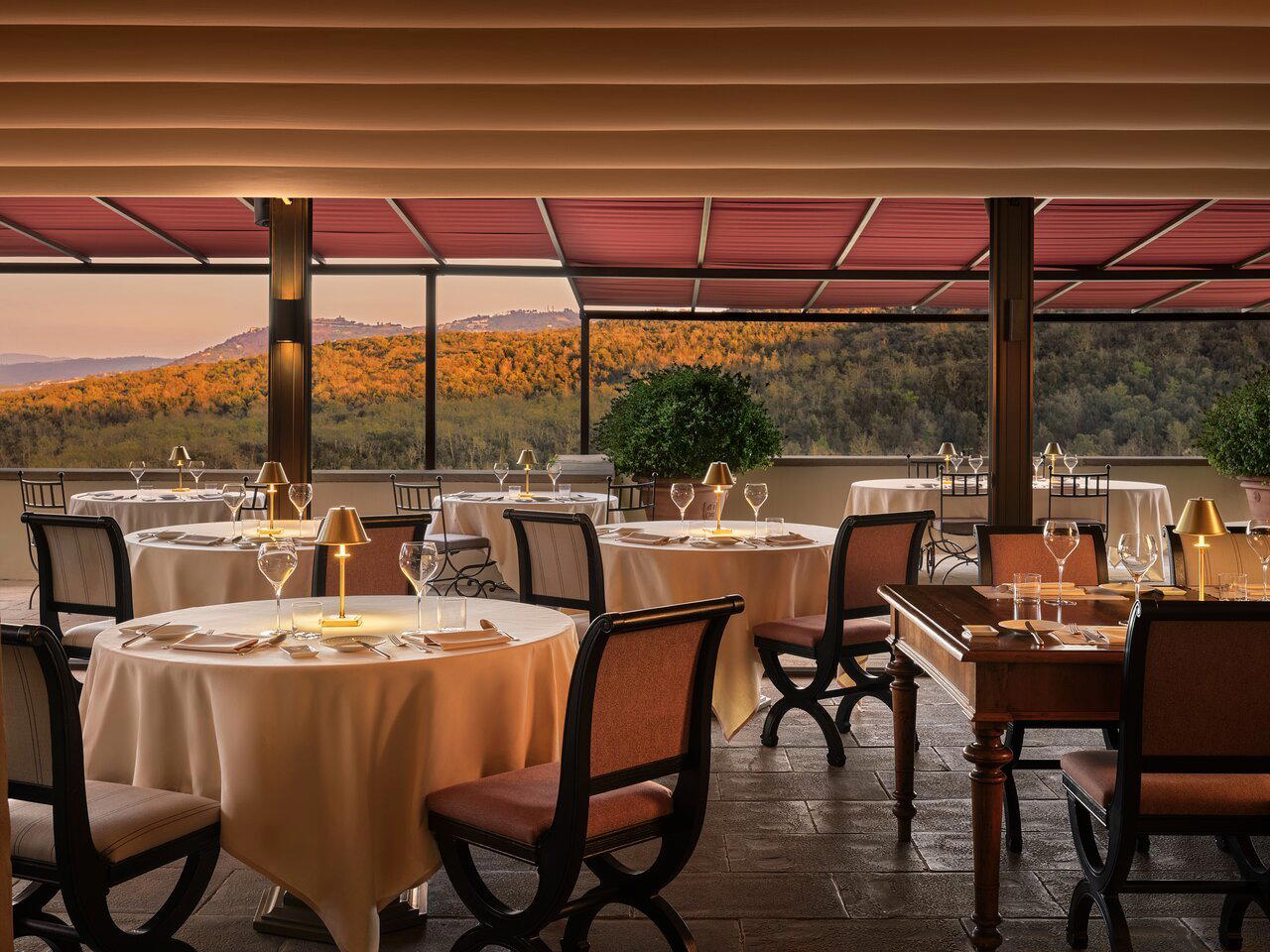
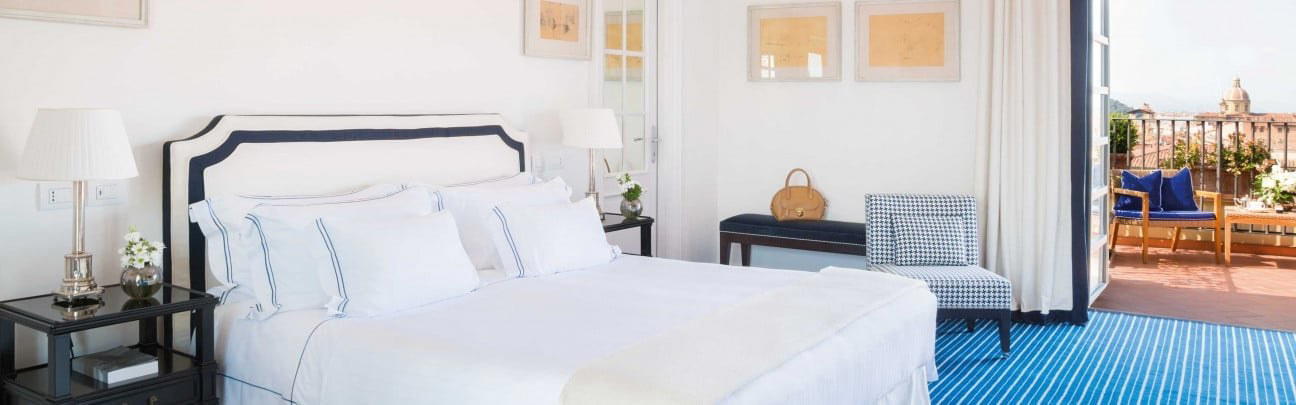
Refined and contemplative, with modern architecture inconspicuously integrated into ancient surroundings; the Arca tasting room offers refined wine-by-glass service overlooking vineyards with natural light and elegant design.