

World's 50 Best #42 · Falstaff Winery - 5 Stars
E. Guigal has anchored Ampuis and the broader Northern Rhône since its founding vintage in 1946, operating from the Château d'Ampuis — a Renaissance-era palace on the banks of the Rhône. Winemaker Philippe Guigal oversees a range that runs from accessible Côtes du Rhône to the single-vineyard La La La Syrahs that define how the appellation is understood internationally.

Pearl is the En Primeur Club membership app — saves, bookings, and concierge access live there. Same editors, same standards.
- Address
- 5 Rte de la Taquière, 69420 Ampuis
- Phone
- +33 4 74 56 10 22
- Website
- guigal.com
- Directions
- Get directions
A Château on the Rhône, and What It Tells You About Ampuis
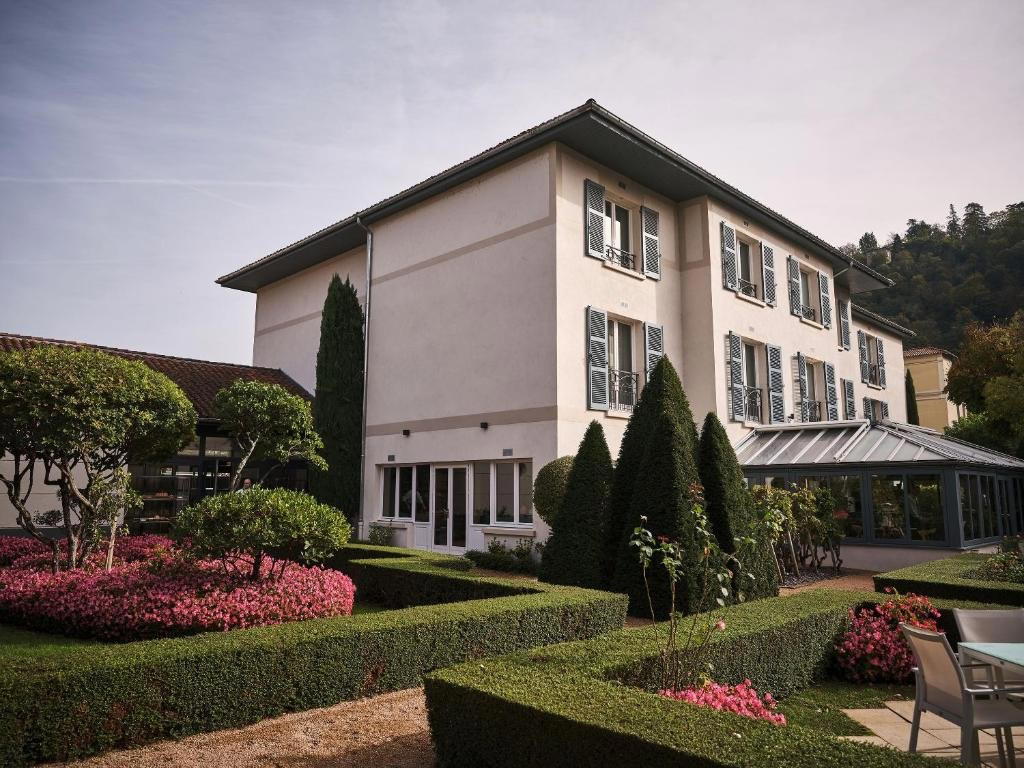
Approaching Château d'Ampuis from the road, the building does much of the talking before any wine is poured. A Renaissance palace built out of a twelfth-century fortress and fully renovated by the Guigal family, it sits directly on the banks of the Rhône at the southern edge of Ampuis — a physical statement about how seriously this appellation takes its own history. The Northern Rhône has never been short of ancient viticultural terrain, but few producers have made the architecture itself part of the argument. Here, the stone and the river are context for everything that follows.
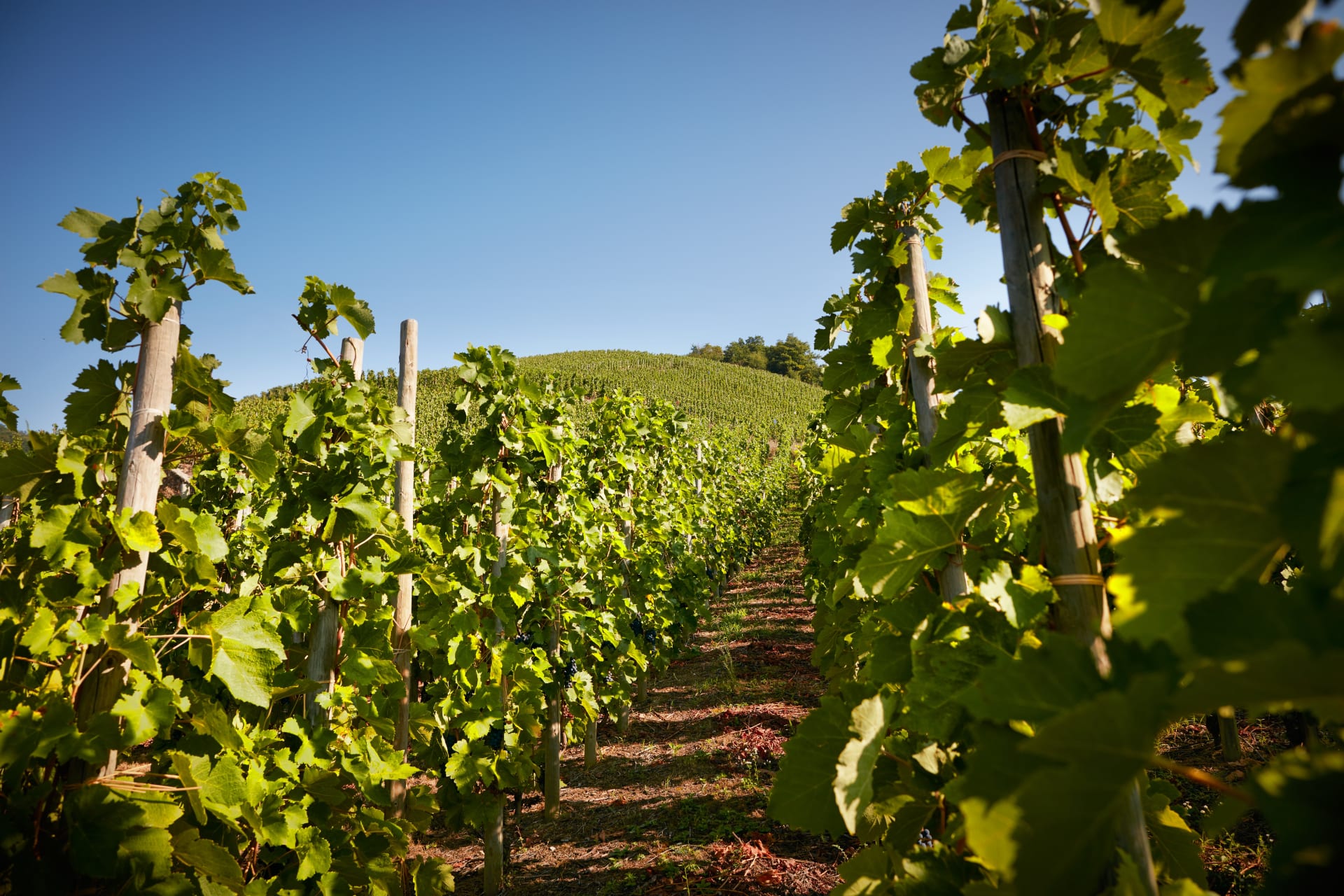
For visitors making their way to Ampuis, the village sits in the Rhône corridor between Lyon and Valence, an area that has produced Syrah-based wines on steep granite slopes since at least Roman times. Guigal's address — 5 Route de la Taquière, places it within easy reach of the Côte-Rôtie appellation's most celebrated vineyards. This is not winery tourism as an afterthought; the physical environment and the wines are inseparable from the same story.
The Winemaker and the Weight of Single-Vineyard Thinking
Philippe Guigal now leads winemaking at the estate, working within a tradition that dates to the founding vintage of 1946. The Northern Rhône's most significant shift in the latter half of the twentieth century was the elevation of single-vineyard Côte-Rôtie from a relatively obscure appellation to a global reference point for Syrah. Guigal's La Mouline, La Landonne, and La Turque, known collectively as the La La Las, were central to that shift. What those three wines established, and what Philippe Guigal maintains, is the idea that lieu-dit identity within Côte-Rôtie is not a marketing distinction but a genuine expression of different soils, exposures, and vine ages.
Within the Northern Rhône, this approach places Guigal in a specific conversation. Domaine Jamet operates from a comparable tradition of small-production, terroir-specific Côte-Rôtie, though with a much tighter total output. Guigal's scale is different, the négociant side of the business means the estate also sources across the broader Rhône, but the prestige tier of single-vineyard wines competes in the same critical space. The extended ageing in new oak that defines the La La Las remains a point of genuine critical debate: some palates find the extraction and wood integration transformative over long cellaring, others prefer the more restrained profile of producers who limit new oak contact. That debate is itself a useful lens for understanding where Guigal sits within the appellation's current generation of winemakers.
For the Northern Rhône specifically, this places Guigal among a very small group of producers whose wines move at significant price points in both primary and secondary markets, a category in which the estate has held a stable position across multiple decades.
Framing this against French wine more broadly: Prestige-tier Northern Rhône producers occupy a different market structure than, say, classified Bordeaux châteaux. Releases like Château Batailley in Pauillac or Château Branaire Ducru in St-Julien operate within a classification system that anchors expectations. Guigal's prestige tier is built on critical response and allocation rather than statutory classification, which makes its sustained position over time a different kind of achievement. For comparison further afield, Château Bélair-Monange in Saint-Emilion and Château Clinet in Pomerol represent the Right Bank equivalent: appellation-specific prestige driven by critical momentum rather than historical classification alone.
The Range: From Côtes du Rhône to Collector Allocation
One aspect that distinguishes Guigal from most prestige Northern Rhône producers is the breadth of the range. The Côtes du Rhône rouge, sourced across the broader appellation, functions as an entry point that sells in large volumes and keeps the Guigal name visible across price tiers. This dual-market position, accessible everyday wine alongside serious allocation-only single-vineyard releases, is less common in the Northern Rhône than in Burgundy, where négociant operations have long operated across multiple quality and price levels simultaneously.
At the prestige end, the La La La trio commands pricing that aligns with serious Burgundy and leading Napa Cabernet. For context, Accendo Cellars in St. Helena operates in a comparable space within Napa: small-production, single-vineyard emphasis, collector allocation, and pricing that reflects critical positioning rather than volume. The mechanisms are different, but the market tier is legible across both regions.
Other appellations are covered too. Guigal produces Condrieu and Hermitage alongside the Côte-Rôtie, giving the estate coverage across the Northern Rhône's major white and red appellations. The Condrieu, made from Viognier on steep terraced slopes above the Rhône, represents a very different winemaking challenge from the Syrah-dominant reds and sits in a much smaller global market. For those building a Northern Rhône vertical, having access to multiple appellations from a single producer simplifies the task considerably.
Visiting Ampuis: Practical Context
Ampuis is roughly 35 kilometres south of Lyon by road, making it accessible as a day trip from the city or as a dedicated stop on a longer Rhône Valley itinerary. Visiting Guigal specifically requires contacting the domaine in advance; the château is not a drop-in destination. Given the estate's scale and reputation, group visits and trade appointments typically take priority, and individual travellers should plan well ahead of arrival.
The village itself is small, and the broader dining and accommodation infrastructure for serious wine tourism is more developed in nearby Vienne, the Roman city a few kilometres to the north, than in Ampuis itself. For a fuller picture of what the area offers beyond the cellar, our full Ampuis restaurants guide covers the local options in detail.
For those constructing a wider French wine trip, Guigal fits logically into an itinerary that takes in Alsace producers like Albert Boxler in Niedermorschwihr, Bordeaux châteaux such as Château Cantemerle in Haut-Médoc or Château Boyd-Cantenac in Cantenac, and sweet wine producers including Château Bastor-Lamontagne in Preignac and Château d'Arche in Sauternes. For something further from the wine trail, Chartreuse in Voiron is within striking distance of the Rhône Valley corridor and offers a very different kind of producer visit. Rosé drinkers extending south might also consider Château d'Esclans in Courthézon, one of Provence's most discussed estates. And for those whose itinerary extends to Scotland, Aberlour in Aberlour offers a producer-visit format in a very different register.
Price and Recognition
Comparable venues nearby, for context on price, style, and recognition.
| Venue | Cuisine | Awards |
|---|---|---|
| E. GuigalThis venue — the venue you are viewing | Ampuis, Syrah, Viognier | World's 50 Best #42 · Falstaff Winery - 5 Stars |
| Domaine M&S Ogier D'Ampuis | Winery | Falstaff Winery - Listed |
| Domaine Jamet | Ampuis, Syrah, Viognier | Falstaff Winery - Listed |
| Château de Beaucastel | Châteauneuf-du-Pape, Grenache, Mourvèdre | World's 50 Best #34 |
| Chapoutier | Tain-l'Hermitage, Syrah | World's 50 Best #77 · Falstaff Winery - Listed |
| Moët & Chandon | Épernay, Pinot Noir, Chardonnay | World's 50 Best #57 · Falstaff Winery - 3 Stars |
Recognition history
Dated appearances from independent guides and award organizations, with the underlying list record or original source where available.
World's 50 Best Vineyards #42
World's 50 Best
Falstaff Winery - 5 Stars
Falstaff
Continue exploring
More in Ampuis
Wineries in Ampuis
Browse all →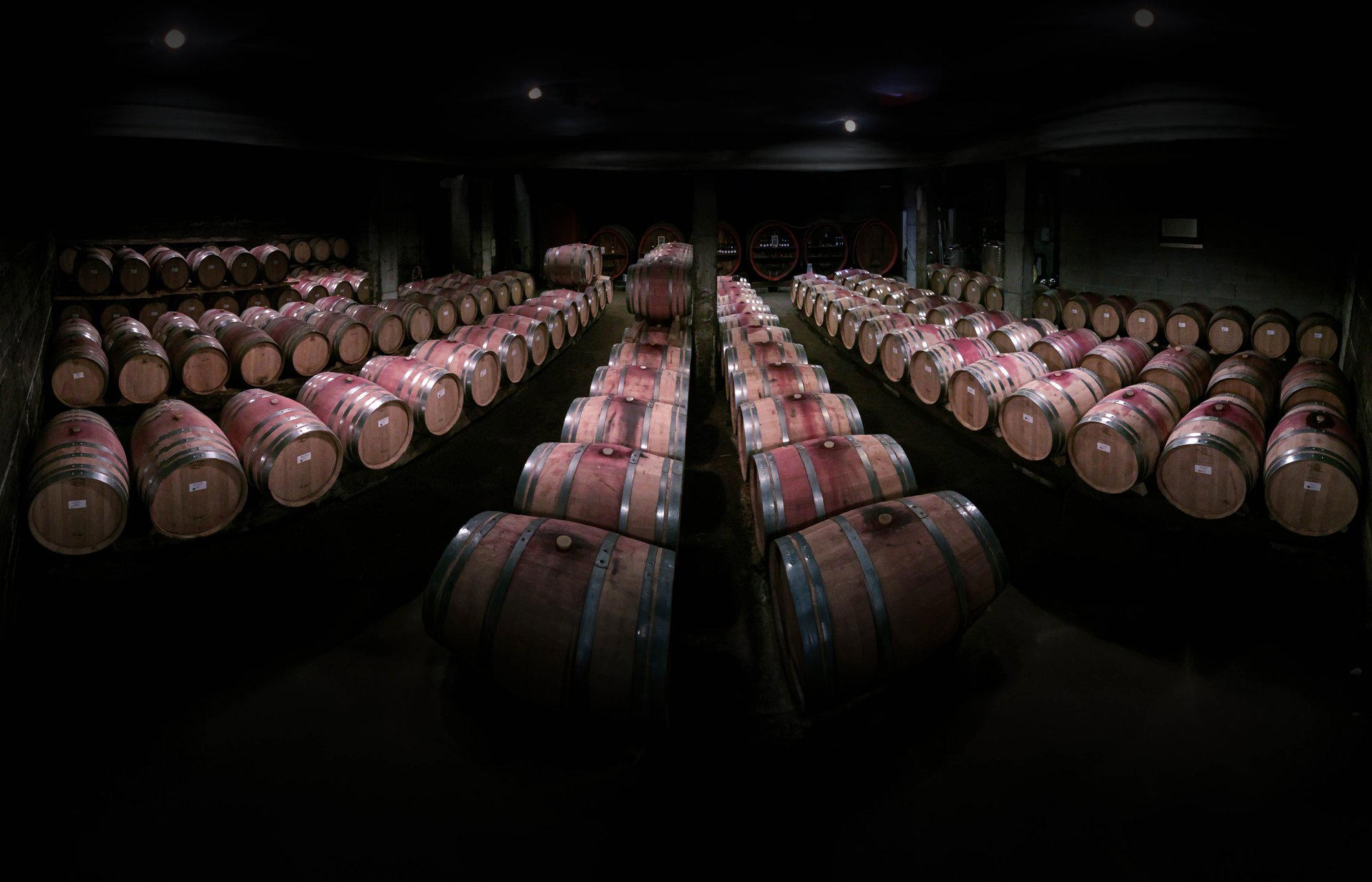

Bars in Ampuis
Browse all →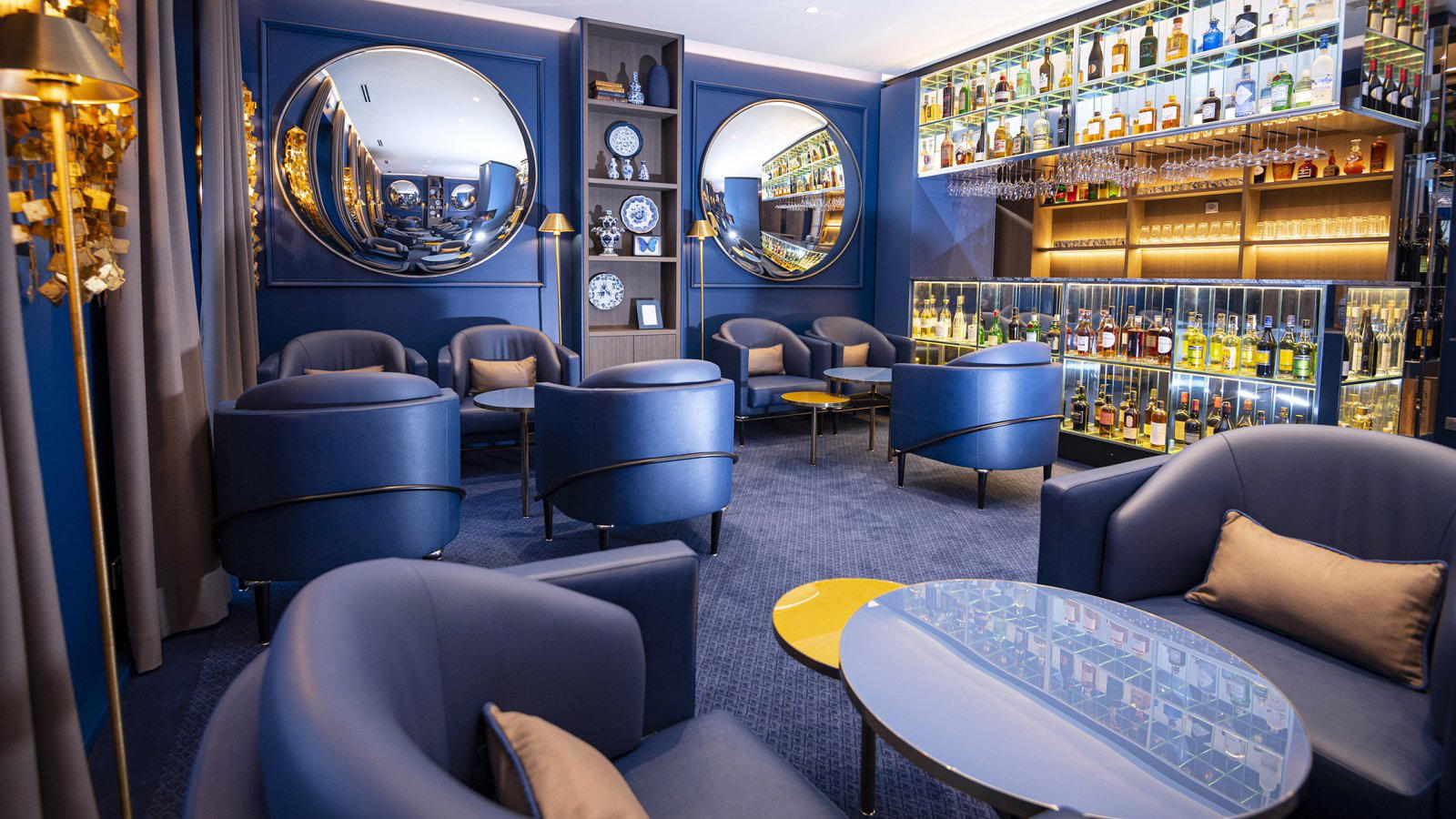
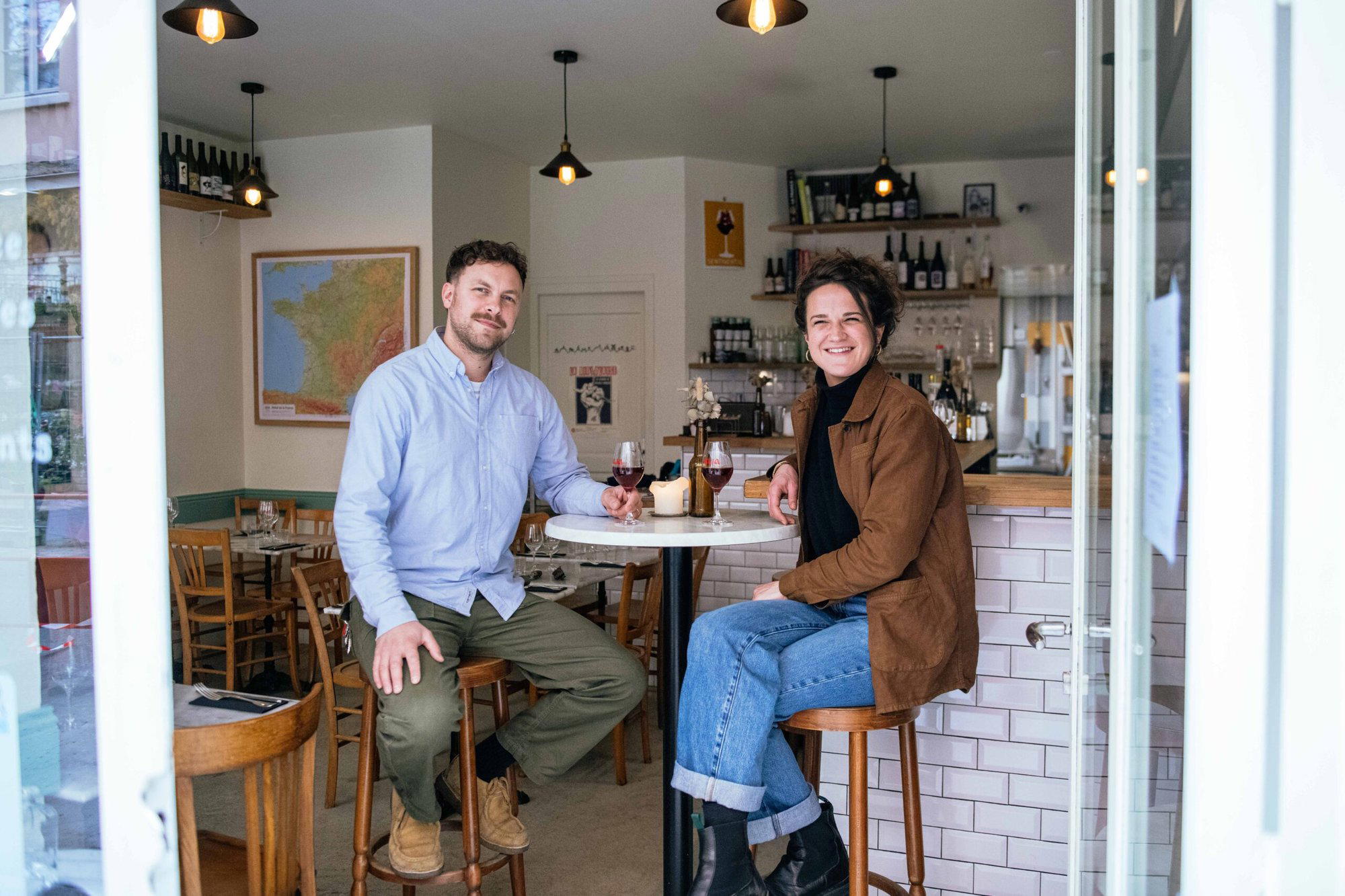
Restaurants in Ampuis
Browse all →
Details
- Classic
- Elegant
- Rustic
- Well Known
- Sophisticated
- Wine Education
- Special Occasion
- Cave Tasting
- Vineyard Tour
- Historic Building
- Barrel Room
- Vineyard
- Syrah
- Viognier
- Still Red
- Private Tasting
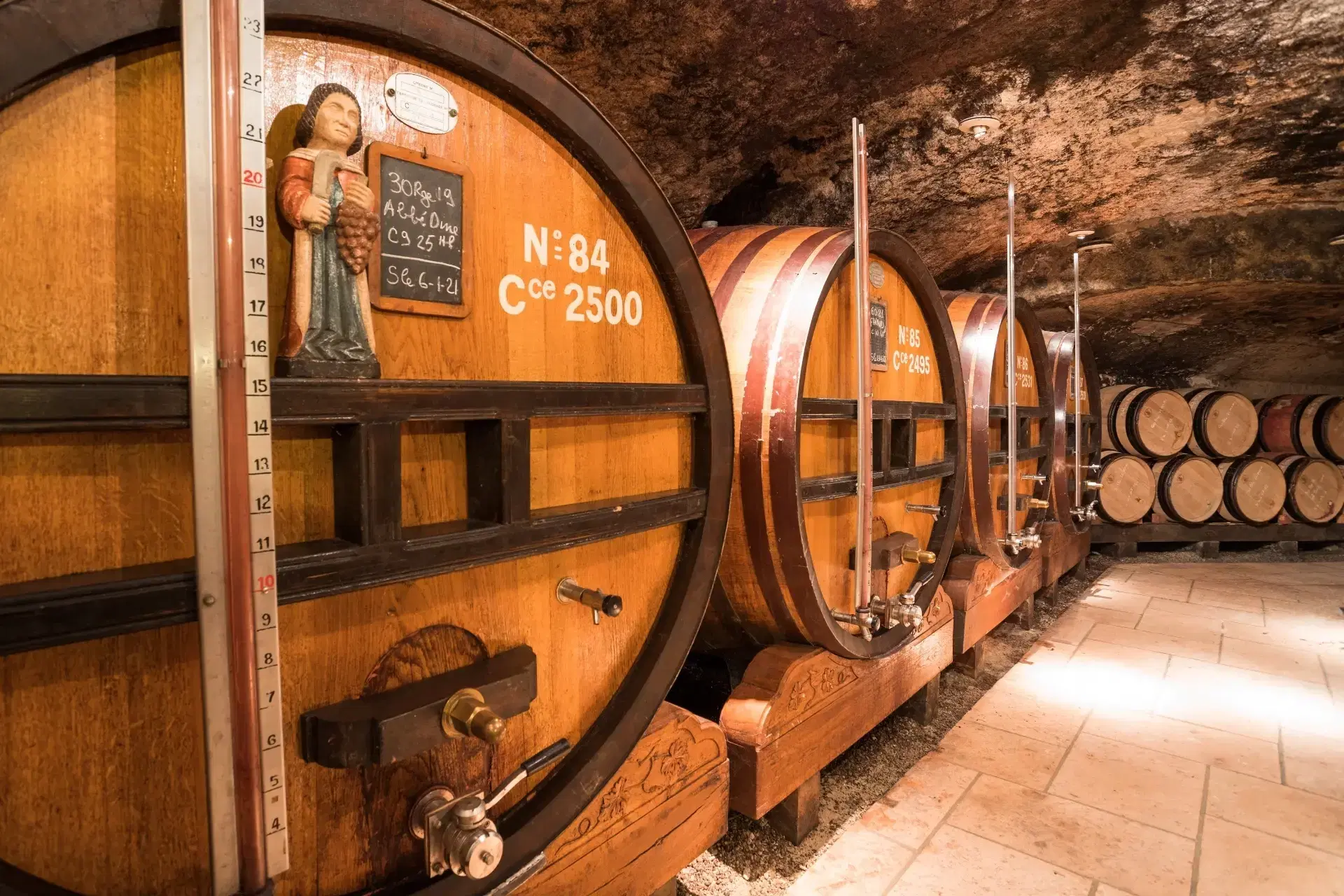
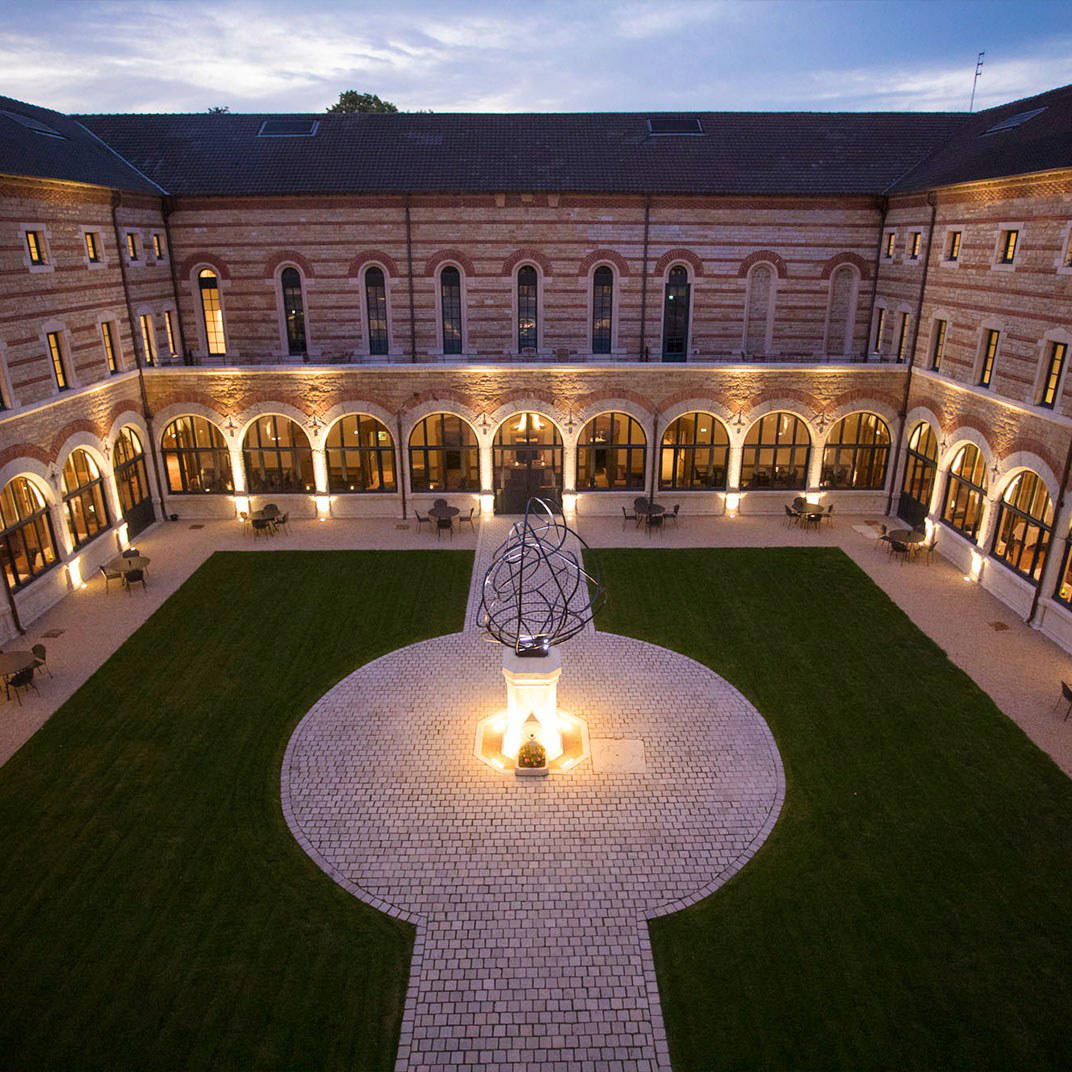
Historic château setting with underground cellars housing thousands of barrels, evoking timeless elegance and reverence for traditional winemaking amid ancient vineyard landscapes.