Ridge Vineyards



World's 50 Best #47 · Falstaff Winery - Listed
At 800 metres on the rugged Santa Cruz Mountains above Cupertino, Ridge Vineyards has been farming some of the oldest vines in the United States since its first vintage in 1962.

Pearl is the En Primeur Club membership app, where members save venues, book tables and use the concierge.
Where the Mountain Speaks First
The road up Montebello climbs hard and narrows as it rises, the kind of approach that signals, before a single bottle is opened, that this is not a convenient destination. At 800 metres above the Santa Cruz Mountains floor, the air changes, the coastal fog line sits below you, and the vines that edge the ridge carry the density and gnarled character of extreme age. This physical reality is the context for everything Ridge Vineyards produces. The altitude, the rocky Franciscan schist and shale, the cool Pacific-influenced growing season, these are not marketing claims. They are the conditions that have shaped the estate since its first commercial vintage in 1962, making Ridge one of the longest-running continuous expressions of a single California mountain site in the country.
That continuity matters in a California wine culture that routinely treats geography as flexible. Ridge's Montebello address is fixed, vertical, and non-replicable. The vines that reach furthest back into the estate's history predate most of what passes for heritage anywhere in the New World. For context, when you read about some of the oldest vines in the United States, the Santa Cruz Mountains at elevation is one of the handful of places that claim applies with documentary evidence rather than promotional inference.
Elevation as Winemaking Argument
California Cabernet's dominant conversation runs through Napa Valley, through properties like Accendo Cellars in St. Helena and Alpha Omega Winery in Rutherford, where valley-floor or hillside fruit is shaped by specific soil and microclimate within an already well-documented appellation. Ridge operates in a different register. The Santa Cruz Mountains AVA sits outside Napa's commercial gravity, which is precisely why producers here tend to attract a different kind of attention, from collectors and critics who treat appellation prestige as a secondary metric and site character as the primary one.
At Montebello, elevation does specific, documentable work. Cooler temperatures slow ripening, building structure and acidity that keep the wines longer-lived. The thin, low-vigour soils force roots deep and yields low. The result in a typical vintage is a wine with more angular tension than the rounder, more fruit-forward profile that valley-floor growing conditions encourage. This is a stylistic position that Ridge has held consistently across decades, and under winemaker John Olney it remains the estate's defining argument: that California Cabernet-based wine can age and develop along lines more commonly associated with Old World mountain appellations.
This places Ridge in a peer conversation that extends beyond California's borders. Where producers like Aubert Wines in Calistoga pursue concentration and richness through intensive vineyard management, Ridge's Montebello site argues for restraint through geography. The two approaches are not equivalent, and they are not in competition, but understanding where Ridge sits within the California premium tier requires recognising that Montebello's altitude is doing structural work that no winemaking intervention can fully replicate on a warmer, lower-elevation site.
Vine Age and Its Implications
Vine age is a variable that California wine has historically underplayed, partly because the state's viticultural history is fractured, phylloxera, Prohibition, and the commercial replanting waves of the 1970s and 1990s all interrupted continuity on many estates. Ridge's Montebello site survived several of those ruptures with enough of its older material intact to make the claim of historic vine age meaningful rather than aspirational. Some blocks trace back to the pre-Prohibition era, which is an unusual continuity in a New World context.
Old vine material typically yields less fruit per plant and produces grapes with greater skin-to-juice ratio and more phenolic complexity. Whether that translates directly into measurable quality differences is a subject of ongoing debate among viticulturalists, but in terms of flavour depth and structural density, the correlation is well-established in long-studied regions. At Ridge, the combination of old vines, altitude stress, and low-intervention farming produces a set of conditions that require less correction in the winery, a point that distinguishes the estate from producers who achieve concentration through technical means rather than vineyard circumstance. For comparison, producers like Adelaida Vineyards in Paso Robles and Alban Vineyards in Arroyo Grande work with established site character in their respective AVAs, but neither operates with the vine-age history Ridge carries at Montebello.
The Tasting Room and the Drive That Earns It
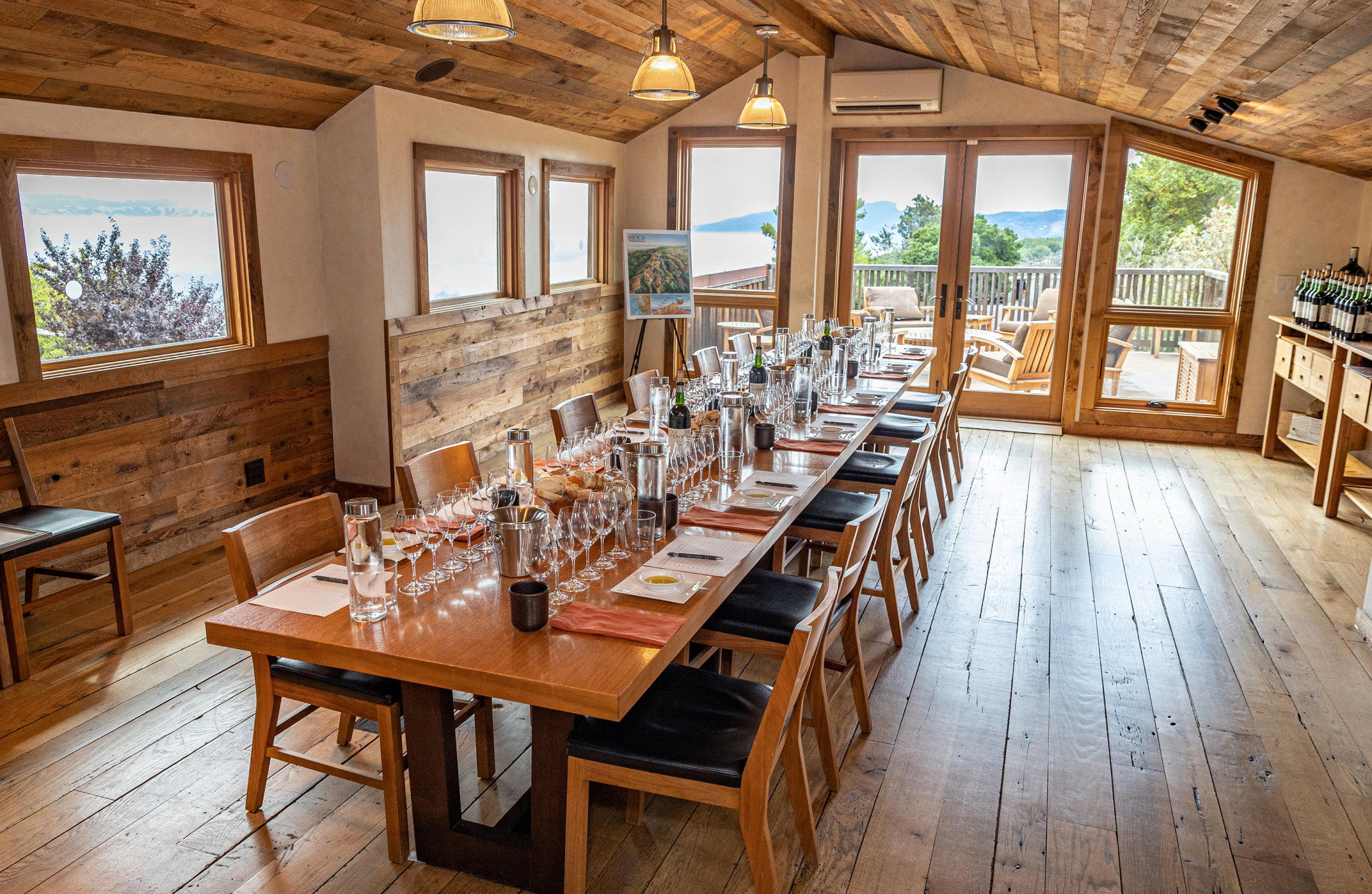
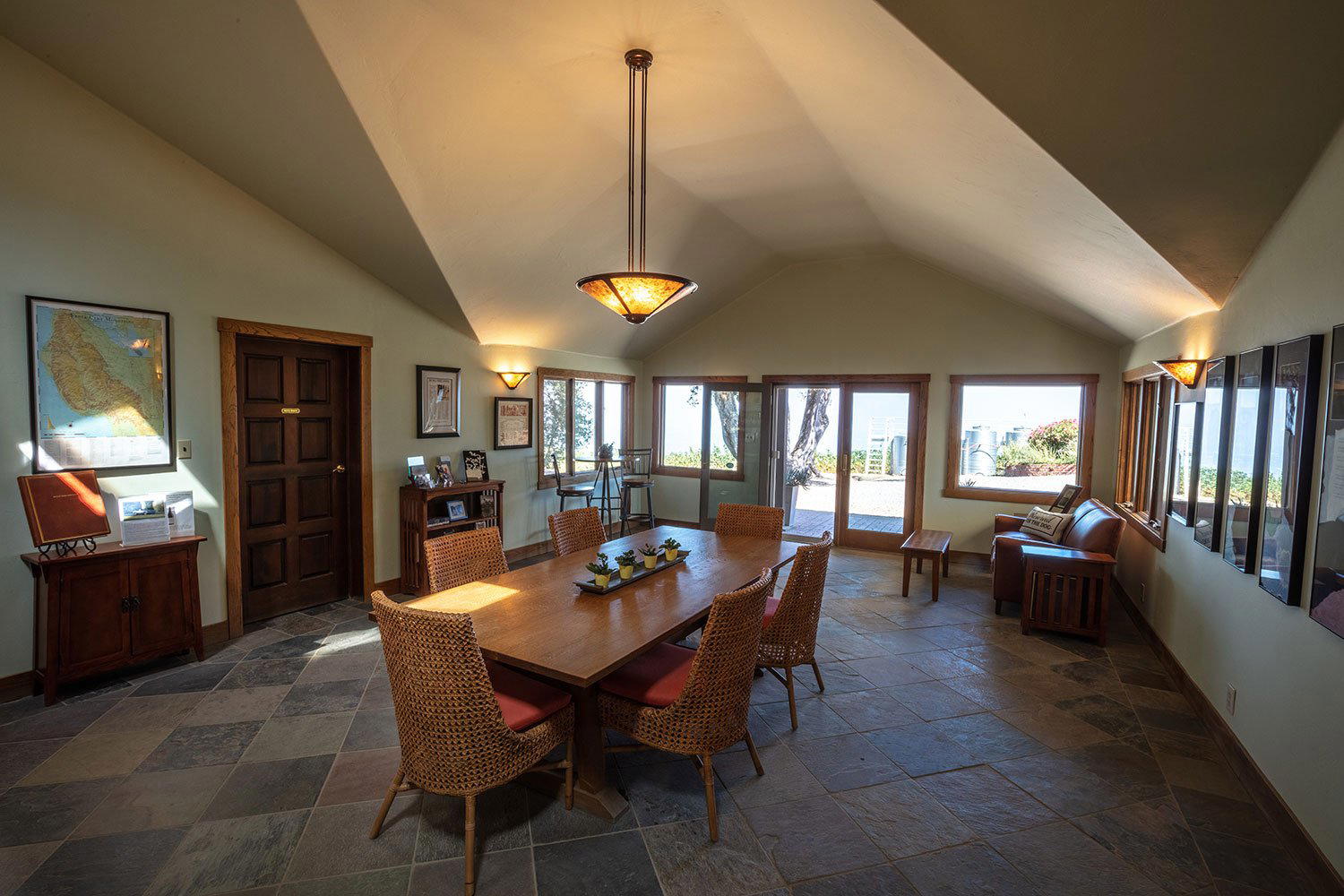
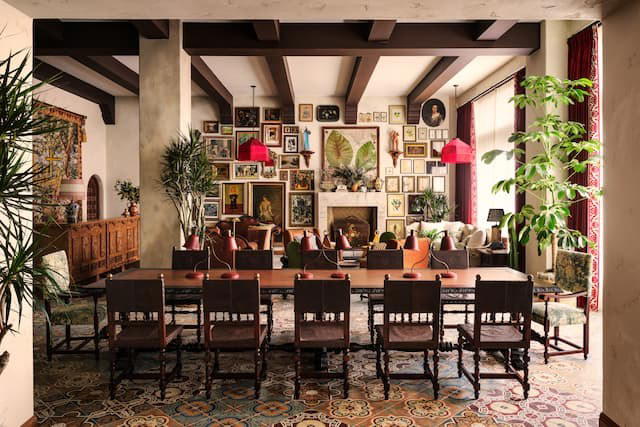
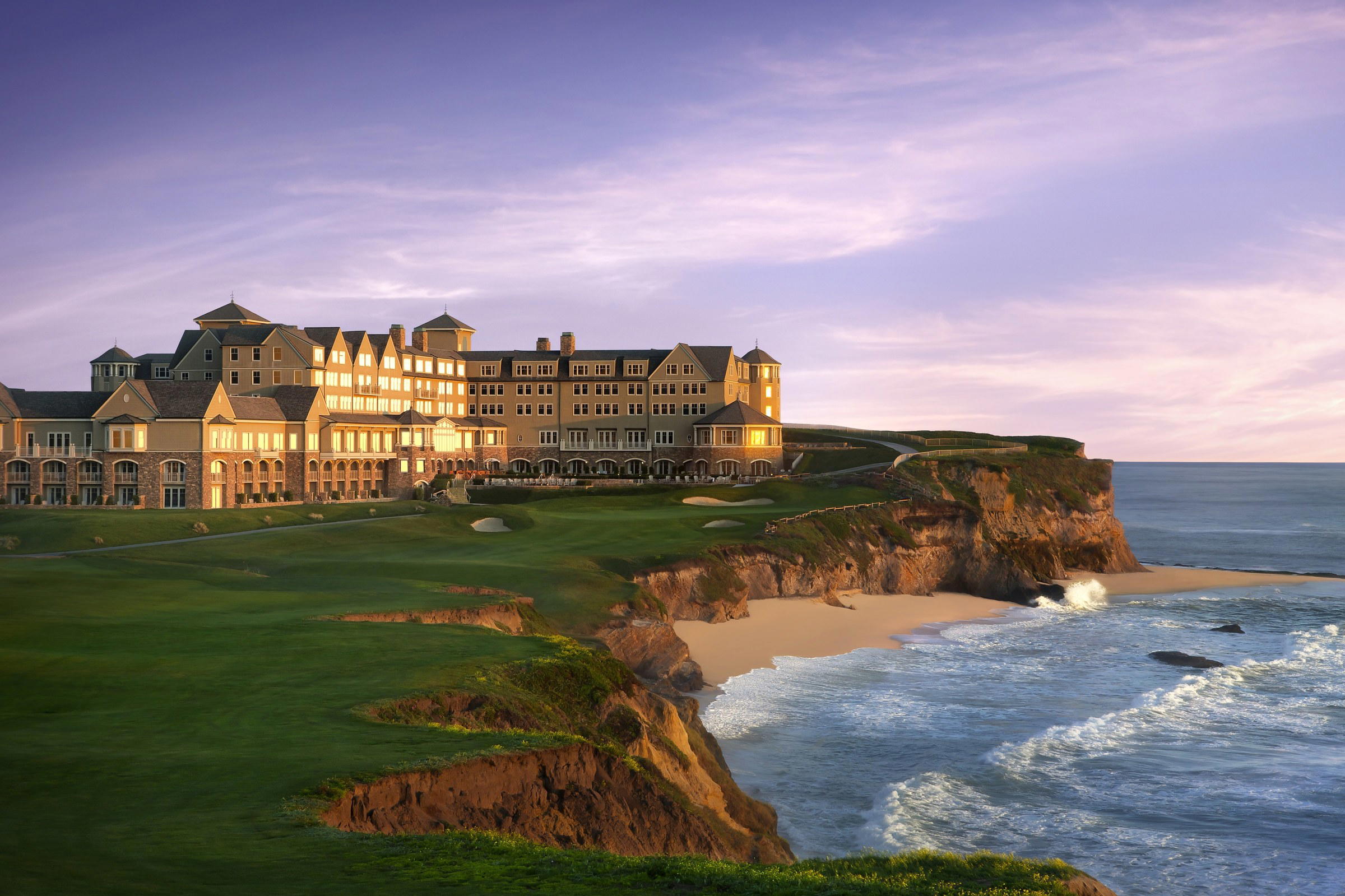
Getting to Ridge Vineyards requires intention. The Montebello address on the edge of the Santa Cruz Mountains above Cupertino is not on the way to anywhere else, you plan the visit or you don't make it. The tasting room sits at altitude, and on clear days the view over the Bay Area extends to the horizon. The atmosphere reflects the site: unhurried, topographically dramatic, with the working vineyard rather than designed hospitality infrastructure as the dominant visual reference.
This distinguishes Ridge from the more visitor-engineered experiences at properties closer to San Francisco's wine tourism infrastructure. There are no theatrical cellar tours or chef-paired tasting menus at Montebello. The draw is the wine itself and the site that produces it, which is either the right fit for the visit or it isn't, depending on what a traveller is looking for. For those focused on site-driven, age-worthy California red wine, the drive up Montebello Road is the argument made in physical form before the first pour.
Those planning around other California wine destinations might consider the range of sites covered in our full Cupertino restaurants guide, or use Ridge as an anchor for a Santa Cruz Mountains itinerary that contrasts mountain elevation with coastal-influence producers. Estates focused on Rhône varieties, such as Andrew Murray Vineyards in Los Olivos, offer a point of comparison for how California's topographic diversity shapes entirely different stylistic outcomes from similar warm-season conditions. Further afield, Adelsheim Vineyard in Newberg and Au Bon Climat in Santa Barbara represent the Pacific Coast's two other major reference points for cool-climate, site-expressive winemaking in an American context.
For those cross-referencing California's premium estate landscape more broadly, the contrast between Artesa Vineyards and Winery in Napa, Alexander Valley Vineyards in Geyserville, and B.R. Cohn Winery in Glen Ellen illustrates how differently terroir-led and brand-led estates operate within the same state-level premium tier. Outside California entirely, Babcock Winery in Lompoc, Aberlour in Aberlour, and Achaia Clauss in Patras represent how site-first philosophy operates across entirely different traditions and categories.
Planning the Visit
Ridge Vineyards sits at 17100 Montebello Road, Cupertino, CA 95014. The winery is accessible from central Silicon Valley but the mountain road requires confident driving, particularly in wet or foggy conditions, which are not uncommon at this altitude in winter and early spring. First vintage on record is 1962, giving the estate over six decades of continuous Montebello production to contextualise any current release against. Visitors should check current tasting hours and reservation requirements directly through the estate's official channels before travelling, as mountain winery operations can vary seasonally. The visit is weighted toward the wines and the site rather than hospitality amenities, plan accordingly, and plan the drive as part of the experience rather than as a logistical inconvenience.
Quick Comparison
Comparable venues nearby, for context on price, style, and recognition.
| Venue | Cuisine | Price | Awards | Notes |
|---|---|---|---|---|
| Ridge VineyardsThis venue (the venue you are viewing) | Zinfandel, Cabernet Sauvignon | $30–50 | World's 50 Best #47 · Falstaff Winery - Listed | Not listed |
| Duckhorn Vineyards | Merlot, Cabernet Sauvignon | Not listed | World's 50 Best #44 · Falstaff Winery - Listed | St. Helena |
| Aperture Cellars | Cabernet Sauvignon, Sauvignon Blanc | $150–200 | World's 50 Best #14 | Russian River Valley |
| Robert Mondavi Winery | Cabernet Sauvignon, Sauvignon Blanc | $200–300 | World's 50 Best #39 · Falstaff Winery - Listed | Oakville |
| Opus One | Cabernet Sauvignon, Cabernet Franc | $300–500 | World's 50 Best #24 · Falstaff Winery - Listed | Oakville |
| Jordan Vineyard & Winery | Cabernet Sauvignon, Merlot | $50–100 | World's 50 Best #13 · Falstaff Winery - Listed | Alexander Valley |
Recognition history
Dated appearances from independent guides and award organizations, with the underlying list record or original source where available.
World's 50 Best Vineyards #47
World's 50 Best
James Beard Award Outstanding Wine & Spirits Professional
James Beard Award
Falstaff Winery - Listed
Falstaff
Full recognition history (4 entries)
World's 50 Best Vineyards #16
World's 50 Best
Ridge Vineyards
Featured Guides
Continue exploring
More in Cupertino
Wineries in Cupertino
All wineries in Cupertino →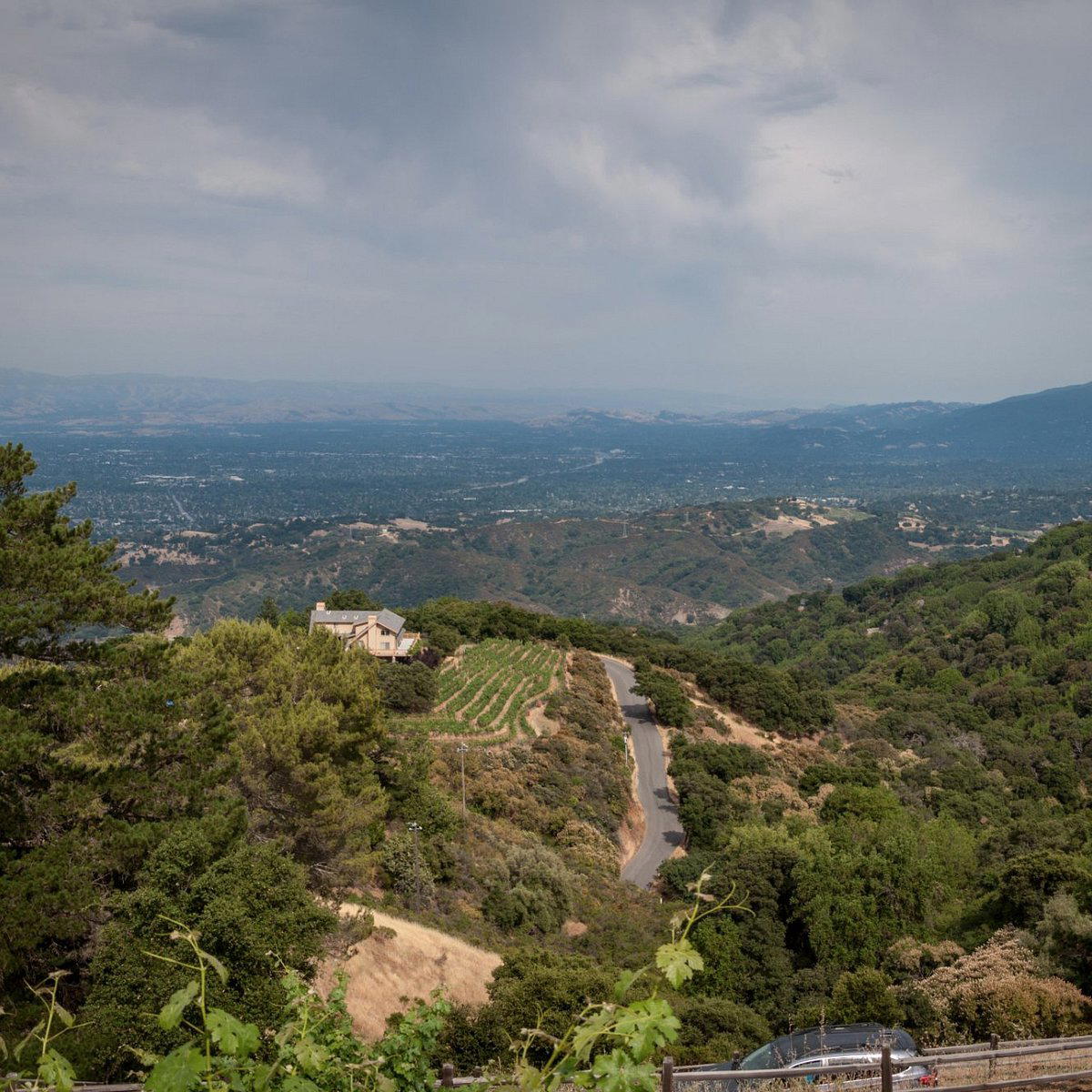
Bars in Cupertino
Browse all →
Restaurants in Cupertino
All restaurants in Cupertino →
Details
- Scenic
- Rustic
- Classic
- Well Known
- Wine Education
- Solo Exploration
- Special Occasion
- Estate Grounds
- Vineyard Tour
- Panoramic View
- Historic Building
- Organic
- Sustainable
- Mountain
- Vineyard
- Zinfandel
- Cabernet Sauvignon
- Syrah
- Grenache
- Carignane
- Chardonnay
- Still Red
- Still White
- Still Rosé
- Seated Tasting
- Private Tasting
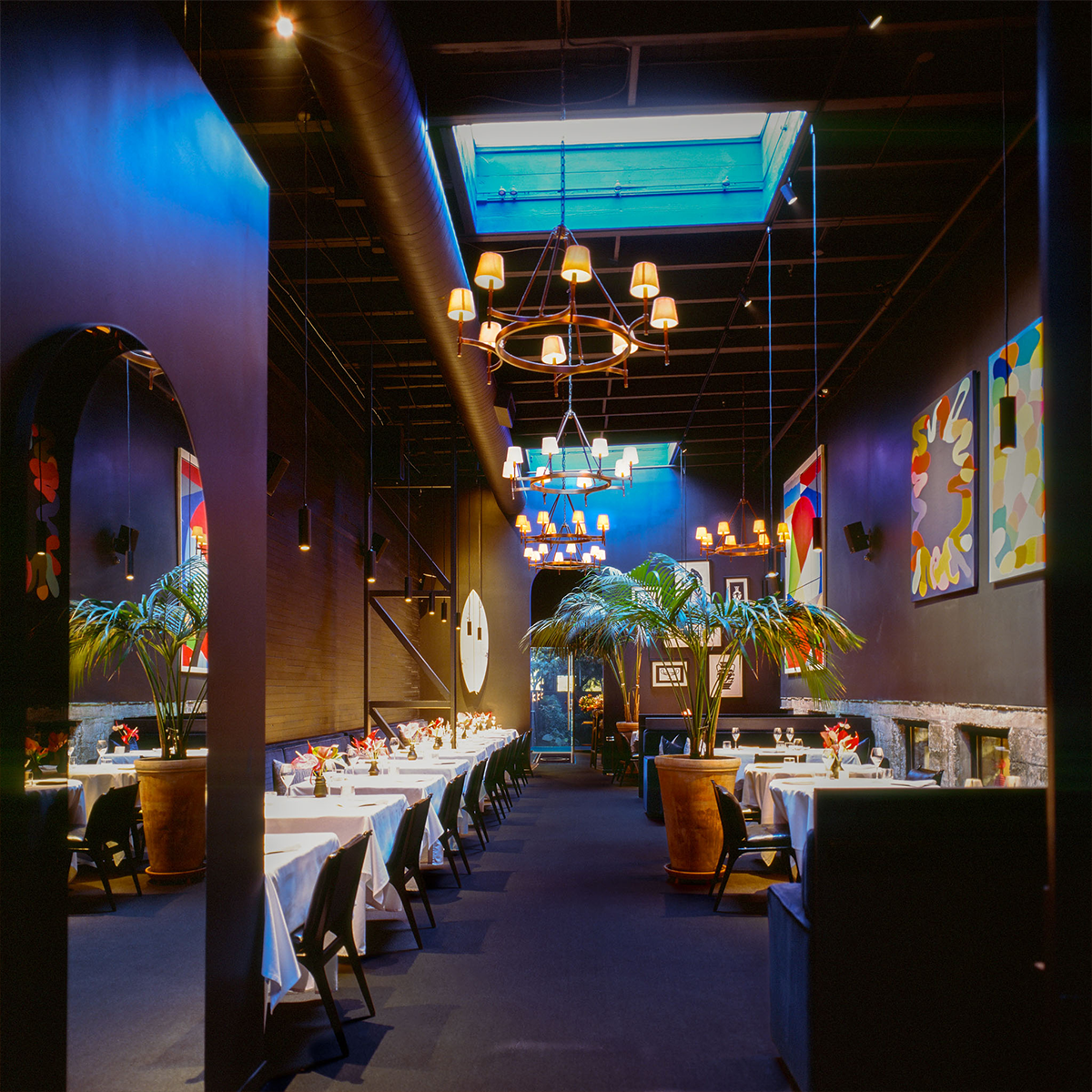
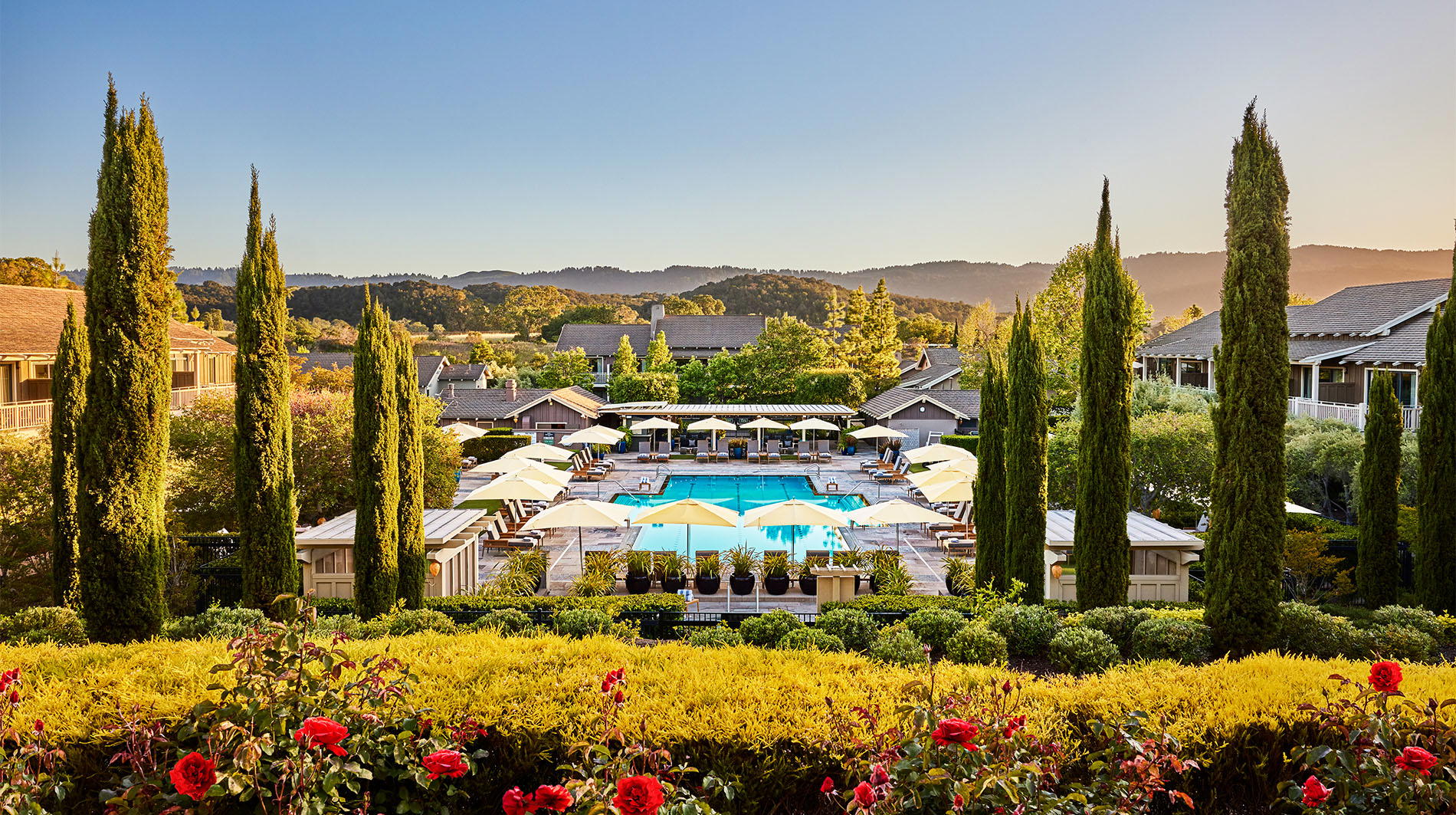
Scenic mountaintop setting with panoramic valley views, relaxed outdoor seating, and knowledgeable unpretentious service amid historic vineyards.