


Léognan, France
Le Manège
Le Manège at Château Léognan pairs French seasonal fine dining with a sommelier-led wine list, formal service, and garden-and-vineyard views for a leisurely lunch or dinner.
Restaurants, hotels, bars and wineries in Léognan from the En Primeur Club guide.
Accolades in Léognan

Léognan’s wine scene includes classified Graves estates producing red and white wines, with guided tastings at Château de Fieuzal and Château Olivier.
Domaine de Chevalier in Léognan is classified Cru Classé de Graves for both red and white wines. The estate produces Cabernet-Sauvignon blends and oak-aged Blanc from gravelly soils. Its awards include Falstaff Winery - 3 Stars and Michelin 1 Grape.
Château Haut-Bailly in Léognan is a Grand Cru Classé de Graves producing elegant, age-worthy reds. Century-old vines include six Bordeaux varieties planted on gravelly terroir. The estate holds Falstaff Winery - 4 Stars and Michelin 1 Grape.
Château de Fieuzal combines Grand Cru Classé status with guided tastings and a modern winery opened in 2011. It produces elegant red and white wines shaped by gravel, sand, clay and limestone, and holds Falstaff Winery - Listed (2026) and Michelin 1 Grape (2026).
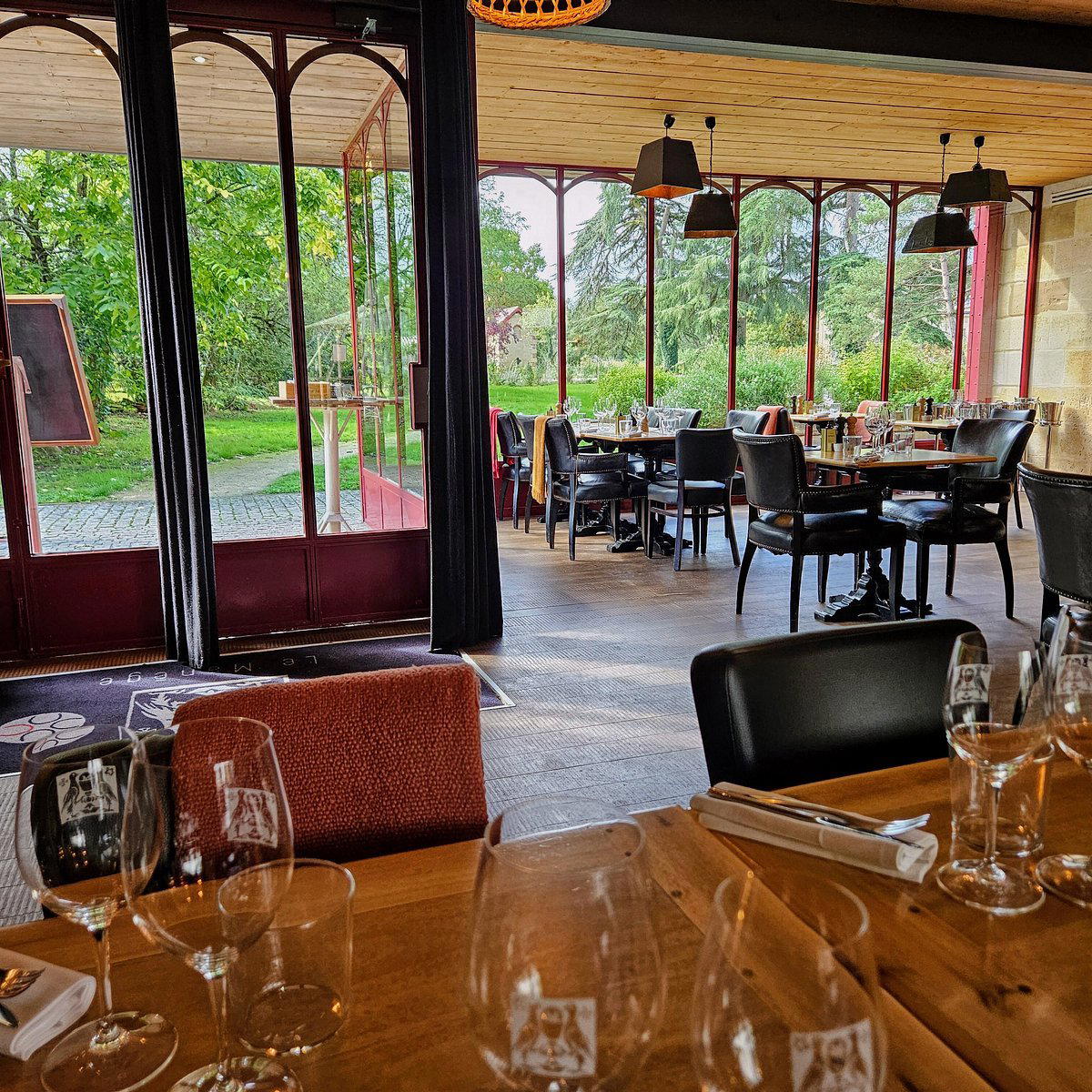
Le Manège sits in the former stables of a Bordeaux wine estate, while the hotel and guesthouse options are placed within vineyard land.
Le Manège is Léognan’s fine dining restaurant, housed in the former stables of a Bordeaux wine estate. It offers French seasonal fine dining, a wine list, a sommelier-led list, and both à la carte and set menu formats with vineyard views.
Château Léognan is the city’s hotel option, set on a 70-hectare vineyard estate. The property combines château rooms with treehouses and cabins, wine tastings and a full spa, and it holds Michelin Selected (2025), Gault & Millau Exceptional Hotel: 5pts (2025) and Mr & Mrs Smith Smith Seal of Approval (2026).
Château Le Pape is a small château guesthouse in Léognan, set within a working wine property with a 9-hectare vineyard. Its five rooms include old-tower rooms, with garden and vineyard views, a pool and Falstaff Winery - Listed (2026) recognition.
Léognan has 20 wineries, 1 restaurant and 1 hotel in our guide. The guide is heavily centred on vineyard estates, with only one standalone restaurant and one hotel alongside the cellar visits.
Léognan is the main neighbourhood for the wine scene in our guide, with 20 venues. Domaine de Chevalier and Château Olivier produce classified red and white Graves wines there, while Château Haut-Bailly produces age-worthy reds from century-old vines.
Domaine de Chevalier, Château Haut-Bailly and Château de Fieuzal in Léognan produce classified Graves wines. All hold Michelin 1 Grape (2026) and Falstaff recognition. Domaine de Chevalier produces Cabernet-Sauvignon blends and oak-aged Blanc, while Château Haut-Bailly makes age-worthy reds from century-old vines. Château de Fieuzal produces red and white wines shaped by gravel, sand, clay and limestone.
Le Manège in Leognan is the restaurant with a set menu in our guide. It also serves à la carte dishes, and the restaurant pairs that format with a sommelier-led wine list in the former stables of a Bordeaux wine estate.
By Emmett Haley · Updated October 8, 2026 · Editorial standards
Léognan
Léognan
Selected entries from the current guide for Léognan.
Léognan
Selected entries from the current guide for Léognan.
Léognan, France
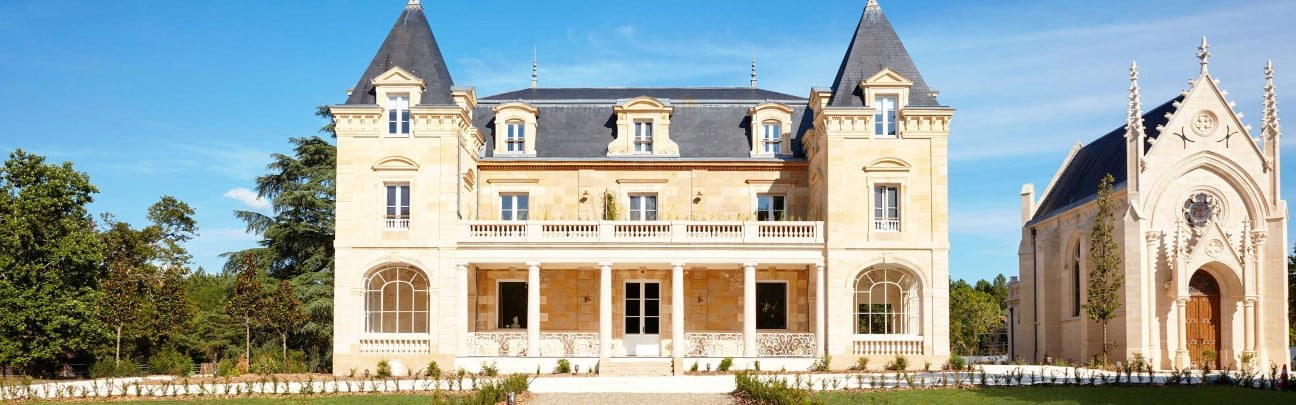
Château Léognan sits at the heart of one of Bordeaux's most storied appellations, earning a Gault & Millau Exceptional Hotel designation (5 points, 2025). The property occupies the grounds where château architecture and wine country converge, drawing guests who want proximity to Pessac-Léognan's classified estates without the anonymity of a city hotel.
Léognan
Selected entries from the current guide for Léognan.
No venues found.
Léognan
Selected entries from the current guide for Léognan.
Léognan, France
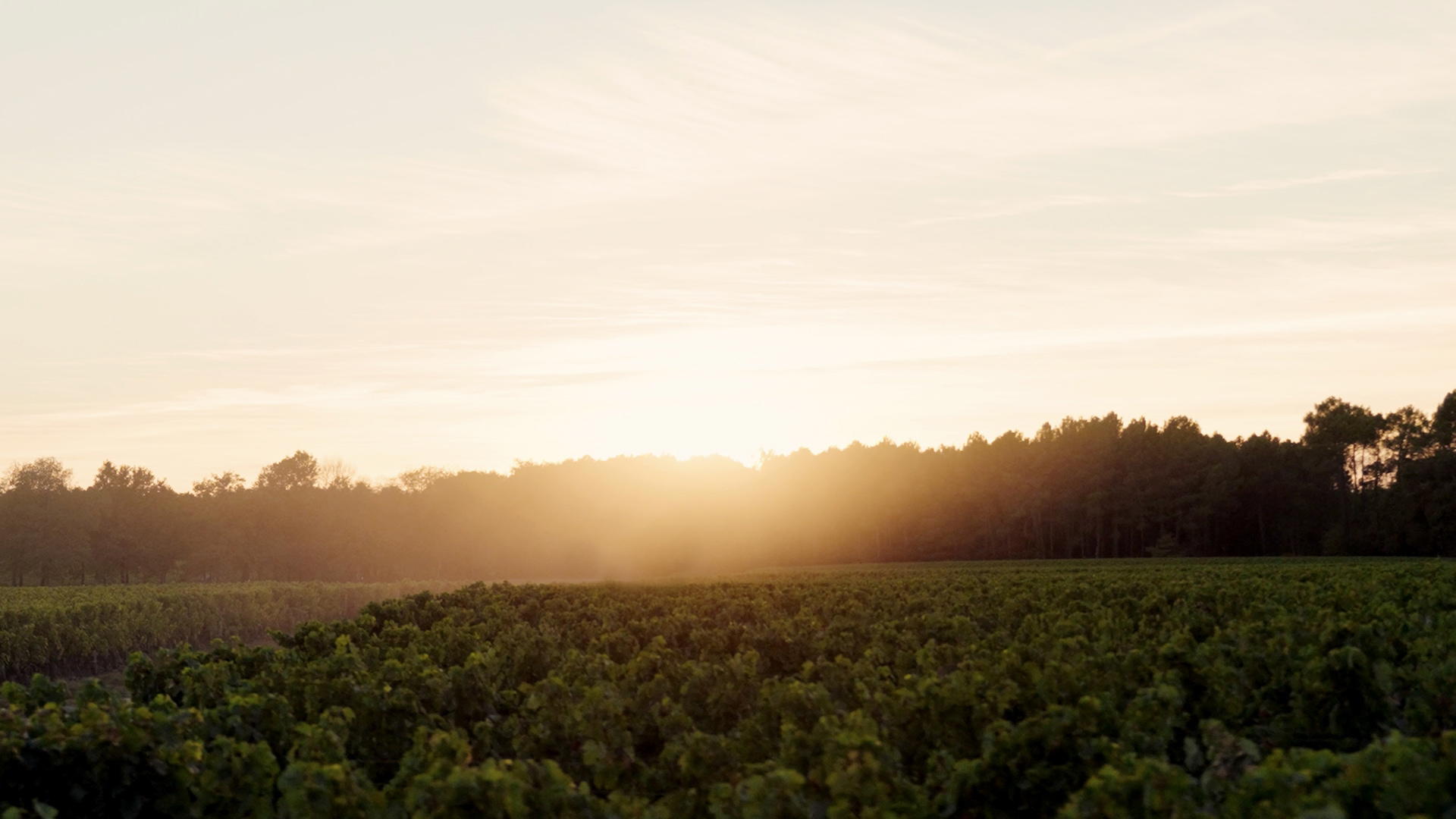
Domaine de Chevalier has produced wine from the gravelly soils of Léognan since 1863, with winemakers Rémi Edange and Thomas Stonestreet overseeing both its red and white programs. Visitors with an interest in Pessac-Léognan's signature approach to Cabernet-Sauvignon blends and oak-aged Blanc will find the property a considered reference point.
Léognan, France
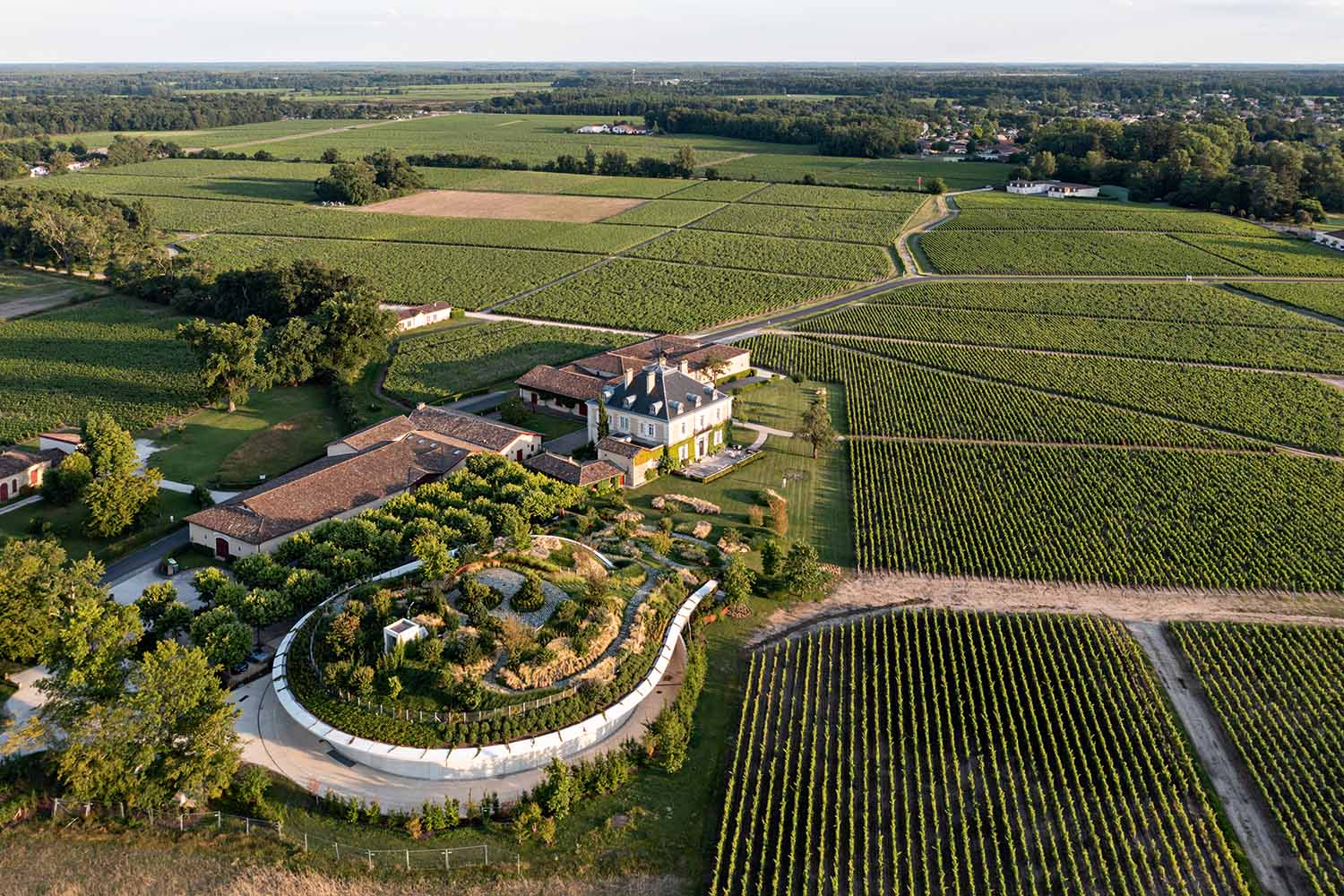
One of the Graves appellation's most historically grounded estates, Château Haut-Bailly has been producing red Bordeaux from Léognan since 1570.
Léognan, France
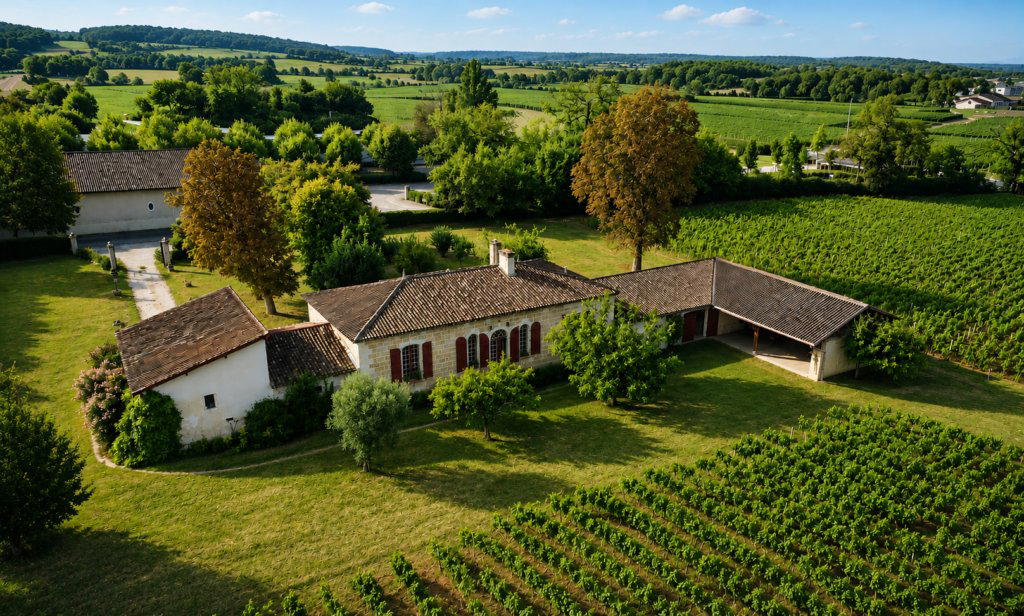
Château Branon belongs to the small-production end of Pessac-Léognan, where gravel, Cabernet structure and Merlot breadth define the conversation. The estate works with a red Bordeaux blend of Merlot, Cabernet Franc and Cabernet Sauvignon, producing about 500 cases per vintage, with critical attention sharpened by a Robert Parker 97-point score for the 2010 vintage.
Léognan, France
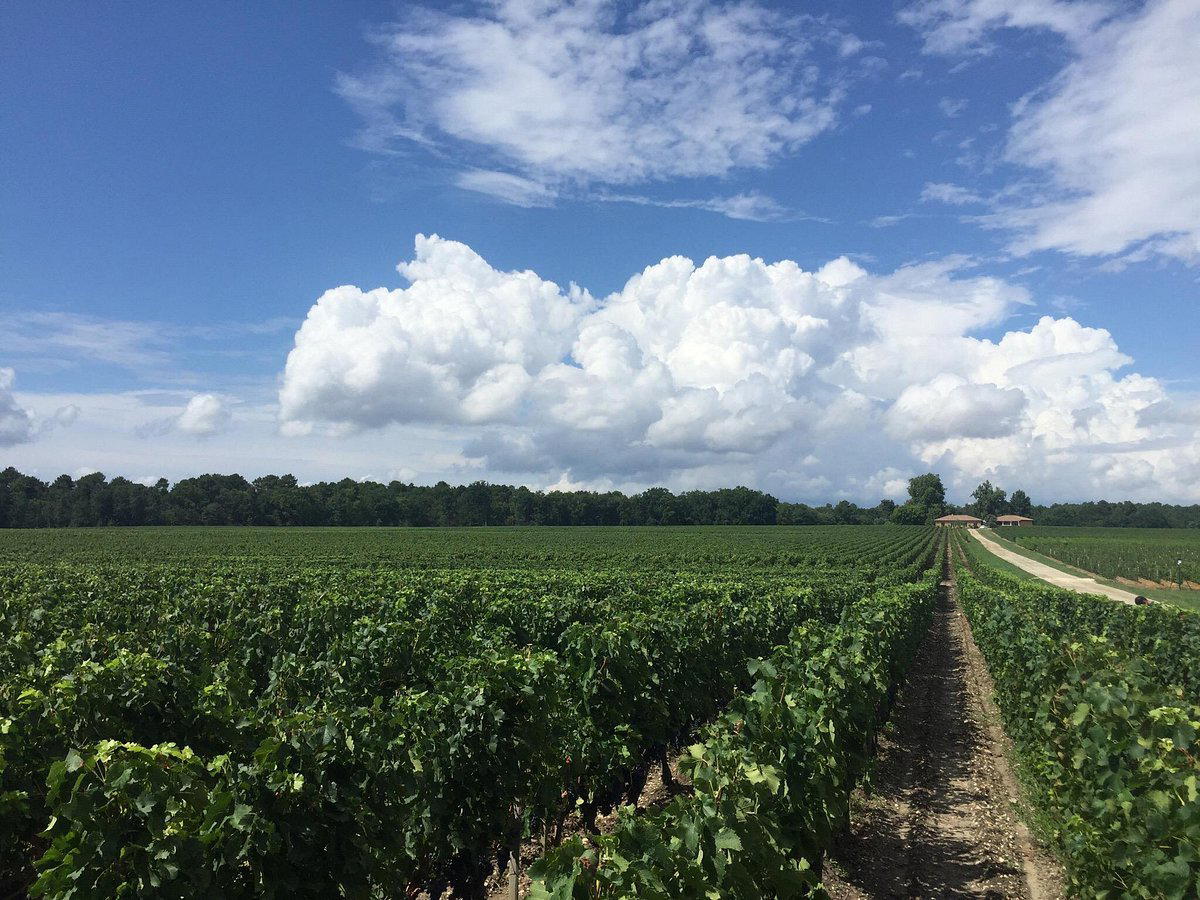
Château Brown is a Pessac-Léognan estate where Bordeaux gravel, Cabernet-led red blends, Sauvignon Blanc and Sémillon are framed by a 60-hectare mixed landscape of vines, forest, orchards, meadows and floral planting. The draw is less spectacle than terroir literacy: a quiet, appointment-led look at how a peri-urban Bordeaux vineyard can treat biodiversity as part of the wine, not decoration.
Léognan, France
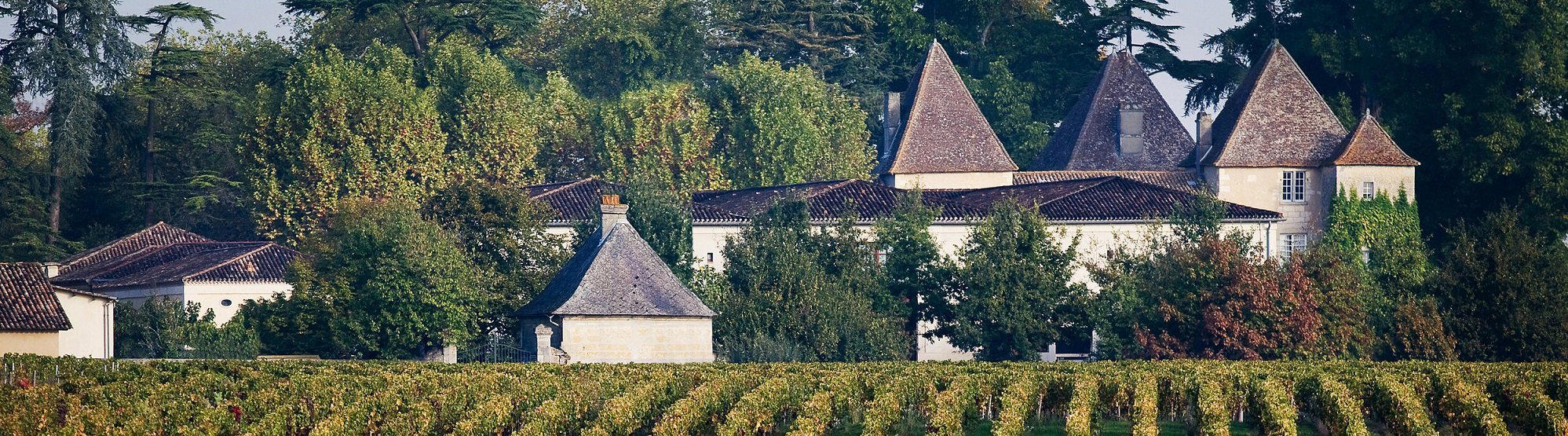
Château Carbonnieux gives Léognan a particularly clear reading of Pessac-Léognan: gravel, clay-limestone and a rare Bordeaux balance between red and white production. The estate’s dual Grand Cru Classé de Graves status, eight-century history and appointment-only tastings make it a serious stop for visitors who want terroir rather than château theatre alone.
Léognan, France
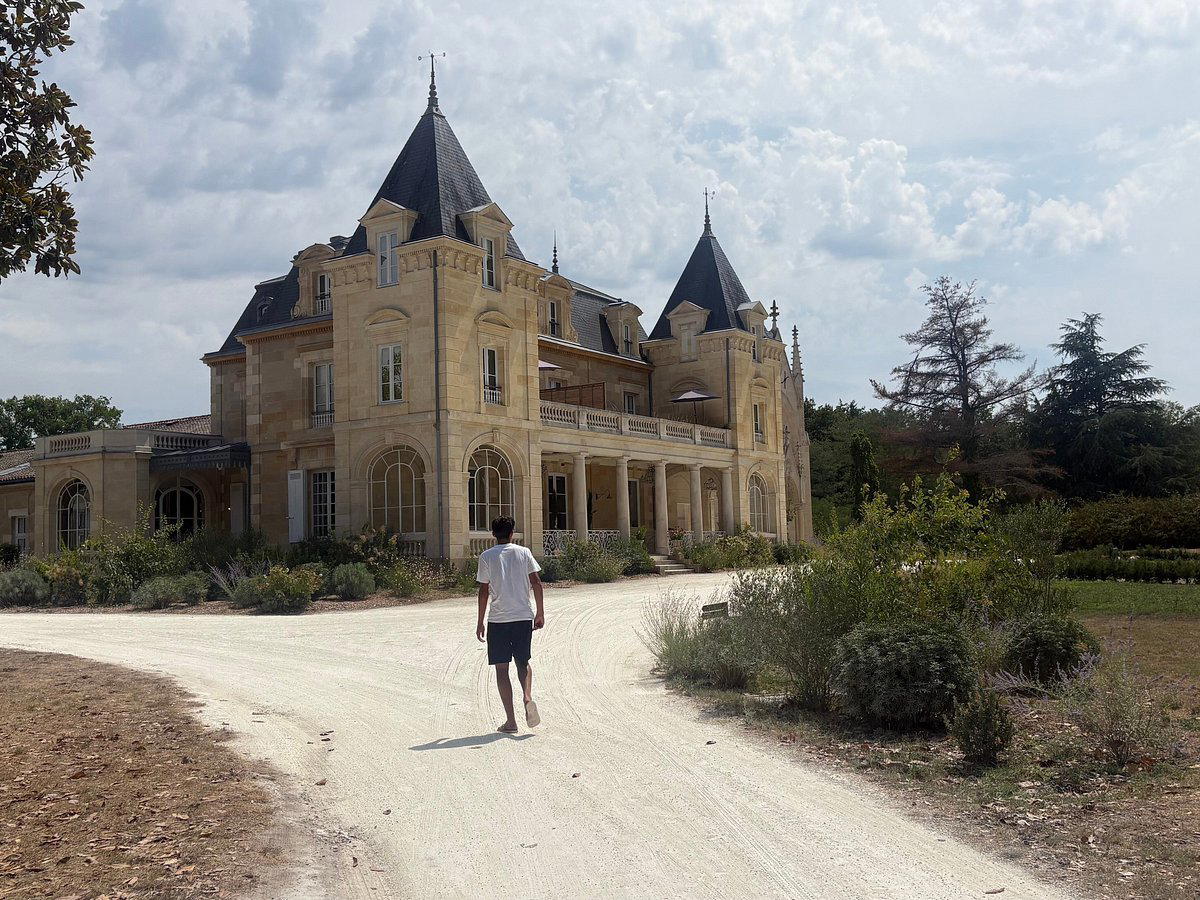
Château de Fieuzal is a Grand Cru Classé estate in Léognan, working the gravel, sand, clay and limestone profile that gives Pessac-Léognan its disciplined red and white Bordeaux identity. The experience is quiet and structured: guided tastings, vineyard context, sustainable viticulture, and a modern winery opened in 2011 rather than theatrical cellar-door spectacle.

Léognan, France
Château Malartic-Lagravière gives Léognan a rare Graves proposition: a classified estate with both red and white Grand Cru Classé wines, rooted in Pessac-Léognan gravel rather than château theatre alone. The draw is terroir literacy, Cabernet-led structure, Sémillon-Sauvignon tension, and a historic estate setting built for serious wine education.
Léognan, France
Château Hannetot is a small family estate in Léognan, working four hectares of Pessac-Léognan AOC vineyard planted to Merlot, Cabernet Sauvignon and Cabernet Franc. Its appeal is scale: red Bordeaux shaped by clay, limestone and gravel soils, with modernized cellars and winemaking led by Serge Charritte since 2010.
Léognan, France
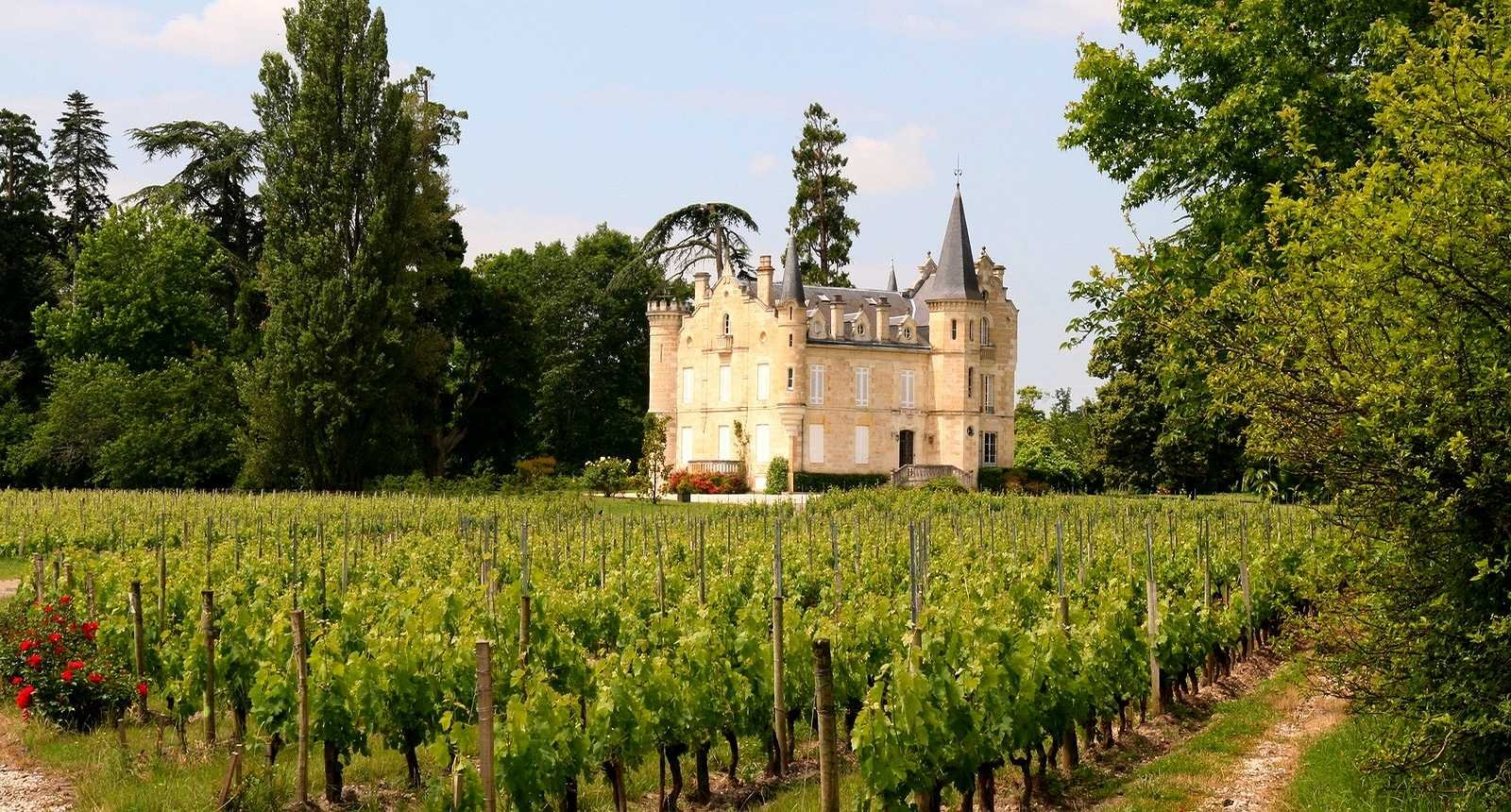
Château Haut-Bergey is a historic Pessac-Léognan estate in Léognan, shaped by gravel, clay, Cabernet-led reds, Bordeaux whites, and a biodynamic regime. The draw is not château theatre but a quieter reading of Left Bank terroir: vineyard views, guided estate formats, and a production culture built around soil health and restrained cellar work.
Léognan, France
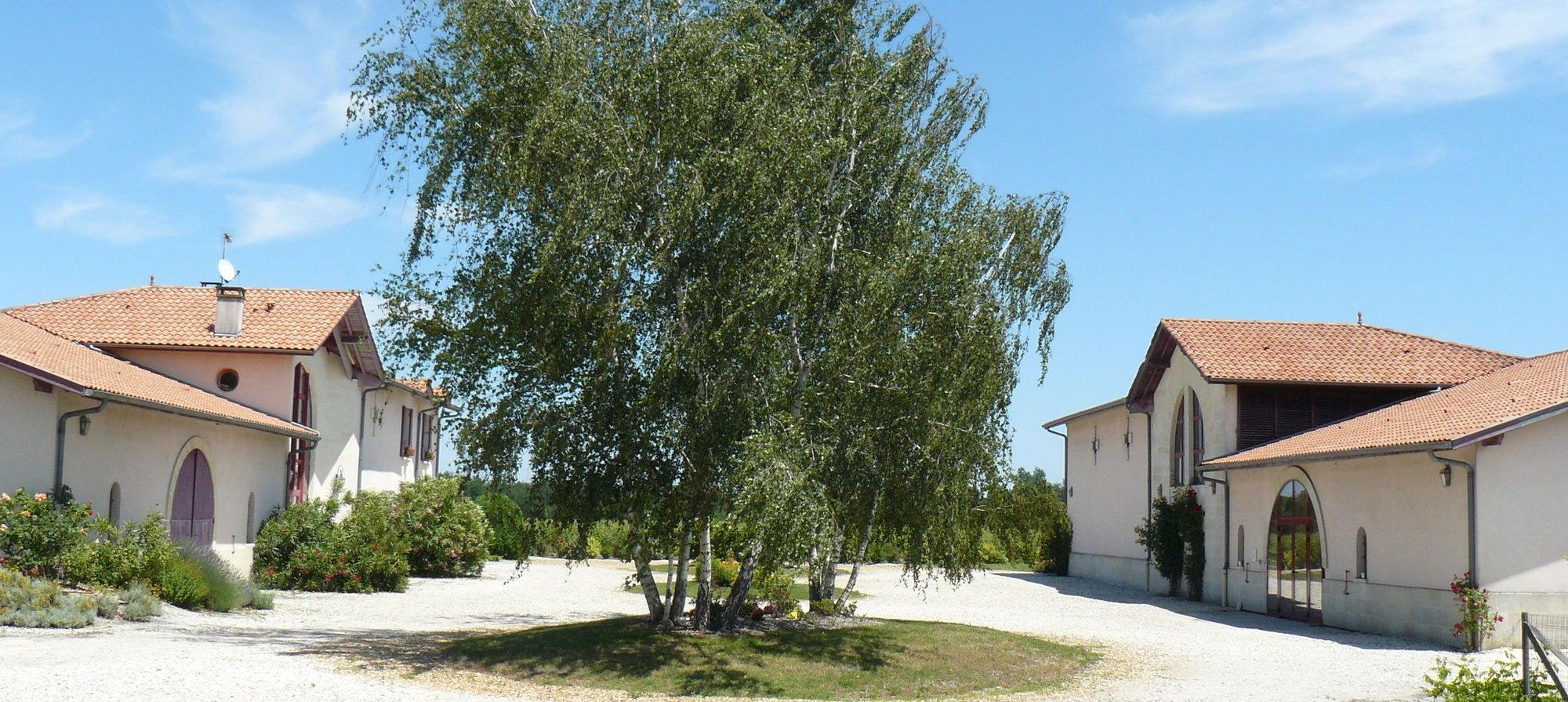
Château Haut-Lagrange gives Léognan visitors a compact, terroir-led view of Pessac-Léognan: gravel soils, Cabernet Sauvignon and Merlot for red, Sauvignon Blanc and Sémillon for white, and a small family estate founded in 1989. Its appeal is educational rather than grand, with vineyard and cellar formats that make the appellation’s structure easier to read in the glass.
Léognan, France
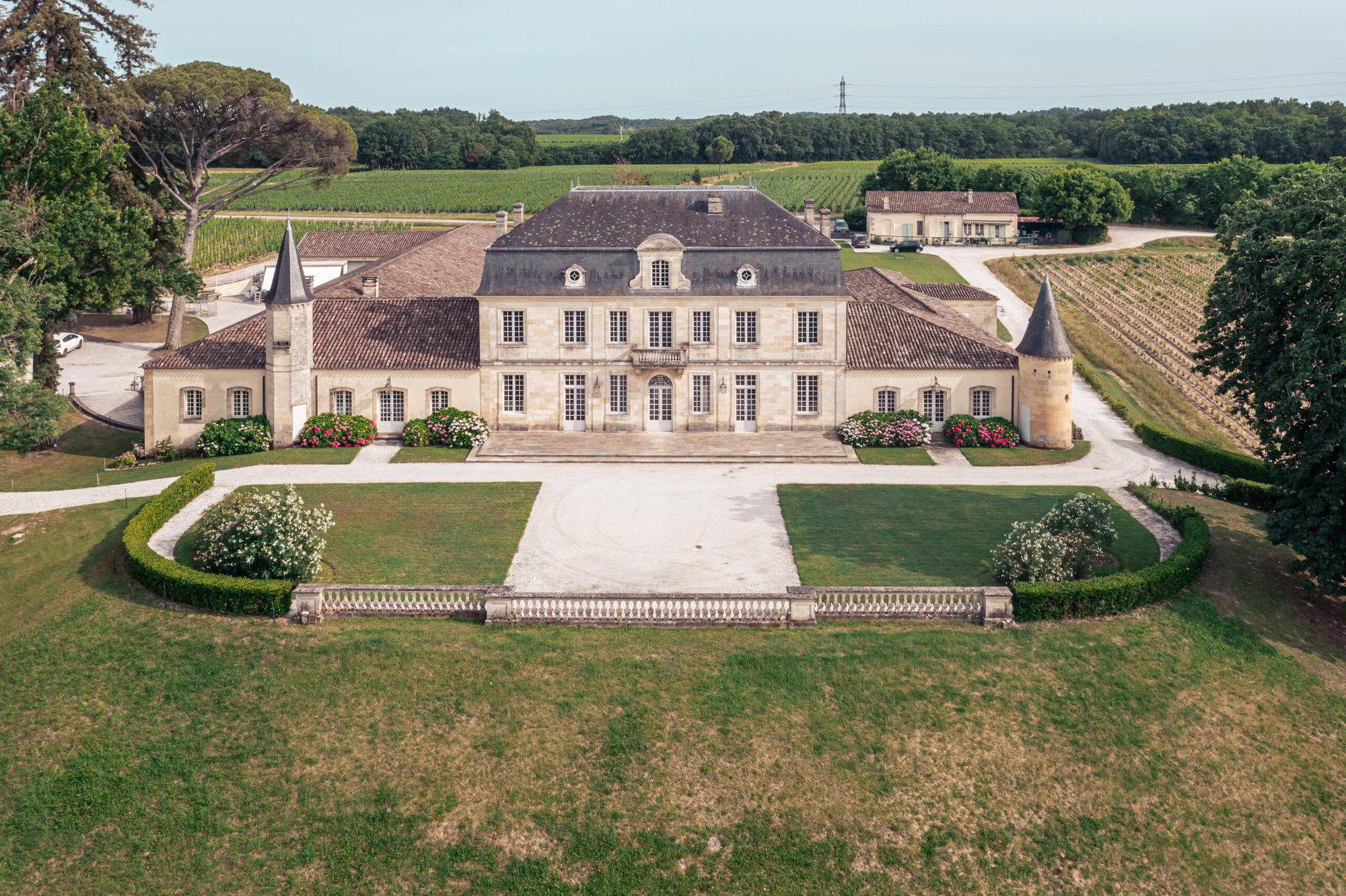
Château La Louvière places the Pessac-Léognan argument in clear view: gravel soils, red and white Bordeaux, and château hospitality close to Bordeaux without the ceremony of a classified-growth appointment. The draw is terroir rather than spectacle, with guided tasting formats, vineyard context, and a historic setting that makes the Graves feel legible.
Léognan, France
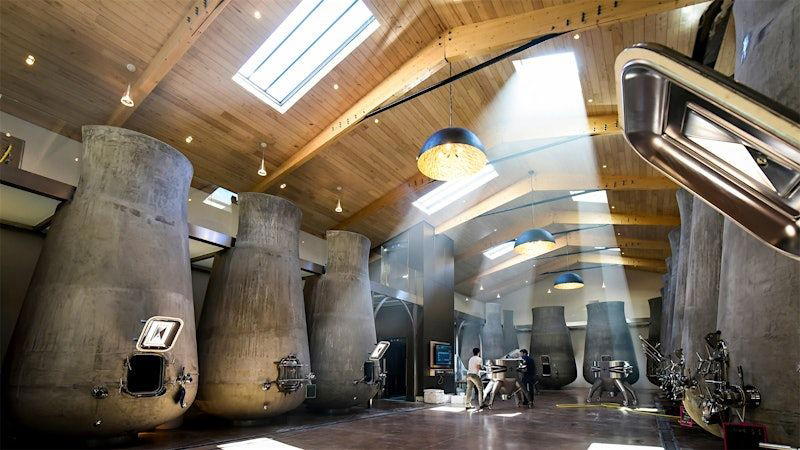
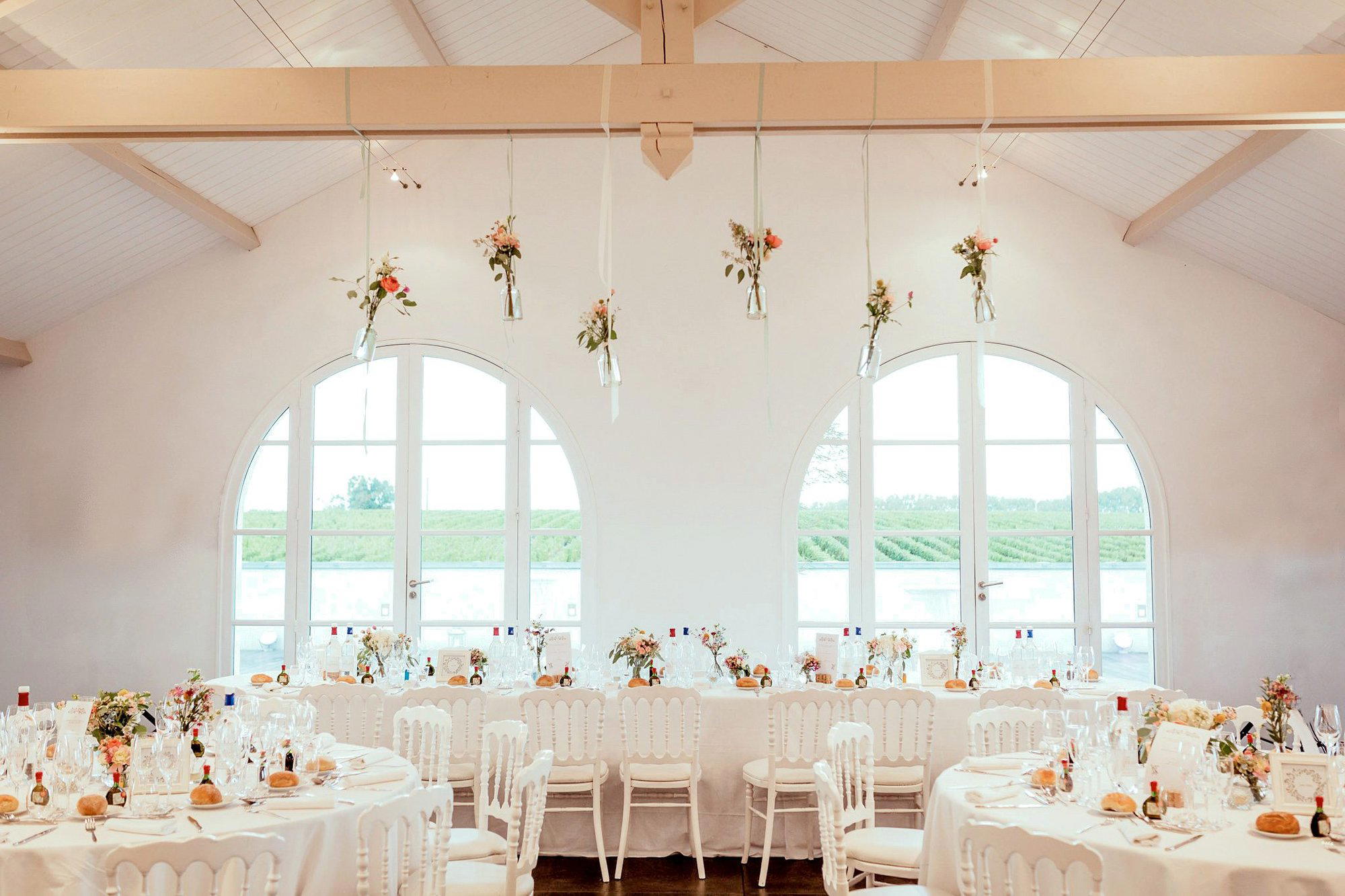
Château Larrivet Haut-Brion gives Léognan a clear example of Pessac-Léognan’s modern split personality: old château setting, technical cellar, and wines shaped by gravel, sand, and iron-rich clay. The estate’s appeal is less about classification status than about terroir work, from single-plot harvesting to amphorae, concrete eggs, oak vats, and a red-and-white portfolio that keeps Bordeaux’s left-bank conversation broad.
Léognan, France
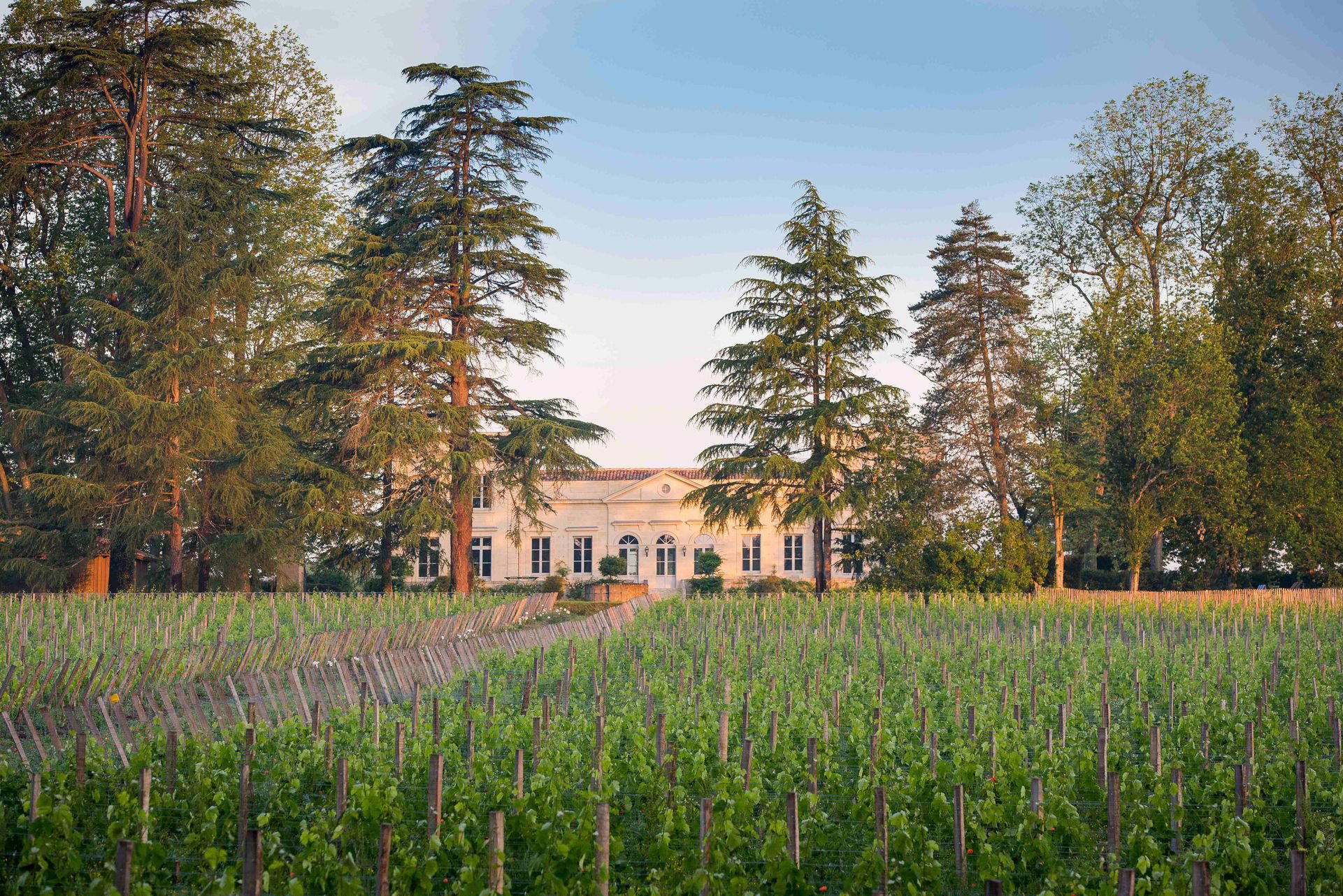
Château Le Pape is a five-room château guesthouse in Léognan, framed by Pessac-Léognan vineyard country rather than a conventional hotel circuit. The appeal is scale and setting: old-tower rooms, garden and vineyard views, a pool, and a quiet base for reading Bordeaux through its gravel soils, Cabernet-led reds, and compact appellation geography.
Léognan, France
Château Le Sartre belongs to the quieter, terroir-led side of Léognan: a small Pessac-Léognan estate known for still white and red Graves wines rather than spectacle. Its appeal rests on gravel soils, Sauvignon Blanc and Sémillon for the whites, Cabernet Sauvignon and Merlot for the reds, and a private-tasting format suited to travelers who want Bordeaux context at estate scale.
Léognan, France
Château Le Thil Comte Clary is a Pessac-Léognan estate in Léognan with roots reaching at least 1737 and a modern chapter under the Château Smith Haut Lafitte team. Its Merlot-led red wine, shaped by gravel, clay and limestone soils, is the main reason to pay attention: this is Bordeaux viewed through terroir rather than château theatre.
Léognan, France
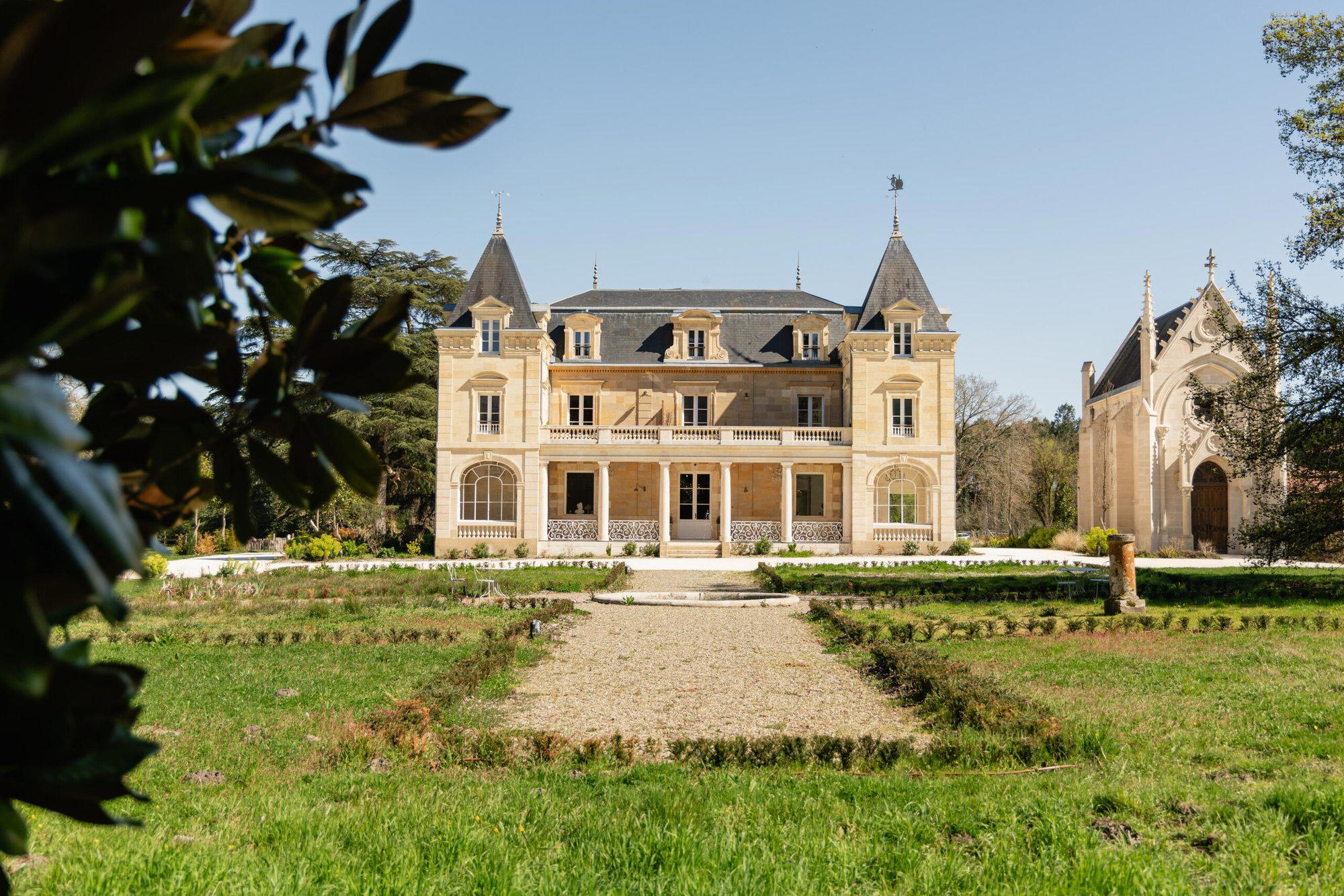
Château Leognan suits travelers who want Pessac-Léognan terroir with château-hotel comfort rather than a production-only cellar visit. The draw is the combination of gravel-grown Merlot and Cabernet Sauvignon, a small estate vineyard, guided wine education, spa-hotel polish, and a country-house mood within Léognan’s vineyard belt.
Léognan, France
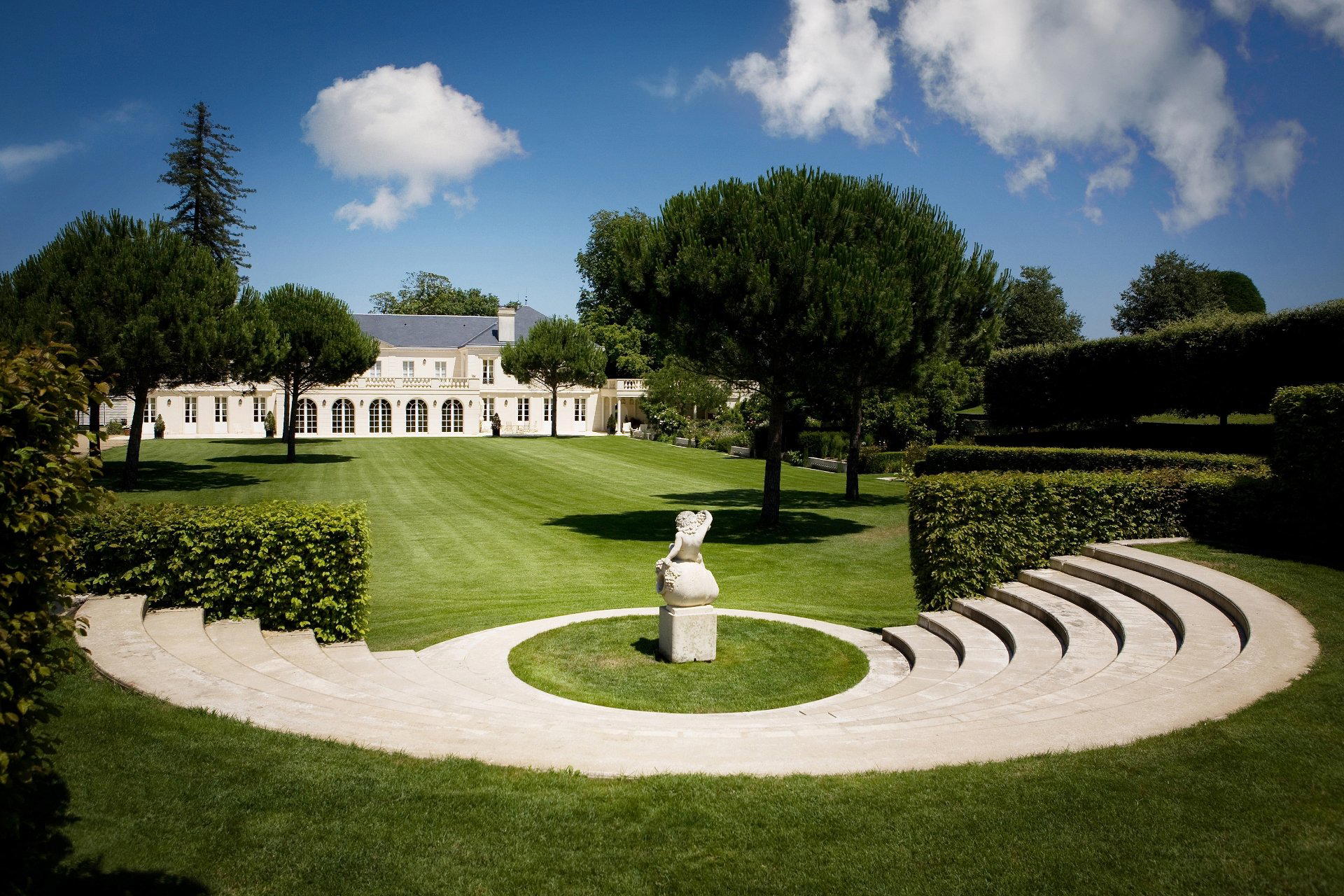
Château Malartic-Lagravière gives Léognan a clear lesson in Graves terroir: gravel, Cabernet-led structure, Sauvignon Blanc brightness and a rare dual Grand Cru Classé de Graves identity for red and white wines. The experience is polished without feeling stiff, with château grounds, vineyard context, cellar education and food-and-wine pairings shaping the visit.
Léognan, France
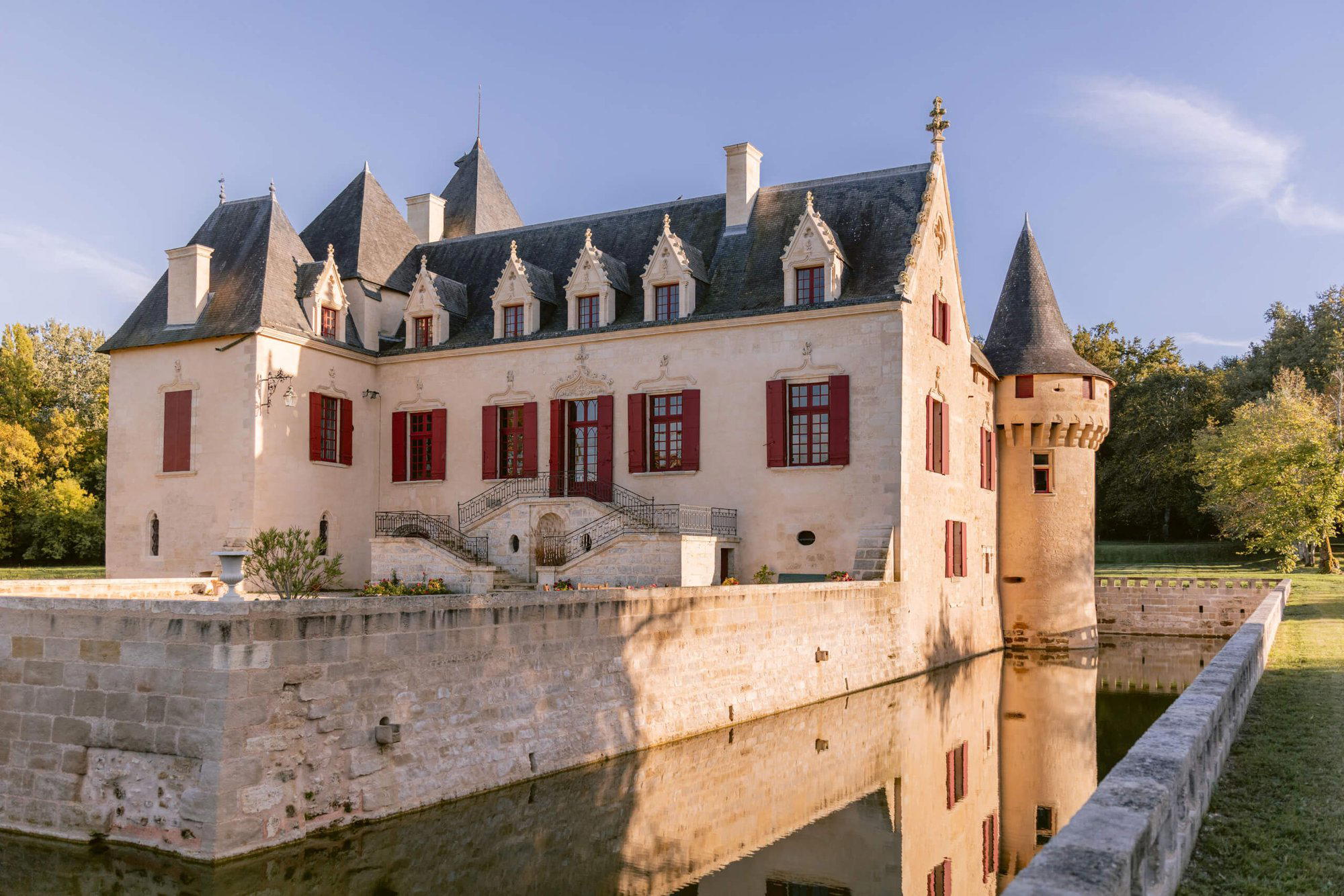
Château Olivier gives Pessac-Léognan a rare Bordeaux combination: classified red and dry white wine, medieval architecture, and a large forested estate where only part of the land is under vine. The draw here is terroir as much as history, with gravel, clay-limestone soils, Sauvignon-led whites, Merlot-Cabernet reds, and guided tastings that make the château’s setting part of the wine lesson.
Léognan, France
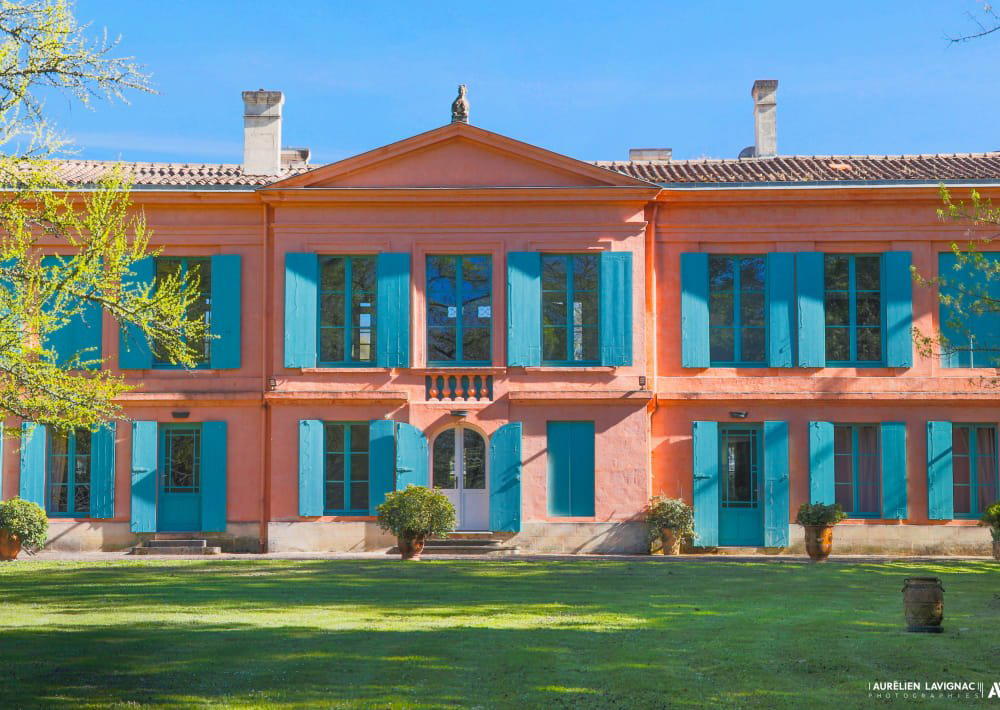
Château Pont Saint-Martin is a Léognan wine estate where Pessac-Léognan’s gravel-driven red and white Bordeaux traditions meet small-scale hospitality. The estate works 10 hectares, produces Merlot-Cabernet-led reds and Sémillon-Sauvignon-led whites, and pairs tastings with a 17th-century Palladian villa setting, five guest rooms, and wine-tourism recognition from the 2020 Best Of Wine Tourism Awards.
Léognan, France
SAS Les Vignobles André Lurton belongs to the family-led Bordeaux tradition rather than the boutique micro-estate model. In Léognan, the draw is a château-based Pessac-Léognan context, guided and private tasting formats, and a portfolio that reaches across red, white, and rosé Bordeaux expressions under the Vignobles Famille André Lurton name.
Continue exploring


