

Under winemaker Frédéric Nivelle, the property makes botrytis-driven whites whose profile places them in serious conversation with the commune's other ranked châteaux.
Pearl is the En Primeur Club membership app — saves, bookings, and concierge access live there. Same editors, same standards.
- Address
- La Tour Blanche, 33210 Bommes
- Phone
- +33 5 57 98 02 73
- Website
- tour-blanche.com
- Directions
- Get directions
 Saves & bookings on Pearl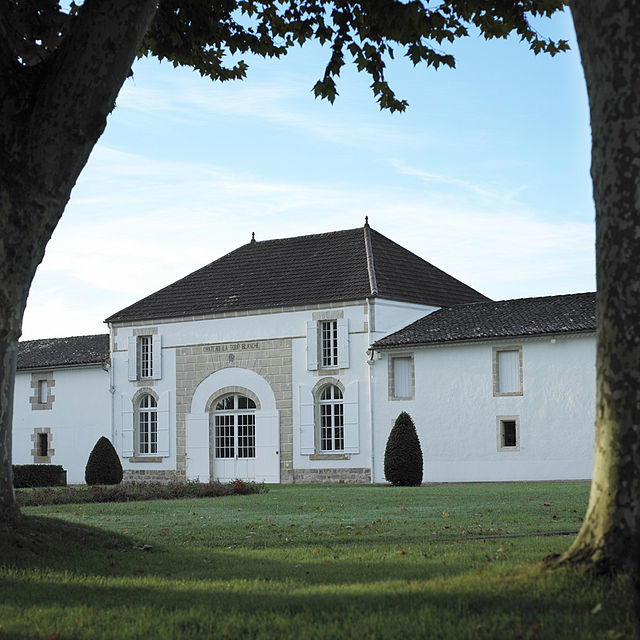
Where Sauternes Takes Its Most Concentrated Form
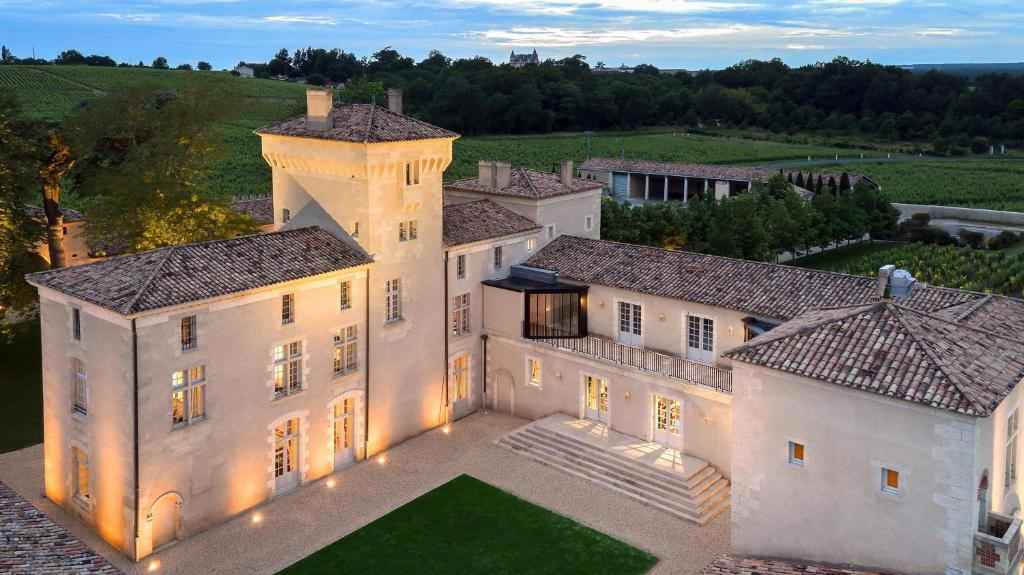
The road into Bommes arrives through low-lying vine rows that look, in late summer, as though someone left them to rot deliberately. That is precisely the point. The botrytis cinerea mould that blankets Sémillon and Sauvignon Blanc grapes in this southwestern corner of the Graves is not a problem to be managed — it is the mechanism that makes Sauternes worth making at all. Château La Tour Blanche occupies this territory with the authority of a property ranked at the very first growth tier of the 1855 Classification, a position that still shapes how its wines are received and how visits to the estate are conducted.
Within Bommes, the competition is substantial. Château Rayne-Vigneau, Clos Haut-Peyraguey, and Château Rabaud-Promis all sit within a few kilometres, each pulling from the same fog-prone microclimate that makes the confluence of the Ciron and Garonne rivers so consequential to sweet wine production.
The Tasting Room and What to Expect From the Format
Sauternes estates do not typically run high-volume cellar doors. The format at properties of this classification tier tends toward appointment-based visits rather than open-hours walk-in traffic, and the experience reflects the precision demanded by the wines themselves. Tasting Sauternes at this level is a structured exercise: small pours, deliberate pacing, and staff who are generally well-versed in explaining why a particular vintage produced more or less concentration depending on when the harvest began and how the fog arrived each morning.
Winemaker Frédéric Nivelle oversees production at La Tour Blanche, and that detail matters for visitors who want to engage seriously with the property. Estates where the winemaker is known and named tend to run their tasting experiences with a higher degree of technical specificity than those operating under corporate anonymity. Whether Nivelle or a senior team member leads visitor-facing tastings depends on appointment type and timing, but the institutional seriousness of a first-growth estate is generally evident in how pouring staff frame each wine's context.
The physical environment of the estate itself speaks to the layered history of Sauternes more broadly. The commune of Bommes operates at the unhurried pace of a wine region that measures its rhythms in harvest windows and ageing cycles rather than tourist seasons. Arriving in the morning, before the light has fully settled over the vineyard, gives the leading sense of the landscape the wines emerge from — flat in parts, gently refined in others, always oriented around drainage and sun exposure that botrytis development requires.
Comparing estates across the 1855 Sauternes Classification is complicated by the fact that first growth status covers a range of styles and production philosophies. Château La Mission Haut-Brion, operating in the Graves but in the red wine tier, offers a useful contrast point: it demonstrates how historical classification can anchor a property's market positioning across decades even as winemaking evolves.
Nearby, Château de Myrat and Château Bastor-Lamontagne in Preignac operate within the broader Sauternes-Barsac appellation and provide a sense of how the region's second-growth and unclassified tier approach a style that demands significant labour and risk tolerance regardless of classification. La Tour Blanche's visitor experience, framed by first-growth expectations, will generally deliver a different register of attention and explanation than estates in those lower classification tiers.
For context beyond Bordeaux, the challenge of producing high-quality botrytised or late-harvest whites is reflected across quite different geographies. Albert Boxler in Niedermorschwihr works Alsatian Riesling and Pinot Gris into late-harvest formats with comparable intensity of purpose, while estates like Accendo Cellars in St. Helena illustrate how California's premium wine culture has absorbed entirely different stylistic priorities. Against those reference points, Sauternes remains the only region where botrytis is the primary rather than incidental production mechanism at scale.
What the Wines Represent
The grape composition at classified Sauternes estates is legally bounded: Sémillon dominates, with Sauvignon Blanc and occasionally Muscadelle providing aromatic counterweight. La Tour Blanche's expression of this blend, under Nivelle's direction, falls within the traditional framework of the appellation. The hallmarks of serious Sauternes, apricot, beeswax, and honey-inflected density alongside a structural acidity that prevents the wines from collapsing into sweetness, are what the tasting experience at a property of this standing is built around demonstrating.
The vintage question is always present in Sauternes tastings. Botrytis does not arrive uniformly or on schedule. Years in which the autumn fog pattern failed to develop properly produce thinner, less concentrated wines regardless of viticultural effort. Visitors who arrive with some understanding of recent vintages will get considerably more from conversations with estate staff than those approaching the tasting cold. This is worth preparing for, not because the staff will be unwelcoming, but because the wines reward informed engagement at this tier.
Planning a Visit to Bommes
Bommes sits within the broader Sauternes AOC, reachable from Bordeaux by road in under an hour. The village itself is small, with most activity centred on vineyard estates rather than town infrastructure. Visitors planning a day around La Tour Blanche and its neighbours, Clos Haut-Peyraguey and Château Rayne-Vigneau are both within the commune, should treat the day as a focused wine visit rather than a broader tourism circuit. The area has limited dining infrastructure, so planning around a midday break in Sauternes village or returning toward Bordeaux for the evening is the more practical approach.
Booking ahead is strongly advised for any classified-growth visit in Sauternes. These estates do not operate as open-door cellar shops, and unscheduled arrivals rarely result in a proper tasting experience at the first-growth tier. Contact through the estate's official channels is the appropriate method. For the full picture of what Bommes offers across its classified properties, our full Bommes restaurants guide provides additional context on the commune and its wine estate circuit.
Harvest timing, typically September through November depending on botrytis development, is the most atmospheric period to visit but also the busiest for estate staff. Spring and early summer visits offer more relaxed access and are better suited to longer, more detailed conversations with winemaking teams. For visitors whose interest in premium wine extends across categories and regions, estates like Château Batailley in Pauillac, Château Boyd-Cantenac in Cantenac, Château Branaire Ducru in St-Julien, and Château Bélair-Monange in Saint-Emilion represent comparable tiers of engagement across Bordeaux's broader classified landscape.
Recognition history
Dated appearances from independent guides and award organizations, with the underlying list record or original source where available.
Falstaff Winery - 3 Stars
Falstaff
Michelin Main Selection
Michelin
Continue exploring
More in Bommes
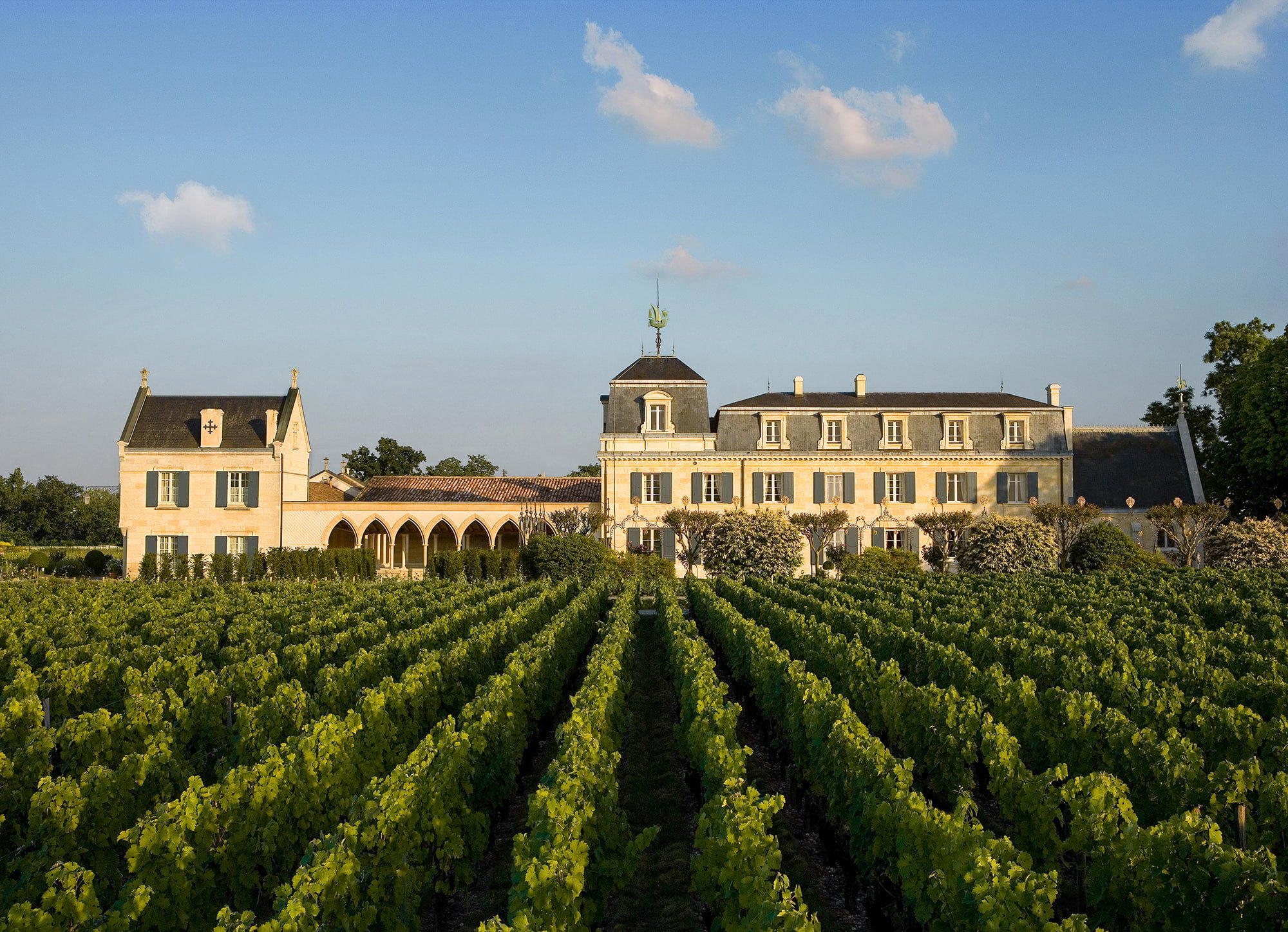
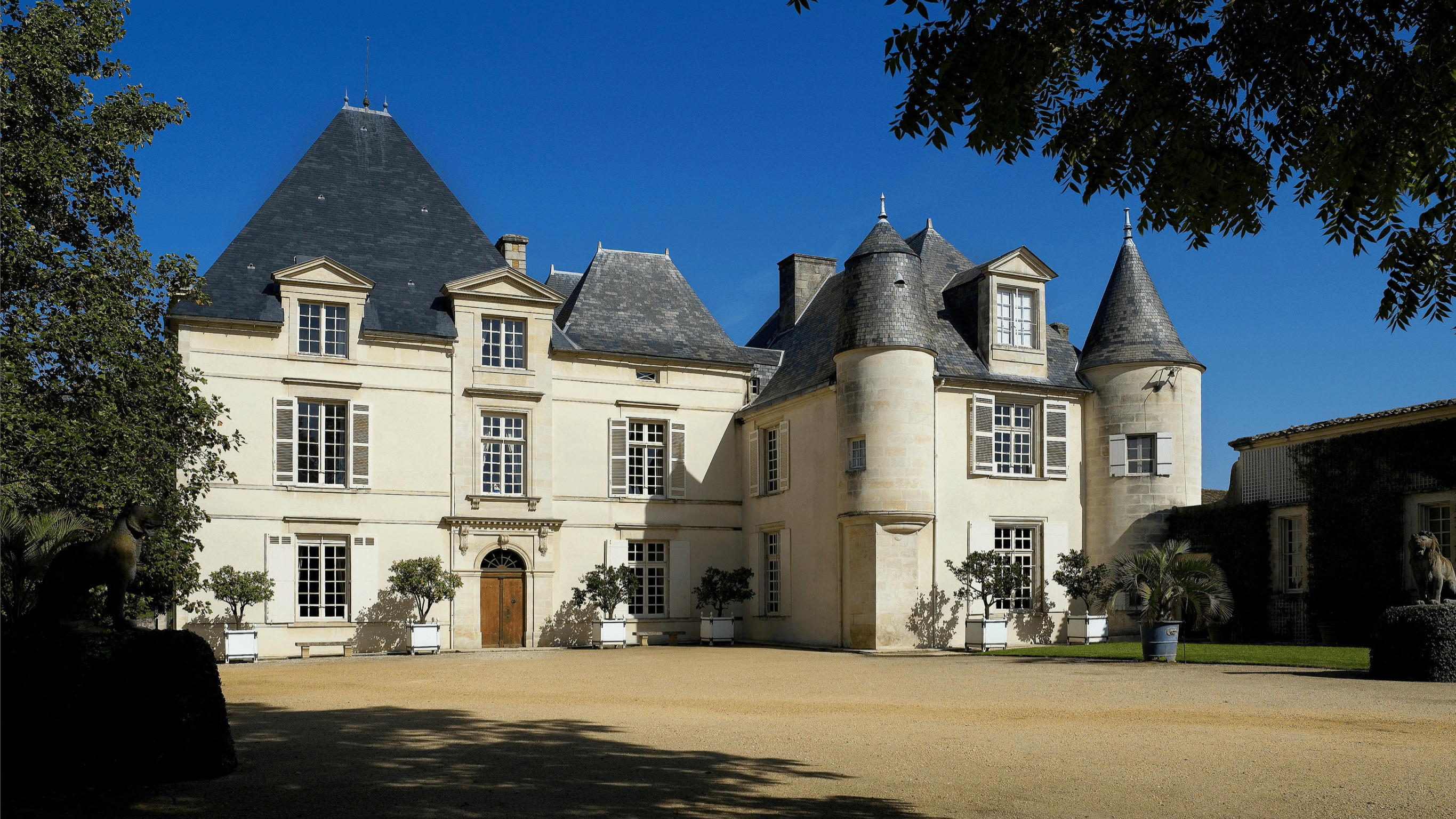
Wineries in Bommes
Browse all →
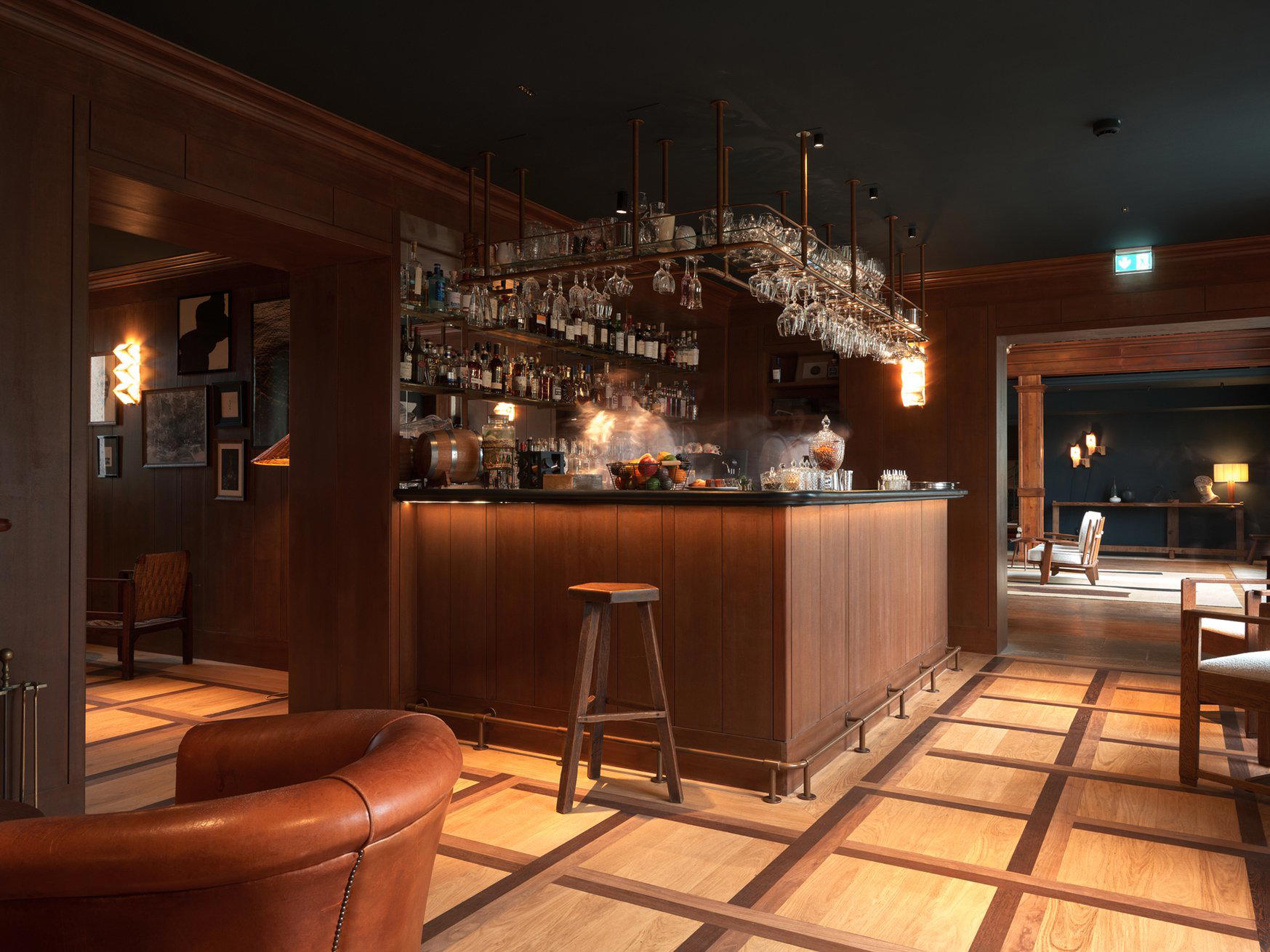
Bars in Bommes
Browse all →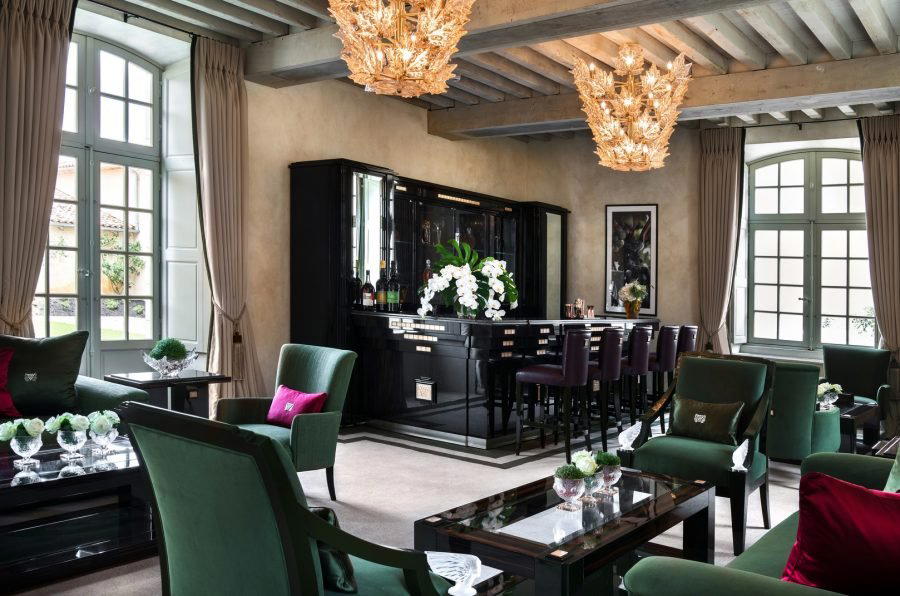
Restaurants in Bommes
Browse all →
At a Glance
- Classic
- Elegant
- Scenic
- Sophisticated
- Wine Education
- Special Occasion
- Vineyard Tour
- Historic Building
- Estate Grounds
- Vineyard
- Sauternes AOC
- Sémillon
- Sauvignon Blanc
- Muscadelle
- Dessert
- Cave Tasting
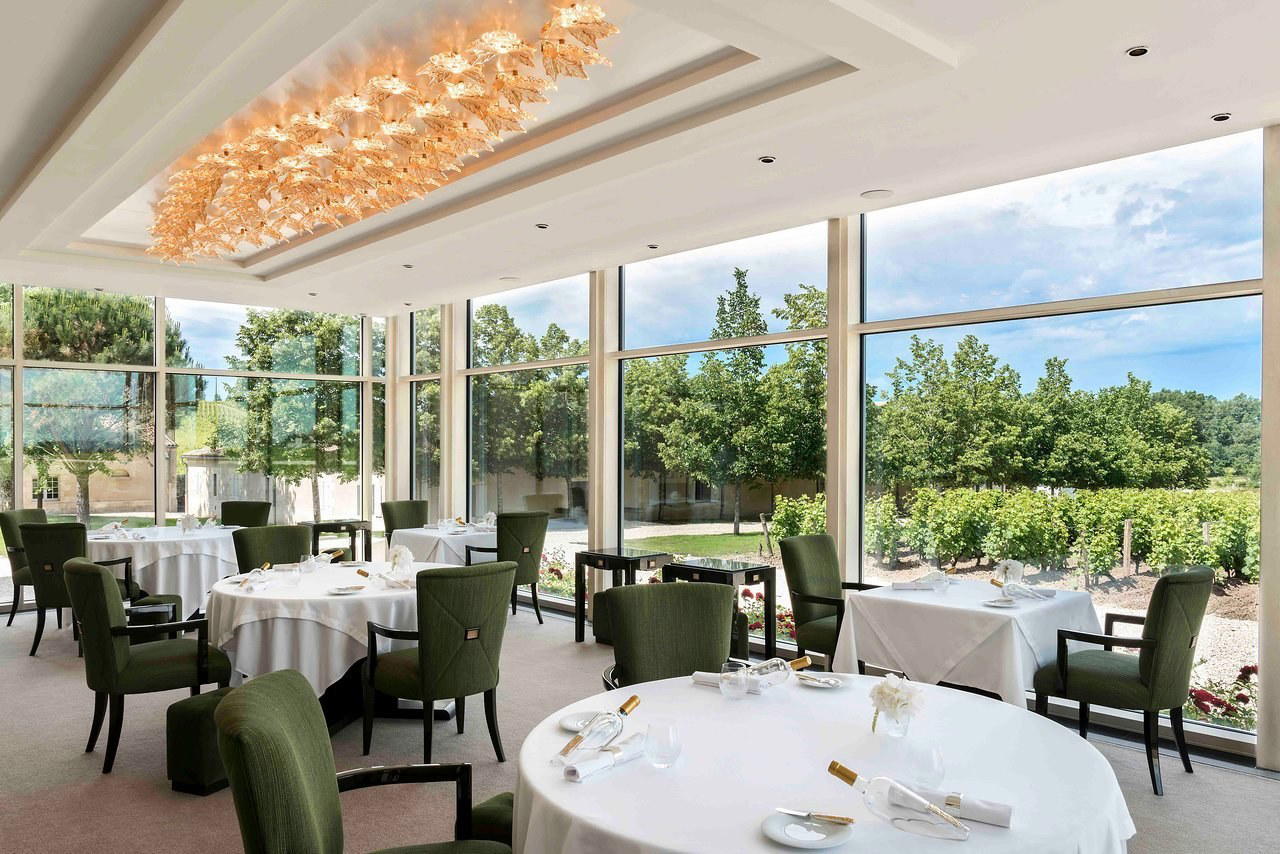
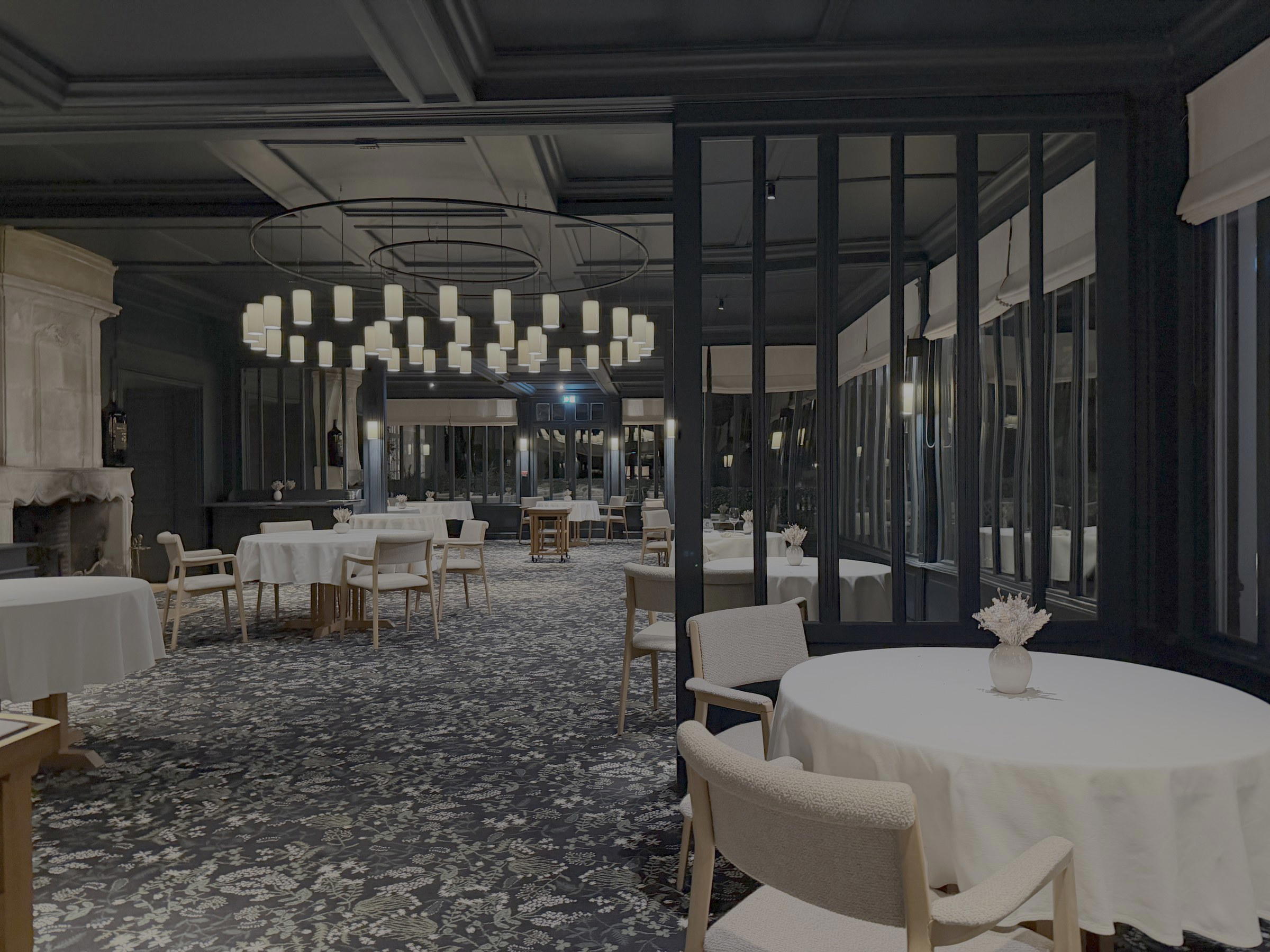
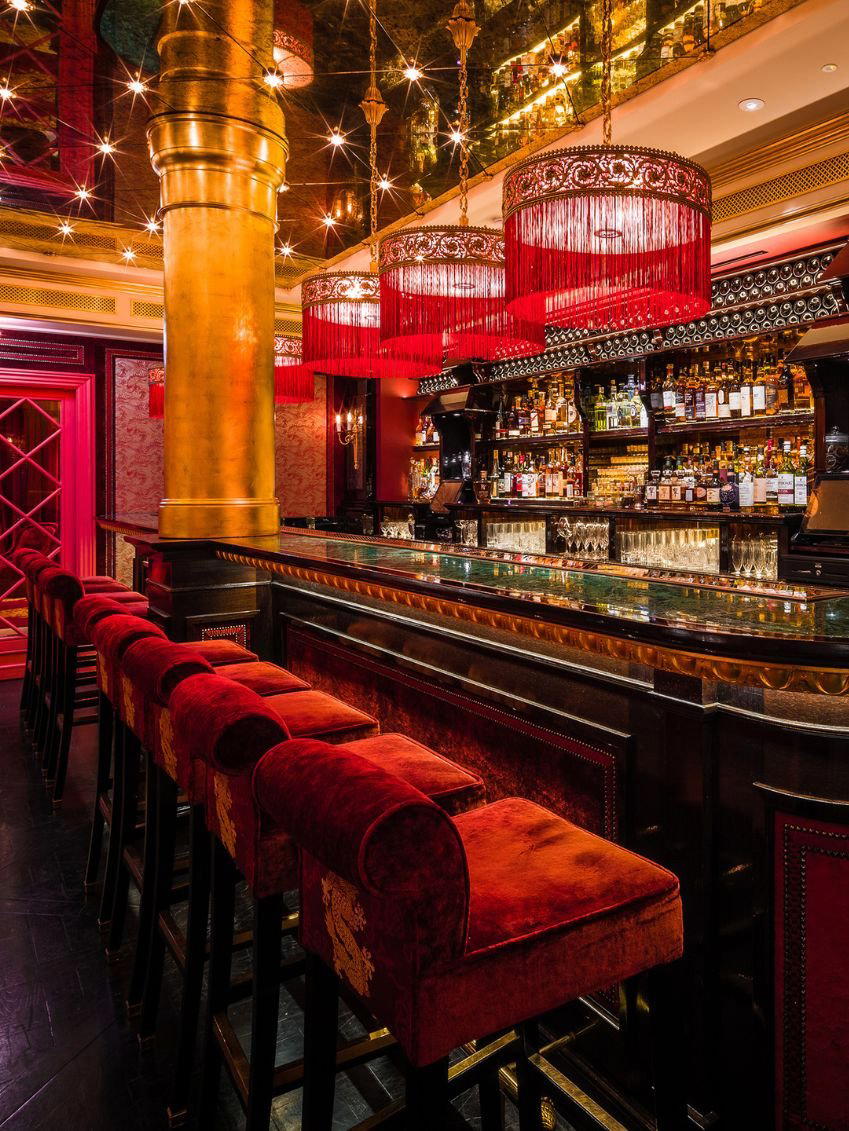
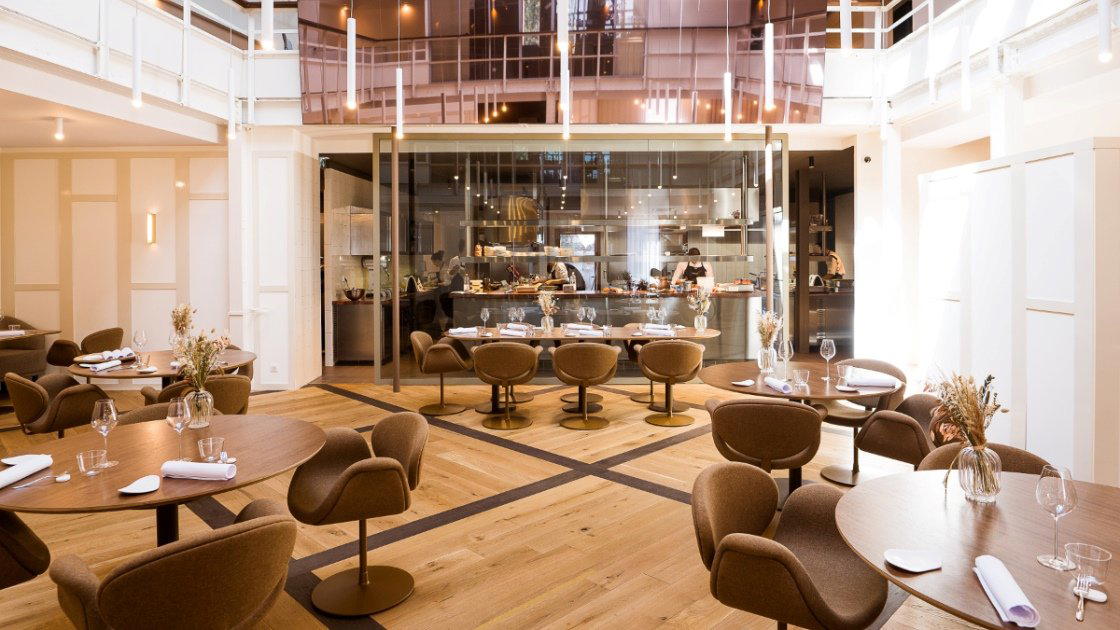
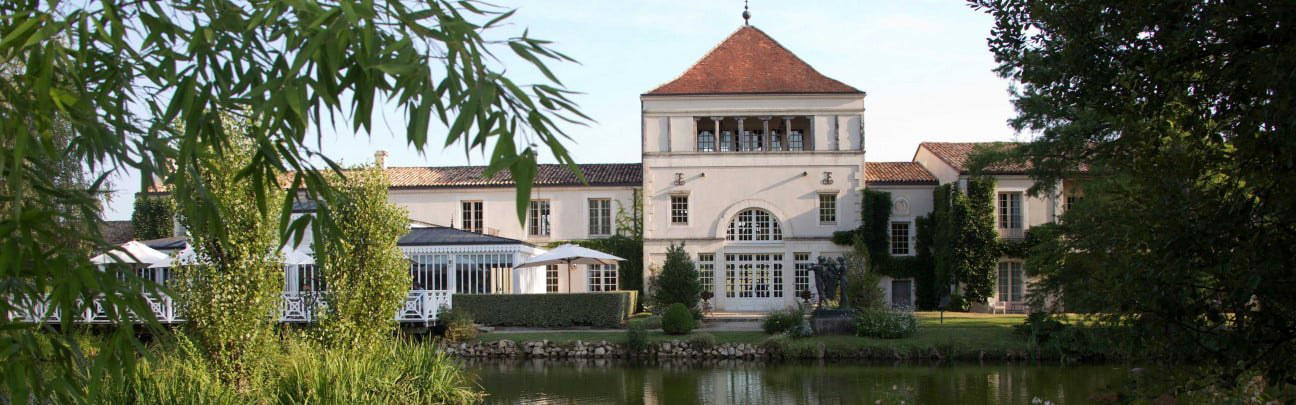
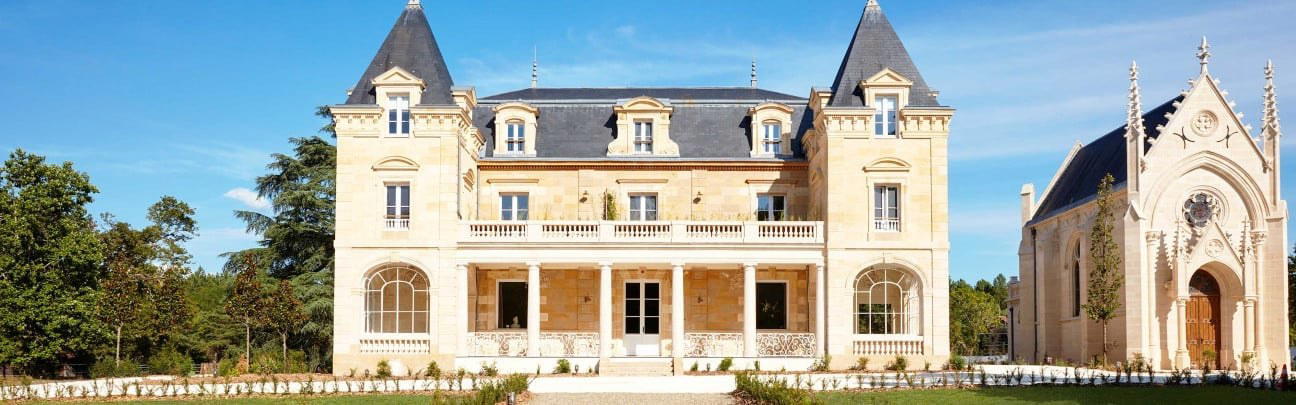
Elegant historic château atmosphere with classic sophistication amid rolling vineyard hills.
Know Before You Go
- Getting there
- La Tour Blanche, 33210 Bommes