

Michelin 1 Grape · Falstaff Winery - 3 Stars
Domaine de Chevalier has produced wine from the gravelly soils of Léognan since 1863, with winemakers Rémi Edange and Thomas Stonestreet overseeing both its red and white programs. Visitors with an interest in Pessac-Léognan's signature approach to Cabernet-Sauvignon blends and oak-aged Blanc will find the property a considered reference point.

Pearl is the En Primeur Club membership app, where members save venues, book tables and use the concierge.
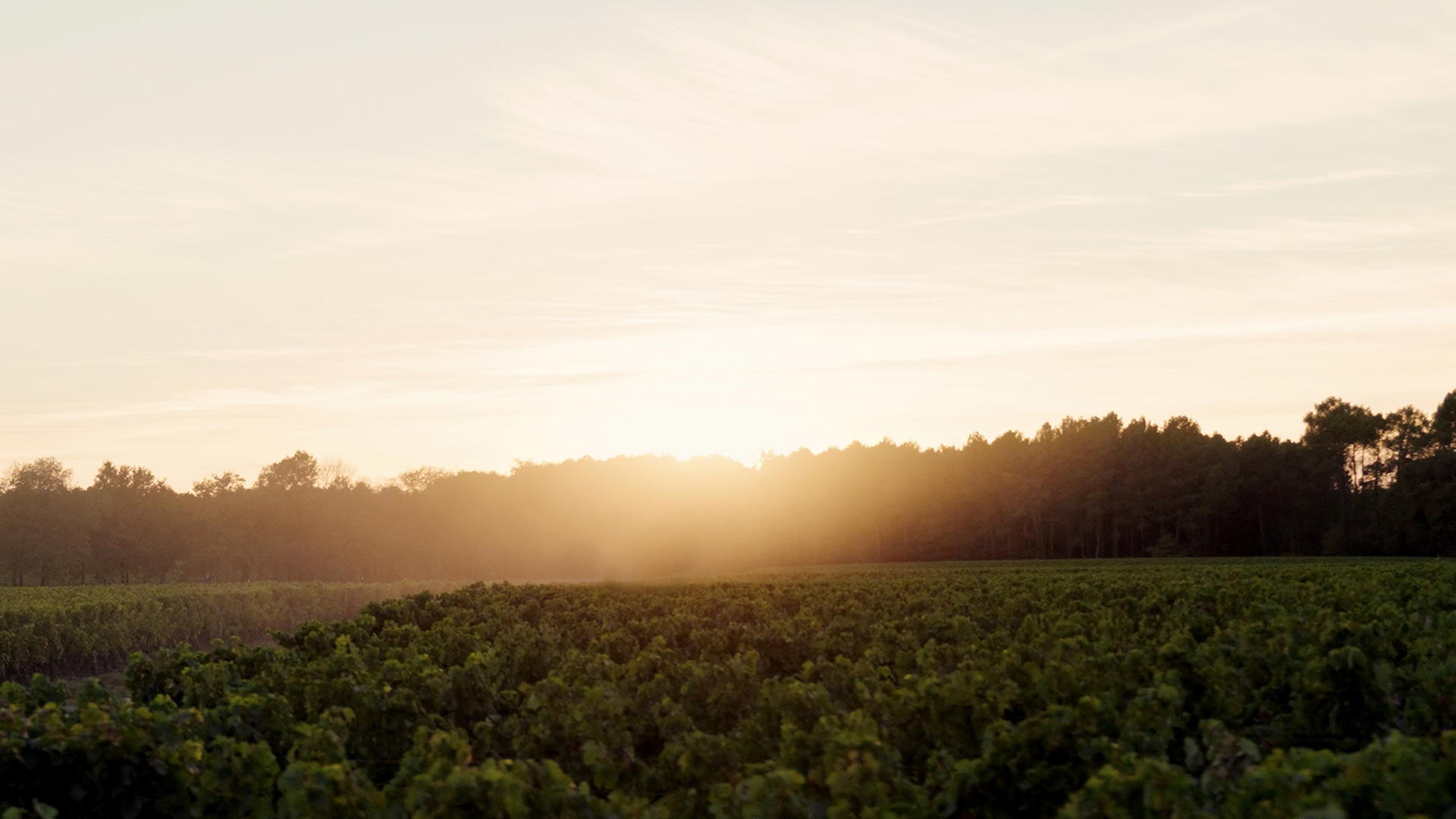
Graves at its Most Considered: The Léognan School of Winemaking
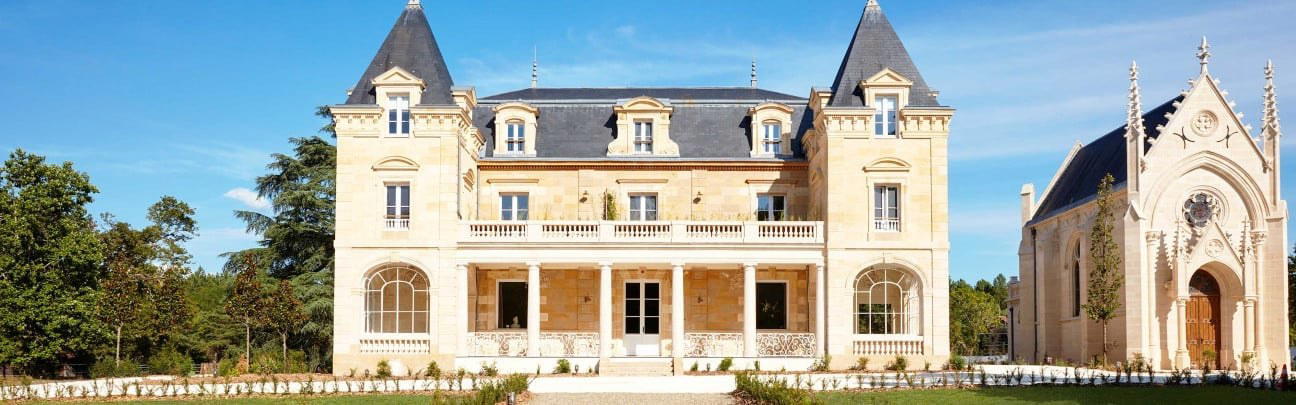
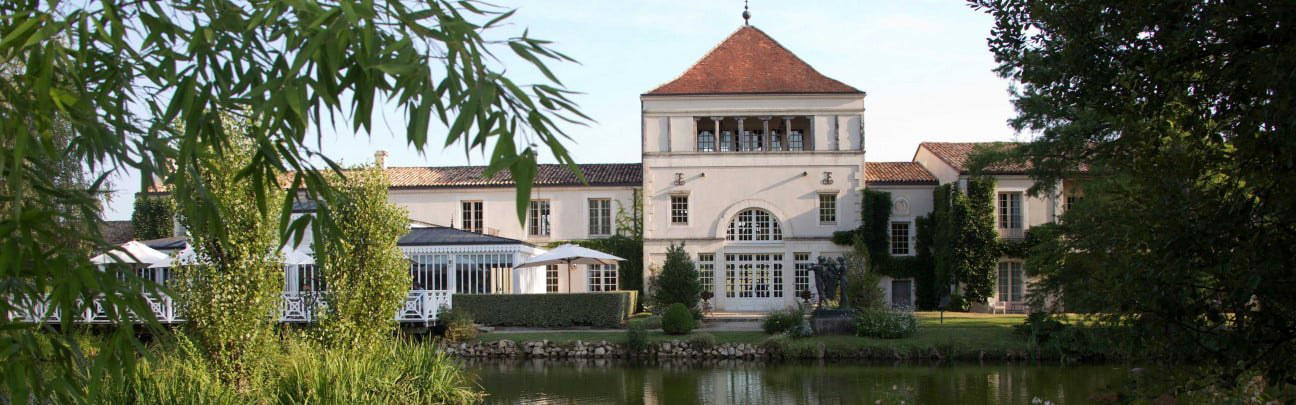
The gravel terraces south of Bordeaux city do not announce themselves the way the Médoc does. There are no grand allées of plane trees visible from a main road, no towers silhouetted against the Gironde. What the Pessac-Léognan appellation offers instead is something quieter: forest clearings, deep sandy-gravel soils, and estates that have spent generations learning what those soils ask of them. Domaine de Chevalier, at 102 Chemin Mignoy in Léognan, is a working illustration of that ethos. The approach road runs through pine woodland before the estate opens up, and the aesthetic is functional rather than theatrical, the kind of place where the argument is made in the cellar and the glass, not the facade.
For context on where Domaine de Chevalier sits in the Léognan hierarchy, see our full Léognan restaurants and wine guide. Peers in the appellation's classified tier, including Château Haut-Bailly, whose red program draws consistent critical attention, set the benchmark against which the estate competes.
A Timeline That Matters: Winemaking Since 1863
The first vintage at Domaine de Chevalier dates to 1863, which places it among the older continuous production histories in the Graves. That kind of timeline is not merely biographical detail: in Bordeaux, long institutional memory shapes how an estate handles its specific terroir in difficult vintages, how its winemaking team reads the interplay of a cool growing season against the drainage capacity of its soils, and how its style has evolved without losing a core identity. Properties with shorter histories are still developing that institutional vocabulary.
That places it in a category alongside other estates with demonstrable track records across both their red and white programs, a relatively uncommon dual capability in Pessac-Léognan, where some properties are recognised primarily for one colour. Comparable classified estates elsewhere in Bordeaux, from Château Branaire Ducru in Saint-Julien to Château Batailley in Pauillac, are assessed primarily on their reds. Domaine de Chevalier's Blanc is historically one of the most discussed white Bordeaux outside the classified Sauternes tier, a different register entirely from the sweet wine tradition represented by estates such as Château d'Arche in Sauternes or Château Bastor-Lamontagne in Preignac.
Rémi Edange and Thomas Stonestreet: Two Perspectives in the Cellar
Winemaking team at Domaine de Chevalier consists of Rémi Edange and Thomas Stonestreet. The presence of two named winemakers at an estate of this scale is worth examining: in the Bordeaux classified tier, winemaking authority tends to be concentrated, and the dynamics of a shared technical responsibility can shape both the consistency and the evolution of a house style.
What defines the Pessac-Léognan approach at its most rigorous is a willingness to treat Sauvignon Blanc as seriously as any red variety, fermenting and aging it in oak with the patience usually reserved for Cabernet-dominant blends. The white wines of the appellation occupy a different critical space from those produced in the Loire or in Burgundy, but they are genuinely age-worthy in a way that few dry white Bordeaux have historically achieved. The winemaking framework at Domaine de Chevalier has been built around that premise across successive vintages.
For a useful contrast in how regional winemakers approach white varieties in very different French contexts, the work at Albert Boxler in Niedermorschwihr illustrates what Alsatian site specificity produces. Further afield, Chartreuse in Voiron offers an entirely different angle on French provenance and production discipline. These comparisons are not equivalences, they are reminders that winemaking philosophy takes distinct forms depending on what a specific terroir demands.
Where Domaine de Chevalier Sits in a Wider Bordeaux Conversation
Bordeaux's classification system creates a fixed hierarchy that the market uses as a shorthand, but the more instructive exercise is mapping estates against their actual production philosophy rather than their 1953 classification status. Domaine de Chevalier holds Cru Classé de Graves status in both red and white, which is uncommon, fewer than twenty estates hold classified status in the Graves, and the number producing whites of sufficient volume and quality to be taken seriously as a separate program is smaller again.
The Right Bank presents different reference points: Château Bélair-Monange in Saint-Émilion works in a Merlot-dominant framework that represents a different set of technical priorities. In Pomerol, Château Clinet operates in arguably Bordeaux's most terroir-specific appellation, where the clay soils produce wines structurally unlike anything the Léognan gravel belt generates. The comparison underscores how much of Bordeaux's complexity sits in these granular, appellation-level differences.
Further out, estates like Château Cantemerle in the Haut-Médoc and Château Boyd-Cantenac in Cantenac operate in the Médoc classification framework and present a structural comparison: all are working within the Bordeaux classified ecosystem but serving different soil profiles, varietal mixes, and market expectations. The Graves stands somewhat apart from that Médoc axis, both geographically and stylistically.
For those interested in how premium winemaking discipline applies outside France entirely, Accendo Cellars in St. Helena offers a Napa Valley perspective on Bordeaux-variety precision, while Château d'Esclans in Courthézon shows what Provençal production looks like at its most technically ambitious. And for those drawn to aged-spirit production as a parallel discipline in provenance and patience, Aberlour in Aberlour represents the Speyside equivalent of the long-production-history argument.
Planning a Visit: What to Know Before You Go
Domaine de Chevalier is located at 102 Chemin Mignoy, 33850 Léognan, France. Léognan sits approximately 15 kilometres south of Bordeaux city centre, making it accessible as a day visit from the city or as part of a broader Graves and Pessac-Léognan itinerary. The wine tourism infrastructure in this part of Bordeaux is more understated than in the Médoc: expect smaller reception facilities and fewer concessions to large-group visits. The harvest window across Bordeaux typically runs from late September through October, with early ripening plots moving first depending on the vintage character, visiting in that period means finding the estate in full operational mode, which has its own appeal for serious wine travellers.
En primeur release timing, typically in spring following the harvest, is the moment when the trade and press assess each vintage in barrel. For collectors tracking Domaine de Chevalier across vintages, that spring release window is the primary access point for futures pricing. Bottles from back vintages appear through negociants and auction houses rather than through the estate directly in most cases.
Cost Snapshot
Comparable venues nearby, for context on price, style, and recognition.
| Venue | Cuisine | Price | Awards |
|---|---|---|---|
| Domaine de ChevalierThis venue (the venue you are viewing) | Léognan, Cabernet Sauvignon, Merlot | Not listed | Michelin 1 Grape · Falstaff Winery - 3 Stars |
| Château Haut-Bailly | Léognan, Cabernet Sauvignon, Merlot | $50–100 | Michelin 1 Grape · Falstaff Winery - 4 Stars |
| Château Guiraud | Sauternes, Semillon, Sauvignon Blanc | Not listed | Michelin Main Selection · Falstaff Winery - 3 Stars |
| Château Grand-Puy-Lacoste | Pauillac, Cabernet Sauvignon, Merlot | Not listed | Michelin 1 Grape · Falstaff Winery - Listed |
| Château d’Armailhac | Pauillac, Cabernet Sauvignon, Merlot | Not listed | Michelin Main Selection · Falstaff Winery - 3 Stars |
| Château du Tertre | Arsac, Cabernet Sauvignon, Merlot | Not listed | Falstaff Winery - Listed |
Recognition history
Dated appearances from independent guides and award organizations, with the underlying list record or original source where available.
Michelin 1 Grape
Michelin
Falstaff Winery - 3 Stars
Falstaff
Continue exploring
More in Léognan
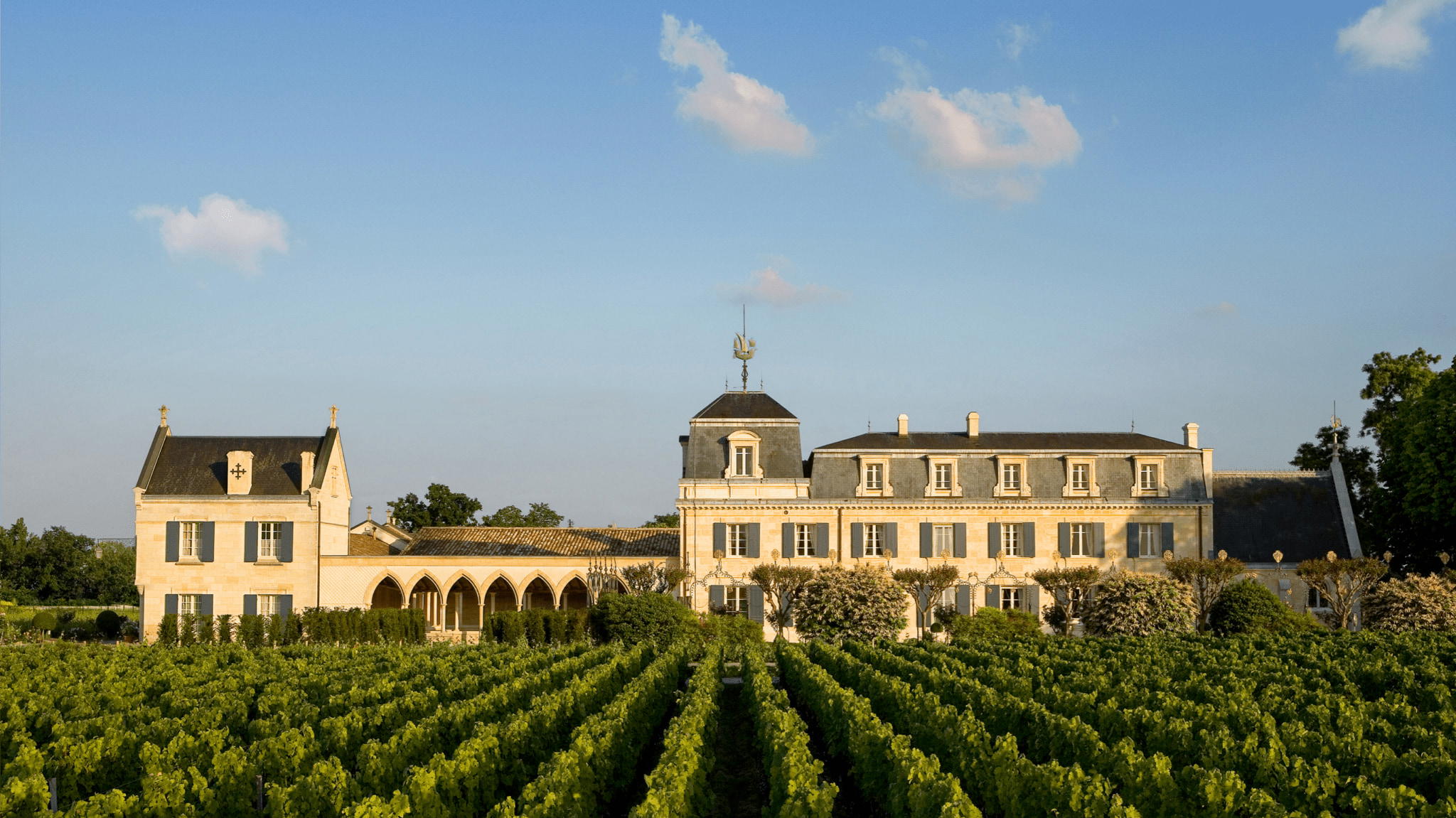
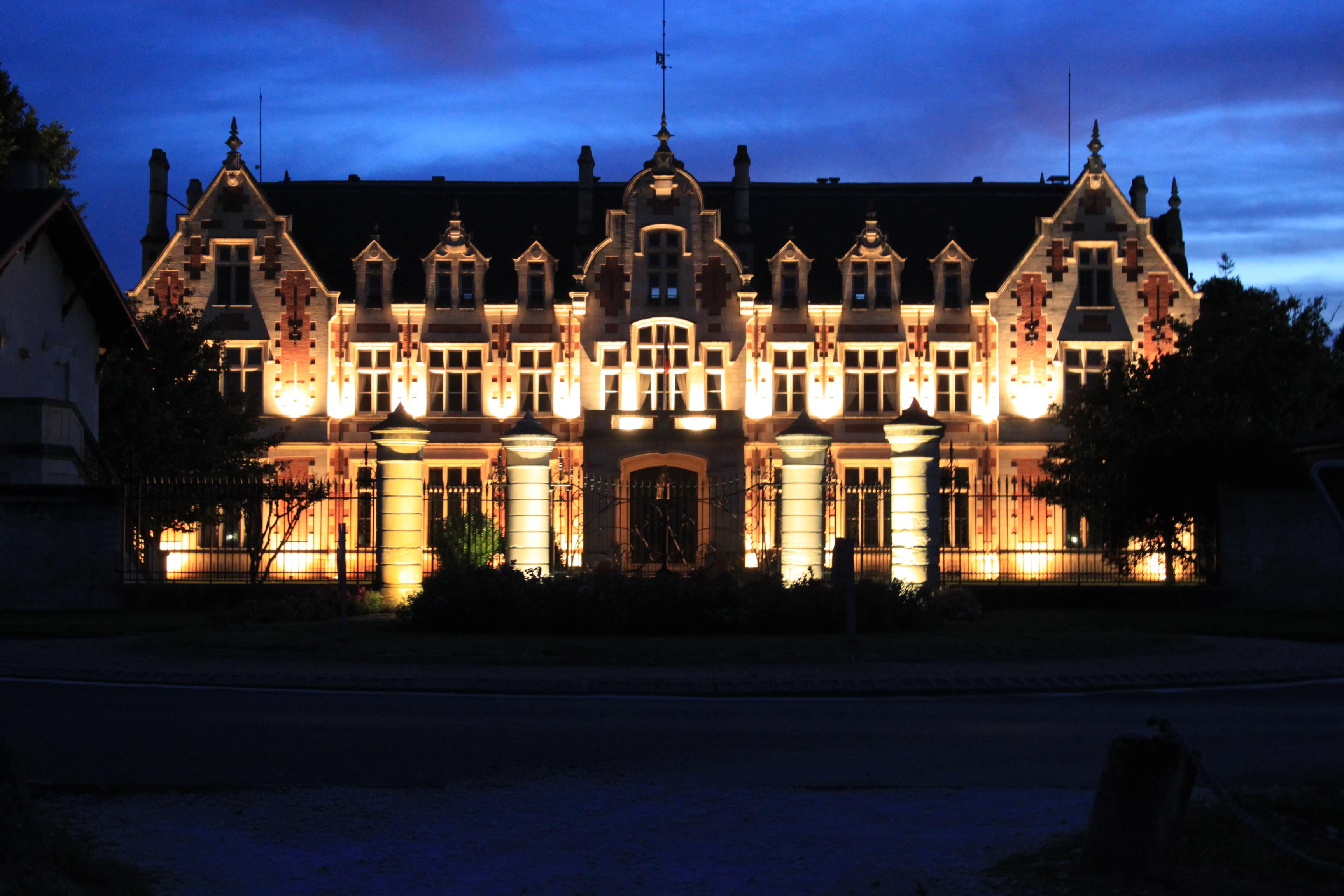
Wineries in Léognan
All wineries in Léognan →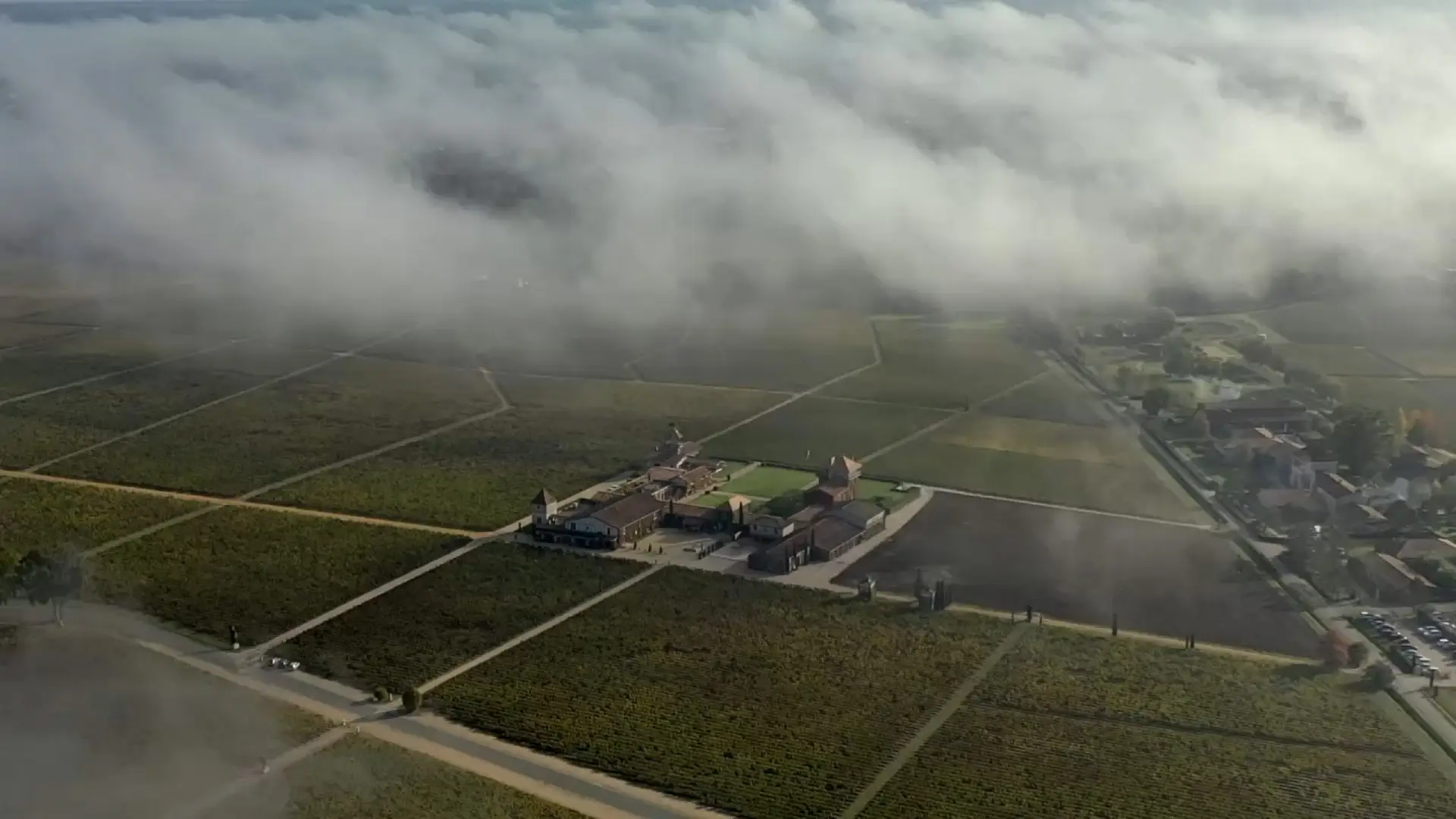
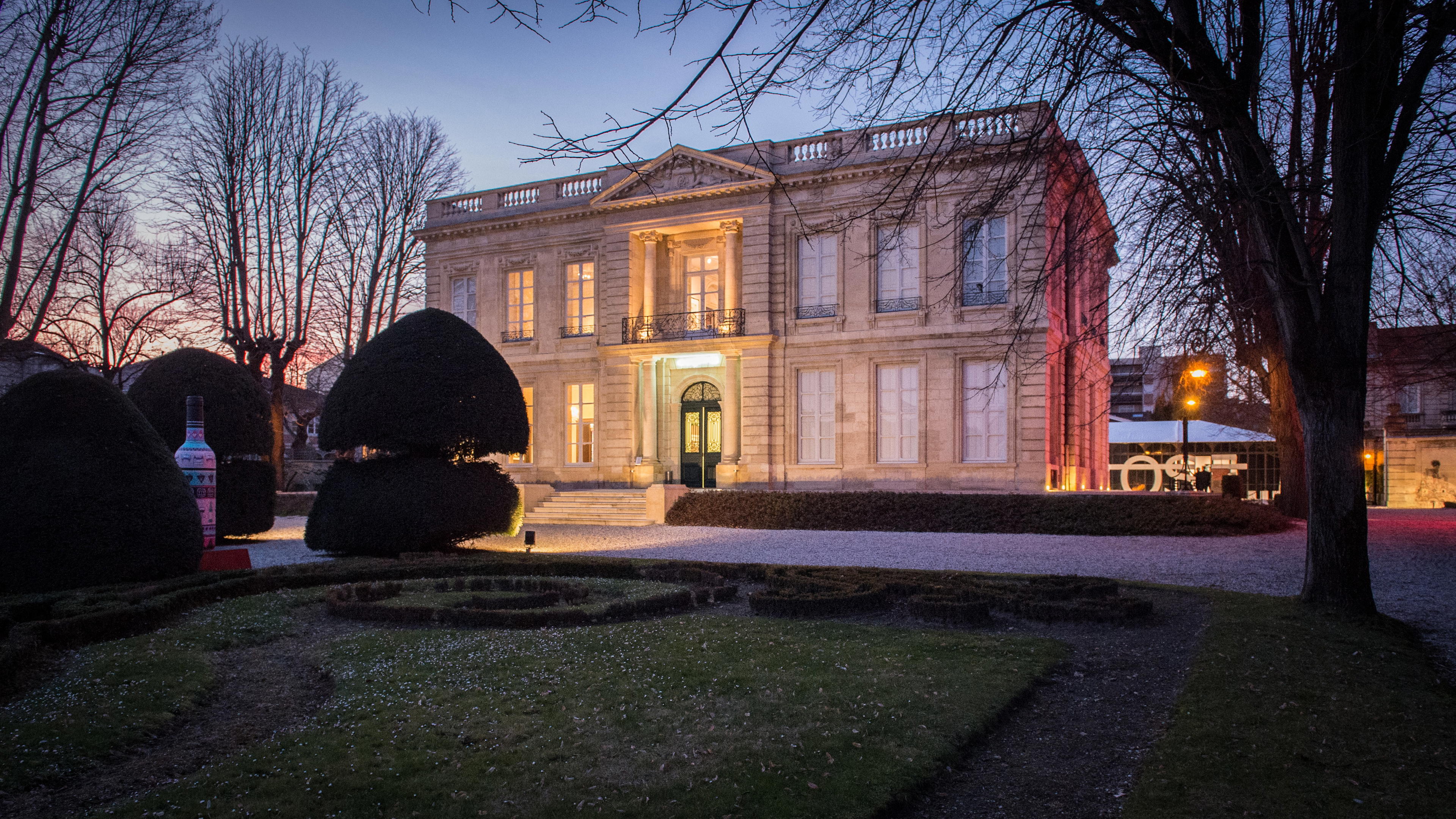
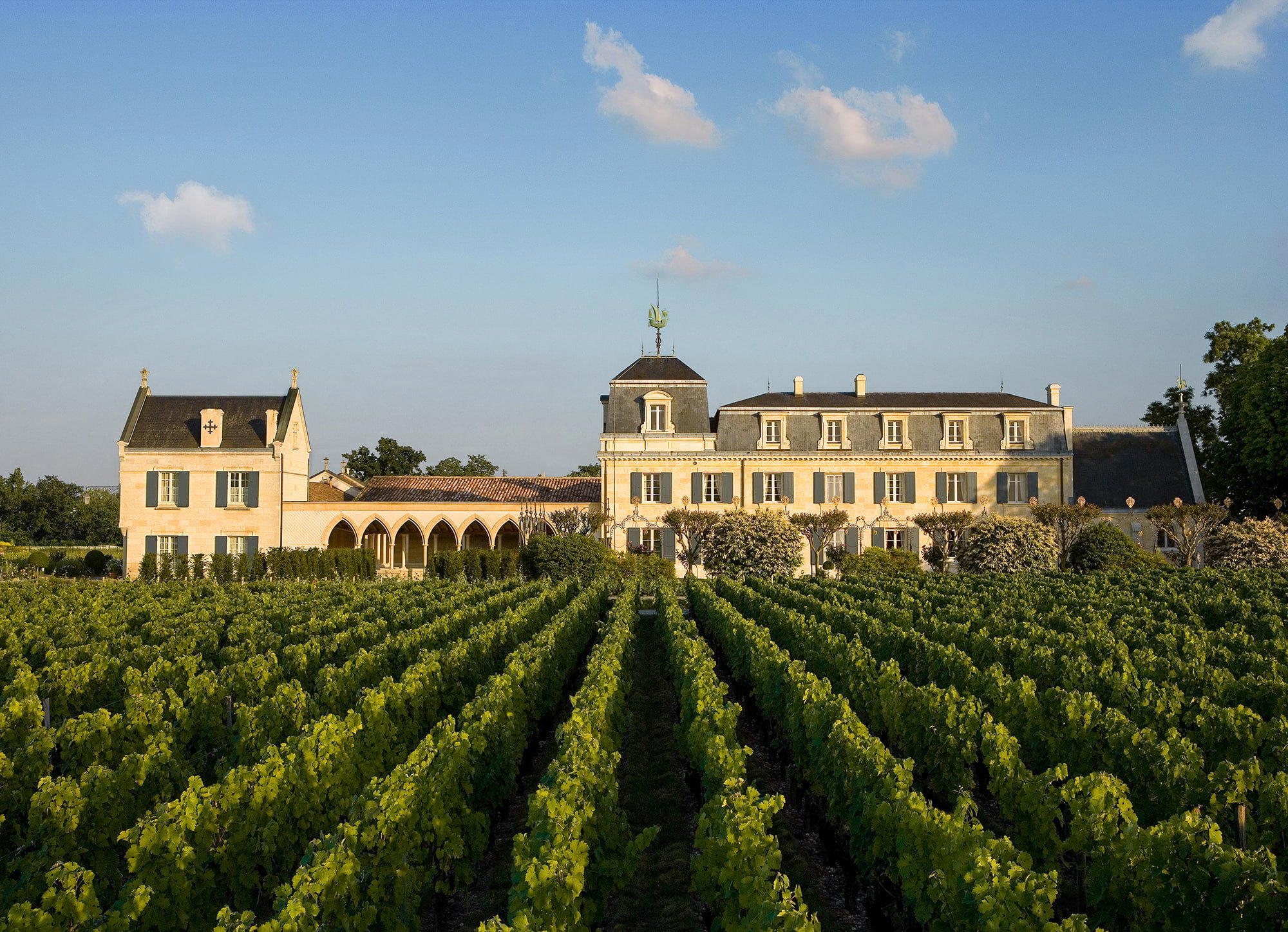
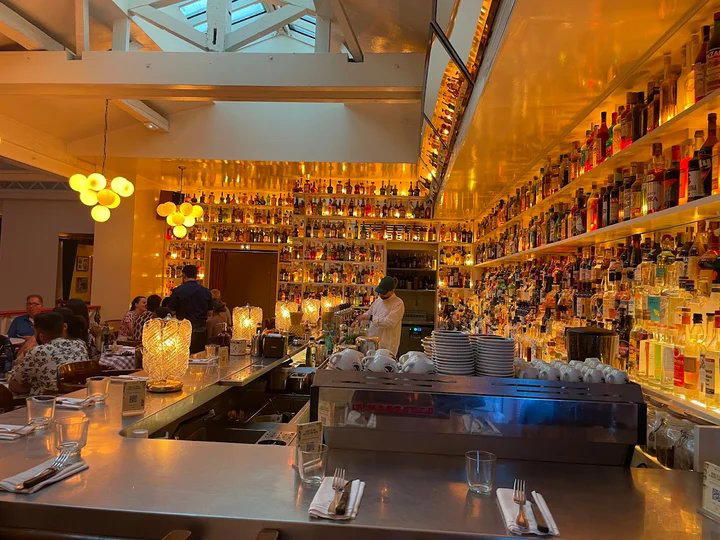
Bars in Léognan
Browse all →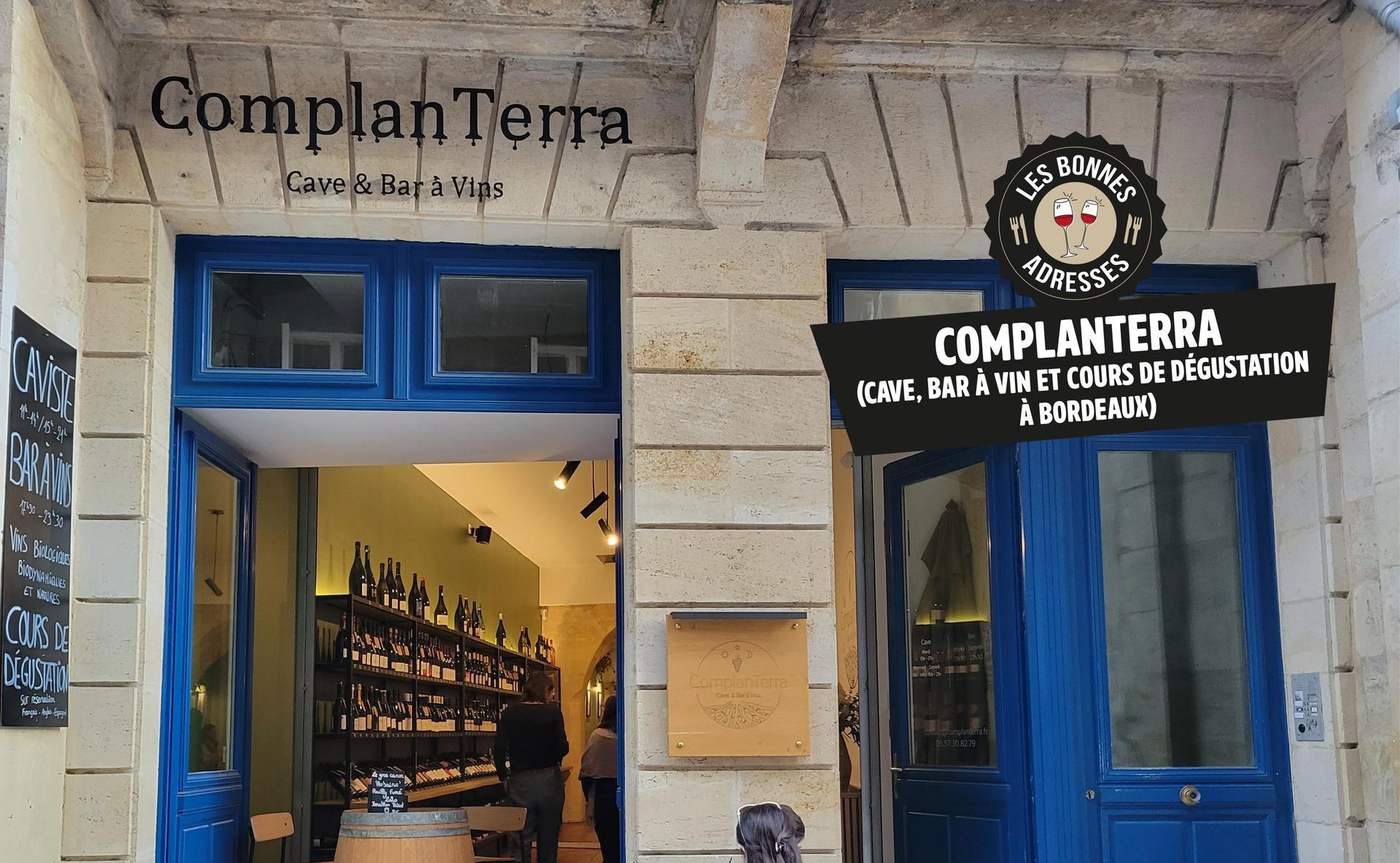
Details
- Elegant
- Classic
- Scenic
- Sophisticated
- Wine Education
- Special Occasion
- Vineyard Tour
- Estate Grounds
- Biodynamic
- Sustainable
- Vineyard
- Garden
- Cabernet Sauvignon
- Merlot
- Petit Verdot
- Cabernet Franc
- Sauvignon Blanc
- Sémillon
- Still Red
- Still White
- Cave Tasting
- Private Tasting
Current opening hours
- Monday
- 9 AM–12 PM, 2–5 PM
- Tuesday
- 9 AM–12 PM, 2–5 PM
- Wednesday
- 9 AM–12 PM, 2–5 PM
- Thursday
- 9 AM–12 PM, 2–5 PM
- Friday
- 9 AM–12 PM, 2–5 PM
- Saturday
- Closed
- Sunday
- Closed
Hours can change for holidays and private events. Last verified .
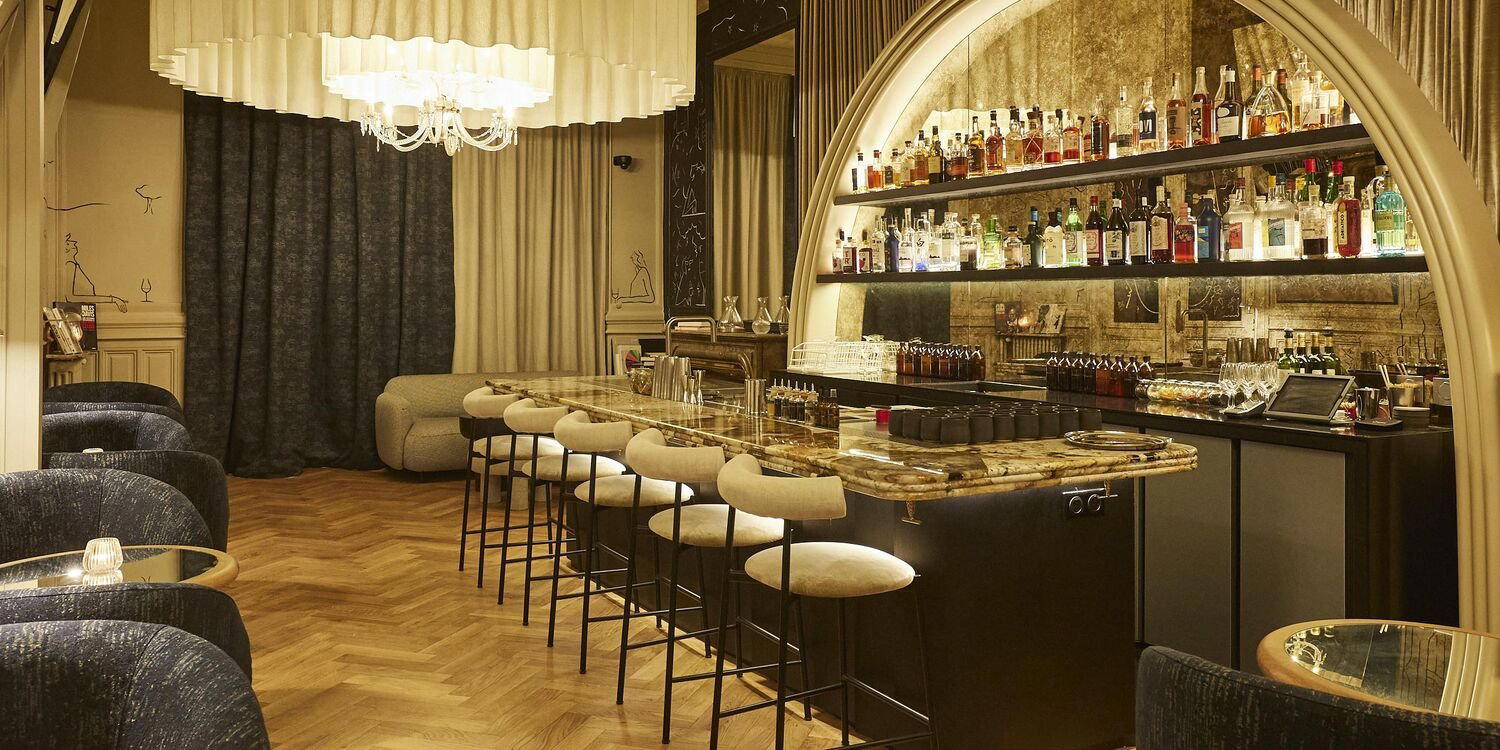
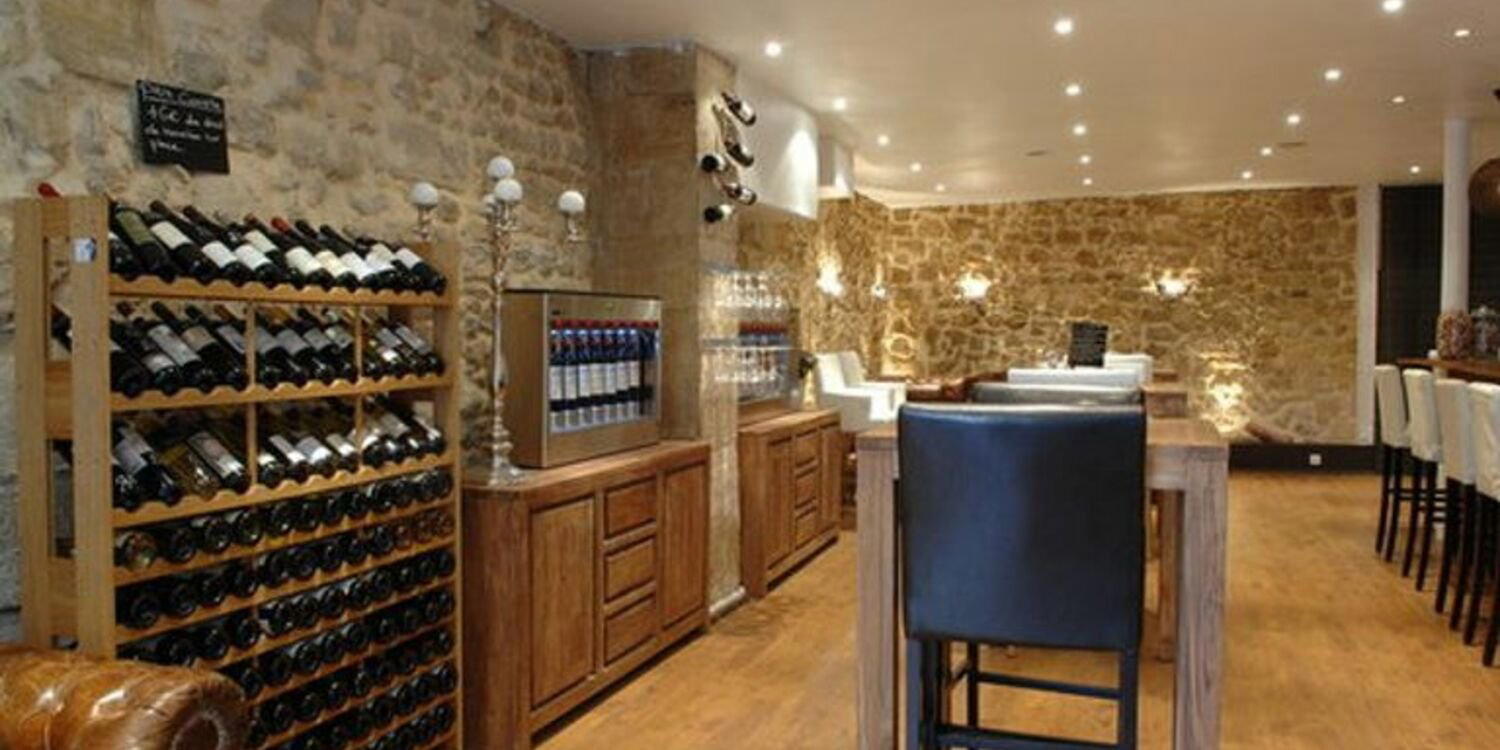
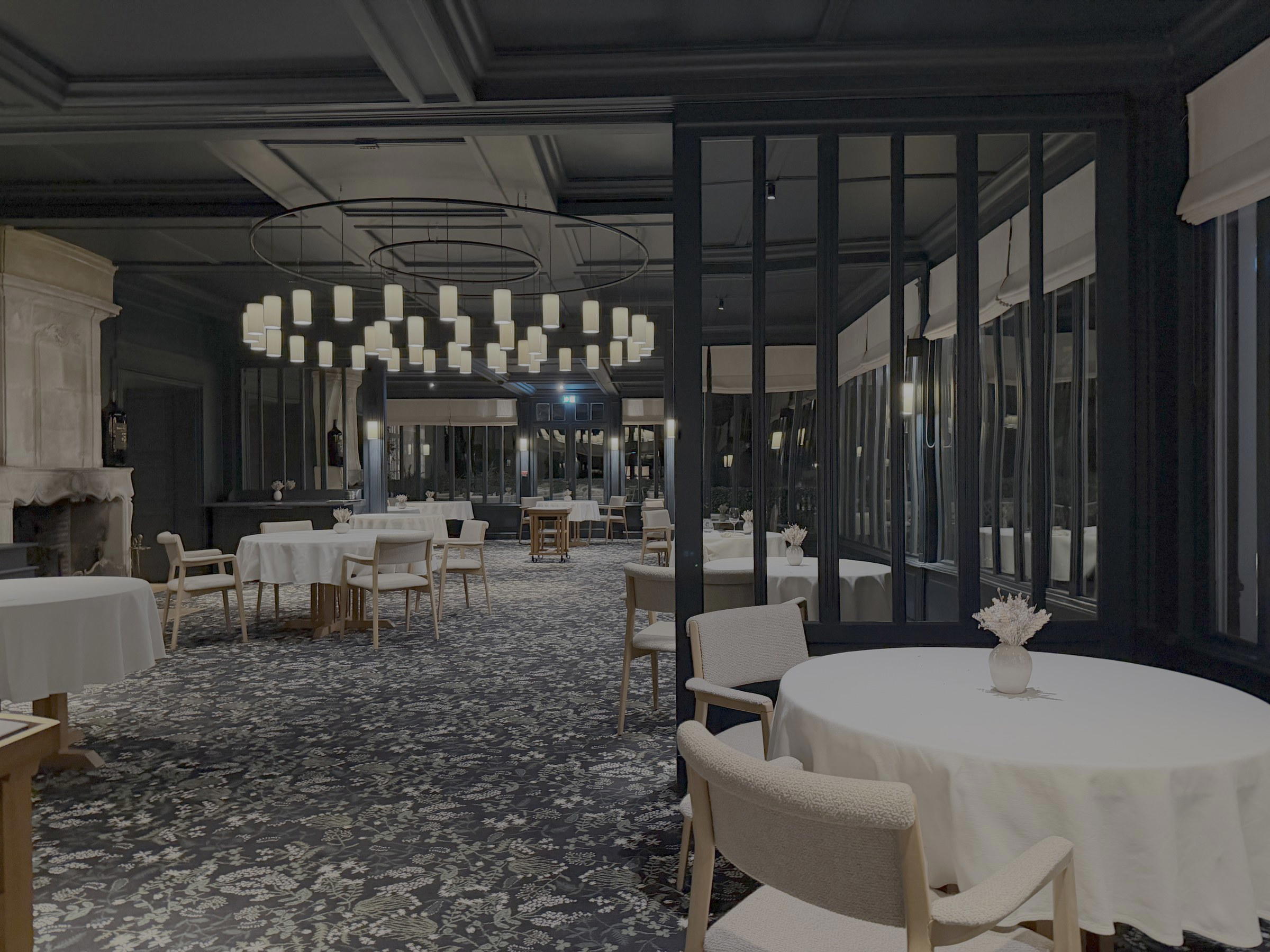
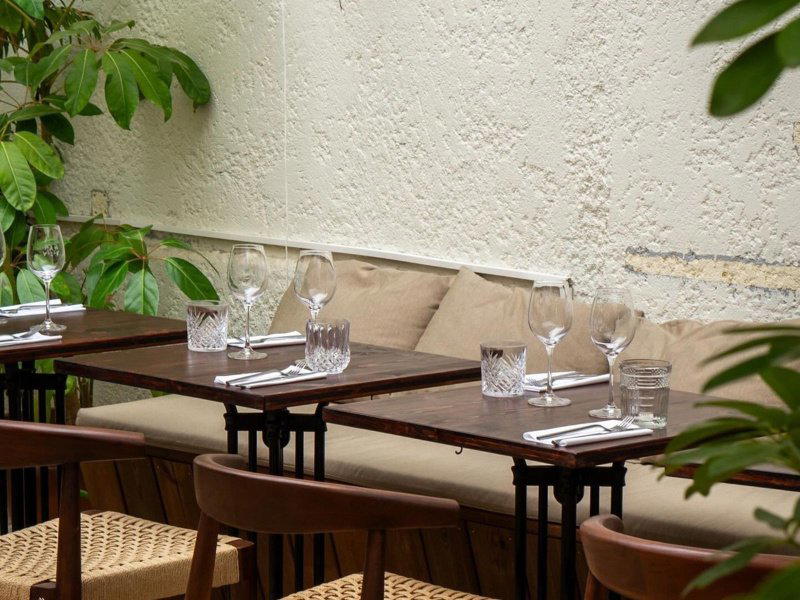
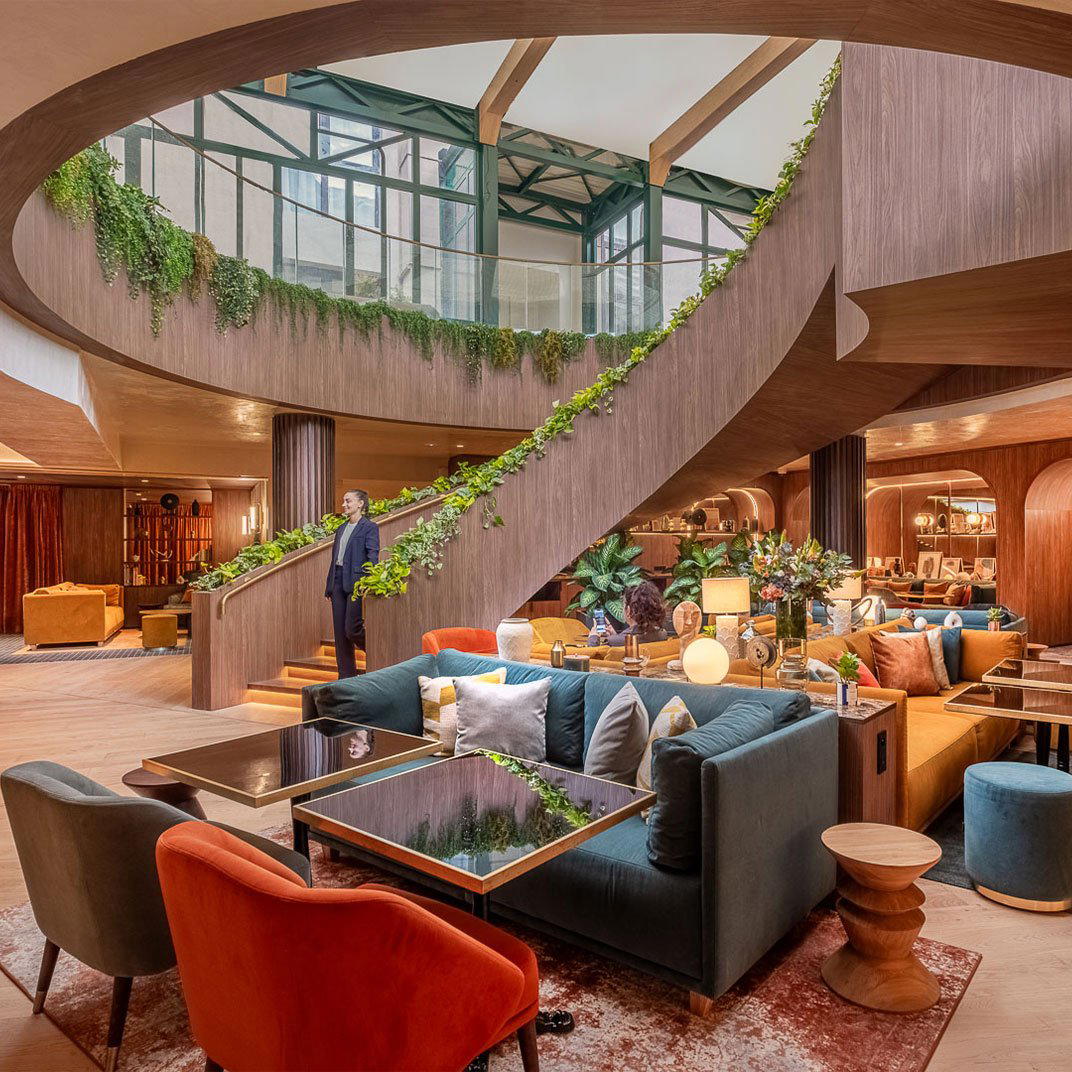
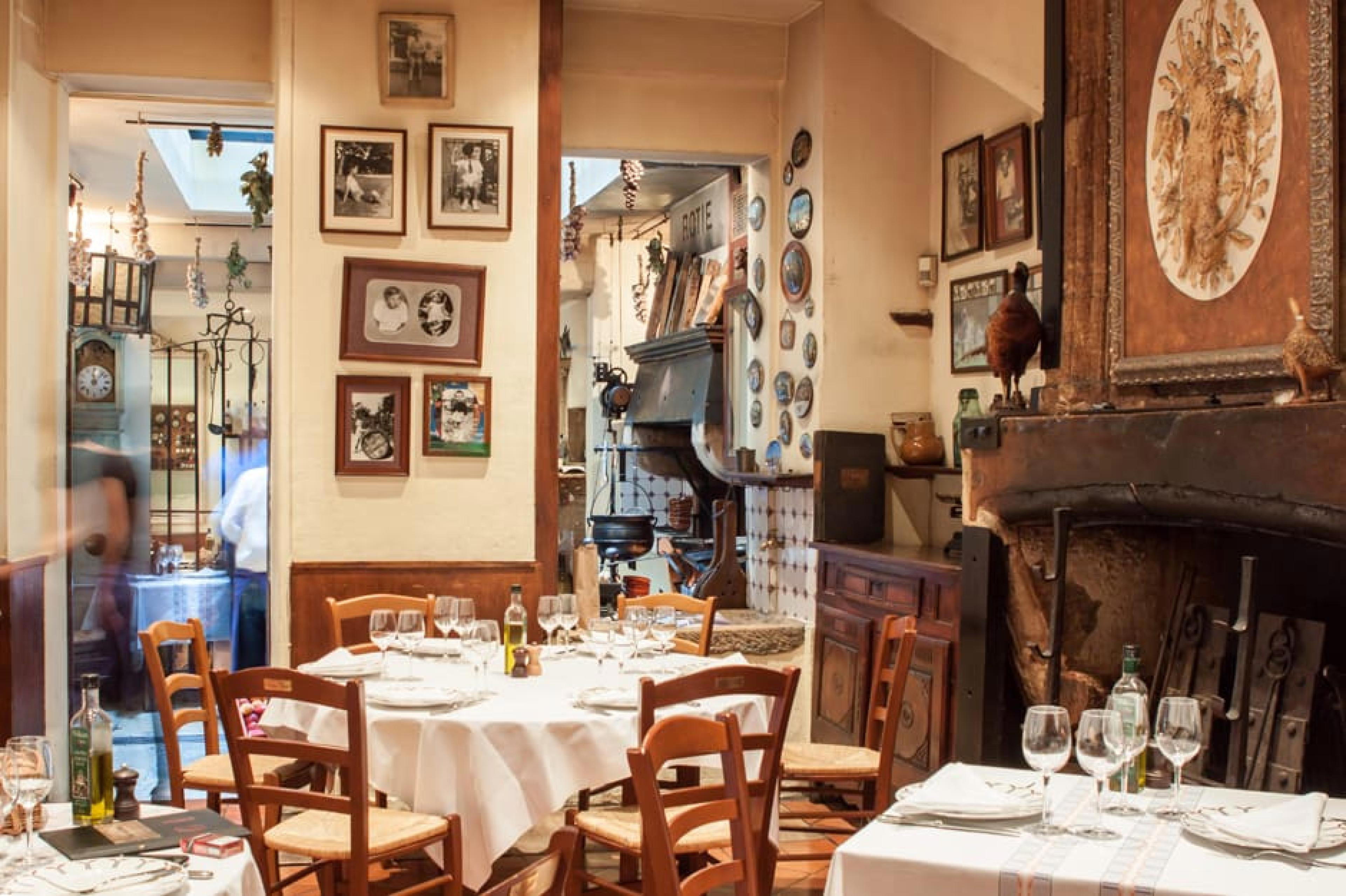
Elegant and refined atmosphere in a secluded forest clearing with parkland, trees, and gently rolling hills surrounding the modern winery facilities.