

The estate sits within the Sauternes appellation, where morning mists from the Ciron river create the conditions for noble rot, and winemaker Luc Planty oversees a program that positions Guiraud among the appellation's most serious Premier Cru Classé producers.
Pearl is the En Primeur Club membership app — saves, bookings, and concierge access live there. Same editors, same standards.
- Address
- 1 Château Guiraud, 33210 Sauternes
- Phone
- +33 5 56 76 61 01
- Website
- chateauguiraud.com
- Directions
- Get directions
 Saves & bookings on Pearl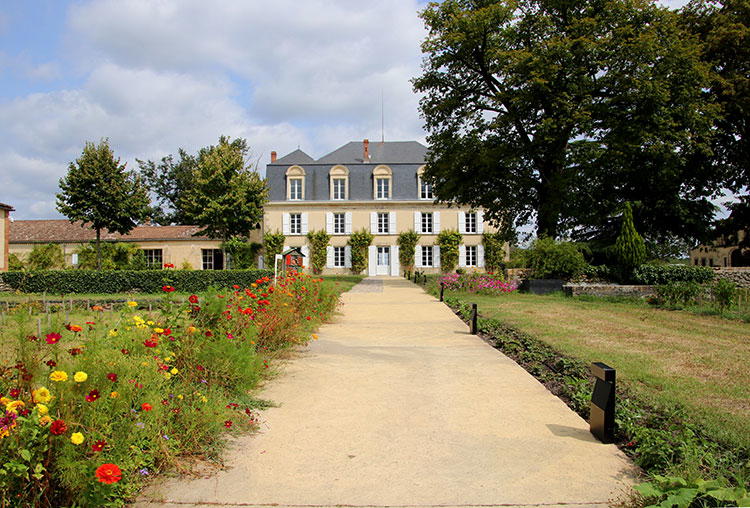
Where Sauternes Begins
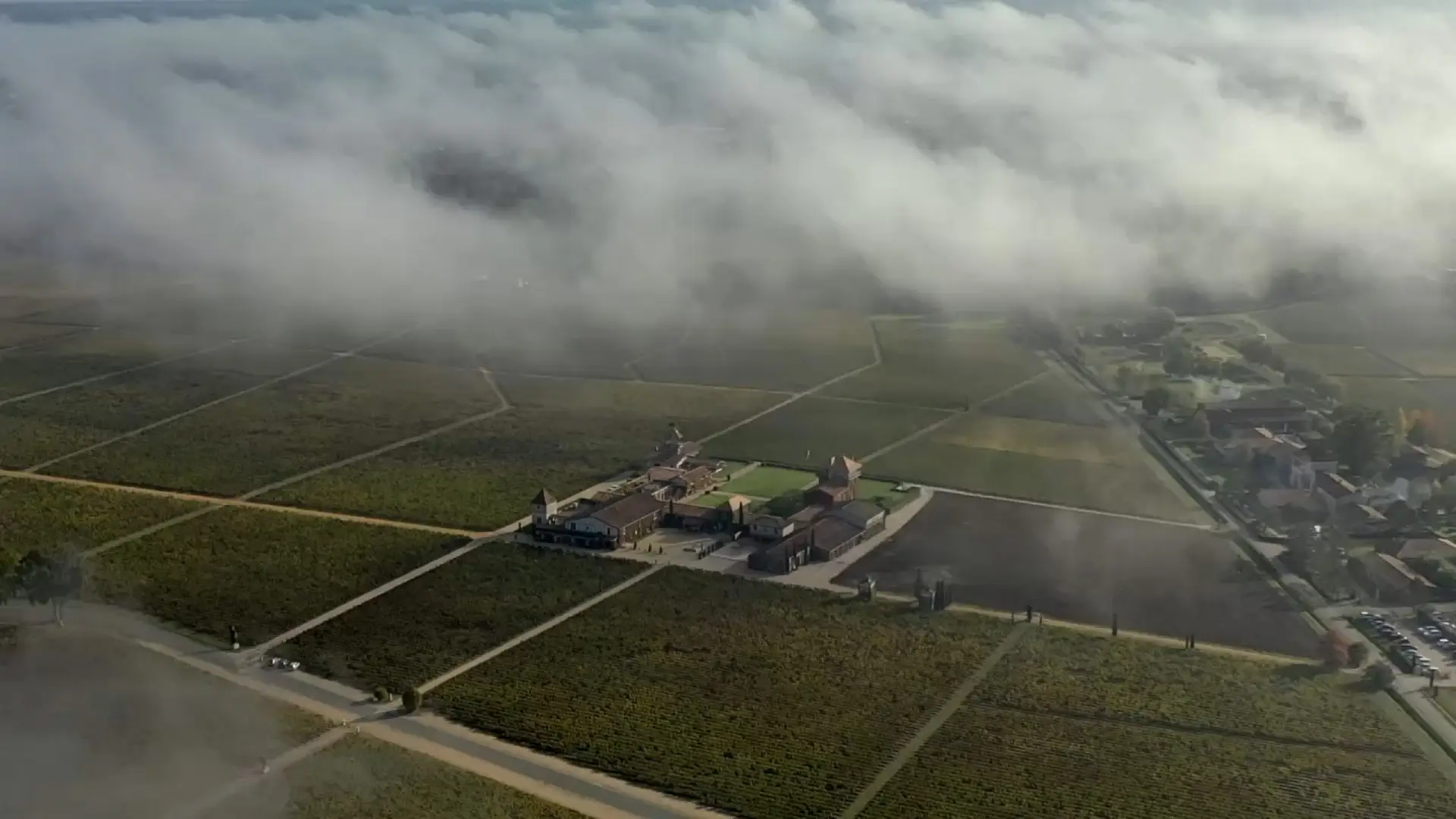
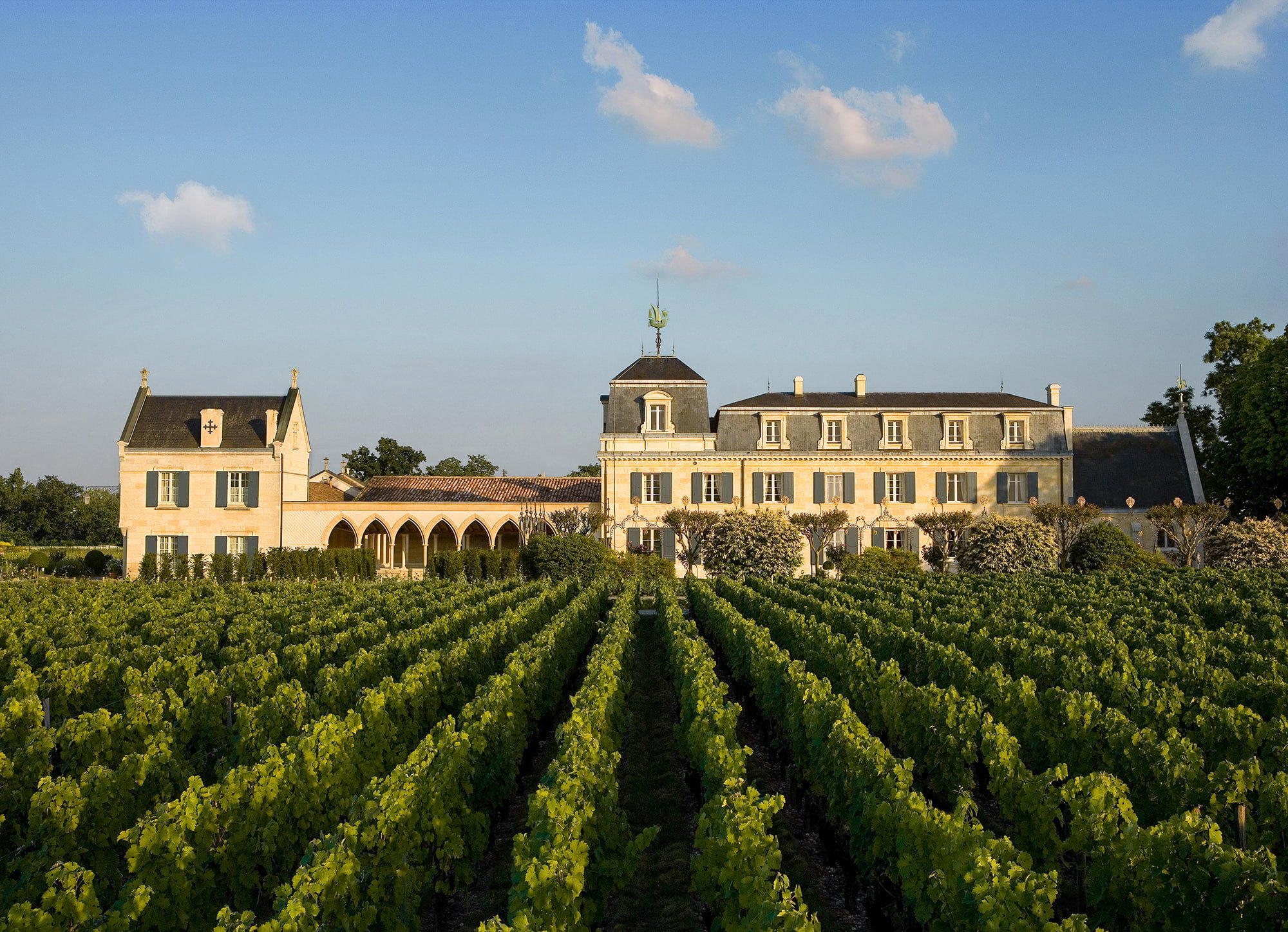
Approach Château Guiraud from the D8 road south of Bordeaux and the landscape changes before you reach the gates. The rolling hills flatten into a wide amphitheatre of vines, the soil shifts to a pale gravel-over-clay that reflects afternoon light differently from the heavier earth of the Médoc, and the air carries a damp mineral quality that signals proximity to the Ciron. This small tributary of the Garonne does the essential work of Sauternes: its cooler waters meet warmer Garonne air each autumn morning, generating the mists that allow Botrytis cinerea to form on ripe Sémillon and Sauvignon Blanc grapes. That fungal process, controlled and precise under ideal conditions, concentrates sugars and glycerol into the liquid that defines the appellation. Château Guiraud's vineyards sit inside this zone, and the physical sense of that geography arrives well before you open a bottle.
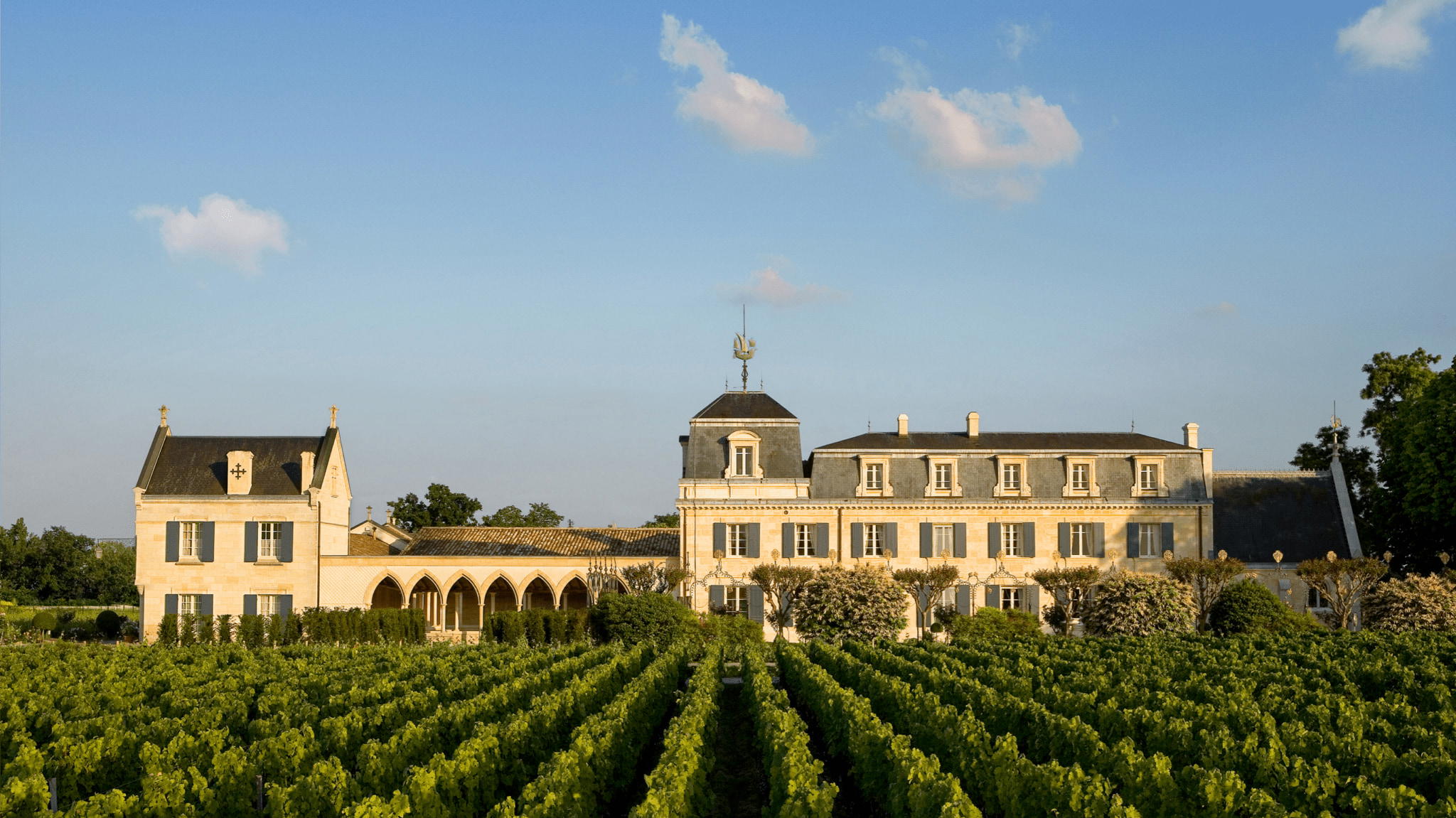
The château itself dates its documented winemaking history to 1771, making it one of the longer continuous operations in a region where multi-century estates are common enough that longevity alone carries limited distinction. What separates Guiraud within that historical peer group is its 1855 classification as a Premier Cru Classé de Sauternes, a designation it shares with a small cohort that includes Château d'Yquem, the appellation's sole Premier Cru Classé Supérieur. That classification has shaped the estate's competitive positioning for generations, placing it in a different register than second-growth neighbours such as Château d'Arche and Château Filhot, and anchoring expectations around concentration, structure, and cellaring depth.
The Vineyard as the Argument
Sauternes producers frequently describe terroir, but Guiraud's physical situation makes the case more concretely than most. The estate's holdings run to approximately one hundred hectares, with a significant proportion planted to Sémillon, the dominant variety in Premier Cru Sauternes. The balance of Sauvignon Blanc introduces aromatic tension and acidity that prevents the wine from reading as simply sweet. That compositional logic is common across the appellation's serious houses, but the execution depends on site: where the vines sit relative to the Ciron's morning mist corridor, how the gravel and clay subsoils drain excess moisture during wet years, and how the southern aspect manages heat accumulation across a long growing season.
Walking the vineyard rows at Guiraud, as visitors who book estate visits are able to do, reveals the scale of the undertaking. Botrytised harvest is not a single pass through the vineyard. Pickers must return repeatedly through the autumn weeks, selecting individual berries or small clusters as noble rot develops unevenly across the canopy. The labour intensity explains why Sauternes production volumes are structurally low relative to dry wine regions, and why Premier Cru pricing reflects genuine scarcity. Winemaker Luc Planty oversees this selective harvest and the subsequent fermentation program, which at Guiraud involves barrel aging in French oak to build the textural complexity that distinguishes the estate's wines from lighter, more approachable Sauternes produced at lower classification tiers. For a broader picture of comparable approaches across the appellation's southern reaches, Château Bastor-Lamontagne in Preignac offers an instructive comparison at a different price and classification point.
Classification, Certification, and the 2025 Recognition
The 1855 classification remains the formal framework through which Sauternes Premier Cru estates market and position themselves, though its original rankings have been supplemented over the decades by third-party recognition that operates independently of the Bordeaux négociant system. That recognition matters in practical terms because Sauternes producers operate on longer cycles than dry wine estates: a wine produced in a botrytis year requires five to fifteen years of cellaring before showing its full range, which means quality assessments must account for trajectory as much as immediate pleasure.
Within the Premier Cru cohort, Guiraud positions differently from Château d'Yquem, whose singular Supérieur classification and allocation dynamics place it in a market register largely detached from the rest of Sauternes. The comparison set for Guiraud is more accurately the other Premier Crus, including properties across the broader Bordeaux classification system. Context from classified Médoc estates such as Château Duhart-Milon or Château Branaire Ducru in St-Julien helps illustrate how the 1855 classification functions across different appellations, even though the wines themselves are structurally distinct. For readers interested in how classification interacts with quality signals across Bordeaux's left bank, Château Batailley in Pauillac, Château Boyd-Cantenac in Cantenac, and Château Cantemerle in Haut-Médoc each represent different tiers of that framework. On the right bank, Château Bélair-Monange in Saint-Emilion offers a further point of reference for how classified estate production is structured in appellations operating under different regulatory frameworks altogether.
Visiting Guiraud: Physical Context and Practical Notes
The estate's address at 1 Château Guiraud, 33210 Sauternes places it in the commune of Sauternes proper, roughly forty kilometres southeast of Bordeaux city centre. The appellation is small enough that the drive from Bordeaux runs under an hour under normal conditions, which makes day visits feasible as part of a broader Graves or Bordeaux itinerary. Sauternes sees substantially fewer visitors than the Médoc's more heavily marketed château route, which means the estates that do open for visits operate at a more considered pace. Booking in advance is advisable for any estate visit in the appellation, as production operations and tasting room staffing are calibrated to the appellation's relatively low visitor volume.
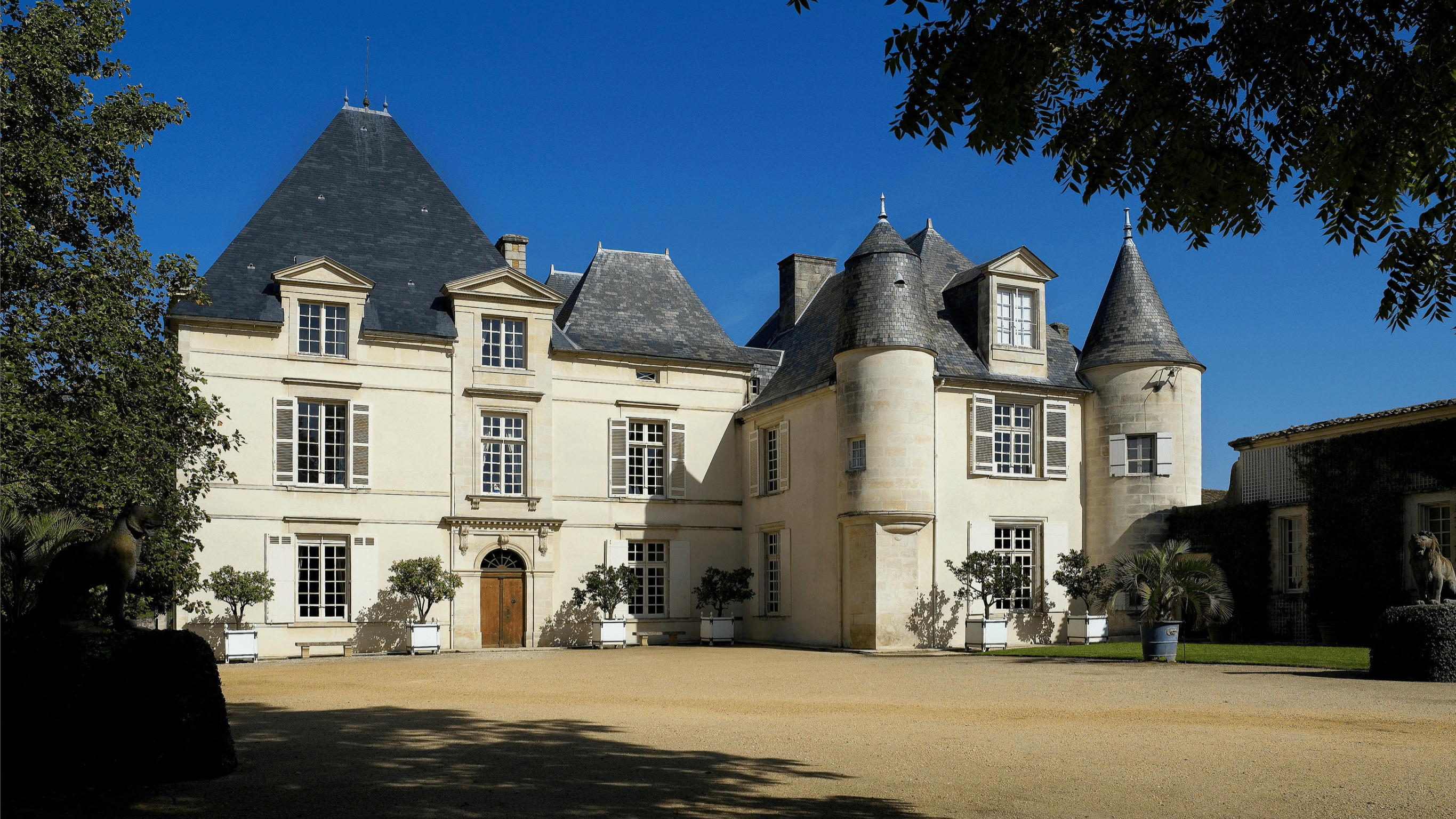
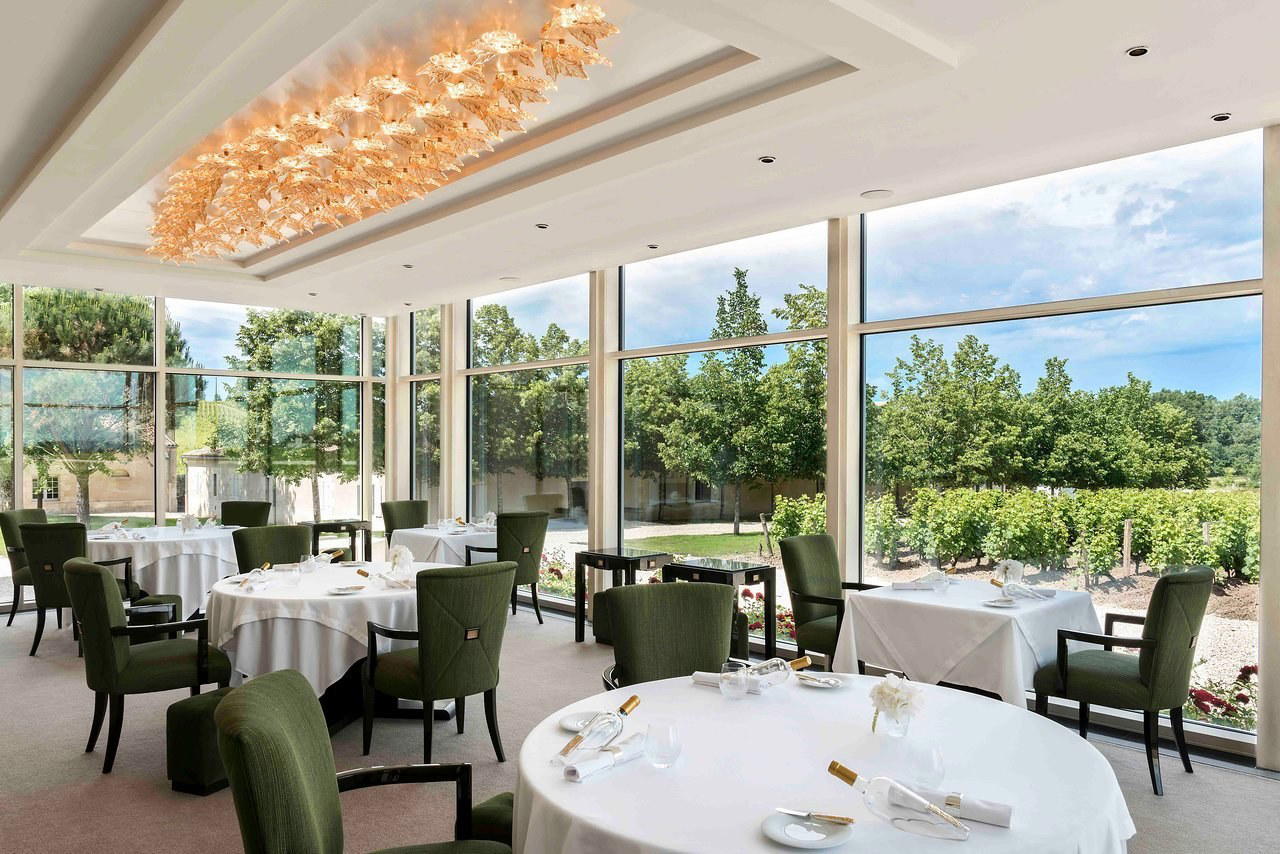
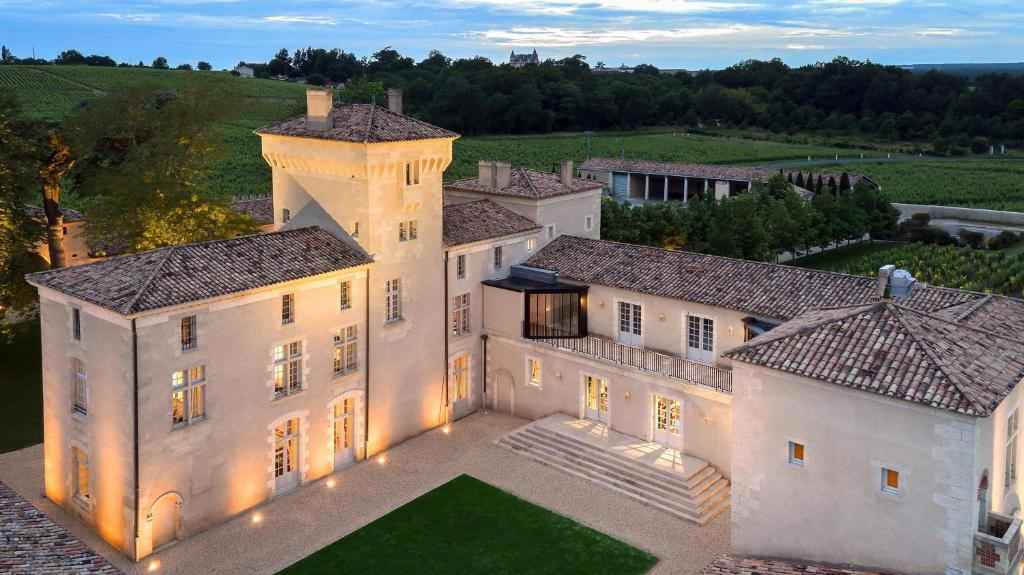
The estate's physical setting rewards arrival on foot from the parking area: the château building and its surrounding parkland reflect the 18th-century architectural character common to the Gironde's major estates, and the view back across the vineyard from the terrace gives an immediate sense of how the land is organised relative to the Ciron valley below. This is not incidental aesthetics. Understanding the orientation of a Sauternes vineyard is part of understanding why one estate produces differently from its neighbour a kilometre away. For broader context on the appellation's dining and producer landscape, our full Sauternes restaurants guide covers the area's eating and visiting options in detail.
The Wine at Table
Sauternes as a category sits at an unusual intersection of dessert wine tradition and serious cellaring culture. In France, the pairing of Sauternes with foie gras is long-established enough to be considered default, but the wine's acidity and complexity also allow it to function alongside blue cheese, certain preparations of langoustine, and even lightly spiced dishes where the sweetness counterbalances heat. The question of when to open a Premier Cru Guiraud depends on vintage, but a general principle holds: bottles from a strong botrytis year need a decade before the primary sweetness integrates with the oak structure and secondary oxidative notes that develop with age. Younger vintages drink with more primary fruit and less textural depth, which suits different contexts.
For wine collectors building broader reference points across French regions, the contrast between Sauternes and other tradition-led French producers is instructive. The precision viticulture of Alsace estates such as Albert Boxler in Niedermorschwihr or the category-defining aged spirits production at Chartreuse in Voiron each illustrate how French regional producers anchor identity in a specific landscape. Guiraud's case is analogous: the wine cannot be reproduced outside the Ciron's fog corridor and the particular soil structure of the Sauternes commune. That geographical specificity is the estate's deepest argument, and the first thing the vineyard shows you before the tasting room opens.
Recognition history
Dated appearances from independent guides and award organizations, with the underlying list record or original source where available.
Falstaff Winery - 3 Stars
Falstaff
Michelin Main Selection
Michelin
Continue exploring
More in Sauternes
Wineries in Sauternes
Browse all →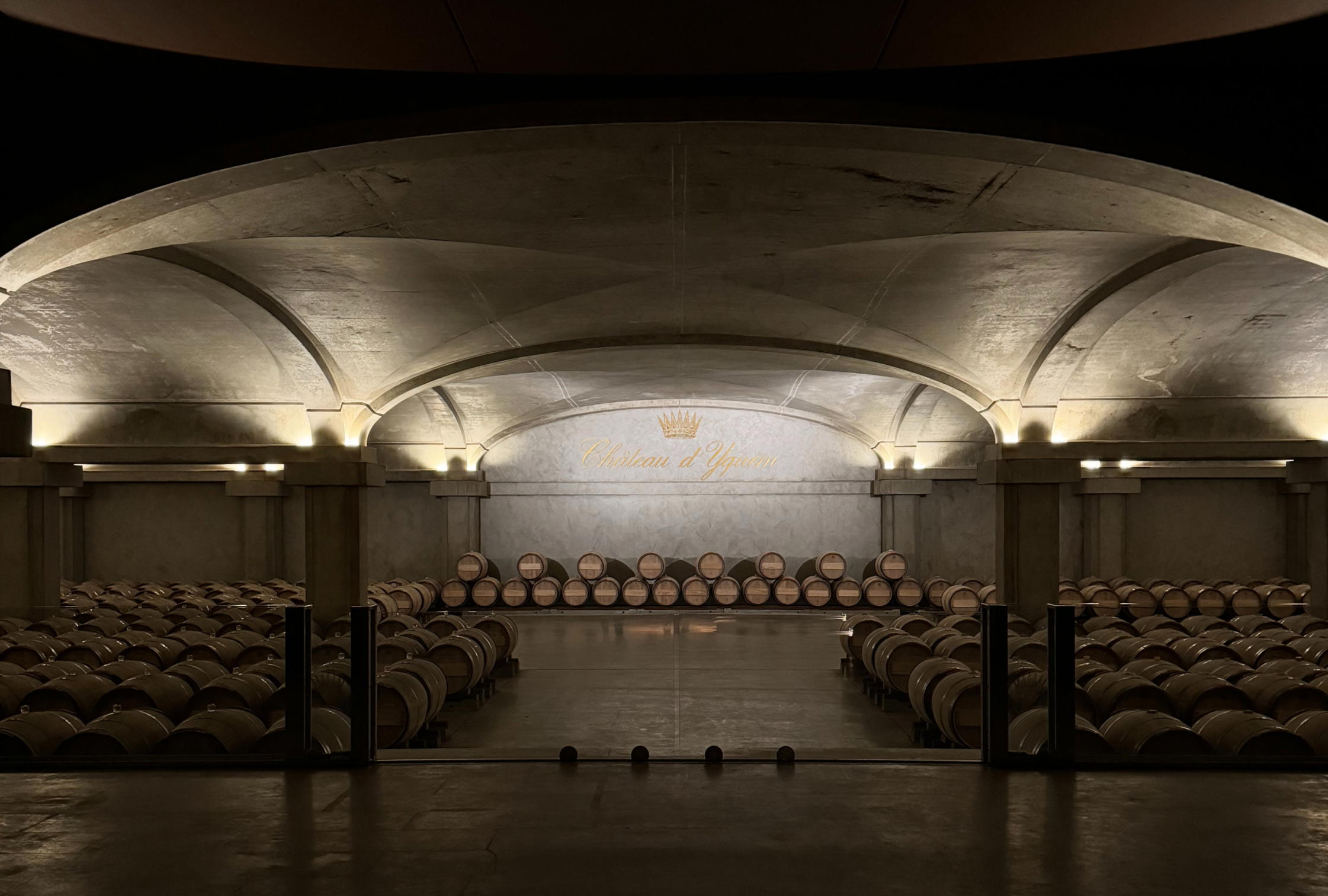
Bars in Sauternes
Browse all →
Restaurants in Sauternes
Browse all →
At a Glance
- Elegant
- Classic
- Scenic
- Sophisticated
- Wine Education
- Special Occasion
- Vineyard Tour
- Estate Grounds
- Terrace
- Historic Building
- Organic
- Vineyard
- Garden
- Sauternes AOC
- Semillon
- Sauvignon Blanc
- Dessert
- Barrel Tasting
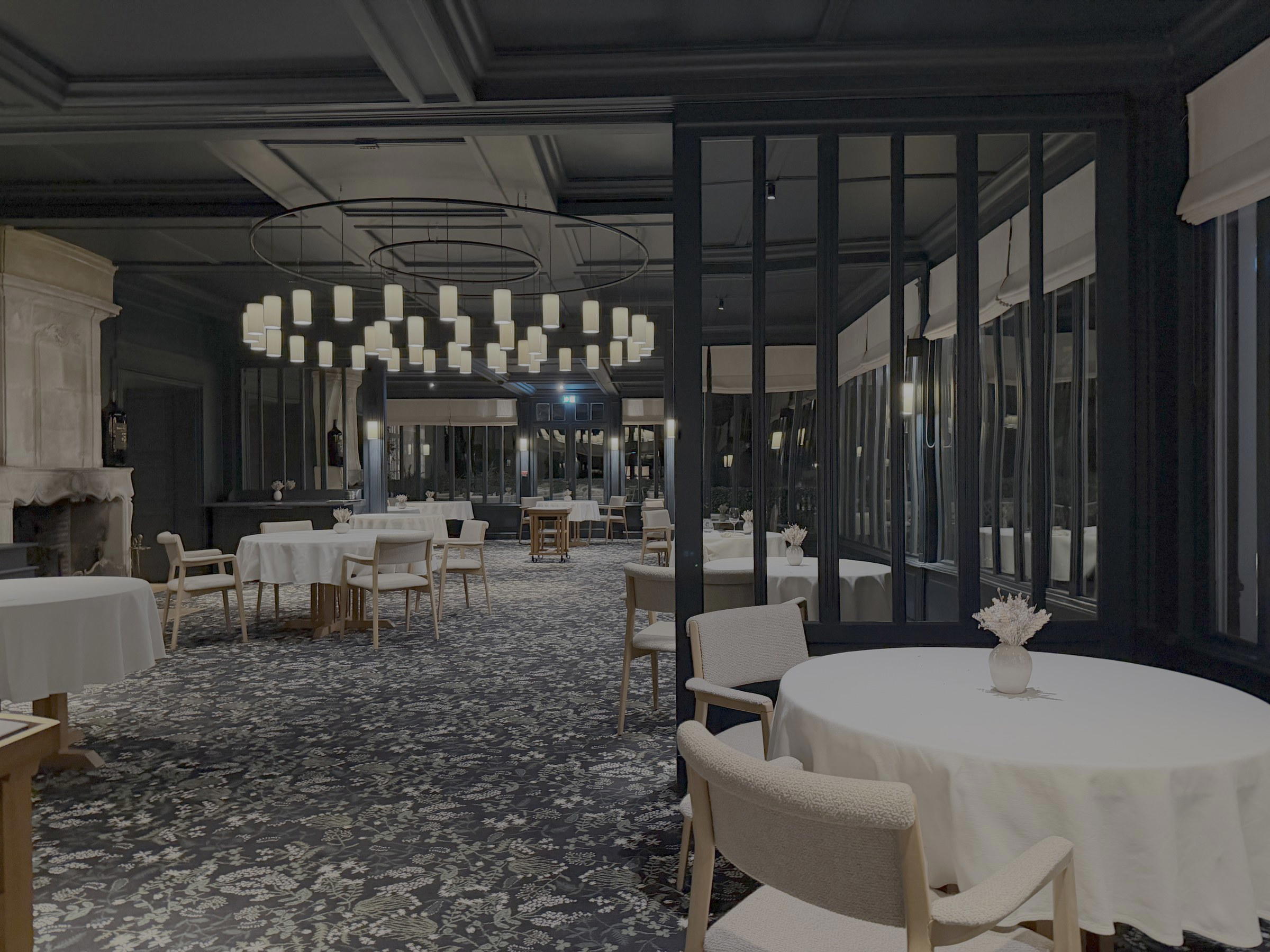
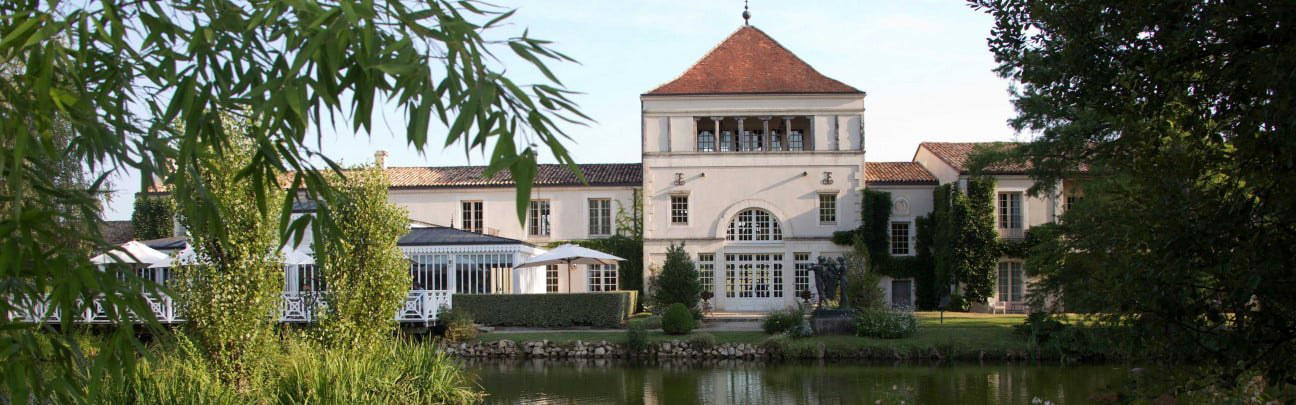
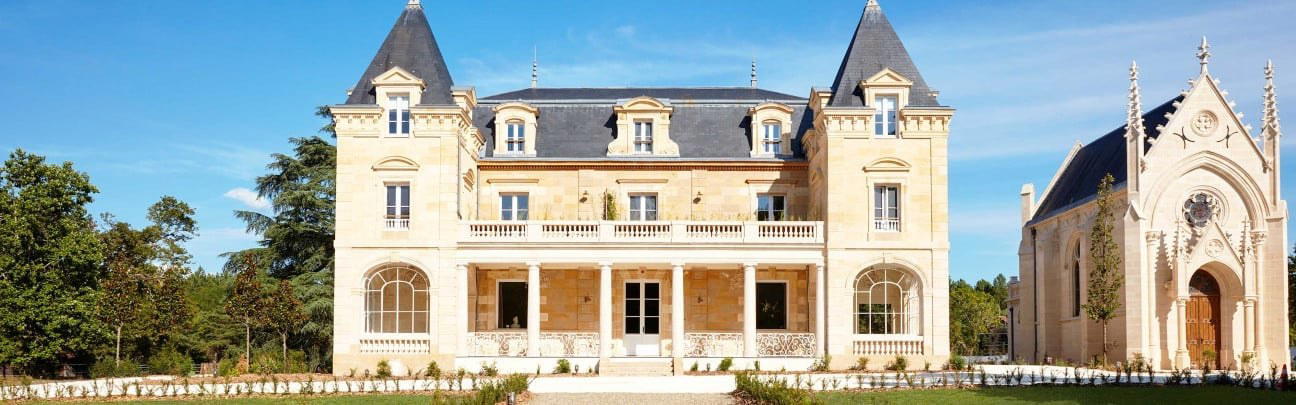
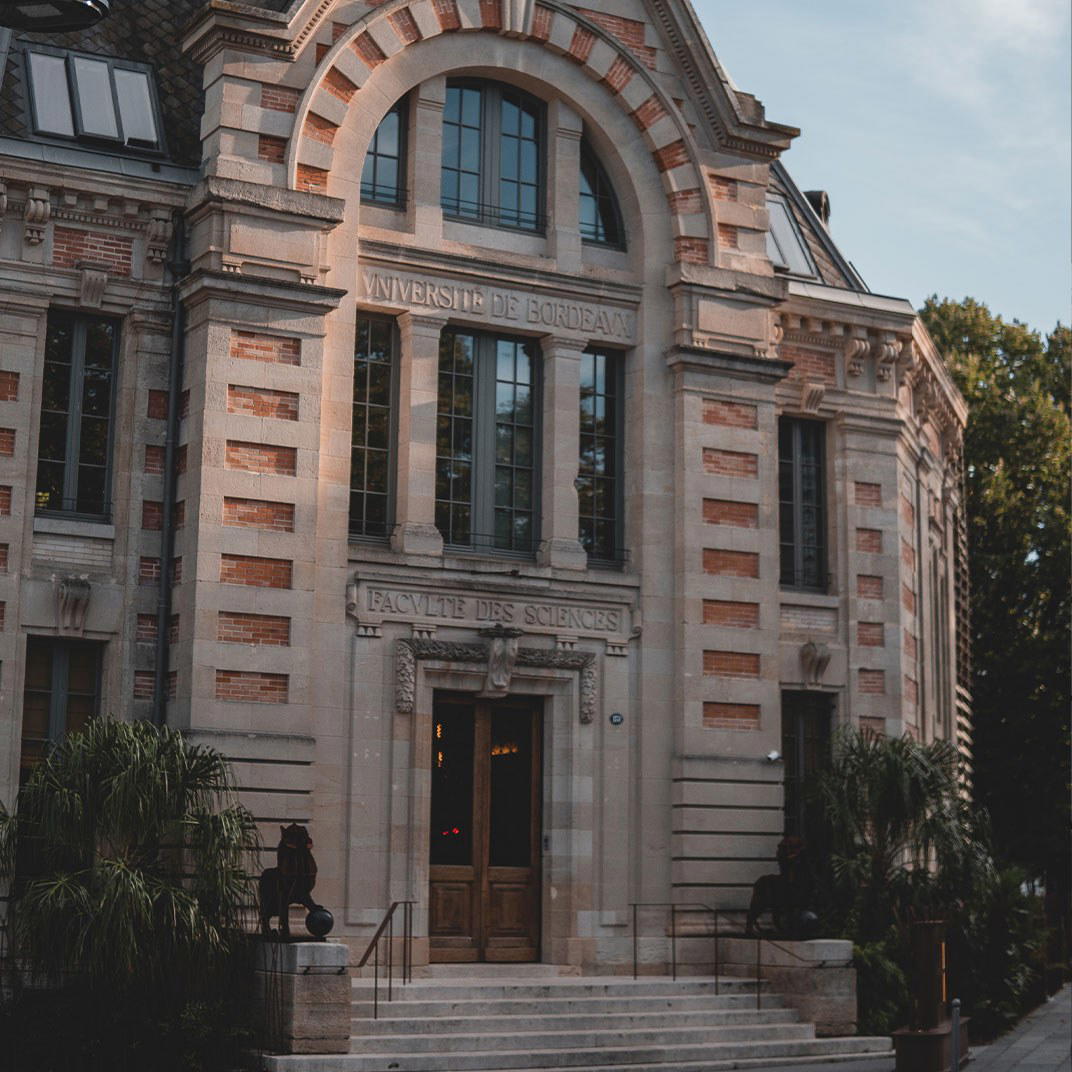
Ornate historic chateau with terrace views over lush organic vineyards, evoking timeless elegance and serene natural harmony.
Know Before You Go
- Getting there
- 1 Château Guiraud, 33210 Sauternes