Argiano

Falstaff Winery - 5 Stars
Under winemaker Bernardo Bossi Bonilla, the property produces Brunello di Montalcino from the Sant'Angelo in Colle hill, a subzone known for warmer soils and structured, age-worthy expression. For visitors seeking historical depth alongside serious contemporary winemaking, Argiano occupies a distinct place in the appellation.

Pearl is the En Primeur Club membership app, where members save venues, book tables and use the concierge.
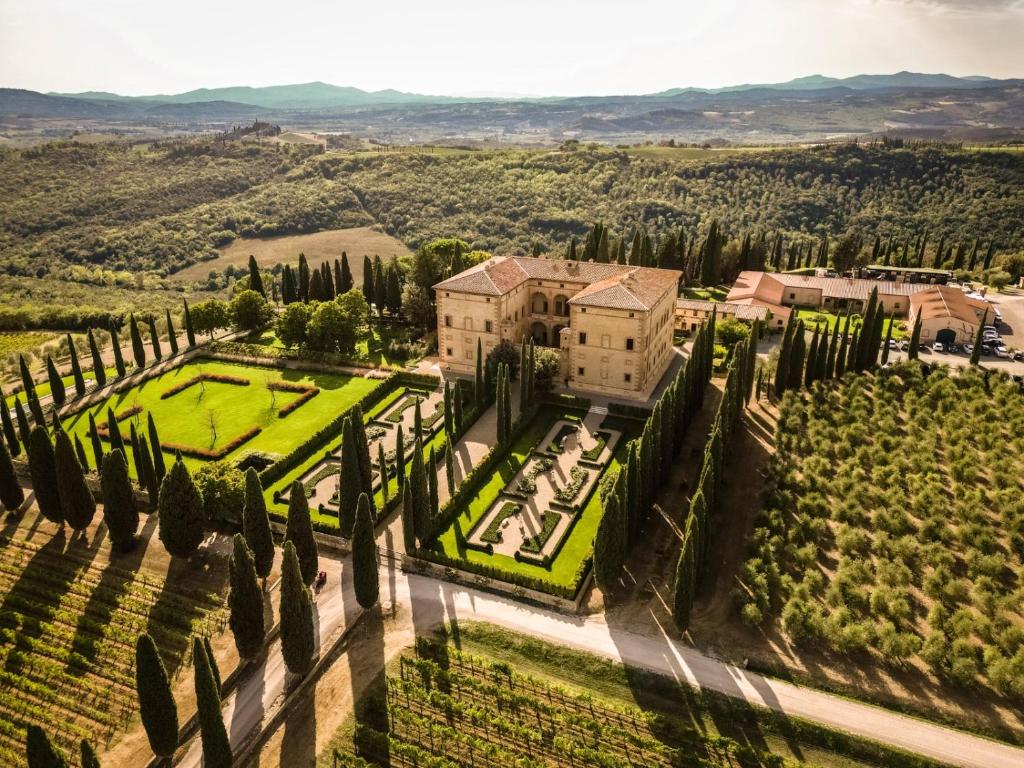
A Hilltop Estate in a Changing Appellation
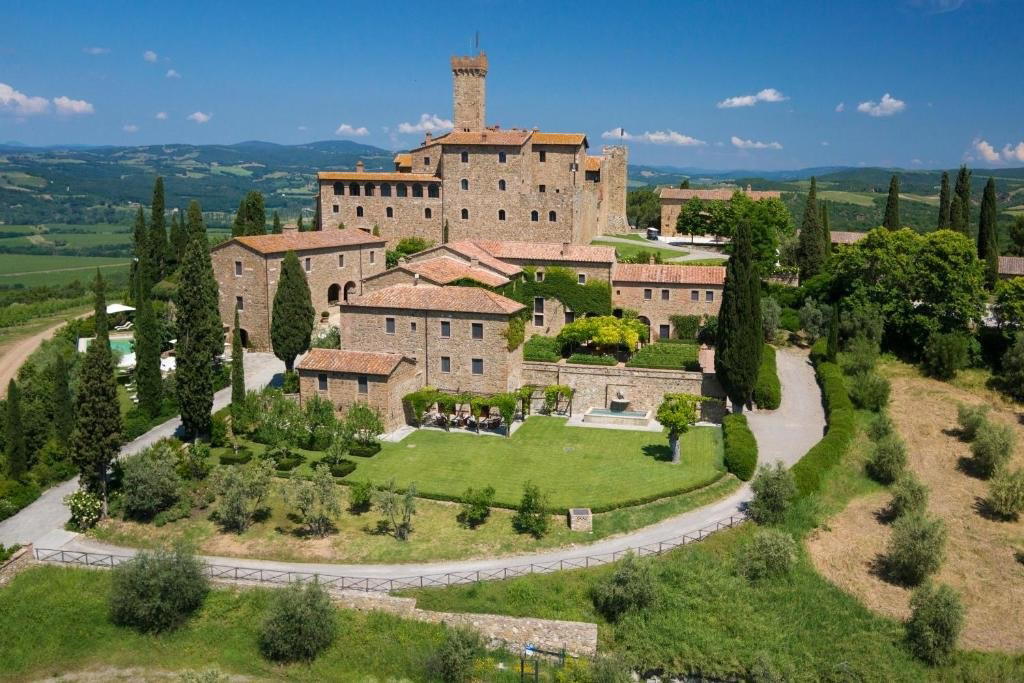
The drive south from Montalcino town toward Sant'Angelo in Colle makes the appellation's internal geography legible in a way that maps rarely do. The terrain drops and opens, exposing a warmer microclimate than the cooler northern and eastern slopes favored by some of the denomination's more austere producers. This is the southwestern quadrant, and it has long shaped a particular style of Brunello: fuller fruit profile, earlier structural accessibility, wines that carry weight without sacrificing the Sangiovese Grosso backbone that defines the appellation at altitude. Argiano sits squarely in this subzone, its estate at Località S. Angelo in Colle, and the wines it produces reflect the character of that ground.
Brunello di Montalcino is an appellation that rewards this kind of geographic specificity. Unlike Bordeaux or Burgundy, where village-level distinctions have been codified for centuries, Montalcino is still working through its own internal map. The Consorzio's ongoing MGA (Menzioni Geografiche Aggiuntive) project is gradually formalizing what growers have known informally for generations: that the denomination's 3,500-plus hectares span meaningfully different terroirs, and that a wine from Sant'Angelo in Colle tells a different story than one from Montosoli or Castelnuovo dell'Abate. For estates like Argiano, this evolving conversation is an opportunity to anchor a specific identity to a specific place.
First Vintage 1888: What Continuity Actually Means
Longevity in Italian wine is common enough to be unremarkable on its own. But 1888 as a first vintage places Argiano in a genuinely small cohort within Montalcino. The appellation's founding mythology centers on the Biondi-Santi family, whose Biondi-Santi Tenuta Greppo is the reference point for historical Brunello production. Argiano's own record stretches back to the same era, which means it predates the modern commercial development of the appellation by several decades and has been producing through every major shift in Brunello's international profile: the controversial Supertuscan period of the 1980s and 1990s, the 2008 Brunellopoli scandal that briefly shook confidence in the denomination, and the subsequent consolidation around quality and provenance that defines the appellation today.
That institutional memory matters for how the wine is read by collectors and serious buyers. An estate with a 136-year continuous record is positioned differently than properties established during the 1990s expansion, even when the latter produce wines of equivalent or greater technical quality. Among Montalcino's historically rooted properties, the peer conversation includes estates like Altesino and Il Poggione, both of which carry multi-generational records and command similar collector credibility. The difference is in subzone character and the specific stylistic signatures each winemaker brings to what is ultimately the same grape.
Bernardo Bossi Bonilla and the Question of Winemaking Vision
Editorial convention in wine writing sometimes frames the winemaker as sole author, which overstates individual agency in an appellation as site-driven as Montalcino. The more accurate framing is that winemaker Bernardo Bossi Bonilla works within a defined envelope: Sangiovese Grosso on a specific set of southwestern parcels, the discipline requirements of Brunello di Montalcino DOCG, and a market that now scrutinizes both tradition and quality credentials more carefully than at any previous point in the denomination's history.
Within those constraints, the decisions that define Argiano's current output involve choices about extraction, vessel use, and aging duration that are consequential but not always visible in the bottle's final presentation. The southwestern terroir already pushes the wine toward approachability relative to higher-altitude peers. The winemaker's role, partly, is to calibrate how much of that natural fruit weight to preserve, how much structure to build for the mandatory aging periods, and whether the wine's architecture suits the traditional long-aging model or leans toward earlier accessibility.
For context, neighboring denominations provide a useful comparison. The balance between terroir expression and winemaker intervention is a live debate across central Italian appellations, from Castello di Volpaia in Radda in Chianti to Lungarotti in Torgiano. In Montalcino, the denominational rules do much of the heavy lifting, setting minimum aging requirements and grape parameters that align producers around a shared framework even when stylistic outcomes diverge.
Argiano in the Montalcino Competitive Field
The appellation's top tier now includes estates at meaningfully different price and prestige points, and understanding where Argiano fits requires some granularity. At the very apex sit properties like Biondi-Santi and Casanova di Neri, whose single-vineyard bottlings trade in international collector markets at prices that reflect auction history and critical scores across decades. Below that narrow apex, a broader cohort of quality-rated producers competes on a combination of critical recognition, vintage consistency, and estate identity.
Visitors approaching the appellation for the first time often anchor on the most famous names, which is reasonable given how concentrated the critical attention has been. But the more instructive exercise for anyone genuinely curious about Brunello is to work across multiple subzones, tasting how the southwestern, northern, and southeastern expressions of the same grape differ. A visit to Argiano alongside one to L'Enoteca Banfi, which operates from a larger scale and different production logic nearby, gives exactly that kind of comparative grounding. The grape is constant; the ground and the decisions around it are the variable.
Planning a Visit to Sant'Angelo in Colle
Sant'Angelo in Colle sits roughly 15 kilometers south of Montalcino town by road, a drive that takes under 20 minutes from the historic center. The village itself is small, the kind of Sienese hilltop settlement that functions primarily as an orientation point rather than a destination in its own right. Most serious visitors to the subzone are coming specifically for estate visits, and appointments in Montalcino's upper tier typically require advance booking, particularly during the spring and autumn harvest periods when demand from importers, journalists, and collectors peaks.
Montalcino town remains the most practical base for working through the appellation, with accommodation options ranging from boutique properties in the centro storico to agriturismo estates in the surrounding communes. For a broader guide to the territory's dining, drinking, and cultural infrastructure, our full Montalcino guide covers the key decisions. Comparable quality at different price points and styles can also be explored through estates including Il Poggione and Altesino, both of which offer complementary perspectives on what Brunello di Montalcino looks like when produced with institutional seriousness over multiple decades.
For collectors comparing Italian fine wine estates across regions, Argiano sits alongside properties like Aldo Conterno in Monforte d'Alba and Ca' del Bosco in Erbusco in a tier defined by documented quality credentials, regional typicity, and a record long enough to assess rather than speculate. Between those two data points, a wine program of genuine substance is being made at Località S. Angelo in Colle.
Price and Positioning
Comparable venues nearby, for context on price, style, and recognition.
| Venue | Cuisine | Price | Awards | Notes |
|---|---|---|---|---|
| ArgianoThis venue (the venue you are viewing) | Not listed | $50–100 | Falstaff Winery - 5 Stars | Not listed |
| Altesino | Not listed | $50–100 | Falstaff Winery - 4 Stars | Montalcino, Sangiovese, Trebbiano Toscano |
| L'Enoteca Banfi | Not listed | $50–100 | Not listed | Montalcino, Sangiovese, Sangiovese Grosso |
| Il Poggione | Sant'Angelo in Colle, Sangiovese | $50–100 | Falstaff Winery - 4 Stars | Not listed |
| Cerbaiona | Not listed | Not listed | Falstaff Winery - Listed | Cerbaia contrada, Sangiovese Grosso, Sangiovese |
| Biondi-Santi Tenuta Greppo | Montalcino, Sangiovese | Not listed | Falstaff Winery - 5 Stars | Not listed |
Recognition history
Dated appearances from independent guides and award organizations, with the underlying list record or original source where available.
Falstaff Winery - 5 Stars
Falstaff
Continue exploring
More in Montalcino
Wineries in Montalcino
All wineries in Montalcino →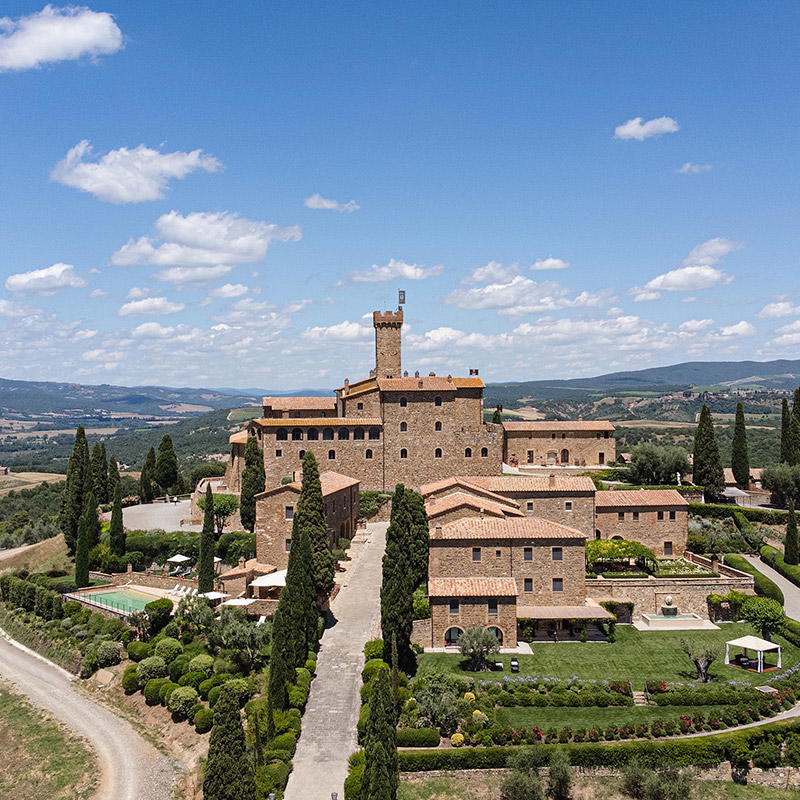
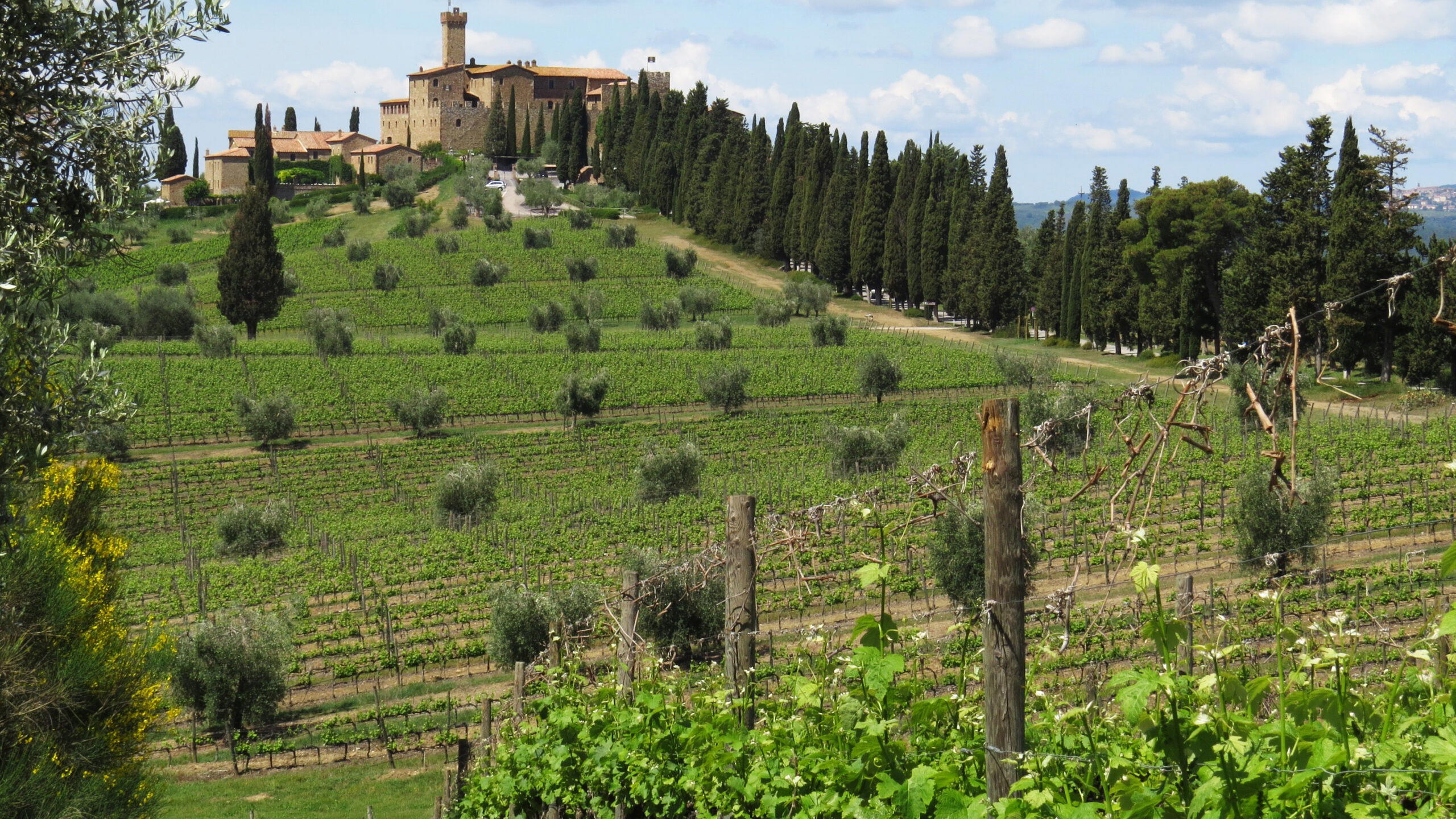
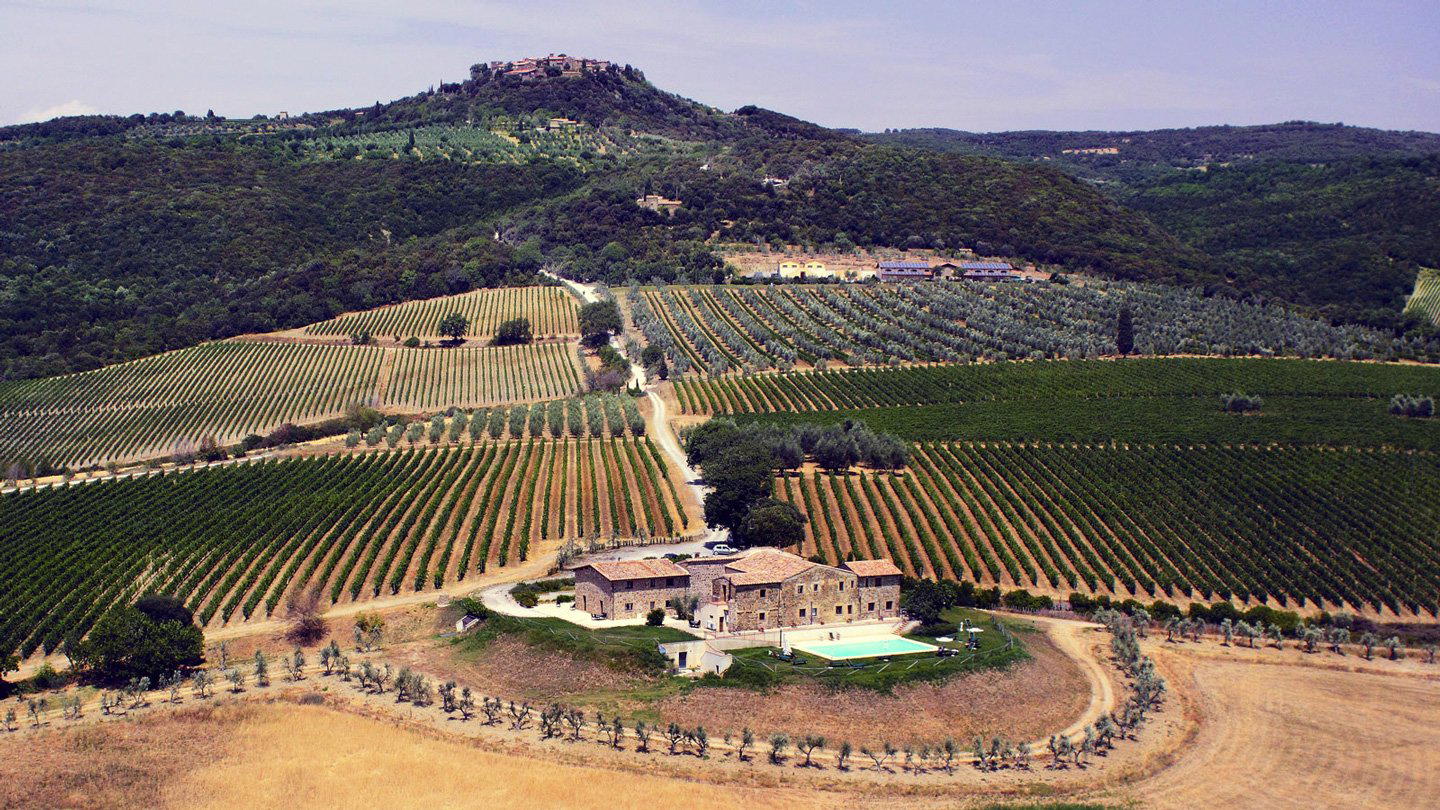
Bars in Montalcino
All bars in Montalcino →

Restaurants in Montalcino
All restaurants in Montalcino →
Details
- Romantic
- Elegant
- Scenic
- Classic
- Sophisticated
- Romantic Getaway
- Wine Education
- Special Occasion
- Group Outing
- Barrel Room
- Vineyard Tour
- Estate Grounds
- Historic Building
- Panoramic View
- Private Tasting
- Organic
- Sustainable
- Vineyard
- Garden
- Mountain
- Sangiovese Grosso
- Cabernet Sauvignon
- Petit Verdot
- Merlot
- Syrah
- Still Red
- Guided Estate Tour
- Barrel Room Tasting
- Vineyard Walk
- Seated Tasting With Food Pairing
- Italian
- English
Current opening hours
- Monday
- 9 AM–1 PM, 2–6 PM
- Tuesday
- 9 AM–1 PM, 2–6 PM
- Wednesday
- 9 AM–1 PM, 2–6 PM
- Thursday
- 9 AM–1 PM, 2–6 PM
- Friday
- 9 AM–1 PM, 2–6 PM
- Saturday
- Closed
- Sunday
- Closed
Hours can change for holidays and private events. Hours as of .
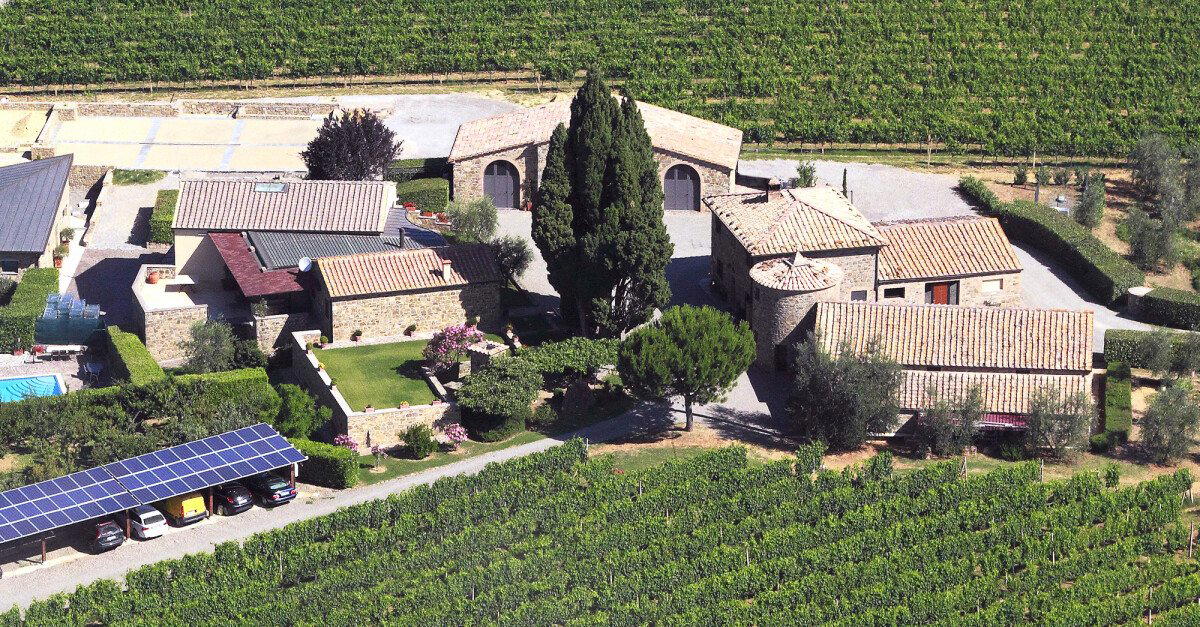
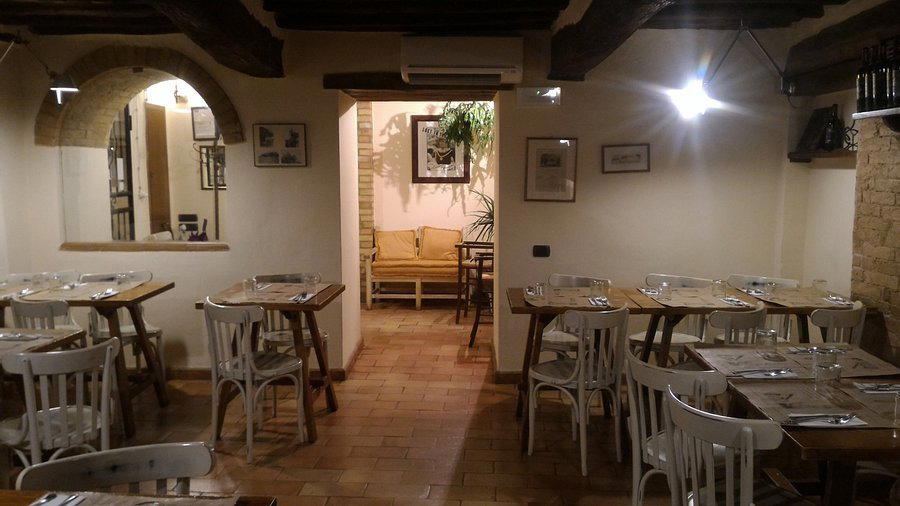
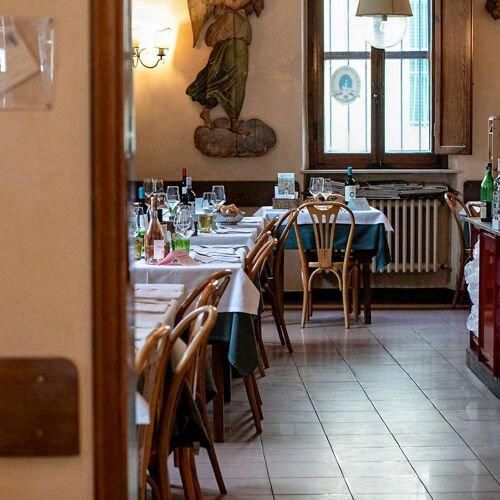
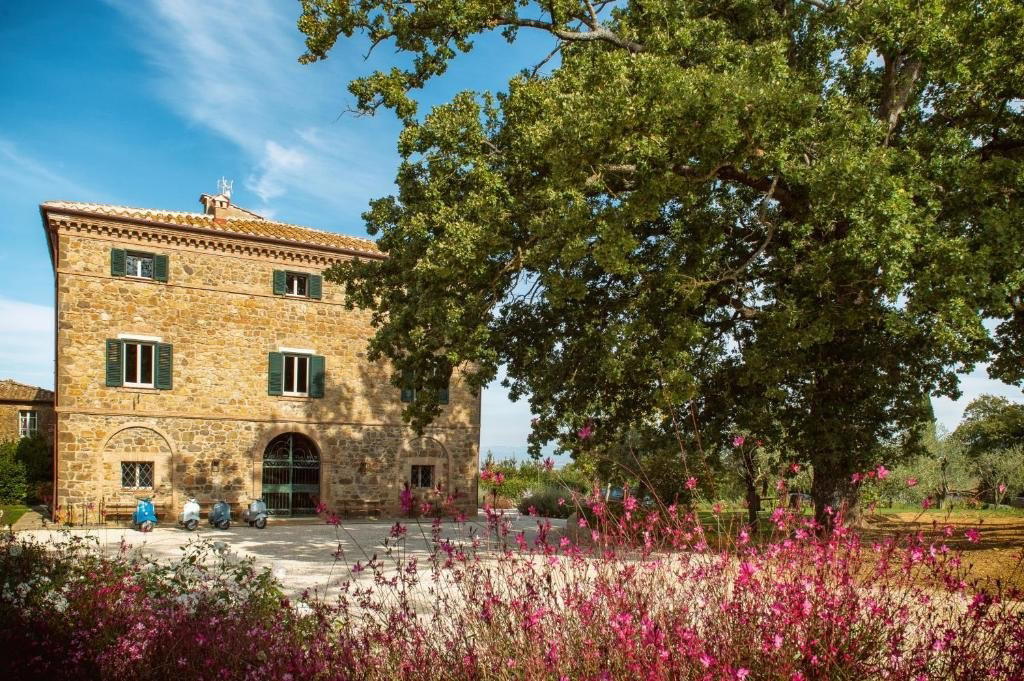
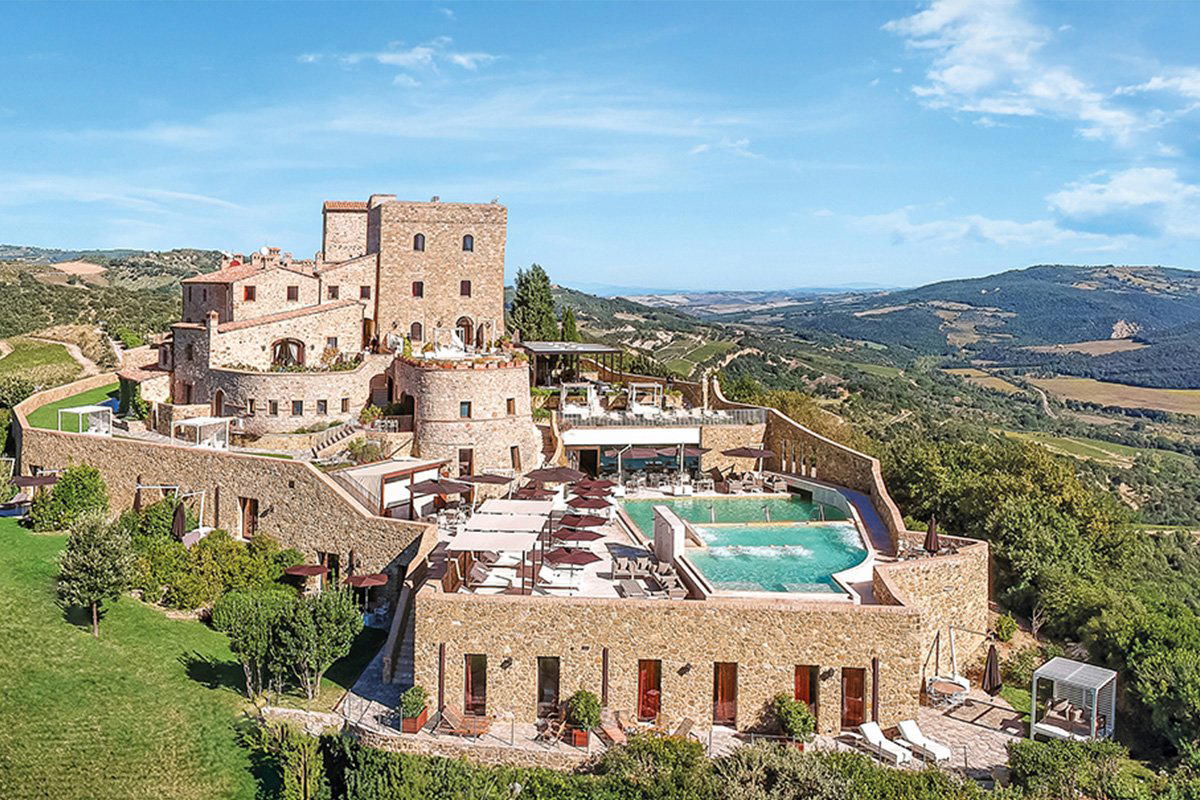
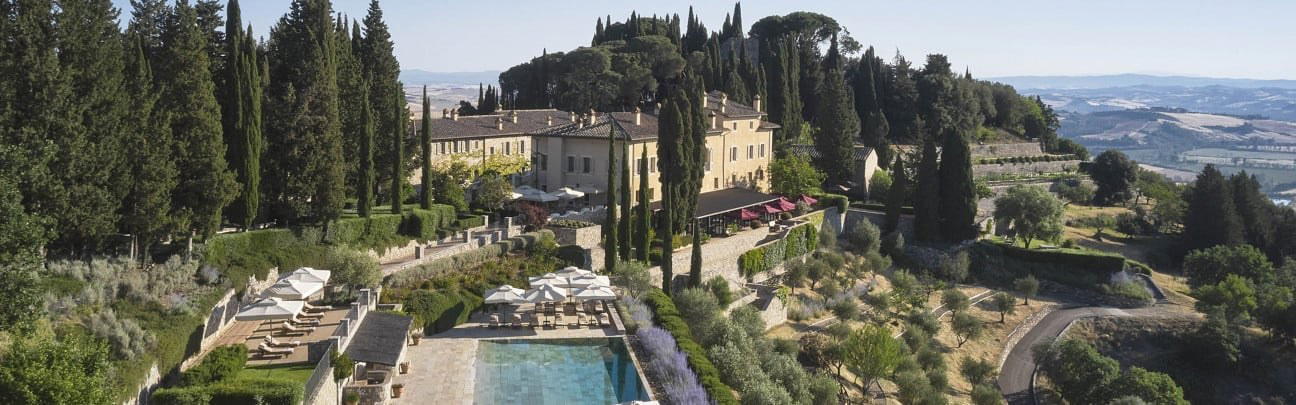
Historic Renaissance villa with restored 17th-century cellars, mellow afternoon light filtering through silvery olive groves, sophisticated yet welcoming atmosphere blending centuries-old tradition with contemporary design.