Château Angelus


Michelin 2 Grapes · Falstaff Winery - 4 Stars
One of Saint-Émilion's most closely watched estates, Château Angélus earned its Premier Grand Cru Classé 'A' status through decades of precise work on the limestone and clay soils of the appellation's western slope. Under Hubert de Boüard de Laforest, the estate's Merlot-dominant blends have become a reference point for Right Bank power and structure.
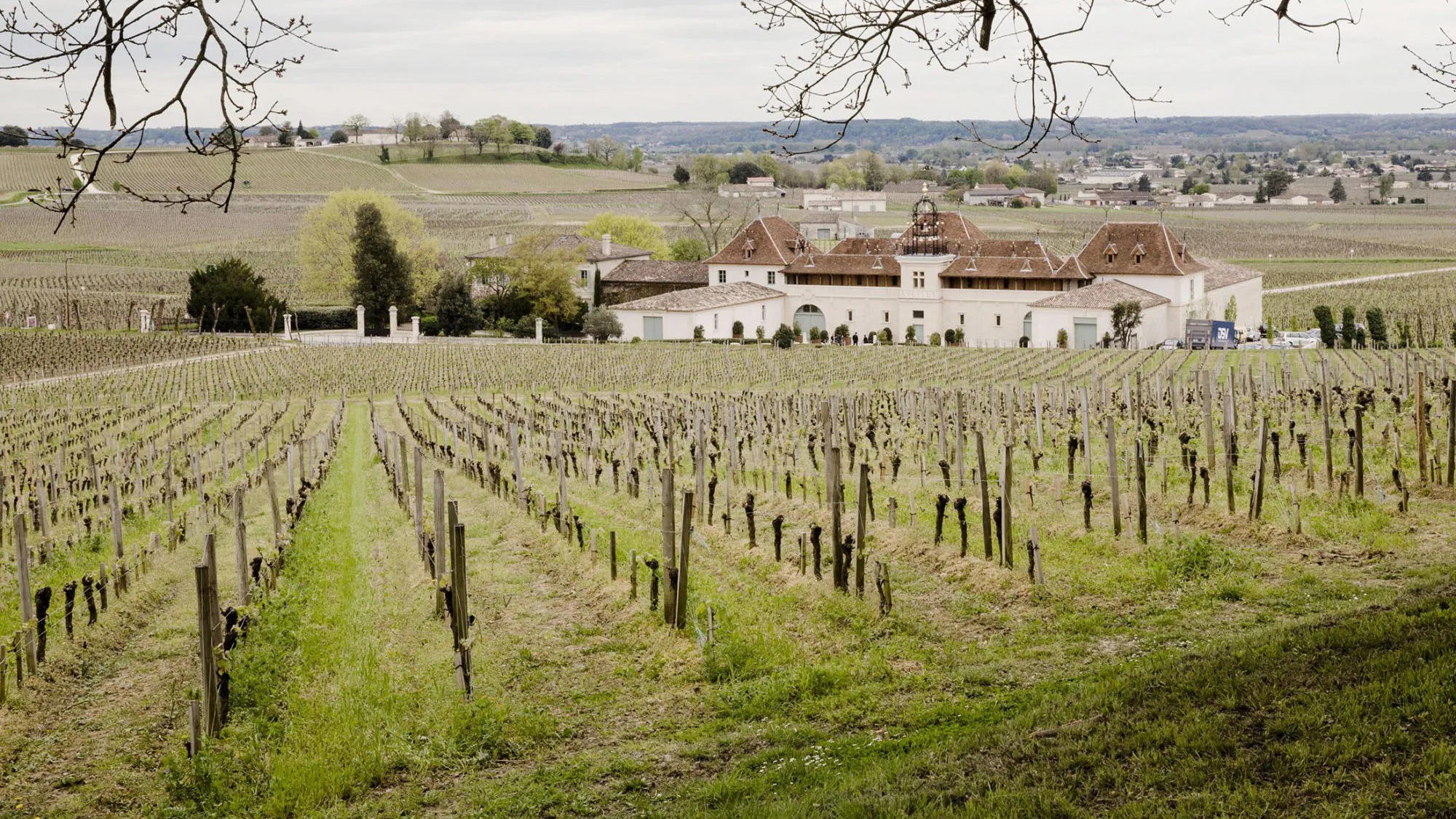
The Slope That Shapes the Wine
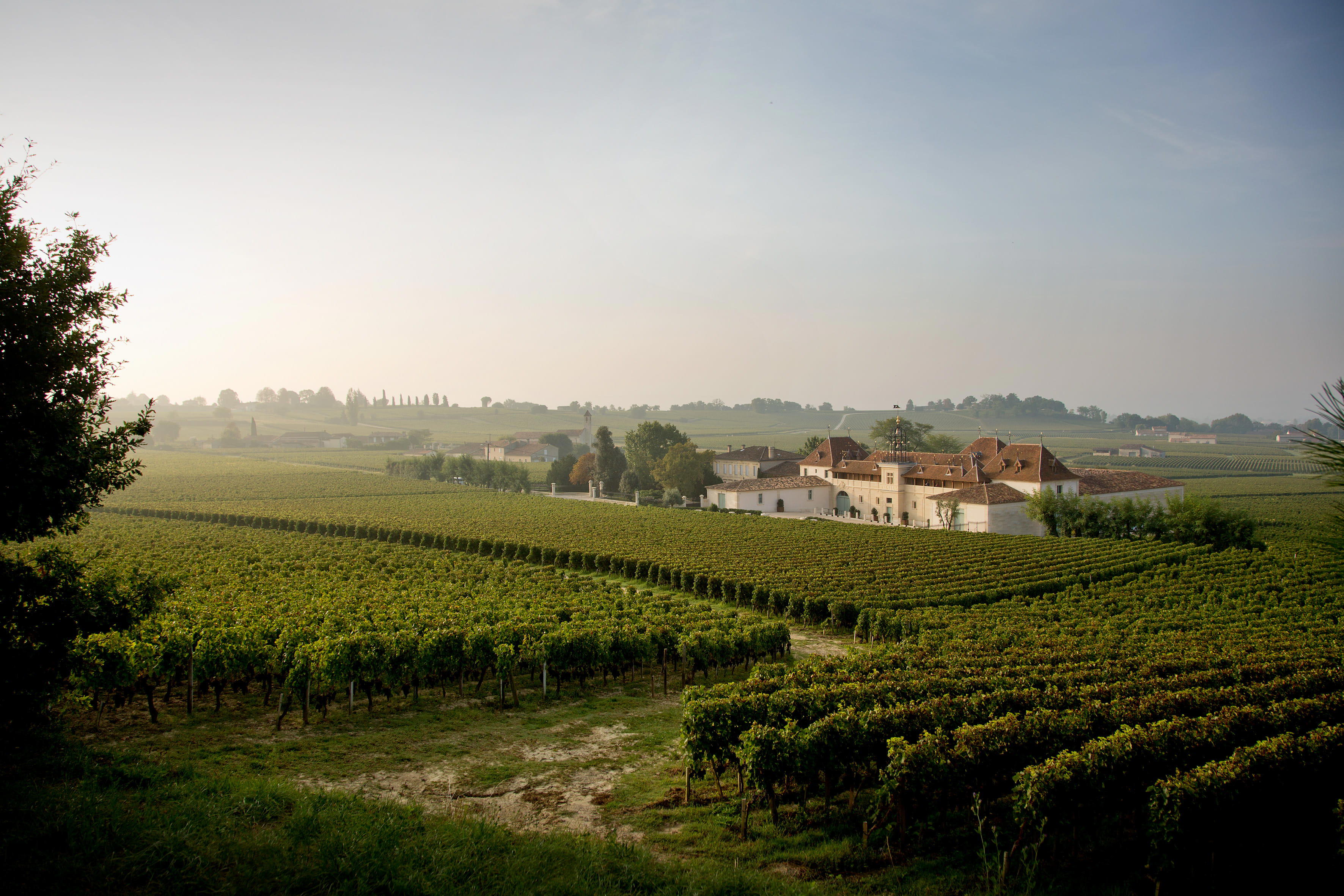
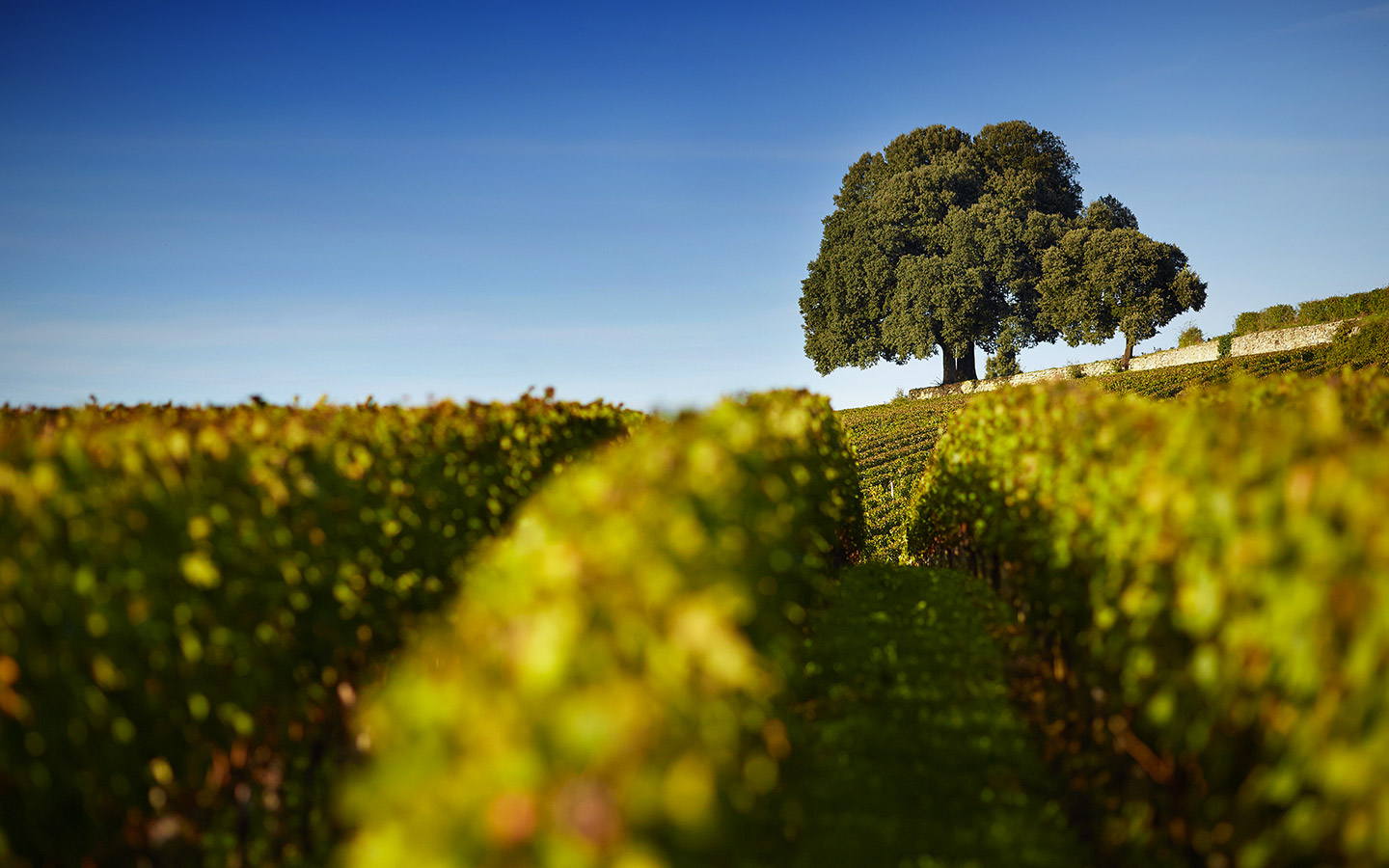
Saint-Émilion's classification system divides the appellation into a handful of Premiers Grands Crus Classés 'A' estates, and the physical geography that separates them is rarely dramatic to the eye. At Château Angélus, what matters most is the transition zone where the limestone plateau descends toward the ancient alluvial terrace below. The estate occupies that gradient directly: clay and sandy soils at the base, limestone-rich terrain on the slope itself. This is not a single-soil property, and the wines reflect that complexity in the way a high-proportion Merlot blend absorbs and expresses the moisture retention of clay differently depending on the vintage's rainfall patterns.
The appellation sits on the right bank of the Dordogne, where Merlot has historically found its deepest expression. Saint-Émilion's limestone plateau and surrounding slopes produce a textural density in Merlot that differs measurably from Pomerol's clay-heavy plateau or the gravel-dominated structure of Pauillac. Angélus works within that Right Bank tradition, though its specific position on the slope gives the wine a structural firmness that separates it from softer, lower-altitude estates. Among the cluster of First Growths in the appellation, the tannin architecture here is identifiably different from the rounder profiles found at estates working almost entirely from limestone.
The 1987 first vintage is the reference point for the modern estate's direction. That timing matters in context: it predates the wave of Right Bank reappraisal that drove international attention toward Saint-Émilion through the 1990s. The estate built its reputation incrementally through that period, which is reflected in its trajectory through the classification revisions that ultimately placed it at the top tier. Estates that reached 'A' status after years of observed consistency carry a different kind of credibility than those refined through a single high-profile vintage cycle.
Terroir Evidence in the Glass
Debate about what separates 'A' estates from their nearest classification neighbours in Saint-Émilion often circles back to site specificity and consistency across difficult vintages. The west-facing slope at Angélus benefits from morning sun that warms the soils early in the growing season while the afternoon light, angled rather than direct, slows overripening in warmer years. This orientation is one reason the estate's wines in hot vintages tend to retain acidity at a level that preserves structure rather than producing the extracted, low-acid profile that warmer Right Bank sites can yield.
Merlot dominates the blend, as it does across most of the appellation's top tier. The supporting role of Cabernet Franc adds aromatic lift and mid-palate tension that pure Merlot blends often lack. This combination has been the working formula for Saint-Émilion's prestige tier for decades, but the ratio and the specific clonal material on each estate produce distinct results. The clay-limestone interface on the Angélus slope tends to produce Merlot with darker fruit expression and a firmer tannin structure than the silty limestone found in the plateau estates like Château Clos Fourtet.
Comparison with nearby estates clarifies the range within the appellation's leading classification tier. Château Bélair-Monange, working from deeper limestone on the plateau, produces wines with a mineral austerity in youth that contrasts with Angélus's more immediate density. Château Canon-la-Gaffelière, positioned lower on the slope with different soil proportions, represents another expression of the same gradient. These are not interchangeable properties, and placing them side by side in a vertical or horizontal tasting reveals how much the slope's micro-variations determine style rather than winemaking decisions alone. Similarly, Château La Mondotte offers a point of contrast from its dense clay-limestone parcel to the east of the plateau. The common thread across the appellation's prestige tier is that soil type, not production ambition, sets the ceiling on what a given site can achieve.
Winemaker and Estate Direction
Hubert de Boüard de Laforest has managed the estate since the late 1980s, overlapping almost exactly with the 1987 first vintage that defines the property's modern era. In the context of Right Bank Bordeaux, this kind of long-tenure stewardship matters: the estate's positioning in the classification reflects decades of observed decision-making across multiple vintage conditions, not a brief stretch of exceptional years. Winemakers elsewhere in the region who have built comparable records over similar timescales include those at Château Branaire-Ducru in St-Julien and Château Batailley in Pauillac, both of which demonstrate how consistent house style across decades creates a track record that classification committees and collectors read differently than short-run performance.
That rating is assigned against the full body of available data, not a single exceptional vintage, and within EP Club's scoring framework it indicates a level of consistency and site expression that separates this property from competent but less defined estates in the same appellation.
The En Primeur Consideration
Saint-Émilion's leading estates are among the most actively traded wines in the en primeur market, and Angélus occupies the tier where futures pricing reflects both the vintage assessment and the broader demand dynamics for 'A'-rated estates. The practical reality of acquiring these wines is that the en primeur window, typically opening in April following the harvest, represents the primary access point for those intending to build a cellar position. Secondary market availability exists, but the price premium over release is substantial for strong vintages at this classification level.
The contrast in how different Bordeaux sub-regions behave at the en primeur stage is instructive. The Left Bank, with its Cabernet Sauvignon-driven structure and longer mandatory aging requirements, tends to attract buyers focused on 10-to-20-year horizons. Right Bank estates like Angélus, where Merlot's earlier accessibility is a genuine characteristic of the terroir, attract a broader range of holding strategies. Some collectors target the 8-to-12-year window when the wine's density integrates without losing the fruit concentration that defines the vintage; others hold longer, particularly in cooler years when the structural components support extended cellaring.
For a wider orientation across the region's leading addresses, the EP Club Saint-Émilion guide maps the full range of estate types, from plateau properties to slope and terrace sites, against the classification tier they occupy. The range within Saint-Émilion alone is considerably wider than casual observers tend to assume. Elsewhere in France, Albert Boxler in Niedermorschwihr illustrates how a different French terroir tradition produces wines with comparable critical attention through a completely distinct soil and varietal framework, a useful reminder that prestige in French wine is never a single formula.
Placing Angélus in a Wider Context
The estate sits within a dense cluster of prestigious properties in a relatively compact area of southwest France. Within a short distance, estates like Château Coutet and Château Bastor-Lamontagne in Preignac operate under entirely different varietal and stylistic conditions in Sauternes, underscoring how narrowly Bordeaux's prestige geography is defined even within the broader region. The range extends further when you move into Médoc appellations: Château Cantemerle in Haut-Médoc and Château Boyd-Cantenac in Cantenac occupy classified positions on a completely different soil type and climate micro-zone than anything on the Saint-Émilion slope. Those contrasts are precisely what make Bordeaux's classification system a useful but imperfect shortcut: the tier tells you about relative prestige, but the terroir tells you about the wine itself.
For visitors to the region, Saint-Émilion is accessible from Bordeaux city in under an hour by train, and the medieval town itself sits directly adjacent to the vineyards at the plateau's edge. The estate does not publish visiting hours or a booking method in standard databases; contact through the château's direct channels is the conventional approach for trade and private visits. The en primeur calendar, running through spring each year, is the primary window when the estate's wines are most actively discussed and assessed by critics, and that timing coincides with tastings that the trade organises across Bordeaux's major appellations simultaneously. Further afield, properties in entirely different wine traditions such as Accendo Cellars in St. Helena and Aberlour in Aberlour illustrate the global range of production approaches that a serious collector's portfolio can contain alongside a Right Bank Bordeaux position. Even in France, Chartreuse in Voiron represents a completely different tradition of French production heritage with its own classification logic and collector following.
How to buy Château Angelus wine
Château Angelus participates in Bordeaux en primeur through Bordeaux merchants, with bottled wines later offered by merchants.
Read moreShow less
The estate’s retailer directory identifies buying routes but does not guarantee stock. Newsletter signup does not carry published allocation or waitlist rights.
Mature Château Angélus vintages are sold by specialist wine merchants and at auction. Bottles from 2014 onward carry a microchip beneath the label that can be read through the WID app.
Raise the wine with En Primeur Club if you would like a view on available routes.
How to buy Château Angelus from your market (5 markets)
| Market | Route |
|---|---|
| United States | K&L offers Angelus, including 2025 as a pre-arrival purchase. |
| United Kingdom | Justerini & Brooks appears in the estate’s retailer directory. |
| European Union | The estate lists French retailers including Caves Taillevent and Lavinia. |
| Hong Kong | Millésima Hong Kong lists bottled vintages and 2025 en primeur. |
| Singapore | Cru World Wine Singapore lists Angelus across several vintages. |
Historical release prices for Château Angelus (4 vintages)
| Vintage | Release price | Basis |
|---|---|---|
| 2025 | £1,200 | Grand vin, per 6x75cl in bond, excluding UK duty and VAT. |
| 2024 | £1,074 | Grand vin, per 6x75cl in bond, excluding UK duty and VAT. |
| 2023 | £1,560 | Grand vin, per six bottles in bond. |
| 2022 | £2,148 | Grand vin, per 6x75cl in bond. |
Provenance: En Primeur Club buys either directly from the producer (ex-château, meaning straight from the estate's cellar), or from a licensed seller we know and vouch for.
Can you visit Château Angelus?
Yes, in Saint-Émilion Angelus receives valued clients and guests from the wine world when it grants private access. En Primeur Club can make an access enquiry aligned with the château’s preferences.
Read moreShow less
Château Angelus receives clients and wine professionals through enquiries using its published contact details. A private visit and tasting have been documented as a charity-auction experience.
Frequently asked questions
What's the address for Château Angelus?
Château Angelus is located at Château Angelus, 33330 Saint-Émilion, Saint-Emilion.
Why do people go to Château Angelus?
Château Angelus is best approached by focusing on the core concept and signature offerings.
What wines is Château Angélus known for?
Angélus produces a single-estate red from its Grand Cru Classé A vineyards in Saint-Émilion, centred on the limestone plateau and clay-limestone slopes that define the appellation's most traded properties. The estate's first vintage under its current direction dates to 1987, with Hubert de Boüard de Laforest steering production since the late 1980s. That continuity of winemaking direction over three-plus decades is a consistent thread in how buyers and critics assess the estate.
Can you buy Château Angelus en primeur?
Yes, Angelus is released through Bordeaux merchant channels in the annual campaign. Buyers purchase through merchants handling the wine.
How do you authenticate a bottle of Château Angelus?
Use the WID smartphone app to read the microchip beneath the label on wines from the 2014 vintage onward. Earlier bottles are not expected to carry that feature.
Can you visit Château Angelus?
Yes, the château may receive important buyers and wine-sector guests through private approval. It does not publish a general visitor program.
Comparable Venues
Comparable venues nearby, for context on price, style, and recognition.
| Venue | Cuisine | Awards | Notes |
|---|---|---|---|
| Château AngelusThis venue (the venue you are viewing) | Merlot, Cabernet Franc | Michelin 2 Grapes · Falstaff Winery - 4 Stars | Not listed |
| Château Bélair-Monange | Merlot, Cabernet Franc | Michelin 1 Grape · Falstaff Winery - Listed | Saint-Emilion |
| Château Cheval Blanc | Cabernet Franc, Merlot | Michelin 3 Grapes · Falstaff Winery - 5 Stars | Saint-Emilion |
| Chateau Ausone | Cabernet Franc, Merlot | Michelin 2 Grapes · Falstaff Winery - Listed | Saint-Emilion |
| Château La Conseillante | Merlot, Cabernet Franc | Michelin 3 Grapes · Falstaff Winery - 4 Stars | Pomerol |
| Château Larcis Ducasse | Merlot, Cabernet Franc | Michelin 1 Grape · Falstaff Winery - 4 Stars | Saint-Emilion |
Recognition history
Dated appearances from independent guides and award organizations, with the underlying list record or original source where available.
Michelin 2 Grapes
Michelin
Falstaff Winery - 4 Stars
Falstaff
Enquire about visiting Château Angelus or buying its wine
Visits to Château Angelus are usually kept for the estate's regular buyers and the wine trade. Tell us when you would like to go and a little about how you buy, and we put the request to the estate and reply to you by email. For buying, we source directly from the producer or from a licensed seller we know and vouch for, and tell you the route before you pay.
Continue exploring
More in Saint-Émilion
Wineries in Saint-Émilion
All wineries in Saint-Émilion →
Bars in Saint-Émilion
Browse all →
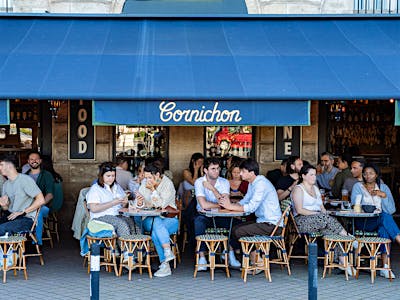
Restaurants in Saint-Émilion
All restaurants in Saint-Émilion →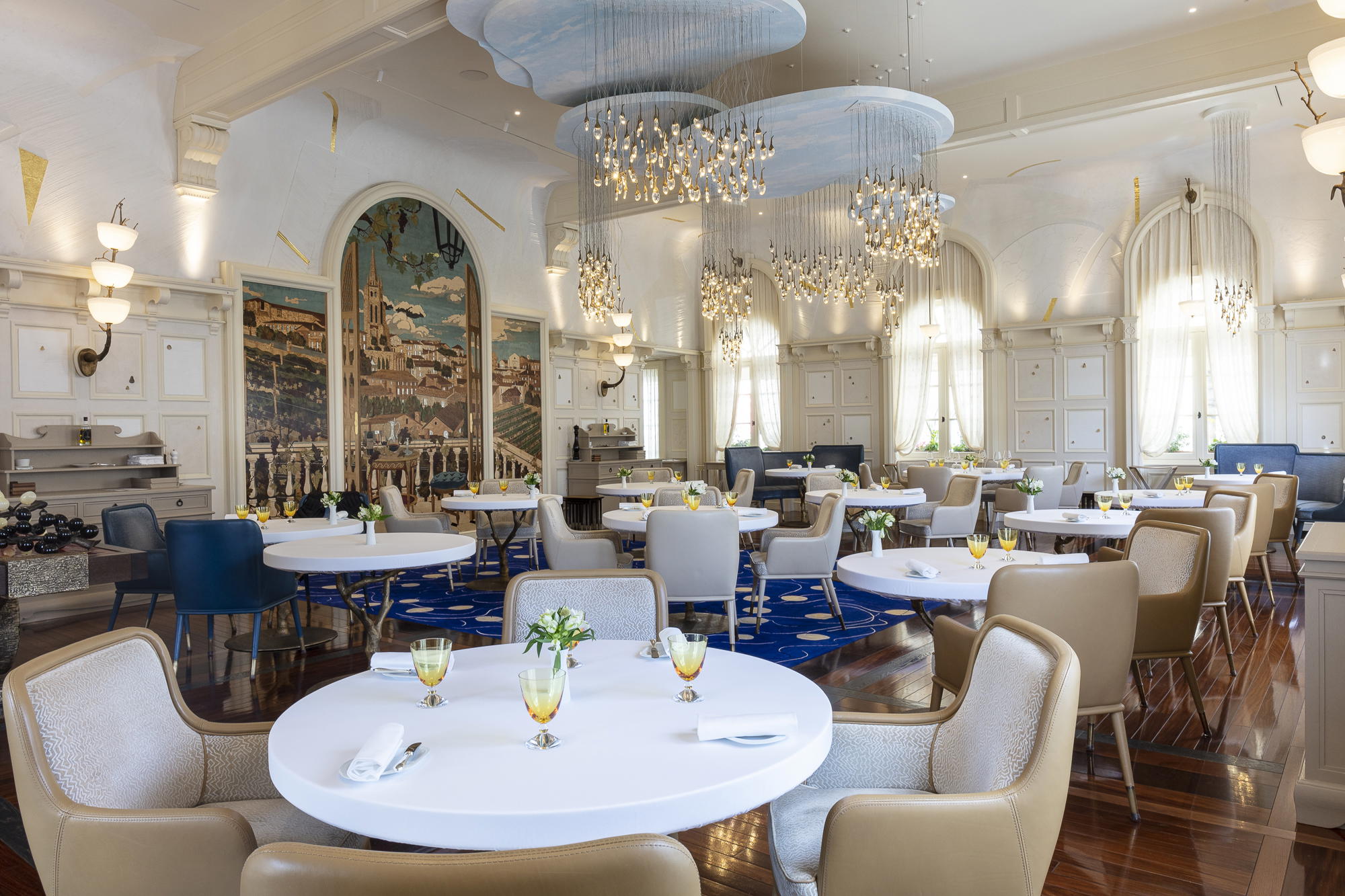
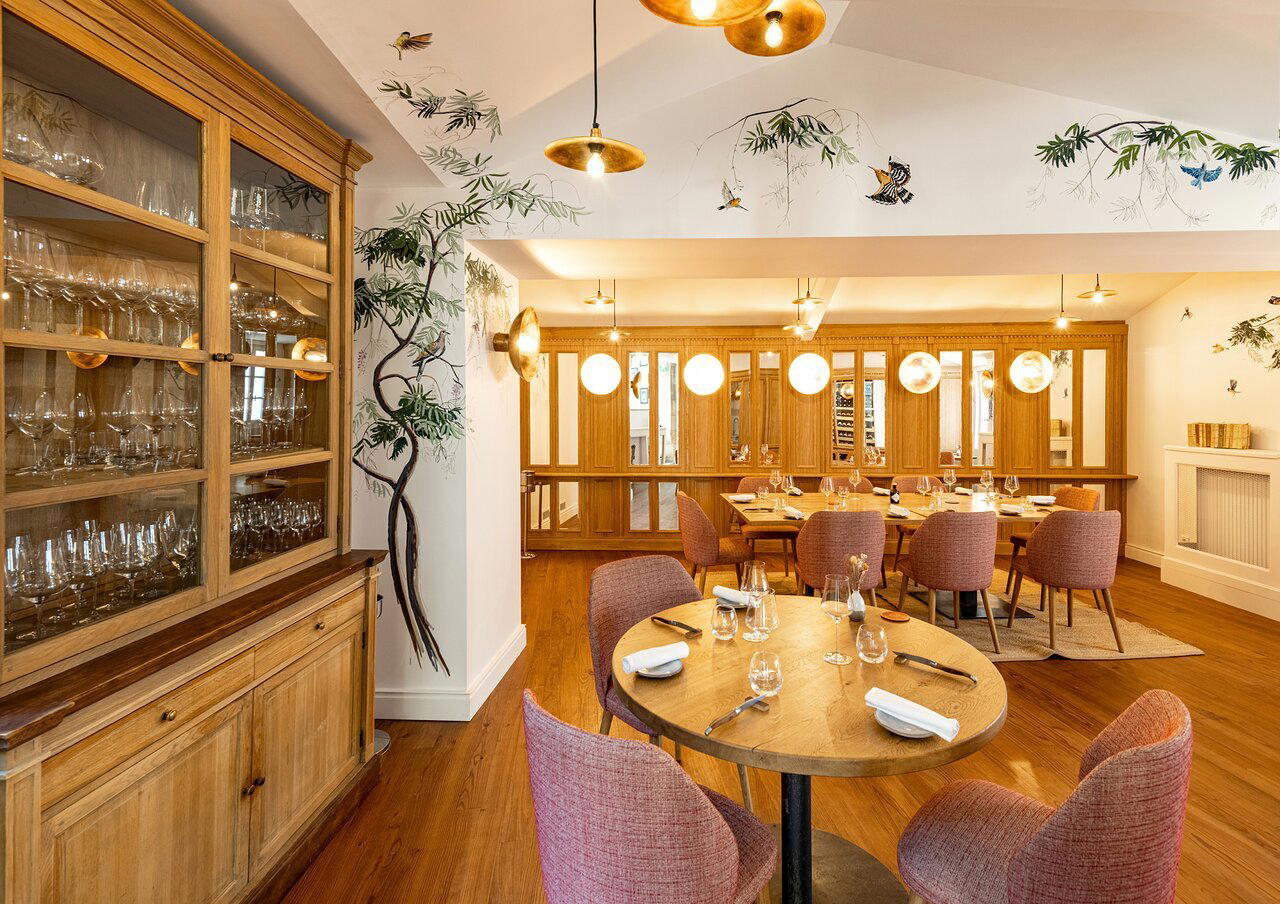
Details
- Elegant
- Sophisticated
- Classic
- Well Known
- Special Occasion
- Wine Education
- Vineyard Tour
- Historic Building
- Organic
- Vineyard
- Merlot
- Cabernet Franc
- Cabernet Sauvignon
- Still Red
- Private Tasting
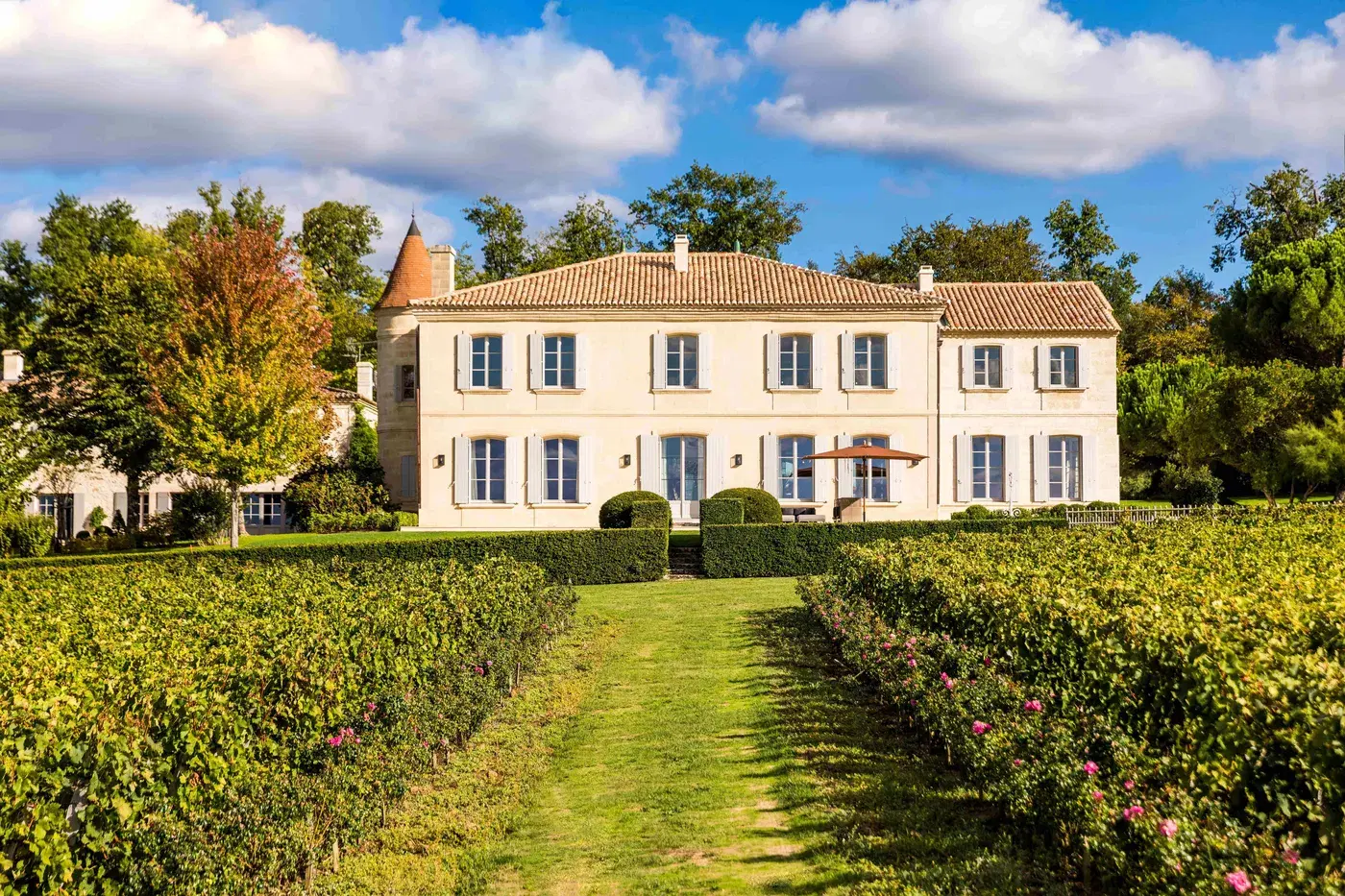
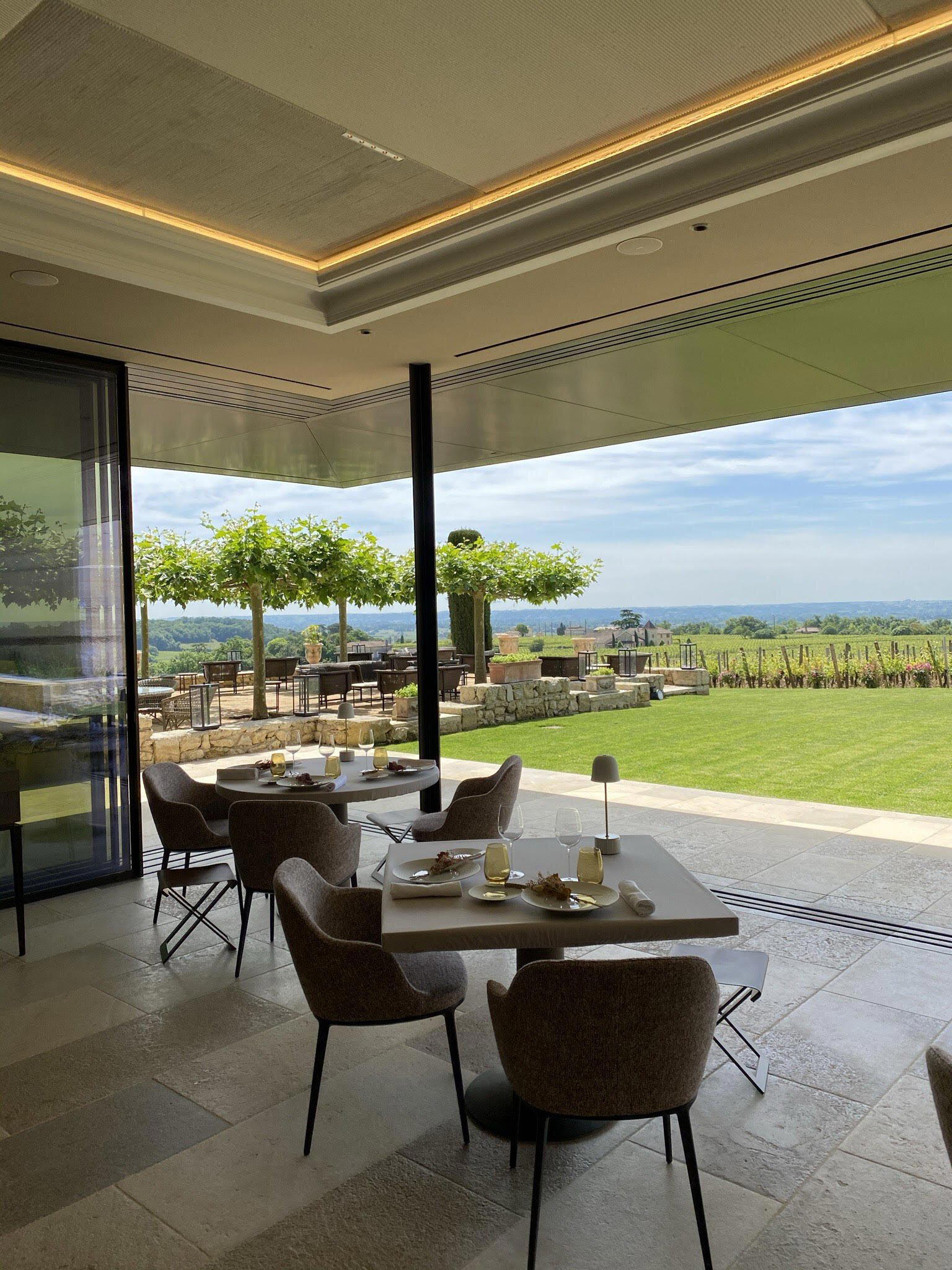
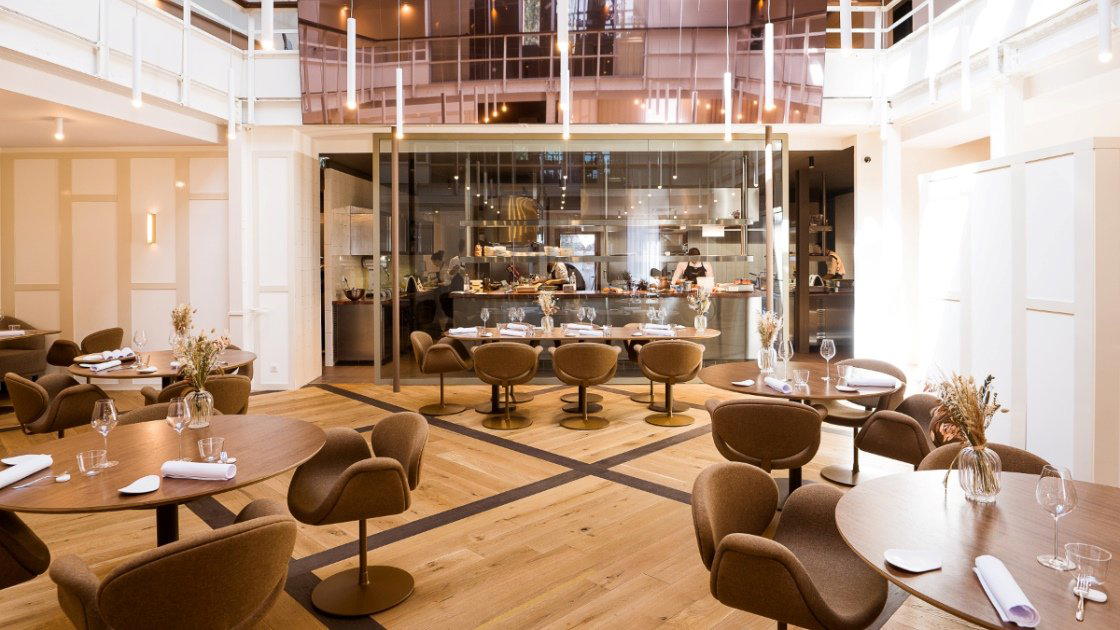
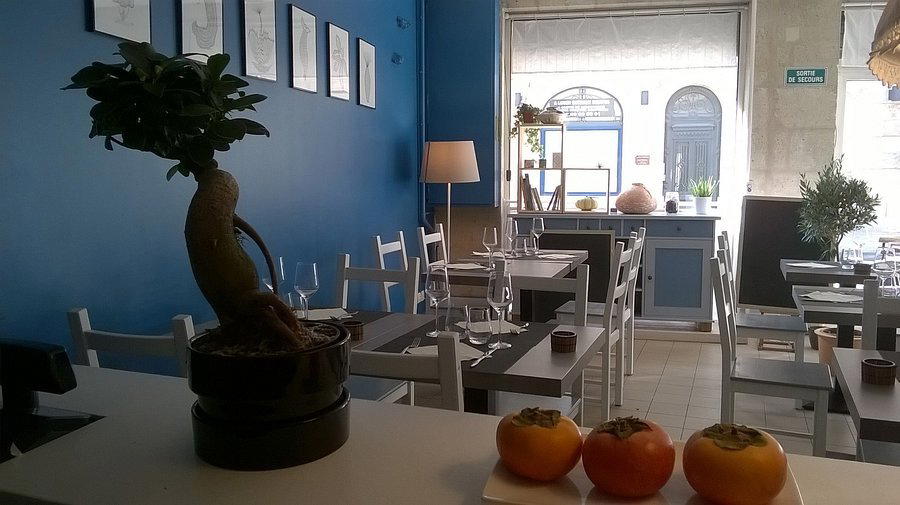
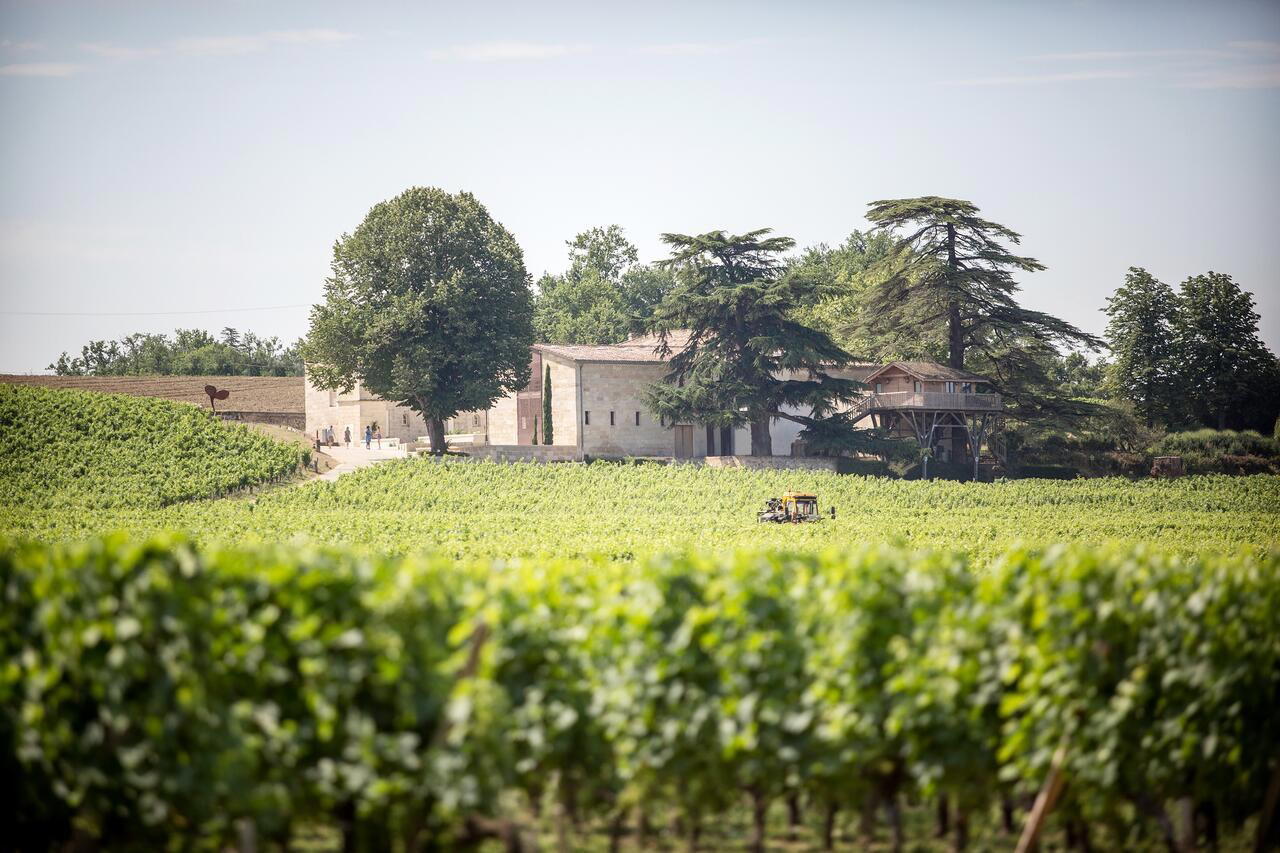
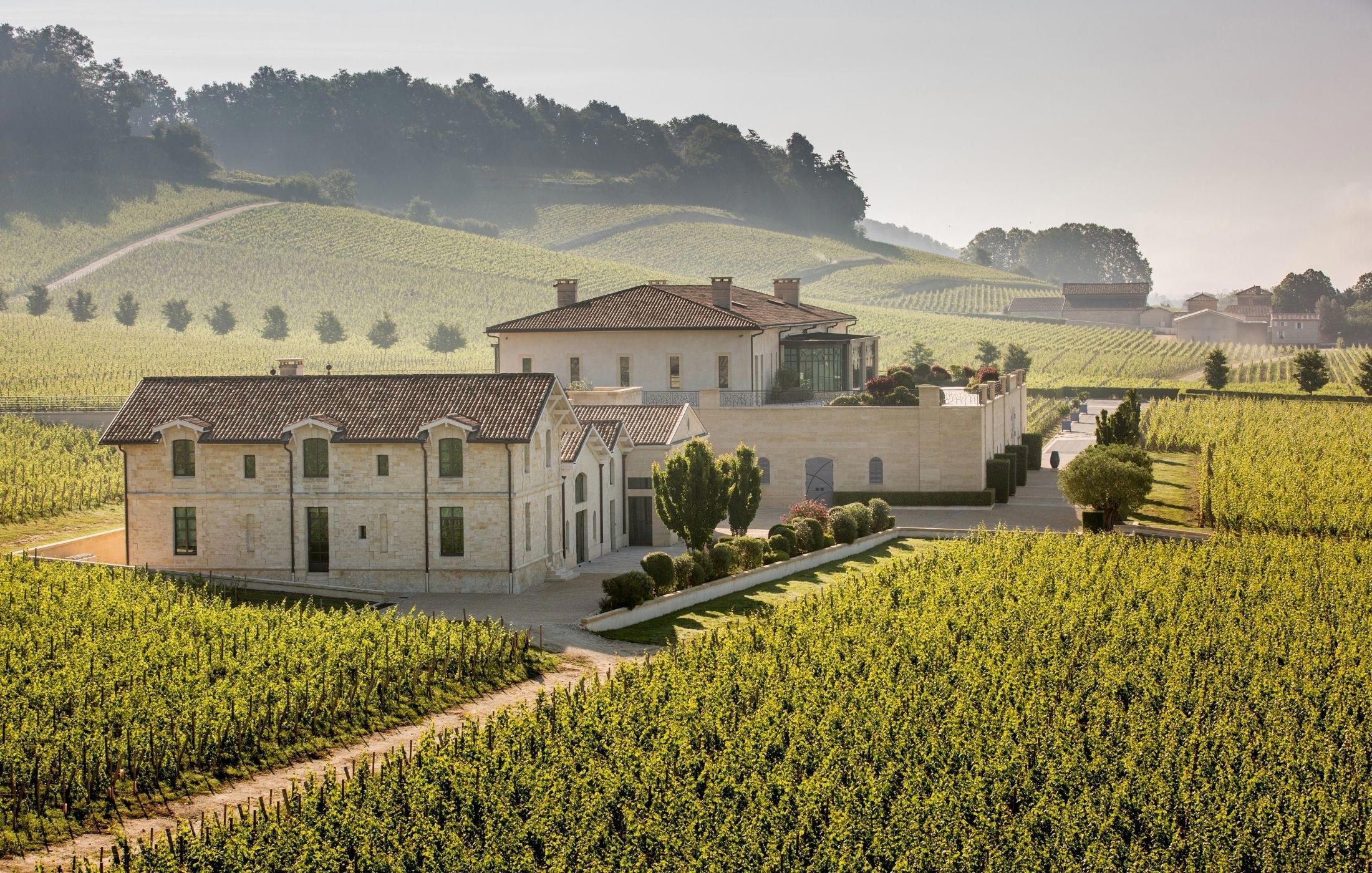
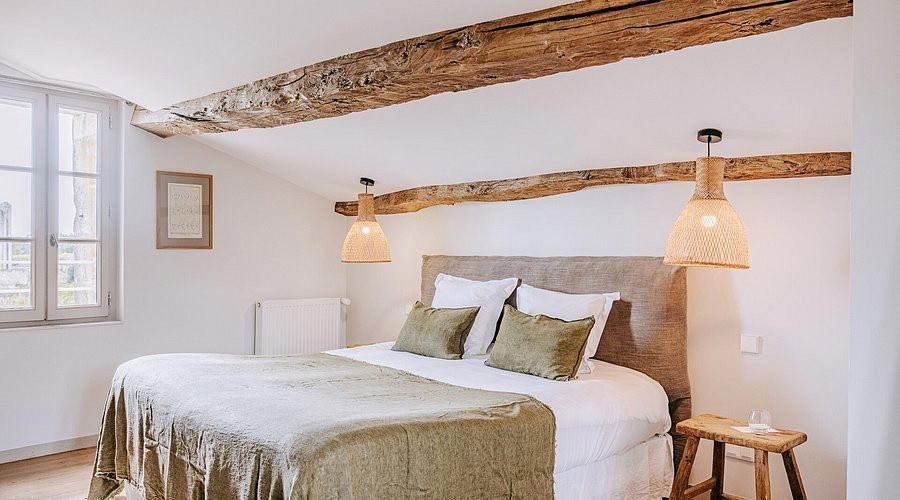
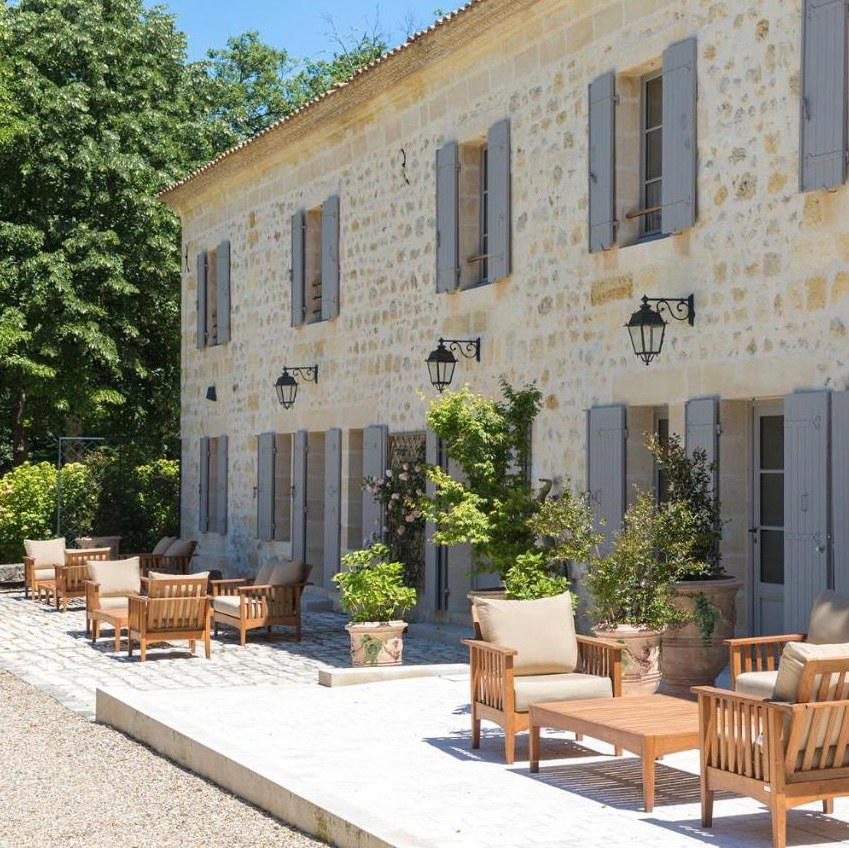
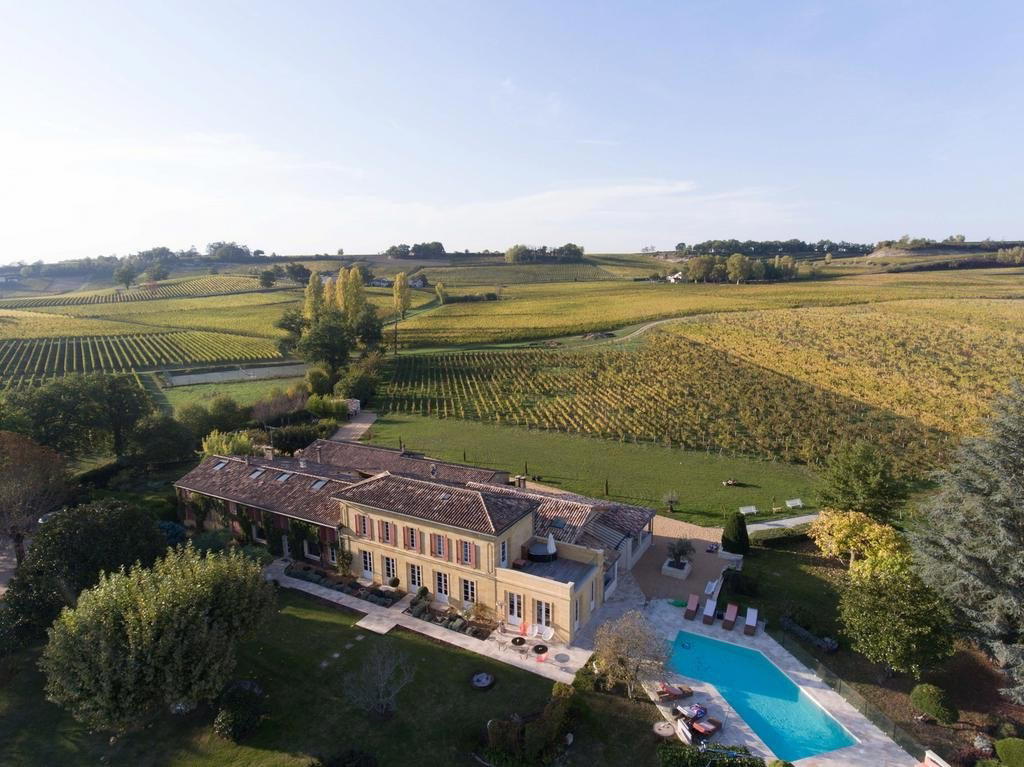
Elegant and refined atmosphere with historic chateau overlooking south-facing vineyards.