

A Second Grand Cru Classé of Margaux with a first vintage documented to 1850, Château Brane Cantenac sits among Cantenac's most established estates under the direction of winemaker Henri Lurton..
Pearl is the En Primeur Club membership app — saves, bookings, and concierge access live there. Same editors, same standards.
- Address
- Chem. de Benqueyre, 33460 Cantenac
- Phone
- +33 5 57 88 83 33
- Website
- brane-cantenac.com
- Directions
- Get directions
 Saves & bookings on Pearl
Cantenac's Classified Tier and Where Brane Cantenac Sits Within It
The village of Cantenac occupies a particular position within the Margaux appellation: it holds a disproportionate share of the 1855 Classification's estates relative to its size, with châteaux such as Château d'Issan, Château Kirwan, Château Prieuré-Lichine, Château Pouget, and Château Boyd-Cantenac all operating within a compact geographic radius. That density of classified estates creates a competitive comparable set rarely found elsewhere in Bordeaux, and it places demands on each property to articulate a clear identity. Château Brane Cantenac, as a Second Grand Cru Classé, sits at the upper end of that peer group and is a high-priced estate in the Margaux tier.
The address on the Chemin de Benqueyre places the estate on the gravel ridges that run through Cantenac, the same well-drained, deep-gravel soils that give Margaux its reputation for wines of aromatic delicacy rather than the structural weight more typical of Pauillac or Saint-Estèphe. That geological fact shapes everything downstream, from vineyard management decisions to the wine's eventual texture and longevity in bottle.
Henri Lurton and the Philosophy Behind the Wines
Within the classified Margaux tier, winemaking philosophy varies considerably. Some estates favour extraction and new-oak prominence; others pursue a lighter, more translucent style that prioritises floral expression and freshness over concentration. Henri Lurton, who has directed winemaking at Brane Cantenac, represents the latter tendency. The Lurton family has maintained custodianship of the estate across multiple generations, and Henri's approach reflects a generation of winemakers across Bordeaux who have moved toward greater precision in the vineyard and progressively less intervention in the cellar.
In practical terms, that philosophy typically translates to tighter control over yields, more selective harvesting, and a recalibration of oak regimes to allow the Cabernet Sauvignon-dominant blend to speak for itself rather than through the overlay of new wood. The Margaux appellation rewards this approach more than most in Bordeaux, because the terroir's natural expression, when not overpowered, carries genuine aromatic complexity: violets, dark cassis, cedar, and a mineral thread that connects to the gravel subsoil below.
This sensibility places Lurton's work in conversation with a broader movement across premium Bordeaux estates and, further afield, with producers such as Château Branaire Ducru in St-Julien and Château Batailley in Pauillac, both of which operate within classified tiers and share an emphasis on typicity over power. Outside Bordeaux, the restraint-led argument connects to producers as different in style as Albert Boxler in Niedermorschwihr and Accendo Cellars in St. Helena, each operating within their own premium niche on the basis of precision rather than scale.
First Vintage 1850: What a Long Archive Means for a Collector
Brane Cantenac's documented first vintage of 1850 is not merely a heritage footnote. A production archive of that depth has direct practical implications for the collector and the serious wine buyer. It means there is a long enough track record to assess how the estate's wines age across different climatic eras, how the style has evolved under successive stewardship, and how the wines perform in the secondary market relative to their initial release pricing.
For en primeur buyers specifically, an estate with 170-plus years of vintages provides reference points that newer projects cannot offer. Comparative vertical data from classified Bordeaux is among the more extensively documented in the wine world, and Brane Cantenac sits within that evidence base. Buyers considering the 2024 or future en primeur releases can draw on a body of critical assessment, auction results, and drinking-window data that removes much of the speculative element present when buying from younger producers.
That longevity also connects Brane Cantenac to the en primeur system's original logic: classified Bordeaux estates offered buyers an early-purchase mechanism precisely because these were properties with proven track records and predictable, if not guaranteed, trajectories.
Award signals matter within the classified Bordeaux tier because they function as independent confirmation of quality within an increasingly competitive critical environment.
Within the Cantenac peer group, recognitions of this kind help differentiate estates that might otherwise appear to occupy similar positions based on their 1855 classification alone. The classification itself has not been formally revised since 1973 (when Mouton Rothschild was refined to First Growth), which means that individual annual critical assessments and award signals carry additional weight as indicators of current performance rather than historical reputation.
For comparison, other classified estates operating in the region, including those in neighbouring communes and beyond, are assessed similarly across platforms. Estates such as Château Bélair-Monange in Saint-Emilion and Château Cantemerle in Haut-Médoc operate within their own classification tiers and face the same evaluative scrutiny, making consistent award-level recognition across vintages meaningful rather than ceremonial.
Visiting, Buying, and Planning Around Brane Cantenac
Cantenac is accessible from Bordeaux city via the D2 wine road, a route that passes through Margaux, Cantenac, and the broader Médoc corridor. The estate's address on the Chemin de Benqueyre places it in Cantenac, and visits are by appointment only.
Collectors whose interests extend beyond Bordeaux may find productive comparison in producers such as Château Bastor-Lamontagne in Preignac for Sauternes context, or further afield with Chartreuse in Voiron and Aberlour in Aberlour for a broader sense of French production heritage. These estates share a long production archive and institutional continuity.
Price Lens
Comparable venues nearby, for context on price, style, and recognition.
| Venue | Cuisine | Price |
|---|---|---|
| Château Brane CantenacThis venue — the venue you are viewing | Cantenac, Cabernet Sauvignon, Merlot | $$$$ |
| Château Kirwan | Cantenac, Cabernet Sauvignon, Merlot | $$$$ |
| Château Boyd-Cantenac | Cantenac, Cabernet Sauvignon, Merlot | $$$ |
| Château Prieuré-Lichine | Cantenac, Cabernet Sauvignon, Merlot | $$$$ |
| Château Pouget | Cantenac, Cabernet Sauvignon, Merlot | $$$$ |
| Château d’Issan | Cantenac, Cabernet Sauvignon, Merlot | $$$$ |
Recognition history
Dated appearances from independent guides and award organizations, with the underlying list record or original source where available.
Falstaff Winery - 3 Stars
Falstaff
Michelin 1 Grape
Michelin
Continue exploring
More in Cantenac
Wineries in Cantenac
Browse all →
Bars in Cantenac
Browse all →
Restaurants in Cantenac
Browse all →
At a Glance
- Elegant
- Classic
- Scenic
- Sophisticated
- Wine Education
- Special Occasion
- Vineyard Tour
- Cave Tasting
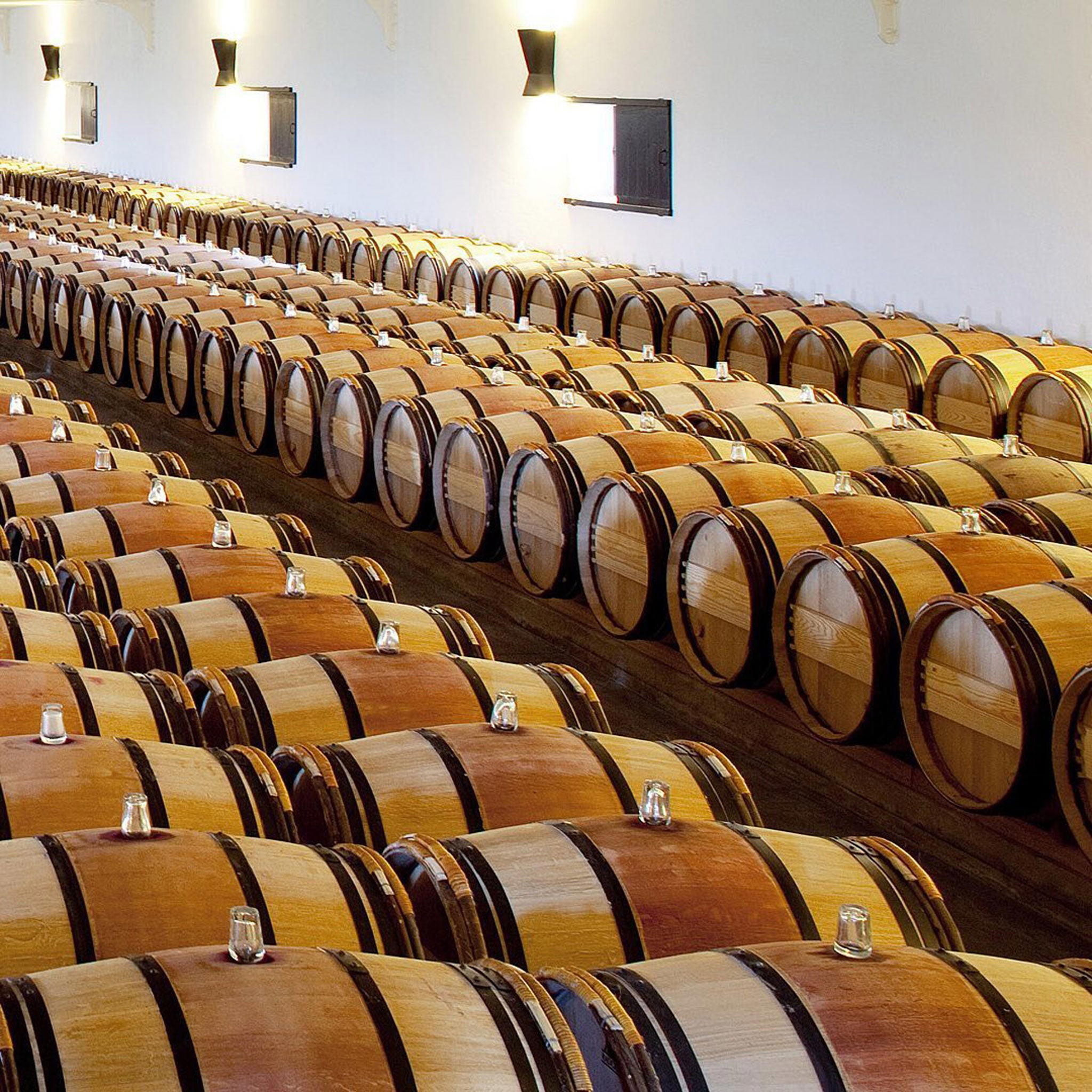
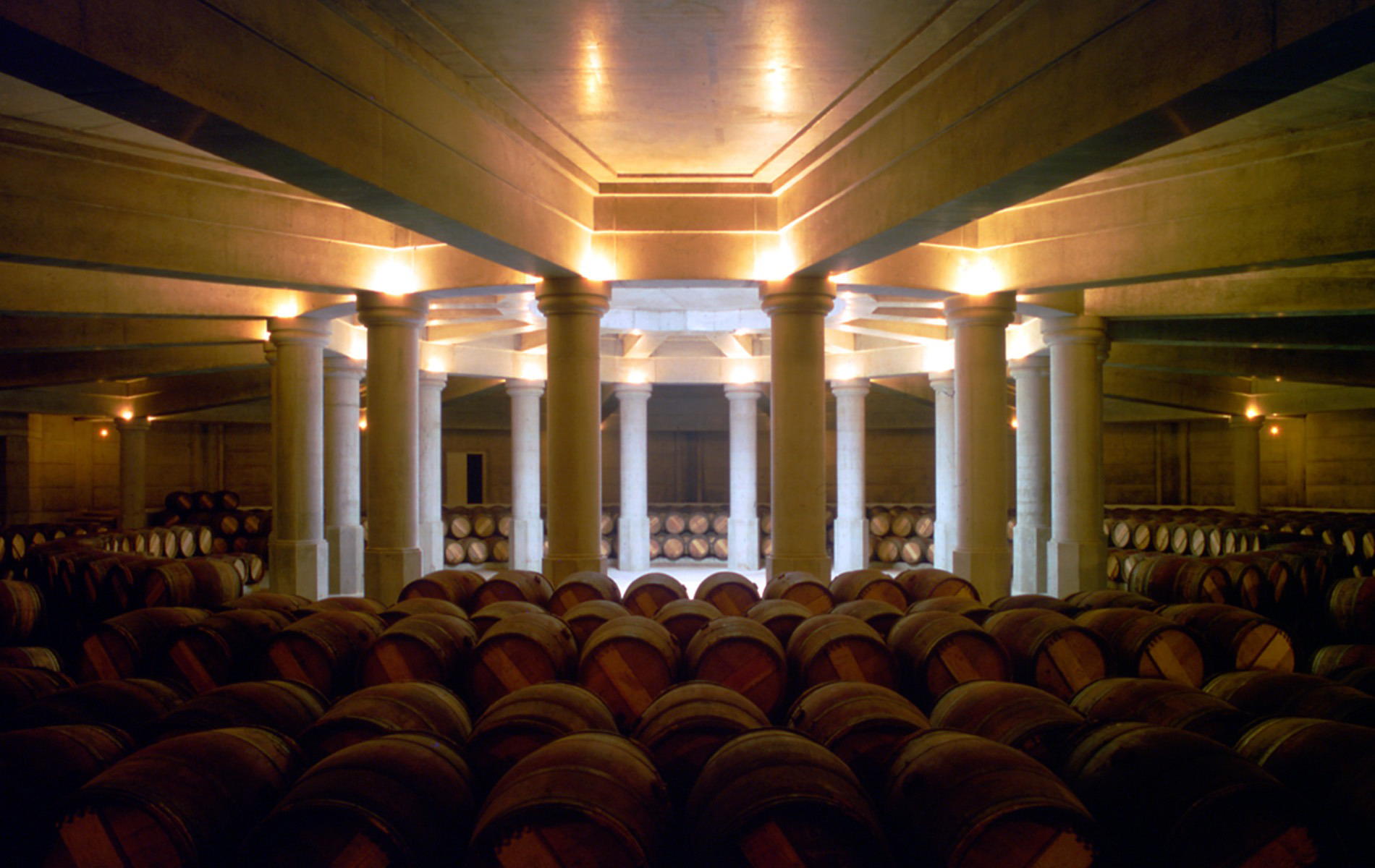
- Barrel Room
- Sustainable
- Vineyard
- Margaux AOC
- Cabernet Sauvignon
- Merlot
- Cabernet Franc
- Petit Verdot
- Carmenere
- Malbec
- Sauvignon Blanc
- Semillon
- Still Red
- Private Tasting
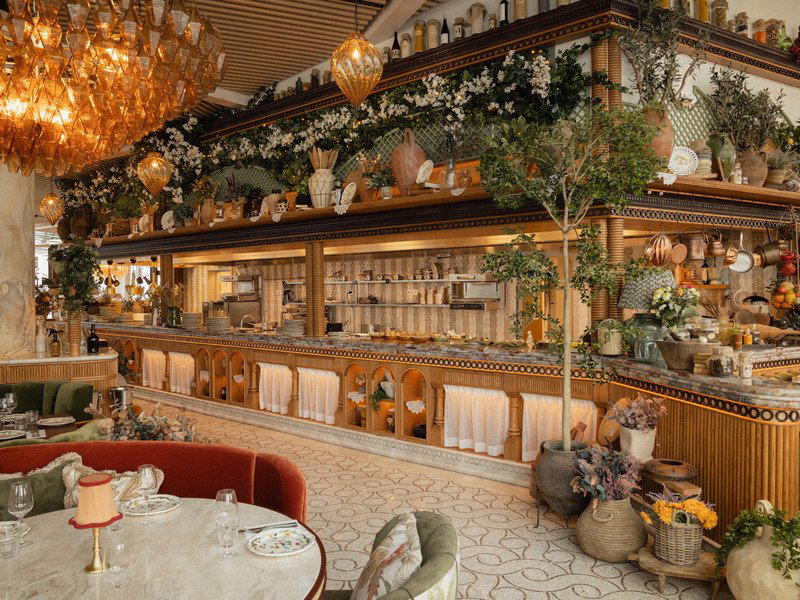
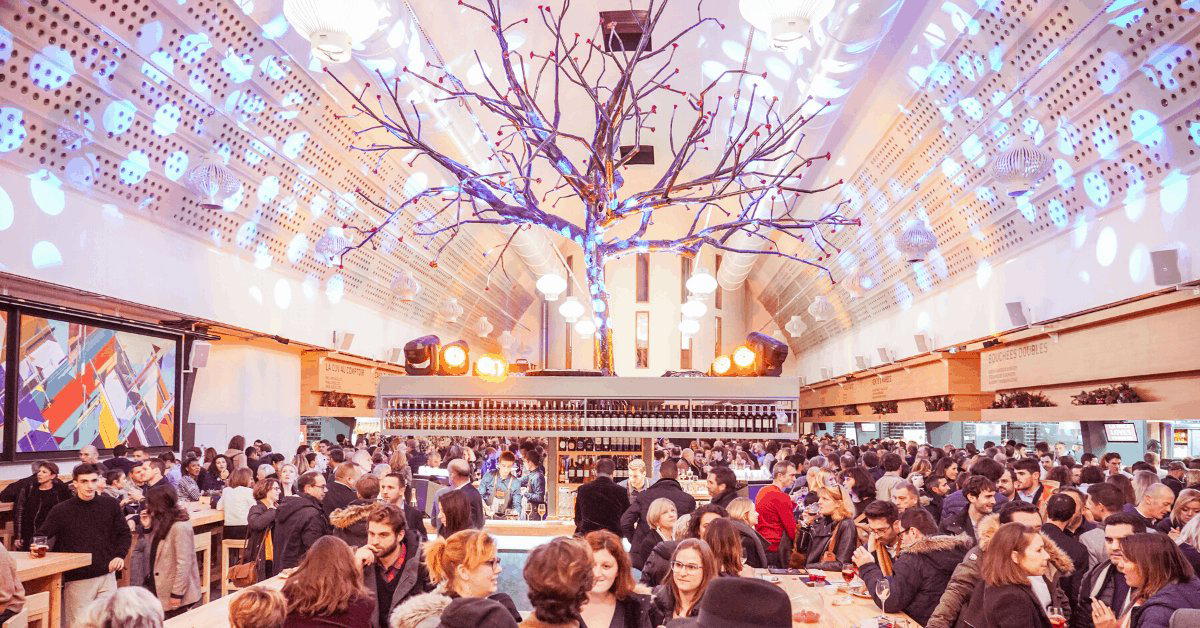
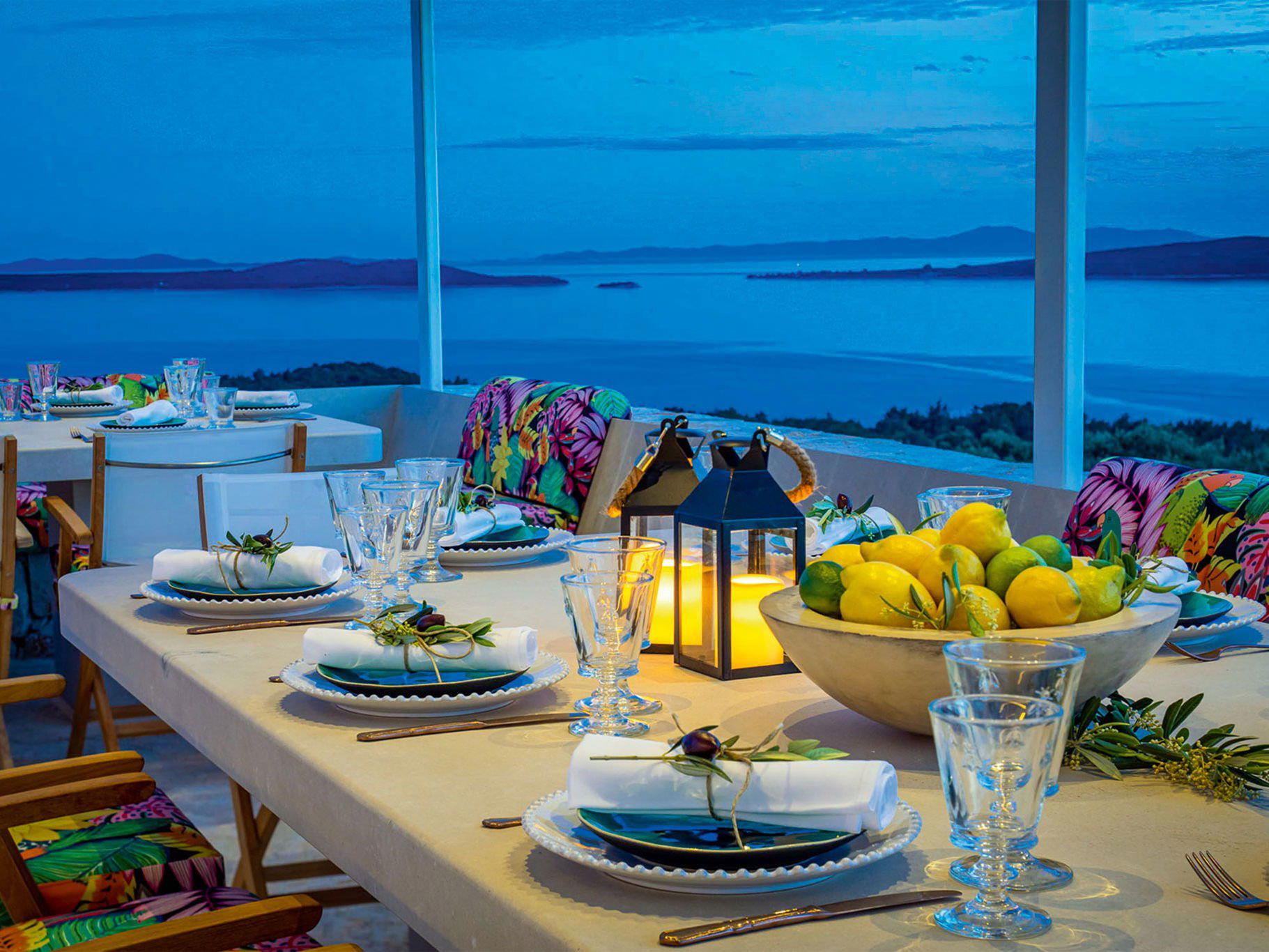
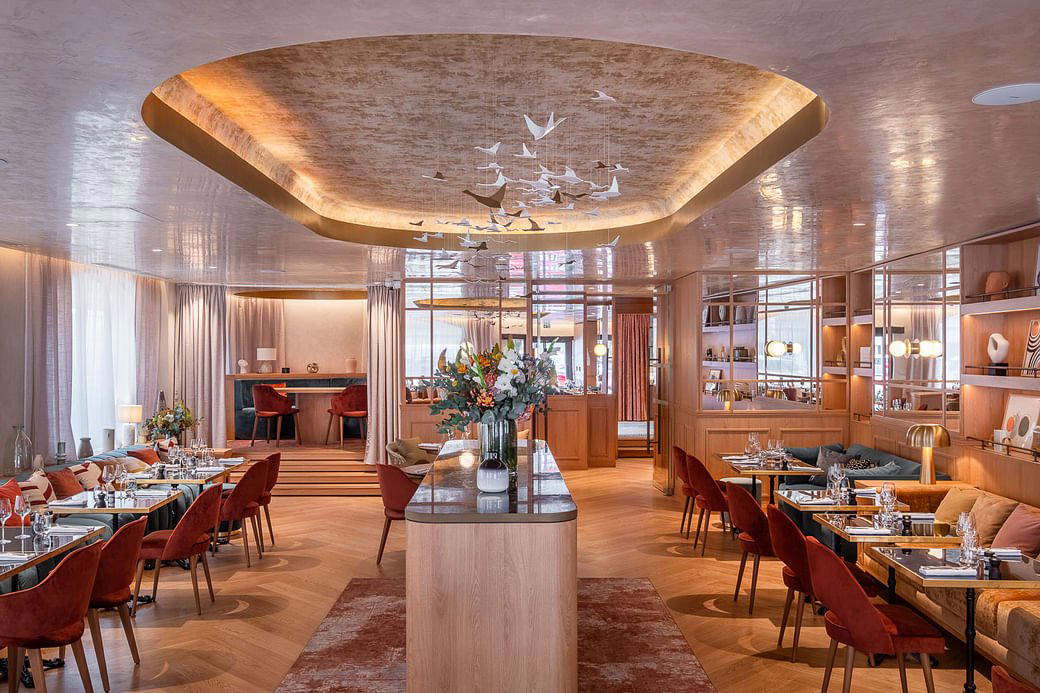
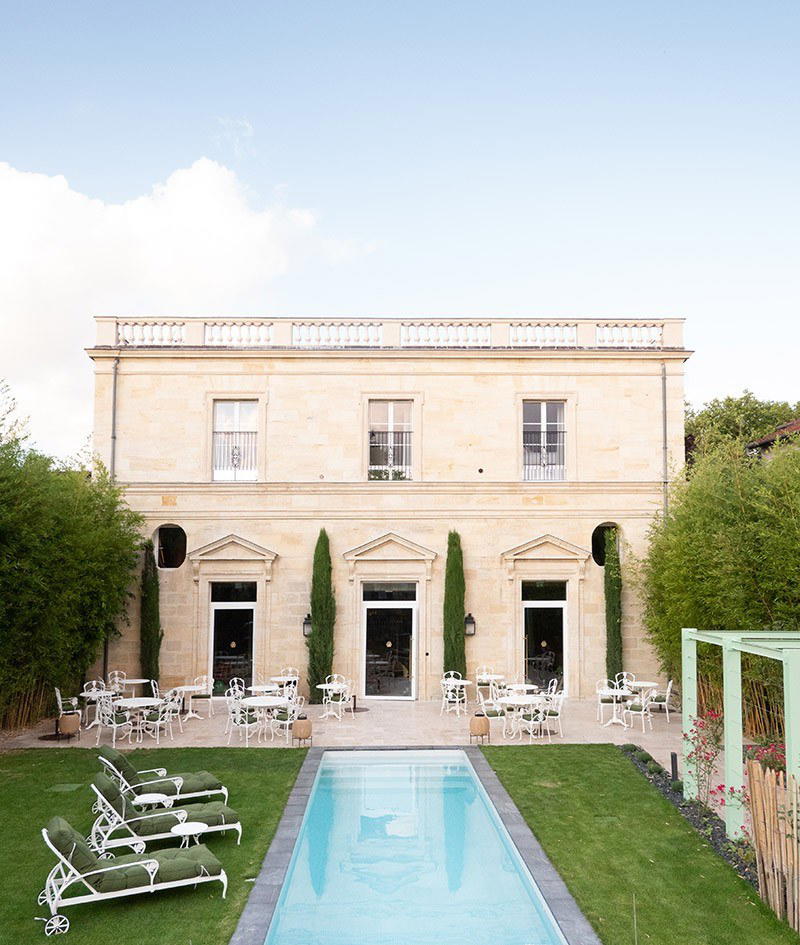
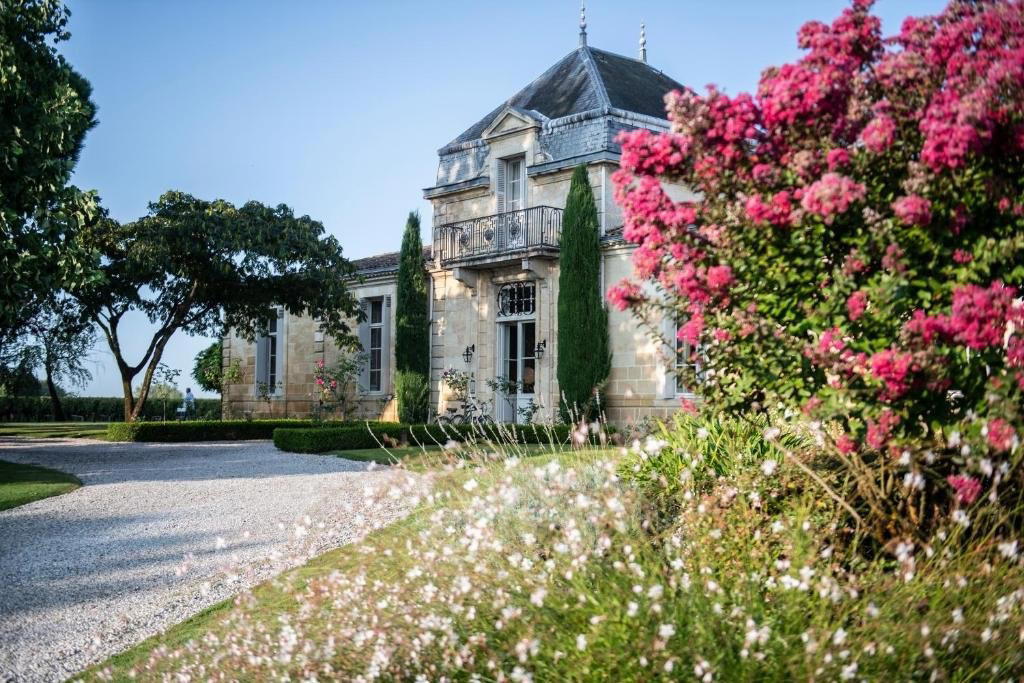
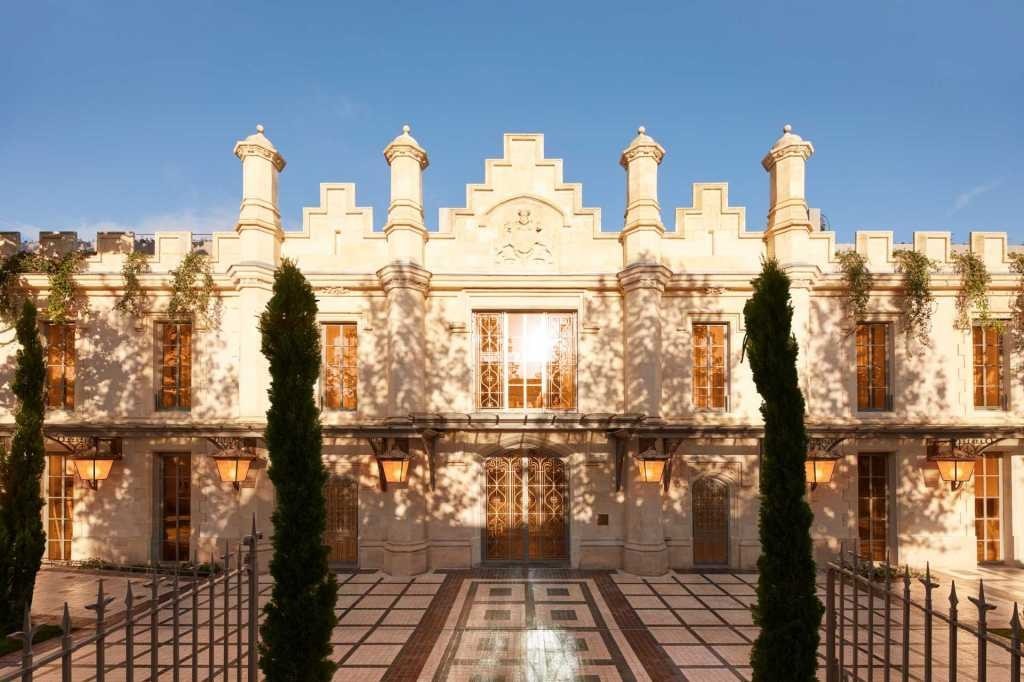
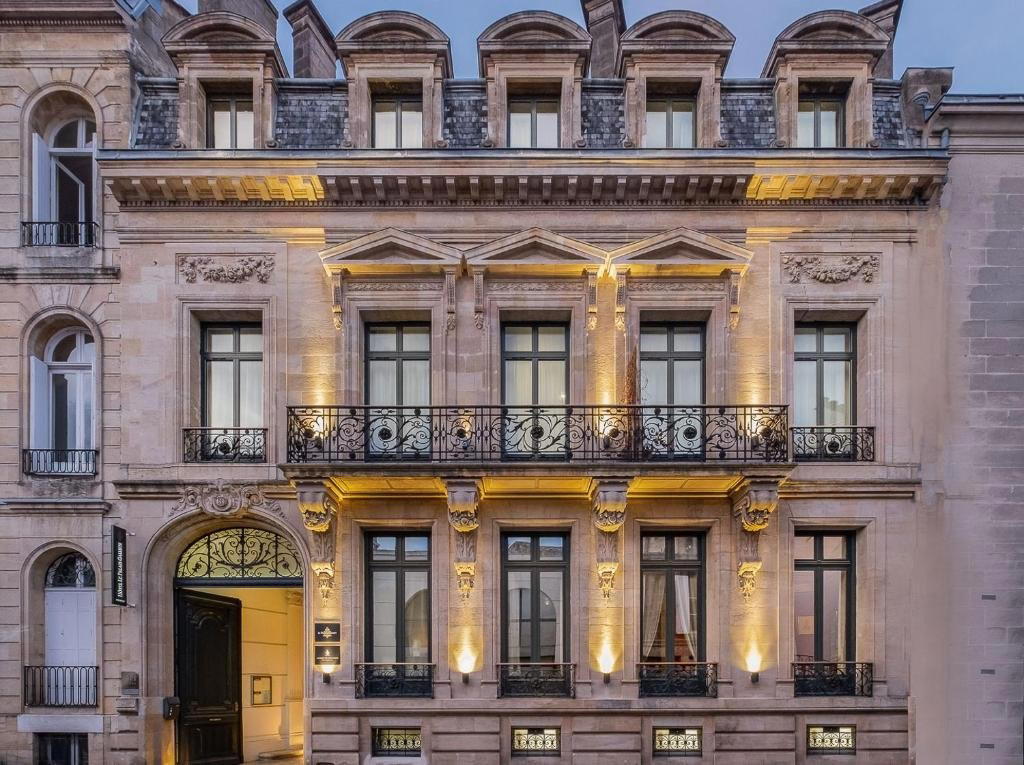
Elegant and refined atmosphere in a historic château surrounded by premium gravel terroir vineyards, with modern winemaking facilities blending tradition and innovation.