Castello Banfi


World's 50 Best #61 · Relais Chateaux Award
A medieval castle estate in the hills above Montalcino, Castello Banfi operates as a wine resort and hospitality destination at the serious end of Brunello di Montalcino production..

Pearl is the En Primeur Club membership app — saves, bookings, and concierge access live there. Same editors, same standards.
- Address
- Poggio alle Mura, 53024 Montalcino SI, Italy
- Phone
- +39 0577 840111
- Website
- banfi.it
- Directions
- Get directions
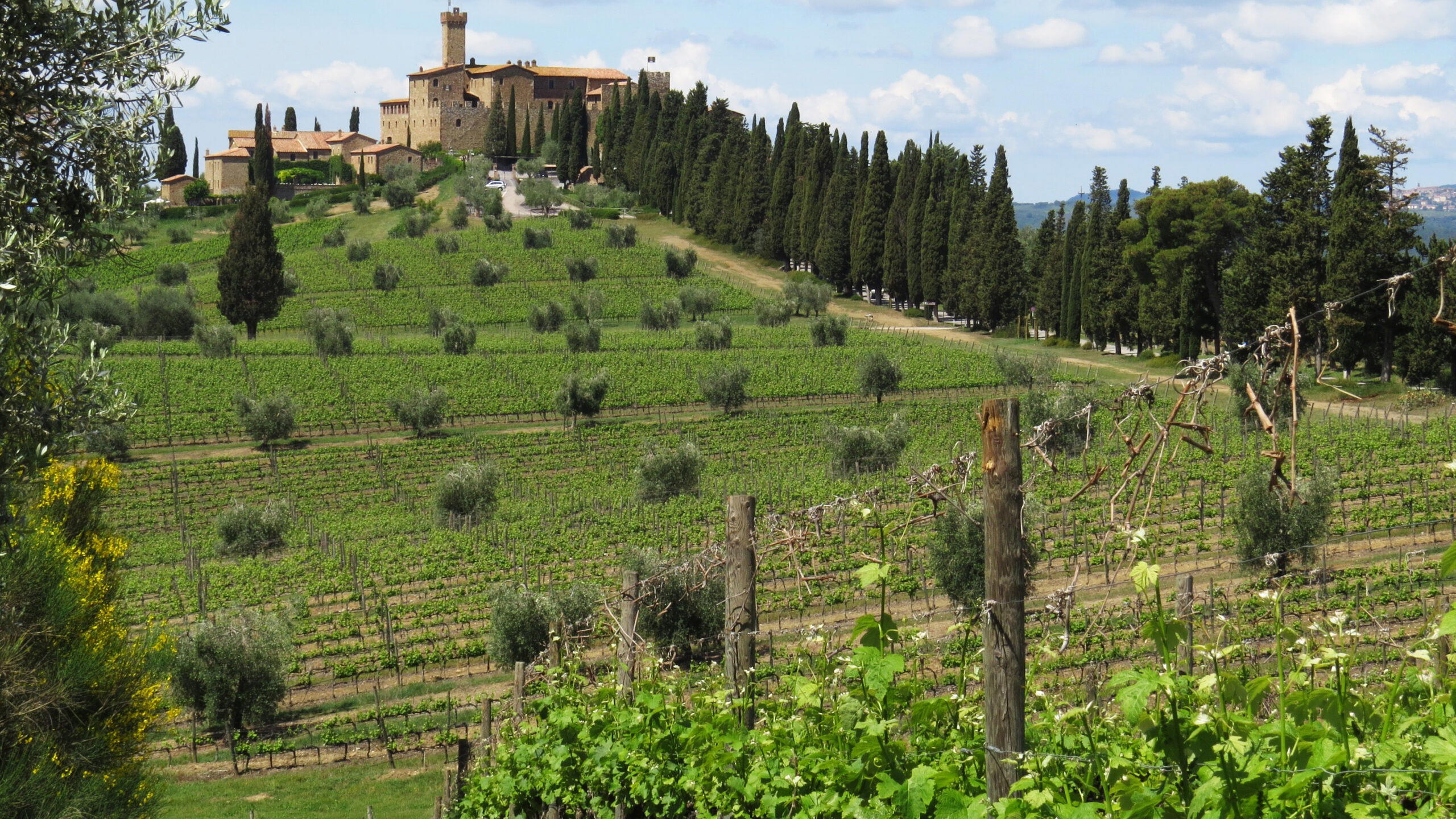
Stone, Altitude, and the Sangiovese Tradition
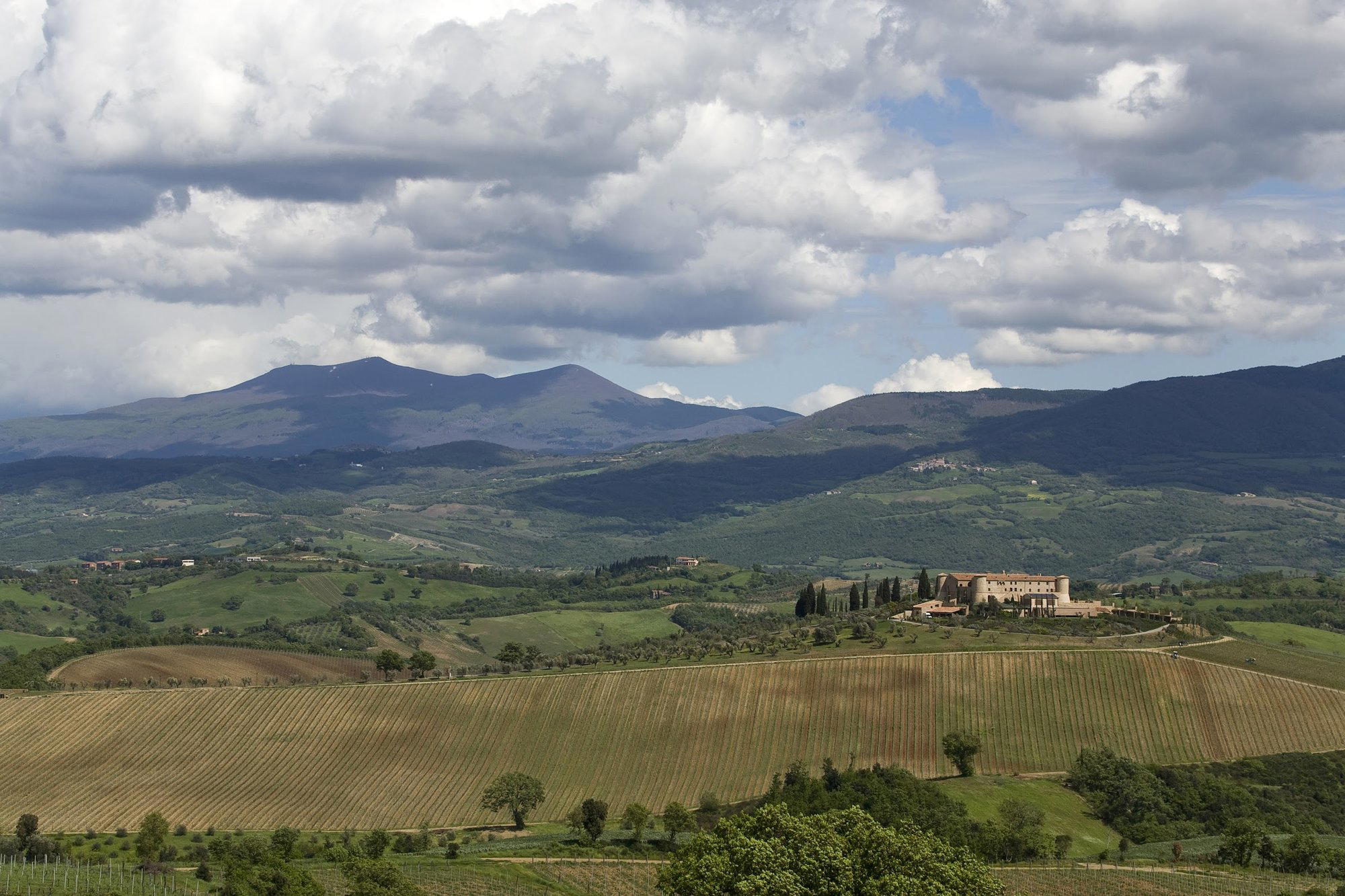
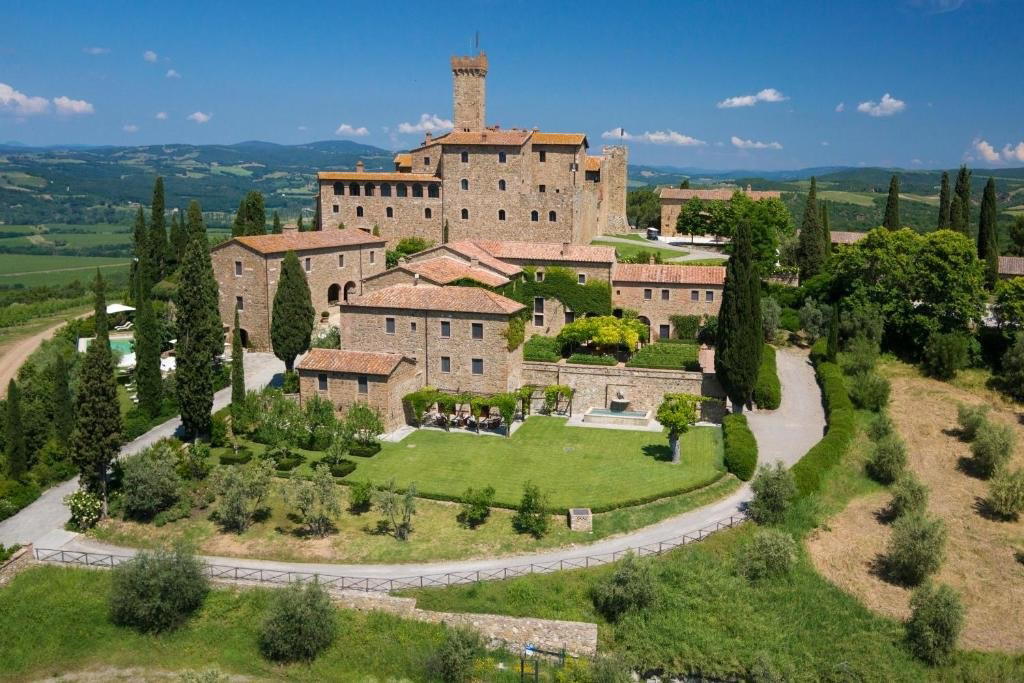
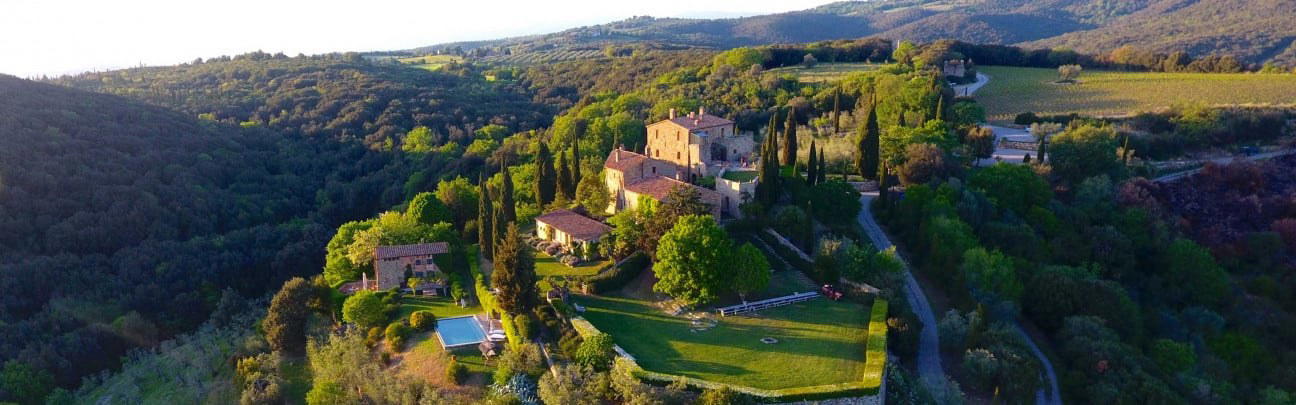
The road into the southern Val d'Orcia rises through rows of vine that shift colour with the season, and by the time the tower of Castello Banfi comes into view above Poggio alle Mura, the landscape has already made its argument. This part of Montalcino sits at altitude, exposed to temperature swings that push Sangiovese Grosso toward concentration and structure rather than early softness. The medieval fortification that anchors the property is not decorative context; it is part of the logic of this place, a reminder that wine production here predates classification systems, appellation law, and the modern concept of luxury hospitality. Visiting Castello Banfi means engaging with all three layers at once: the historical weight of the site, the agronomic seriousness of Brunello di Montalcino as an appellation, and the more recent frame of premium wine tourism that has given estates like this a second identity alongside production.
Where Castello Banfi Sits in the Montalcino Picture
Montalcino's producer set spans a range from small family-run plots to large estate operations with international distribution. Castello Banfi occupies the larger-scale end of that spectrum, which shapes the visit in specific ways. Where producers like Altesino or Il Poggione offer a more compact, family-scale encounter with the appellation, Banfi's estate model extends across thousands of hectares and incorporates hospitality infrastructure that goes well beyond a tasting room.
The comparison is instructive because Montalcino, unlike Chianti Classico, built its international reputation almost entirely on a single grape variety and a single wine. Brunello di Montalcino achieved DOCG status in 1980, and the appellation's regulations around ageing and release dates remain among the strictest in Italy. Any serious estate operating here is competing on a long timeline: wines released today were harvested years earlier, and the investment required to hold stock through mandatory ageing periods favours producers with capital depth. Castello Banfi's scale gives it that depth, which is reflected in the breadth of vintages accessible through L'Enoteca Banfi, the estate's dedicated restaurant and wine dining space where vertical access to the cellar is part of the proposition.
The Cultural Weight of the Appellation
To visit Castello Banfi without understanding the Brunello tradition is to miss the reason the estate carries weight. Brunello di Montalcino is built on Sangiovese Grosso, a clone distinct enough from the broader Sangiovese family that producers here have historically insisted on its separate identity. The grape rewards patience; it produces wines that can require a decade or more of cellaring before the tannins resolve into the dried fruit, leather, and mineral character that define the appellation at its finest. This is not a wine tradition built around accessibility or immediate approachability. It is built around restraint, time, and terroir specificity.
That cultural seriousness has made Montalcino a reference point for Italian wine enthusiasts in the same way that the Côte de Nuits functions for Burgundy collectors, or that the comparison estates in Piedmont such as Aldo Conterno in Monforte d'Alba function for Barolo. The difference is that Montalcino's premium tier arrived later and concentrated faster, with foreign investment playing a significant role in reshaping the appellation from the 1980s onward. Banfi was itself part of that transformation, bringing capital and technical ambition to a region that had previously operated on smaller margins. Producers like Casanova di Neri represent a different strand of the same evolution, where family ownership and micro-terroir focus built reputations through critical scores rather than scale. Both models coexist in Montalcino, and understanding where Banfi sits in that duality gives the visit its proper frame.
Italian wine estates that have successfully combined production seriousness with hospitality at this level are fewer than the market might suggest. Lungarotti in Torgiano has operated a similar model in Umbria for decades, and Ca' del Bosco in Erbusco has done so in Franciacorta. What unites these properties is the decision to treat the estate visit as a complete experience rather than an add-on to production, and to resource it accordingly.
The Estate as Physical Experience
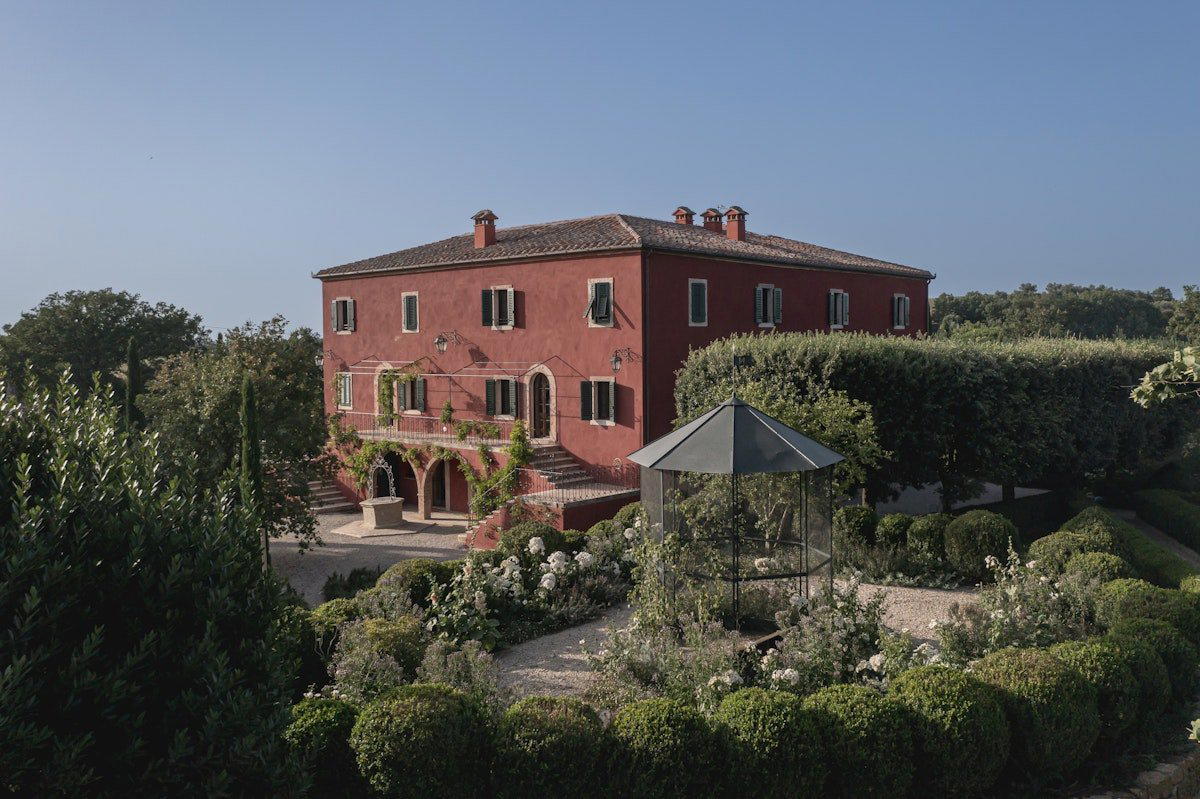
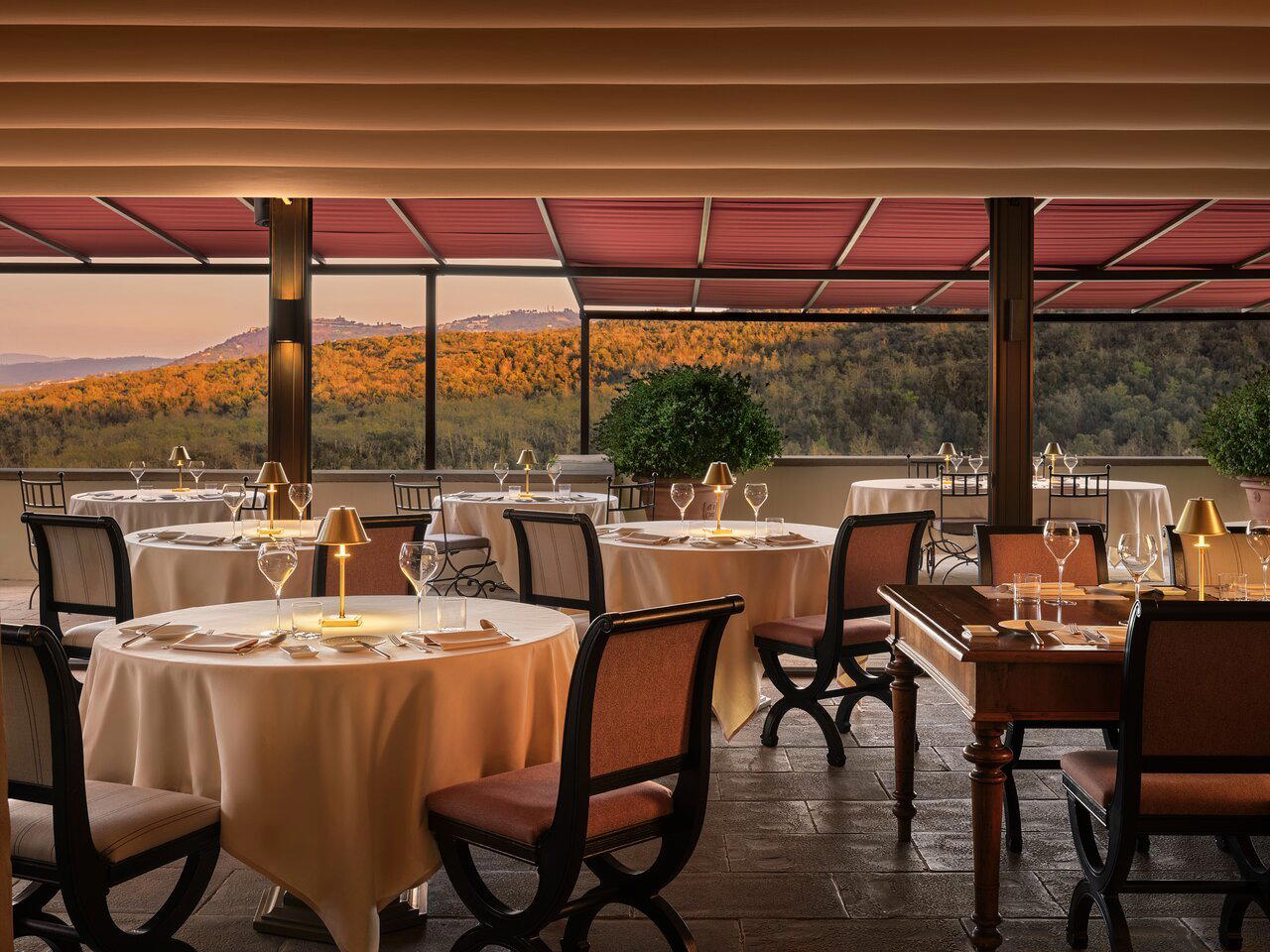
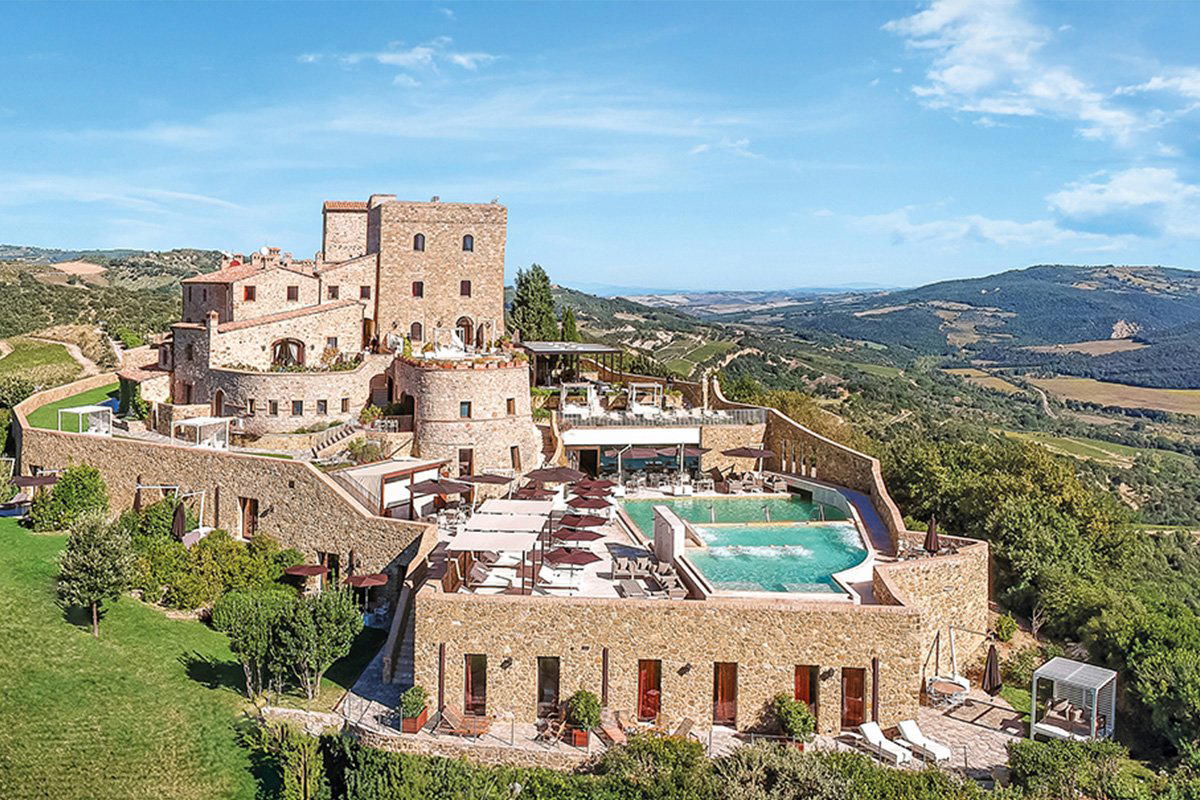
The medieval castle complex at Poggio alle Mura is not a reconstruction or a hospitality shell built around a wine brand. The fortification dates to the 9th century and was inhabited continuously through the medieval period. The architecture imposes a particular quality of silence and scale that modern hospitality design rarely achieves without budget and effort. Thick stone walls, courtyard spaces, and views across the Val d'Orcia toward Monte Amiata create a physical environment that operates differently from a boutique hotel or a design-led agriturismo. The estate sits within a UNESCO World Heritage landscape, and that recognition carries weight in terms of both the visual character of the surroundings and the regulatory limits on what can be developed or altered.
For international visitors, the practical anchor for a Castello Banfi stay is Siena, accessible in roughly an hour by car, with Florence extending the radius to approximately 90 minutes. The estate's position in the southern zone of the Montalcino township means it draws visitors who are combining a wine focus with broader Tuscany itineraries rather than those making a single-day excursion.
Those building a focused Montalcino itinerary will find the estate works well as a base from which to encounter the broader appellation. For a fuller picture of what the township offers across price points, accommodation types, and producer access, see our full Montalcino restaurants guide. For contrast within the castle-estate model specifically, the comparison with Castello di Volpaia in Radda in Chianti illustrates how different the Chianti Classico and Brunello traditions shape the physical and aesthetic character of comparable properties, even when both carry premium ratings.
Just the Basics
Comparable venues nearby, for context on price, style, and recognition.
| Venue | Cuisine | Price | Awards | Notes |
|---|---|---|---|---|
| Castello BanfiThis venue — the venue you are viewing | Tuscan Italian | $500+ | World's 50 Best #61 · Relais Chateaux Award | Not listed |
| Azienda Agricola Casanova di Neri di Giacomo Neri | Not listed | Not listed | World's 50 Best #87 · Falstaff Winery - 5 Stars | Montalcino, Sangiovese, Cabernet Sauvignon |
| Valdicava Az Agr | Montalcino, Sangiovese | Not listed | Falstaff Winery - Listed | Not listed |
| Argiano | Not listed | $50–100 | Falstaff Winery - 5 Stars | Sant'Angelo in Colle, Sangiovese Grosso, Cabernet Sauvignon |
| Cerbaiona | Not listed | Not listed | Falstaff Winery - Listed | Cerbaia contrada, Sangiovese Grosso, Sangiovese |
| Altesino | Not listed | $50–100 | Falstaff Winery - 4 Stars | Montalcino, Sangiovese, Trebbiano Toscano |
Recognition history
Dated appearances from independent guides and award organizations, with the underlying list record or original source where available.
World's 50 Best Vineyards #61
World's 50 Best
Relais Chateaux Award
Relais Chateaux
Full recognition history (3 entries)
World's 50 Best Vineyards #22
World's 50 Best
Continue exploring
More in Montalcino
Wineries in Montalcino
Browse all →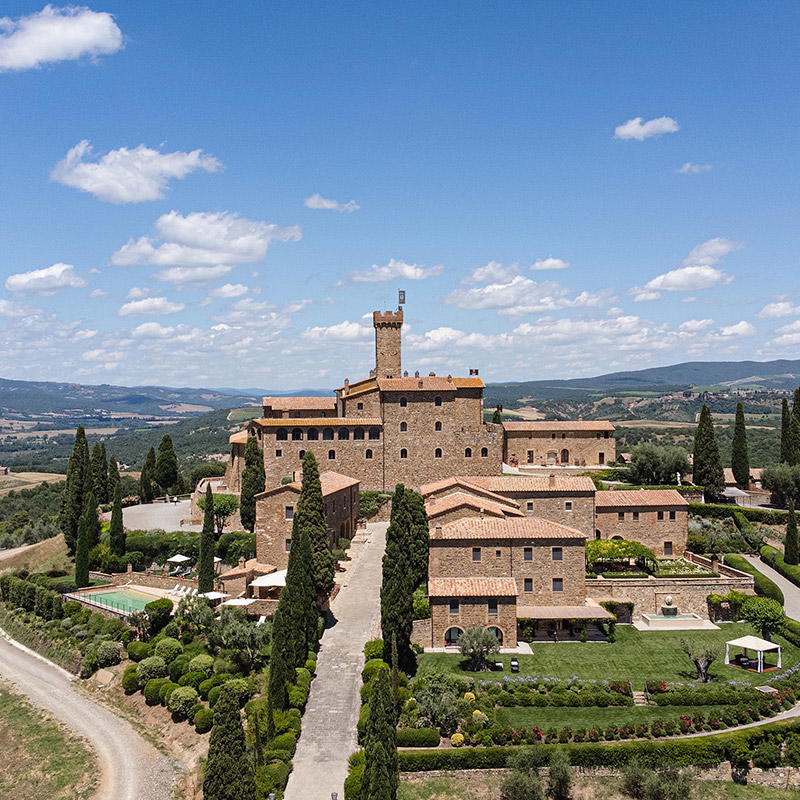
Bars in Montalcino
Browse all →
Restaurants in Montalcino
Browse all →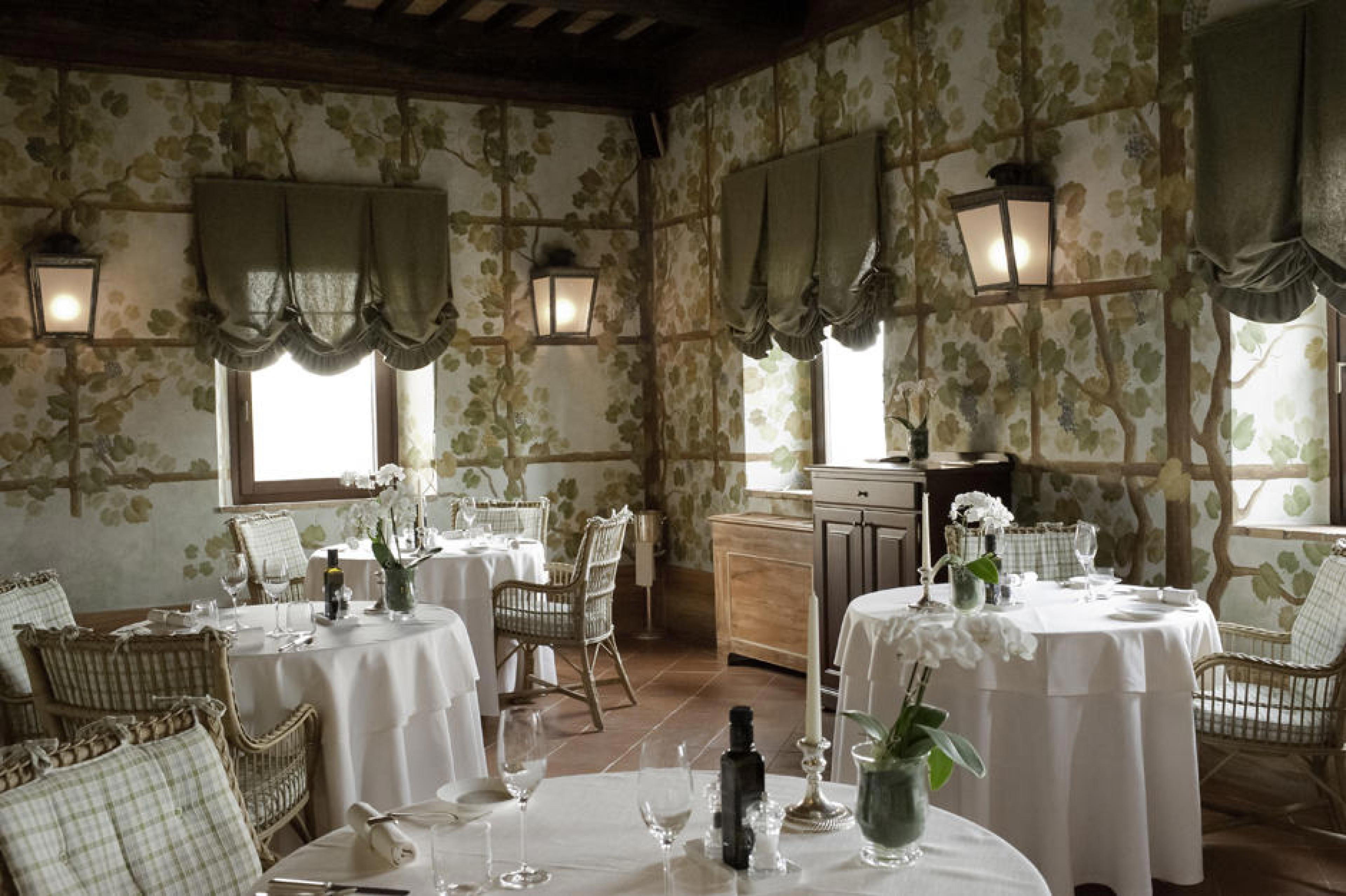
Details
- Romantic
- Elegant
- Scenic
- Sophisticated
- Classic
- Romantic Getaway
- Wine Education
- Special Occasion
- Celebration
- Barrel Room
- Vineyard Tour
- Estate Grounds
- Terrace
- Panoramic View
- Historic Building
- Private Tasting
- Cave Tasting
- Sustainable
- Vineyard
- Garden
- Sangiovese
- Cabernet Sauvignon
- Merlot
- Pinot Grigio
- Moscato
- Brachetto
- Still Red
- Still White
- Sparkling
- Dessert
- Guided Tasting
- Barrel Tasting
- Wine Pairing Lunch
- Wine Pairing Dinner
- English
- Italian
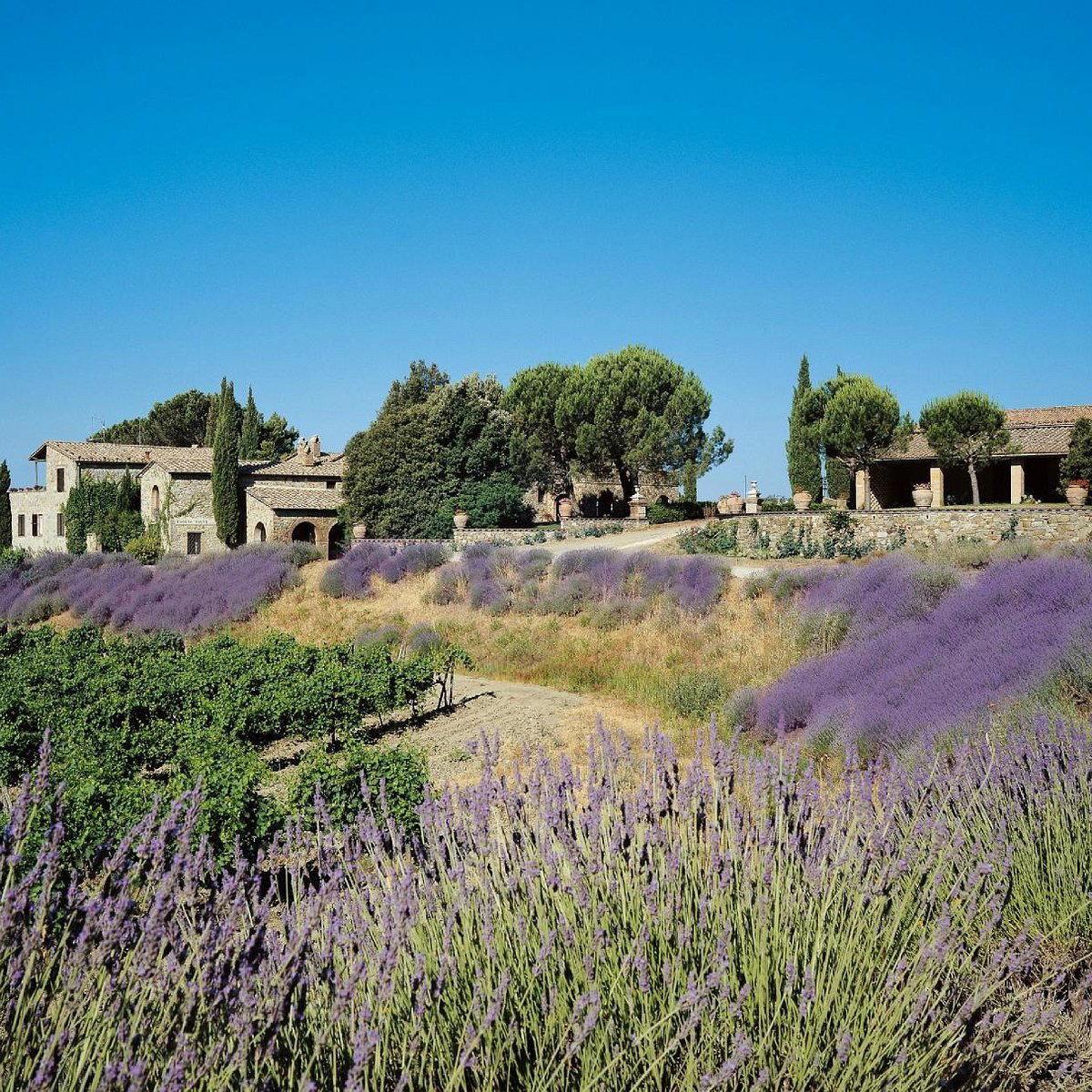
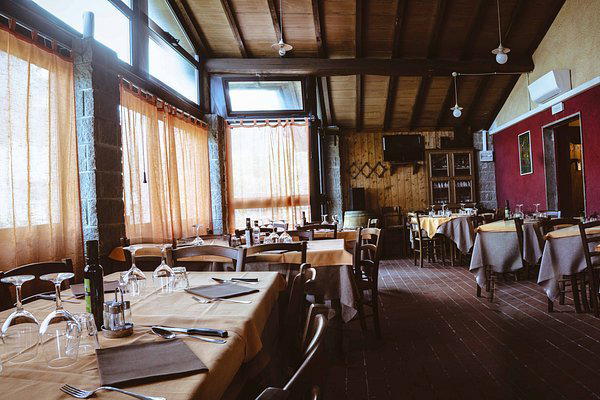
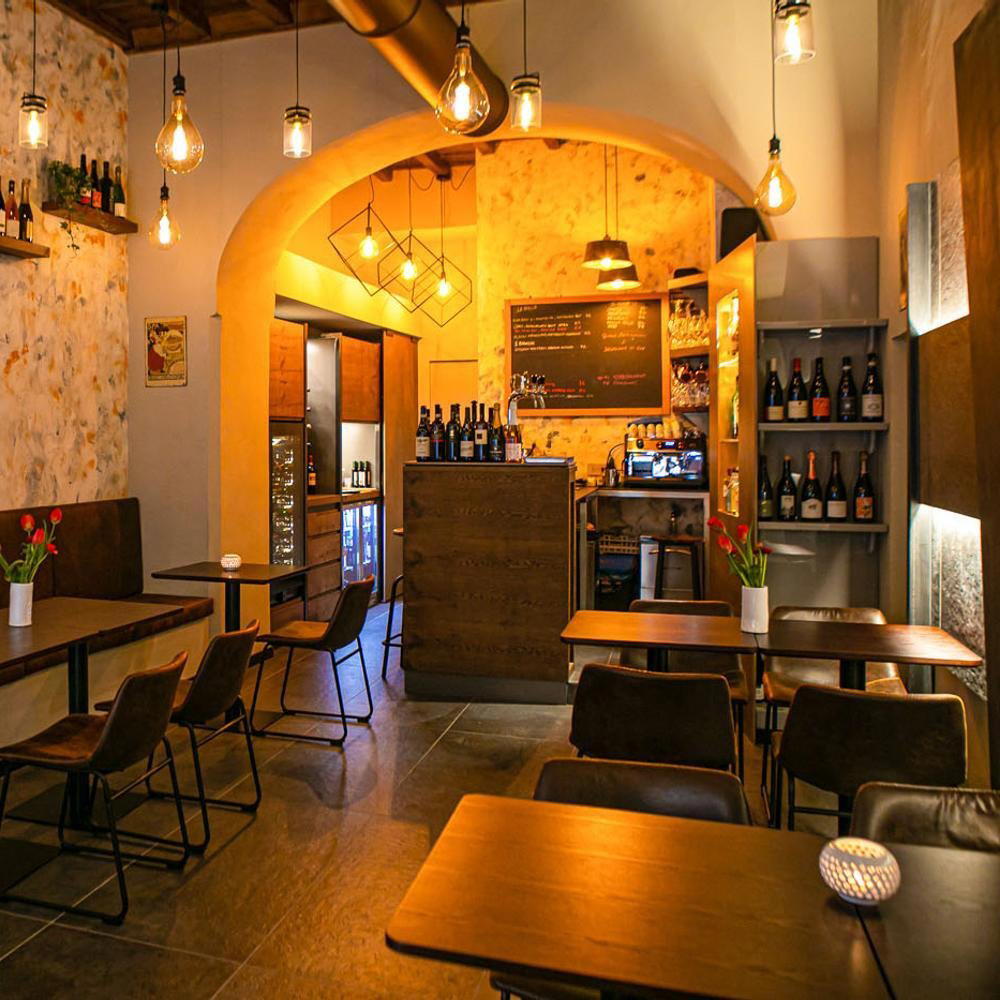
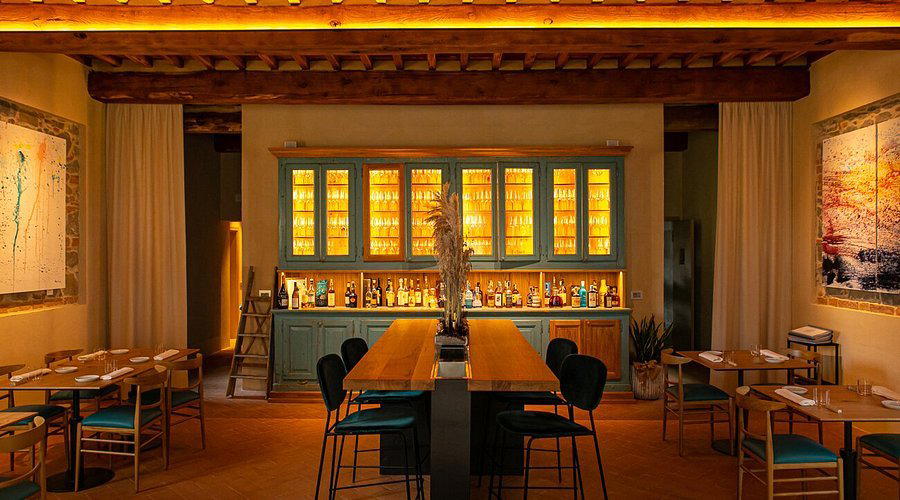
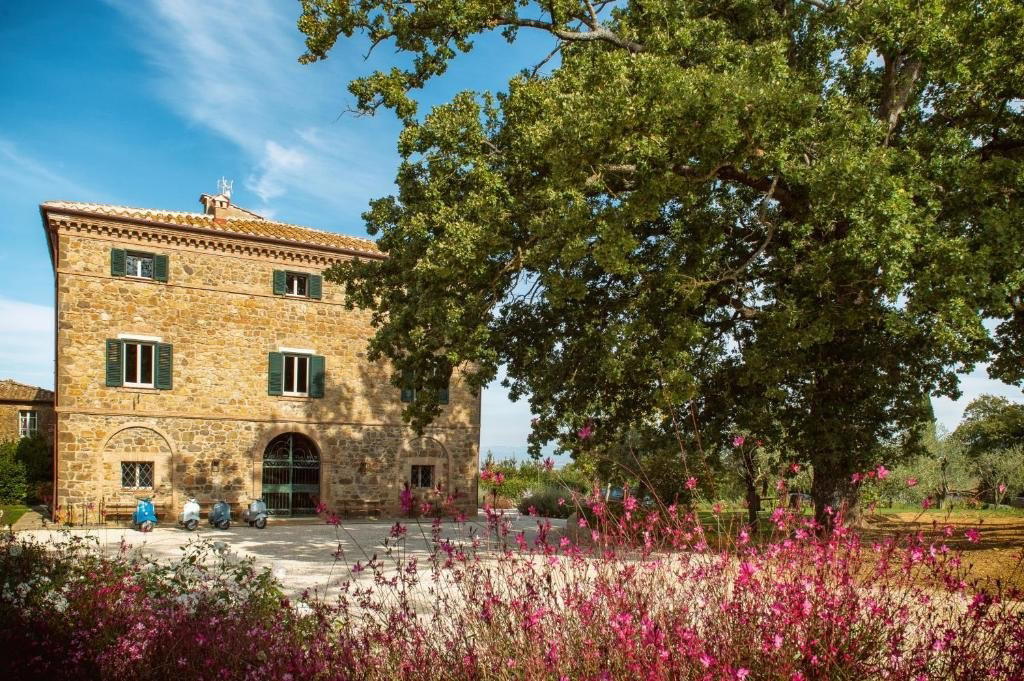
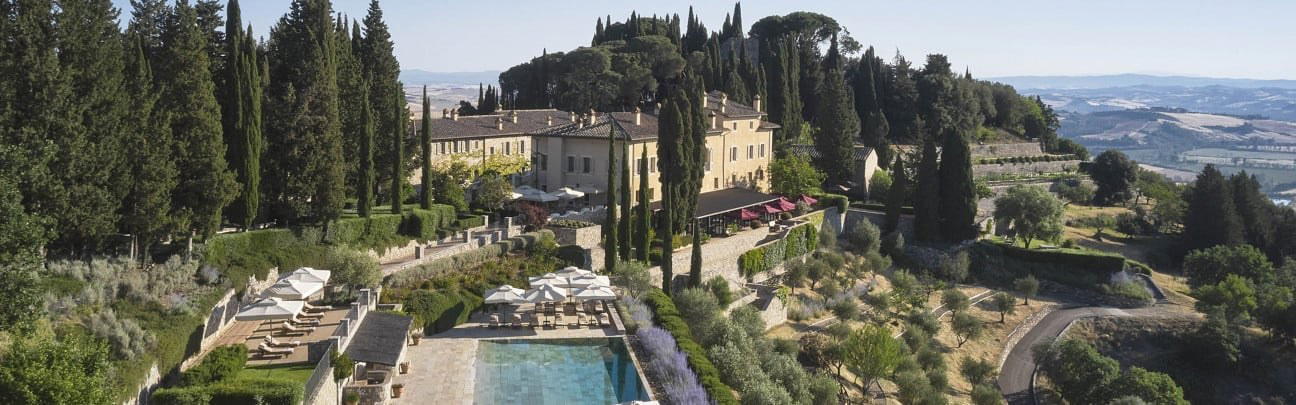
Refined and atmospheric with elegant stone architecture, sunlit countryside views, and refined dining settings on shaded terraces overlooking vineyards.