

One of Pauillac's more quietly confident Fifth Growths, Château Grand-Puy-Lacoste has been producing structured Cabernet-dominant wines since its first recorded vintage in 1820. Under winemaker Hélène Genin and.
Pearl is the En Primeur Club membership app — saves, bookings, and concierge access live there. Same editors, same standards.
- Address
- Château Grand-Puy-Lacoste, 33250 Pauillac
- Phone
- +33 5 56 59 06 66
- Directions
- Get directions
 Saves & bookings on Pearl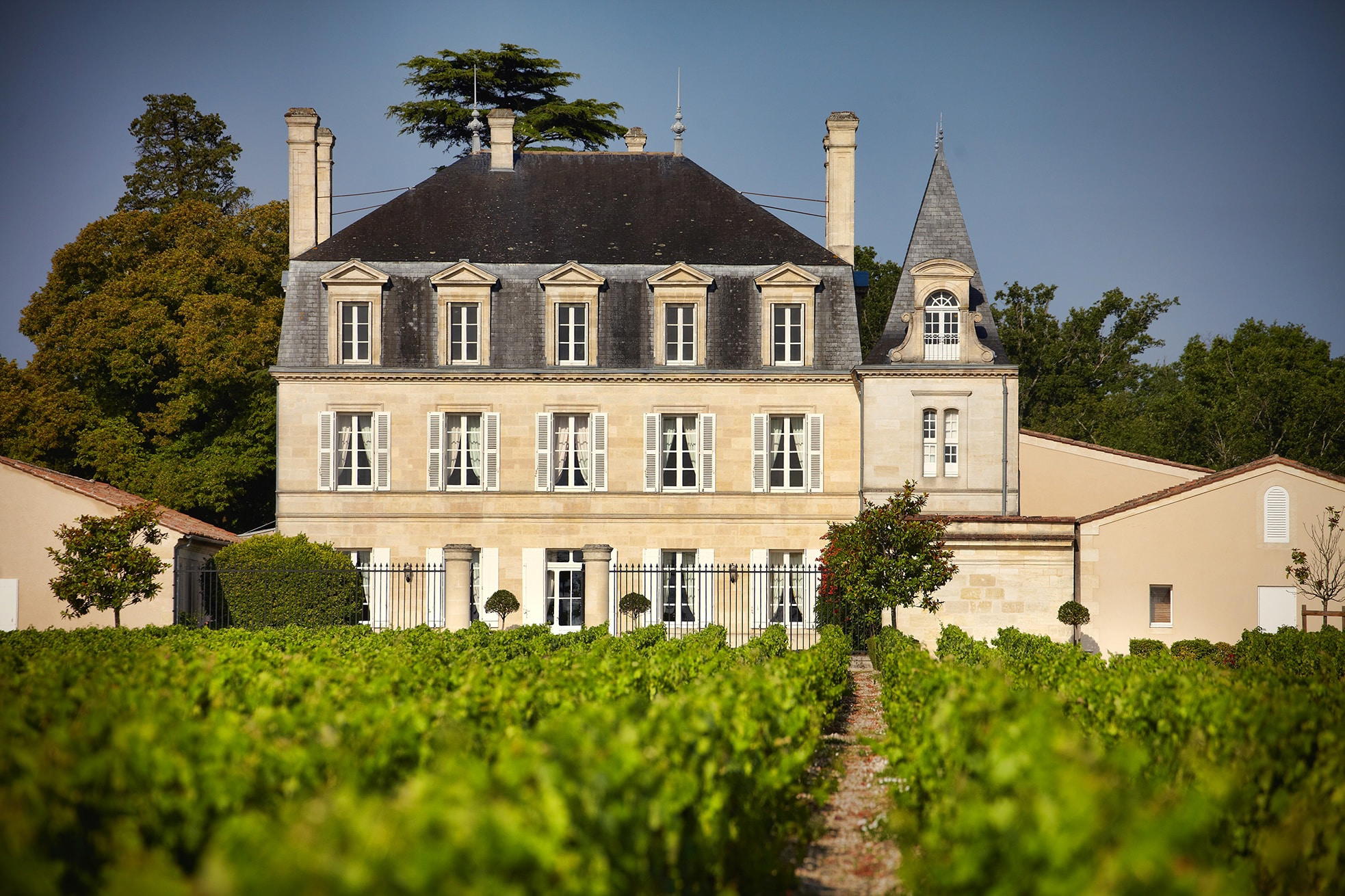
Pauillac's Quieter Plateau
The Pauillac appellation divides, roughly, into two registers of fame. There are the châteaux whose names appear in auction catalogues and whose vintages attract competitive bidding across continents. And then there are the estates that have worked the same gravel-and-clay terroir for two centuries without requiring that level of noise. Château Grand-Puy-Lacoste belongs firmly to the second category.
The château sits on one of the appellation's deep gravel plateaux, the geological feature that defines serious Pauillac as surely as any classification. Cabernet Sauvignon thrives here because the gravel drains rapidly, stressing the vine just enough to concentrate fruit without cruelty. The style that results, across this plateau and across the Médoc more broadly, is structured, tannic in youth, and built for the medium term. Grand-Puy-Lacoste has spent most of its two hundred years making that case quietly, while neighbours like Château Pédesclaux and Château Haut-Bages-Libéral occupy related positions in the same classification tier.
Viticulture as the Argument
Broader shift in Bordeaux viticulture over the last decade has moved steadily toward organic and biodynamic practice. Estates across the Médoc and Saint-Émilion have been converting, or at least reducing chemical inputs, in response to both climate pressure and a growing collector appetite for wines that can point to coherent farming behind the label. This is not purely marketing. In a region where terroir communication has always been the primary claim to value, the way the soil is managed has direct implications for what ends up in the bottle.
At Grand-Puy-Lacoste, winemaker François-Xavier Borie sits within this shift. The Médoc's Fifth Growth tier has historically been the segment most alert to the pressure of value comparison, these estates must justify classification pricing against the rising quality of unclassified Cru Bourgeois wines below them, and against the gravitational pull of Second and Third Growths above. Estates in this position have found that demonstrating farming conviction is one of the clearer ways to hold position in that argument. Across comparable properties, including Château Batailley and Château d'Armailhac, the language of responsible viticulture has become part of the standard estate vocabulary.
The practical implications of this shift are felt most in the vineyard calendar. Organic or near-organic regimes require more passes through the rows, more attention to cover cropping, more willingness to accept yield variation in difficult vintages. The payoff, proponents argue, is a vine root system that reaches deeper into the subsoil and a microbial soil life that translates into more precise terroir expression. Whether that argument holds across all vintages remains a question that serious collectors assess bottle by bottle. The critical infrastructure exists to do so: Bordeaux's en primeur system, in which wines are tasted and rated before release, means that the farming record has a scoring trail behind it.
The Classification Context
The 1855 Médoc Classification remains one durable quality signal in the wine world, not because it has been universally accurate across all subsequent vintages, but because the market has continued to price around it. Grand-Puy-Lacoste sits at Fifth Growth, the largest and most internally varied of the classification's five tiers. The spread of quality within the Fifth Growth designation is considerable. At one end, properties like Château Pontet-Canet have attracted the kind of well-suited scores and biodynamic credibility that push their pricing toward Second Growth territory. At the other end, some Fifth Growths have struggled to maintain the kind of consistent critical attention that sustains collector demand.
Grand-Puy-Lacoste has held a reliable position across critical cycles. For comparison, Château Grand-Puy-Ducasse, which shares the Grand-Puy name but occupies a different terroir parcel closer to the town, represents the other half of what was once a unified property, the two estates offer a useful study in how geography within a single appellation can produce meaningfully different results from ostensibly related origins.
Within the broader Médoc comparable set, the estate competes for collector attention against classified properties across multiple appellations. Estates like Château Branaire-Ducru in St-Julien, Château Boyd-Cantenac in Cantenac, and Château Cantemerle in Haut-Médoc all operate at comparable classification tiers and face similar positioning questions. The collector who pays attention to this comparable set is usually looking for consistent terroir expression, reasonable cellaring windows, and a price point that leaves room for the wine to deliver value relative to its drinking window.
Approaching the Estate
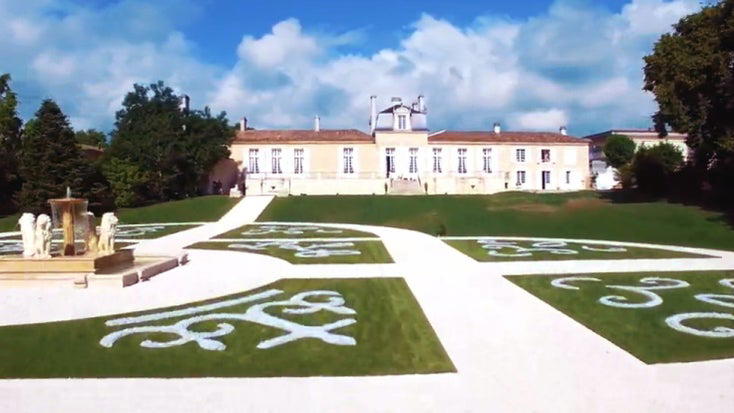
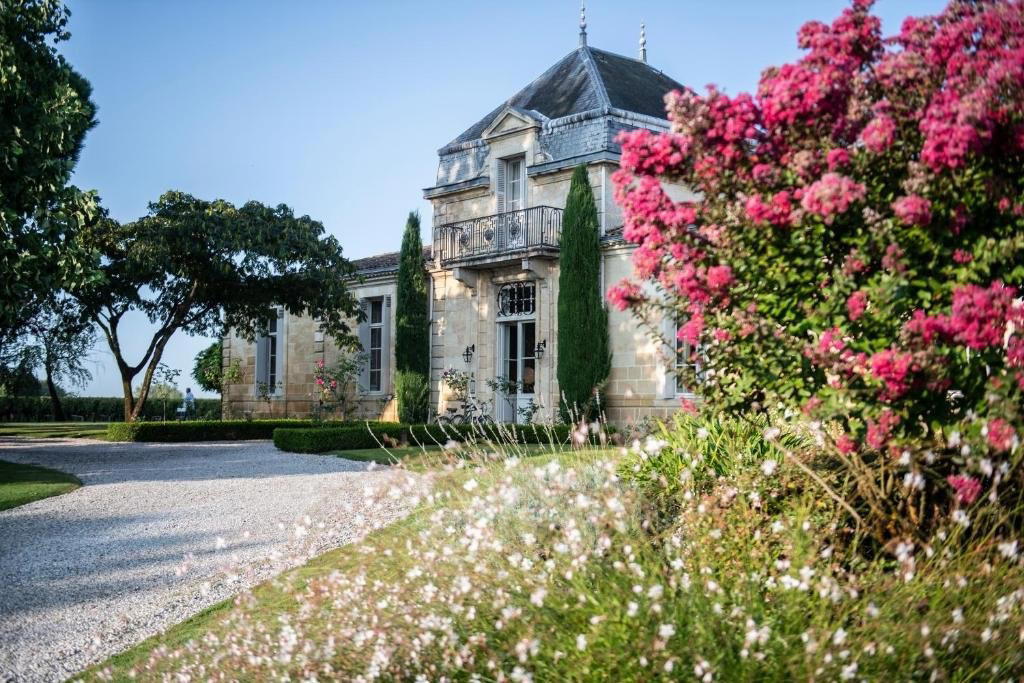
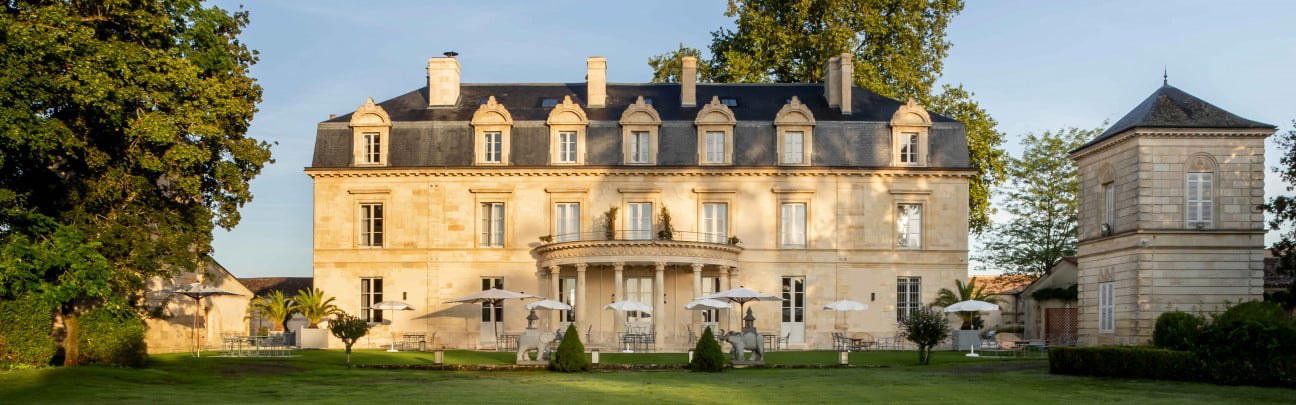
Pauillac is a working town, not a tourist village. The Gironde estuary defines the eastern edge; the vineyards run inland across the plateau, and the châteaux are distributed across that agricultural terrain rather than concentrated for convenient touring. Grand-Puy-Lacoste is set back from the riverfront in a manner typical of the plateau estates, its vineyards occupying the higher ground that the leading Pauillac terroir requires. Visitors who arrive expecting the groomed theatrical presence of a First Growth will find something quieter, which is consistent with the estate's position and history.
For those building a Pauillac itinerary around estate visits, the logistics require planning. The appellation is compact enough to cover several châteaux in a day, but appointment-based visiting is the norm across the Médoc at this level. Travelling between Pauillac and Bordeaux city takes roughly an hour by road, making it feasible as a day visit from the city without an overnight stay, though staying in the Médoc adds depth to the experience across multiple properties.
For collectors who follow classified Bordeaux across producers and regions, the reference points extend well beyond the Médoc. The precision-farming argument that Bordeaux estates are now making has equivalents in Alsace at producers like Albert Boxler in Niedermorschwihr and in Napa at estates like Accendo Cellars in St. Helena. The common thread is a willingness to let the farming record become part of the quality claim, rather than treating viticulture as an invisible backend to the winemaking process.
Estates focused on sweetness and dessert production, such as Château Bastor-Lamontagne in Preignac, or those in Saint-Émilion like Château Bélair-Monange, operate under different terroir logics, but the broader farming conversation runs across all serious French appellations. Even outside wine entirely, the provenance-and-process argument appears in premium producers like Chartreuse in Voiron and Aberlour in Aberlour, where heritage and production method carry the value narrative in the absence of a classification system.
Planning a Visit
Visiting Château Grand-Puy-Lacoste requires direct contact with the estate, as visiting arrangements at this level of the Médoc are managed individually and booking windows vary by season. The spring en primeur period, typically April, brings the highest concentration of trade visitors to the appellation, which makes estate access more competitive during that window. Autumn, after harvest, tends to be quieter and often better for private visitor appointments. Visits are by appointment only.
Reputation Context
Comparable venues nearby, for context on price, style, and recognition.
| Venue | Cuisine | Price | Notes |
|---|---|---|---|
| Château Grand-Puy-LacosteThis venue — the venue you are viewing | Cabernet Sauvignon, Merlot | $$$$ | Not listed |
| Château Pichon-Longueville-Comtesse-de-Lalande | Cabernet Sauvignon, Merlot | $$$$ | Pauillac |
| Château d’Armailhac | Cabernet Sauvignon, Merlot | $$$$ | Pauillac |
| Château Grand-Puy-Ducasse | Cabernet Sauvignon, Merlot | $$$$ | Pauillac |
| Chateau Lafite Rothschild | Cabernet Sauvignon, Merlot | $$$$ | Pauillac |
| Château Lynch-Bages | Cabernet Sauvignon, Merlot | $$$$ | Pauillac |
Recognition history
Dated appearances from independent guides and award organizations, with the underlying list record or original source where available.
Falstaff Winery - Listed
Falstaff
Michelin 1 Grape
Michelin
Continue exploring
More in Pauillac
Wineries in Pauillac
Browse all →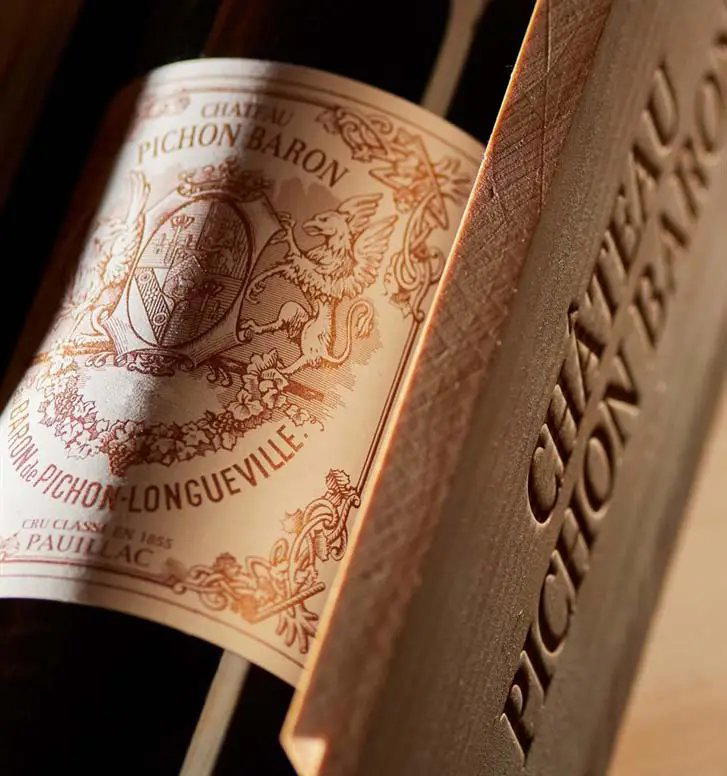
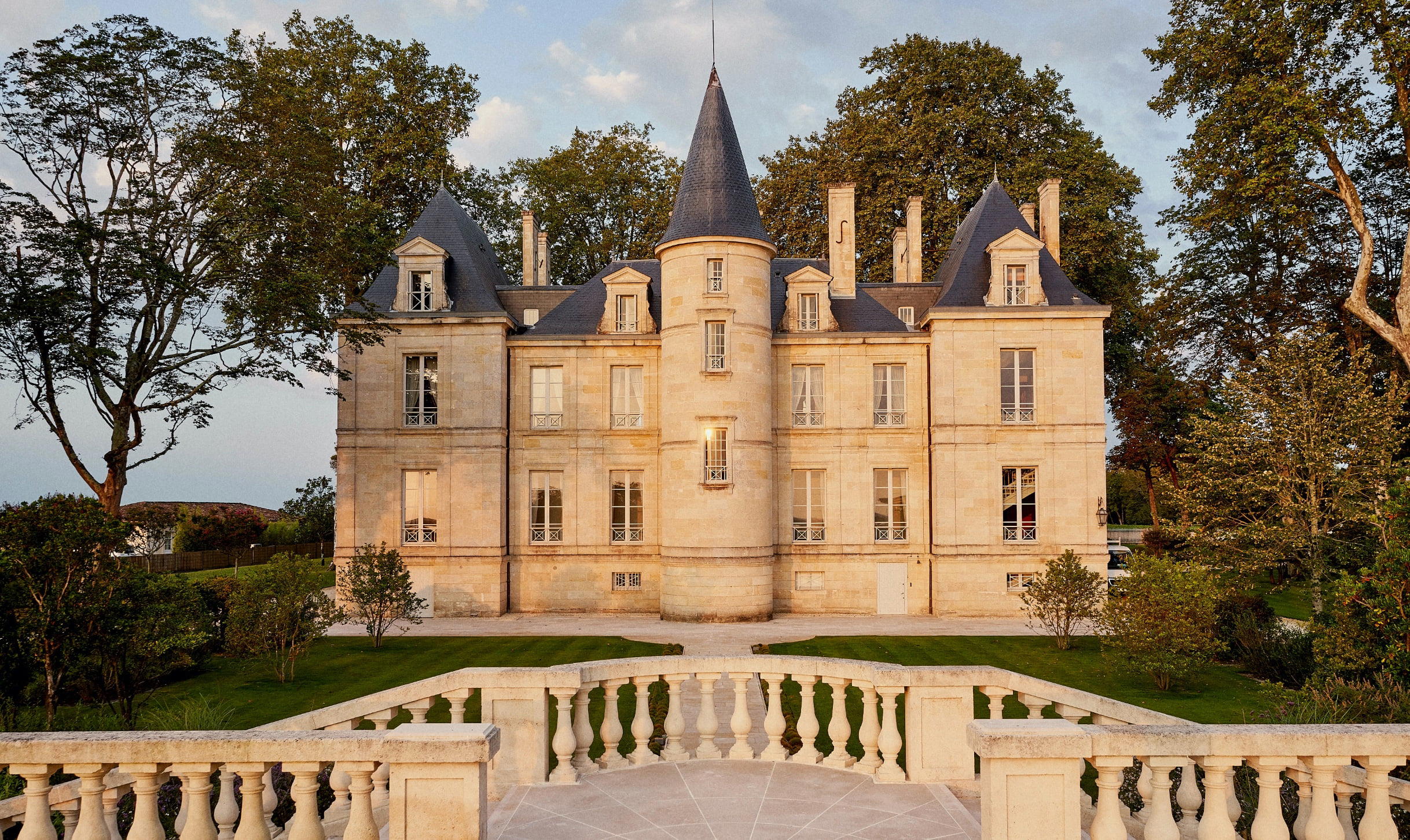
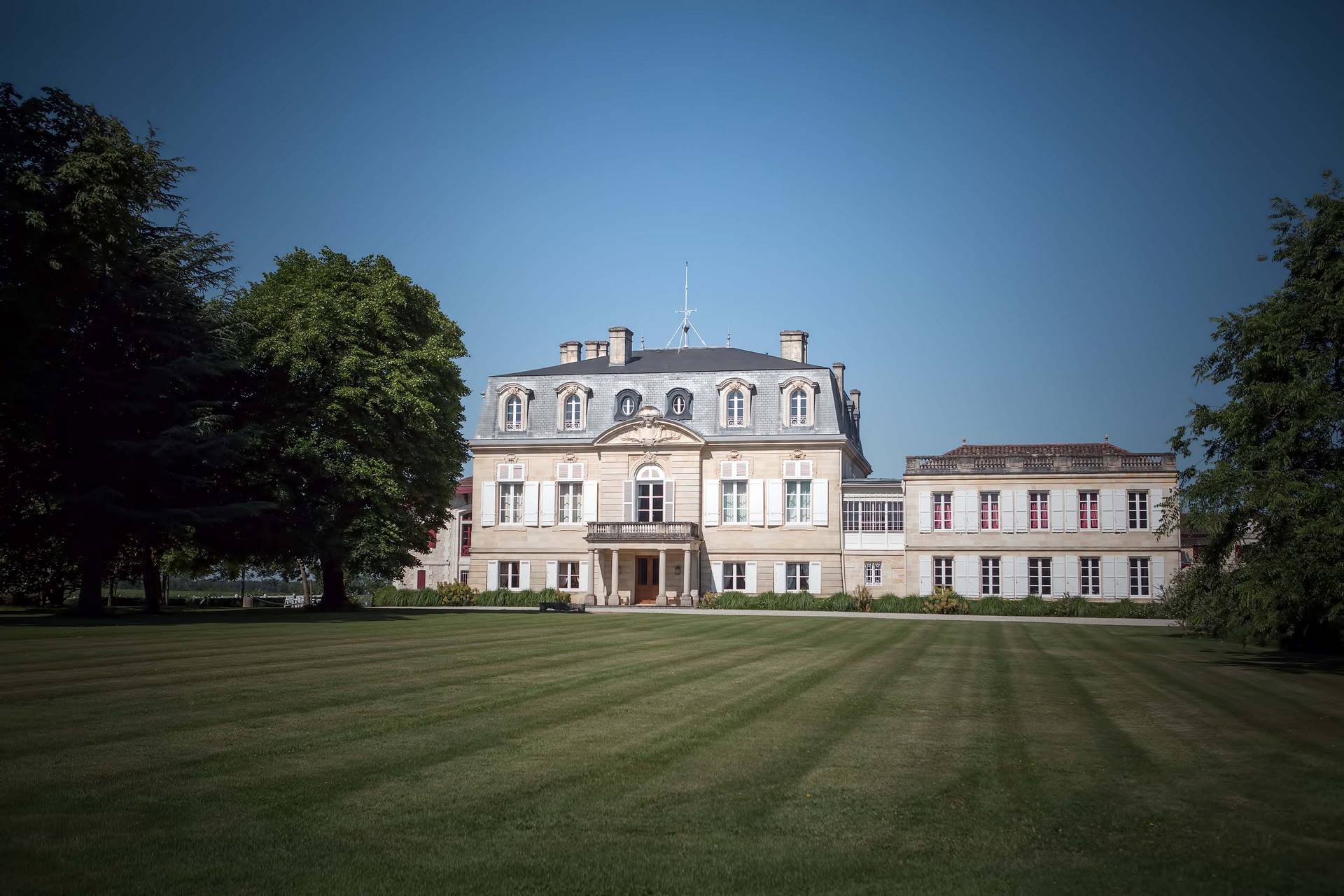
Bars in Pauillac
Browse all →
Restaurants in Pauillac
Browse all →
At a Glance
- Classic
- Elegant
- Sophisticated
- Well Known
- Wine Education
- Special Occasion
- Vineyard Tour
- Estate Grounds
- Historic Building
- Vineyard
- Pauillac AOC
- Cabernet Sauvignon
- Merlot
- Cabernet Franc
- Still Red
- Cave Tasting
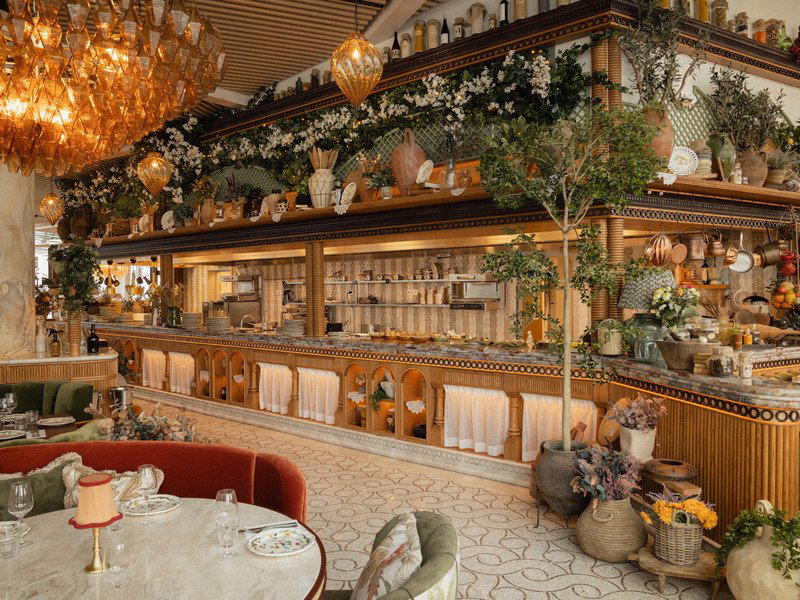
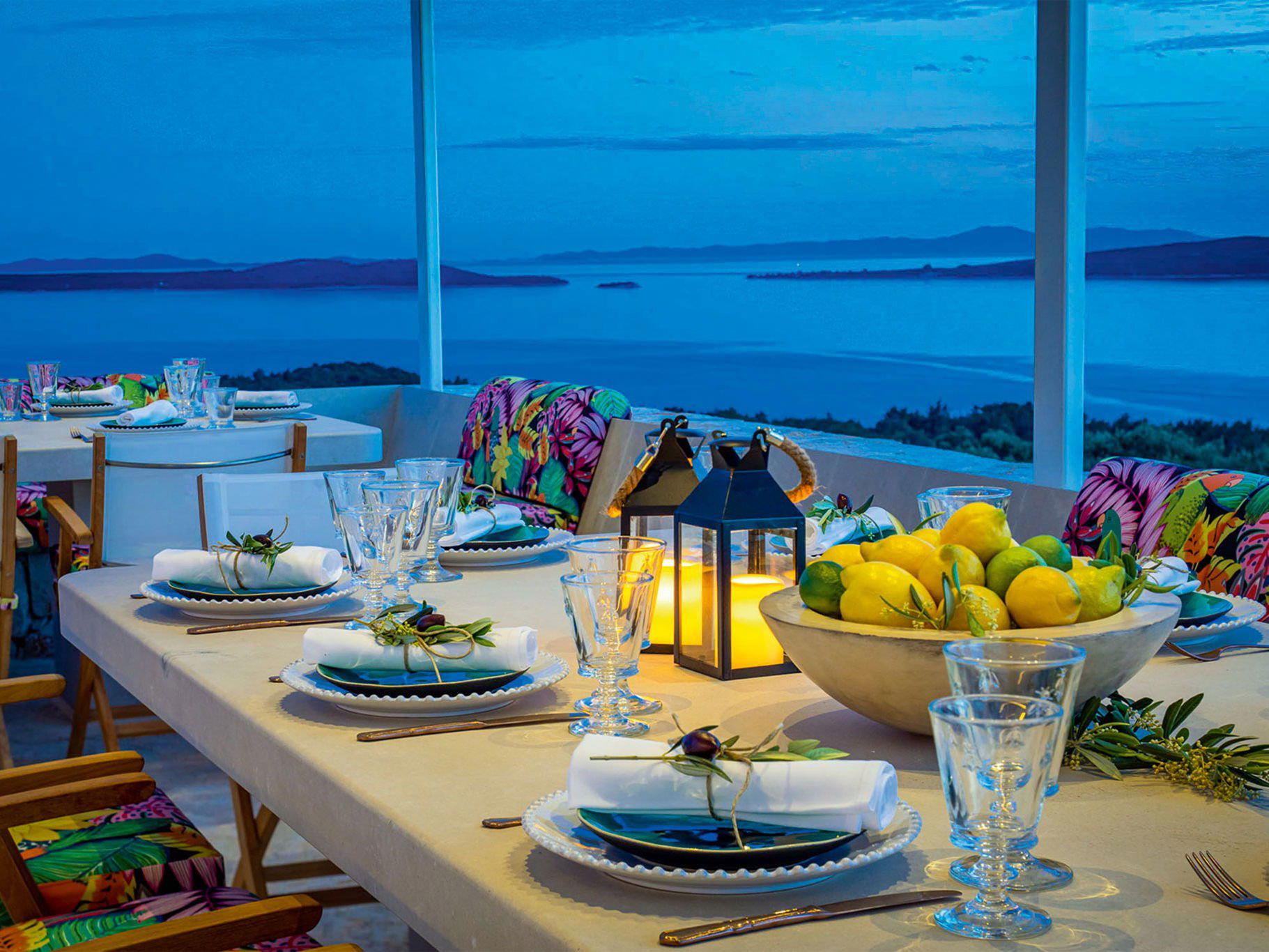
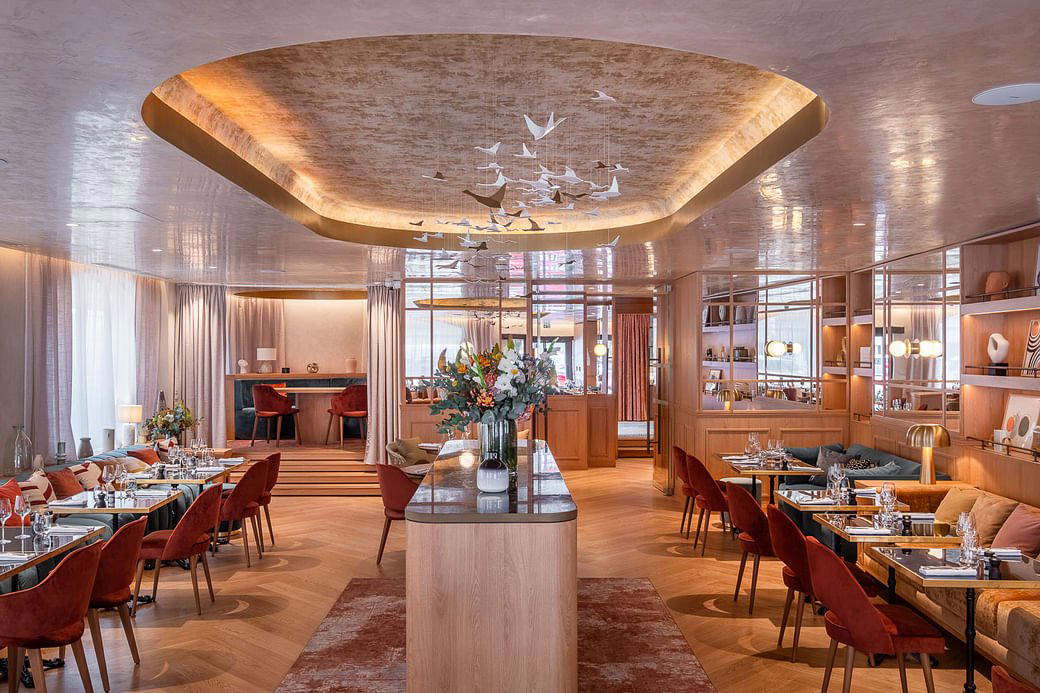
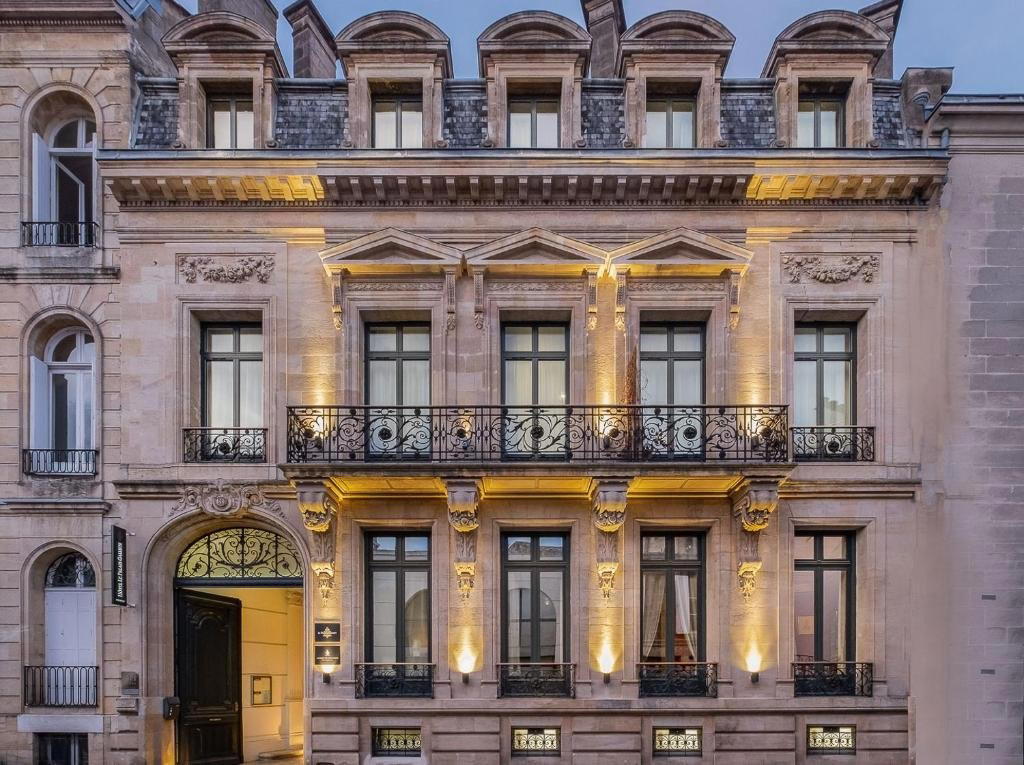
Classic and elegant with a timeless, sophisticated atmosphere evoking the heritage of Bordeaux's great wines amid rolling vineyard hills.