Kumeu River Wines


World's 50 Best #90 · Falstaff Winery - 5 Stars
The estate is the country's most closely watched address for Burgundian-influenced Chardonnay, drawing visitors who arrive expecting restraint, site-specificity, and a tasting experience calibrated around terroir rather than spectacle.

Pearl is the En Primeur Club membership app — saves, bookings, and concierge access live there. Same editors, same standards.
- Address
- 550 State Highway 16, Kumeū 0892
- Phone
- +64 9 412 8415
- Website
- kumeuriver.co.nz
- Directions
- Get directions
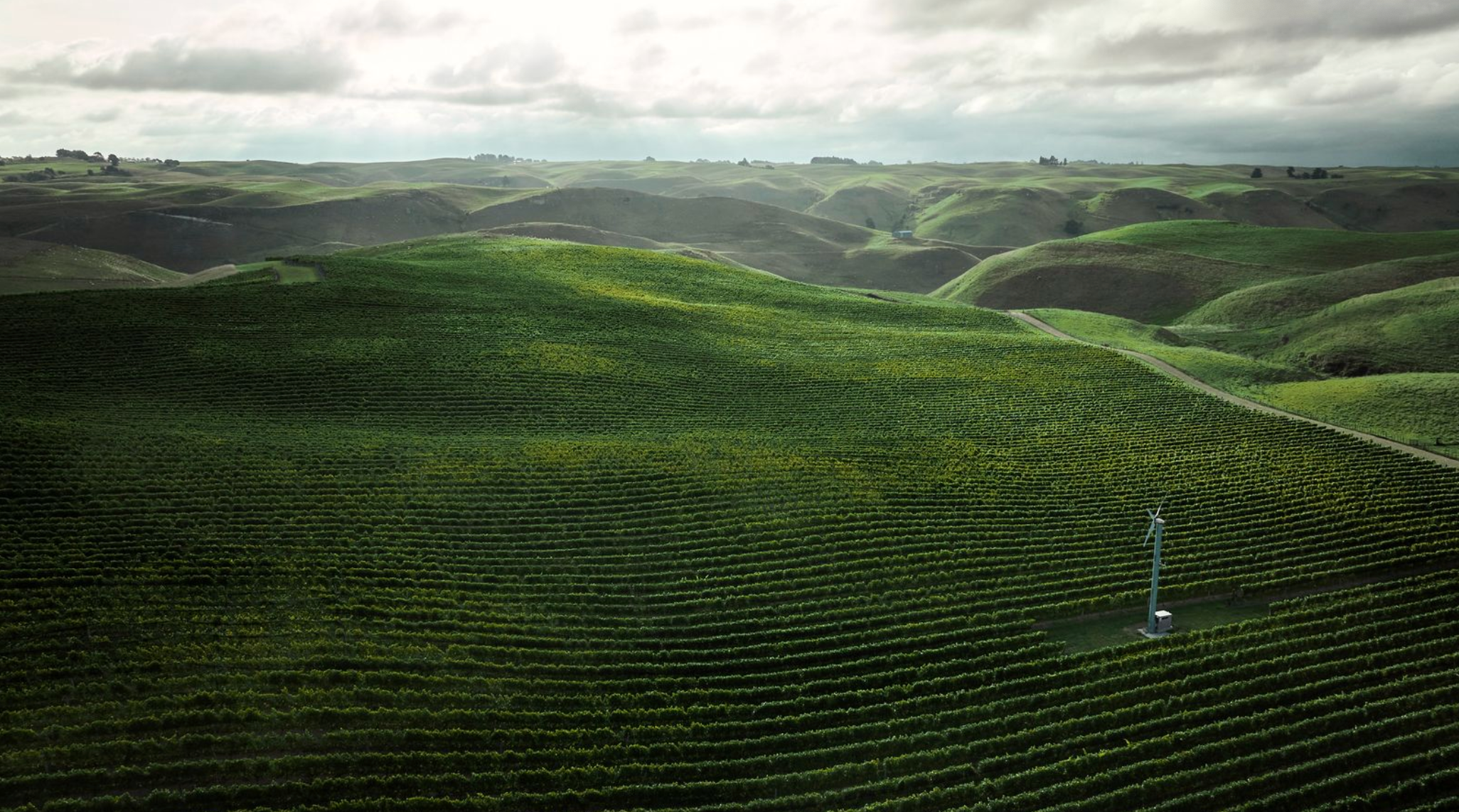
The Road Out of Auckland and What It Means for the Wine
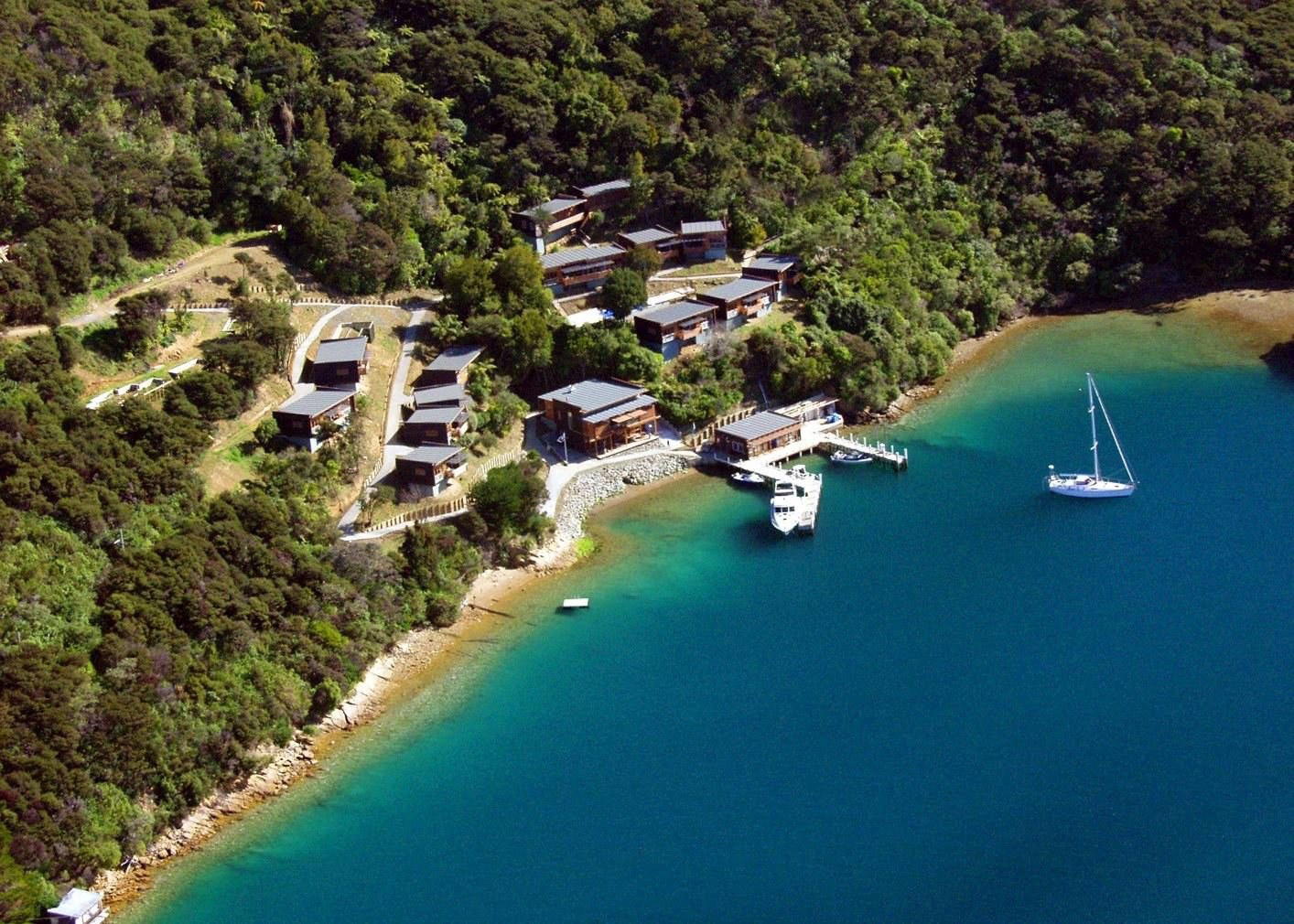
State Highway 16 northwest of Auckland is not a scenic wine route by the standards of Marlborough or Central Otago. It is a commuter corridor that doubles as a vineyard access road, and the flat-to-gently-rolling clay-loam soils of the Kumeu district tell a different story from the dramatic schist ridgelines of Bannockburn or the wide stony riverbeds around Blenheim. That ordinariness is, in part, the point. The Kumeu sub-region produces Chardonnay that earns its reputation not from a photogenic landscape but from what happens underground: heavy clay soils that stress the vine, restrict vigour, and concentrate flavour in ways that lighter, better-drained sites often cannot replicate. Kumeu River Wines, at 550 State Highway 16, sits at the centre of that argument. For visitors arriving from Auckland, the drive of roughly 30 kilometres takes under an hour outside peak traffic, which makes Kumeu River a day-visit proposition rather than an overnight itinerary.
Terroir Before Variety: How Kumeu's Clay Soils Shape the Glass
New Zealand's wine identity, internationally, runs through Marlborough Sauvignon Blanc and Central Otago Pinot Noir. The story of Kumeu Chardonnay exists largely outside that export narrative, which is partly why a visit to the cellar door carries a different register from a trip to Cloudy Bay Vineyards in Blenheim or Wairau River Wines in Rapaura. The Kumeu sub-region sits within the Auckland wine zone, which is one of the country's oldest wine-producing areas but has received less international attention than the South Island regions that dominate export volumes. The soils here are predominantly heavy Waitemata clay, and their water-retentive character has been compared by a number of critics to the heavier clay patches found in certain Burgundian appellations, particularly in the Côte de Beaune. That comparison is not a marketing claim: it is a structural observation about soil type, drainage characteristics, and the type of Chardonnay expression those conditions reliably produce. Cool-climate tension, mineral mid-palate, and relatively modest alcohol levels are the markers most associated with the region, and Kumeu River is the estate whose wines most often appear in that conversation.
It is worth understanding the competitive context. South Island addresses like Greystone Wines in Waipara and Felton Road Wines in Bannockburn represent different soil and climate regimes and different varietal emphases. Martinborough producers such as Ata Rangi operate in a drier, more continental context. Craggy Range in Hastings works across multiple Hawke's Bay sub-regions. Kumeu River's position is distinct: it is the address that has, over decades, made the most sustained case that the Auckland region can produce Chardonnay that belongs in an international conversation about site-specific white wine, rather than serving purely a domestic or regional market.
What the Cellar Door Offers
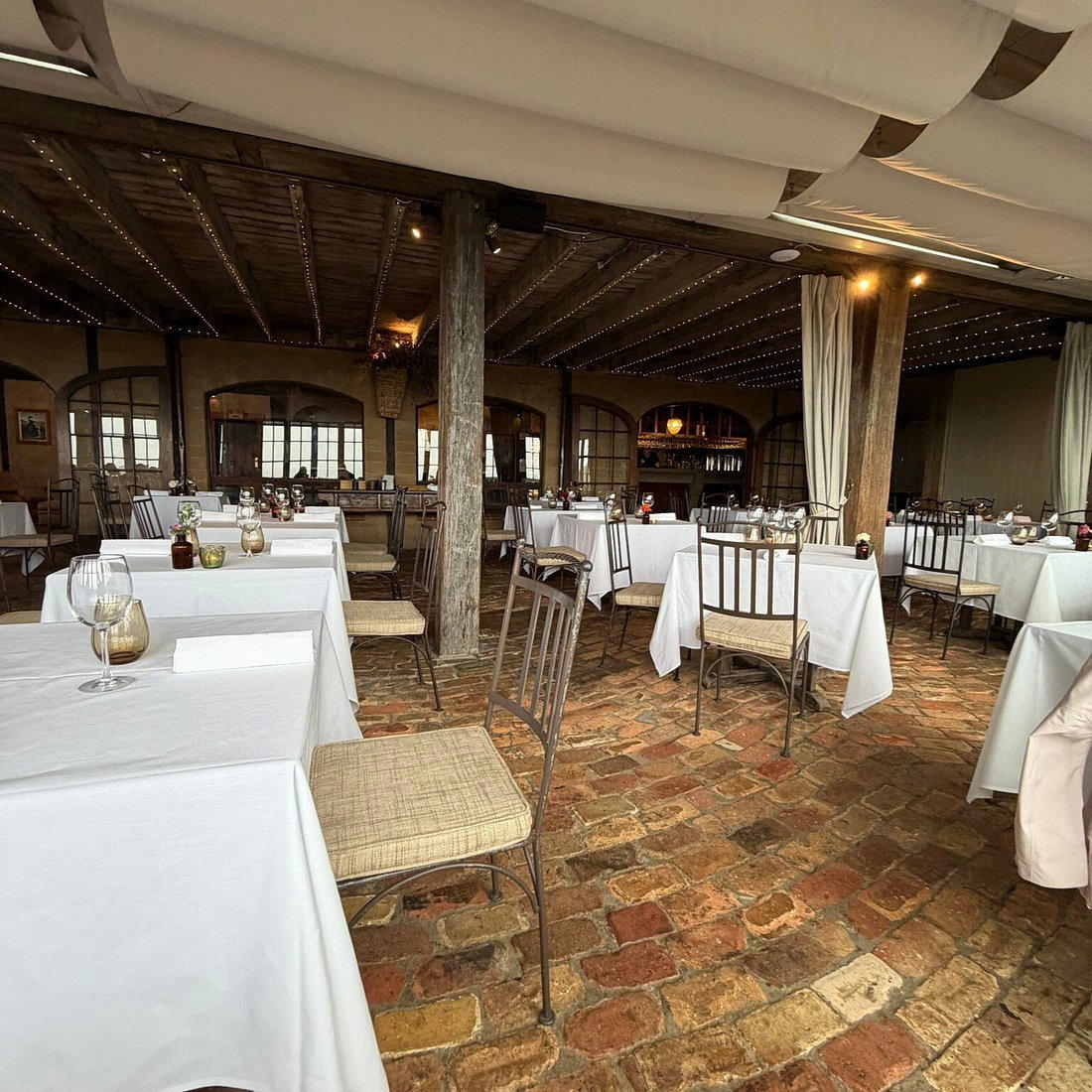
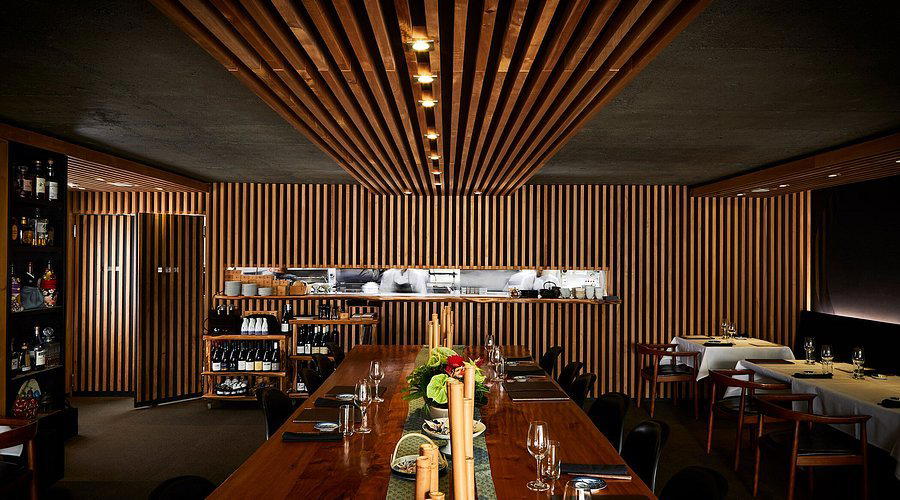
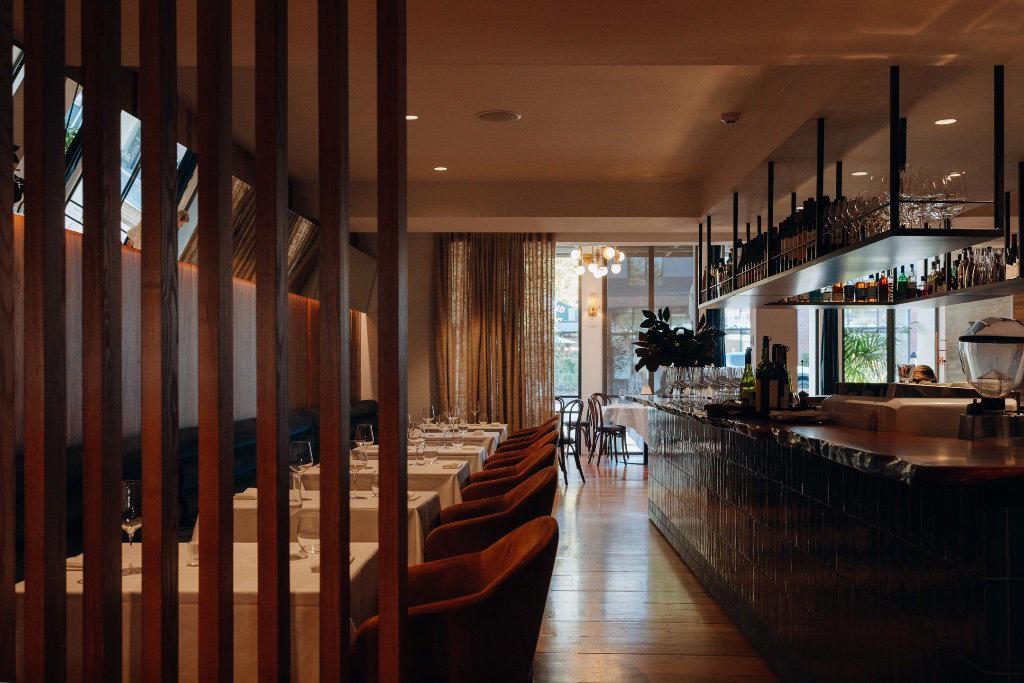
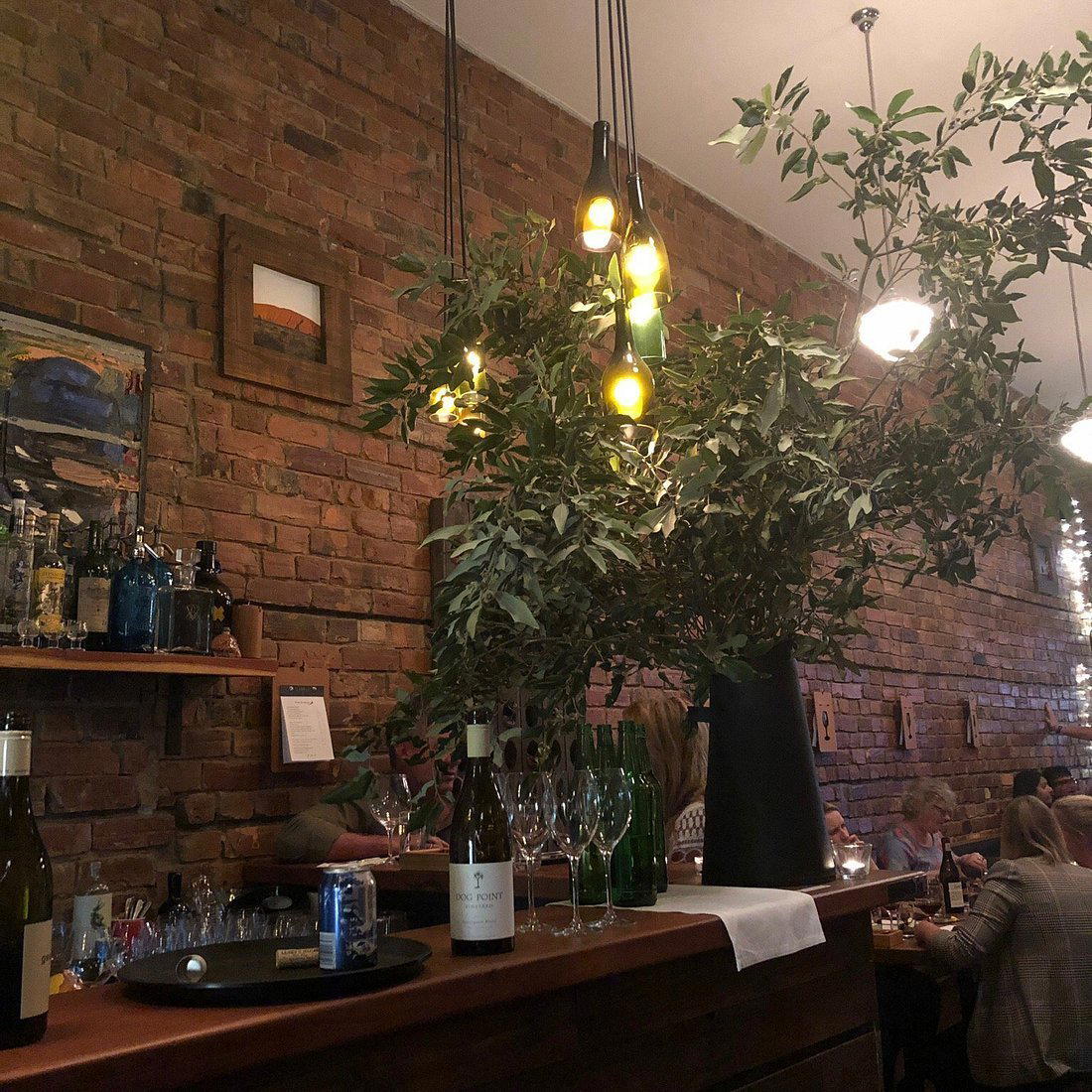
The tasting experience at Kumeu River is not structured around spectacle or high-production hospitality theatrics. The cellar door at the State Highway 16 address functions as a focused tasting environment: visitors come primarily to work through the range and understand how individual vineyard blocks and different production approaches produce wines that diverge in structure and weight even within the same variety. The estate's multiple single-vineyard Chardonnays are the central item of interest, and any visit that does not spend time moving through the differences between those bottlings misses the argument the estate is making about place and site variation. For visitors planning around the wider Auckland wine circuit, this is relevant: our full Kumeu restaurants guide covers how to build a day that extends beyond the cellar door itself.
Internationally, the Kumeu model has more in common with small Burgundian domaines than with the large hospitality-centred estates found in Napa or the Wairau Valley. The focus is on the wine as the primary experience, with the environment and format serving that rather than competing with it. For visitors accustomed to the full-service restaurant formats and landscape-driven appeal of properties like Rippon Vineyard in Wānaka, Kumeu River will feel more austere. That austerity is consistent with the style of wine it produces.
Placing Kumeu River in the New Zealand Premium Wine Tier
New Zealand's premium wine sector has consolidated around a relatively small number of estates that consistently attract international critic attention and, with it, the export pricing and allocation dynamics that define the upper tier. The comparison set for the estate is not primarily domestic. In terms of critical positioning, Kumeu River's Chardonnays are regularly discussed alongside other serious cool-climate white wine producers globally: estates working in Burgundy, the Yarra Valley, and coastal California. Domestically, it occupies a position that few Auckland-region producers can claim.
For travellers whose wine itineraries tend toward the Southern Hemisphere's more celebrated addresses, including the Burgundy-influenced biodynamic work at Bosman Family Vineyards in Wellington or internationally distributed names like Accendo Cellars in St. Helena and Adelaida Vineyards in Paso Robles, Kumeu River offers something that the majority of better-known New Zealand cellar doors cannot: an argument about a specific piece of ground, made consistently over a long period of time. That is what terroir-focused wine culture looks like in practice, and it is the quality most worth seeking out on a visit here.
Planning a Visit
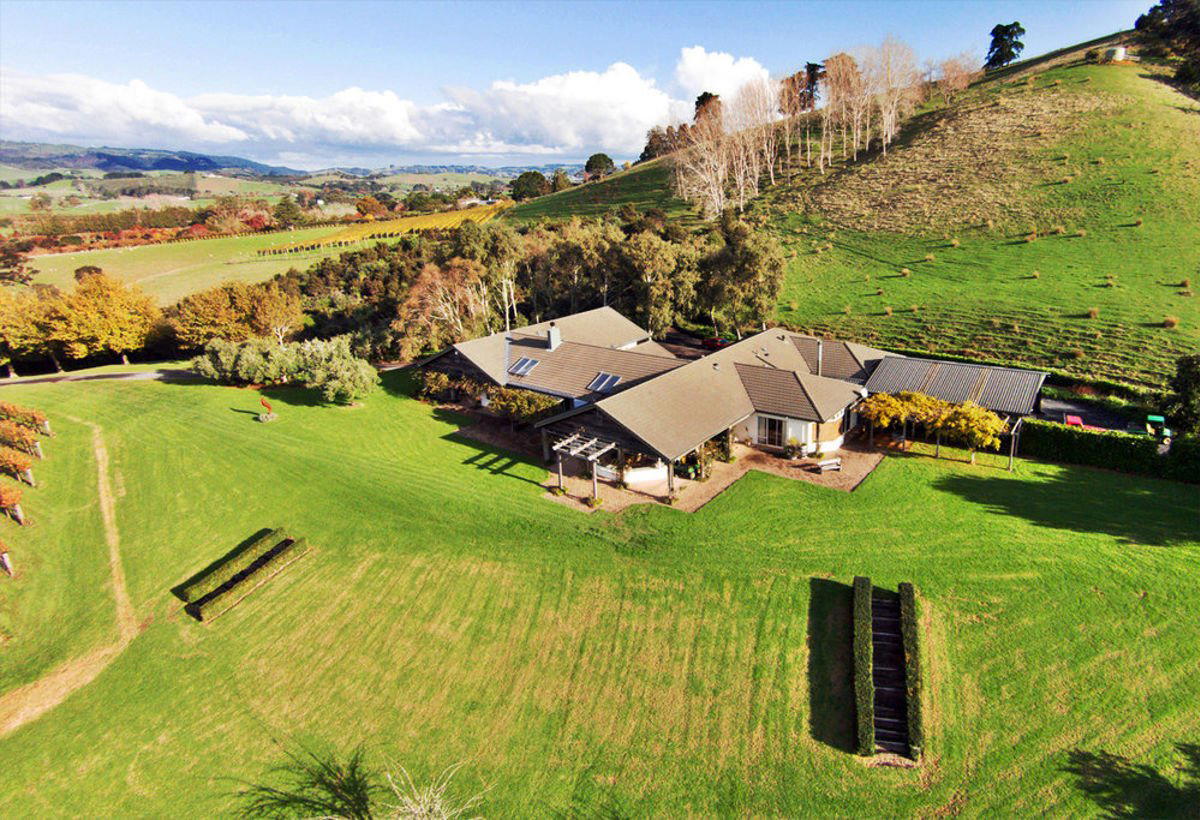
The estate sits at 550 State Highway 16 in Kumeu, within direct driving distance of central Auckland. The most practical approach for visitors based in the city is to combine a morning cellar-door visit with time in the broader Kumeu township and surrounding district, using our Kumeu guide to structure the rest of the day. That said, the directness of the experience, no long degustation format, no resort infrastructure, just wine, context, and the chance to taste what these particular clay soils produce, is an attraction in itself for visitors who have grown sceptical of the hospitality overhead that comes with many premium winery visits in more commercially developed regions.
Comparable Spots, Quickly
Comparable venues nearby, for context on price, style, and recognition.
| Venue | Cuisine | Price | Awards | Notes |
|---|---|---|---|---|
| Kumeu River WinesThis venue — the venue you are viewing | Chardonnay, Pinot Gris | $20–30 | World's 50 Best #90 · Falstaff Winery - 5 Stars | Not listed |
| Ata Rangi | Pinot Noir, Chardonnay | Not listed | World's 50 Best #100 · Falstaff Winery - 5 Stars | Martinborough |
| Diemersfontein | Winery | Not listed | Not listed | Wellington |
| Wairau River Wines | Sauvignon Blanc, Pinot Noir | $20–30 | World's 50 Best #52 · Falstaff Winery - 2 Stars | Rapaura |
| Greystone Wines | Pinot Noir, Chardonnay | $20–30 | World's 50 Best #89 · Falstaff Winery - 4 Stars | Waipara Valley |
| Cloudy Bay Vineyards | Sauvignon Blanc, Chardonnay | $30–50 | World's 50 Best #26 · Falstaff Winery - 4 Stars | Wairau Valley |
Recognition history
Dated appearances from independent guides and award organizations, with the underlying list record or original source where available.
World's 50 Best Vineyards #90
World's 50 Best
Falstaff Winery - 5 Stars
Falstaff
Continue exploring
More in Kumeu
Wineries in Kumeu
Browse all →
Bars in Kumeu
Browse all →
Restaurants in Kumeu
Browse all →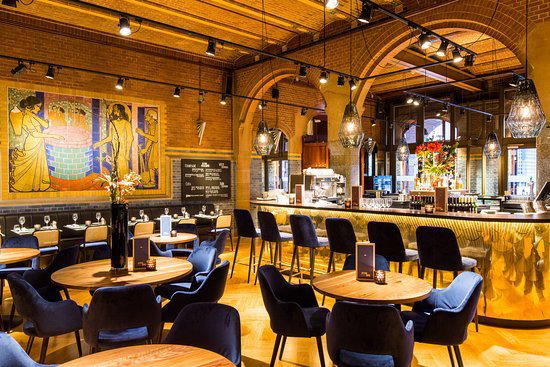
Details
- Classic
- Elegant
- Rustic
- Scenic
- Wine Education
- Solo Exploration
- Estate Grounds
- Sustainable
- Vineyard
- Chardonnay
- Pinot Gris
- Merlot
- Syrah
- Pinotage
- Sauvignon Blanc
- Still White
- Sparkling
- Cellar Door Tasting
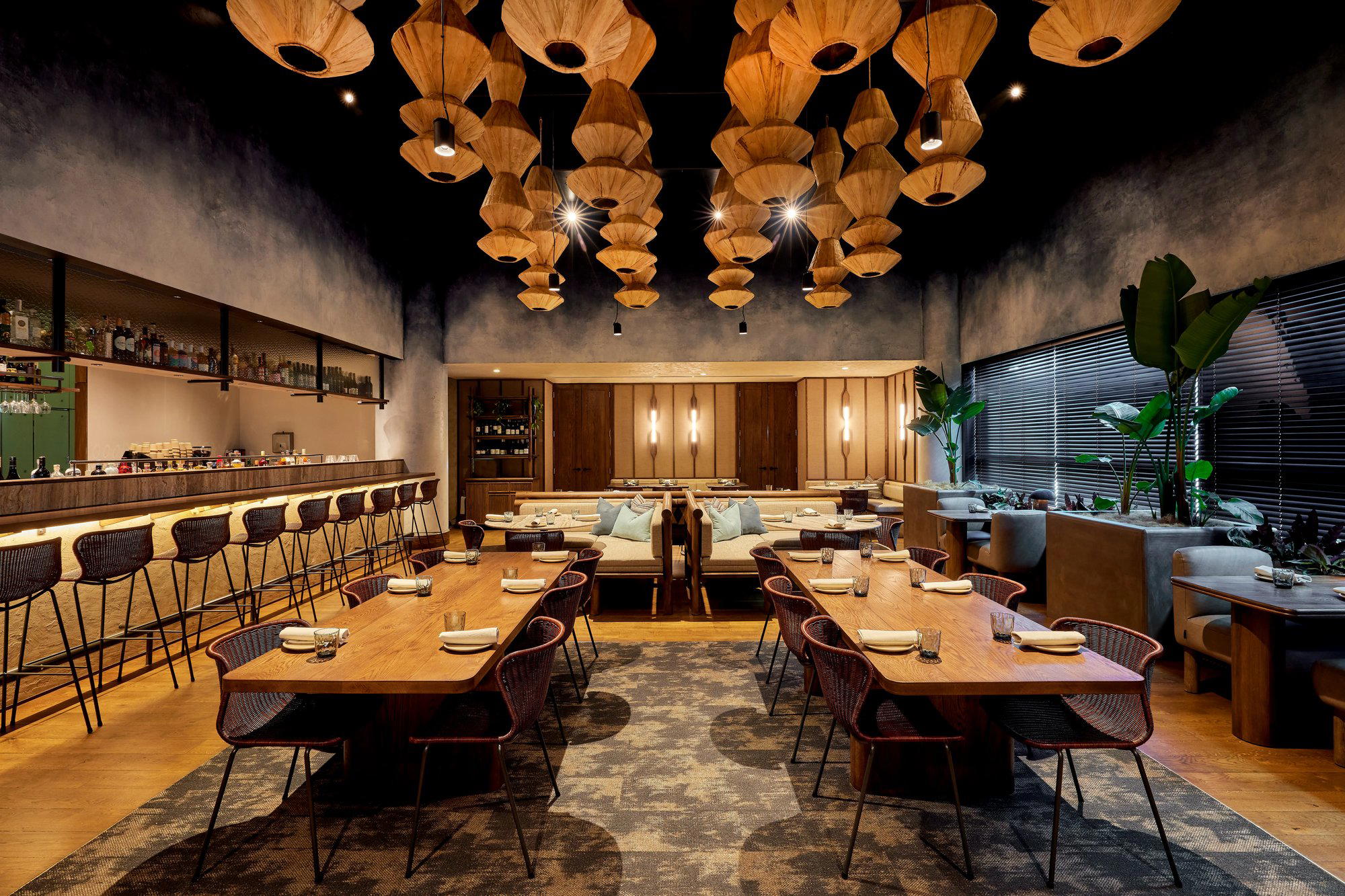
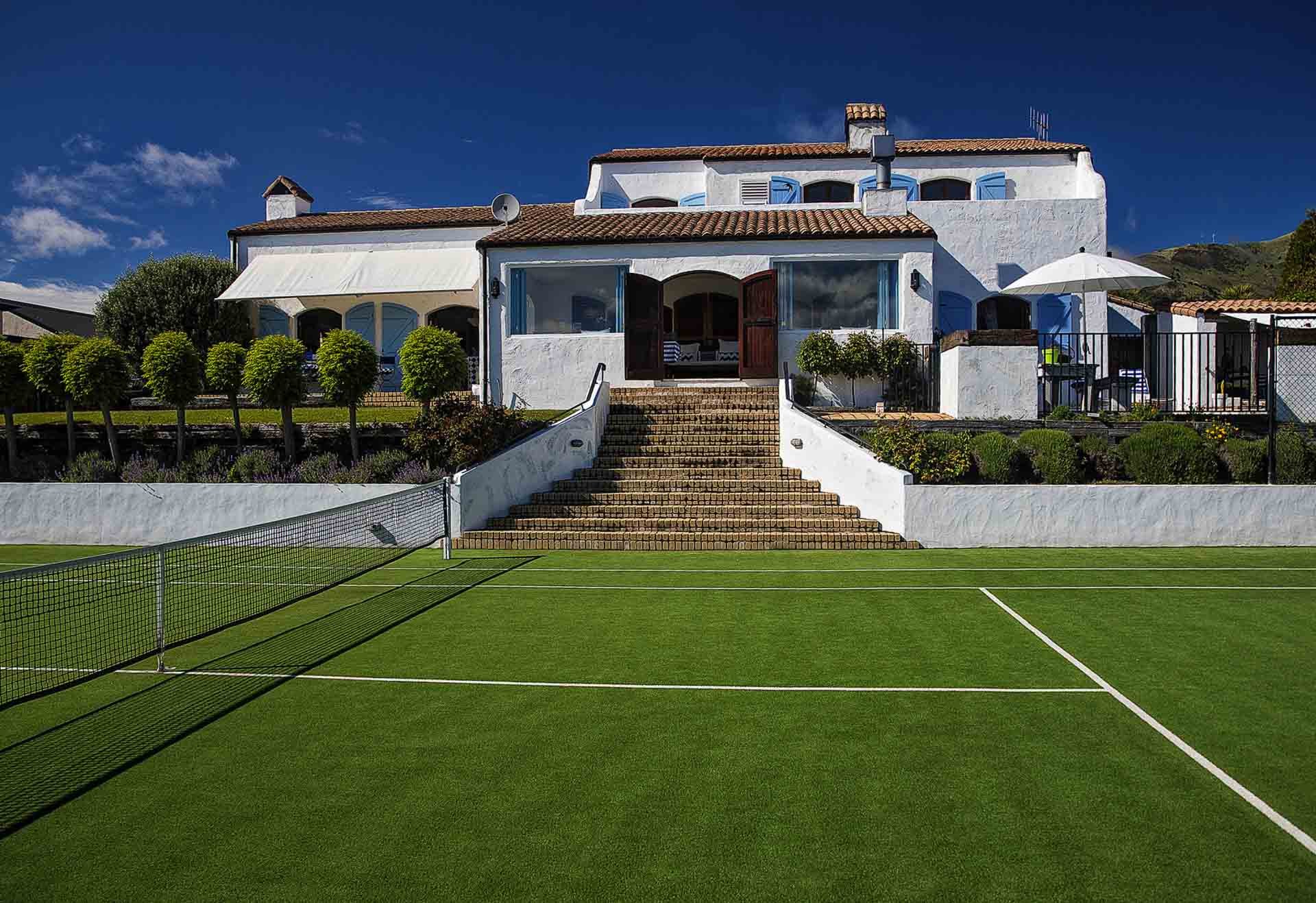
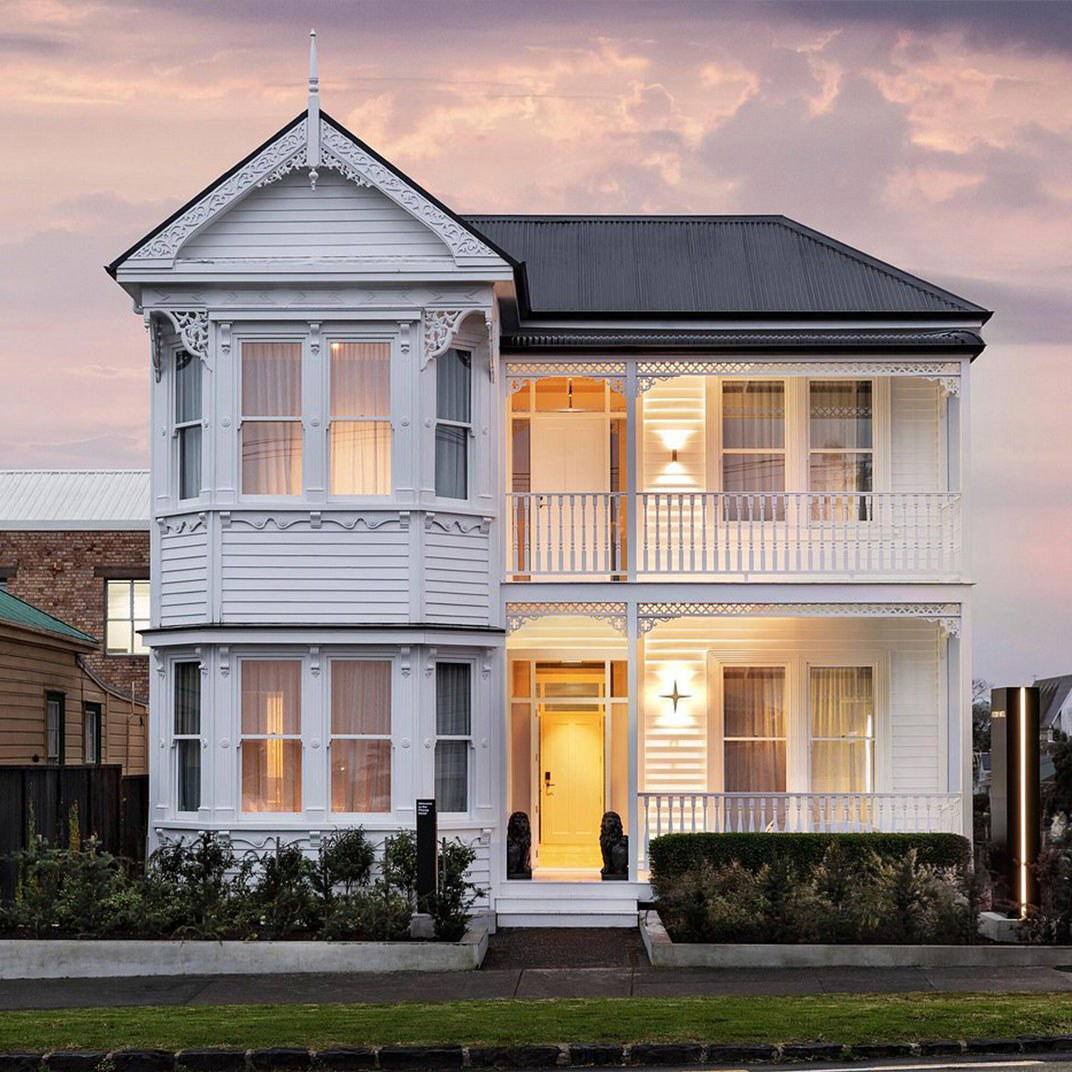
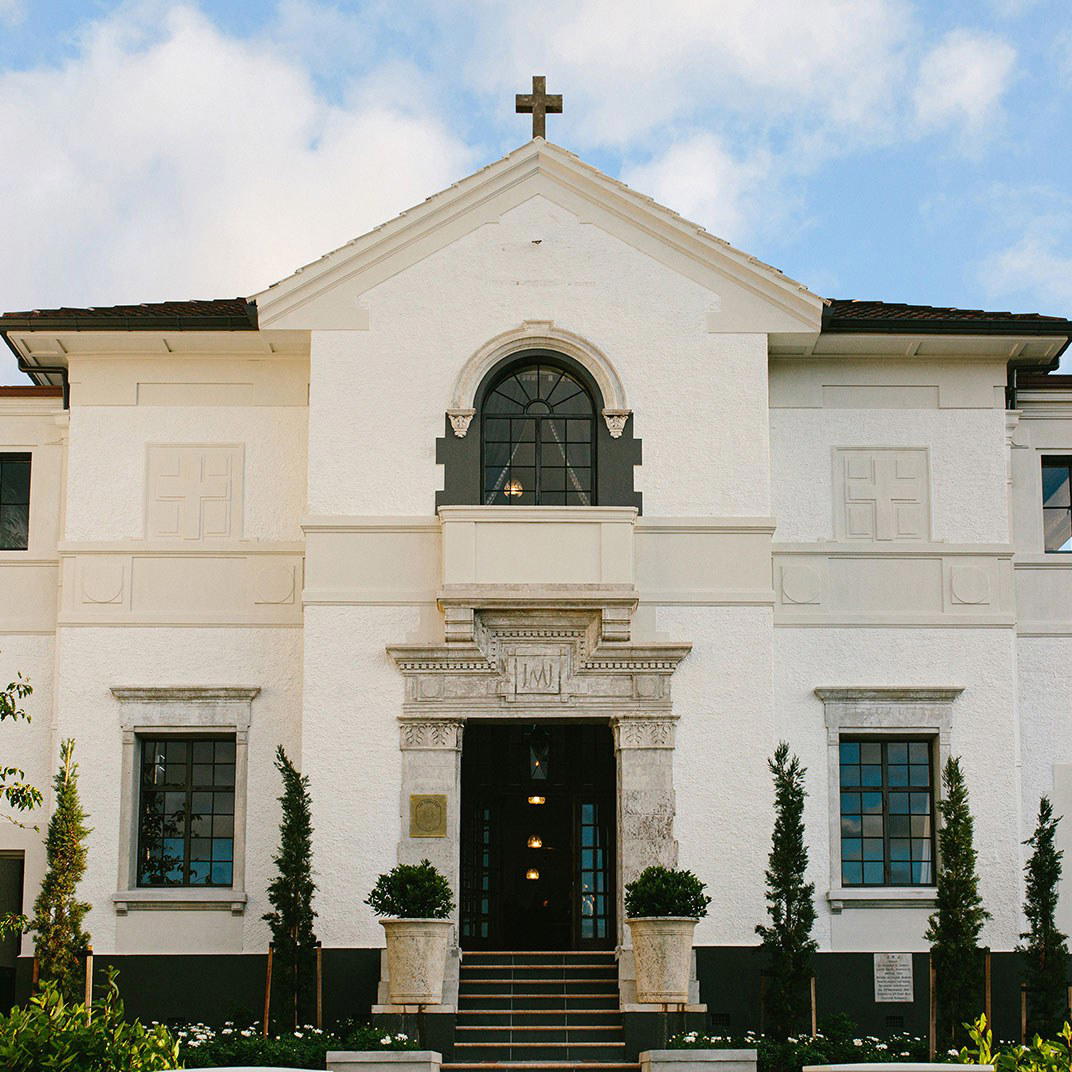
Refined and welcoming family-run cellar door with knowledgeable staff, focused on high-quality wine tastings in a historic winery setting.