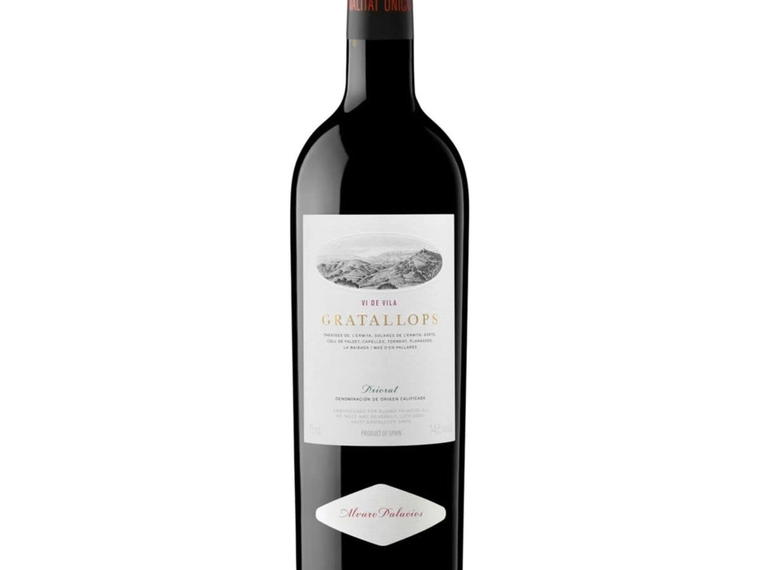
1
Gratallops, Spain


Álvaro Palacios
Álvaro Palacios operates from Gratallops at the heart of Priorat, a region where slate soils and near-vertical vineyard gradients produce some of Spain's most structurally demanding red wines..
Results
Gratallops, Spain
Álvaro Palacios operates from Gratallops at the heart of Priorat, a region where slate soils and near-vertical vineyard gradients produce some of Spain's most structurally demanding red wines..
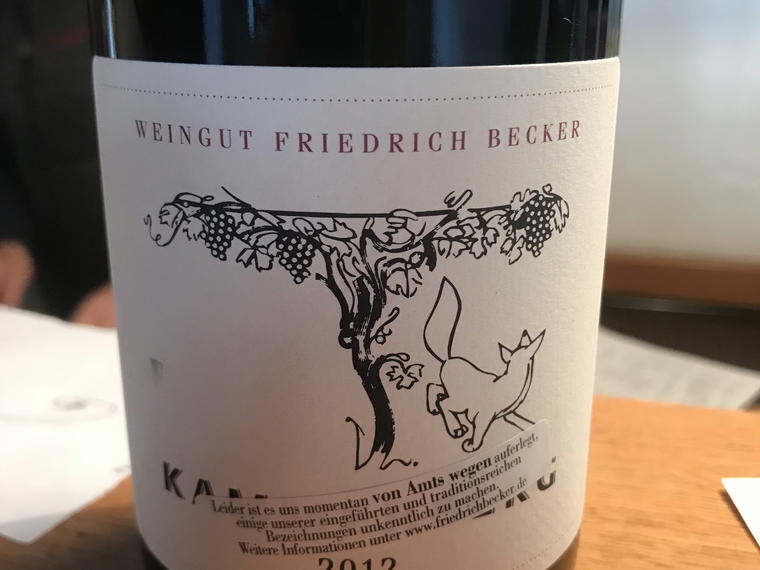
Schweigen-Rechtenbach, Germany
Weingut Friedrich Becker operates from the far southern tip of the Pfalz, where the vineyards cross into Alsace and the soils shift in ways that show clearly in the glass.
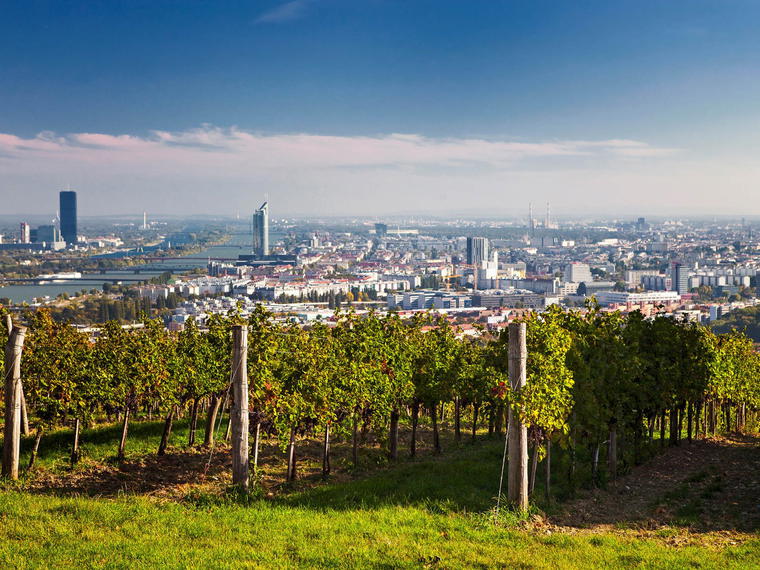
Vienna, Austria
Weingut Fritz Wieninger operates from Vienna's 21st district, Stammersdorf, one of the city's principal wine-growing communes. For those tracing the Viennese Heuriger tradition through a sustainability lens, Wieninger represents a reference point in urban viticulture.
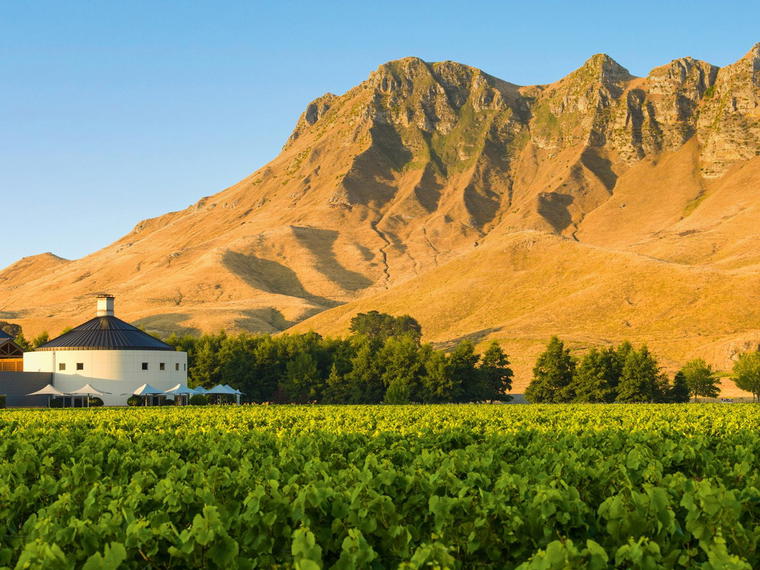
Göttlesbrunn, Austria
Weingut Gerhard Markowitsch is a Göttlesbrunn winery. The estate addresses sit at Pfarrgasse 6 in the village centre, positioning it within easy reach of the broader cluster of Göttlesbrunn producers. Visitors serious about Austrian red wine will find it a substantive stop on any regional itinerary.
Gols, Austria
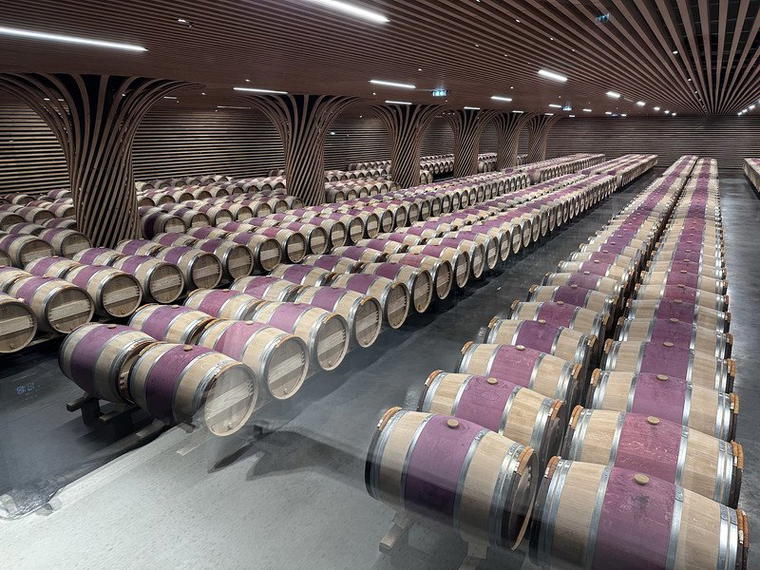
Weingut Gernot und Heike Heinrich operates from Baumgarten 60 in Gols, at the heart of Austria's Neusiedlersee wine region. A visit here sits inside a broader tradition of Burgenland red and white wine production that has earned the village an outsized reputation relative to its size.
Deutschkreutz, Austria
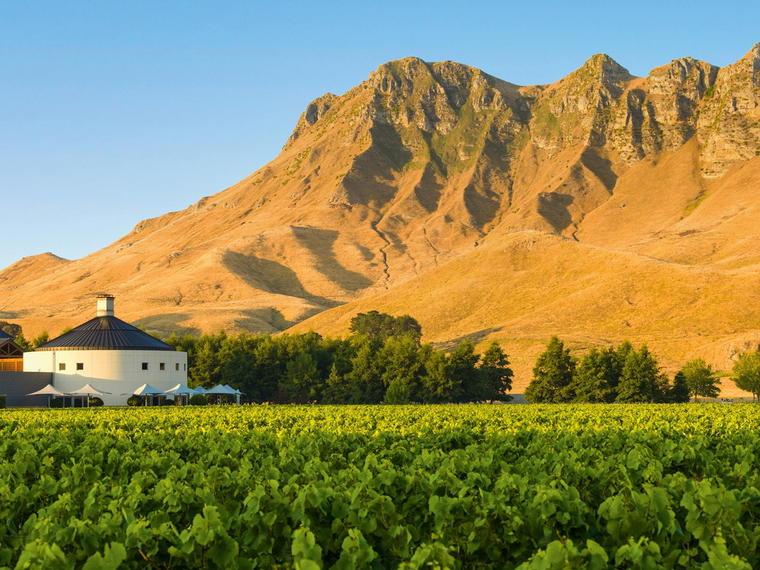
The estate sits within a village where several serious producers work within close proximity, making it a reference point for the region's premium tier.
Schwaigern, Germany
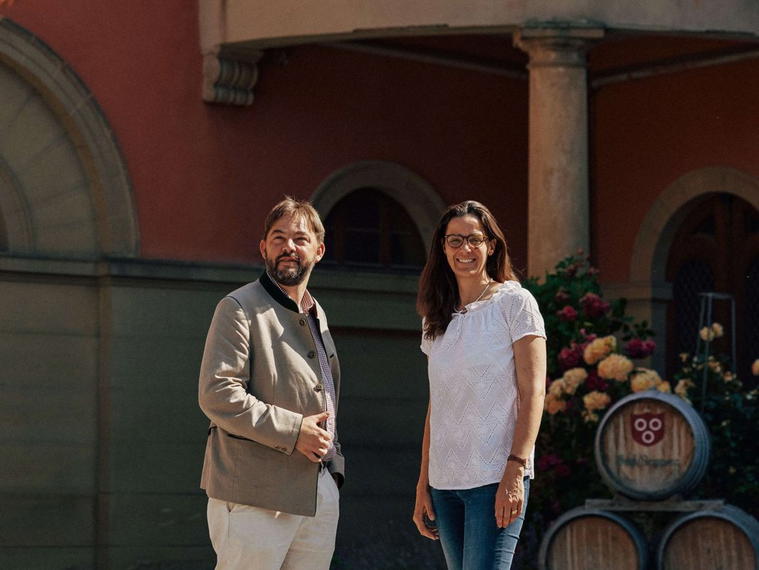
The estate operates within a region where centuries of viticulture have shaped both the soils and the expectations. For visitors seeking serious German wine from an awarded address, this is a considered destination.
Illmitz, Austria
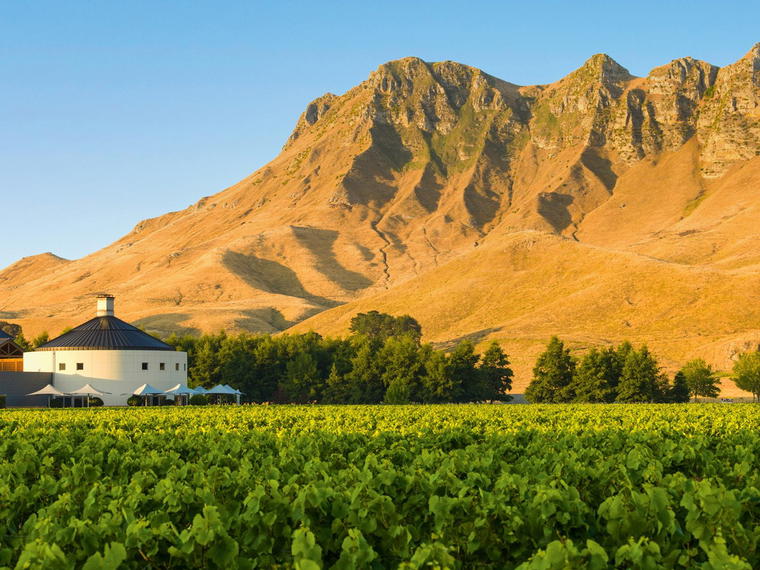
Weingut Hans Tschida operates from the heart of Illmitz, one of Austria's most climate-privileged wine villages on the western shore of Neusiedlersee. A serious address for anyone tracing Austrian sweet wine at its most site-specific.
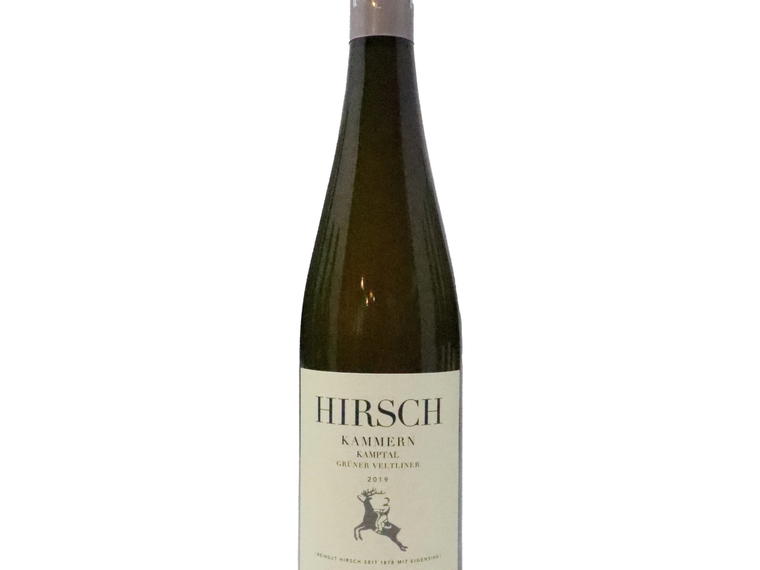
Kammern, Austria
Weingut Hirsch sits in Kammern im Kamp, a small village in the Kamptal wine region where the river valley's steep primary rock terraces and continental climate shape wines of pronounced mineral character.
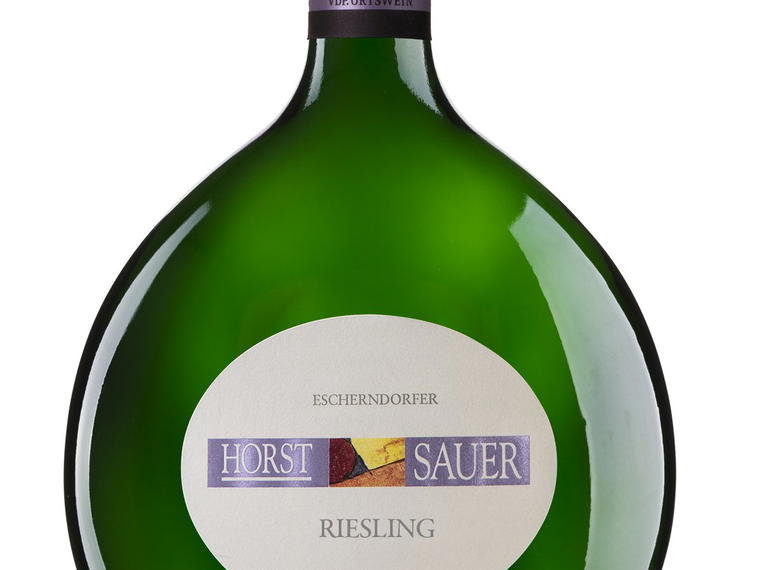
Escherndorf, Germany
Weingut Horst Sauer operates from Escherndorf in Franken, one of Germany's most distinct wine regions, where steep Muschelkalk slopes and a continental climate shape Silvaner and Riesling of uncommon tension and mineral depth. The winery sits on Bocksbeutelstraße 14 in Volkach, the traditional heart of Franken wine country.
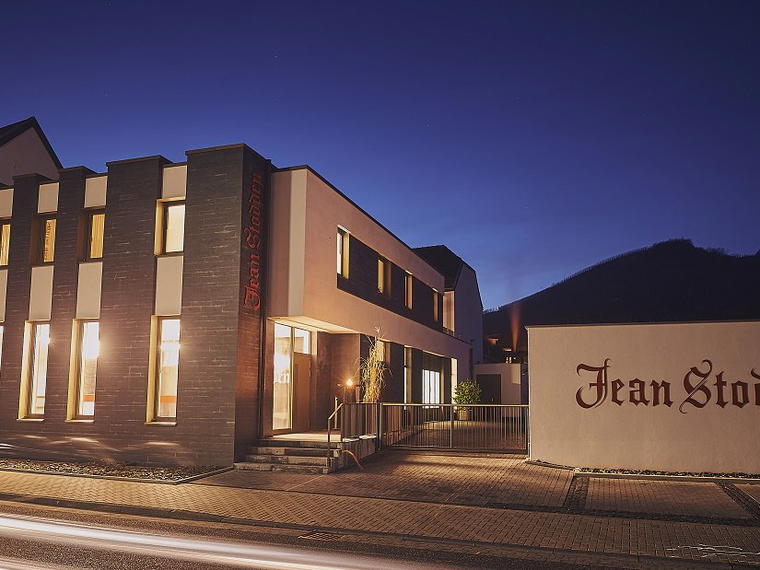
Rech, Germany
Weingut Jean Stodden operates from the Ahr Valley village of Rech, a region where Spätburgunder grown on volcanic slate and greywacke soils produces some of Germany's most structurally serious red wines. Visiting requires planning, but rewards it.
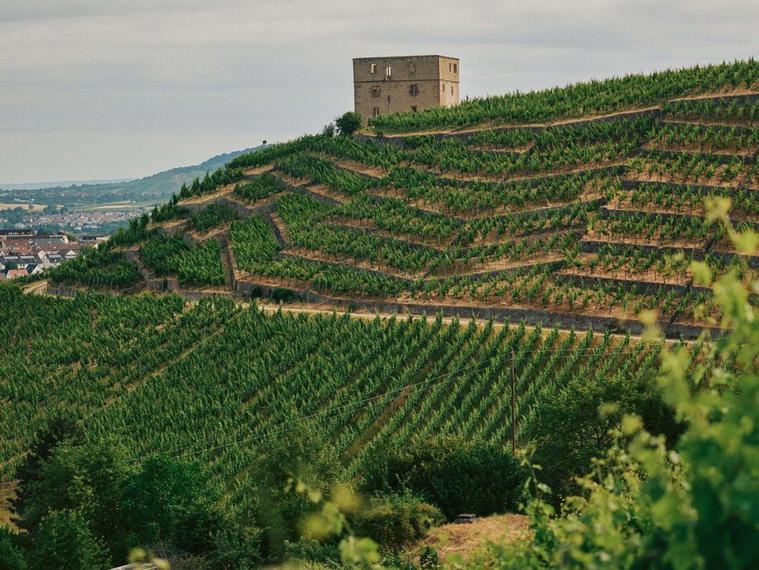
Kernen-Stetten, Germany
Weingut Karl Haidle operates from the Remstal village of Kernen-Stetten, a sub-region of Württemberg that has spent decades building a case for serious German wine outside the established Rhine and Mosel corridors..
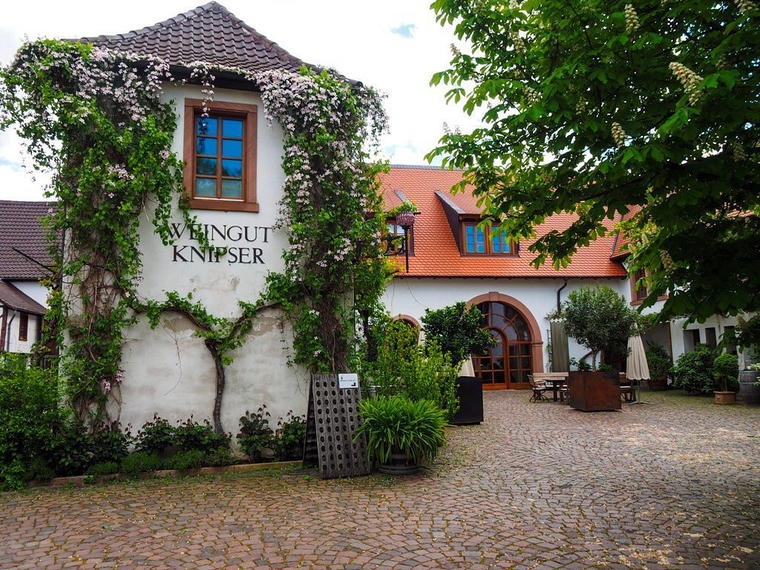
Laumersheim, Germany
Weingut Knipser operates from the village of Laumersheim in the Pfalz, one of Germany's most productive wine regions, where deep loess and limestone soils shape wines of considerable structure. For serious Pfalz exploration, Knipser is a reference-point address.
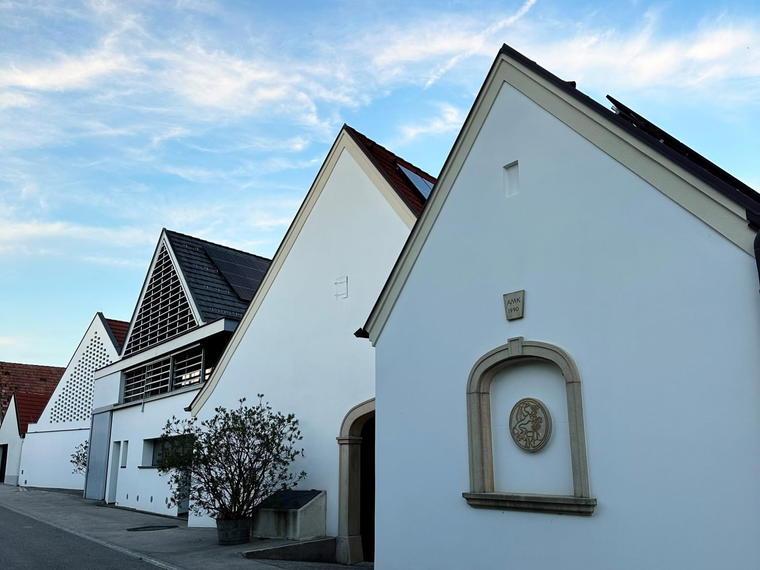
Großhöflein, Austria
The estate sits within one of Central Europe's most discussed red and white wine zones, where the Pannonian climate and volcanic-influenced soils push ripeness while preserving structure. For those tracing Austria's top producer tier, Kollwentz is a reference point.
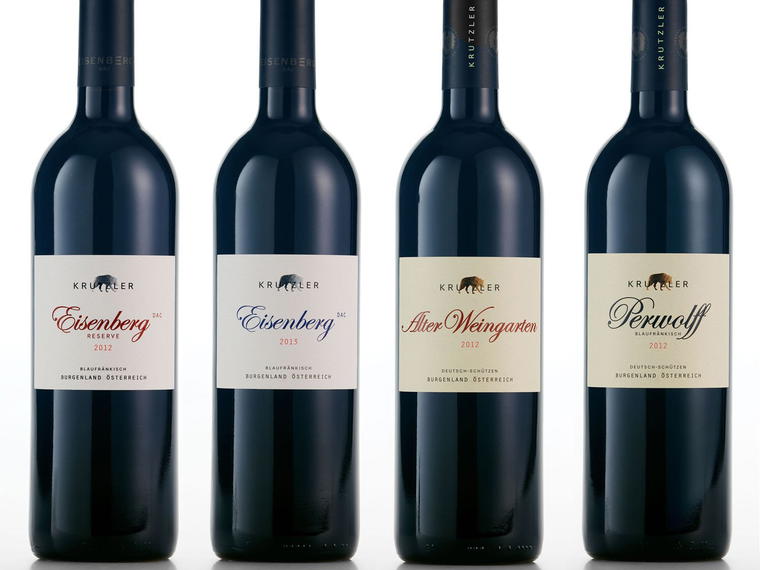
Deutsch Schützen, Austria
Weingut Krutzler Distillery operates from Deutsch Schützen in Austria's Burgenland, a southern wine corridor where volcanic and sedimentary soils produce wines of marked structural depth..
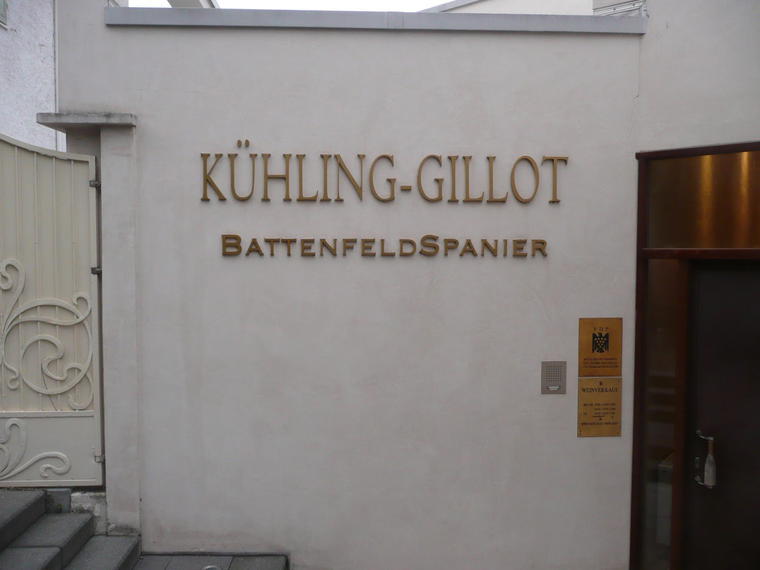
Bodenheim, Germany
Visitors approaching the cellar door encounter a working estate rooted in the red slate and loess soils that give Rheinhessen its most compelling Riesling and Pinot sites.
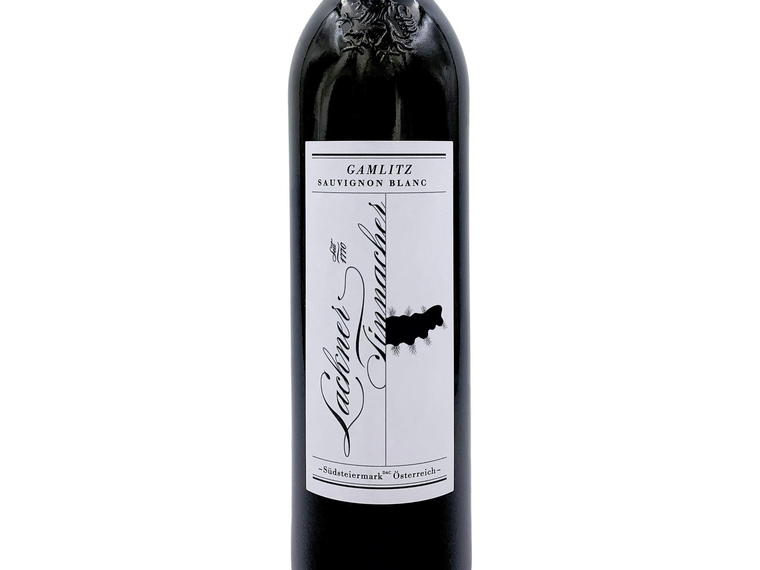
Gamlitz, Austria
The property sits on Steinbach, one of the area's more closely watched addresses for Sauvignon Blanc and Gelber Muskateller. For visitors making a circuit of Styrian producers, it belongs on the same itinerary as the region's other prestige-tier estates.
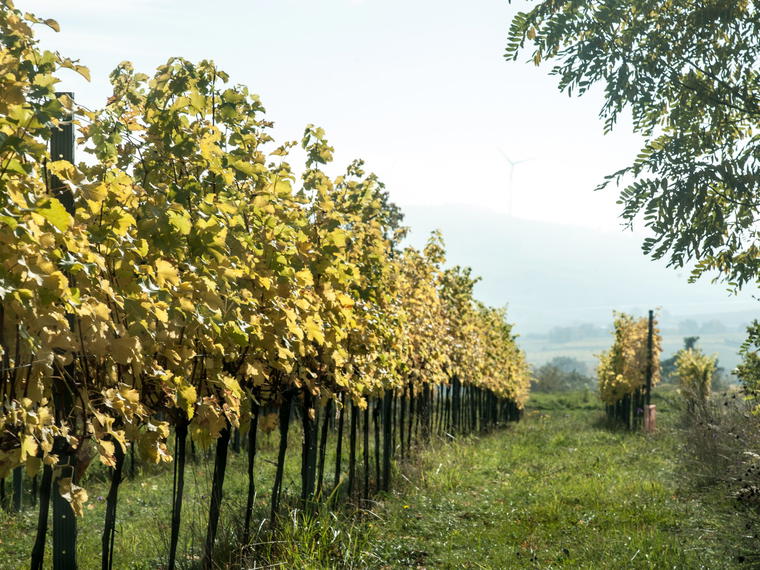
Inzersdorf, Austria
Weingut Ludwig Neumayer operates from the Traisental wine region in Lower Austria, where loess-heavy soils and a continental climate define a distinct house style. For those exploring Lower Austria's smaller appellations beyond the Wachau, Neumayer is a producer that rewards attention.
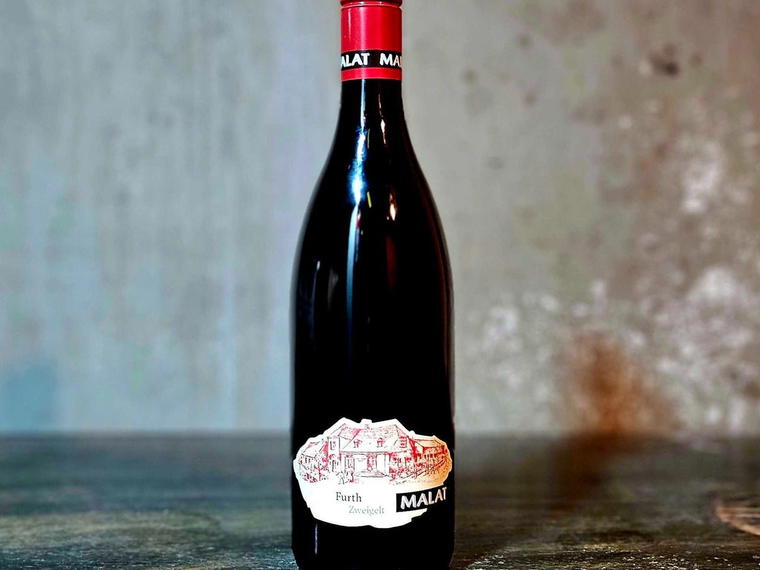
Furth Bei Göttweig, Austria
Weingut Malat sits in the Kremstal-adjacent Danube corridor at Furth bei Göttweig, where the shadow of the Göttweig monastery hill shapes both the microclimate and the wine. Visitors come for site-driven whites and reds shaped by the loess and primary rock soils characteristic of this stretch of Lower Austria.
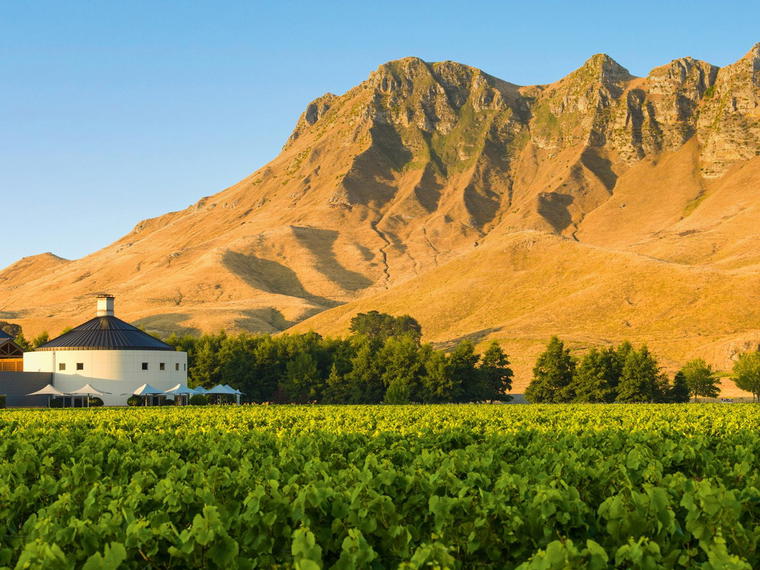
Gedersdorf, Austria
The estate sits at Hauptstraße 50 in one of Lower Austria's most closely watched wine villages, where loess-heavy soils and the continental influence of the Danube corridor shape production across the appellation. For visitors tracing Austrian white wine at serious depth, Mantlerhof is a practical and credible starting point.
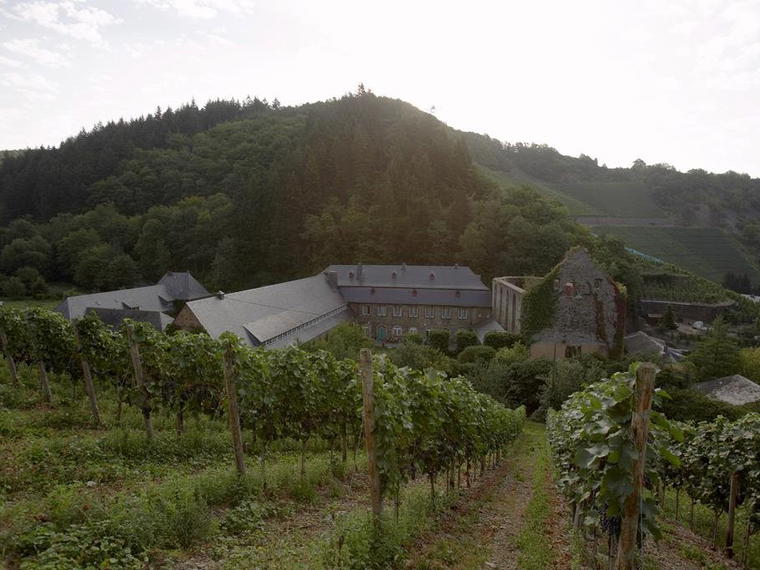
Dernau, Germany
Weingut Meyer-Näkel operates from the Ahr valley village of Dernau, one of Germany's northernmost red-wine appellations and a region that has drawn serious attention for Spätburgunder of genuine depth..
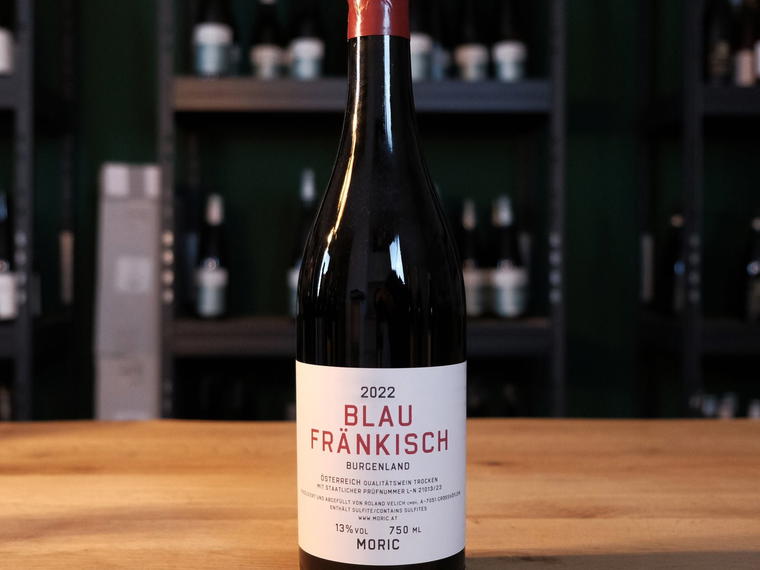
Großhöflein, Austria
The estate addresses a narrow, philosophically consistent register of red winemaking in a region more often associated with volume than precision. For collectors tracking Austrian Blaufränkisch, Moric functions as a reference point.
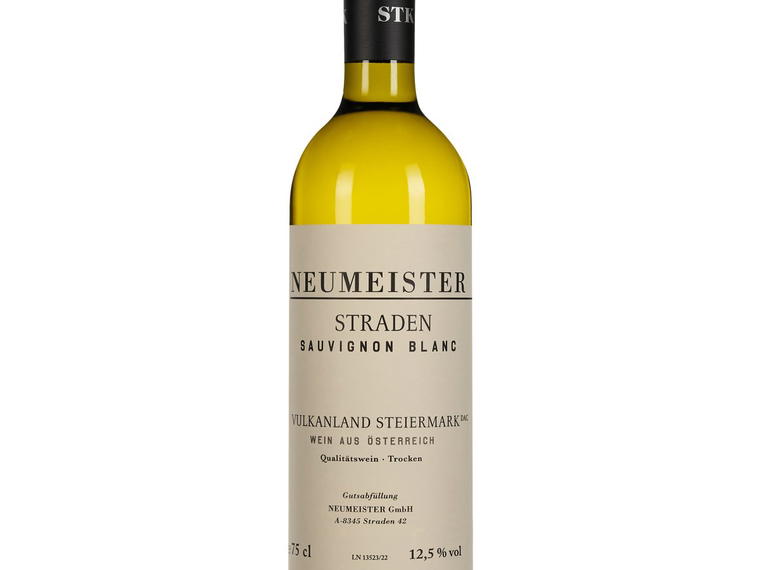
Straden, Austria
Weingut Neumeister sits in Straden, in Austria's Südsteiermark, where the steep volcanic ridges and warm Pannonian air produce some of the region's most expressive white wines. The address at Kronnersdorf 147 anchors it deep in wine country, well removed from the tourist circuits of better-known Austrian regions.
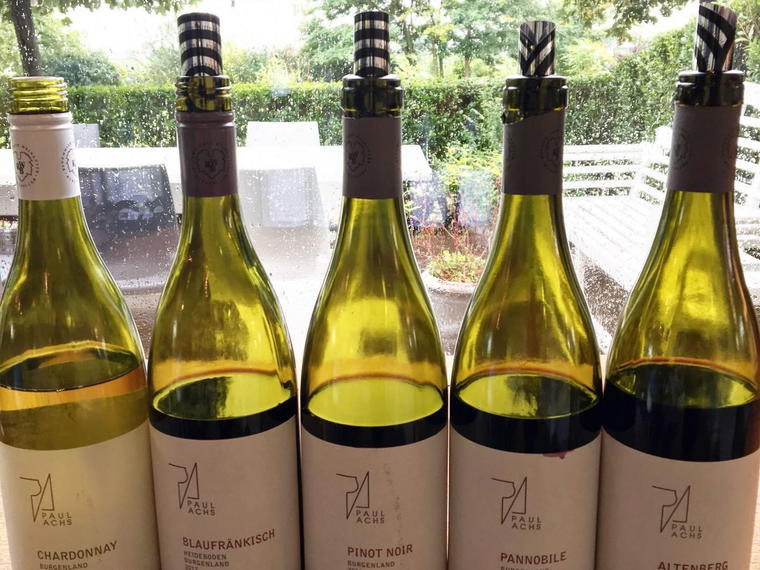
Gols, Austria
Weingut Paul Achs operates from Neubaugasse 13 in Gols, a village whose concentration of serious producers makes it one of Austria's most closely watched red wine addresses. Gols rewards a direct visit: the winery sits within walking distance of several peer estates, making a half-day of cellar exploration direct to plan.
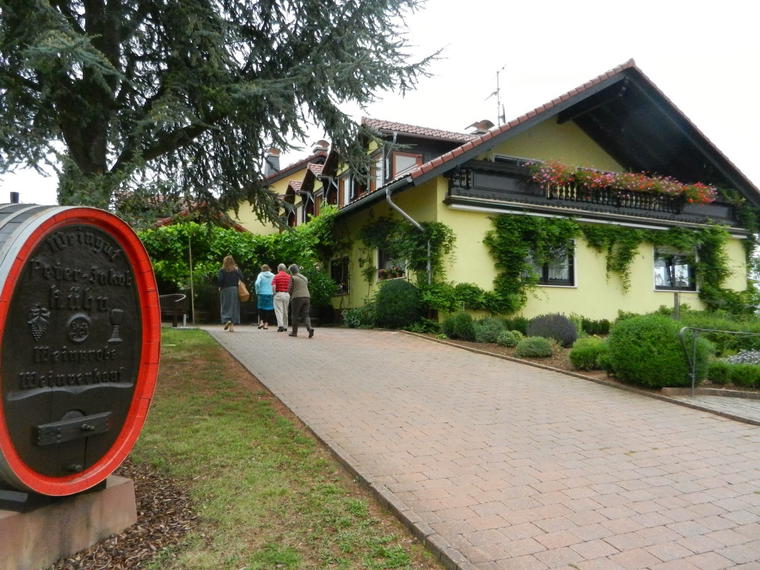
Oestrich-Winkel, Germany
Weingut Peter Jakob Kühn is a Rheingau estate in Oestrich-Winkel. The estate works within a Riesling tradition that has defined this stretch of the Rhine for centuries, with a tasting format that rewards visitors who arrive with time and curiosity rather than a checklist.
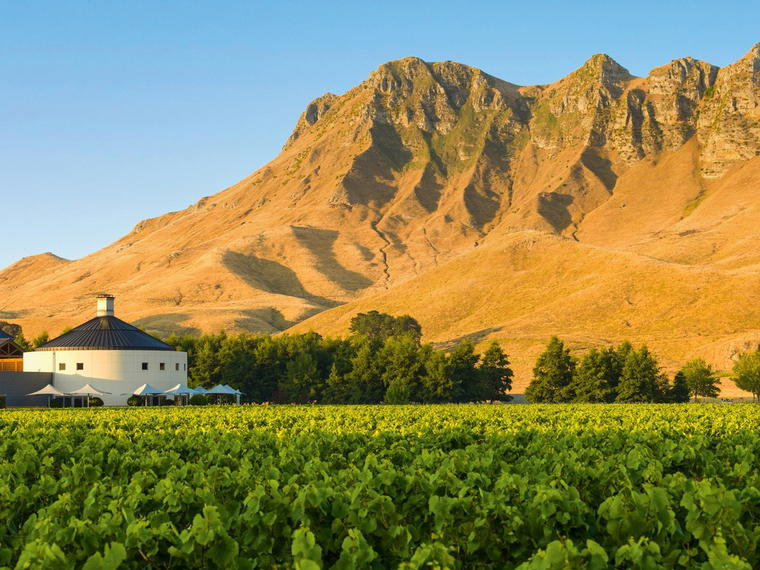
Göttlesbrunn, Austria
Weingut Philipp Grassl operates from Am Graben in Göttlesbrunn, one of Lower Austria's most concentrated pockets of serious red wine production.. Visitors arrive for wines shaped by the Carnuntum region's warm pannonian climate and its characteristically structured Blaufränkisch and Zweigelt.
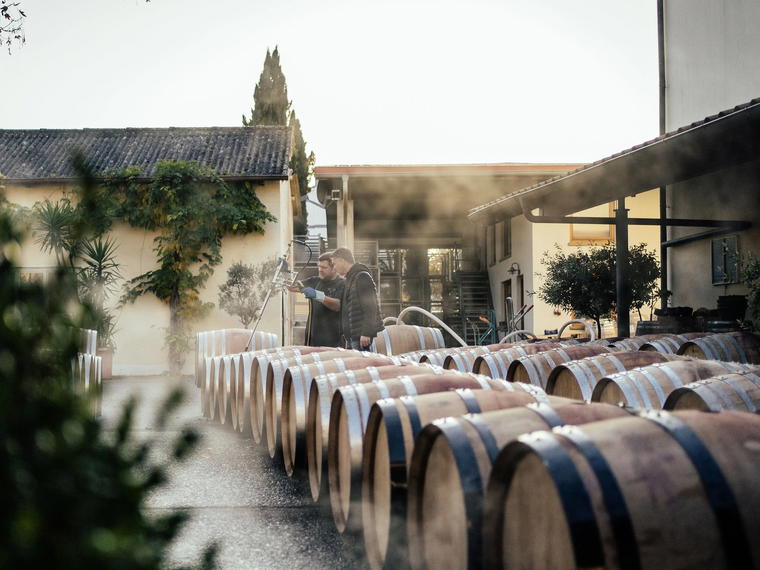
Laumersheim, Germany
The estate operates at the quieter, allocation-conscious end of German wine tourism, where the visit itself carries more weight than any tasting-room spectacle.
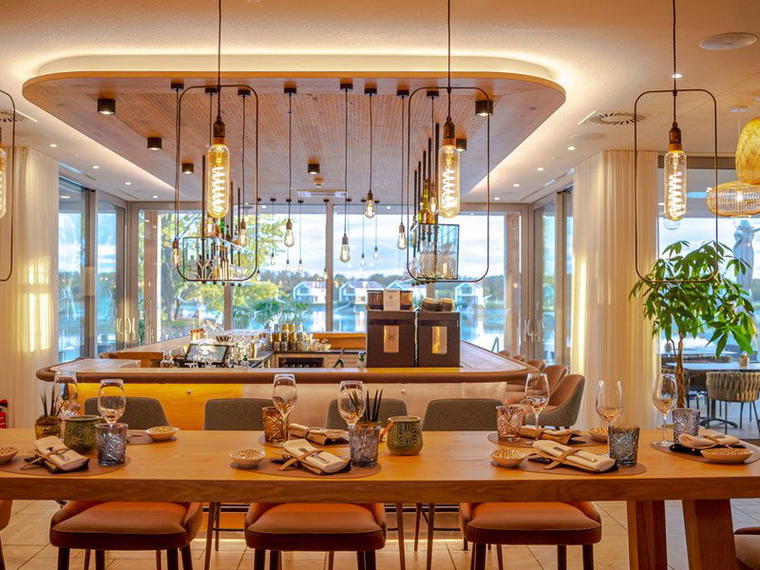
Mönchhof, Austria
Weingut Pöckl operates from Mönchhof in Austria's Burgenland region, where the flatlands bordering Lake Neusiedl produce some of the country's most recognised red wines. Visitors to the Seewinkel area will find Pöckl a reference point for understanding what serious Burgenland viticulture looks like.
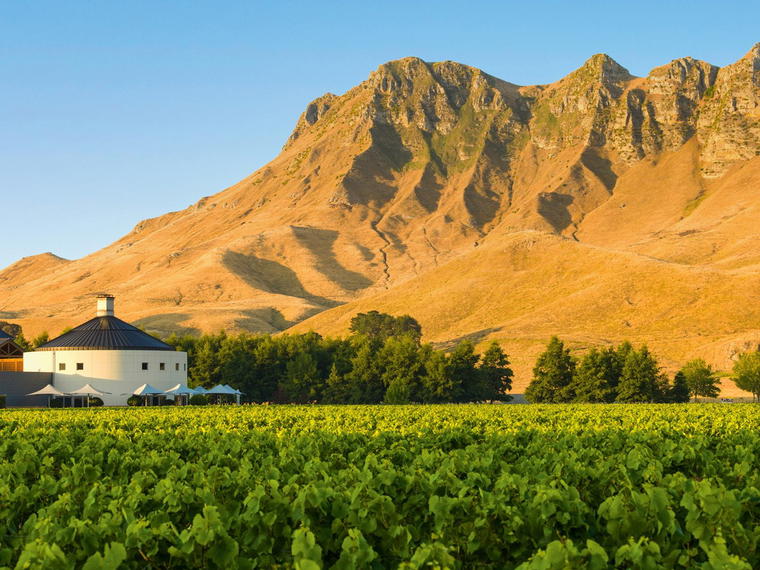
Weißenkirchen, Austria
Weingut Prager is a Wachau estate in Weißenkirchen. The address on Wachaustraße puts it at the centre of one of Austria's most tightly defined wine villages. Serious collectors and Wachau visitors alike treat it as a primary reference point for the region's terraced, high-altitude style.
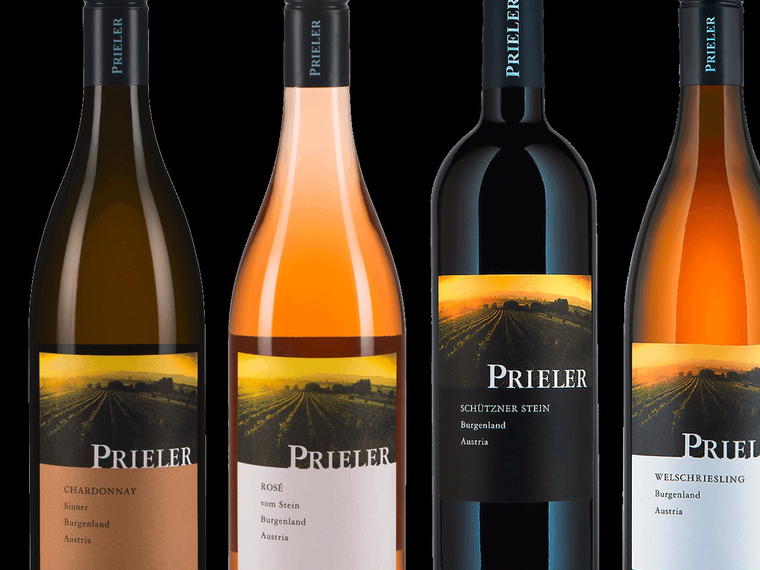
Schützen, Austria
Weingut Prieler sits in Schützen am Gebirge, a compact village at the foot of the Leitha Mountains where Burgenland's limestone-threaded soils produce wines of notable structure and restraint..
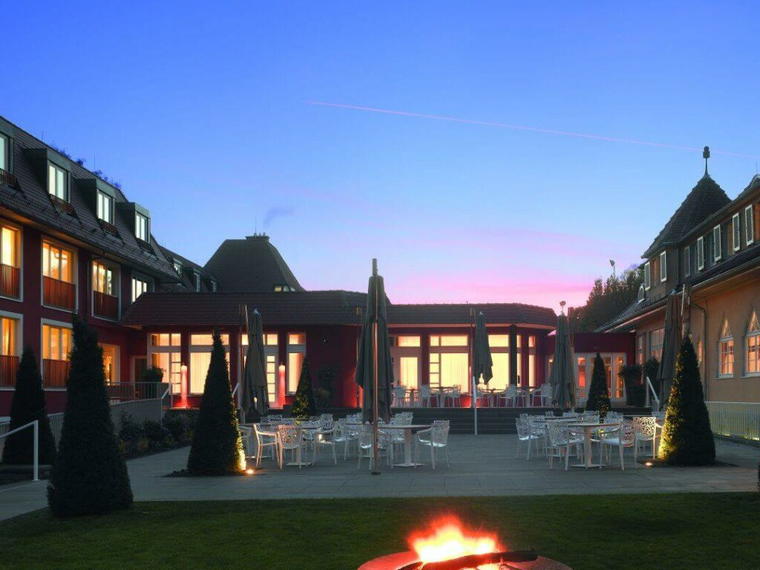
Fellbach, Germany
Weingut Rainer Schnaitmann is a Fellbach winery. The estate operates from Untertürkheimer Strasse in Fellbach, a town that punches above its size in wine terms, with several serious producers working a compact stretch of Swabian vineyard land.
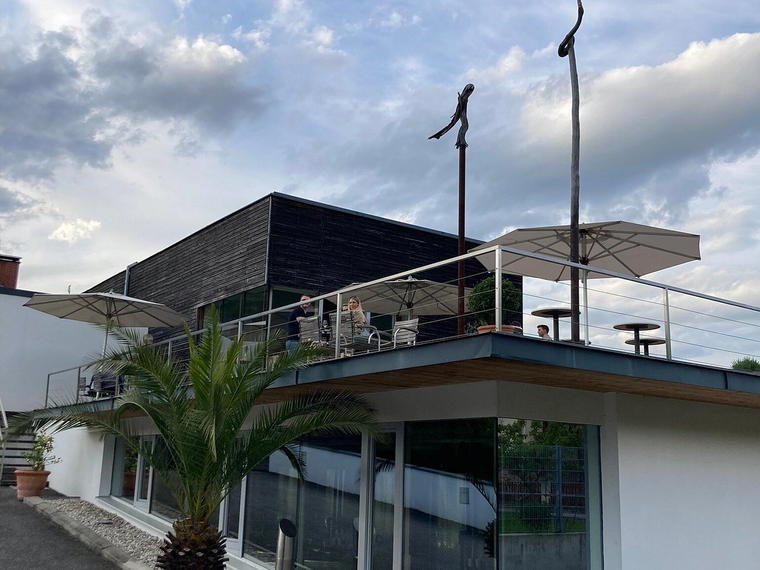
Wösendorf, Austria
Weingut Rudi Pichler sits in the Wachau village of Wösendorf, where the terraced vineyards above the Danube produce some of Austria's most closely watched Grüner Veltliner and Riesling. Visitors arriving with serious interest in Austrian white wine will find this address worth planning around.
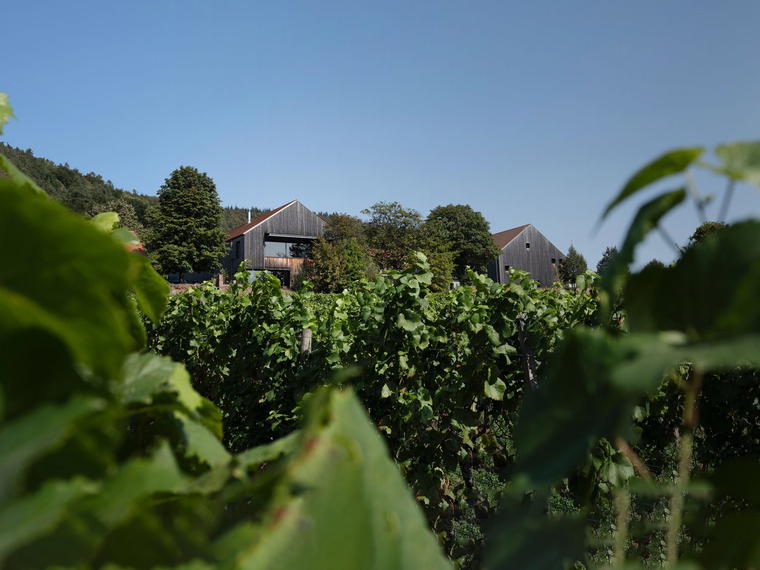
Bürgstadt, Germany
The estate is among Germany's most closely watched addresses for Pinot Noir grown in red sandstone soils, a geological fact that separates Franconian expressions from the slatier profiles of the Mosel or the limestone-influenced Pfalz.
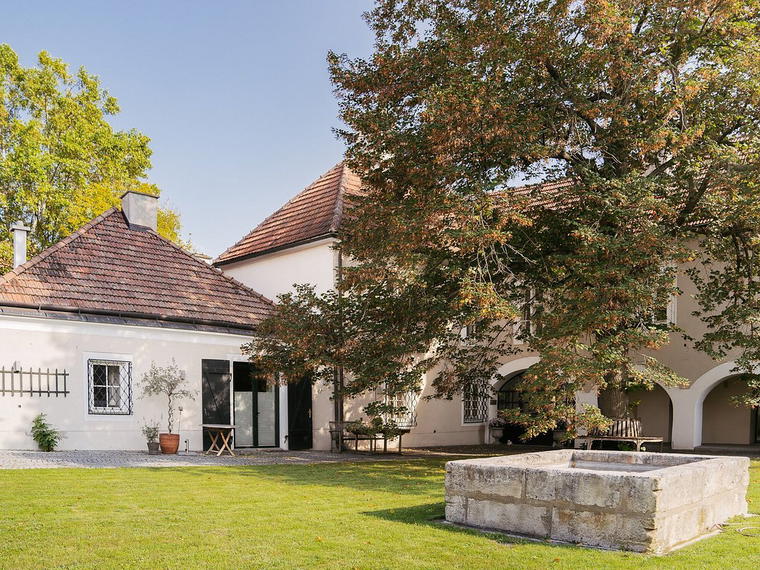
Stein an der Donau, Austria
Weingut Salomon Undhof sits on the Danube's left bank in Stein an der Donau, a Wachau-adjacent address that places it at the centre of Austria's most contested Riesling and Grüner Veltliner terrain. For those tracing the region's mineral-driven white wine tradition, it belongs on any considered itinerary.
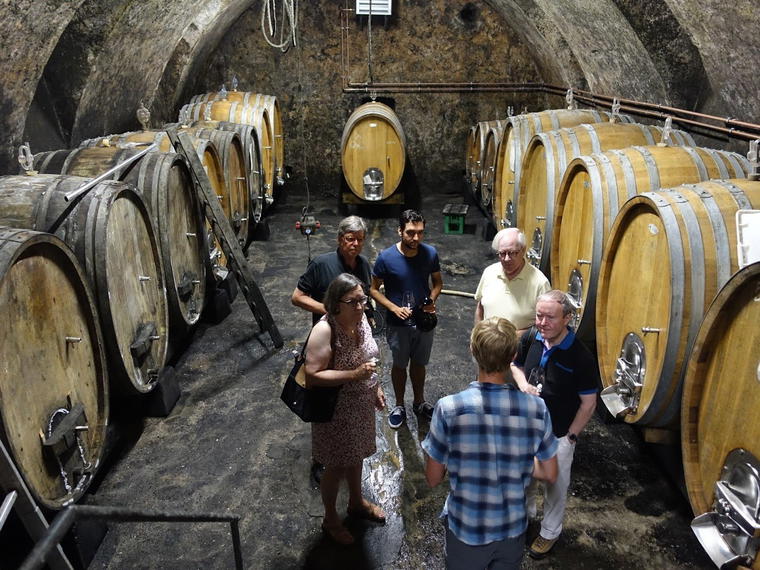
Oberrotweil, Germany
Weingut Salwey occupies a defining position in Kaiserstuhl viticulture, where volcanic basalt soils and an unusually warm microclimate press the region's Pinot Noir and Spätburgunder into a distinct register. Visitors arrive at Hauptstraße 2 in Vogtsburg im Kaiserstuhl to find a working estate rather than a polished hospitality venue.
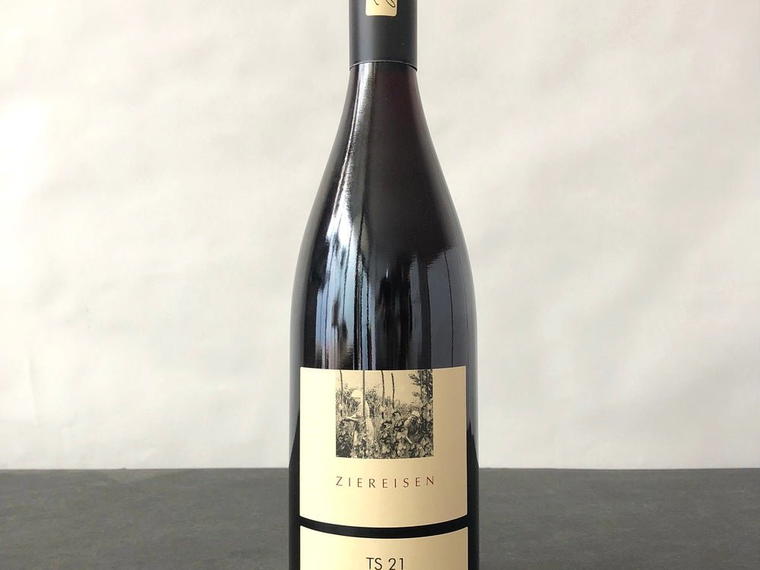
Efringen-Kirchen, Germany
Weingut Ziereisen operates from Efringen-Kirchen in Germany's southernmost Baden wine country, where the proximity to Alsace shapes both the grape varieties grown and the winemaking sensibility. For collectors tracking Germany's southern edge, this is a serious address.
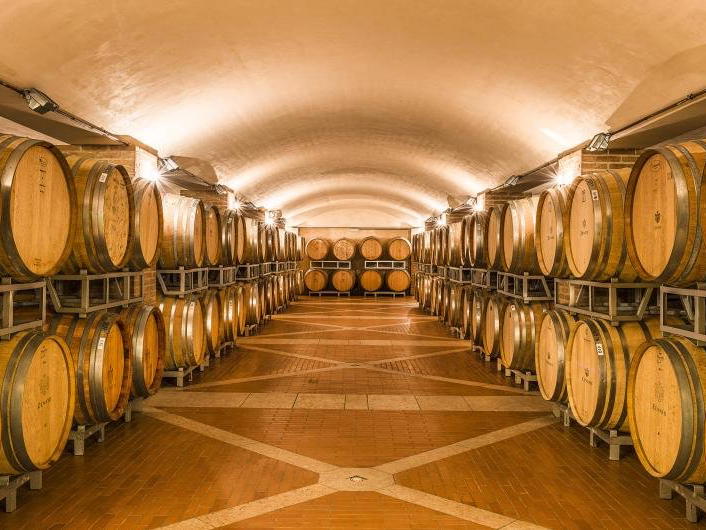
Peschiera del Garda, Italy
Zenato sits at the southern edge of Lake Garda, where Lugana's limestone-clay soils and Bardolino's volcanic terroir define two distinct wine identities within a short radius..
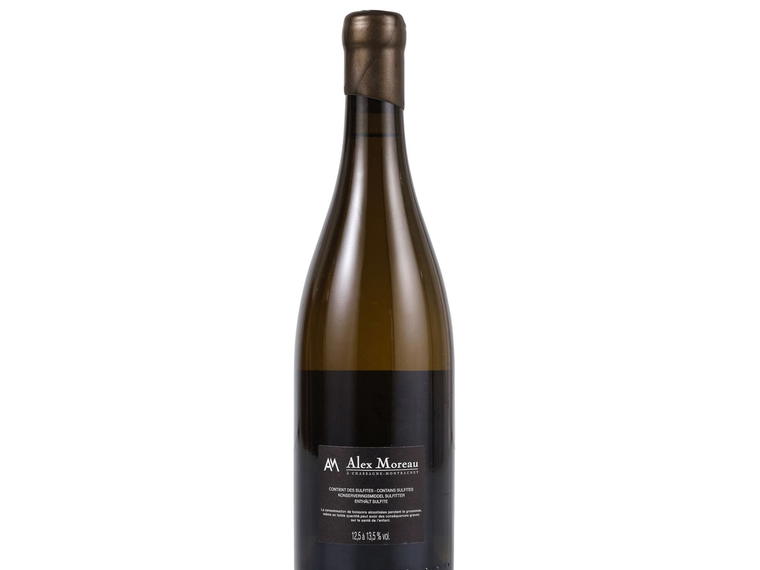
Chassagne-Montrachet, France
Domaine Alex Moreau is a Chassagne-Montrachet producer. The domaine sits on Rue de Santenay at the village's southern edge, where limestone and marl soils transition toward Santenay's heavier geology. For those working through Chassagne's white and red premier cru map, it belongs on the itinerary.
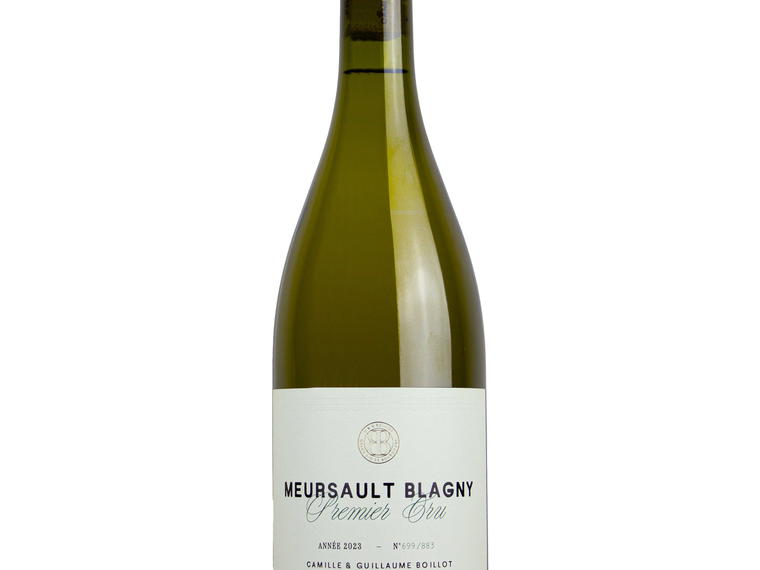
Meursault, France
The domaine sits within a village whose premier cru and village-level parcels define the international benchmark for Chardonnay. A focused allocation model places it firmly in the tier of producers whose wines are acquired rather than simply purchased.
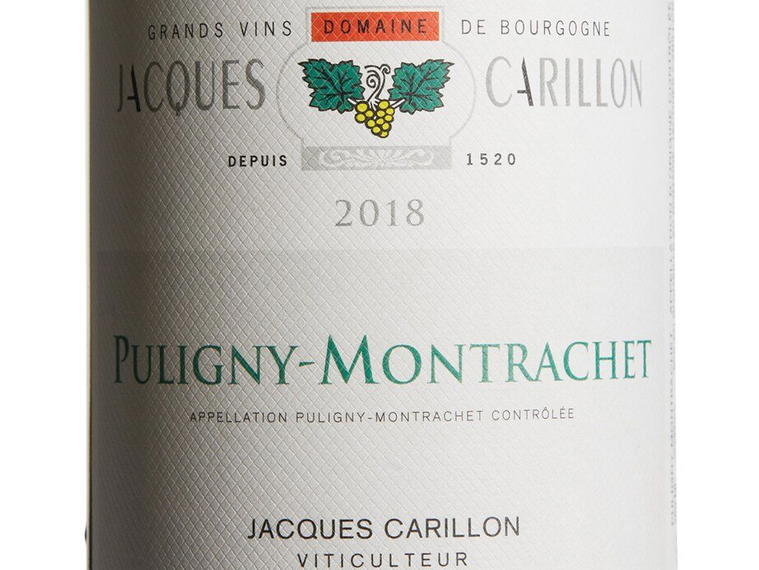
Puligny-Montrachet, France
Domaine Jacques Carillon sits at a quiet address in Puligny-Montrachet, producing Chardonnay from one of Burgundy's most closely studied appellations. Visiting requires advance planning and a tolerance for the particular rhythms of small Burgundian estate culture.
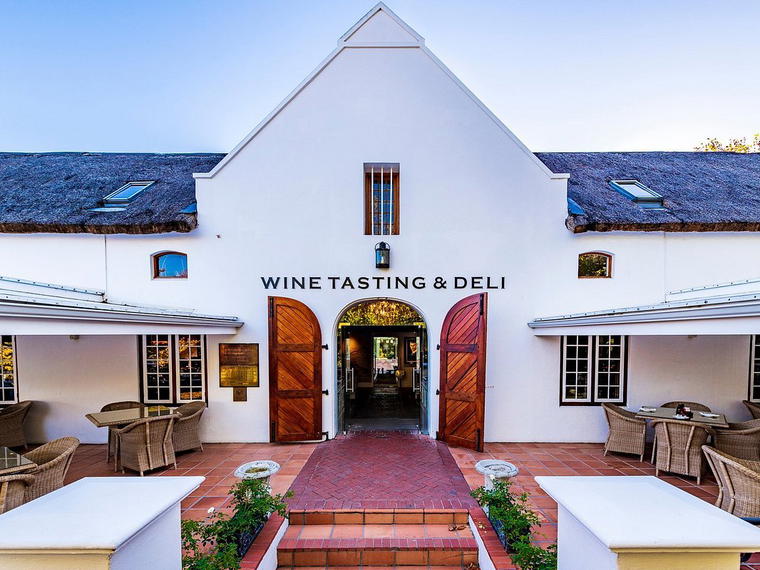
Stellenbosch, South Africa
The estate occupies a historic address on Lanzerac Road, combining wine production with hotel accommodation in the manner that defines the Winelands' most established properties. For visitors planning a Stellenbosch wine itinerary, it represents one of the region's more considered booking decisions.
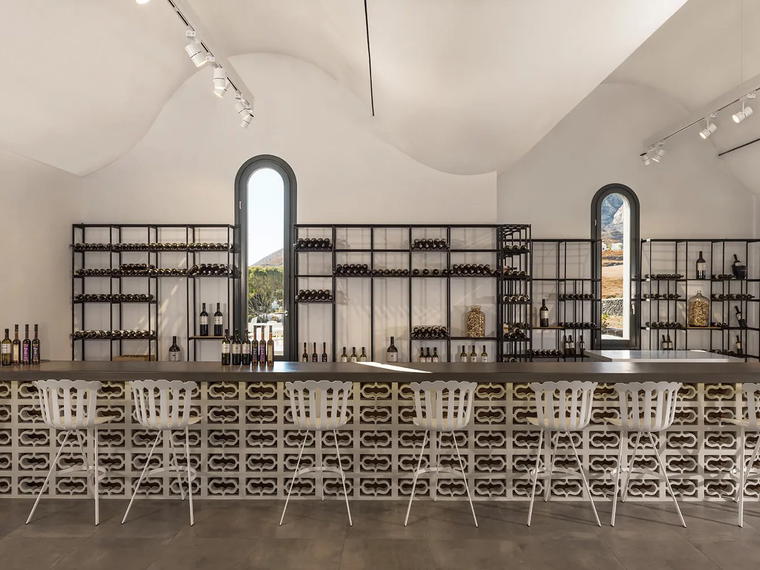
Santorini, Greece
Among Santorini's organic producers, Estate Argyros earns its place at the summit of the conversation through vines that in some cases predate the modern Greek state.
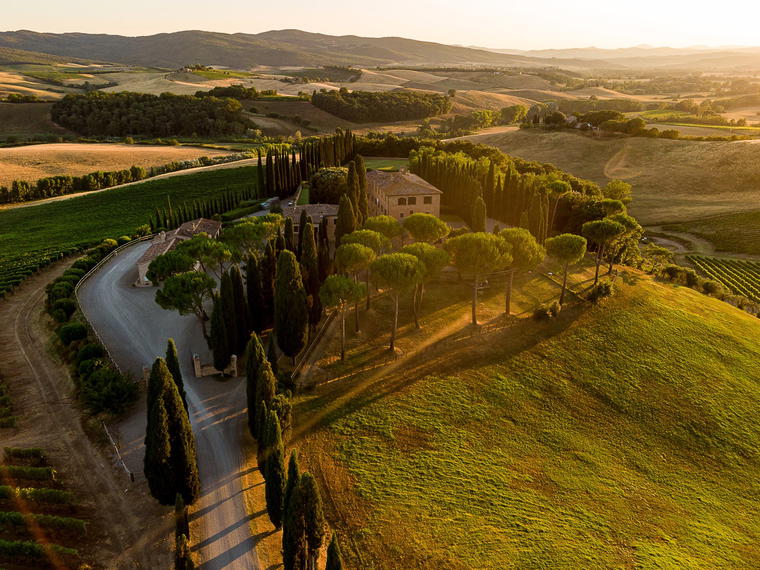
Montalcino, Italy
Altesino sits on the northern slope of Montalcino, where the cooler air and clay-rich soils produce Brunello of notable structure and longevity. For anyone mapping Montalcino's terroir from the ground up, it belongs on the itinerary.
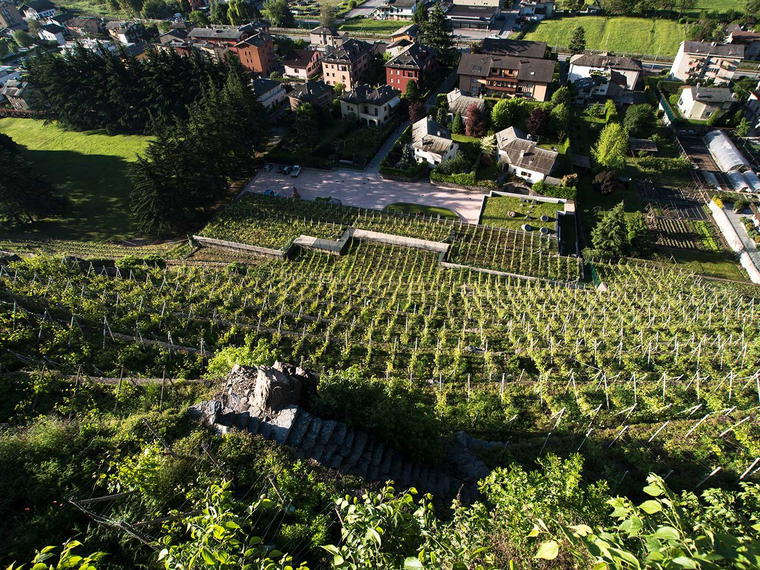
Sondrio, Italy
Ar. Pe. Pe. is a Valtellina producer in Sondrio working with Nebbiolo grown on the steep, terraced alpine slopes of Lombardy's northernmost wine zone.. For anyone tracing Italy's serious Nebbiolo expressions beyond Piedmont, this is a necessary reference point.
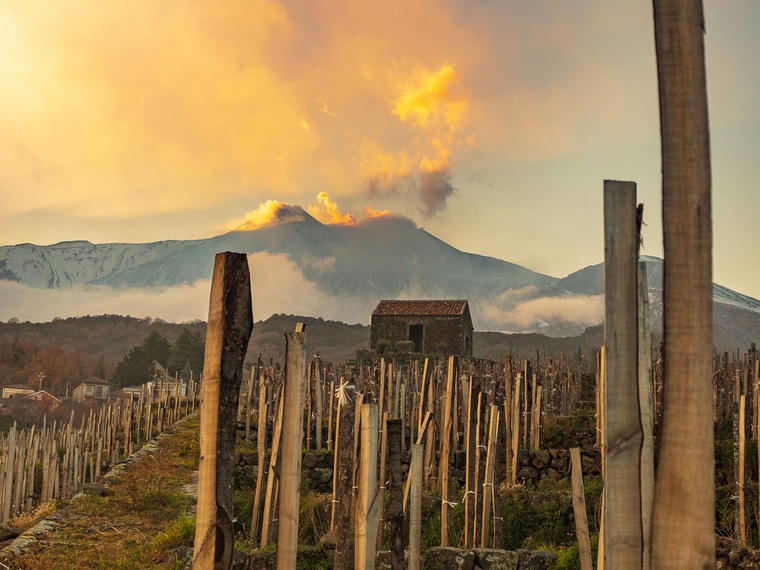
Viagrande, Italy
Benanti sits in Viagrande on the eastern slopes of Etna, where volcanic soil and altitude shape wines with a precision that few Mediterranean producers match. For anyone tracing how a single volcano can rewrite the rules of Italian wine, this is a considered stop.
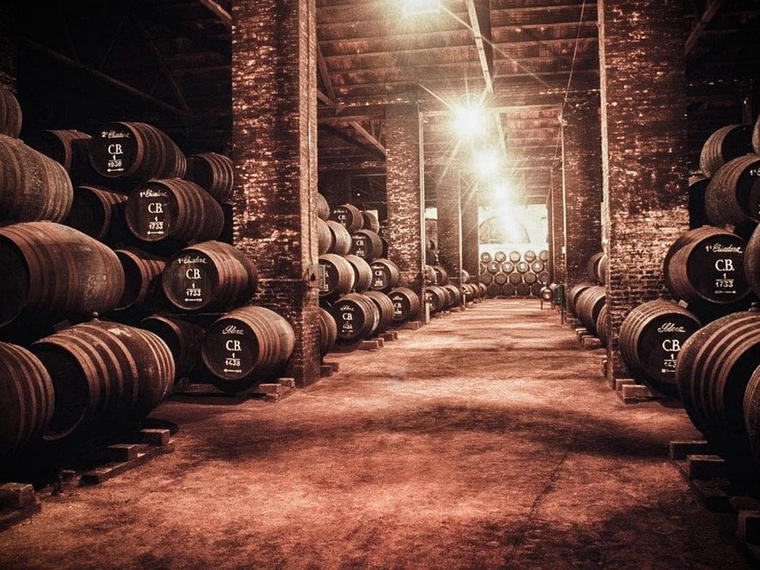
Montilla, Spain
One of Andalusia's oldest wine estates, Bodegas Alvear has shaped the identity of Montilla-Moriles fortified wine for centuries..
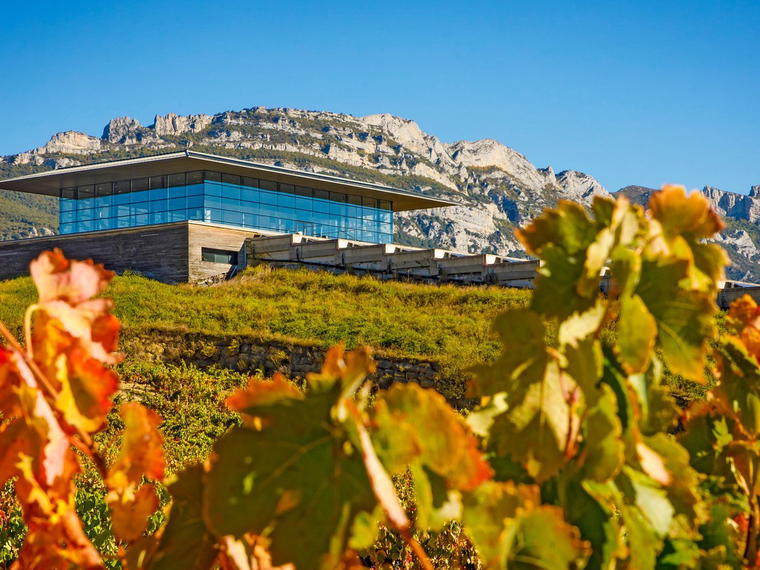
Samaniego, Spain
Bodegas Baigorri sits along the Vitoria highway at the edge of Samaniego, where Rioja Alavesa's high-altitude vineyards define the house style. The record places Baigorri firmly within Álava's quality-driven tier of producers.
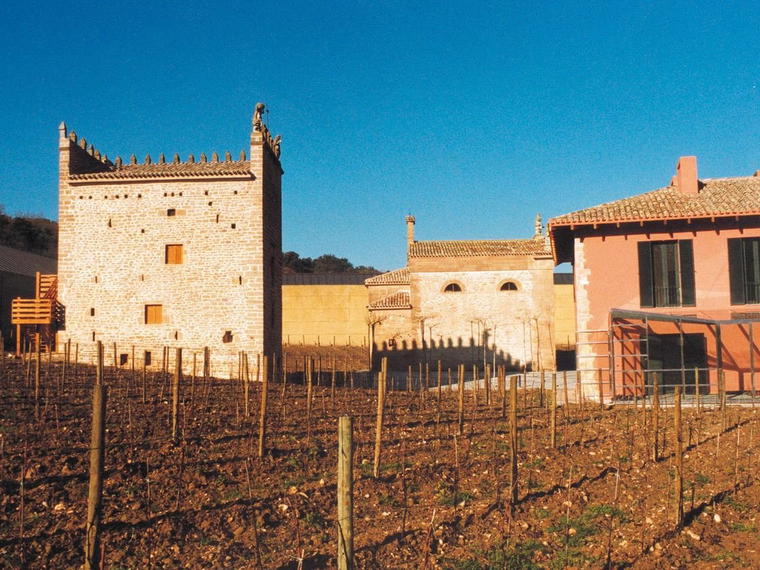
Villatuerta, Spain
One of Navarra's most established wine estates, Bodegas Chivite operates from vineyards in the Tierra Estella sub-zone where Atlantic and Mediterranean climates meet across limestone-rich soils. Visits to the winery offer direct access to a region whose character remains underrepresented in international wine conversation.
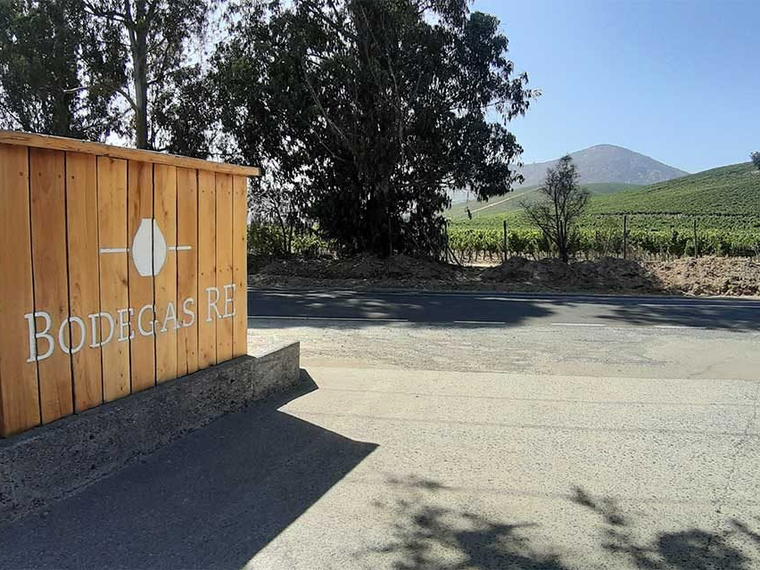
Casablanca, Chile
The winery occupies a position in Chilean viticulture defined by originality rather than convention, making it a reference point for visitors tracking the country's more experimental producers.
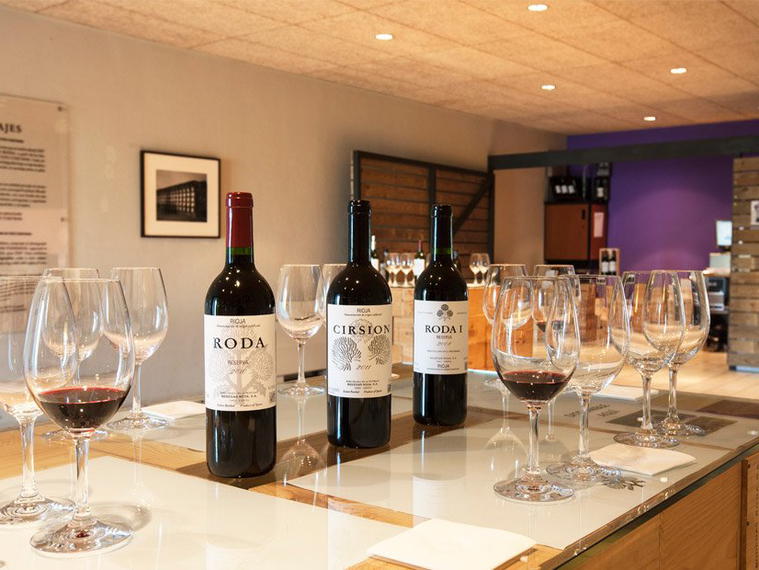
Haro, Spain
Bodegas Roda occupies a distinct position in Haro's wine quarter, translating the Rioja Alta's clay-rich soils and continental climate into structured, age-worthy Tempranillo. For those tracing the expression of place through Rioja's most serious terroirs, Roda is a considered stop.
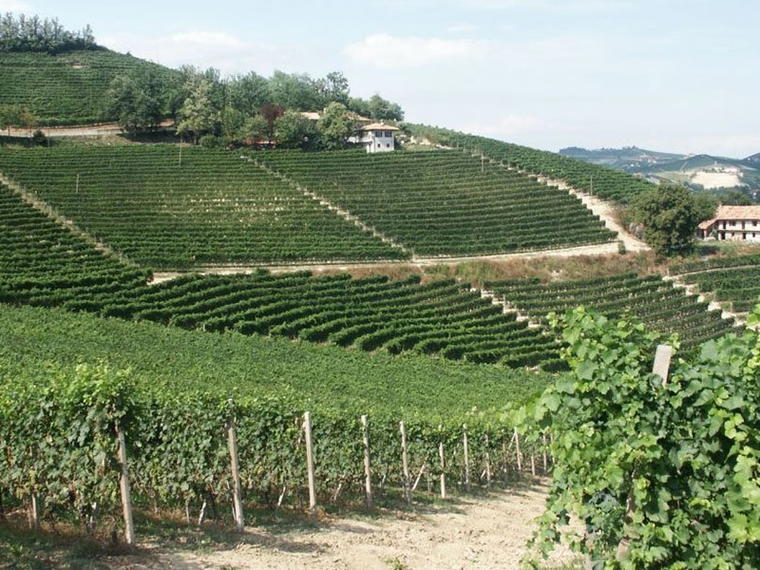
Castiglione Falletto, Italy
The estate sits on Via Alba Barolo, the spine road connecting two of Piedmont's most consequential wine villages, and operates as a reference point for the commune's traditional winemaking character.
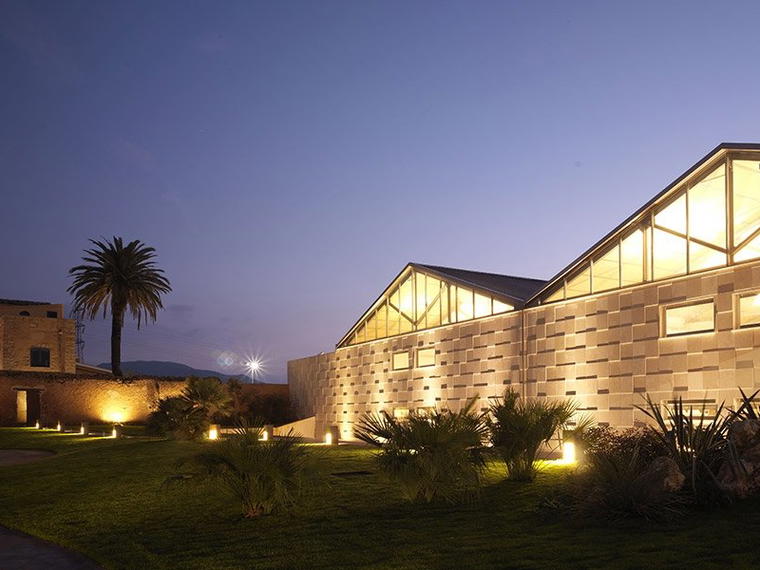
Partinico, Italy
Cusumano operates from the SS 113 corridor near Partinico, in the agricultural heartland of western Sicily where volcanic soils and maritime winds define what grows and how it tastes. For visitors tracing the island's wine geography, Cusumano is a clear reference point in the northwest.
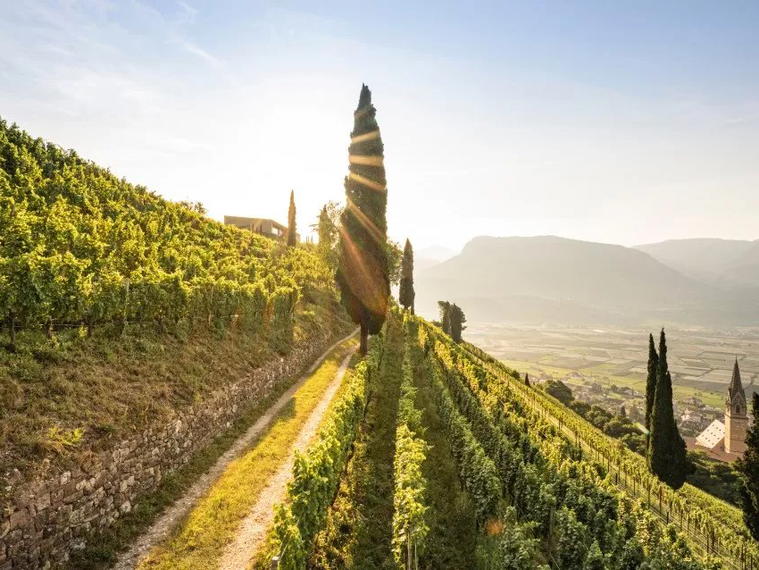
Termeno, Italy
The winery sits within a region where Gewürztraminer has been cultivated for centuries, placing it inside one of Italy's most distinctive white-wine corridors. Visits here are grounded in that geographic specificity rather than theatrical showmanship.
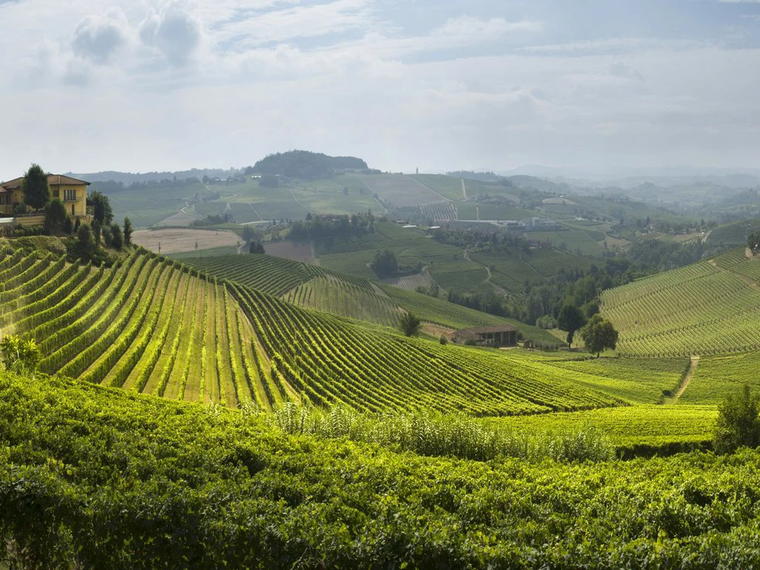
Novello, Italy
The estate operates at the quieter, terroir-focused end of the Barolo production spectrum, where soil structure and elevation drive the wine rather than extraction or new oak. For those tracing the Nebbiolo grape across its most expressive sites, this address belongs on the itinerary.
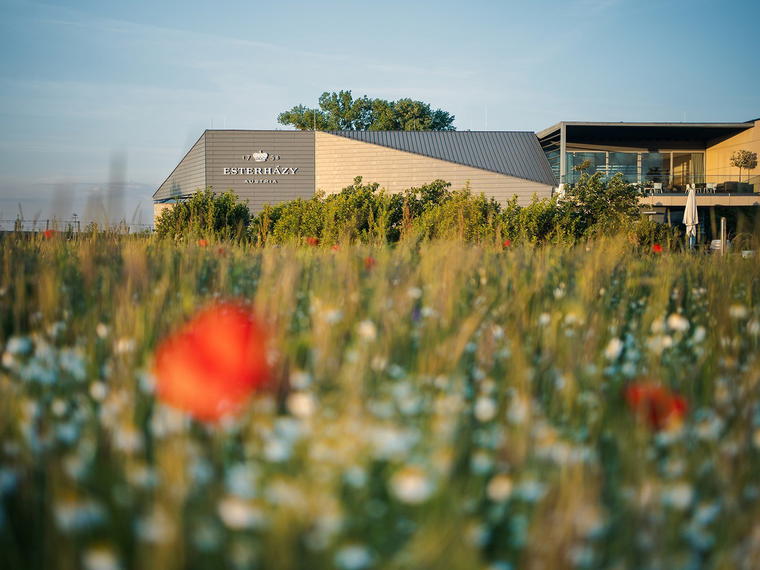
Trausdorf, Austria
Esterházy Winery sits in Trausdorf an der Wulka, at the western edge of the Neusiedlersee wine region where the Pannonian plain begins its slow press against the eastern Alps.
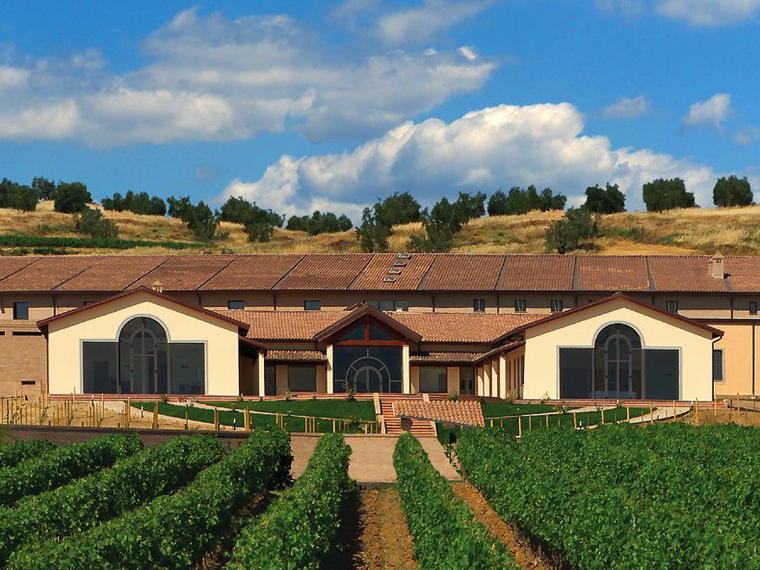
Montefiascone, Italy
Famiglia Cotarella's Falesco estate operates out of the volcanic borderlands where Lazio meets Umbria, drawing on volcanic soils and a continental-Mediterranean climate that few Italian wine regions can replicate..
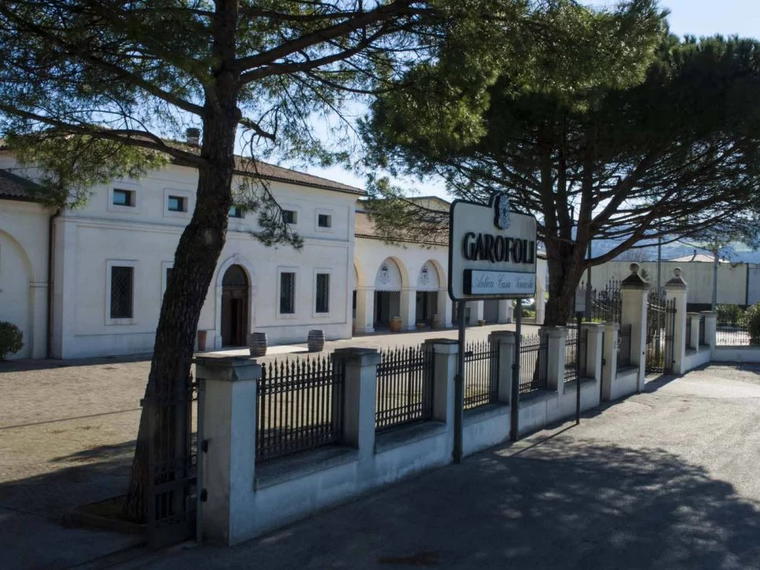
Castelfidardo, Italy
Garofoli operates from Castelfidardo in the Marche region of central Italy. The producer sits within a tradition of family-driven Italian winemaking where regional identity and terroir expression carry more weight than international varietal trends. For visitors tracing Italy's less-documented wine corridors, Castelfidardo offers context that the more-trafficked appellations rarely provide.
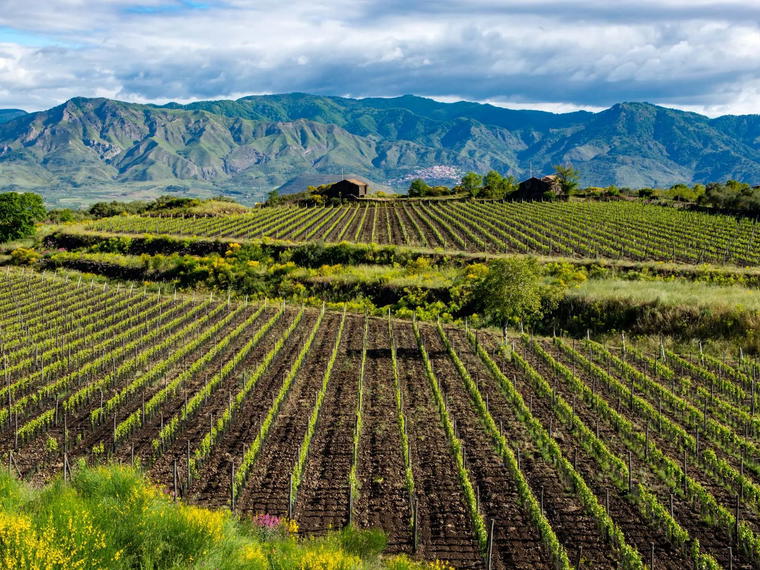
Passopisciaro, Italy
Graci is a winery in Passopisciaro, on the northern slopes of Mount Etna. The estate sits within Sicily's most scrutinised volcanic wine zone, where altitude, lava-derived soils, and pre-phylloxera vine stock define what ends up in the glass. For those tracking the evolution of Etna Rosso and Bianco, this address belongs on the itinerary.
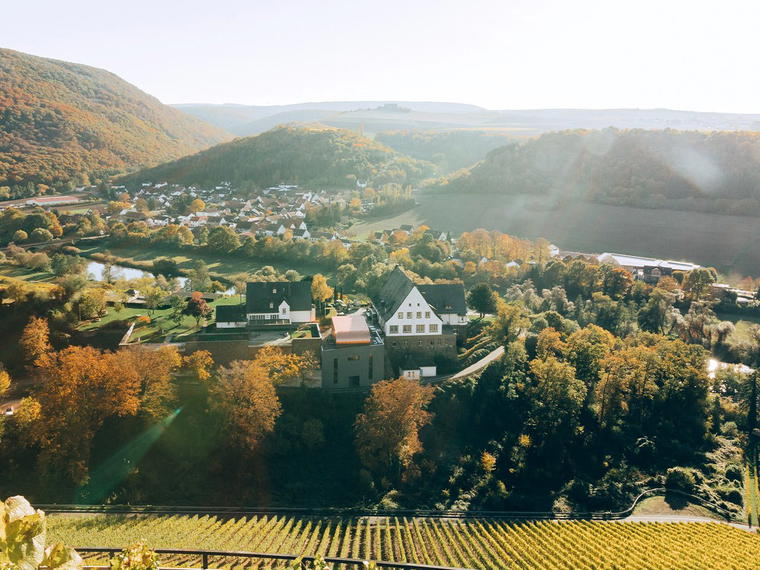
Niederhausen, Germany
Gut Hermannsberg is a historic Nahe wine estate in Niederhausen. Set on the slopes of the Hermannsberg, the domain occupies one of Germany's most geologically distinct Riesling sites, where blue Rotliegend slate and volcanic porphyry produce wines of pronounced mineral tension. For serious Riesling drinkers, it sits at the summit tier of Nahe producers.
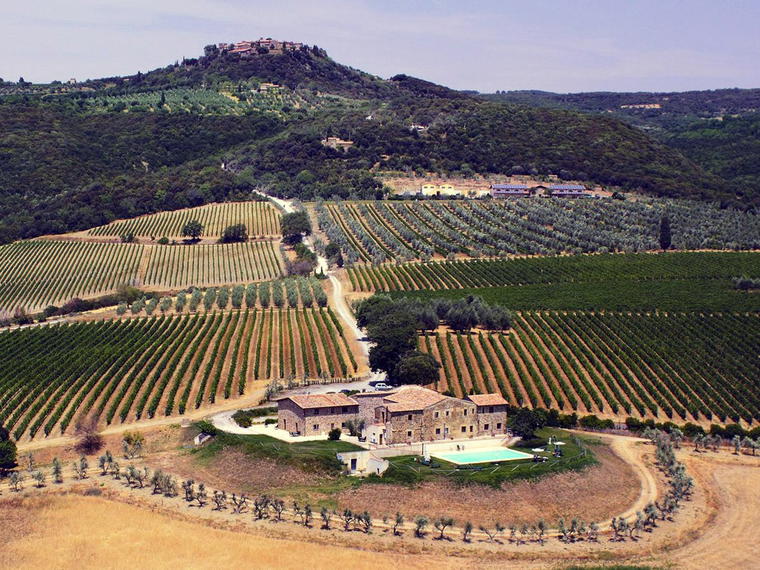
Montalcino, Italy
Il Poggione is a Montalcino estate. Set in the hilltop commune of Sant'Angelo in Colle, the property represents the serious, terroir-focused side of southern Montalcino viticulture. Visitors encounter a working estate shaped by decades of Sangiovese cultivation across one of Tuscany's most closely watched appellations.
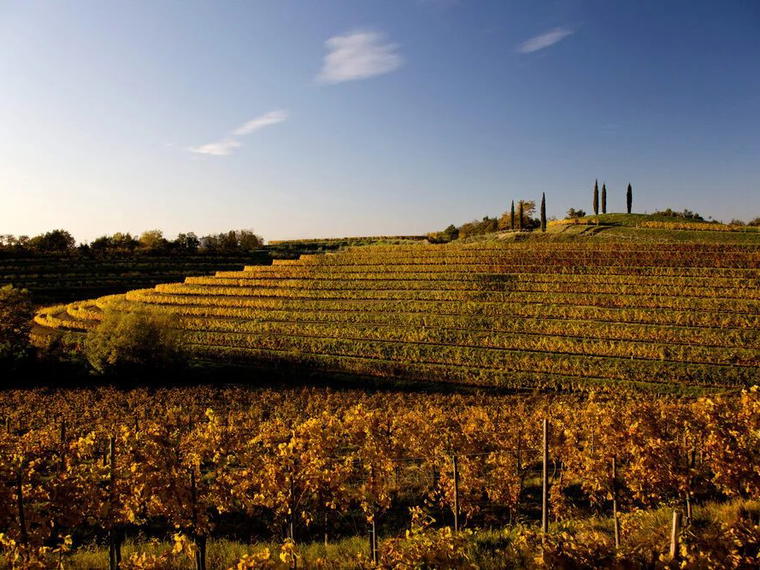
Cormons, Italy
Livio Felluga sits at Piazza Abbazia in Rosazzo, within the Friuli Colli Orientali zone that has shaped the Felluga family's approach to white wine for generations. For visitors to the Collio and Colli Orientali belt, this is a reference address for understanding how the region's soils translate into bottle.
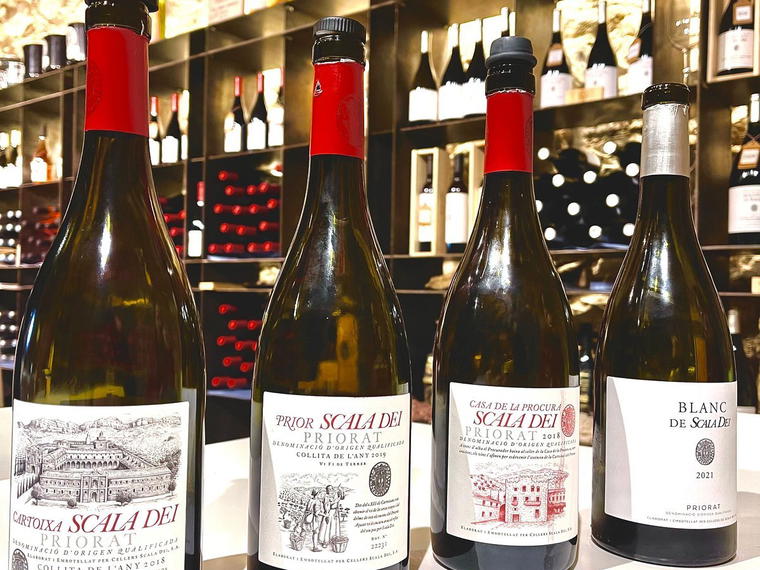
Escaladei, Spain
Sitting at the foot of the Serra de Montsant in the medieval village of Escaladei, Scala Dei is one of Priorat's oldest and most historically grounded producers. The winery draws directly from the region's distinctive llicorella slate soils, producing wines that have helped define what Priorat means at an international level. Visits here connect the glass to the geology in ways few other Catalan producers manage.
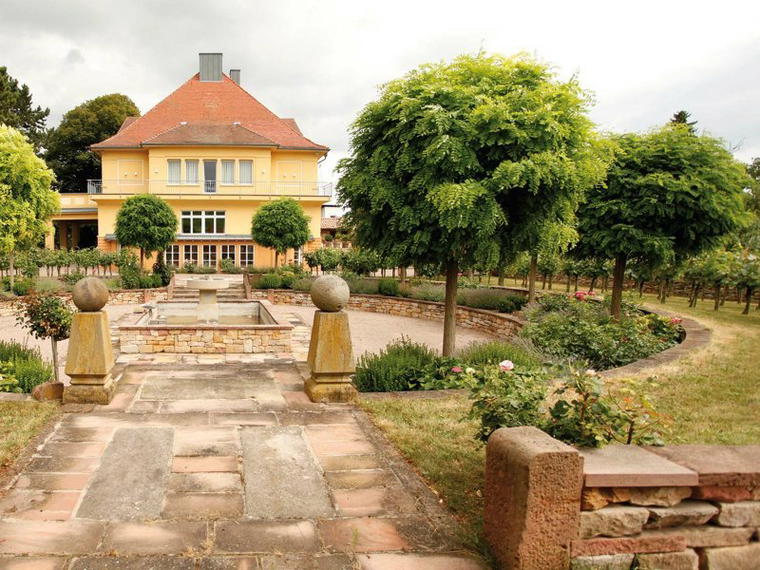
Flörsheim-Dalsheim, Germany
Operating from Alzeyer Strasse in one of Germany's most quietly serious wine villages, it occupies the upper tier of the country's Sekt scene, producing méthode traditionnelle wines that compete on quality against Champagne-region benchmarks rather than the domestic mass market.
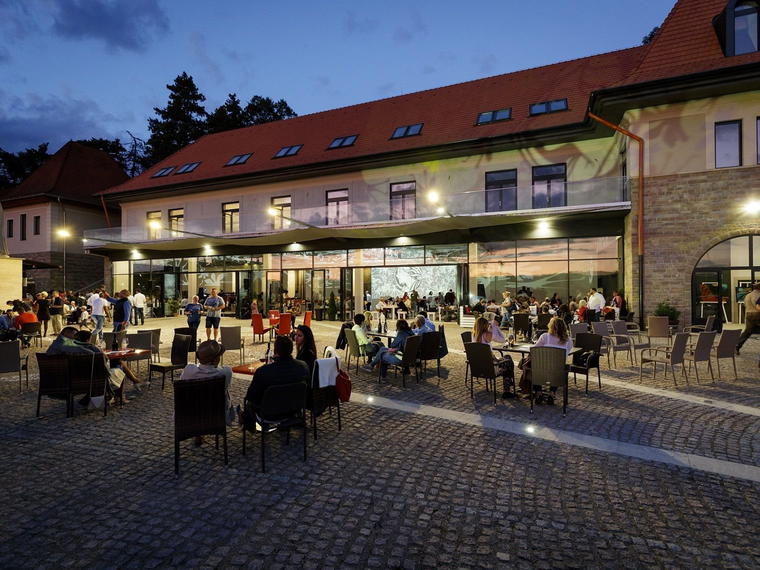
Egerszalók, Hungary
St. Positioned on the volcanic and limestone slopes outside town, the winery makes a case for Eger as something more than a bulk-production zone, with a portfolio that rewards visitors who look beyond Tokaj for serious Hungarian wine.
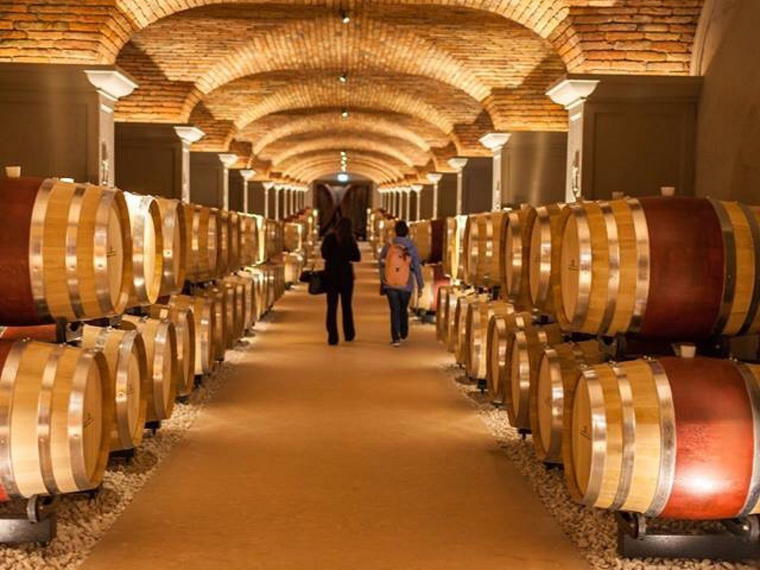
Pedemonte (San Pietro in Cariano), Italy
Set among the volcanic soils and amphitheatre ridgelines of Valpolicella Classico, Tommasi is a reference point for the zone's most ambitious red wine traditions. Visitors to the Pedemonte property engage with wines shaped as much by centuries of farming logic as by winemaking decision.
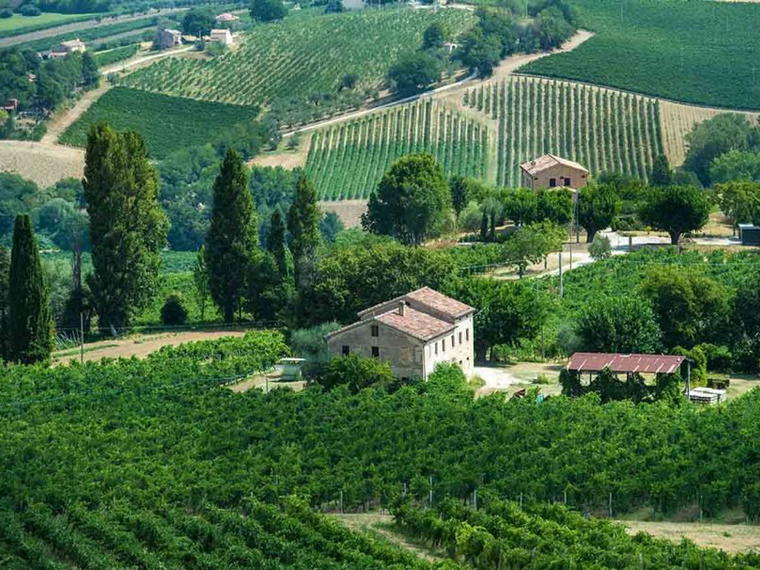
Osimo, Italy
Umani Ronchi is one of the Marche's most recognised wine producers, operating from Osimo in the Conero and Verdicchio heartland..
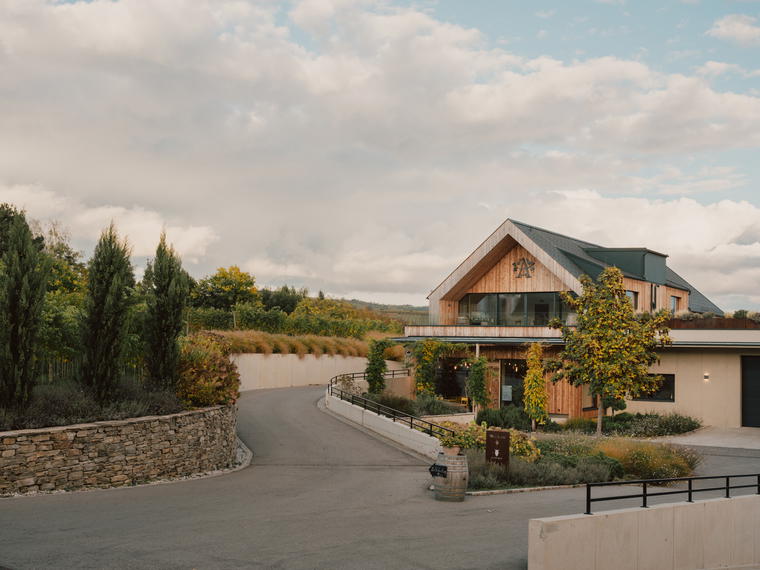
Straß im Straßertale, Austria
Weingut Allram operates from the small Kamptal village of Straß im Straßertale, where loess soils and the cooling influence of the Manhartsberg shape wines of notable precision. Visitors seeking Kamptal terroir expression at a serious but accessible scale will find this address worth the detour from Langenlois.
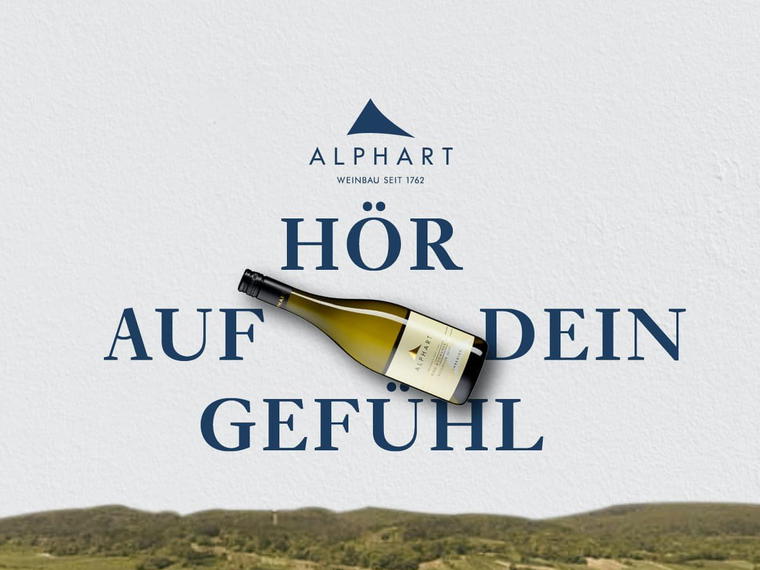
Traiskirchen, Austria
Located on Wiener Strasse in the southern Vienna Basin, the estate is a focused address for serious Austrian wine within easy reach of the capital.
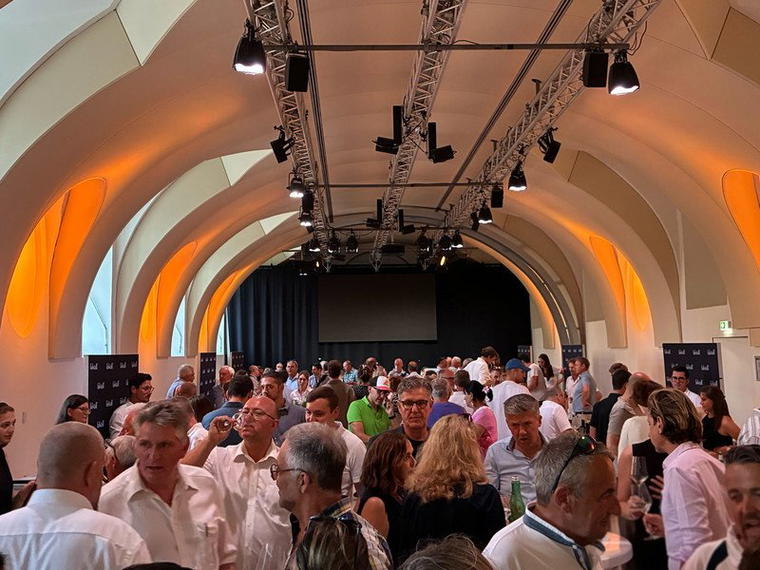
Durbach, Germany
Weingut Andreas Laible operates from the village of Durbach in Baden, one of Germany's warmest wine-growing pockets, where steep granite and loess slopes produce Riesling and Spätburgunder of notable concentration. Visitors approaching the Bühl vineyards encounter a working winery rooted in place rather than performance.
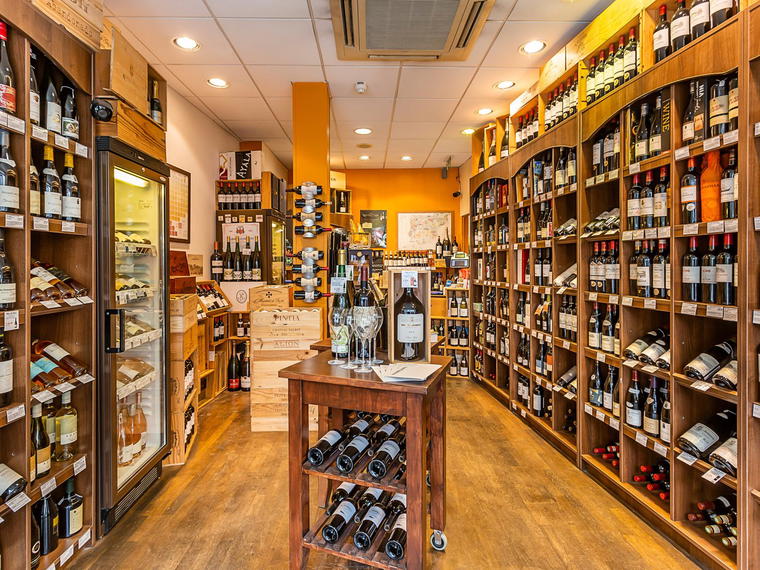
Eltville, Germany
The address at Rheinallee 50 places it among the Rheingau's riverside producers, making it a credible reference point for the region's Riesling output at award-competition level.
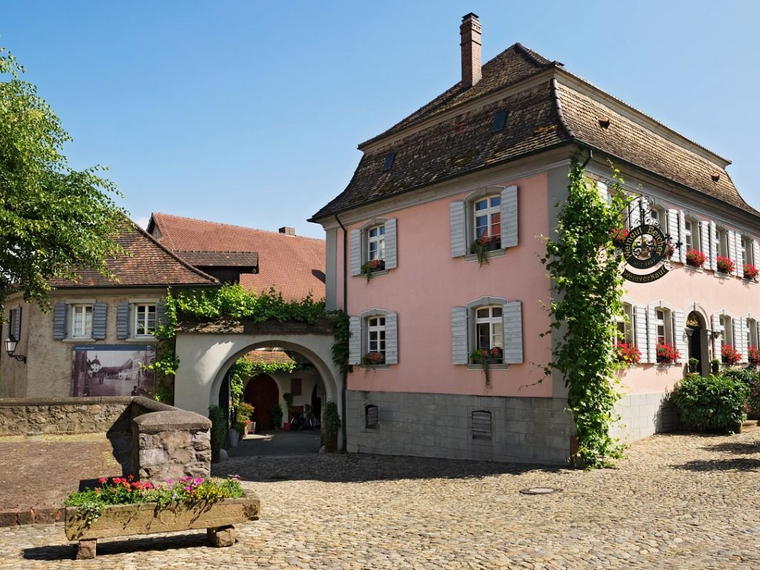
Vogtsburg, Germany
Weingut Bercher is a Kaiserstuhl estate in Vogtsburg, Baden. The winery works one of Germany's warmest and most volcanic growing regions, where basalt and loess soils produce wines with a character distinct from the cooler Rhine valleys to the north. It belongs to a tier of German estates where terroir expression rather than production volume defines the reputation.
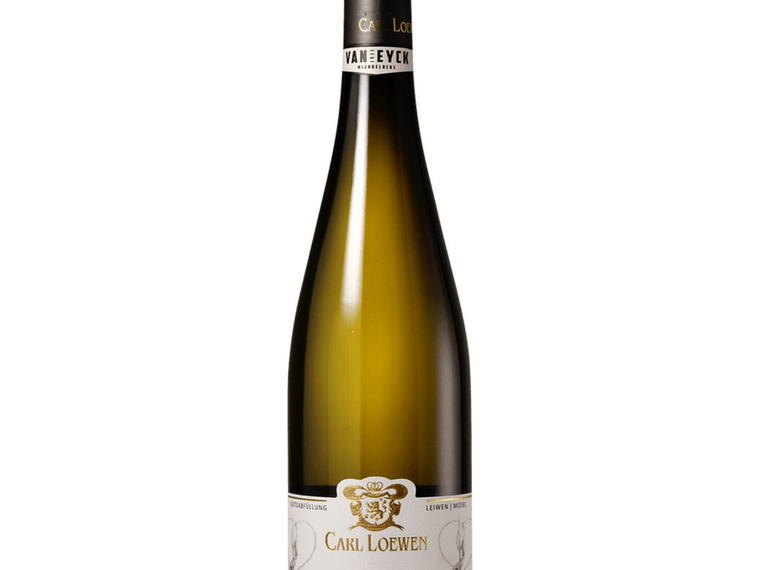
Leiwen, Germany
Weingut Carl Loewen operates from Matthiasstraße 30 in Leiwen, a village whose slate-soaked slopes along the Mosel define some of Germany's most precise Riesling. For collectors and visitors tracing the Mosel's top tier, Loewen is a serious reference point.
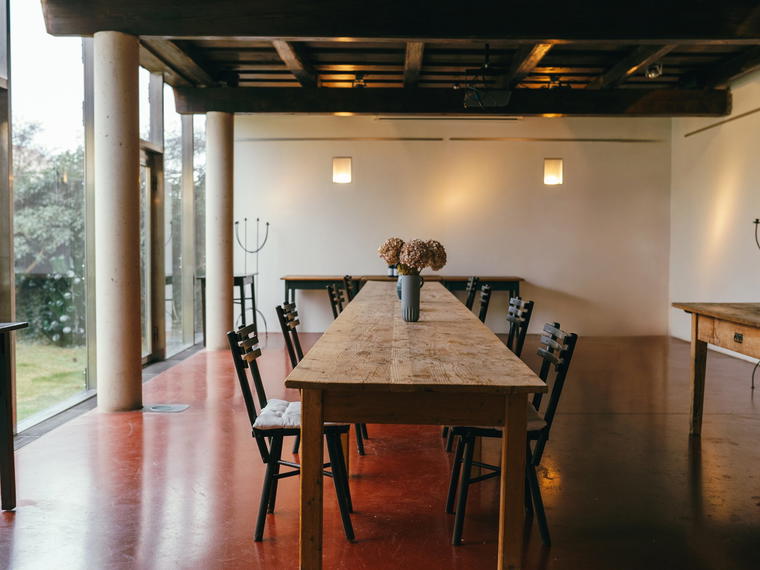
Sooß, Austria
The property sits in the Thermenregion, a wine district shaped by thermal soils and a continental climate that has long supported both viticulture and spirits production.
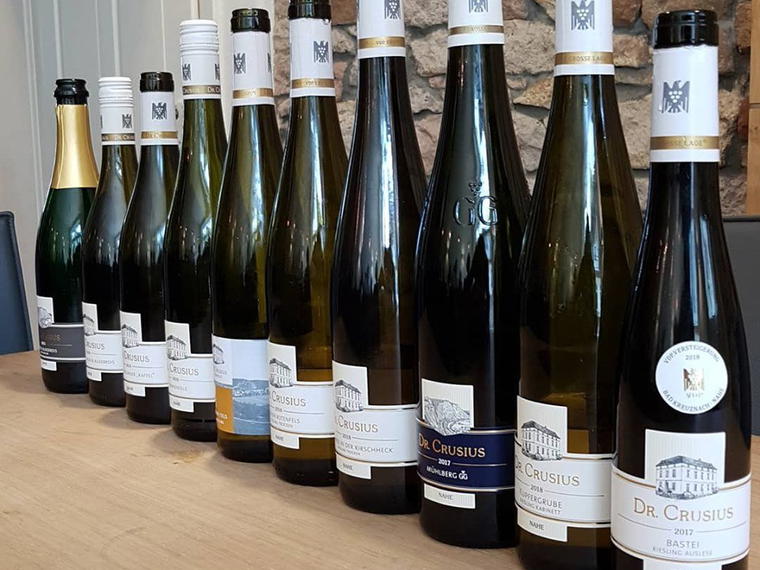
Traisen, Germany
Weingut Dr. Crusius operates from Traisen in the Nahe, one of Germany's more quietly serious Riesling regions, where slate and sandstone soils produce wines of distinctive mineral tension. For those tracing the Nahe's expression of terroir, this address belongs on the itinerary.
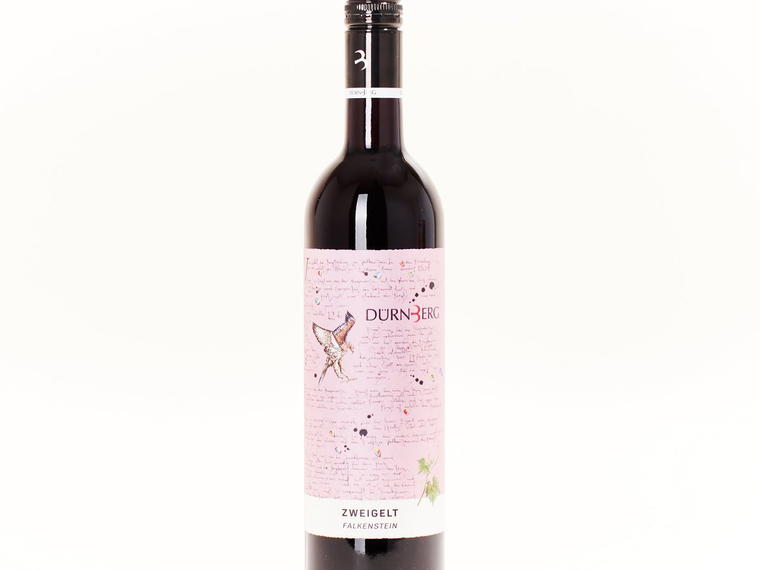
Falkenstein, Austria
Weingut Dürnberg operates out of Falkenstein in the Weinviertel, Austria's largest and most underappreciated wine region, where loess soils and a dry continental climate shape wines of particular mineral tension.
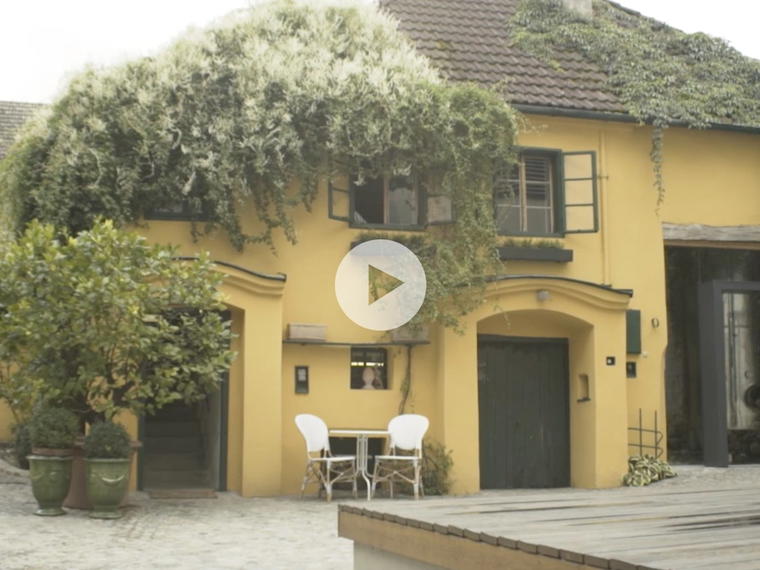
Poysdorf, Austria
Weingut Ebner-Ebenauer sits at the northern edge of the Weinviertel, where the loess-heavy soils of Poysdorf shape wines that are as much about place as technique. For those tracing Austrian white wine through its less-travelled northern corridor, this address warrants serious attention.
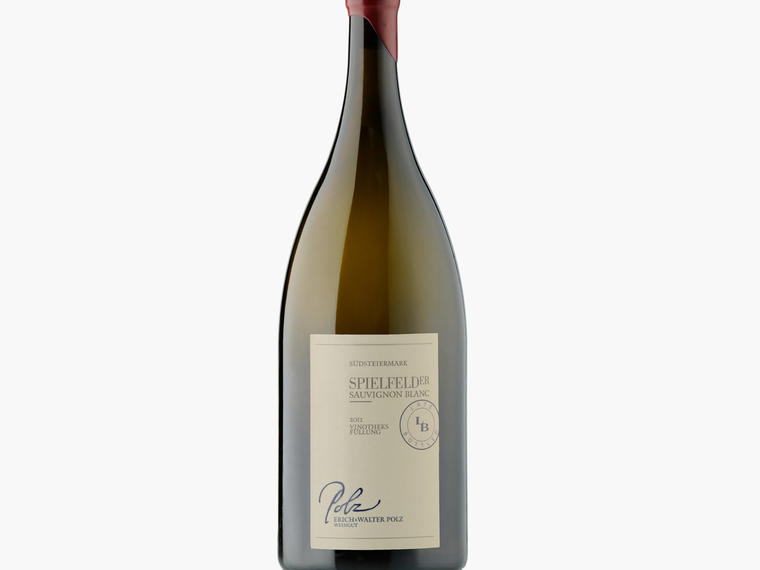
Spielfeld, Austria
Weingut Erich & Walter Polz operates from the steep Graßnitzberg slopes of Spielfeld, in Austria's Südsteiermark, where the region's cool-climate continental conditions and well-drained soils shape wines of pronounced mineral precision. It is a reference point for understanding Styrian terroir at the serious end of the category.
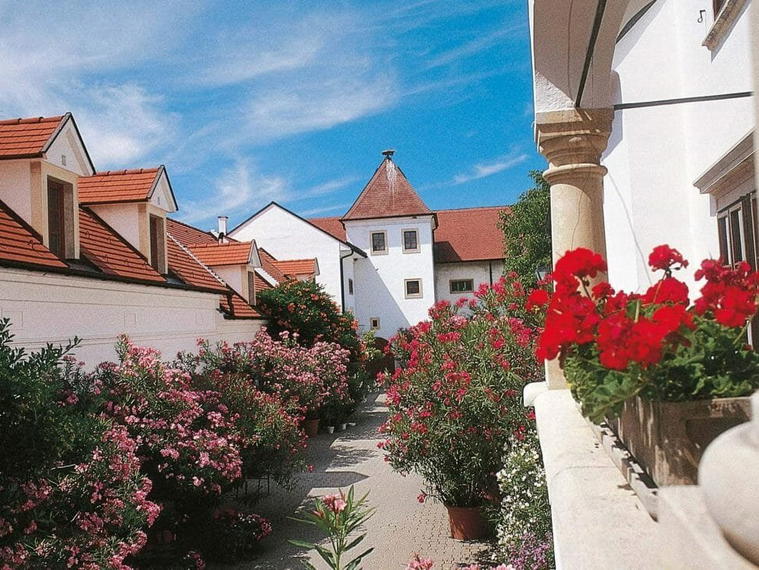
Rust, Austria
The estate occupies a tier shared by a small group of Burgenland producers whose reputations extend well beyond the domestic market.
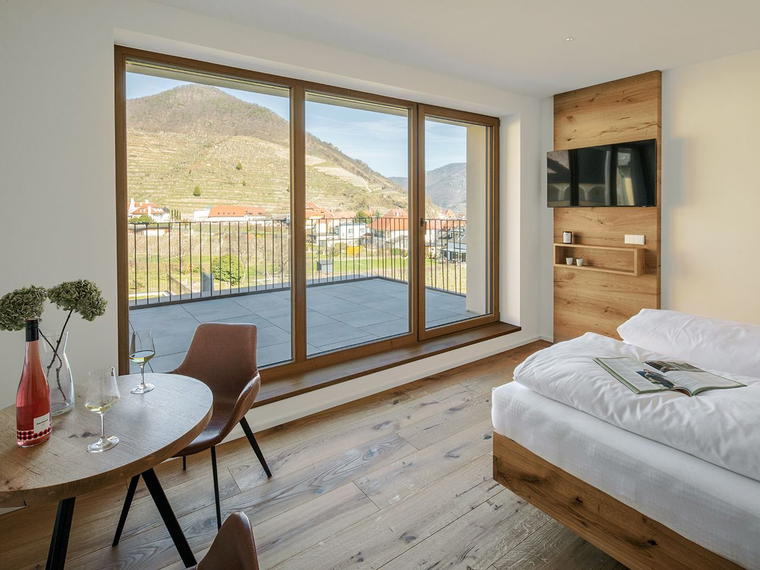
Spitz, Austria
The estate sits within one of the Wachau's most demanding vineyard corridors, where gneiss and loess slopes shape wines of structural precision. For serious Wachau exploration, this address belongs on the itinerary alongside the valley's other benchmark producers.
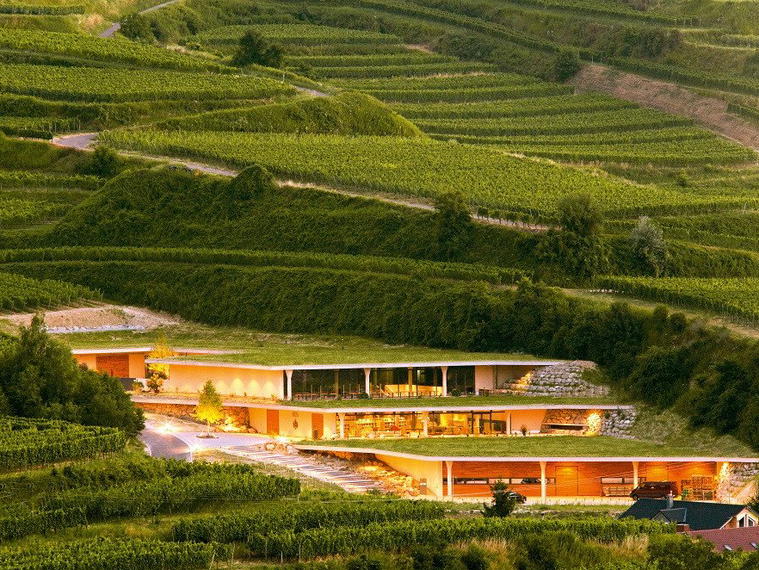
Vogtsburg im Kaiserstuhl, Germany
Weingut Franz Keller sits in Vogtsburg im Kaiserstuhl, at the heart of Baden's volcanic Kaiserstuhl plateau, where warm summers and basalt-rich soils produce some of Germany's most compelling Pinot Noir and Burgundian-style whites. For anyone serious about German terroir expression, this is a reference address.


