Lanzerac Wine Estate

The estate occupies a historic address on Lanzerac Road, combining wine production with hotel accommodation in the manner that defines the Winelands' most established properties. For visitors planning a Stellenbosch wine itinerary, it represents one of the region's more considered booking decisions.
Pearl is the En Primeur Club membership app — saves, bookings, and concierge access live there. Same editors, same standards.
- Address
- Lanzerac Wine Estate, Lanzerac Rd, Stellenbosch, 7600
- Phone
- +27 21 887 1132
- Website
- lanzerac.co.za
- Directions
- Get directions
 Saves & bookings on Pearl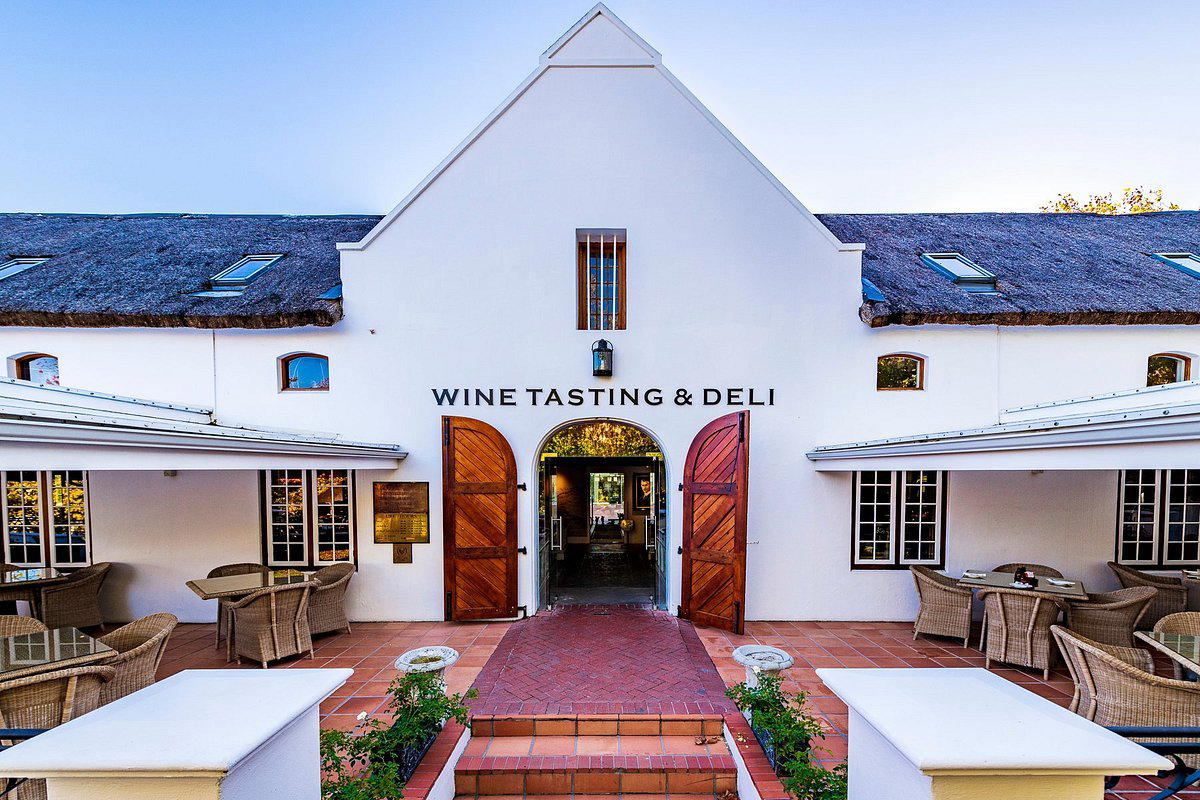
Arriving at a Stellenbosch Institution
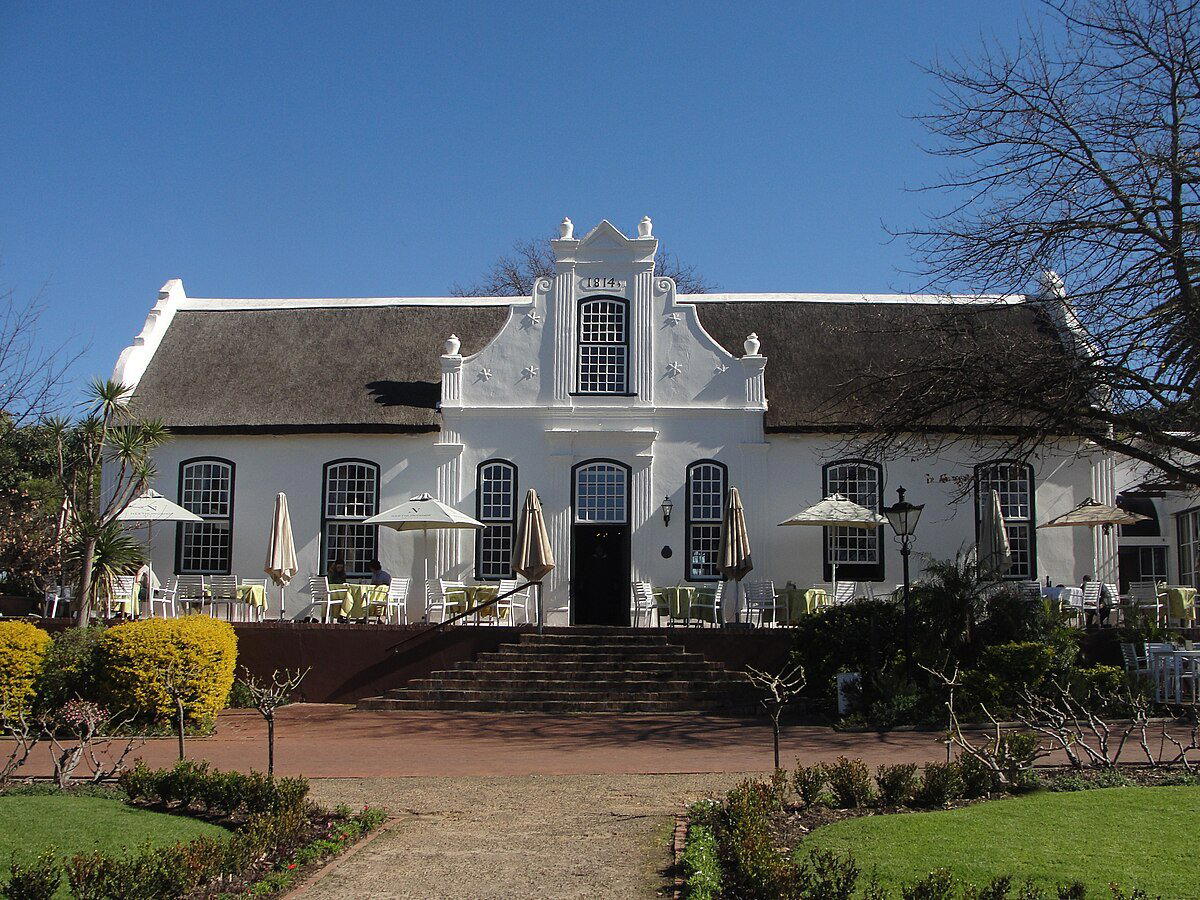
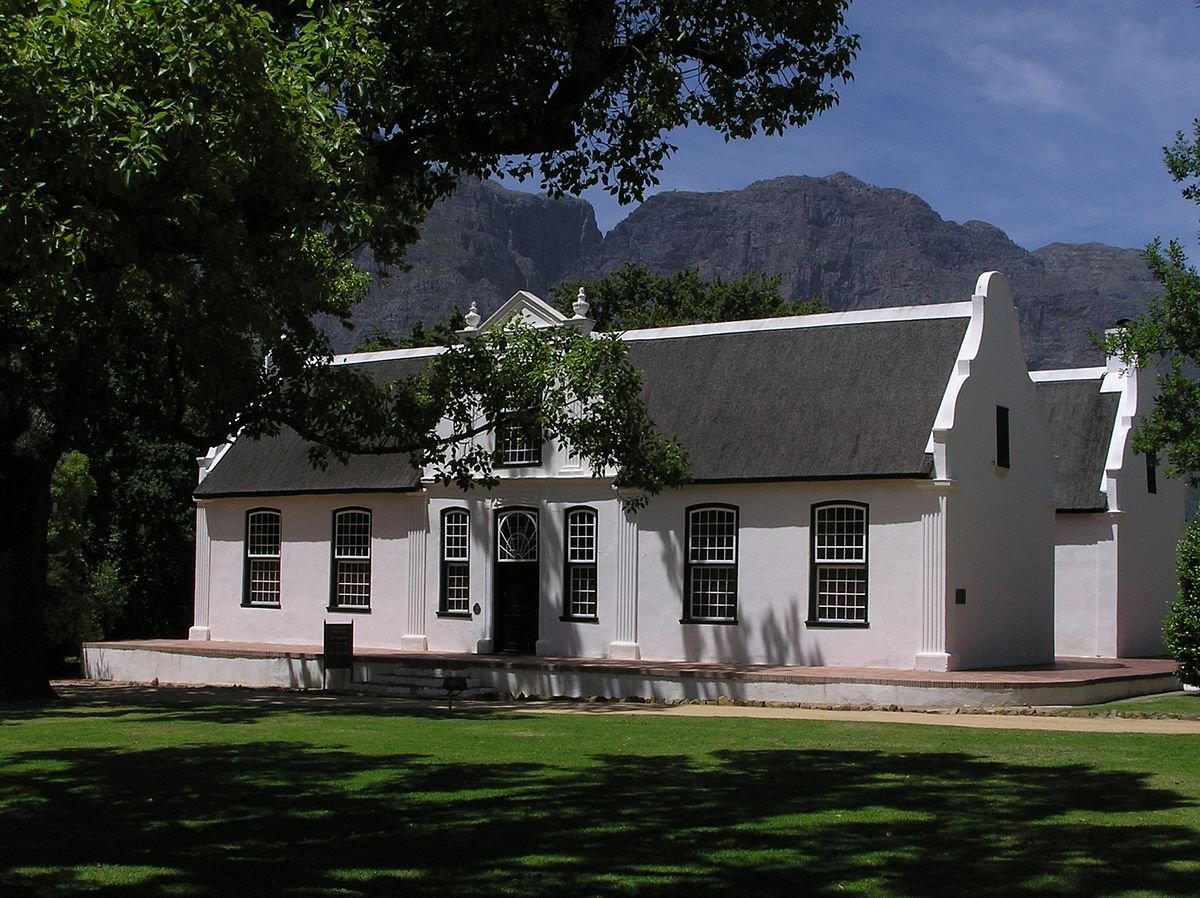
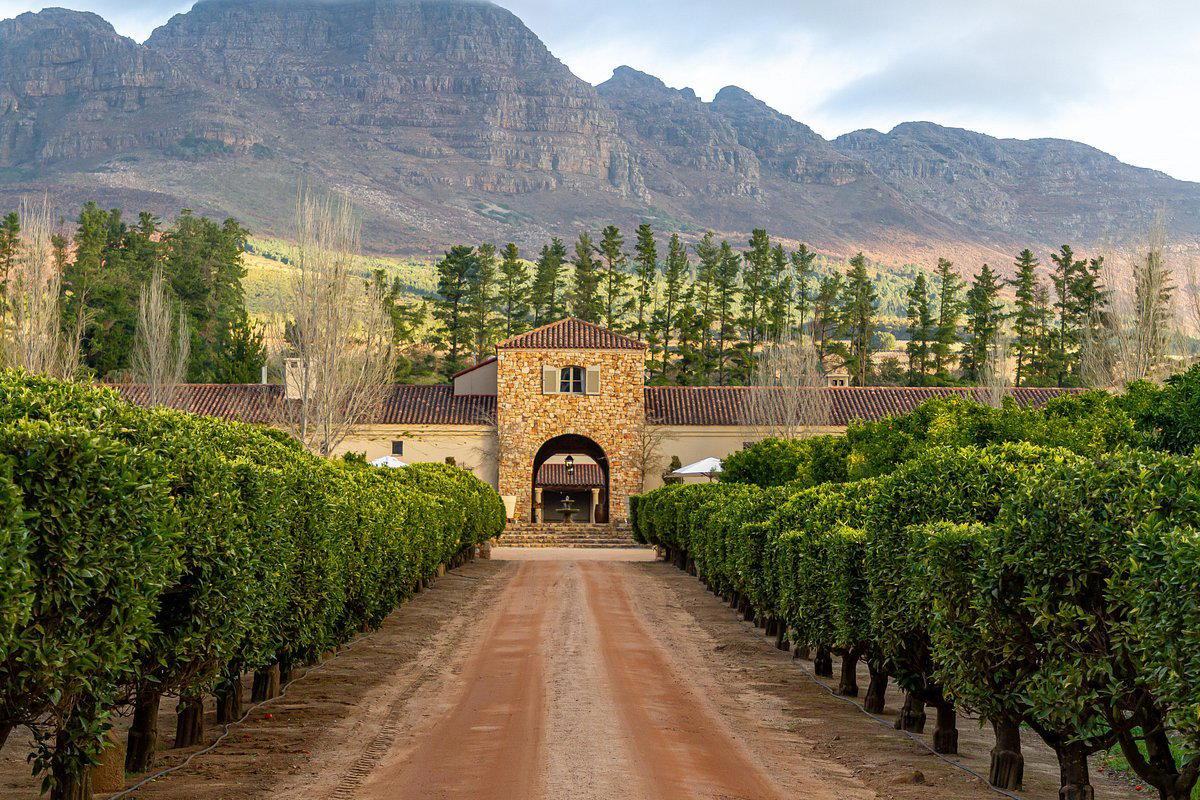
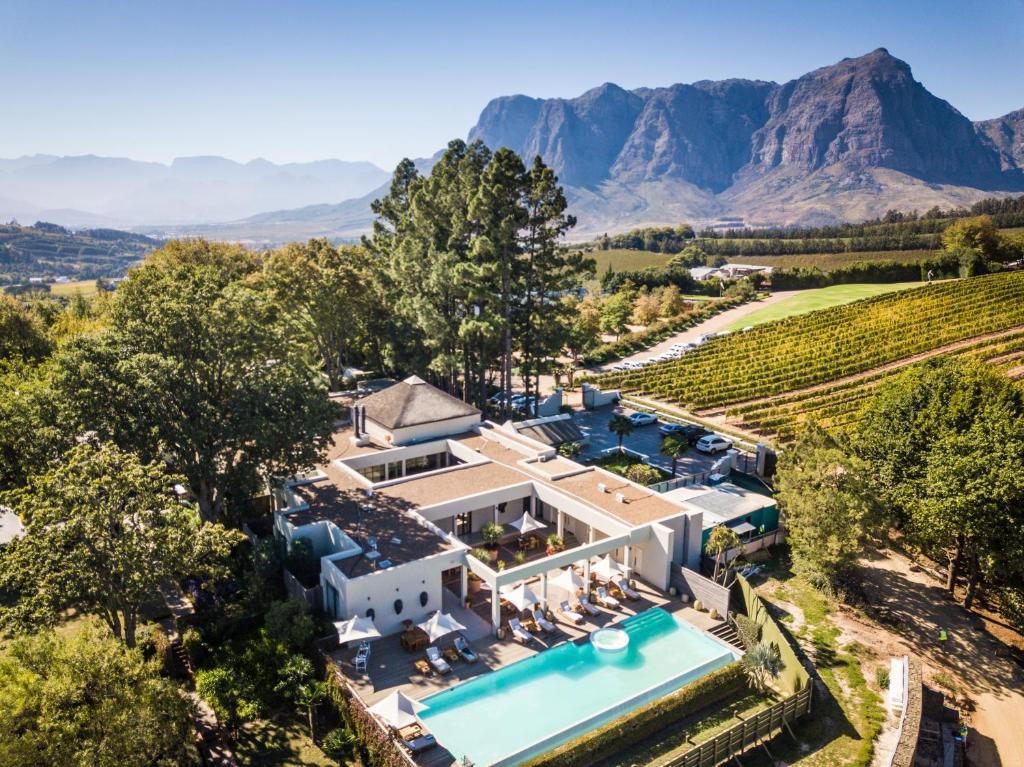
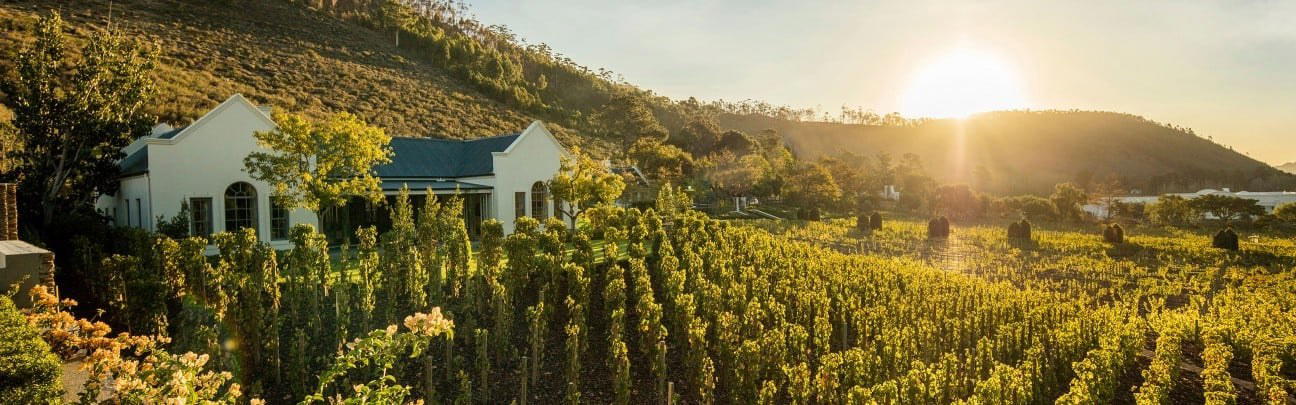
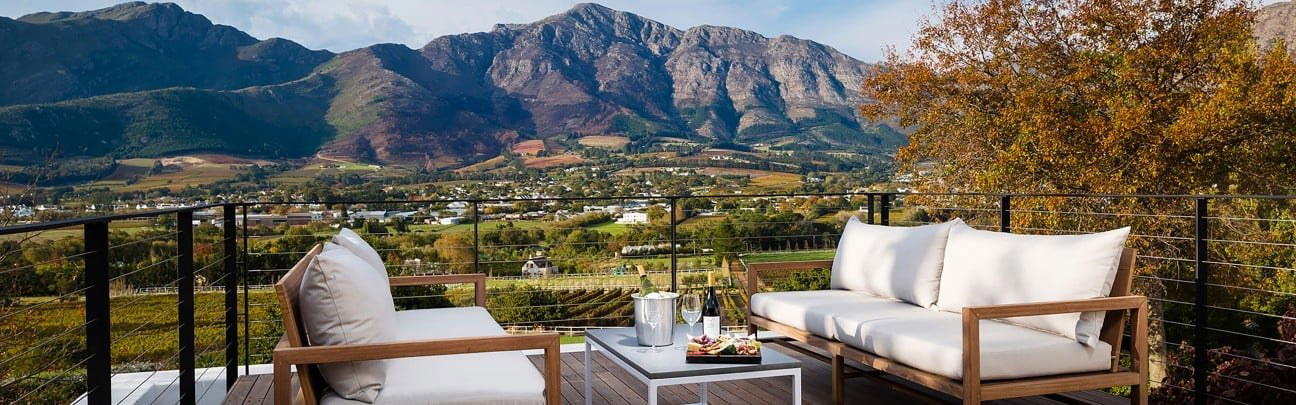
The approach to Lanzerac along Lanzerac Road already signals the register you're entering. The Cape Dutch architecture, the mountain backdrop, the unhurried scale of the grounds: these are the physical cues that distinguish the Winelands estate experience from a simple tasting room visit. This is the kind of property where the journey from the car park to the first pour functions as deliberate decompression, and where the built environment does as much editorial work as anything in the glass.
That setting matters because Stellenbosch's premium estate tier is increasingly segmented. Properties like Delaire Graff Estate have moved toward high-design luxury hotel positioning, while others like Spier Wine Farm operate at higher volume with a broader visitor profile. Lanzerac occupies the older, more historically grounded end of that spectrum, carrying the weight of one of the Cape's most recognisable estate addresses.
What the Awards Signal
The two recent recognitions on Lanzerac's record are worth reading carefully. A Star Wine List award (2026) places the estate's wine program within a globally curated index of serious wine destinations, a credential that reflects list depth and quality rather than just production volume.
In the Stellenbosch context, this dual recognition matters. A number of properties in the region hold wine awards without the hospitality infrastructure to match, and vice versa. The combination positions Lanzerac alongside estates like Tokara Winery and Asara Wine Estate in a sub-tier where the wine list and the overnight or dining experience are expected to cohere. For visitors who use awards as a planning filter, Lanzerac clears both bars simultaneously.
Across the broader Western Cape, comparable estates with prestige-tier dual recognition include Vergelegen Wine Estate in Somerset West and Babylonstoren in Franschhoek, each of which has built a reputation where the total property experience extends well beyond the tasting room. Lanzerac belongs in that conversation.
Planning Your Visit: What to Know Before You Go
Lanzerac is the kind of estate where preparation changes the quality of the experience significantly. As a property that combines wine tasting, hotel accommodation, and restaurant dining, the visit can be structured in multiple ways, and the difference between a day visit and an overnight stay is substantial. Visitors arriving without a reservation are best advised to plan ahead.
Stellenbosch sits roughly an hour from Cape Town by car, making it viable as a day trip, but the estates at the prestige end of the market, Lanzerac among them, are better experienced with at least one night on property. The rhythm of a Cape Winelands estate, where morning light on the vineyards is a different experience from midday tasting, is only accessible to guests who stay. Day visitors should aim for morning slots when possible; afternoon arrivals in summer can feel rushed against the backdrop of peak traffic on the R310.
For those comparing Lanzerac against other Stellenbosch options in a longer itinerary, Neethlingshof Estate offers a different architectural register on a similarly historic footprint, while Delaire Graff Estate sits at the contemporary luxury end of the spectrum with its art collection and chef's restaurant. Lanzerac's positioning, historic Cape Dutch property with prestige-tier wine and accommodation, creates a distinct slot in that itinerary logic.
The Wine: Reading the Signals
One useful frame here is the Star Wine List recognition itself. That index selects for list curation and depth rather than raw production size, which suggests Lanzerac's wine program leans toward quality-led selection rather than high-volume commercial output. In the Stellenbosch context, that positioning aligns the estate with the Cabernet-dominant prestige tier that defines the appellation's global reputation, though the estate's historic scale suggests breadth across red varieties.
For comparative context across the Western Cape's wine regions, properties like Creation Wines in Hermanus and Constantia Glen in Cape Town operate in cooler-climate niches suited to Pinot Noir and Sauvignon Blanc respectively. Stellenbosch's warmer valleys produce a different style, and Lanzerac's Winelands address speaks to that continental warmth and the fuller-bodied profiles it tends to generate. Visitors with a specific interest in South African sparkling wine would also note Graham Beck Wines in Robertson as a regional benchmark in that category, a different appellation with a distinct specialisation.
The Estate Experience: Low-Key or High-Energy?
Lanzerac reads as composed rather than programmatic. The property's character, grounded in Cape Dutch heritage and the kind of scale that comes from a long-established estate, tends toward a measured, unhurried atmosphere rather than the event-driven, high-turnover format some visitors associate with more commercially oriented wine tourism properties. That is not a neutral observation: for visitors who find heavily scheduled tasting experiences constraining, the register here is likely more comfortable. For those expecting the theatrical, design-forward energy of a property like Delaire Graff, the experience will feel different in pace and sensibility.
That distinction separates prestige-tier estates from the smaller, more casual producers elsewhere in the Winelands, including properties operating without accommodation infrastructure like Oude Molen Distillery in Grabouw or Val de Vie Estate in Paarl, which each occupy a different niche in the Western Cape producer landscape.
Placing Lanzerac in a Broader Itinerary
Stellenbosch is a dense wine region, and visitors building a multi-day Western Cape itinerary have a genuine abundance of options at varying price points and styles. Lanzerac's awards positioning and historic estate format make it most relevant to visitors who want a full-property experience, one where the accommodation, dining, and wine are designed to work together rather than requiring assembly from separate providers.
For those with interests across the globe's wine regions, it is worth noting that the dual-recognition model Lanzerac holds, quality wine list plus prestige hospitality, echoes what properties like Accendo Cellars in St. Helena (Napa Valley) represent in a different appellation context, or what Aberlour in Aberlour represents in Speyside's spirits category: properties where the production credential and the visitor experience are held to the same standard simultaneously. That coherence is what distinguishes the prestige estate tier from wine tourism at a more transactional level, and it is what Lanzerac's recognition record supports.
Frequently Asked Questions
- Is Lanzerac Wine Estate more low-key or high-energy? The property's Cape Dutch heritage, historic scale, and prestige-tier positioning create a composed, unhurried atmosphere. It is not a high-volume or event-driven venue. Visitors arriving in the January to March harvest season should book ahead, as peak summer draws higher visitor numbers across the Stellenbosch appellation.
- Stellenbosch's appellation identity is broadly centred on Cabernet Sauvignon and Bordeaux-style red blends, and a prestige-tier estate at Lanzerac's address would typically operate within that regional framework.
- What should I know about Lanzerac Wine Estate before I go? Lanzerac combines wine production, hotel accommodation, and restaurant dining on one property, which means the visit format depends on your planning. An overnight stay gives access to the full estate rhythm; day visitors in peak summer season should aim for morning arrival and confirm availability in advance. The address is Lanzerac Road, Stellenbosch, approximately an hour from Cape Town.
The Essentials
Comparable venues nearby, for context on price, style, and recognition.
| Venue | Cuisine | Price | Notes |
|---|---|---|---|
| Lanzerac Wine EstateThis venue — the venue you are viewing | Jonkershoek Valley, Pinotage, Chardonnay | $$$$ | Not listed |
| Asara Wine Estate | Polkadraai, Chardonnay | $$$$ | Not listed |
| Neethlingshof Estate | Not listed | $$$ | Stellenbosch, Pinotage, Cabernet Sauvignon |
| Warwick Estate | Not listed | $$$ | Stellenbosch, Cabernet Sauvignon, Cabernet Franc |
| De Toren Private Cellar | Stellenbosch, Cabernet Sauvignon, Merlot | $$$$ | Not listed |
| Vergenoegd Löw Wine Estate | Stellenbosch, Cabernet Sauvignon, Merlot | $$$ | Not listed |
Recognition history
Dated appearances from independent guides and award organizations, with the underlying list record or original source where available.
Star Wine List
Star Wine List
Continue exploring
More in Stellenbosch
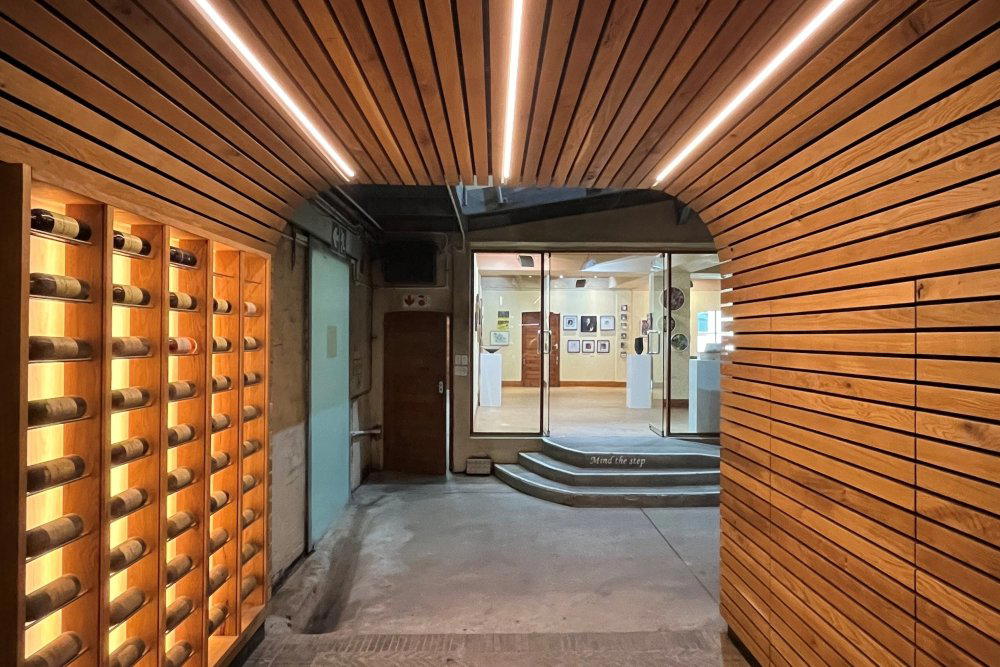
Wineries in Stellenbosch
Browse all →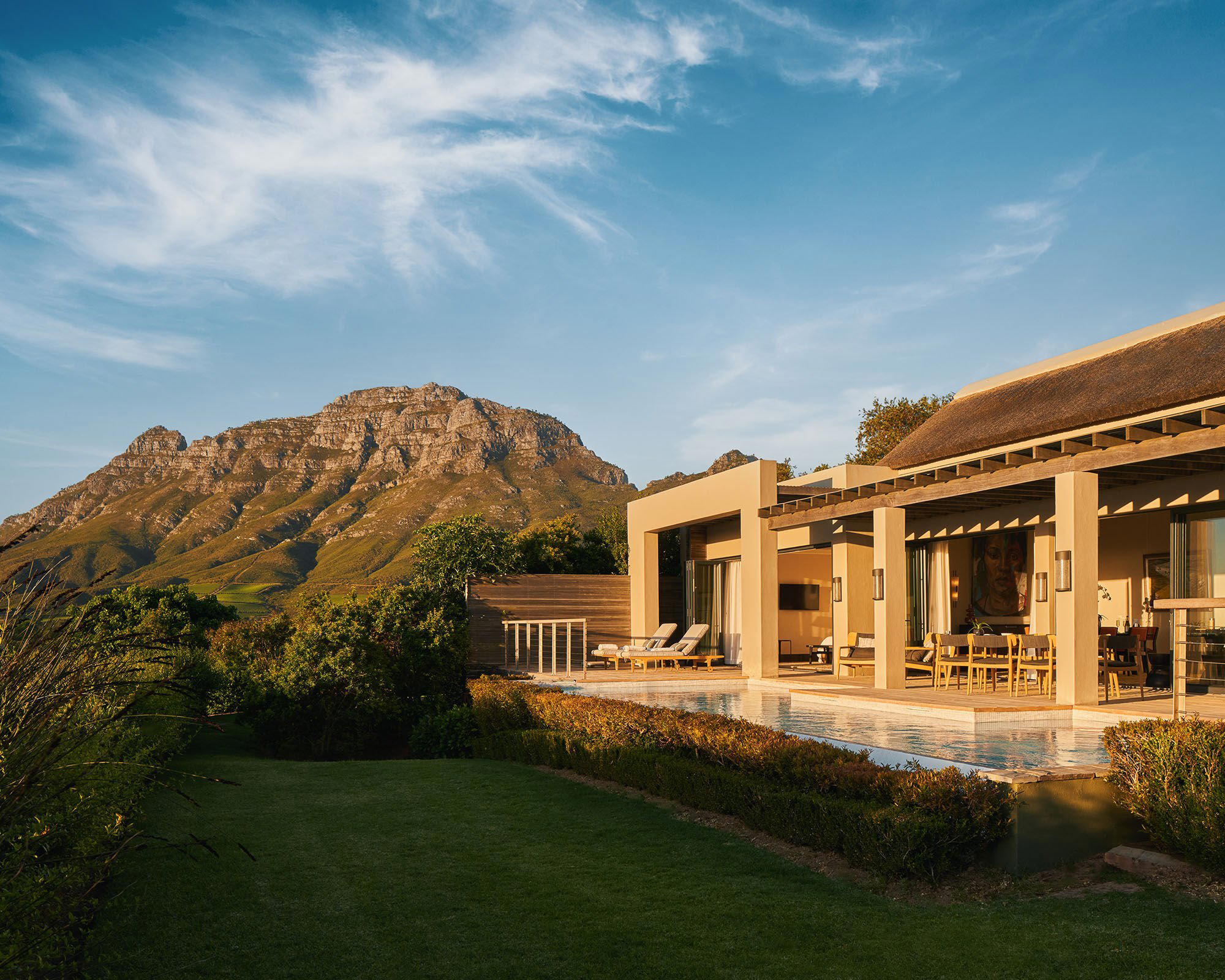
Bars in Stellenbosch
Browse all →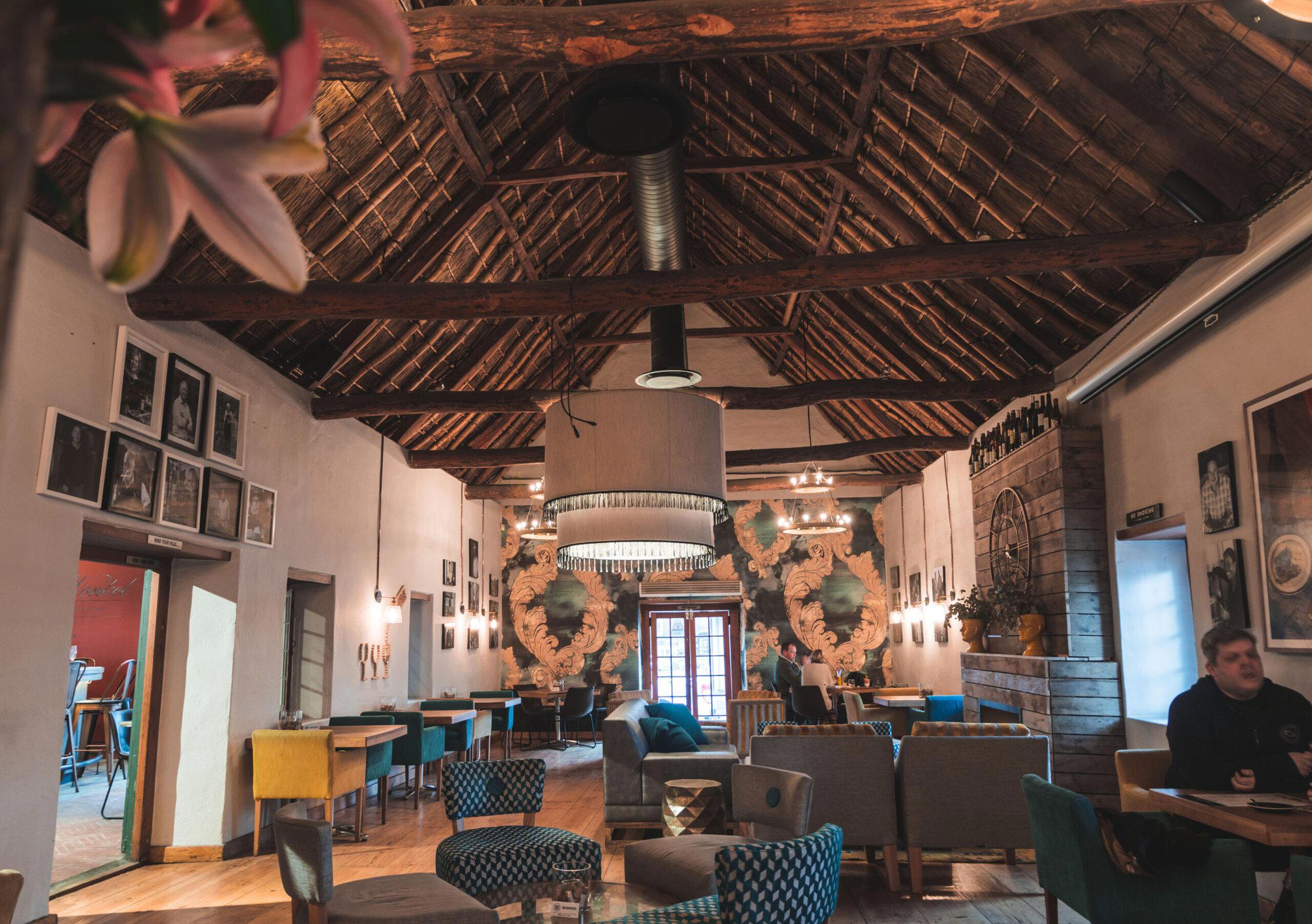
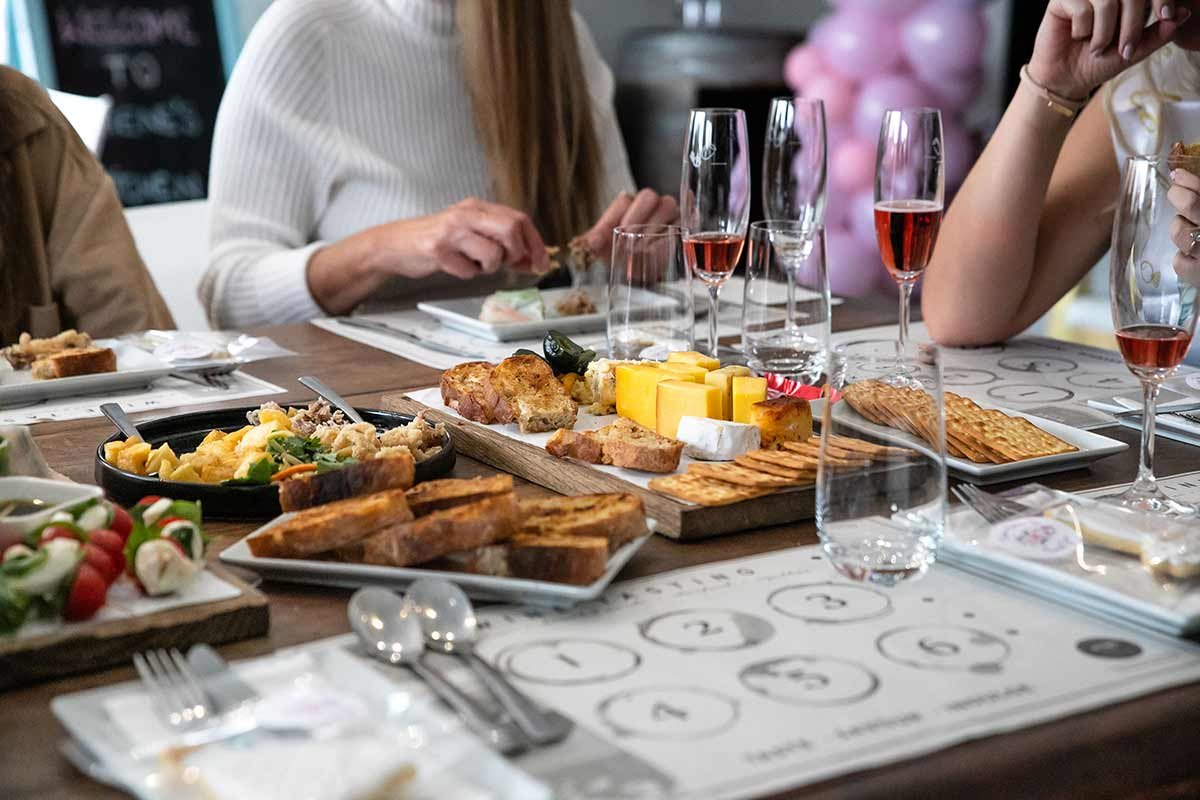
Restaurants in Stellenbosch
Browse all →
At a Glance
- Romantic
- Elegant
- Classic
- Scenic
- Sophisticated
- Rustic
- Romantic Getaway
- Celebration
- Special Occasion
- Wine Education
- Vineyard Tour
- Estate Grounds
- Terrace
- Historic Building
- Private Tasting
- Mountain
- Vineyard
- Garden
- Stellenbosch
- Pinotage
- Chardonnay
- Chenin Blanc
- Sauvignon Blanc
- Syrah
- Merlot
- Cabernet Sauvignon
- Cabernet Franc
- Cinsaut
- Still Red
- Still White
- Still Rosé
- Sparkling
- Guided Tasting
- Wine Chocolate Pairing
- Heritage Tasting
- Founded: official source · checked
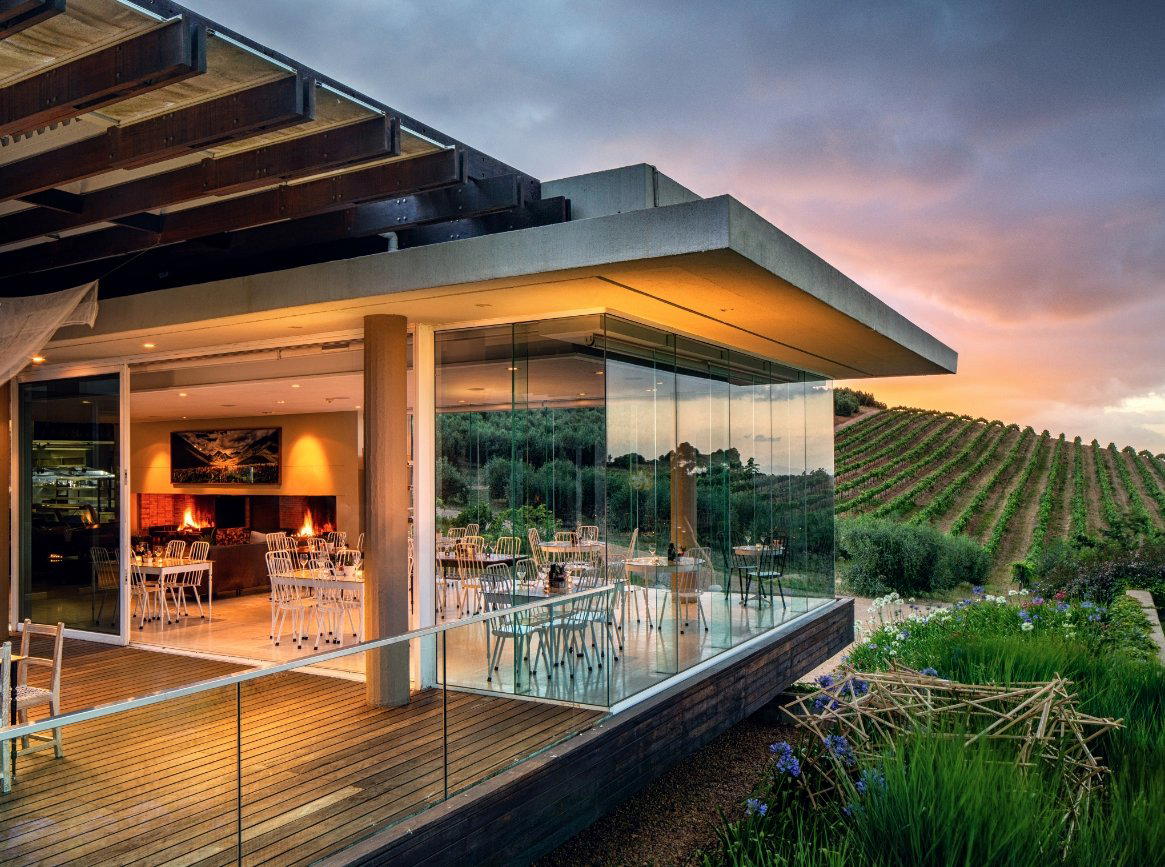
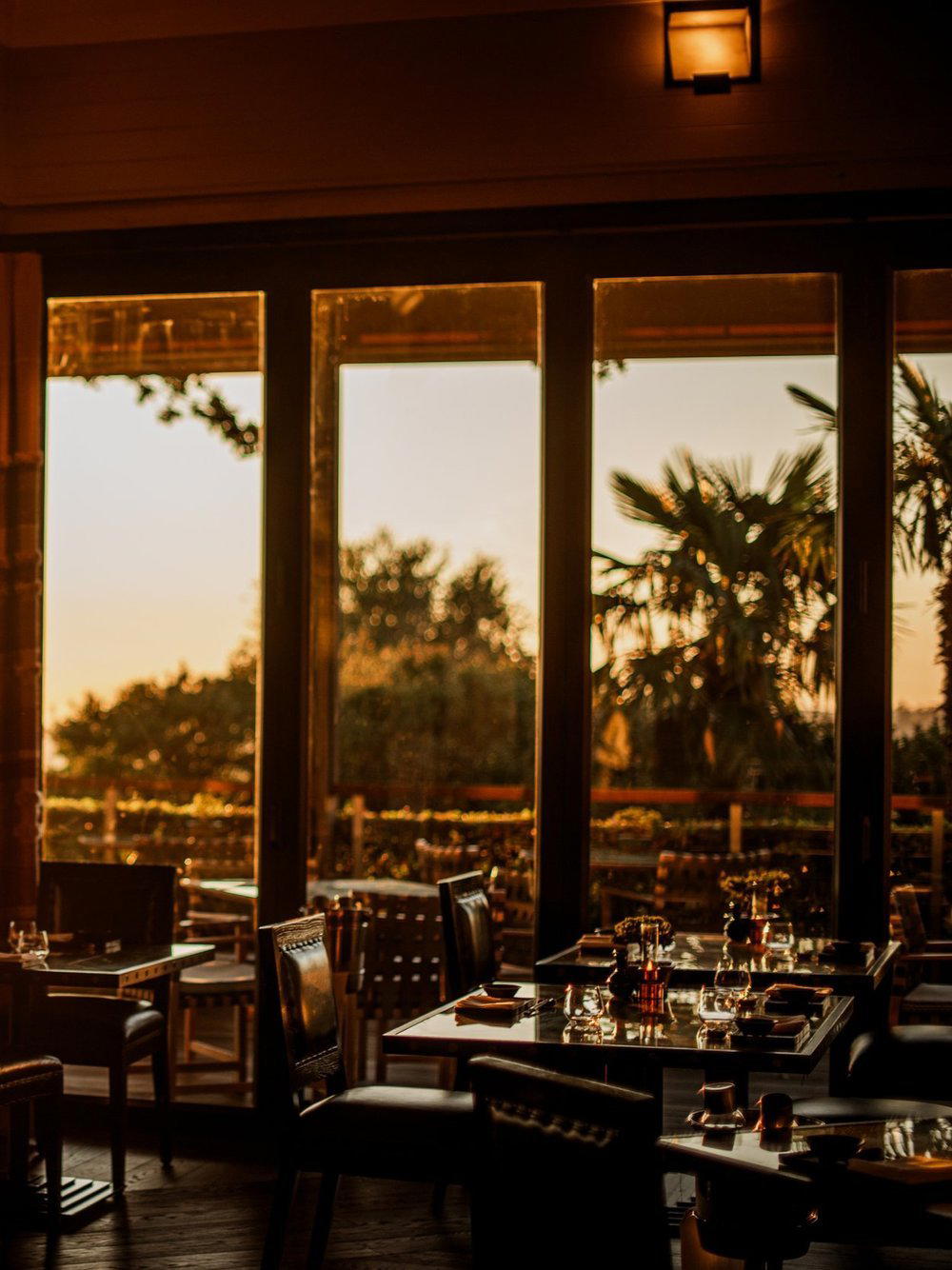
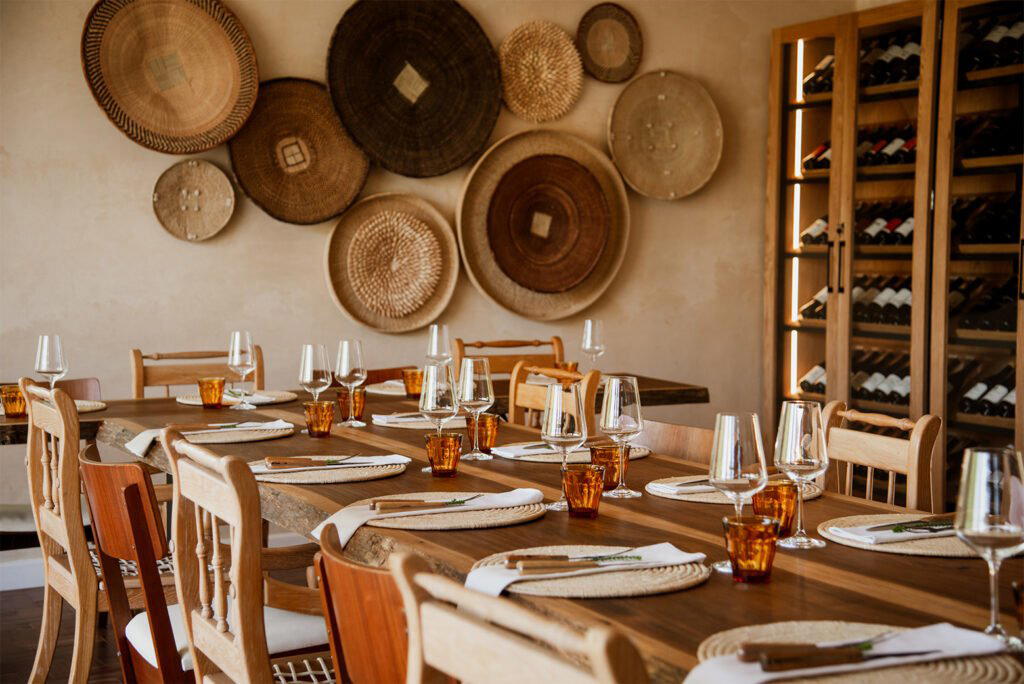
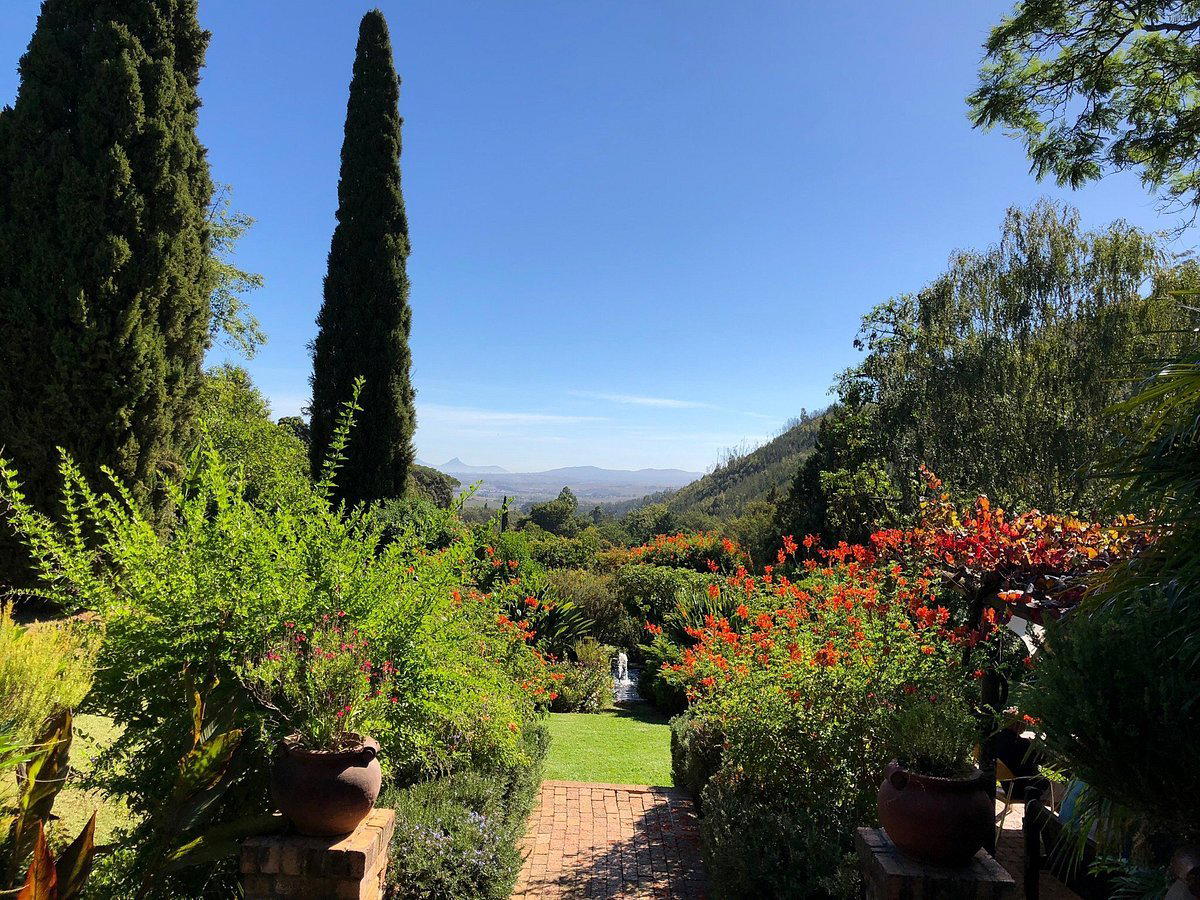
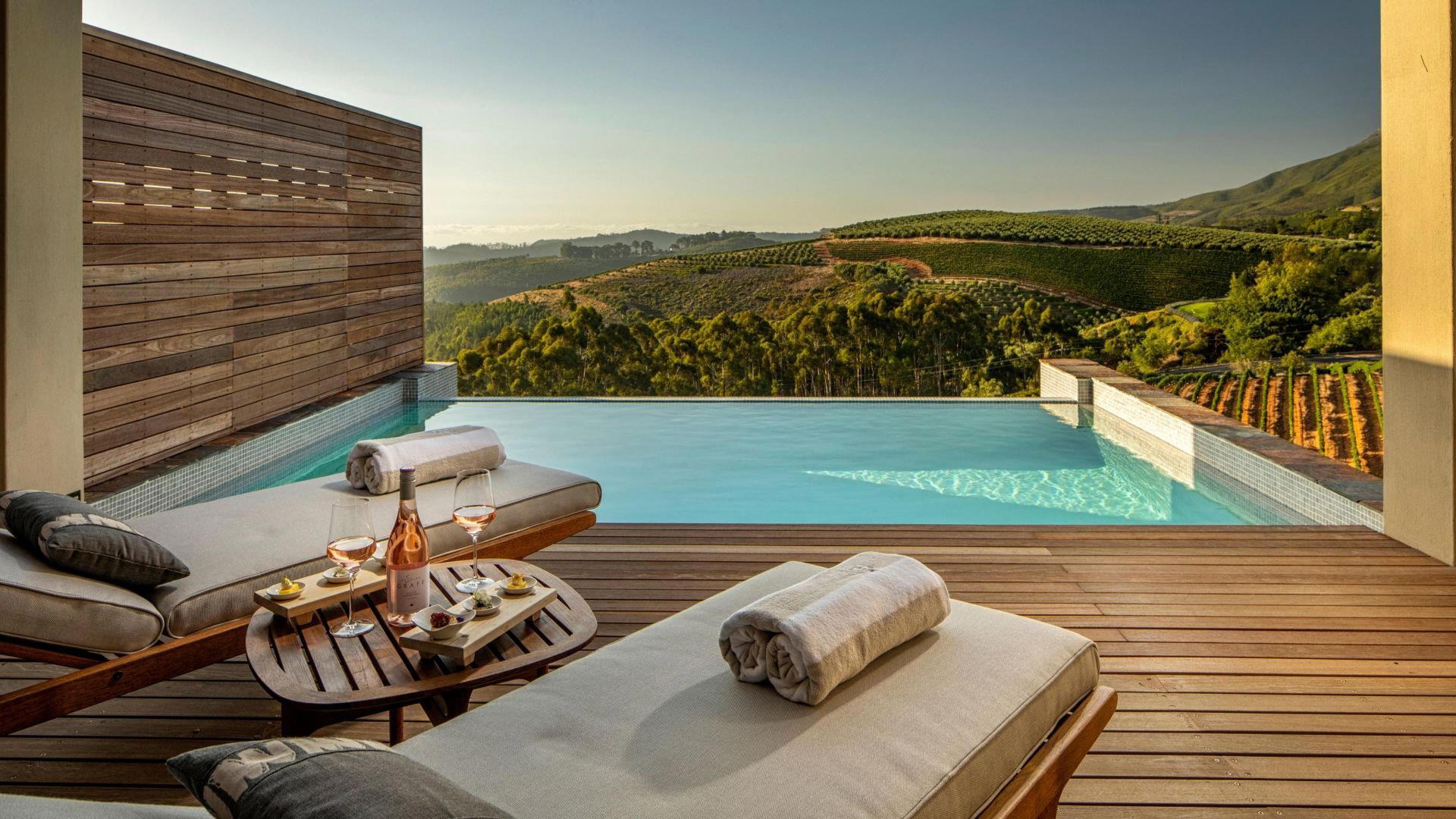
Relaxed and elegant with period grandeur and contemporary style, featuring light-filled spaces, romantic chandelier lighting, cozy lounges with fireplaces, and far-reaching vineyard and mountain views.