Tommasi

Falstaff Winery - 4 Stars
Set among the volcanic soils and amphitheatre ridgelines of Valpolicella Classico, Tommasi is a reference point for the zone's most ambitious red wine traditions. Visitors to the Pedemonte property engage with wines shaped as much by centuries of farming logic as by winemaking decision.
Where the Valpolicella Classico Zone Makes Its Case
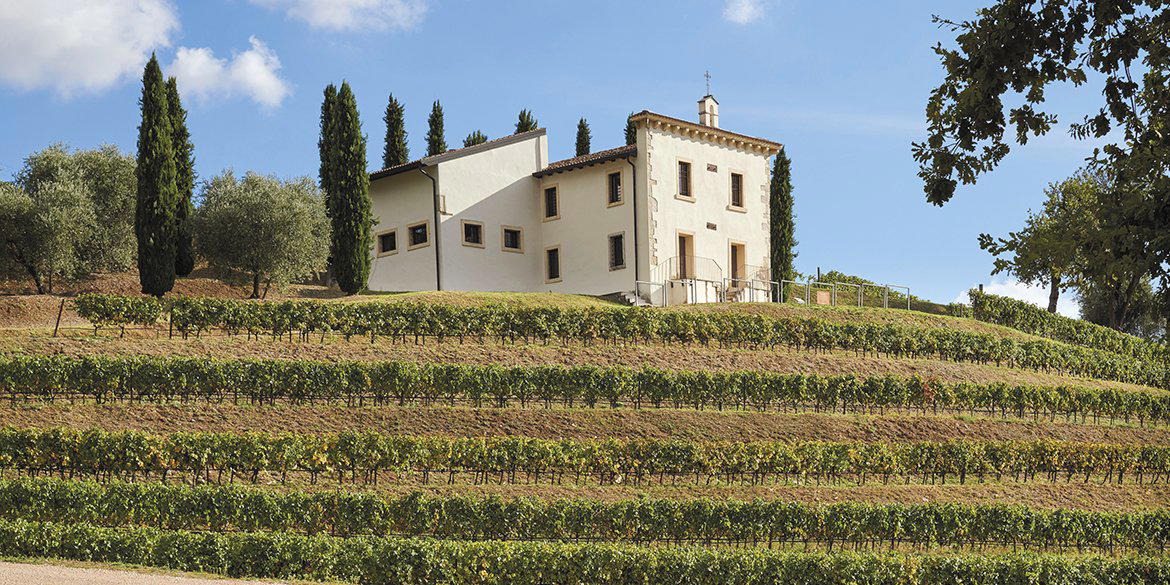
The drive into Pedemonte from Verona takes roughly twenty minutes, but the shift in sensory register happens sooner. By the time the road climbs above the valley floor and the rows of Corvina, Corvinone, and Rondinella begin to close in on either side, the altitude and the basalt-limestone subsoil are already doing visible work. This is the Classico heartland of Valpolicella, a zone that operates on different terms from the extended appellation, and Tommasi, positioned along Via Ronchetto in San Pietro in Cariano, sits inside that geographic argument at its most concentrated.
In the Classico zone, that differentiation comes from altitude, aspect, and a terroir logic that has been accumulating for generations. Any serious engagement with northeastern Italian viticulture runs through addresses like this one, and the broader Pedemonte (San Pietro in Cariano) restaurants and wine guide maps the full range of what the area offers visitors arriving from Verona or the Lake Garda corridor.
Terroir Mechanics: What the Valpolicella Classico Zone Actually Produces
Understanding what makes the Classico sub-zone distinct requires separating it from Valpolicella as a regional category. The extended denomination sprawls east into the Valpantena and beyond, where alluvial plains produce lighter, earlier-drinking wines. The Classico zone, by contrast, occupies the original five valleys, Negrar, Marano, Fumane, Sant'Ambrogio, and San Pietro in Cariano, where basaltic and calcareous soils sit above a volcanic substratum that lends iron-rich mineral tension to the wines.
That soil structure matters most for Amarone della Valpolicella, the appellation's most discussed expression. Amarone is produced by drying harvested grapes, primarily Corvina, on bamboo racks or in wooden crates for a period that typically runs from October into January, concentrating sugars, acids, and phenolic compounds before fermentation. The result is a wine that carries both the weight of its concentrated fruit and the structural precision that comes from high-quality Classico zone viticulture. The same drying process, applied to different proportions and with the addition of refermentation on Amarone pomace, yields Ripasso, a category that has attracted significant commercial attention and now occupies a distinct tier between Valpolicella Superiore and Amarone itself.
For context, properties working at comparable levels of Italian regional ambition include Aldo Conterno in Monforte d'Alba, where Barolo's Serralunga terroir performs an analogous role, and Ca' del Bosco in Erbusco, where Franciacorta's chalk and moraine logic shapes a different but equally site-specific argument.
The Corvina Variety and Why It Defines This Appellation
Corvina Veronese is the backbone grape of Valpolicella, typically comprising sixty to eighty percent of a given blend. Its most important characteristic is a loose, large-berried cluster structure that makes it exceptionally suited to the appassimento drying process: good air circulation between berries reduces botrytis risk and allows gradual, even moisture loss. What drying does to Corvina specifically is concentrate its naturally high acidity alongside its fruit, which prevents Amarone from collapsing into a purely sweet or unctuous register despite the refined alcohol levels.
The variety has relatively little presence outside the Valpolicella zone, which makes it an appellation-defining ingredient in a way that Sangiovese, by contrast, is not. A producer like Castello di Volpaia in Radda in Chianti is working with a grape that extends across Tuscany; a Classico zone producer working with Corvina is making a site-specific argument that has very few external comparators.
Visiting Tommasi: What the Experience Involves
Wine tourism in Valpolicella Classico has developed steadily over the past decade, with the zone now attracting visitors who arrive via Verona's airport or rail connections before heading northwest into the hills. Pedemonte is among the most accessible of the five Classico valleys from the city, and the San Pietro in Cariano corridor in particular has become a reference strip for the appellation's producer community.
At Tommasi, the visitor engagement centres on the estate's vineyard and cellar context rather than on hospitality infrastructure in the way that larger wine tourism operations might frame it. The Via Ronchetto address places the property within walking distance of the agricultural heart of the Classico zone. For visitors planning around the harvest and drying season, September through November is the period when the appassimento process is active and the winery's operational rhythm is most legible to outside observers. Booking ahead is advisable, particularly in October when the zone attracts significant domestic and international trade attention.
Visitors with broader interests in Italian wine and spirits across the northeast may want to cross-reference with Poli Distillerie in Schiavon (Vicenza), a grappa producer operating within the same regional agricultural logic, or Nonino Distillery in Pavia di Udine for a northern Italian spirits perspective. Those extending south into Umbrian viticulture might consider Lungarotti in Torgiano, while Distilleria Marzadro in Nogaredo and Distilleria Romano Levi in Neive offer points of comparison within Italian artisan distilling traditions.
Where Tommasi Sits in the Italian Wine Conversation
The comparison set within Italy includes producers like L'Enoteca Banfi in Montalcino and Poggio Antico in Monte San Vito, where Brunello di Montalcino plays an analogous role as an appellation built on a single dominant variety with a long maturation tradition. The structural parallel between Amarone and Brunello is loose but real: both are high-prestige red wine appellations where Italian wine tourism concentrates and where the terroir case is as important as the winemaking execution.
For those building an Italian wine itinerary across regions, the logical extensions include Planeta in Menfi for the Sicilian perspective, and Campari in Milan for those interested in how Italian producers have extended their reach into the aperitivo culture that surrounds the wine zones. The Accendo Cellars in St. Helena entry provides a useful contrast between Napa's terroir-first Cabernet arguments and what the Valpolicella Classico zone does differently with its indigenous varieties.
For visitors arriving in Verona and deciding how to allocate time in the surrounding wine country, the Classico zone and addresses like this one in San Pietro in Cariano represent the appellation's most historically grounded arguments.
Frequently asked questions
What's the general vibe of Tommasi?
Tommasi operates as a working wine estate in Pedemonte, within the Valpolicella Classico zone roughly twenty minutes from Verona. The focus is on the vineyards and wines rather than hospitality theatre, visits are grounded in the appellation's agricultural reality.
What wines should I try at Tommasi?
The Valpolicella Classico zone is defined by Corvina Veronese-led blends, typically at sixty to eighty percent of the composition, with Rondinella and Molinara completing the picture. The same grape set underpins Ripasso and Amarone della Valpolicella, the appellation's two most recognised styles.
Where can I find Tommasi?
Tommasi is located at di Valpolicella, Via Ronchetto, 4, 37029 Pedemonte VR, Pedemonte (San Pietro in Cariano).
What is Tommasi known for?
Tommasi is positioned as an appellation-level argument for the Valpolicella Classico sub-zone, the original and geographically distinct heart of the broader Valpolicella denomination. The estate's address on Via Ronchetto in Pedemonte places it within the Classico zone's most historically planted corridor.
How hard is it to get in to Tommasi?
Arriving without a reservation at working estates in this zone is generally unreliable, particularly during harvest season. Reaching out directly via the estate's official channels before travelling from Verona is the standard approach.
Comparable Spots, Quickly
Comparable venues nearby, for context on price, style, and recognition.
| Venue | Cuisine | Price | Awards | Notes |
|---|---|---|---|---|
| TommasiThis venue (the venue you are viewing) | Corvina, Rondinella | $30–50 | Falstaff Winery - 4 Stars | Not listed |
| Tenuta Brancalupo | Sagrantino, Trebbiano Spoletino | Not listed | Not listed | Montefalco |
| Elena Walch | Gewürztraminer, Pinot Noir | Not listed | Falstaff Winery - 4 Stars | Termeno |
| Villa Zarri | Trebbiano Toscano, Trebbiano Romagnolo | Not listed | Not listed | Castel Maggiore |
| Distilleria Nardini | Merlot, Cabernet Sauvignon | $30–50 | Not listed | Bassano del Grappa |
| Distilleria Segnana | Chardonnay, Pinot Noir | Not listed | Not listed | Borgo Valsugana |
Recognition history
Dated appearances from independent guides and award organizations, with the underlying list record or original source where available.
Falstaff Winery - 4 Stars
Falstaff
Enquire about visiting Tommasi or buying its wine
Visits to Tommasi are usually kept for the estate's regular buyers and the wine trade. Tell us when you would like to go and a little about how you buy, and we put the request to the estate and reply to you by email. For buying, we source directly from the producer or from a licensed seller we know and vouch for, and tell you the route before you pay.
Continue exploring
More in San Pietro In Cariano
Wineries in San Pietro In Cariano
All wineries in San Pietro In Cariano →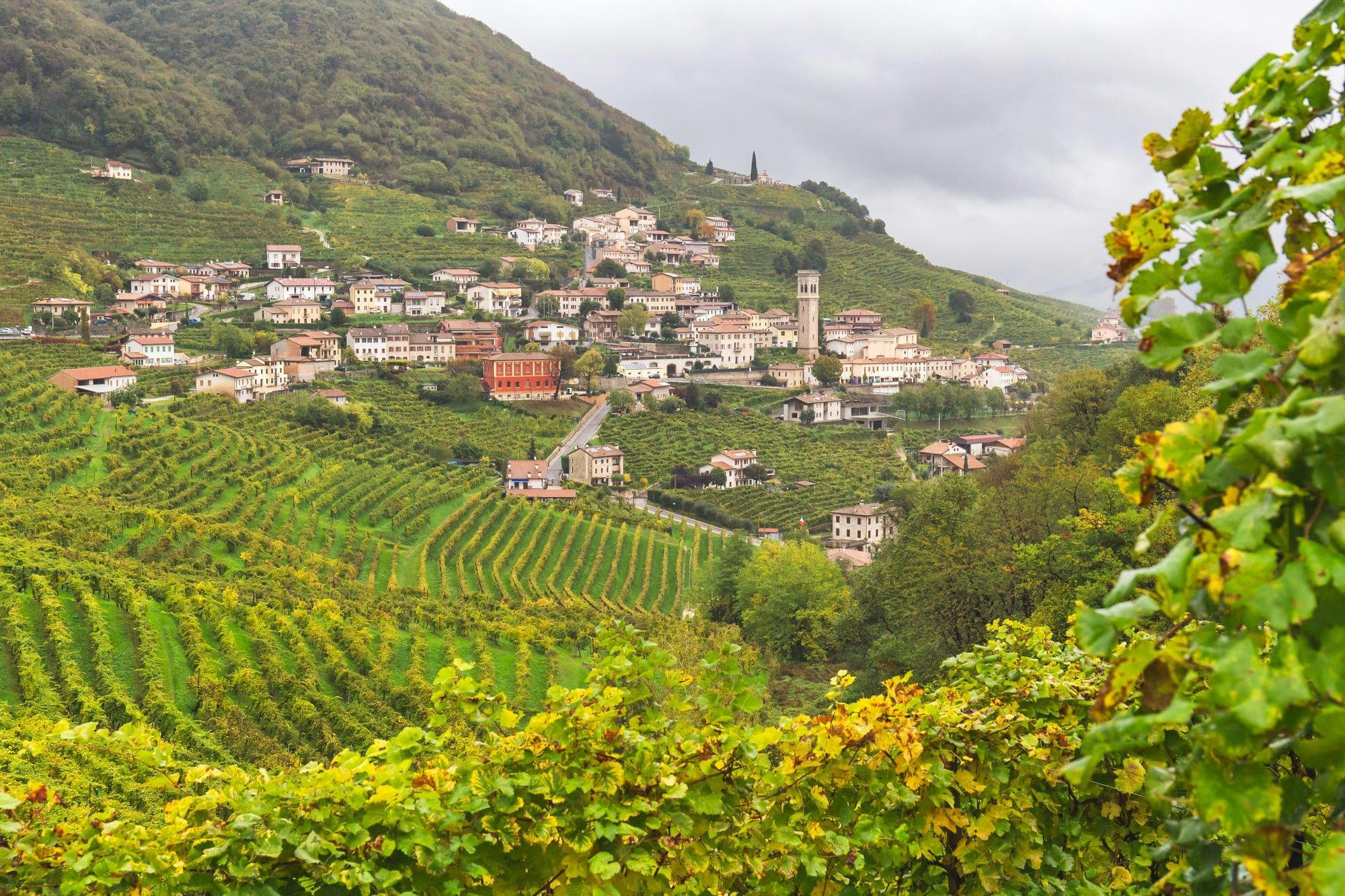
Bars in San Pietro In Cariano
Browse all →
Restaurants in San Pietro In Cariano
All restaurants in San Pietro In Cariano →
Details
- Classic
- Rustic
- Elegant
- Scenic
- Wine Education
- Special Occasion
- Vineyard Tour
- Historic Building
- Panoramic View
- Vineyard
- Mountain
- Corvina
- Rondinella
- Corvinone
- Molinara
- Turbiana
- Still Red
- Estate Tasting
- Private Tasting
- English
- Italian
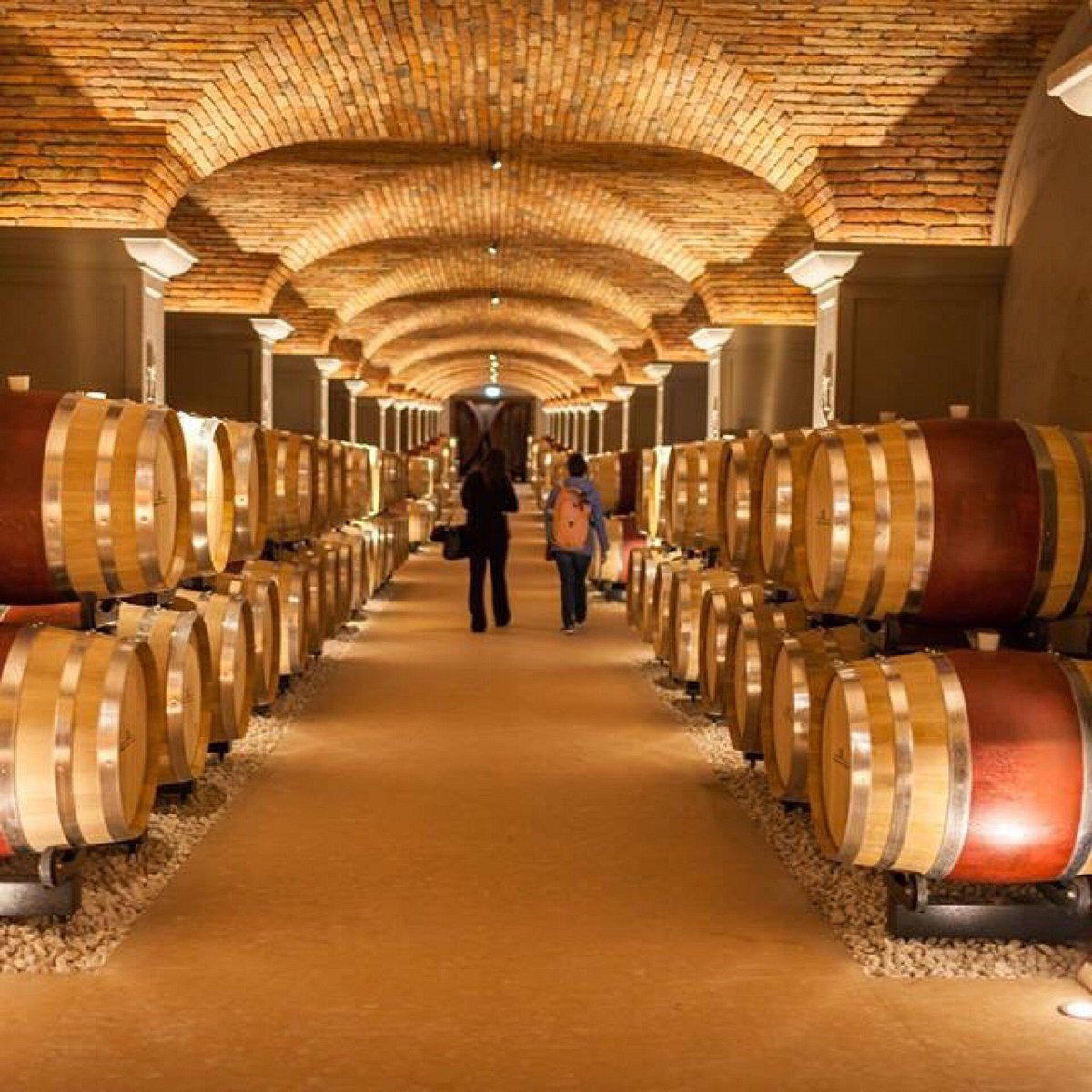
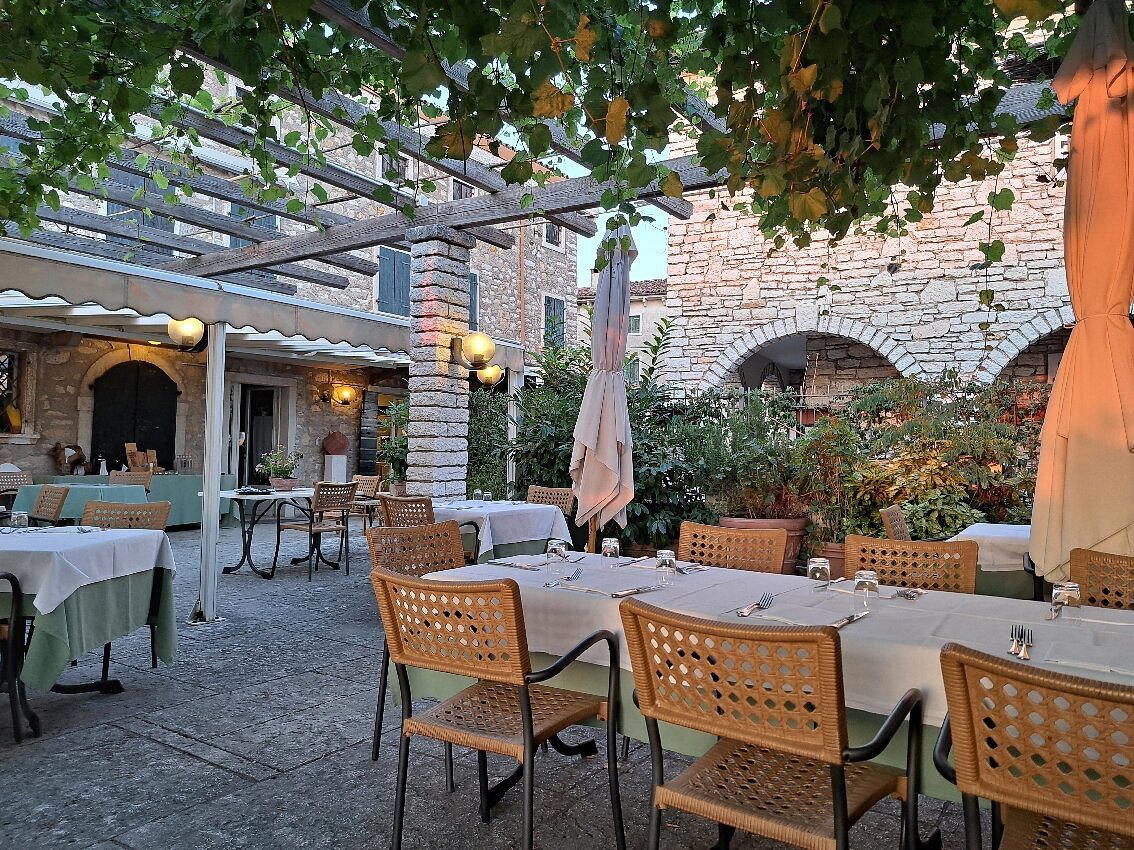
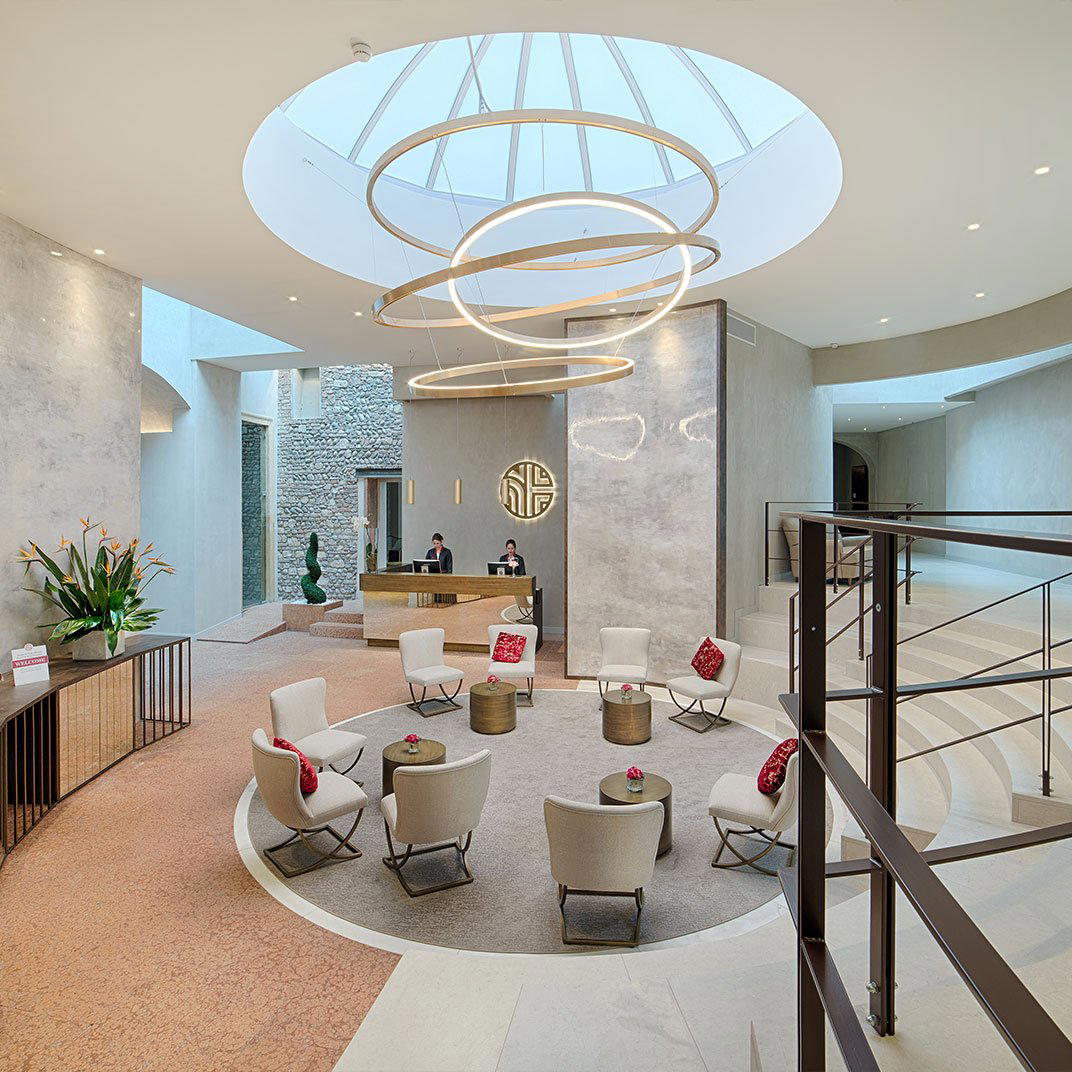
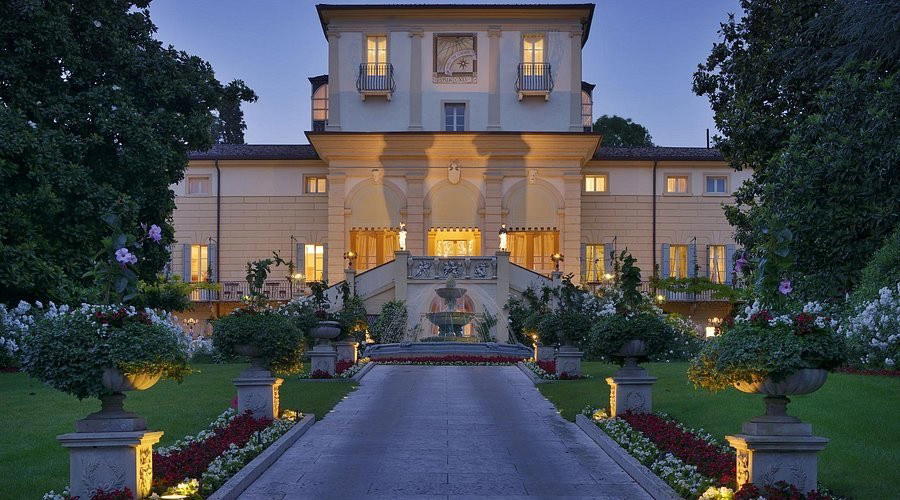
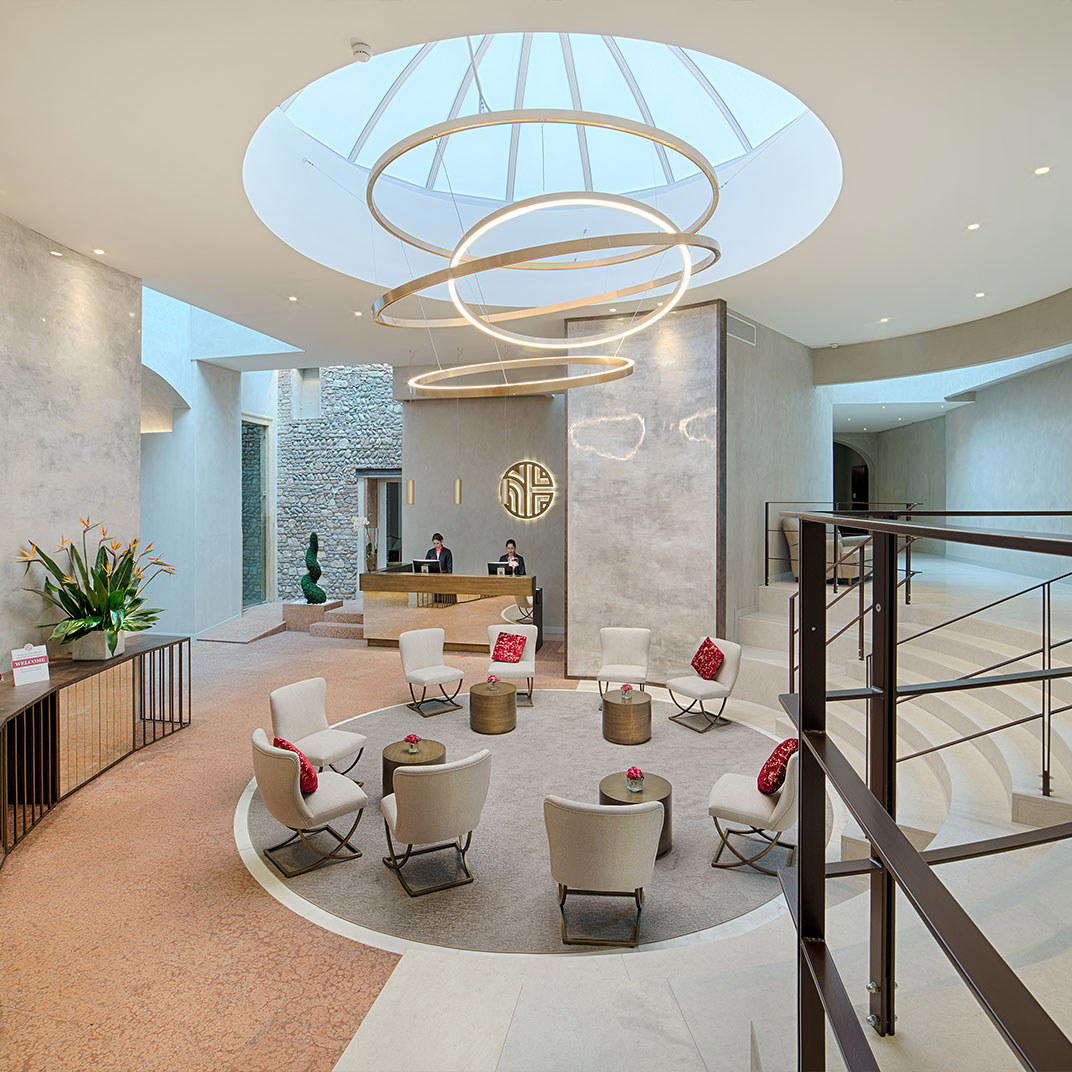
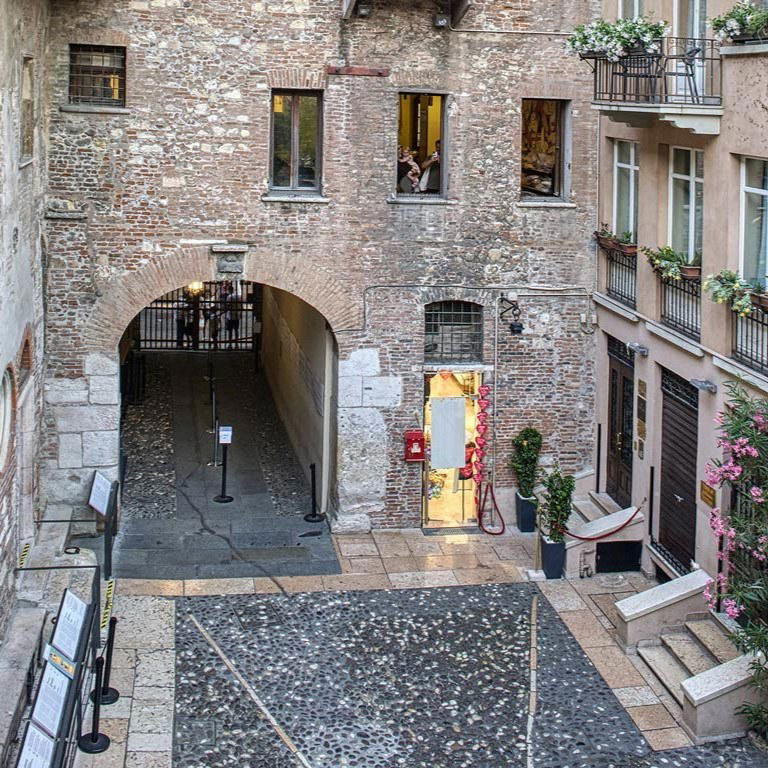
Elegant and historic with traditional Slavonian oak aging cellars reflecting over a century of family winemaking tradition.