Graci

Falstaff Winery - 4 Stars
Graci is a winery in Passopisciaro, on the northern slopes of Mount Etna. The estate sits within Sicily's most scrutinised volcanic wine zone, where altitude, lava-derived soils, and pre-phylloxera vine stock define what ends up in the glass. For those tracking the evolution of Etna Rosso and Bianco, this address belongs on the itinerary.

Pearl is the En Primeur Club membership app — saves, bookings, and concierge access live there. Same editors, same standards.
- Address
- SP7, 95012 Passopisciaro CT
- Phone
- +39 348 701 6773
- Website
- graci.eu
- Directions
- Get directions
Volcanic Ground, Ancient Vines
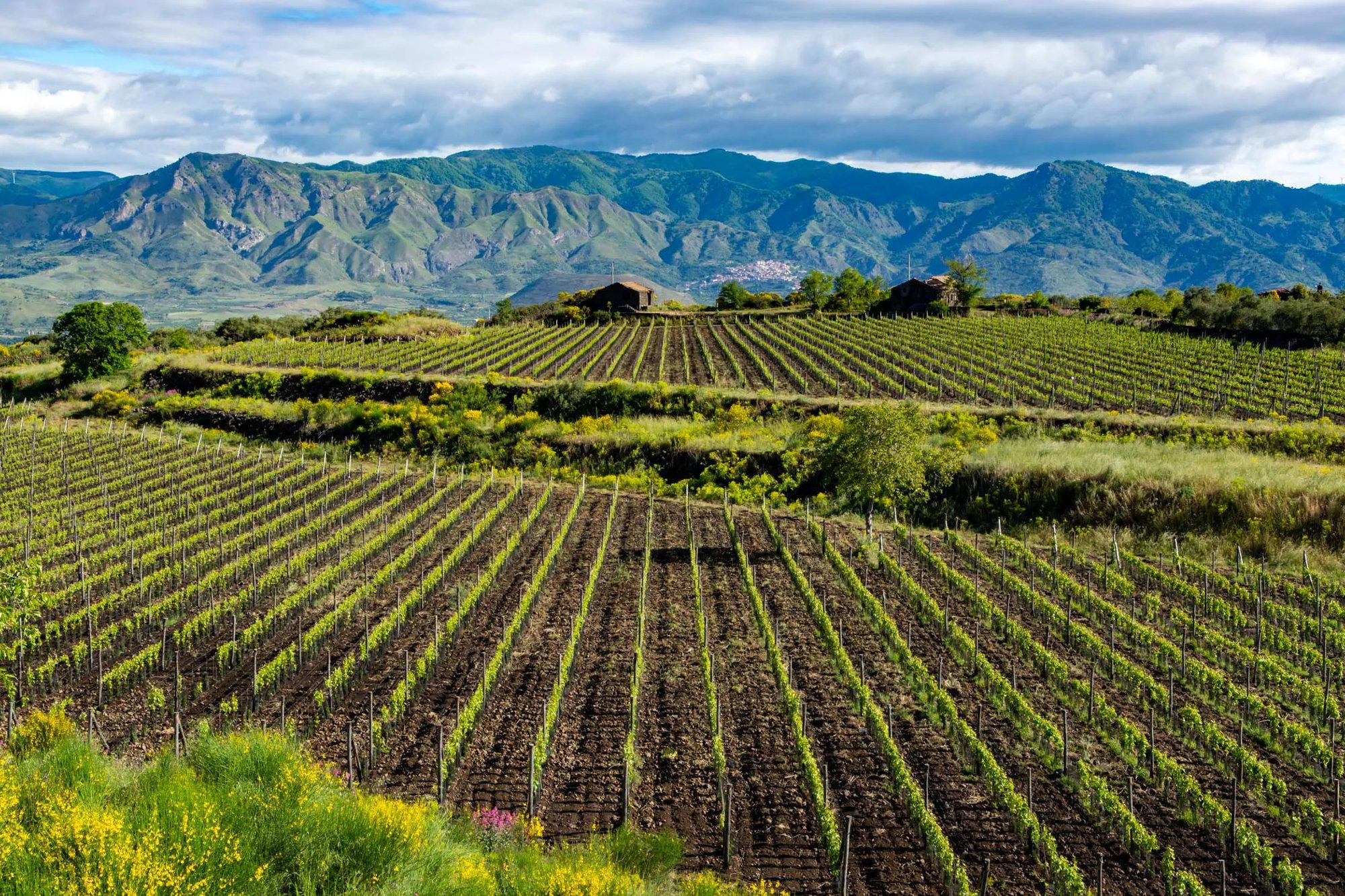
The northern flank of Mount Etna does not produce wine the way the rest of Sicily does. Down on the coast or in the western interior, sunshine is relentless and yields are generous. Up here, above 600 metres on the contrade of Passopisciaro, the light is cooler, the basalt soils drain fast, and the fog that settles in from the Ionian in autumn gives the growing season a tempo that has more in common with alpine viticulture than Mediterranean. Graci operates within that specific geography, and the wines it makes are inseparable from it.
Etna's reputation as one of Italy's most consequential wine zones has solidified over the past two decades, attracting producers from across the country and from abroad. But Passopisciaro, on the northern slope, has consistently produced the wines that generate the most critical attention. The soils here are younger volcanic ash layered over older lava flows, and the altitude keeps sugar accumulation in check, giving the Nerello Mascalese grape an elegance that warmer southern exposures tend to suppress. Graci.
What the Land Puts in the Glass
Nerello Mascalese is the defining red grape of Etna, and understanding it requires accepting that it behaves differently depending on which lava flow the vines are rooted in. On the northern slopes around Passopisciaro, the soils are lighter in mineral weight but more expressive in aromatic lift. Producers who have worked this zone for decades will tell you that the grape's thin skin and tendency toward translucency in the glass is not a weakness but a structural feature. It ages the way Burgundy's Pinot Noir ages, in slow, oxidative increments, gaining complexity from the bottle rather than from extraction.
Much of Etna's vine stock predates phylloxera, the root louse that devastated European viticulture in the late 19th century. The combination of volcanic soils, which the louse struggles to colonise, and decades of relative neglect before the zone's modern rediscovery means that ungrafted vines over 80 and sometimes over 100 years old are not rare here. That age concentrates and complicates the fruit in ways that younger plantings cannot replicate on any timeline. When Graci draws from these old parcels, the result reflects centuries of volcanic accumulation beneath the roots. Producers across the zone, from Planeta in Menfi in Sicily's west to the specialist estates of Passopisciaro, are working with Nerello, but the old-vine, high-altitude northern slope expression is a narrower and more exacting category.
Etna Bianco, made primarily from Carricante, occupies a different but parallel story. The grape's natural acidity, extended on the volcanic soils by the altitude and fog, produces whites that can sustain significant bottle age. Comparisons to white Burgundy are often drawn, not because the flavour profile is identical, but because the structural logic is similar: acid-driven, mineral-threaded, and built for the medium term rather than immediate consumption.
Passopisciaro in the Etna Context
The contrade system on Etna, in which individual parcels are identified on labels much as Burgundy's climat system marks specific vineyard sites, has given producers here a vocabulary for precision that was absent a generation ago. Passopisciaro sits on the northern slope alongside a handful of other named contrade, each producing wines with measurably different profiles depending on their elevation, aspect, and the age of the specific lava flow beneath them. This site-specific thinking is now central to how serious Etna producers market and position their wines internationally.
For the broader context of Italian premium wine, it is worth noting that the estates winning prestige recognition in zones outside the traditional Tuscan and Piedmontese heartlands often work with comparable rigour to the long-established names. Aldo Conterno in Monforte d'Alba and Castello di Volpaia in Radda in Chianti represent the older guard of Italian prestige viticulture; estates like Graci represent the expanding map of where that prestige is now being recognised.
The comparison with Tuscan estates is also useful for pricing expectations. Wines from recognised Etna producers at this tier tend to sit below comparable Brunello or Barolo from similar prestige-rated estates, making them an attractive entry point for those building cellars with Italian volcanic wines. L'Enoteca Banfi in Montalcino and Lungarotti in Torgiano operate in established DOC and DOCG frameworks where price floors are already set by decades of international demand. Etna's pricing has not yet fully caught up with the critical recognition, which is precisely what makes the zone worth tracking now.
Planning a Visit to Passopisciaro
Passopisciaro is not a destination that rewards impulsive planning. The village sits on the SP7 road running through the northern Etna wine zone, and getting there typically means flying into Catania's Fontanarossa airport, then driving north through Randazzo or via the A18 autostrada. The drive from Catania takes roughly an hour depending on the route and time of day, and the road conditions above Randazzo require attention, particularly in winter when the upper slopes can be icy.
Visiting in harvest season, usually October into early November, gives the most direct sense of how the zone operates. The light at altitude in autumn is distinctive, and the activity across the contrade makes the connection between place and wine immediate. Spring visits, from late April through June, offer a quieter engagement with the landscape before the tourist season on Etna's more accessible southern face thickens. For those combining a Graci visit with broader Sicilian wine exploration, the full picture of the island's premium producers includes Planeta in Menfi on the western coast, a markedly different climate and variety portfolio but an instructive contrast to the northern Etna style.
Given the limited database details available for advance booking, contacting Graci directly through channels identified on arrival or via the wider Etna wine tourism infrastructure is advisable. The zone's serious producers tend to operate by appointment rather than walk-in, and building in flexibility around your visit to Passopisciaro is sensible. Our full Passopisciaro restaurants guide covers additional context for planning time in the area.
For those expanding their Italian spirits and wine itinerary beyond Sicily, the northern Italian producers such as Nonino Distillery in Pavia di Udine, Distilleria Marzadro in Nogaredo, Distilleria Romano Levi in Neive, and Poli Distillerie in Schiavon (Vicenza) represent a different tradition entirely, grappa and spirits rather than still wine, but collectively illustrate the geographic and stylistic breadth of Italian premium production that a serious itinerary might address. For comparison across international wine styles and prestige tiers, Ca' del Bosco in Erbusco, Campari in Milan, Accendo Cellars in St. Helena, and Aberlour in Aberlour each occupy distinct categories worth understanding before placing Etna's volcanic niche in a global frame. Poggio Antico in Monte San Vito provides another Tuscan reference point for Italian prestige wine benchmarking.
Comparison Snapshot
Comparable venues nearby, for context on price, style, and recognition.
| Venue | Cuisine | Awards | Notes |
|---|---|---|---|
| GraciThis venue — the venue you are viewing | Nerello Mascalese, Carricante | Falstaff Winery - 4 Stars | Not listed |
| Amaro Santa Maria al Monte | Winery | Not listed | Chiavari |
| Amaro dell'Etna | Etna | Not listed | Riposto |
| Tenuta Brancalupo | Sagrantino, Trebbiano Spoletino | Not listed | Montefalco |
| Gruppo Montenegro | Winery | Not listed | Bologna |
| Limoncello di Capri | Sorrento IGP | Not listed | Capri |
Recognition history
Dated appearances from independent guides and award organizations, with the underlying list record or original source where available.
Falstaff Winery - 4 Stars
Falstaff
Continue exploring
More in Passopisciaro
Wineries in Passopisciaro
Browse all →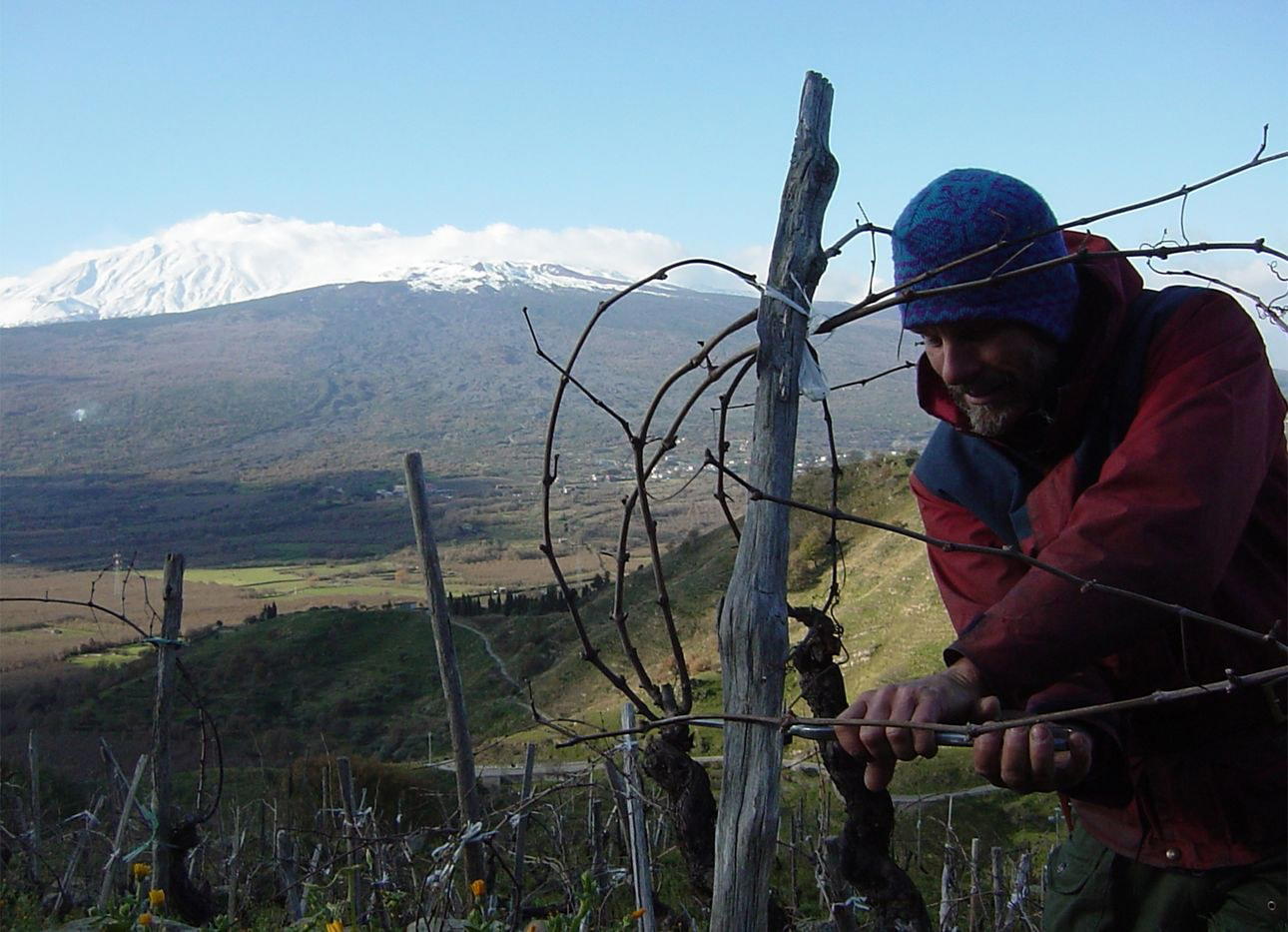

Bars in Passopisciaro
Browse all →
Restaurants in Passopisciaro
Browse all →


Details
- Rustic
- Elegant
- Scenic
- Classic
- Intimate
- Wine Education
- Romantic Getaway
- Special Occasion
- Vineyard Tour
- Barrel Room
- Estate Grounds
- Historic Building
- Private Tasting
- Organic
- Sustainable
- Dry Farmed
- Vineyard
- Mountain
- Nerello Mascalese
- Carricante
- Catarratto
- Nerello Cappuccio
- Still Red
- Still White
- Still Rosé
- Private Tasting
- Vineyard Tour
- English
- Italian
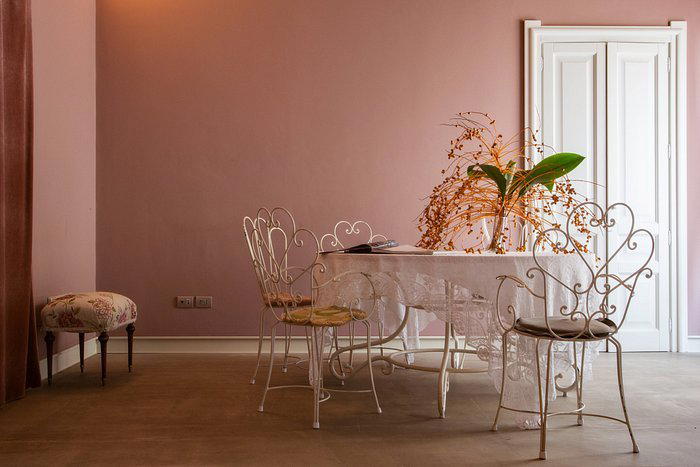
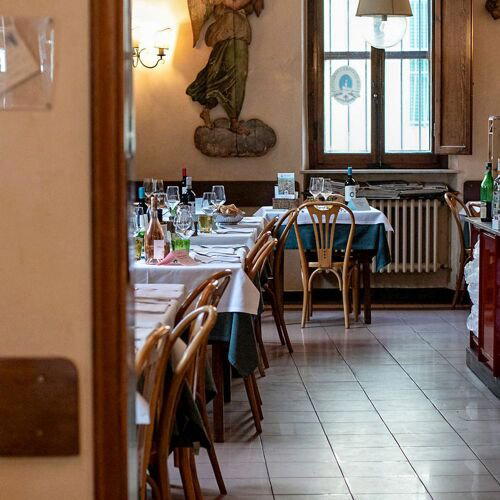
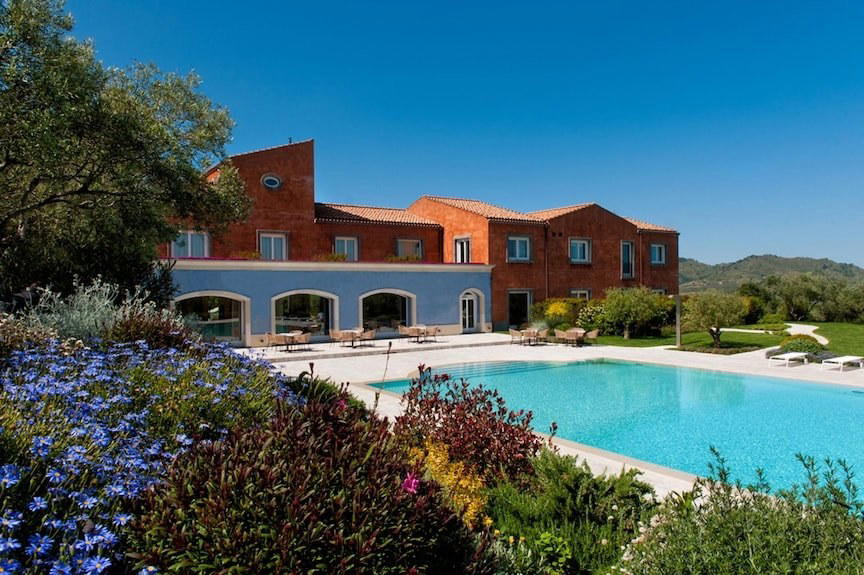
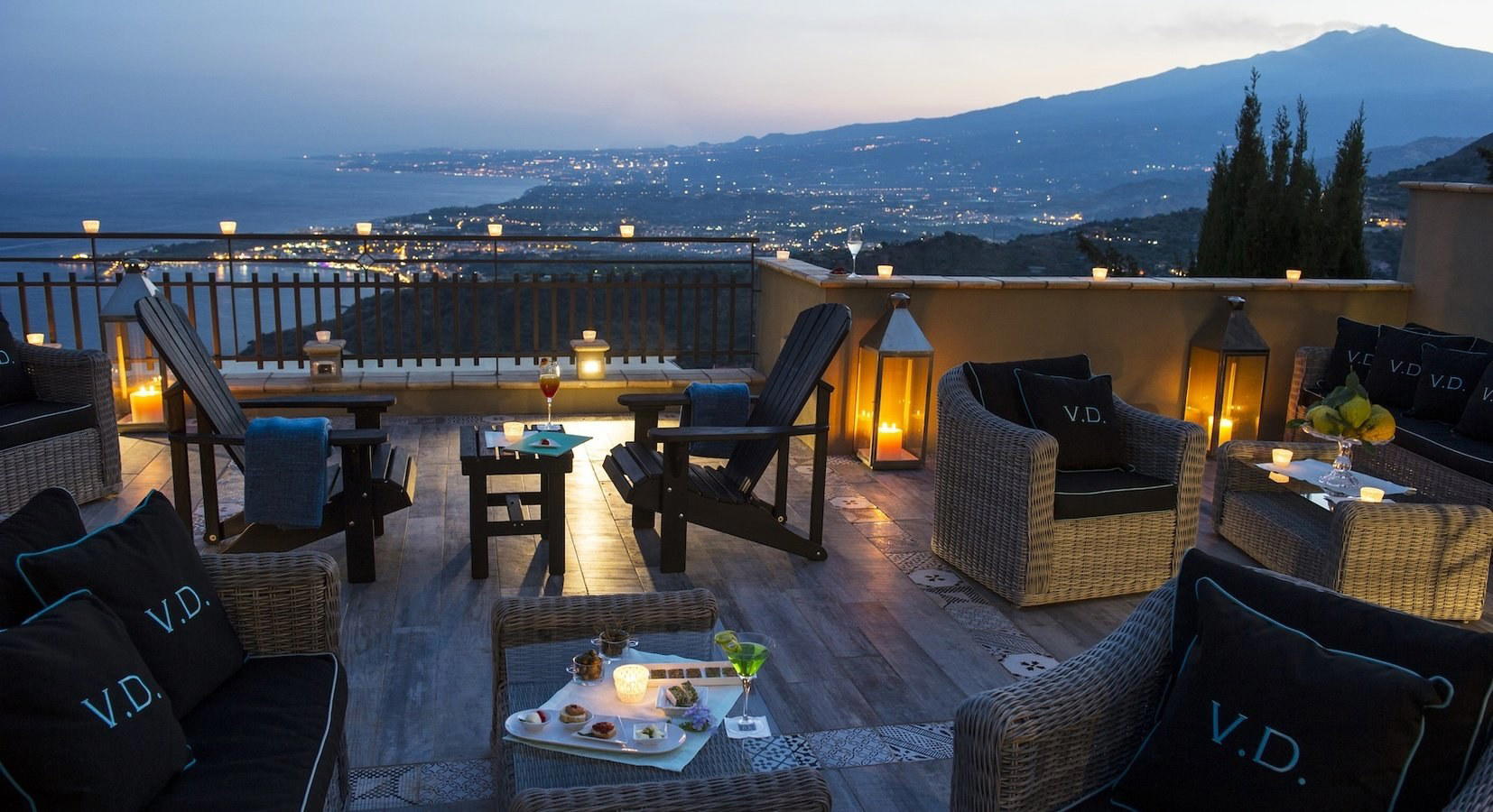
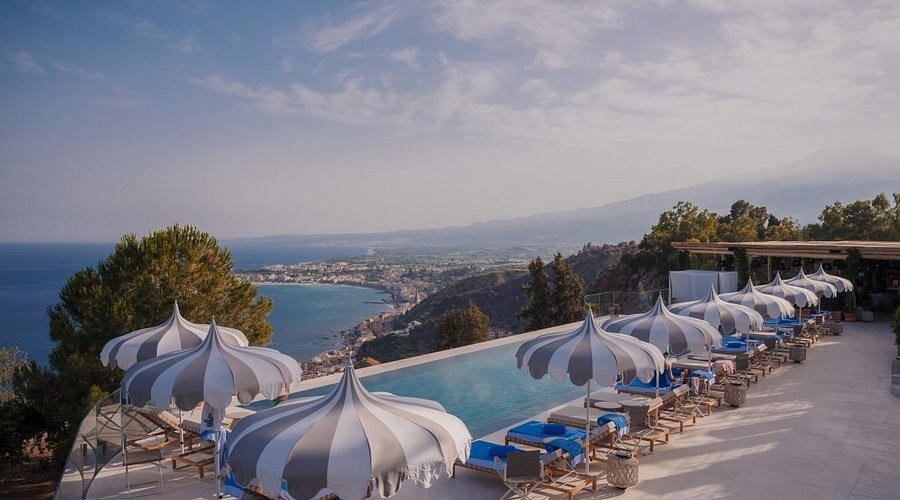
Sleek modern tasting room contrasting with centuries-old winery infrastructure; intimate setting focused on wine quality with natural lighting emphasizing volcanic terroir expression.