Weingut Mantlerhof

The estate sits at Hauptstraße 50 in one of Lower Austria's most closely watched wine villages, where loess-heavy soils and the continental influence of the Danube corridor shape production across the appellation. For visitors tracing Austrian white wine at serious depth, Mantlerhof is a practical and credible starting point.
Pearl is the En Primeur Club membership app — saves, bookings, and concierge access live there. Same editors, same standards.
- Address
- Hauptstraße 50, 3494 Gedersdorf
- Phone
- +43 2735 8248
- Website
- mantlerhof.com
- Directions
- Get directions
 Saves & bookings on Pearl
Loess, Danube Wind, and the Geology of Gedersdorf
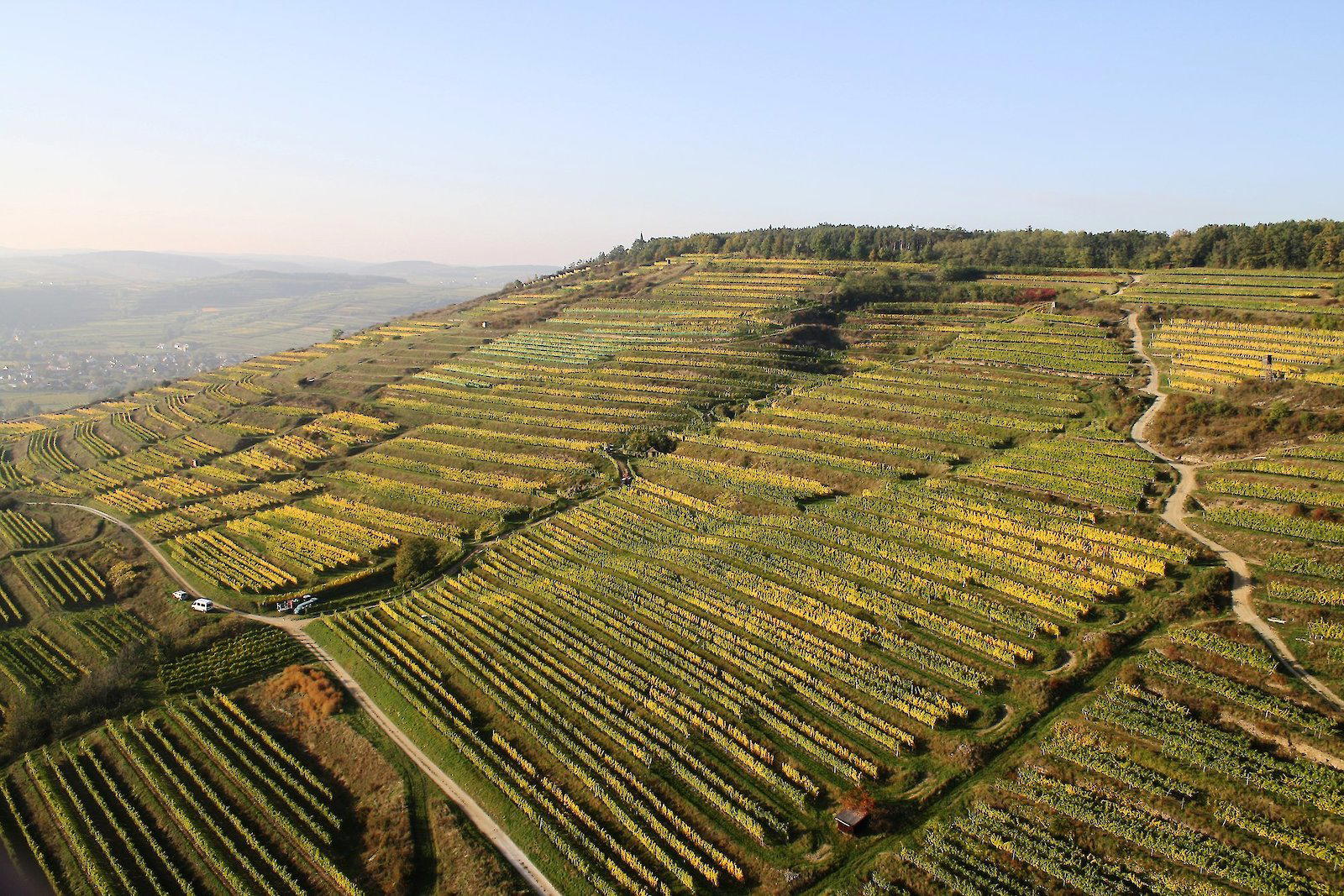
The approach to Gedersdorf from Krems follows the Danube's northern bank through a corridor that has shaped Austrian viticulture for centuries. The valley here acts as a natural funnel: warm Pannonian air from the east collides with cooler Alpine influence from the west, producing the thermal amplitude that defines the region's whites. Vines planted on loess-heavy terraces accumulate sugar slowly and retain acidity late into the growing season, which is why the wines produced in this stretch of Lower Austria tend to carry more textural weight than those from granite or primary rock sites further south. Weingut Mantlerhof, addressed at Hauptstraße 50 in Gedersdorf, sits inside that geological narrative rather than apart from it.
Mantlerhof is a winery in Gedersdorf, Lower Austria, with a price tier of about $65 per person. In the competitive context of Lower Austrian wine, where estates like Weingut Bründlmayer in Langenlois and Weingut Emmerich Knoll in Dürnstein have built international recognition over decades, Mantlerhof sits in a clearly defined peer bracket.
What Loess Does to a Wine
Loess is wind-deposited silt, and the deposits around Gedersdorf can run deep. The soil's fine texture retains moisture without waterlogging, moderating drought stress in dry summers while also slowing the release of minerals through the growing season. The practical effect in the glass, across producers working similar sites in this corridor, is wines that read as rounder and more textured than those from slate or granite, with stone-fruit weight offset by the region's characteristic acidity. The thermal swing between daytime heat and cool nights preserves aromatic precision that warmer, less diurnal regions cannot replicate.
Grüner Veltliner and Riesling dominate the Kamptal and Kremstal appellations that bracket Gedersdorf, and both varieties respond differently to loess. Grüner Veltliner on deep loess tends toward breadth and spice, with white pepper character running through mid-palate weight. Riesling on similar soils usually yields more stone fruit and less of the mineral austerity associated with the slate-heavy sites of the Wachau just downriver. This is a useful frame for understanding what Mantlerhof is positioned to produce, even before tasting a specific vintage.
Gedersdorf in the Lower Austrian Context
Gedersdorf is not a town that appears on many general tourist itineraries. That is a feature of the region's character rather than a limitation: this part of Lower Austria rewards purposeful visitors rather than those moving quickly between landmarks. The Danube cycling route passes through, which brings seasonal traffic, but serious wine travel here tends to be slower and more deliberate. Producers along this stretch are close enough to each other that a single day can cover three or four estates with time for focused tasting at each. The town of Krems, roughly ten kilometres east by road, provides accommodation infrastructure and a more established restaurant scene that estates in smaller surrounding villages cannot match on their own.
For comparison, producers like Weingut Kracher in Illmitz and Weingut Pittnauer in Gols operate in the warmer Burgenland appellation to the southeast, where Zweigelt, Blaufränkisch, and botrytised sweet wines define the regional character. The contrast sharpens what Gedersdorf and the surrounding Kremstal-adjacent zone represent: a cooler, white-wine-dominant tradition where the tension between ripeness and acidity is the central editorial argument the region makes to visitors. Mantlerhof's recognition positions it as a credible entry point into that argument.
Mantlerhof's recognition for 2025 carries specific implications about where it sits relative to its peers. In a region populated by producers with decades of international export history, reaching a two-star prestige level indicates consistent quality across vintages rather than a single strong release. The designation points toward a producer whose wines hold at the upper end of the appellation's range without yet occupying the narrow apex reserved for particularly internationally profiled estates.
That positioning matters for visitors making allocation decisions. Lower Austrian wine tourism at the serious end now moves fast: particularly decorated estates can be difficult to visit without prior arrangement, and smaller producers with strong regional reputations often offer better access and more focused conversations around specific vineyard sites and seasonal variation. Mantlerhof suggests the kind of producer worth a direct contact and a planned visit rather than an unscheduled stop. Reaching the estate through its physical address at Hauptstraße 50 is the practical first step.
Placing Mantlerhof in the Austrian Wine comparable set
Austrian wine at the premium tier has internationalised faster over the past two decades than the country's modest export volumes might suggest. The DAC (Districtus Austriae Controllatus) appellation system, introduced progressively from 2002, brought structural clarity that allowed regional character to be communicated more precisely to international buyers. Kremstal DAC and Kamptal DAC wines now appear regularly on serious European wine lists, particularly in markets where natural acidity and food-alignment are valued over extraction and oak weight.
Within this comparable set, Mantlerhof operates in a middle tier that is especially interesting segment: above commodity-level co-operative production, below the rarefied allocation culture of the Wachau's leading single-vineyard Rieslings, and directly competitive with a group of family-scale estates producing terroir-expressive wines at accessible price points relative to their quality level. For reference, other Austrian producers in different appellations carrying comparable critical attention include Weingut Wohlmuth in Kitzeck (Styria, Sauvignon Blanc and Riesling focus) and Weingut Heinrich Hartl in Oberwaltersdorf. The regional contrasts across these producers illustrate how Austria's wine geography produces distinct stylistic outcomes even across relatively short distances.
Planning a Visit
Visitors intending to taste on-site should plan for advance outreach, since visits are by appointment only.
At-a-Glance Comparison
Comparable venues nearby, for context on price, style, and recognition.
| Venue | Cuisine | Price | Notes |
|---|---|---|---|
| Weingut MantlerhofThis venue — the venue you are viewing | Grüner Veltliner, Roter Veltliner | $$$ | Not listed |
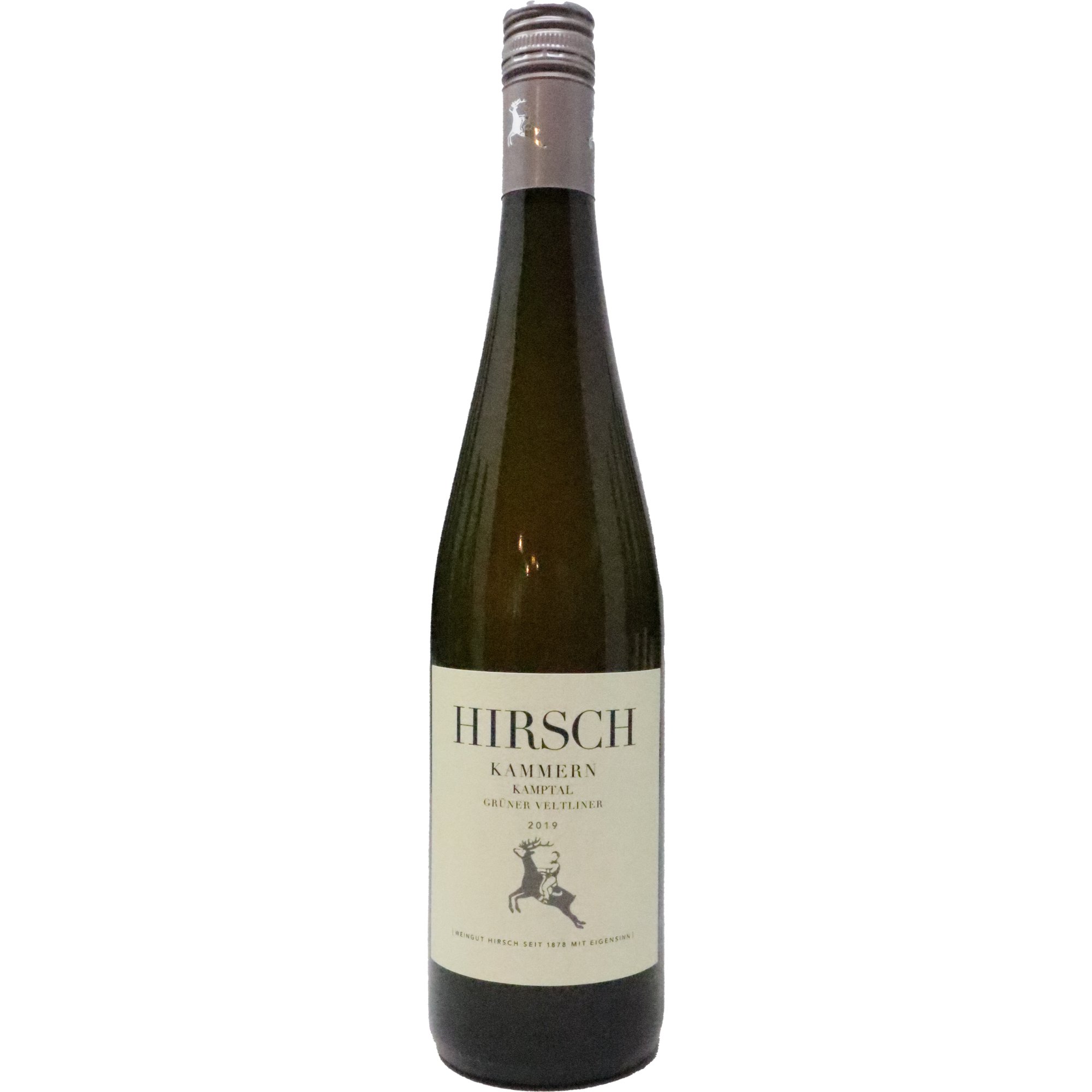
| Weingut Hirsch | Grüner Veltliner, Riesling | $$$ | Kammern |
| Weingut Emmerich Knoll | Riesling, Grüner Veltliner | $$$ | Unterloiben |
| Brennerei Baumann | Winery | Not listed | Stanz im Landeck |
| Brennerei Kirchbichler | Winery | Not listed | Wildschönau |
| Brennerei Tagwerker | Winery | Not listed | Lienz |
Recognition history
Dated appearances from independent guides and award organizations, with the underlying list record or original source where available.
Falstaff Winery - 5 Stars
Falstaff
Continue exploring
More in Gedersdorf
Wineries in Gedersdorf
Browse all →
Bars in Gedersdorf
Browse all →
Restaurants in Gedersdorf
Browse all →
At a Glance
- Rustic
- Classic
- Elegant
- Scenic
- Wine Education
- Romantic Getaway
- Group Outing
- Vineyard Tour
- Estate Grounds
- Historic Building
- Terrace
- Organic
- Vineyard
- Garden
- Kremstal
- Grüner Veltliner
- Roter Veltliner
- Riesling
- Neuburger
- Still White
- Estate Tasting
- Vineyard Tour
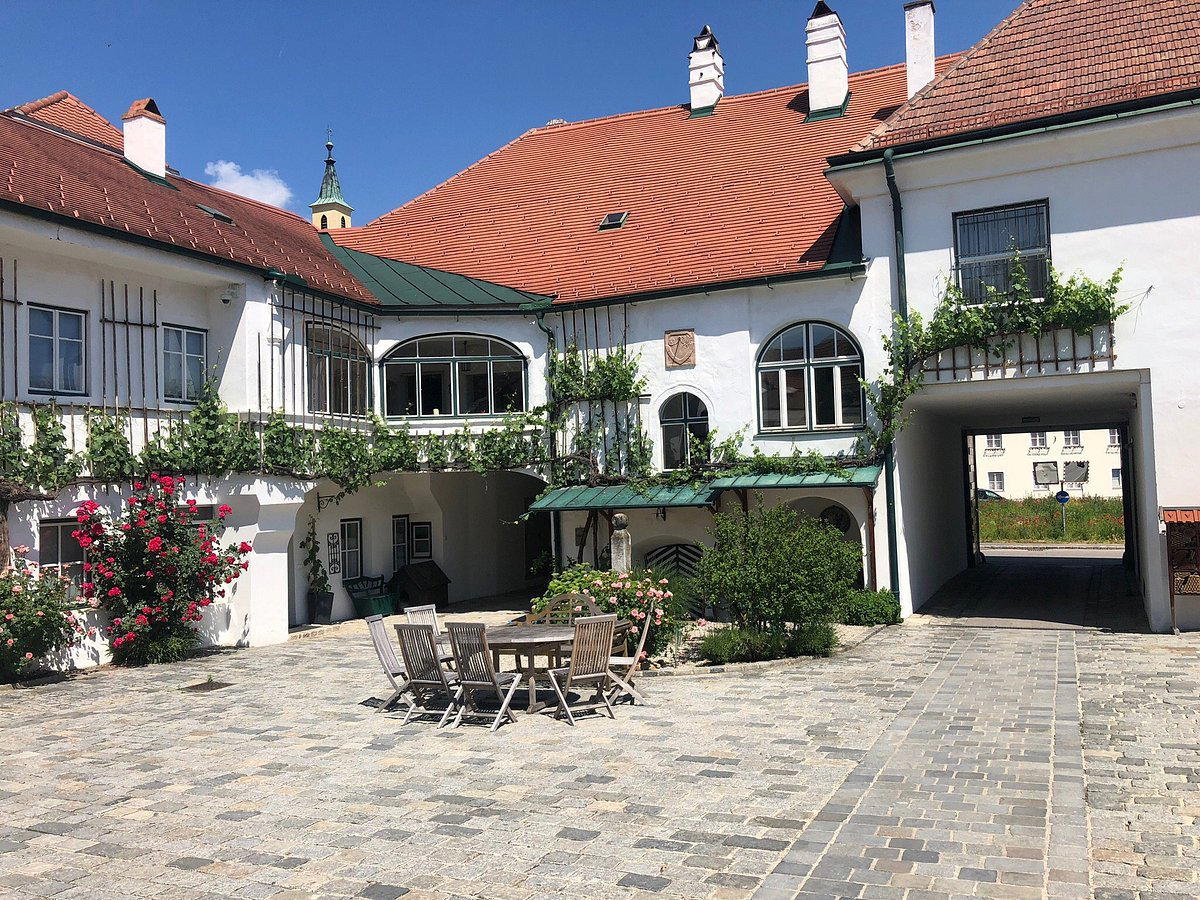
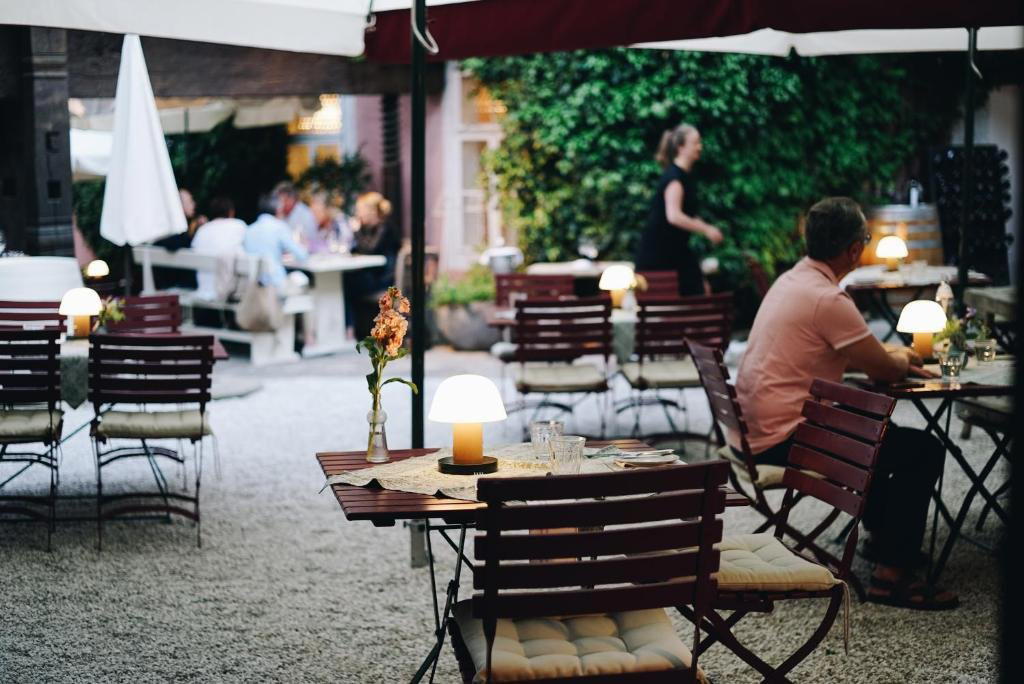
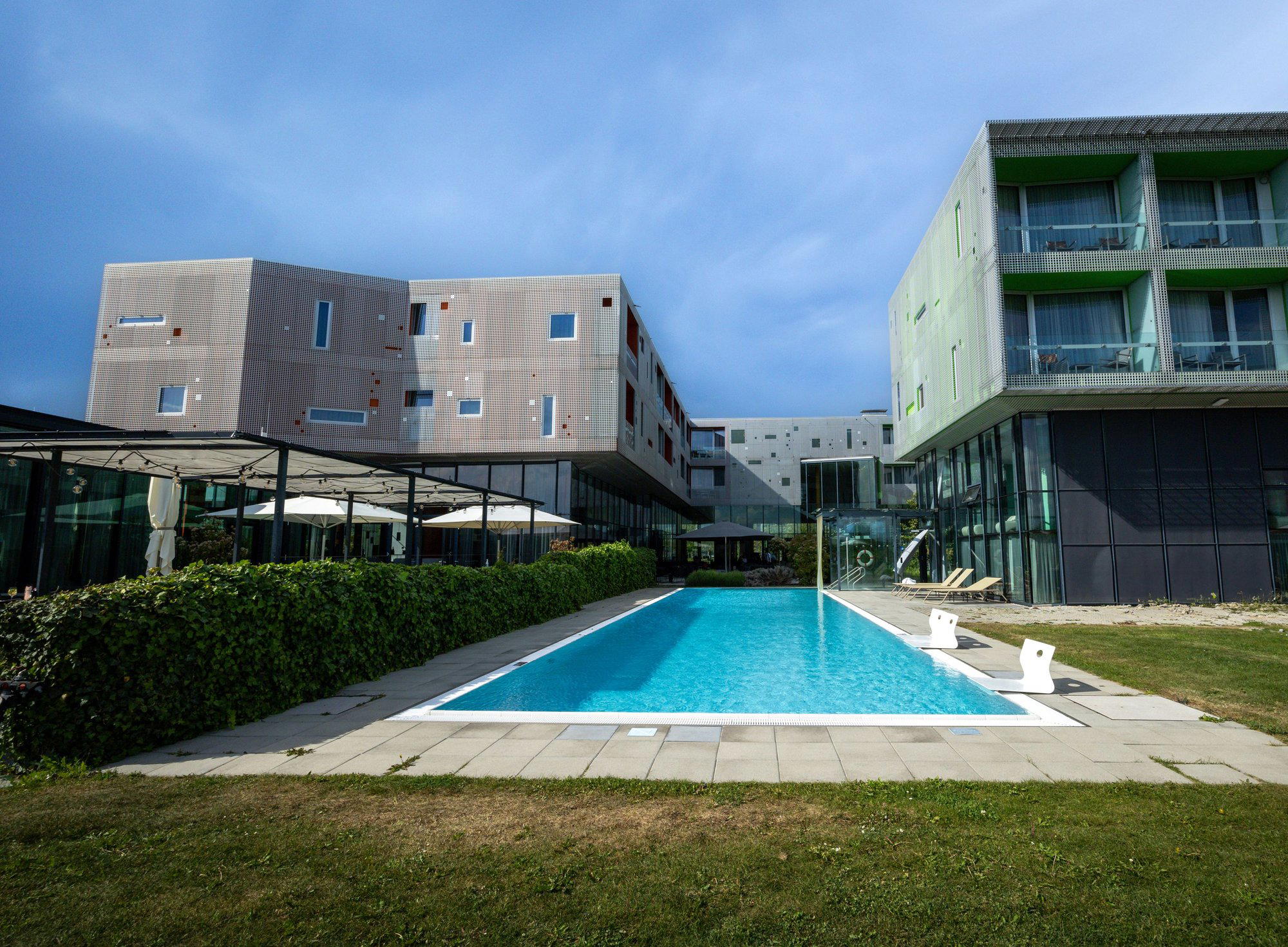
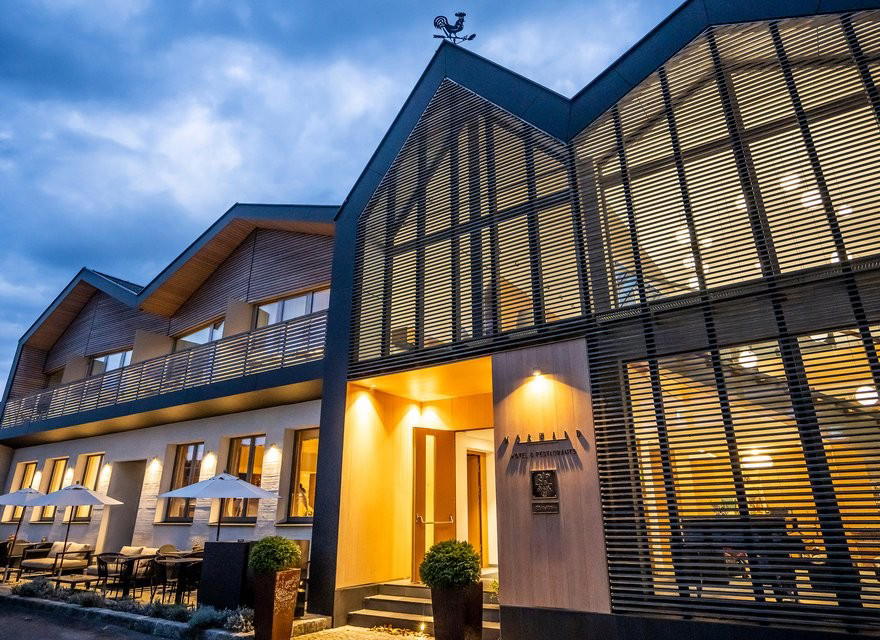
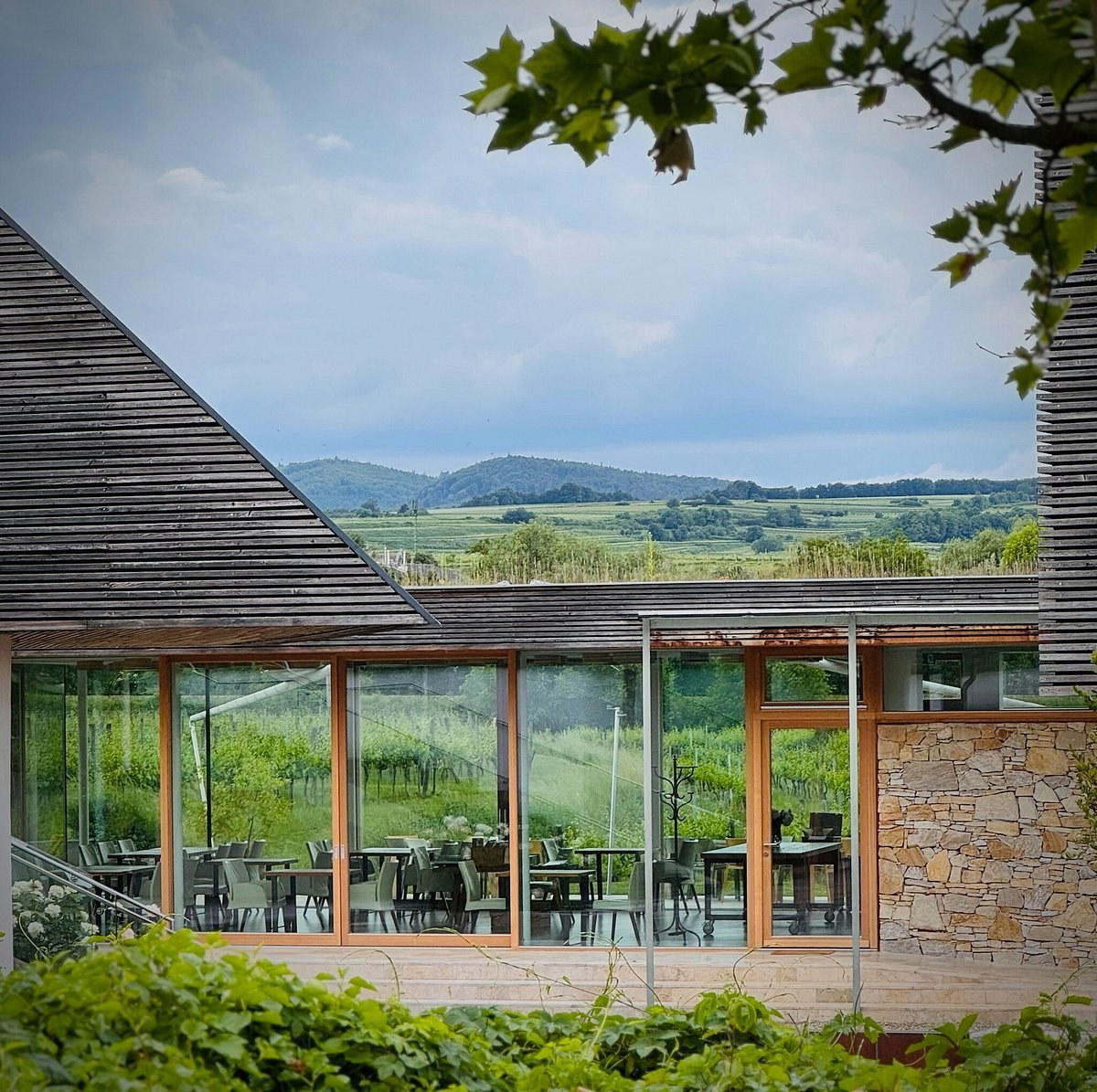
Traditional early classicist manor setting with a cozy village atmosphere, surrounded by historic vineyards and agricultural landscape.