
Weingut Neumeister sits in Straden, in Austria's Südsteiermark, where the steep volcanic ridges and warm Pannonian air produce some of the region's most expressive white wines. The address at Kronnersdorf 147 anchors it deep in wine country, well removed from the tourist circuits of better-known Austrian regions.
Pearl is the En Primeur Club membership app — saves, bookings, and concierge access live there. Same editors, same standards.
- Address
- Kronnersdorf 147, 8345 Straden
- Phone
- +43 3473 8308
- Website
- neumeister.cc
- Directions
- Get directions
 Saves & bookings on Pearl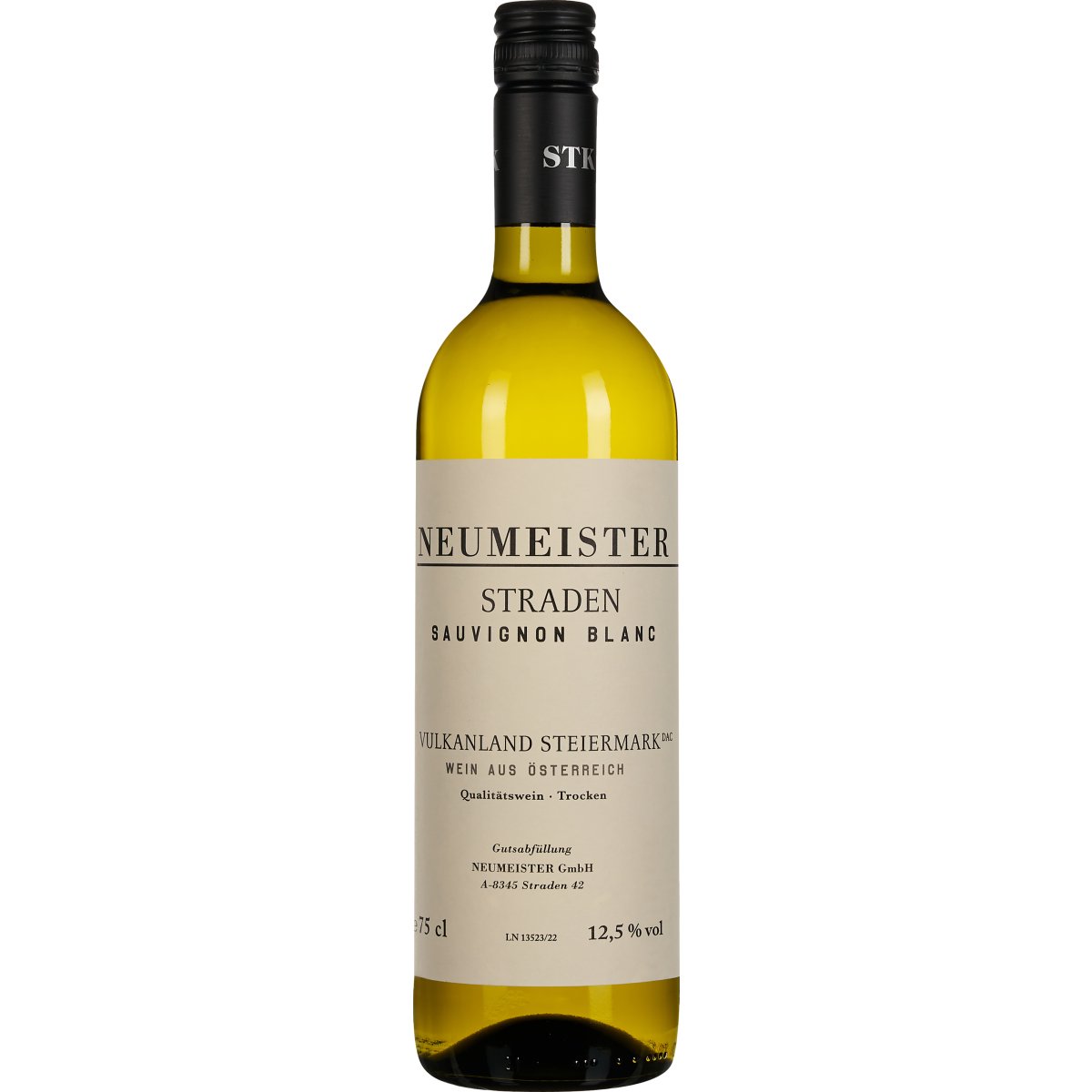
Where the Volcano Meets the Vine
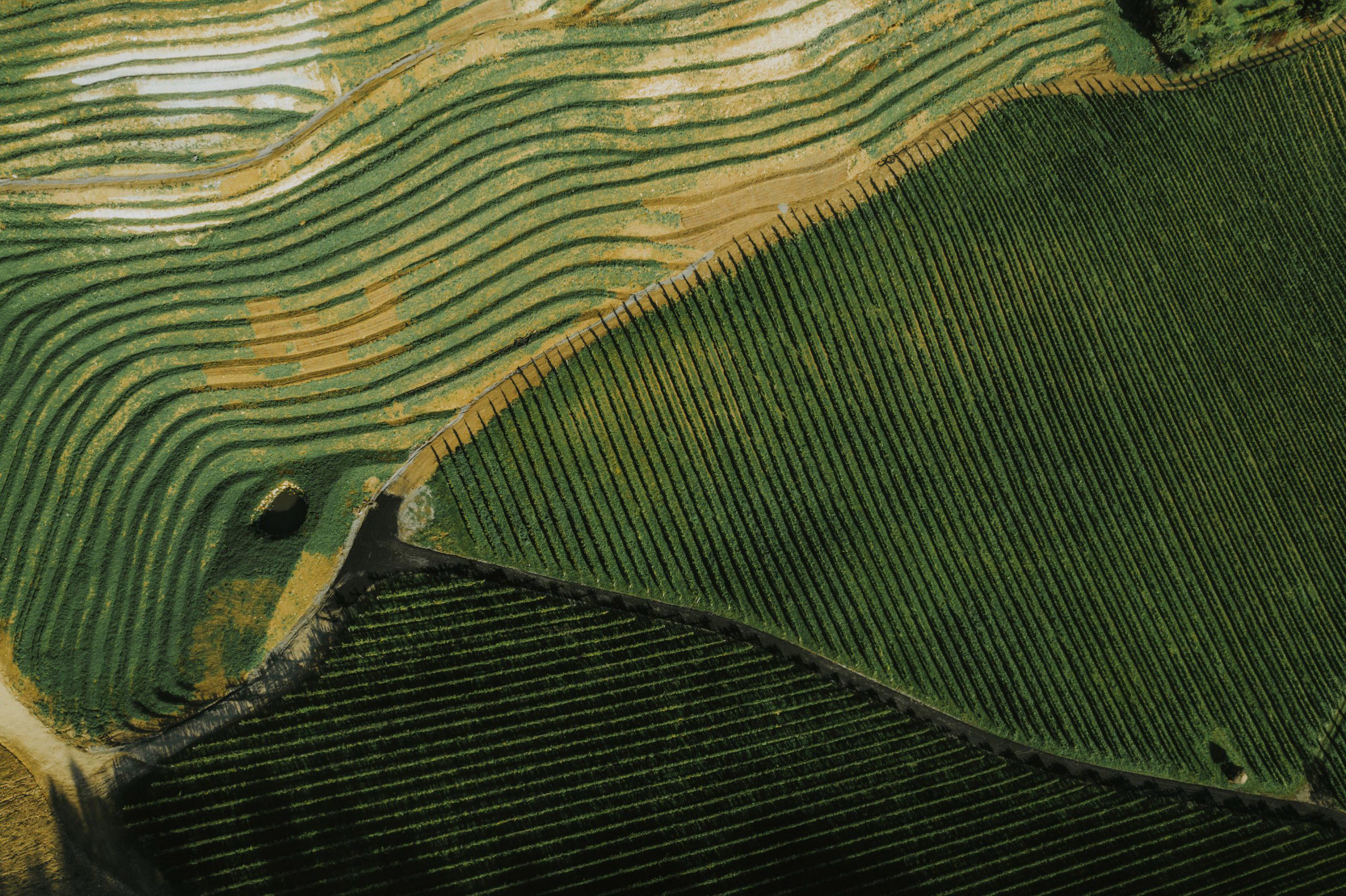
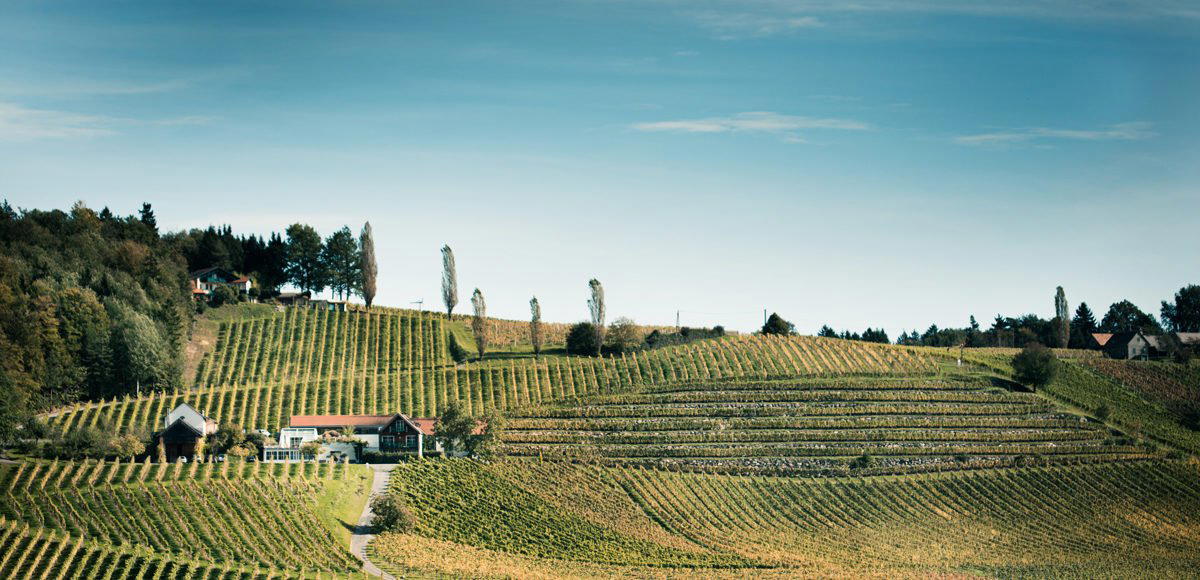
Südsteiermark is not a region that announces itself loudly. The roads that wind through Straden and the surrounding Vulkanland are narrow, often unmarked on casual navigation apps, and the hills that carry the vineyards drop away at gradients that would unsettle any tractor driver used to flatter ground. What draws serious wine travellers to this corner of southeastern Austria is the geology: a subsoil of volcanic tuff and ancient sea sediment, laid down over millions of years and now exposed along the ridgelines above the Mur-Mürz valley corridor. That geology is the starting point for understanding Weingut Neumeister, whose vineyards at Kronnersdorf 147 in Straden sit directly on this ancient material.
The Vulkanland Steiermark, as the appellation is formally designated, occupies a climatic borderland. Cold Alpine air descends from the north and west while warm Pannonian influences push in from the east, creating diurnal temperature swings during the growing season that are among the widest recorded anywhere in Austria. The practical effect is grapes that ripen fully while retaining the acidity structure that defines the region's leading whites. For context, the same dynamic that shapes Weingut Neumeister's wines also governs the style of producers across the Südsteiermark, where the combination of late-season warmth and cool nights has made Sauvignon Blanc and Morillon (the local name for Chardonnay) into benchmark varieties with a character distinct from anything produced further north or west. Compared to the Wachau estates of Weingut Emmerich Knoll in Dürnstein, or the Kamptal orientation of Weingut Bründlmayer in Langenlois, Neumeister operates in a fundamentally different terroir register, warmer and more volcanically complex in its mineral expression.
The Volcanic Signature
The volcanic tuff that defines the leading Straden sites behaves differently from the gneiss and primary rock soils of the Wachau, or the loess and gravel that characterises parts of Burgenland. It drains freely, forcing vine roots to push deep for water and nutrients, and it carries a trace mineral signature that can be detected in wines from these slopes as a flinty, almost smoky undercurrent beneath the fruit. This is not a romantic notion about terroir but a measurable geological reality: the tuff here is rich in potassium and trace silicates, and the correlation between wine style and subsoil composition in Straden has been documented by Austrian wine researchers since the late 1990s.
In the context of Austrian wine ratings, this designation signals a producer operating at a level where single-vineyard and site-specific bottlings are expected to carry genuine terroir differentiation, not merely varietal typicity. The estate's position in this tier aligns it with the kind of producer one might compare, across different regions, to Weingut Wohlmuth in Kitzeck, another Styrian house working with steep-slope viticulture and white grape varieties at a similar quality level.
Sauvignon Blanc and the Southern Styrian Identity
Südsteiermark's reputation rests significantly on Sauvignon Blanc, and the region's version of the grape has become a reference point in international discussions about where the variety expresses itself with greatest precision. At the latitudes and elevations typical of Straden, Sauvignon Blanc produces wines with a tension between the herbaceous, green-pepper register associated with cooler climates and the riper stone-fruit and citrus profile that the Pannonian warmth allows. The better producers in the appellation resolve this tension through careful site selection and harvest timing rather than through cellar intervention, and the wines that emerge from volcanic tuff sites tend to show a mineral grip that holds the fruit profile together over years of ageing.
Morillon at this latitude occupies a different but complementary position. Where the Wachau's Grüner Veltliner gains its identity from primary rock soils and altitude, Morillon in the Vulkanland develops a textural richness driven partly by the slower water release of the volcanic soils and partly by the extended hang time the warm autumns allow. The result is a white Burgundy analogue that rarely attracts the attention it deserves outside Austria, partly because production volumes from quality-focused estates are small and allocation lists fill quickly among domestic and German buyers.
Arriving in Straden
Reaching Kronnersdorf 147 requires a deliberate journey. Straden is approximately 50 kilometres southeast of Graz, the nearest major city, and the final approach from the main roads passes through a succession of small wine villages where the houses are identifiable largely by the presence of a Buschenschank sign or a cellar door. Public transport to this part of Styria is limited to infrequent regional buses, and the practical reality is that a private vehicle or a driver from Graz is the working option for most visitors. The journey from Graz takes roughly an hour depending on the route, and the timing merits attention: the Vulkanland's harvest season runs from late August through October, when the vineyards are in use and cellar visits require advance arrangement. Late spring, when the vines are in growth and the countryside is at its most visually arresting, is an alternative window that some producers prefer for receiving guests. It is worth contacting the estate directly to confirm visit arrangements before travelling. For a broader orientation to what the area offers,
Where Neumeister Sits in the Austrian Premium Picture
Austria's premium wine sector has fragmented in interesting ways over the past two decades. The Wachau retains its international profile through established names and a well-understood classification system. Burgenland has built a separate identity around Blaufränkisch and the sweet wines of Weingut Kracher in Illmitz. Styria, and the Vulkanland in particular, operates as the region most defined by white wine precision, with a peer group that includes Weingut Pittnauer in Gols on the Burgenland side and, within Styria itself, estates like Weingut Heinrich Hartl in Oberwaltersdorf working at comparable quality levels in different sub-regions.
The estate does not appear in the kind of global press coverage that reaches international buyers through mainstream channels, which means its wines tend to be discovered through direct visits, specialist Austrian importers, and recommendations within the community of committed Styrian wine followers. That pattern of discovery, less common in more publicised regions, is itself a marker of an estate operating primarily on the strength of what is in the glass rather than on marketing reach.
For travellers building an Austrian wine itinerary that extends beyond the Wachau circuit, the Vulkanland Steiermark in general and Straden specifically reward the additional travel time. The combination of geological complexity, a white grape identity with genuine international reference points, and a tier of producers holding serious quality credentials makes this southeastern corner of Austria one of the country's more compelling wine destinations for those willing to plan the journey. Austria's broader premium drinks scene, which extends from estate wine to artisan distilling at operations like Weingut Scheiblhofer Distillery in Andau and 1310 Spirit of the Country Distillery in Sierning, suggests a drinks culture with more depth across categories than the country's international wine reputation alone would imply.
Planning Your Visit
Weingut Neumeister is located at Kronnersdorf 147, 8345 Straden, in the Vulkanland Steiermark appellation of southeastern Austria. Travellers should research current contact and booking information before visiting. The drive from Graz takes approximately one hour; from Vienna, allow three hours. Visit the estate as part of a broader Straden and Vulkanland wine route.
Comparable Venues
Comparable venues nearby, for context on price, style, and recognition.
| Venue | Cuisine | Price | Notes |
|---|---|---|---|
| Weingut NeumeisterThis venue — the venue you are viewing | Sauvignon Blanc, Grauburgunder | $$ | Not listed |
| Mühlbauer Distillery | Winery | Not listed | Zwettl |
| Distillery Schroll | Winery | Not listed | Ziersdorf |
| Destillerie Weisz | Winery | Not listed | Neckenmarkt |
| Brennerei Weigand | Winery | Not listed | Steyr |
| Strassbauer Distillery | Winery | Not listed | Vienna |
Recognition history
Dated appearances from independent guides and award organizations, with the underlying list record or original source where available.
Falstaff Winery - 5 Stars
Falstaff
Continue exploring
More in Straden
Wineries in Straden
Browse all →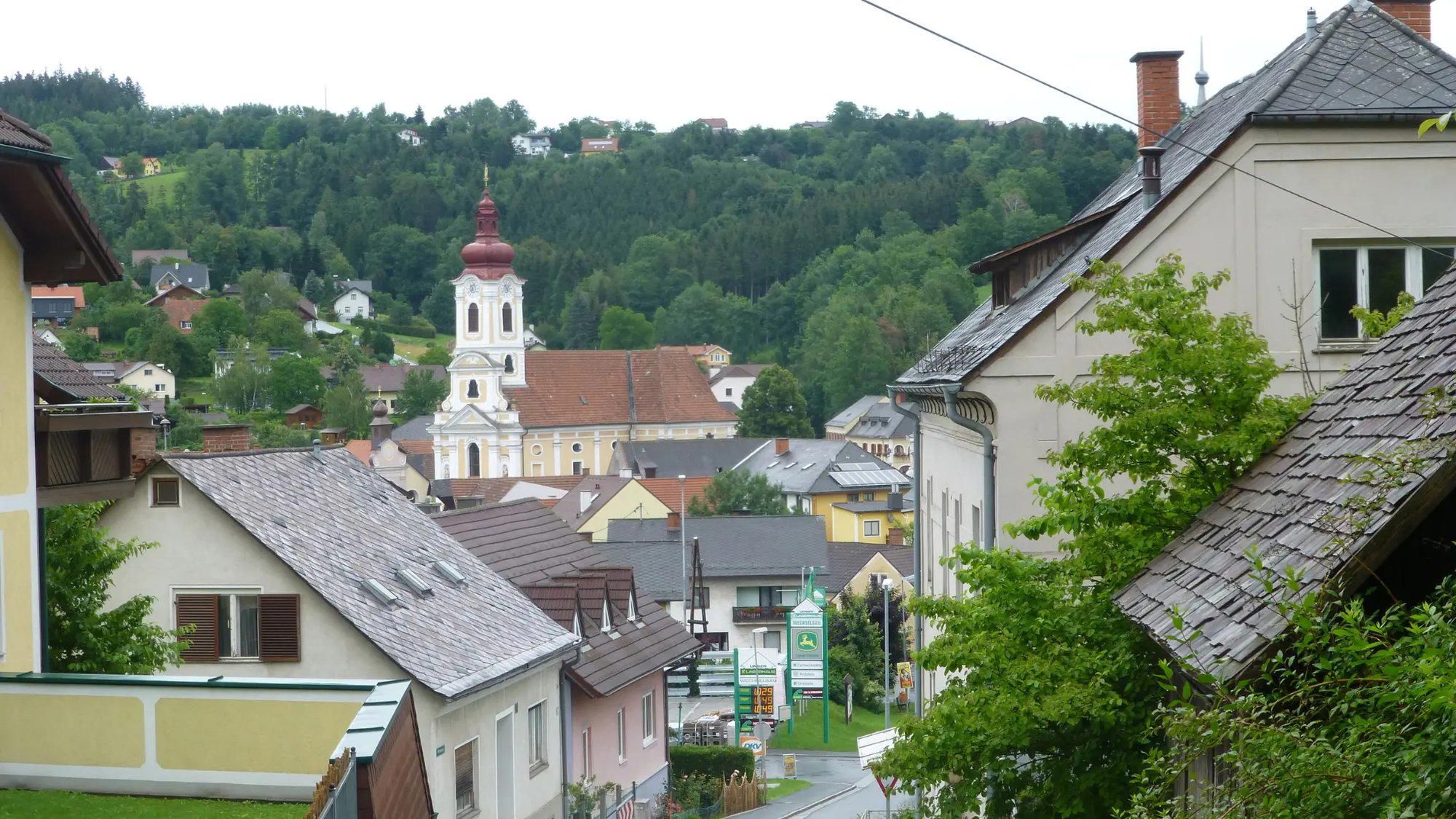
Bars in Straden
Browse all →
Restaurants in Straden
Browse all →


At a Glance
- Rustic
- Scenic
- Elegant
- Wine Education
- Solo Exploration
- Vineyard Tour
- Estate Grounds
- Organic
- Vineyard
- Mountain
- Vulkanland Steiermark
- Sauvignon Blanc
- Grauburgunder
- Weißburgunder
- Morillon
- Gelber Muskateller
- Zweigelt
- Still White
- Cellar Tasting
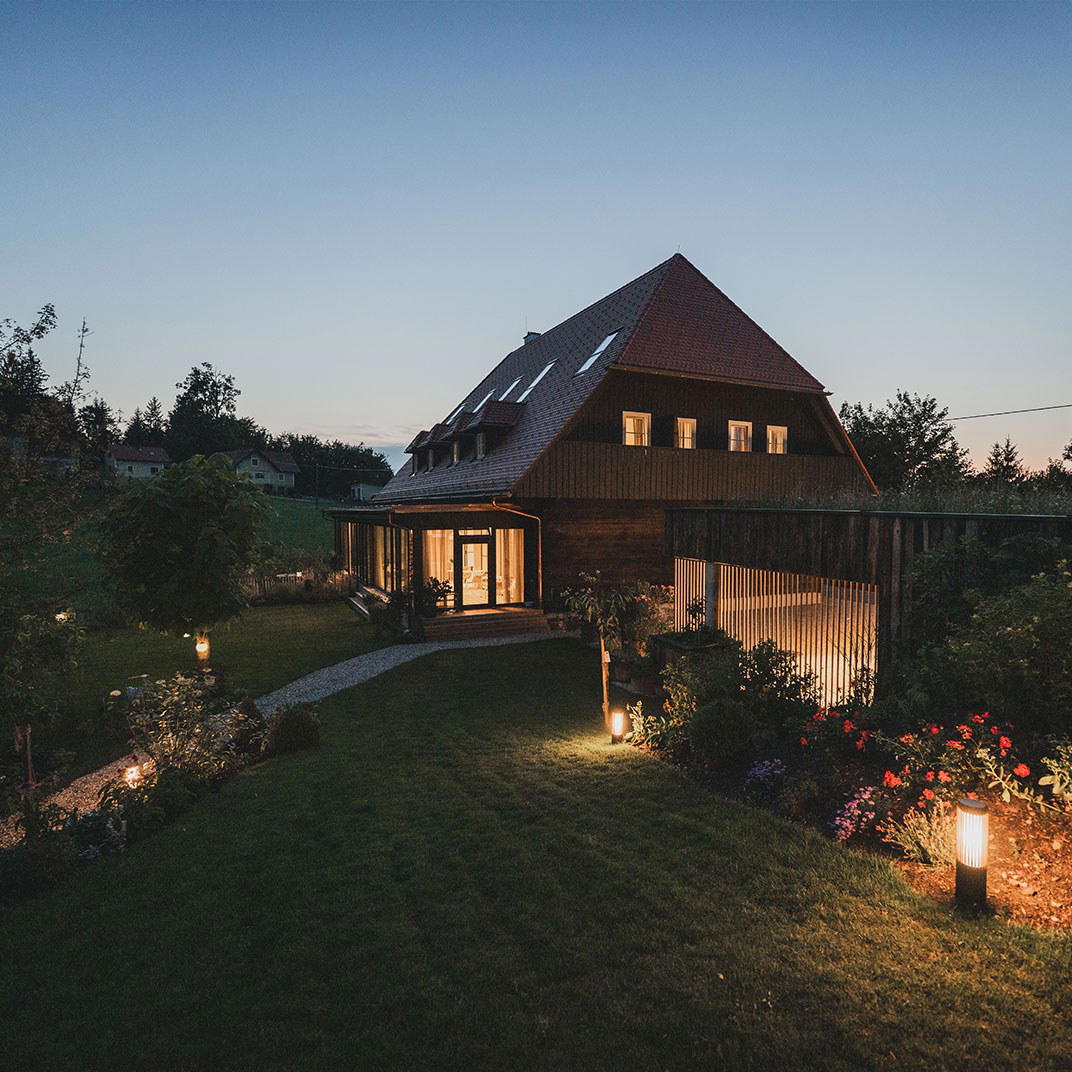
Modern cellar with tasting rooms amid steep hillside vineyards, offering a serene and terroir-focused atmosphere.