Weingut Alphart

Falstaff Winery - 4 Stars
Located on Wiener Strasse in the southern Vienna Basin, the estate is a focused address for serious Austrian wine within easy reach of the capital.

Pearl is the En Primeur Club membership app — saves, bookings, and concierge access live there. Same editors, same standards.
- Address
- Wr. Str. 46, 2514 Traiskirchen
- Phone
- +43 2252 52328
- Website
- alphart.com
- Directions
- Get directions
Traiskirchen and the Thermenregion Tradition
South of Vienna, where the eastern edge of the Alpine foothills gives way to the flat warmth of the Pannonian Basin, the Thermenregion produces a wine identity that sits apart from the Wachau or Kamptal profiles that dominate Austrian fine wine conversation. The region takes its name from the thermal springs that warm the subsoil, and that warmth translates into extended ripening seasons and structural generosity that cooler Austrian zones cannot replicate. Traiskirchen sits at the northern end of this corridor, where vineyards receive significant sun exposure from the basin while retaining some moderating influence from the hillsides to the west.
Within this geography, Weingut Alphart, at Wiener Strasse 46, represents the kind of estate whose recognition has grown alongside renewed international interest in Thermenregion's indigenous grapes. For visitors approaching from Vienna, Traiskirchen is accessible by S-Bahn, making Alphart part of a practical southern-day-trip circuit alongside Weingut Heinrich Hartl in Oberwaltersdorf and Weingut Stadlmann, another Traiskirchen address with its own following among Thermenregion advocates.
Soil, Warmth, and What Grows Here
Thermenregion terroir is shaped by three converging forces: the thermal warmth in the soil, the Pannonian climate that pushes temperatures higher through summer and autumn, and the variable composition of vineyard plots that range from gravel-heavy flats to limestone-rich slopes. This combination allows full, round ripeness to develop without the aggressive sugar accumulation that would tip wines toward heaviness, provided the producer manages timing and extraction carefully.
The region's two indigenous white varieties, Rotgipfler and Zierfandler, are the sharpest expression of this terroir. Neither travels well outside the Thermenregion in any meaningful commercial volume, and both carry aromatic profiles and textural weight that reflect the basin's specific thermal conditions. Rotgipfler tends toward spice, citrus oil, and a broad mid-palate, while Zierfandler leans to stone fruit and a mineral tension that the soil's limestone content supports. When blended, the two produce wines that the region's producers sometimes label Spätrot-Rotgipfler, a combination that has historical roots going back centuries in this corridor.
On the red side, the Thermenregion has long grown Pinot Noir, locally called Blauer Spätburgunder, in a style that warmer soils push toward fuller extraction than classic Burgundy but which retains enough acidity to age. Comparing the regional Pinot character to Burgundy-trained producers working in cooler Austrian zones is instructive: Thermenregion Pinot carries more weight but can achieve genuine complexity in the hands of producers who understand their specific plots. For Pinot Noir from a contrasting Austrian context, Weingut Pittnauer in Gols works the Burgenland side of the Pannonian Basin with different soil and slightly different thermal patterns.
Award systems that assess wineries across multiple categories of production give a different kind of signal than single-wine competition medals. A Prestige-tier recognition suggests the cellar performs across price points and styles rather than excelling at one showpiece wine.
Austria's most discussed fine wine region in international press remains the Wachau, where producers like Weingut Emmerich Knoll in Dürnstein hold a position built over decades of critical attention. The Kamptal has its own axis, anchored by names like Weingut Bründlmayer in Langenlois. Against that backdrop, the Thermenregion's award-carrying producers operate with less international headline coverage but a strong domestic and specialist following, which tends to keep allocation more accessible than equivalently rated Wachau estates.
Visiting the Estate
Weingut Alphart operates at Wiener Strasse 46 in Traiskirchen, on the main road that runs through the town. The address is a working estate rather than a designed visitor centre, and the approach suits those who prefer direct engagement with production over curated hospitality architecture. Traiskirchen connects to Vienna's S-Bahn network, and the journey from the capital runs under thirty minutes, making the estate accessible without requiring a car for those approaching from the city. Visitors planning to cover more of the southern Thermenregion in a single day can build a sensible route through Traiskirchen and the nearby villages where related producers operate.
Because no specific booking details or seasonal opening hours are available in the public record, contacting the estate directly before visiting is the correct approach, particularly for groups or those seeking a structured tasting rather than a cellar-door drop-in. The Thermenregion generally operates a higher proportion of its tastings through appointment than the more tourist-ready Wachau corridor, so advance contact is standard practice across the region rather than specific to Alphart.
For broader orientation to what the Traiskirchen area offers across food, drink, and related producers, the full Traiskirchen restaurants guide covers the local scene in more detail.
Where Alphart Sits in the Austrian Wine Map
Austria's wine identity is built on regional specificity to a degree that few other European wine countries have achieved in recent decades. The DAC system, which ties wines to their region of origin with defined variety and style parameters, has sharpened that identity. The Thermenregion DAC framework, which covers both the indigenous whites and the region's reds, provides a structural anchor for producers like Alphart to communicate quality and origin simultaneously.
Across Austria, the premium producer cohort spans very different geographies. The Wagram produces Grüner Veltliner in a rounder, broader register than the Kamptal. The Steiermark, in the south, produces some of Austria's sharpest white wines from Sauvignon Blanc and Welschriesling, with Weingut Wohlmuth in Kitzeck representing that southern register. Burgenland, to the east, produces both the sweet wine tradition that Weingut Kracher in Illmitz has made internationally known and a growing dry red wine culture. The Thermenregion sits between these poles, warmer than the Kamptal, less sweet-focused than the Seewinkel, and carrying varieties that other regions do not.
That specificity is the argument for Alphart. The estate is part of a southern Vienna Basin cluster that also includes Weingut Heinrich Hartl and Weingut Stadlmann, and taken together, these producers represent the current quality ceiling for a region that Austrian specialists have been watching with increasing attention.
For those building a deeper picture of Austrian wine production beyond the Thermenregion, the EP Club covers estates across the country's main regions, from Bründlmayer in the Kamptal to Emmerich Knoll in the Wachau, as well as international producers including Accendo Cellars in St. Helena and distillery operations such as 1516 Brewing Company in Vienna and Weingut Scheiblhofer Distillery in Andau.
Quick Comparison
Comparable venues nearby, for context on price, style, and recognition.
| Venue | Cuisine | Awards | Notes |
|---|---|---|---|
| Weingut AlphartThis venue — the venue you are viewing | Rotgipfler, Chardonnay | Falstaff Winery - 4 Stars | Not listed |
| Weingut Stadlmann | Rotgipfler, Zierfandler | Falstaff Winery - 4 Stars | Traiskirchen |
| Loysch Distillery | Winery | Not listed | Klosterneuburg |
| Brennerei Hödl | Winery | Not listed | Klagenfurt |
| Private Distillery Weisz | Winery | Not listed | Gols |
| Schwarzer Distillery | Winery | Not listed | Leutasch |
Recognition history
Dated appearances from independent guides and award organizations, with the underlying list record or original source where available.
Falstaff Winery - 4 Stars
Falstaff
Continue exploring
More in Traiskirchen
Wineries in Traiskirchen
Browse all →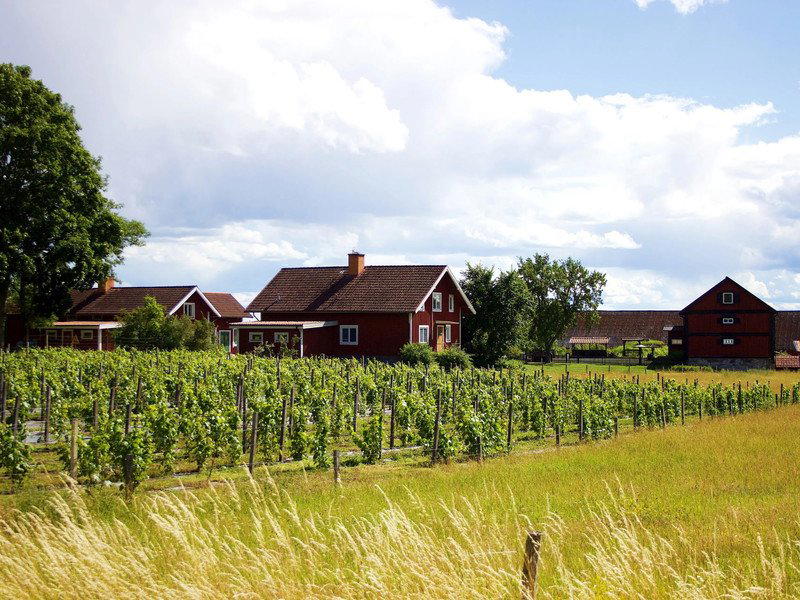
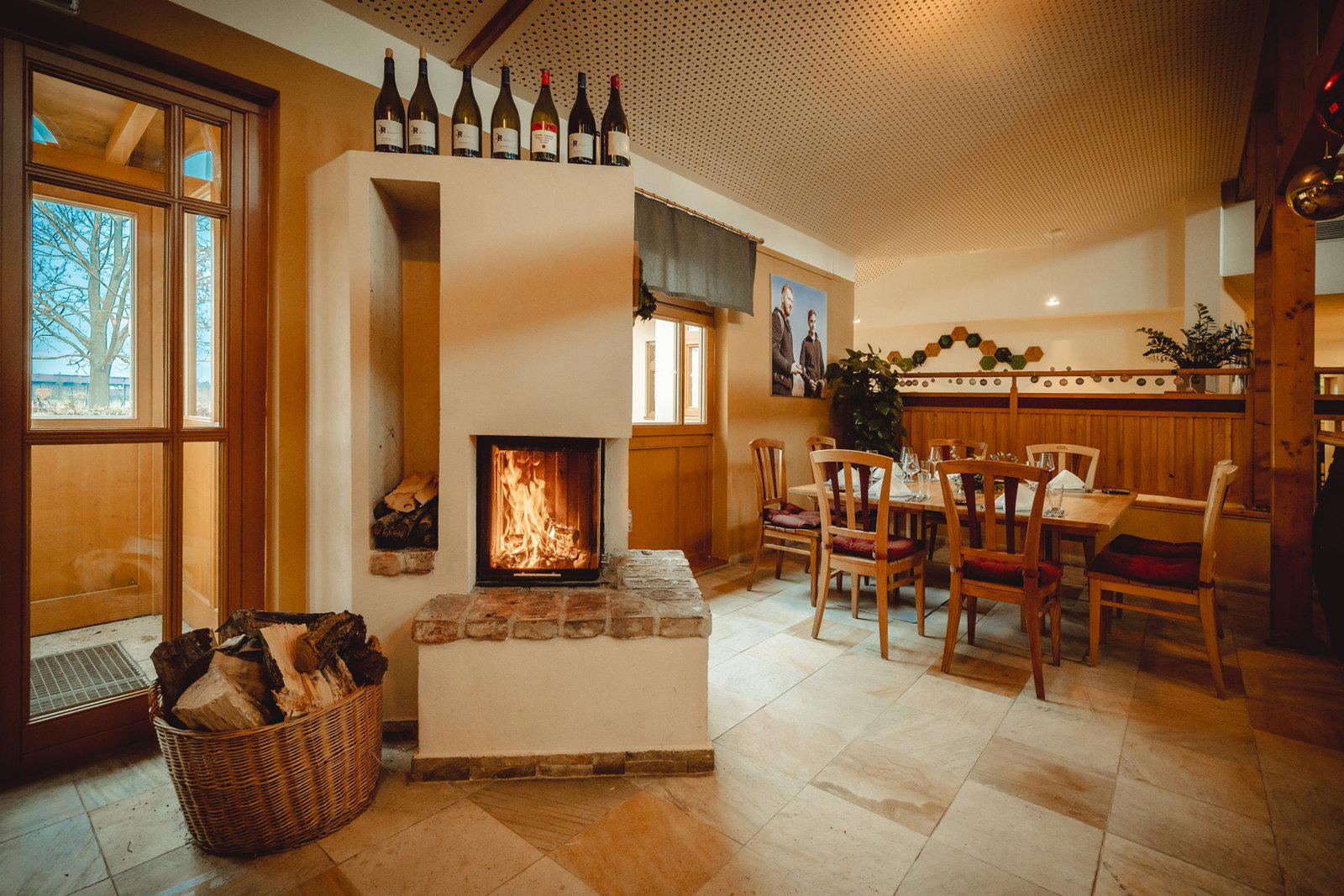
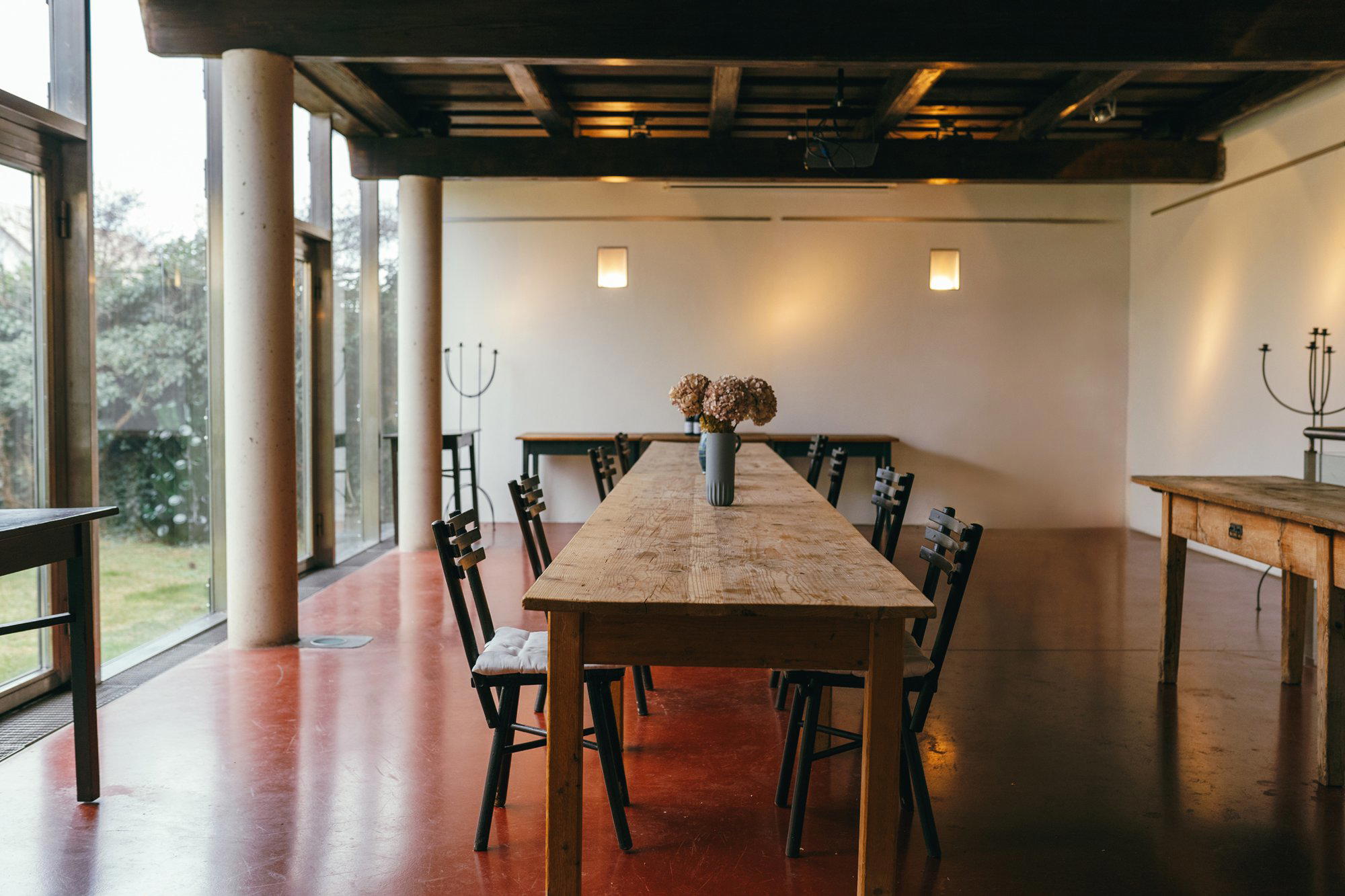
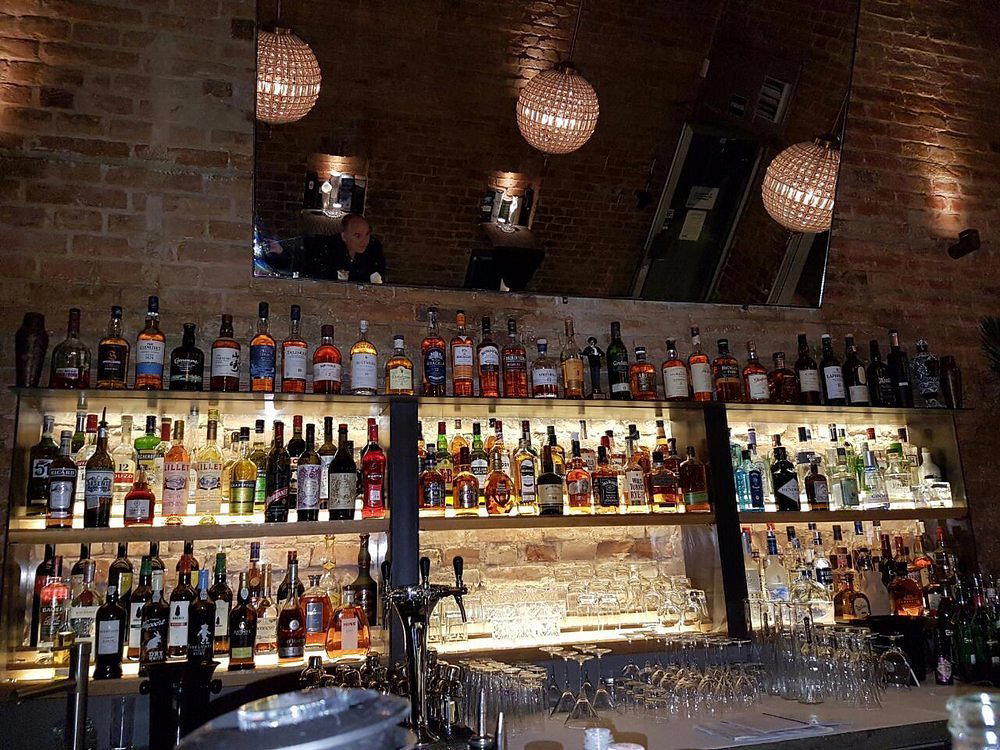
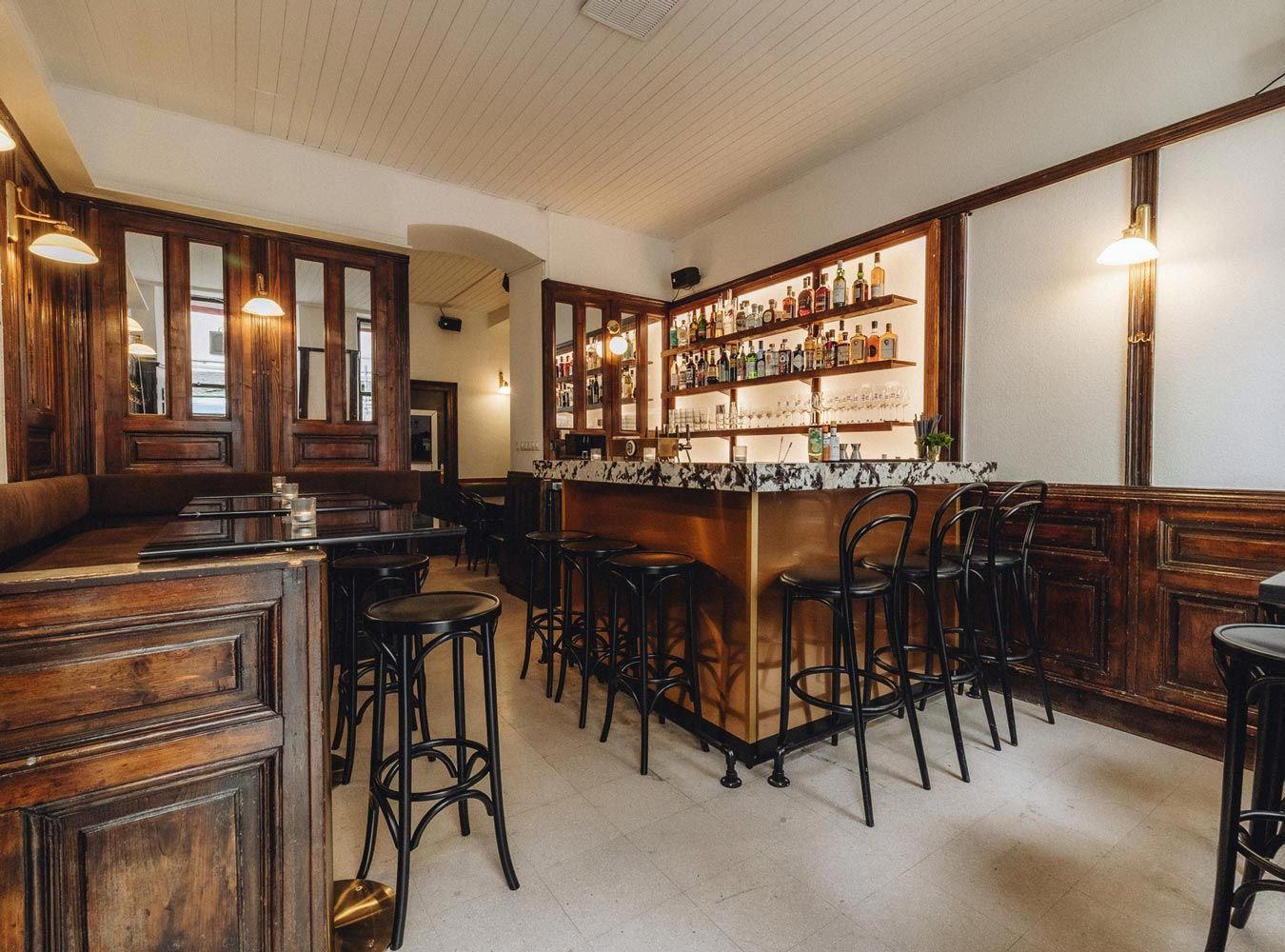
Bars in Traiskirchen
Browse all →
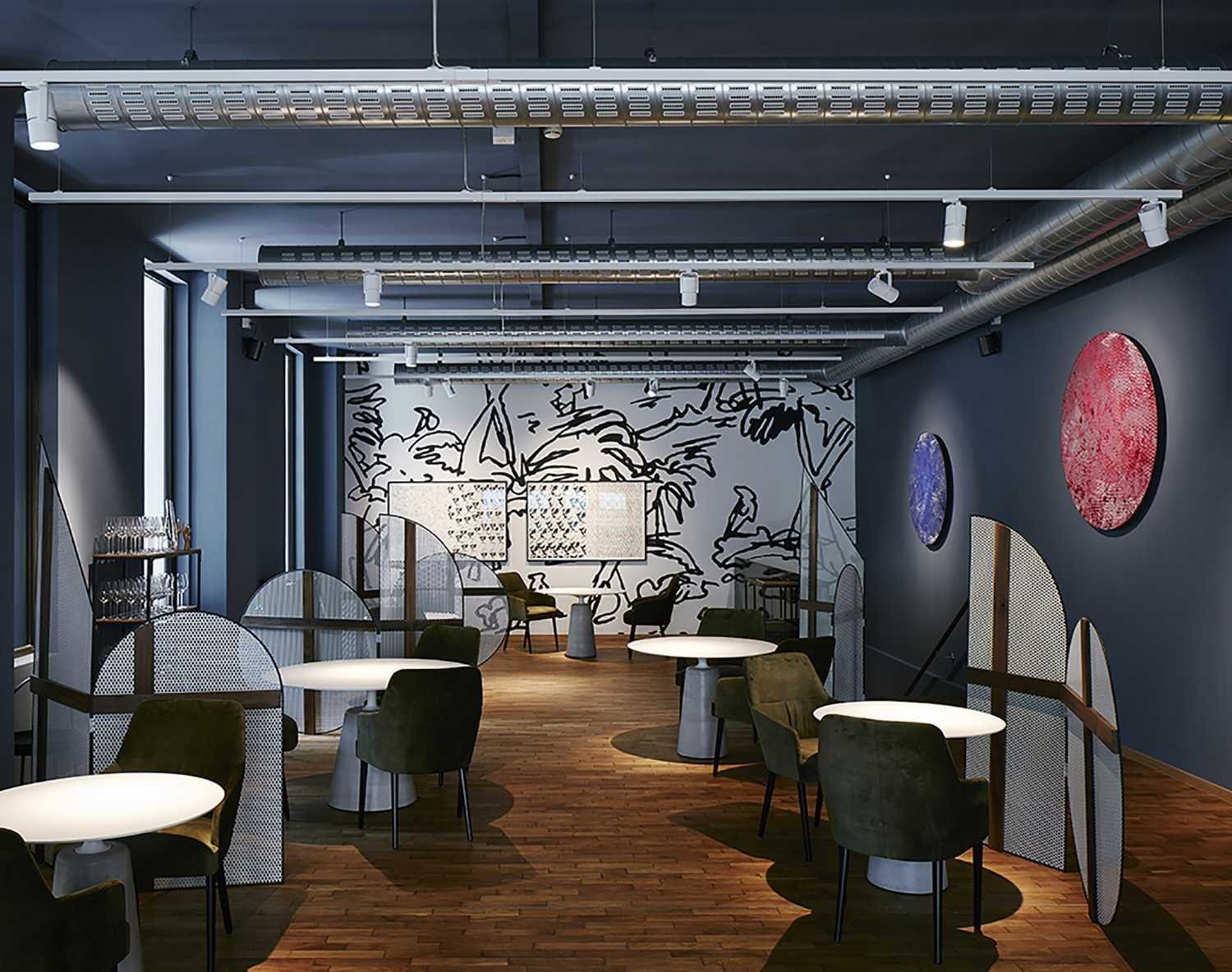
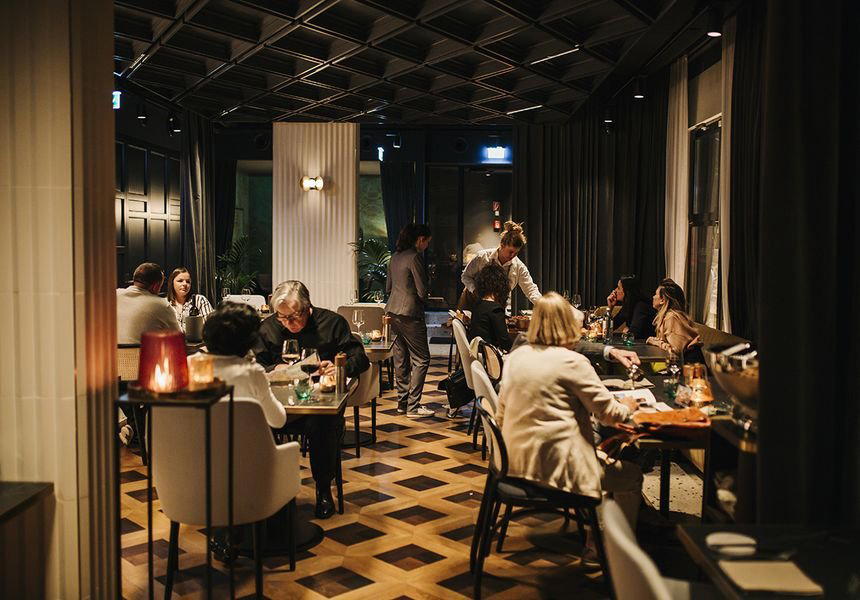
Restaurants in Traiskirchen
Browse all →![[aend] restaurant in Vienna](https://cdn.enprimeurclub.com/storage/v1/object/public/images/locations/recsVyRkMfzCxPmp0/hero2.jpg?width=3840&quality=75)
Details
- Rustic
- Classic
- Scenic
- Wine Education
- Solo Exploration
- Group Outing
- Vineyard Tour
- Estate Grounds
- Garden
- Terrace
- Sustainable
- Organic
- Vineyard
- Garden
- Rotgipfler
- Chardonnay
- Zierfandler
- Grüner Veltliner
- Pinot Noir
- Riesling
- Still White
- Still Red
- Still Rosé
- Sparkling
- Dessert
- Cave Tasting
- Private Tasting
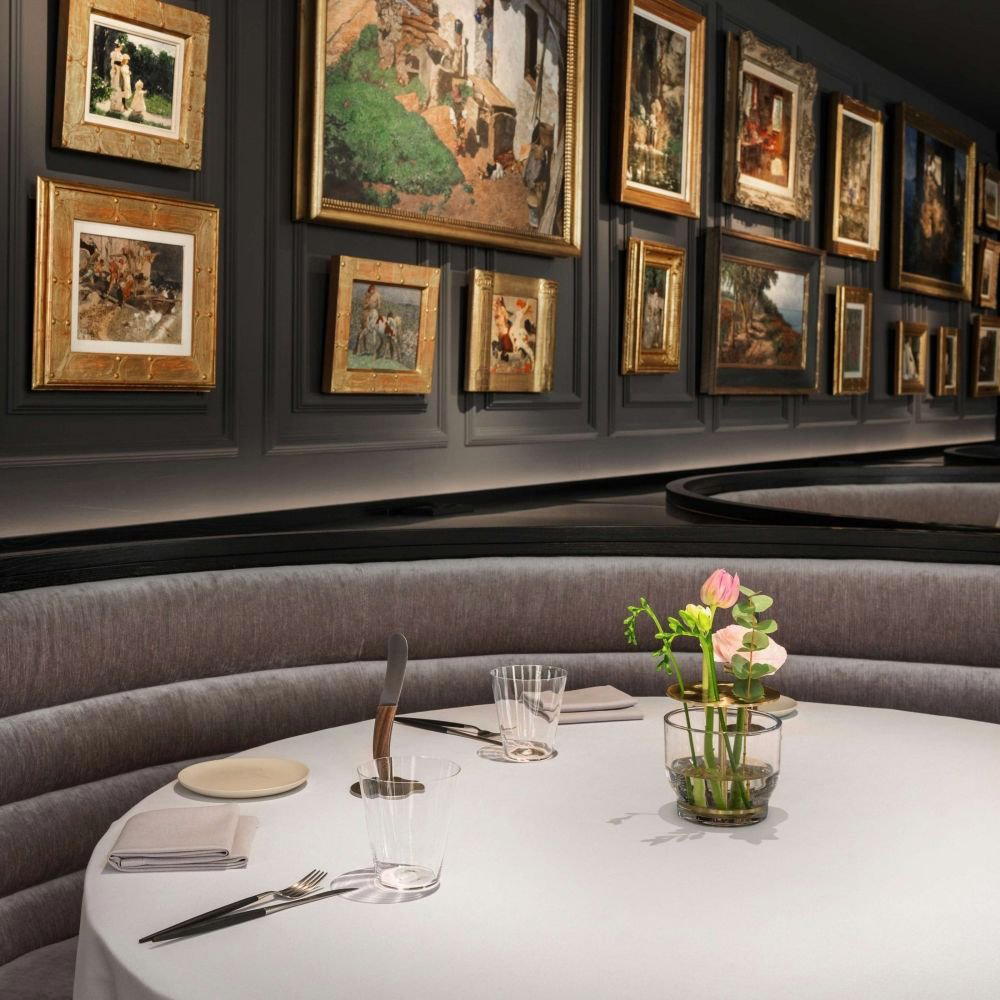
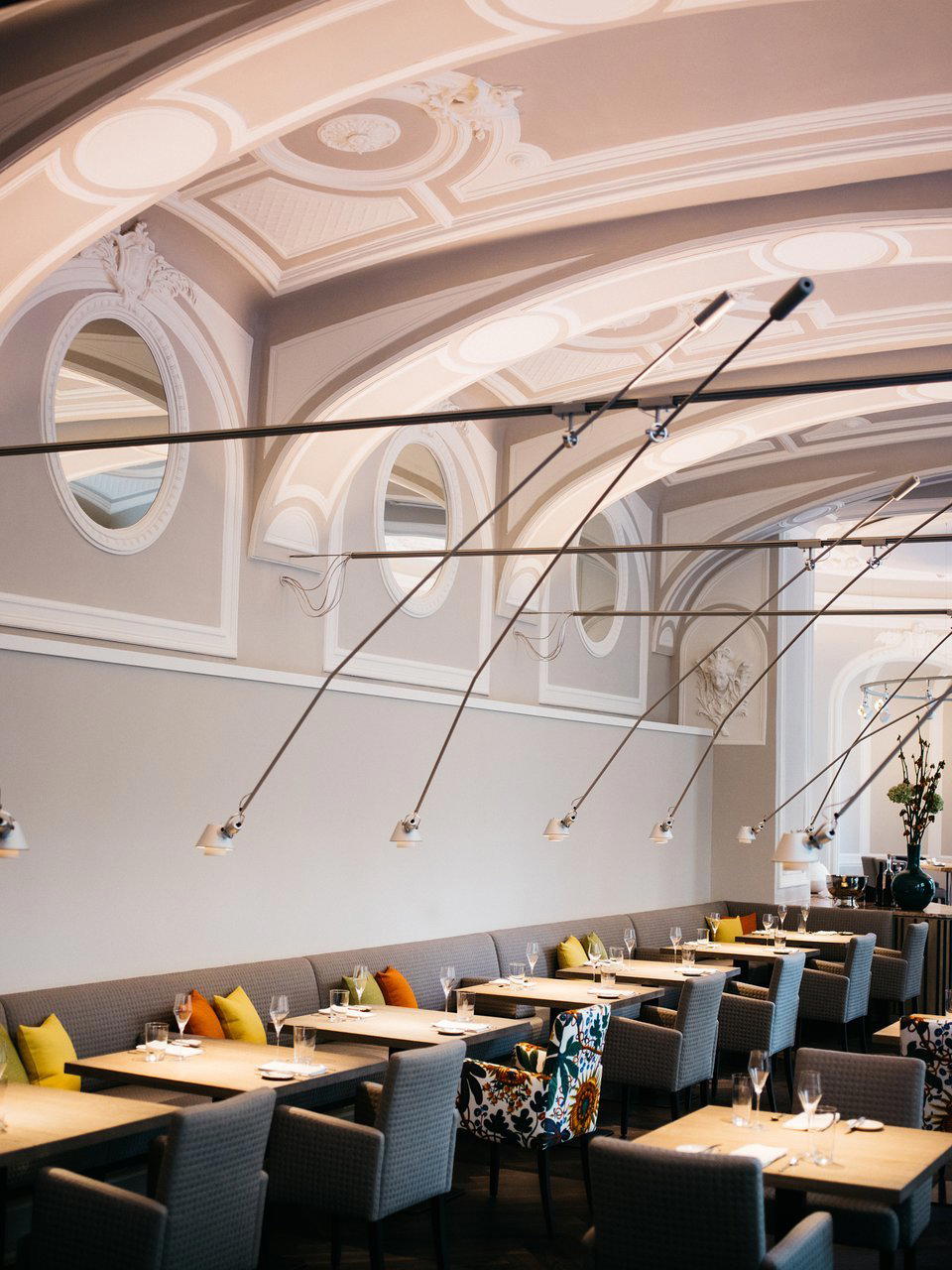
Heimelig and welcoming Heuriger atmosphere with shaded garden seating, friendly service, and cozy indoor spaces.