
Falstaff Winery - 4 Stars
The estate sits within one of the Wachau's most demanding vineyard corridors, where gneiss and loess slopes shape wines of structural precision. For serious Wachau exploration, this address belongs on the itinerary alongside the valley's other benchmark producers.

Pearl is the En Primeur Club membership app — saves, bookings, and concierge access live there. Same editors, same standards.
- Address
- Kirchenpl. 13, 3620 Spitz
- Phone
- +43 2713 2450
- Website
- gritsch.at
- Directions
- Get directions
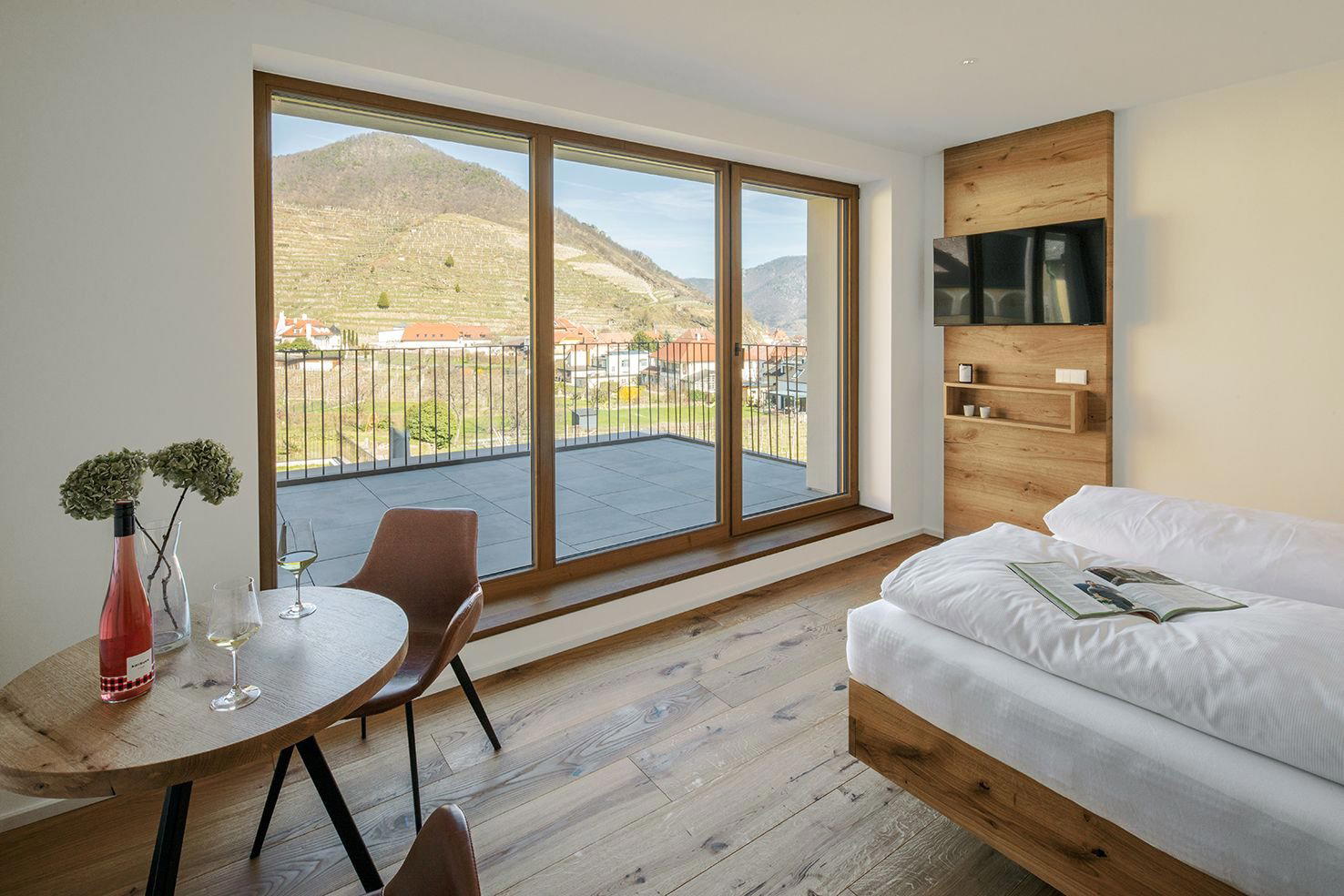
Spitz and the Upper Wachau's Argument for Terroir
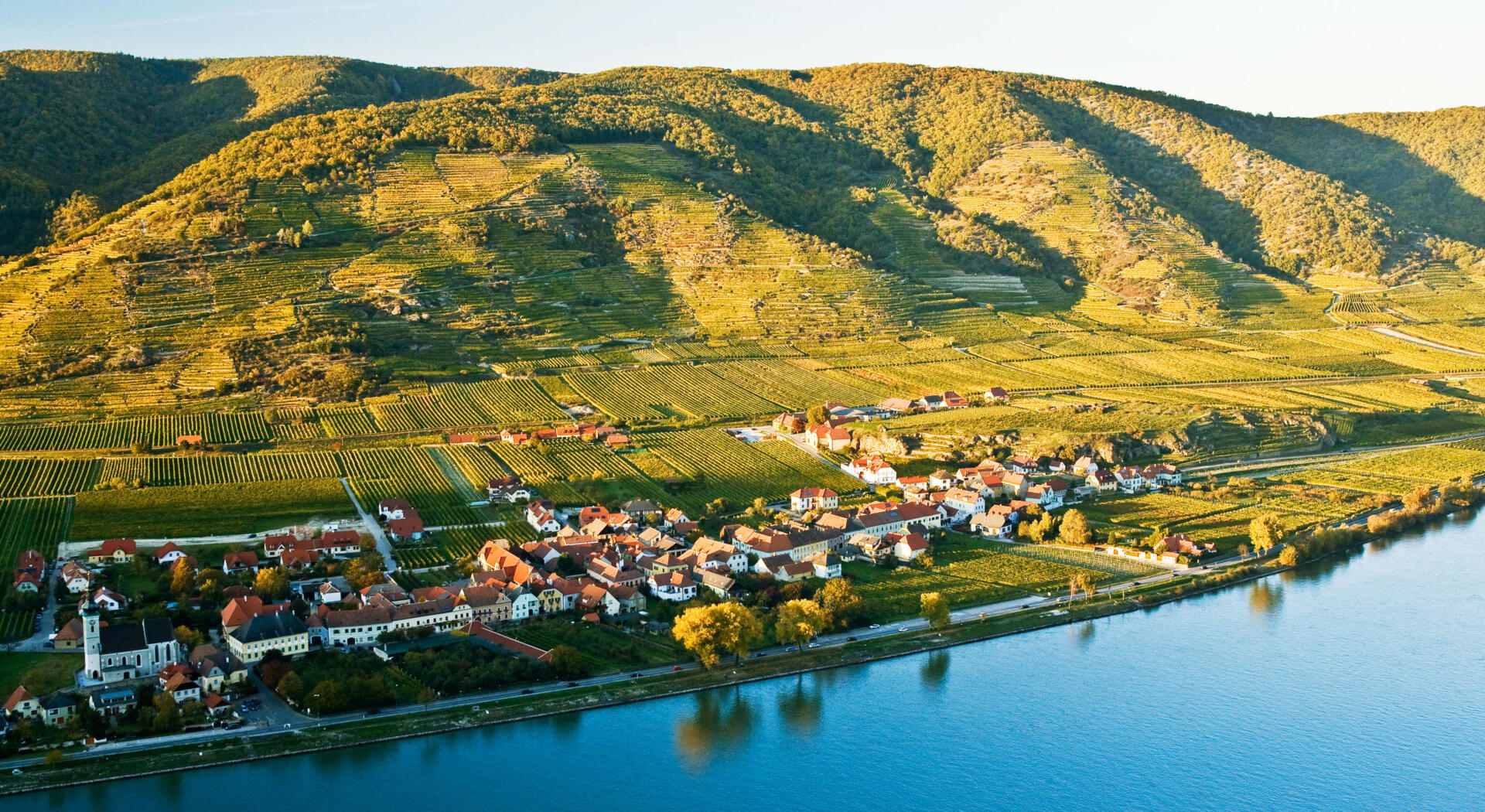
The western end of the Wachau is where the valley tightens and the vineyards grow more demanding. Around Spitz, the Danube bends sharply, and the south-facing slopes that catch afternoon light are composed of primary rock: gneiss, granite, and mica schist, interspersed with pockets of loess that hold moisture differently across just a few metres of gradient. This is not a forgiving place to grow wine grapes, which is precisely why the wines that come from here carry a particular character. The mineral signature of the Wachau's upper reaches differs from the softer, rounder profiles further east toward Dürnstein or Weißenkirchen, and producers in Spitz are arguing, bottle by bottle, for why that difference matters.
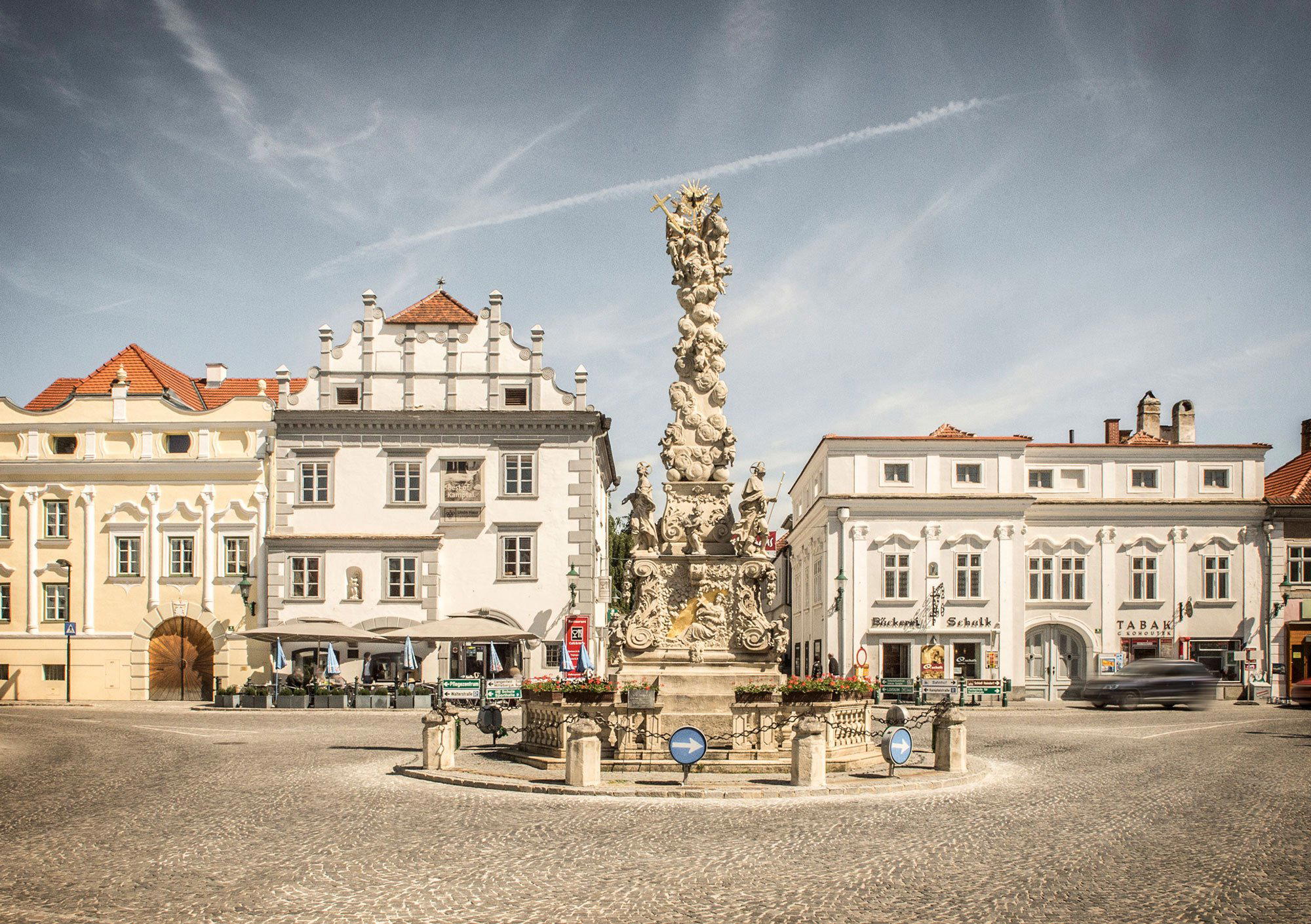
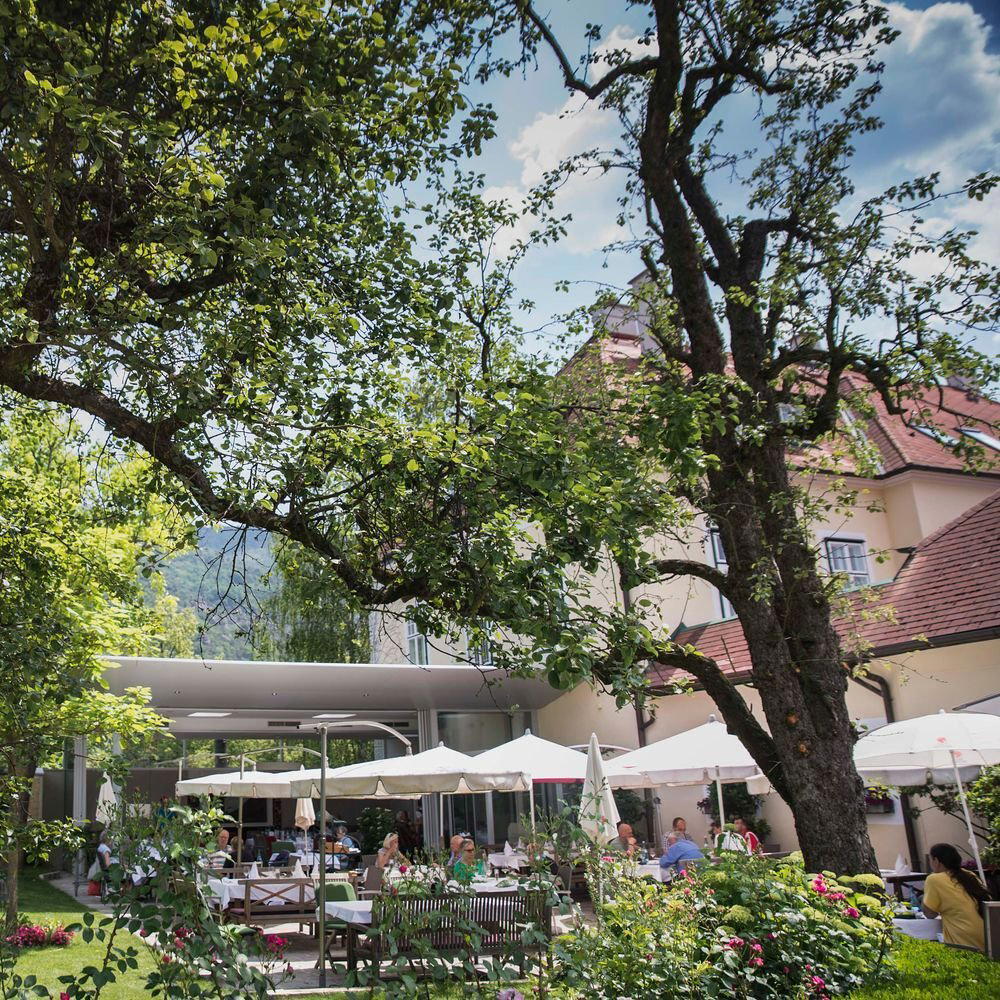
Weingut FJ Gritsch, known by its estate name Mauritiushof, is positioned at Kirchenplatz 13 in Spitz — a central address in a village where the church square has served as the civic anchor for centuries. The physical context matters here. Working from the heart of Spitz rather than from a peripheral vineyard facility places the estate inside a long tradition of village-rooted winemaking, where the cellar and the community are not separate propositions.
This classification is not a generic quality marker but a signal of consistency and expression at a level that warrants attention from collectors and serious wine travellers.
The broader Austrian wine scene has split, over the past twenty years, between estates pursuing volume-accessible quality and those concentrating on site-specific expression with limited output tied to named vineyard parcels. The Pearl Prestige tier tends to encompass the latter group: producers whose wines are shaped more by the decision to intervene minimally and let the site speak than by a technical winemaking brief designed to meet market expectations. Gritsch's 2025 designation places it squarely in that category.
Gneiss, Loess, and the Case for Soil Diversity in the Wachau
Understanding what the Wachau does to Grüner Veltliner and Riesling requires thinking about soil variability at a scale that most wine regions don't offer. Within a few kilometres of Spitz, the geological substrate shifts from decomposed primary rock to accumulated loess terraces, each with a different drainage rate, heat retention capacity, and mineral profile. Wines grown on pure gneiss slopes tend toward linearity, with pronounced tension and a minerality that is more austere in youth but gains complexity over time. Wines from loess show earlier approachability and a different textural density.
Estates in Spitz that work across both soil types can produce a meaningful range within the same appellation. The decision about which parcels to harvest separately, which to blend, and at which ripeness level to pick are the real winemaking choices here. The formal Wachau classification system, which segments wines into Steinfeder, Federspiel, and Smaragd by alcohol weight, provides another axis: Smaragd wines from primary rock sites in Spitz represent the most concentrated and age-worthy expression the valley produces, while Federspiel from the same area offers a more immediate entry point into the terroir argument.
For context on how Spitz-area producers compare with the wider Austrian winemaking world, the contrast with estates working in warmer, flatter terrain is instructive. Producers like Weingut Kracher in Illmitz work in a fundamentally different climate on the eastern shore of the Neusiedlersee, where noble rot and late-harvest concentration define the house style. The tension-driven minerality of a Spitz Smaragd and the lush botrytis intensity of a Kracher Trockenbeerenauslese are both expressions of Austrian terroir, but they are speaking entirely different languages.
Spitz has long operated in the partial shadow of Dürnstein and Weißenkirchen when it comes to international name recognition, despite producing wines of comparable complexity. Estates like Weingut Franz Hirtzberger have done much to raise Spitz's profile, and Gritsch's Mauritiushof occupies a position in that same conversation. The prestige designation acknowledges that the estate is not operating at the valley's entry tier but is instead part of a smaller group of Wachau producers whose wines reward cellaring and whose vineyard sources are worth tracking by name.
Across Austria more broadly, the estates recognised at prestige level tend to share certain characteristics: a focus on named single-vineyard or parcel-specific wines, a preference for working within the logic of a defined appellation rather than seeking flexibility outside it, and a track record that extends across multiple vintages rather than a single breakthrough year. Comparing Gritsch's position to peers further afield in Austria, estates like Weingut Wohlmuth in Kitzeck in southern Styria or Weingut Pittnauer in Gols in Burgenland illustrate how differently prestige-tier production can read when the soil, climate, and permitted varieties shift dramatically. The Wachau version of prestige is about precision under cool-climate constraint; the Burgenland version involves warmth and concentration.
Visiting Mauritiushof: Practical Context for Spitz
Spitz is reachable by train from Vienna's Franz-Josefs-Bahnhof on the Wachau railway line, which runs along the north bank of the Danube, or by road from Krems. The village is compact, and Kirchenplatz 13 is a short walk from the Spitz railway station. Given that contact details for the estate are not publicly listed in current directories, the practical approach for visiting or purchasing is to plan around the broader Wachau winery visit circuit, where estates in Spitz and the surrounding valley operate with some combination of direct cellar-door appointments and presence at regional wine events. The spring and autumn months — particularly the Wachau Marathon weekend in late September, which draws visitors throughout the valley, represent the most active periods for cellar access across the region.
For a broader itinerary built around the Spitz area and the wider Austrian wine scene, our full Spitz restaurants guide maps the territory in more detail. Those extending their Austrian wine trip east or north might consider comparing the Wachau register against estates like Weingut Heinrich Hartl in Oberwaltersdorf or, for a different perspective on Austrian production entirely, the craft spirits and distillery scene represented by operations like 1516 Brewing Company Distillery in Vienna or A. Batch Distillery in Bergheim. For those with an interest in comparing Austrian precision winemaking against international benchmarks, Accendo Cellars in St. Helena and Aberlour in Aberlour represent entirely different production traditions worth holding alongside the Wachau reference. Further Austrian comparison is available through the Weingut Scheiblhofer Distillery in Andau and the 1310 Spirit of the Country Distillery in Sierning, while those drawn to the Wachau's cellar culture specifically should also note the 1404 Manufacturing Distillery in Sankt Peter-Freienstein as an indication of how Austrian craft production has expanded well beyond the traditional wine regions.
Comparable Spots, Quickly
Comparable venues nearby, for context on price, style, and recognition.
| Venue | Cuisine | Awards | Notes |
|---|---|---|---|
| Weingut FJ Gritsch (Mauritiushof)This venue — the venue you are viewing | Grüner Veltliner, Riesling | Falstaff Winery - 4 Stars | Not listed |
| Weingut Franz Hirtzberger | Riesling, Grüner Veltliner | Falstaff Winery - 5 Stars | Spitz |
| Brennerei Weigand | Winery | Not listed | Steyr |
| Kiesel Distillery | Winery | Not listed | Sigless |
| Mühlbauer Distillery | Winery | Not listed | Zwettl |
| Karant Distillery | Winery | Not listed | Kittsee |
Recognition history
Dated appearances from independent guides and award organizations, with the underlying list record or original source where available.
Falstaff Winery - 4 Stars
Falstaff
Continue exploring
More in Spitz
Wineries in Spitz
Browse all →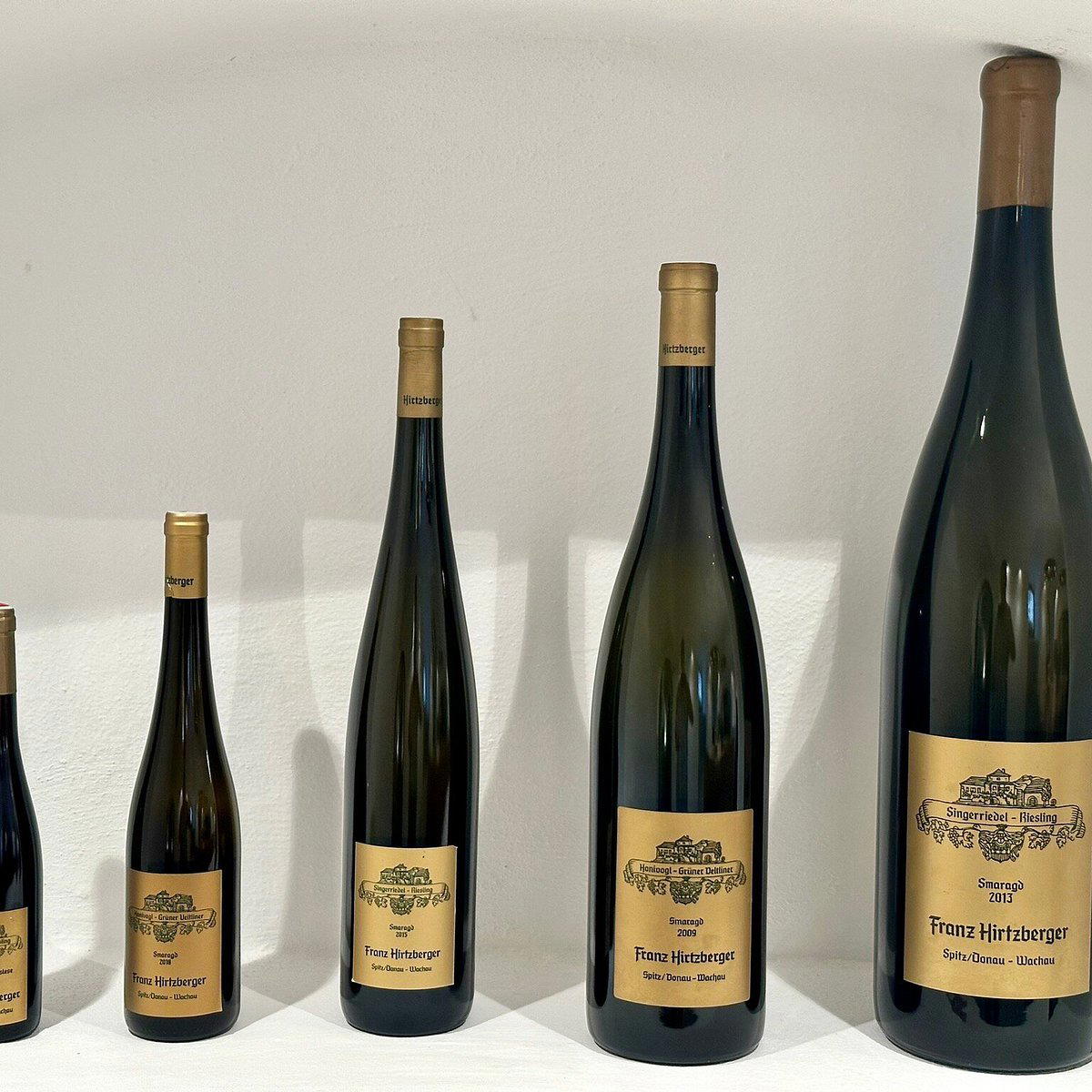
Bars in Spitz
Browse all →

Restaurants in Spitz
Browse all →
Details
- Rustic
- Scenic
- Classic
- Intimate
- Romantic Getaway
- Wine Education
- Solo Exploration
- Private Tasting
- Estate Grounds
- Terrace
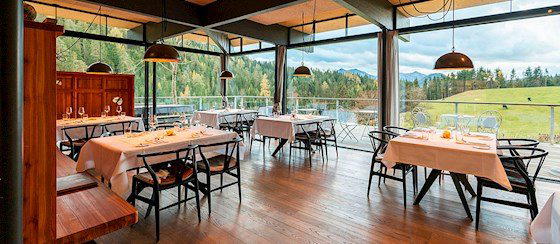
- Panoramic View
- Historic Building
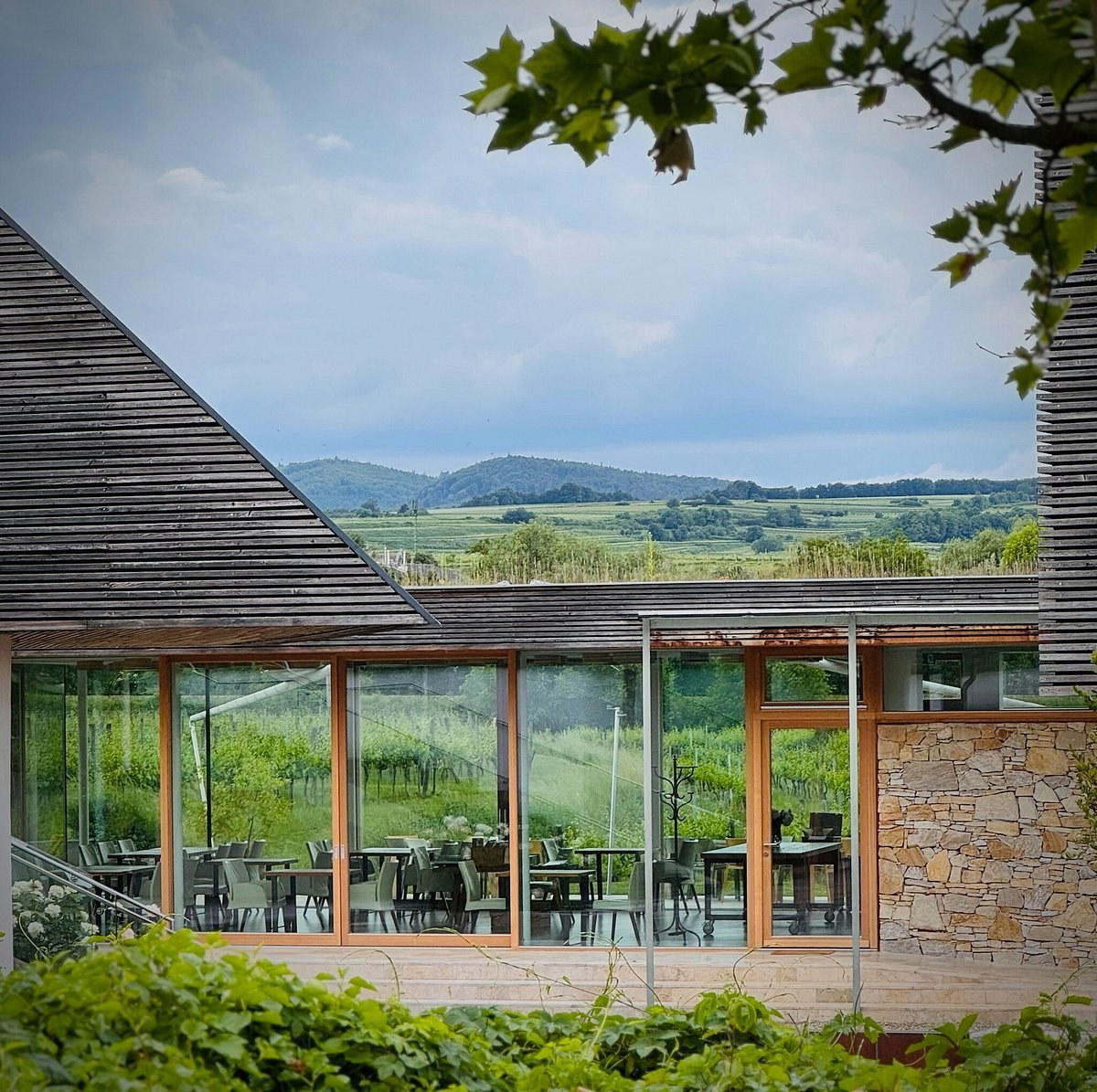
- Vineyard
- Waterfront
- Garden
- Grüner Veltliner
- Riesling
- Muskateller
- Neuburger
- Sauvignon Blanc
- Still White
- Private Tasting