Gut Hermannsberg

Gut Hermannsberg is a historic Nahe wine estate in Niederhausen. Set on the slopes of the Hermannsberg, the domain occupies one of Germany's most geologically distinct Riesling sites, where blue Rotliegend slate and volcanic porphyry produce wines of pronounced mineral tension. For serious Riesling drinkers, it sits at the summit tier of Nahe producers.
Pearl is the En Primeur Club membership app — saves, bookings, and concierge access live there. Same editors, same standards.
- Address
- Ehemalige Weinbaudomäne, K58, 55585 Niederhausen
- Phone
- +49 6758 92500
- Website
- gut-hermannsberg.de
- Directions
- Get directions
 Saves & bookings on Pearl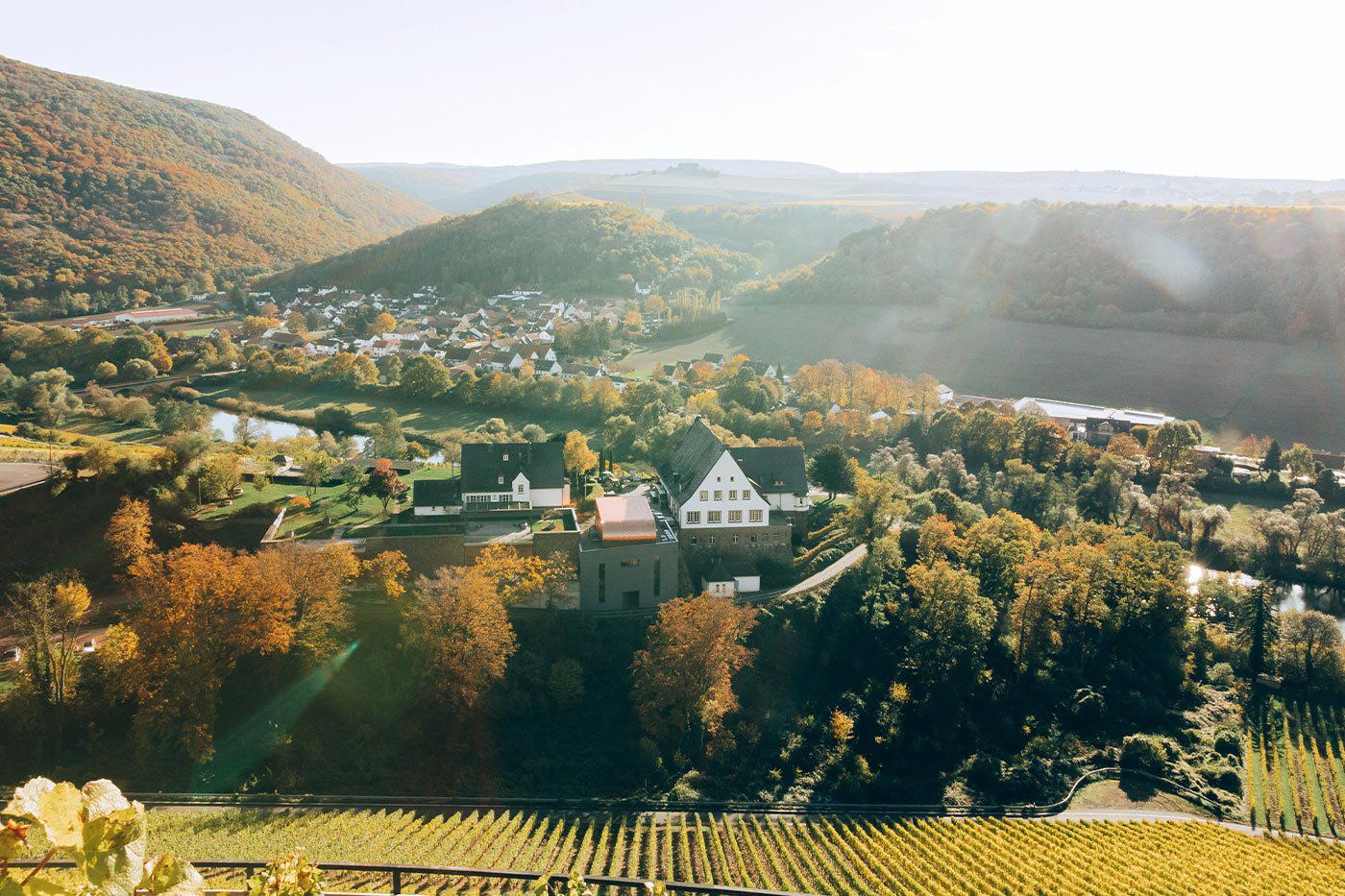
Where the Rock Speaks Before the Wine Does
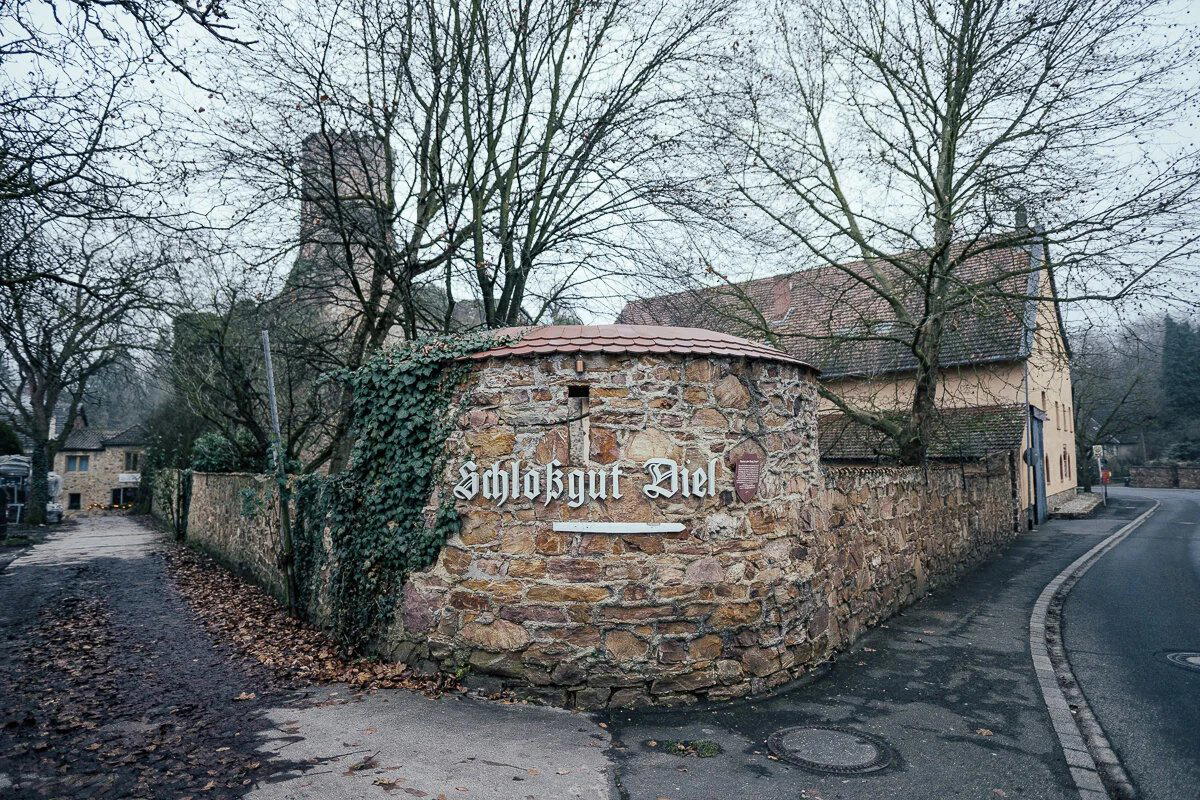
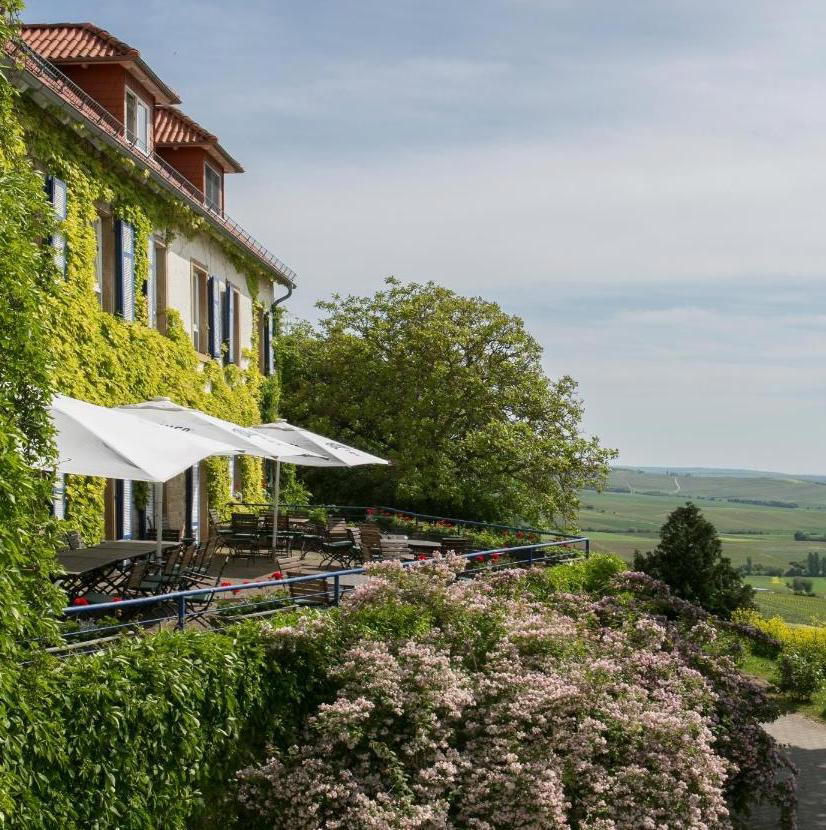
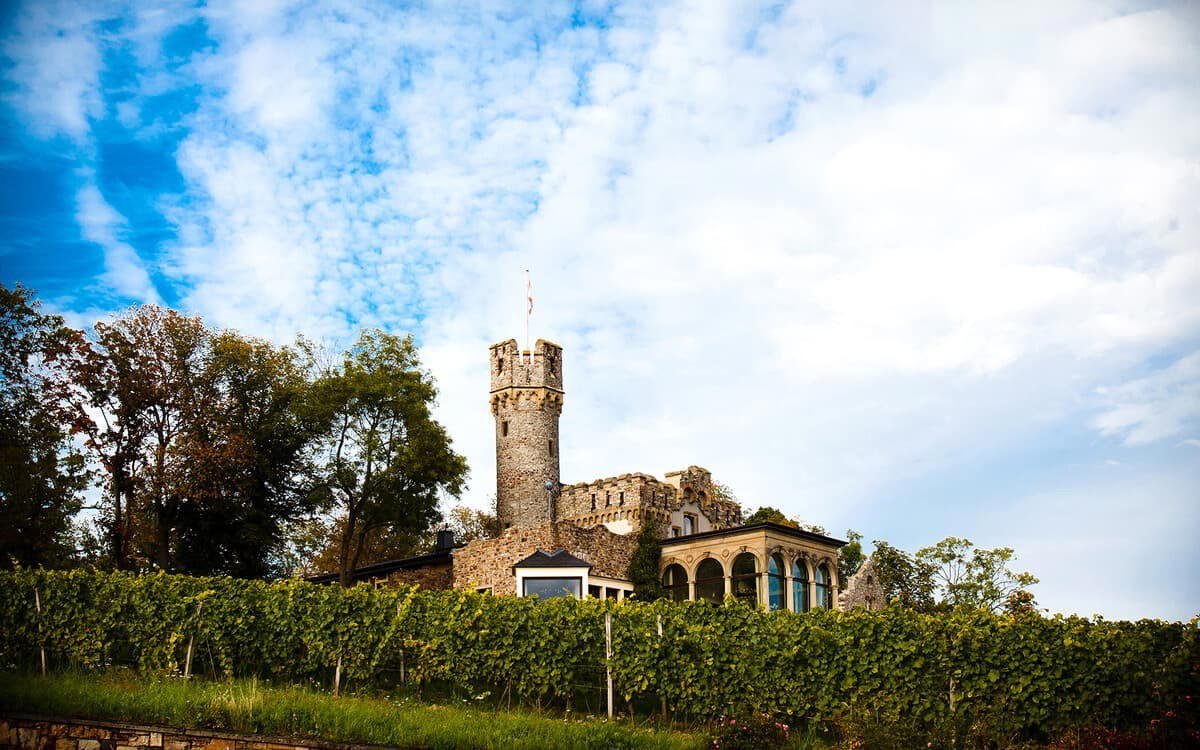
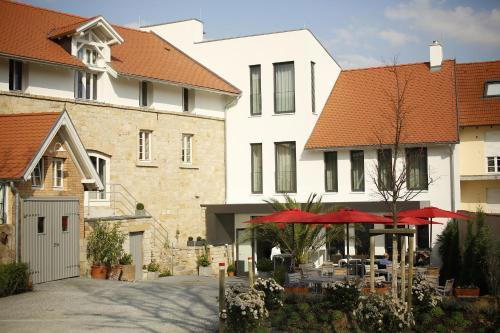
Arriving at Gut Hermannsberg along the K58 outside Niederhausen, the estate announces itself the way serious German wine properties tend to: not through spectacle, but through landscape. The terraced vineyard slopes rise sharply above the Nahe valley, their angled faces catching light at angles that shift noticeably through the day. The old domain buildings, formerly the Prussian State Wine Domaine, carry the institutional solidity of a place that has been doing one thing deliberately for a long time. Before you open a bottle, the site is already making an argument.
That argument is geological. The Hermannsberg and its neighbouring Hermannshöhle are among the more mineralogically complex vineyard sites in Germany. The soils combine blue Rotliegend slate, volcanic porphyry, and weathered sandstone formations that geologists have dated to the Permian period, roughly 280 to 300 million years ago. No other major German wine region offers quite this combination of rock types within a single compact hillside, and the wines it produces reflect that specificity in ways that are traceable from glass to ground.
The Nahe's Position in German Riesling
German Riesling discourse tends to organize itself around the Mosel and the Rheingau, with the Nahe treated as a supplementary chapter. That framing understates the region's ambition and, increasingly, its critical standing. The Nahe runs roughly 115 kilometres through Rhineland-Palatinate before joining the Rhine near Bingen, and its upper and middle reaches contain some of the country's most unusual soil profiles. Where the Mosel delivers elegance on blue and grey slate, and the Rheingau offers broader fruit on loess and loam, the Nahe's volcanic and sedimentary complexity produces Rieslings with a structural tension that sits between those two poles.
Niederhausen sits at the heart of this distinction. The village's classified sites, particularly Hermannsberg and Hermannshöhle, have historical VDP Grosse Lage recognition, placing them in the same conversation as Mosel Grosses Gewächs sites from producers like Weingut Fritz Haag in Brauneberg or Weingut Grans-Fassian in Leiwen, and with Rheingau estates such as Weingut Georg Breuer in Rüdesheim am Rhein and Weingut Allendorf in Oestrich-Winkel. The comparison set matters because it positions Nahe's leading sites not as regional curiosities but as peers within Germany's premium Riesling tier.
That aligns with its historical and contemporary critical standing: the estate's VDP membership and Grosse Lage vineyard access are the clearest structural credentials available for any German producer.
Terroir Expression: Reading the Geology in the Glass
The Rotliegend slate that runs through the Hermannsberg is the defining factor in how the site's Rieslings behave. Slate-based soils drain quickly, force root systems deep to find water, and retain heat during the day while releasing it slowly at night, extending the ripening window and preserving acidity. The result, across good vintages, is Riesling with pronounced tension between ripe stone fruit and a flinty, almost smoky minerality that German wine critics have long associated with the Nahe's upper sites specifically.
The porphyry component adds another dimension. Volcanic in origin, porphyry produces wines with a slightly harder mineral character than pure slate, contributing to the angular, almost austere edge that distinguishes Hermannsberg Rieslings from the rounder profiles found on loam-dominant sites in the Pfalz. Producers like Weingut Bassermann-Jordan in Deidesheim and Weingut Dr. Bürklin-Wolf in Wachenheim an der Weinstraße demonstrate what Pfalz terroir delivers at the leading level; the contrast with Niederhausen's volcanic geology is instructive for anyone tracking how site composition translates to style.
Within Niederhausen itself, Gut Hermannsberg operates alongside Weingut Jakob Schneider, another estate with access to the village's classified sites. The two producers offer a useful comparison: both draw from overlapping geological conditions, but differences in winemaking philosophy and vineyard parcels produce discernible variations in style, which is precisely the kind of comparison that makes Niederhausen worth spending serious time in.
The Estate in Its Historical Context
Gut Hermannsberg's origins as the Königlich Preußische Weinbaudomäne (Royal Prussian State Wine Domain), established in the early twentieth century, place it in a category of German estate with significant institutional history. The Prussian domains were created explicitly to demonstrate that phylloxera-devastated German vineyards could be rebuilt and made productive at a high level, and the choice of Niederhausen as a site reflected the contemporary understanding of its geological potential. That origin story matters less as biography than as context: the infrastructure, the terraced vineyards, and the cellar architecture at the K58 address were all designed for serious wine production from the outset, not adapted to it over time.
This positions Gut Hermannsberg differently from estates that evolved from agricultural diversification. Like Kloster Eberbach in Eltville, whose monastic origins similarly reflect deliberate long-term investment in a specific site, the winery carries an institutional weight that informs how the estate approaches its Grosse Lage parcels. For visitors from outside Germany who associate this level of site specificity primarily with Burgundy's premier and grand cru framework, the German VDP classification offers a comparable structure, and Niederhausen's leading sites deserve to be understood within that frame rather than as secondary to the better-known Mosel grands crus.
The Wider Riesling Reference Map
Anyone using the winery as an entry point into serious German Riesling will find a number of natural next references. On the Nahe itself, the Hermannsberg and Hermannshöhle sites have historically been benchmarked against the great Mosel monopoles. Moving further across Germany's wine regions, Weingut Battenfeld-Spanier in Hohen-Sülzen and Weingut A. Christmann in Neustadt an der Weinstraße represent the Pfalz's approach to terroir-expressive white wines. In Franconia, Weingut Bürgerspital zum Heiligen Geist in Würzburg shows what a different geological and climatic baseline does to the Silvaner grape with a comparable institutional seriousness. And on the Mosel, Weingut Clemens Busch in Pünderich demonstrates how volcanic and slate soils combine in a region better known to international audiences.
The reference set extends beyond Germany for context. At the higher end of the prestige and allocation model, Nahe Grosse Lage Rieslings compete less with entry-level German wine and more with allocation-driven producers internationally. For readers whose frame of reference is closer to Napa, Accendo Cellars in St. Helena offers a sense of what allocation scarcity looks like at the summit end of a different wine culture entirely.
Planning a Visit
The winery is located at Ehemalige Weinbaudomäne, K58, 55585 Niederhausen in the Nahe valley.
Side-by-Side Snapshot
Comparable venues nearby, for context on price, style, and recognition.
| Venue | Cuisine | Price | Notes |
|---|---|---|---|
| Gut HermannsbergThis venue — the venue you are viewing | Riesling, Weissburgunder | $$$ | Not listed |
| Weingut Jakob Schneider | Riesling, Spätburgunder | $$ | Niederhausen |
| Weingut Hermann Dönnhoff | Riesling, Pinot Blanc | $$$ | Oberhausen an der Nahe |
| Weingüter Wegeler | Riesling, Pinot Noir | $$$ | Oestrich-Winkel |
| Weingut Willi Schaefer | Riesling | $$$ | Graach |
| Weingut Robert Weil | Riesling | $$$ | Kiedrich |
Recognition history
Dated appearances from independent guides and award organizations, with the underlying list record or original source where available.
Falstaff Winery - 4 Stars
Falstaff
Continue exploring
More in Niederhausen
Wineries in Niederhausen
Browse all →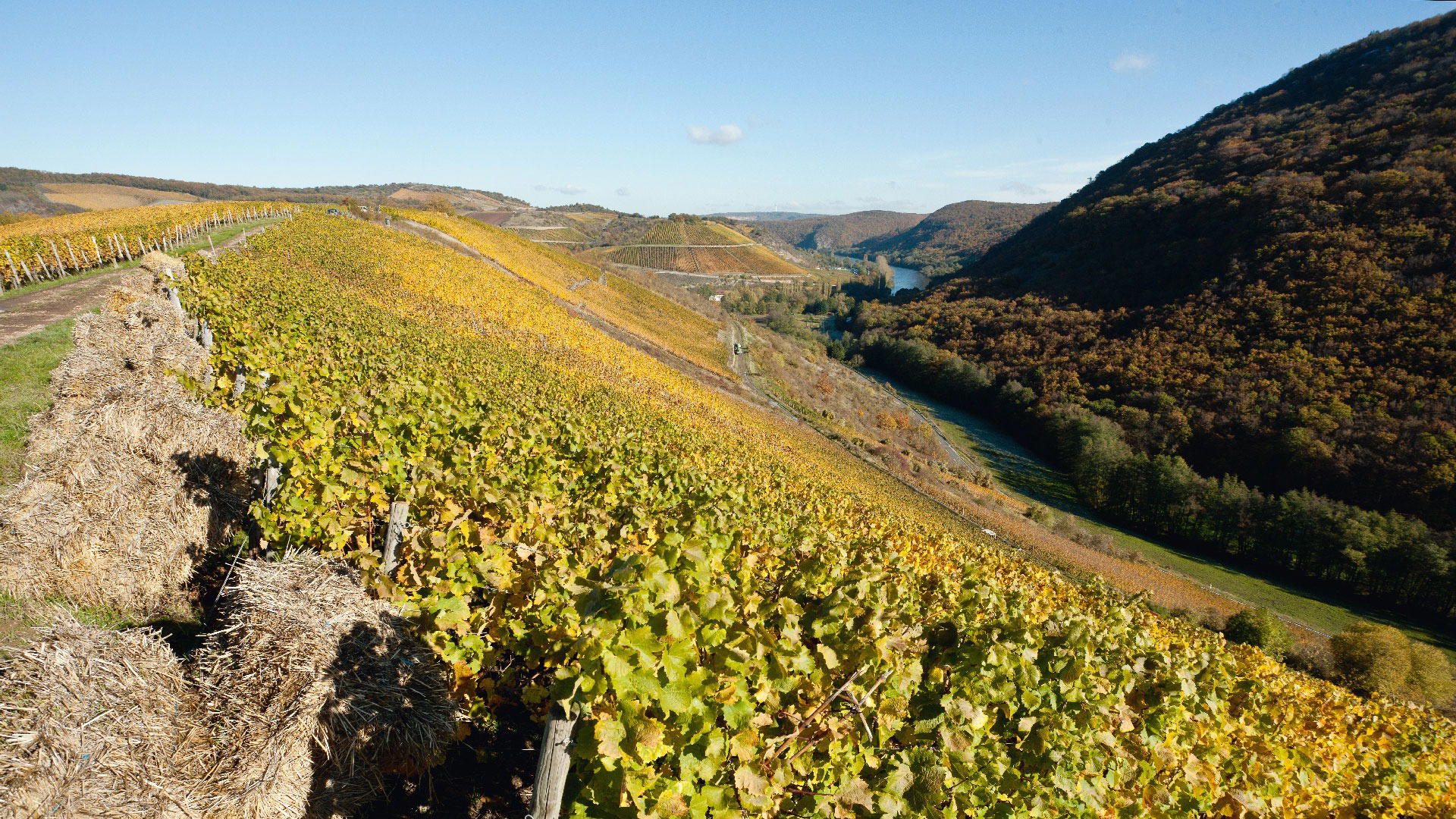
Bars in Niederhausen
Browse all →

Restaurants in Niederhausen
Browse all →

At a Glance
- Scenic
- Elegant
- Classic
- Sophisticated
- Wine Education
- Solo Exploration
- Special Occasion
- Vineyard Tour
- Estate Grounds
- Terrace
- Panoramic View
- Historic Building
- Sustainable
- Vineyard
- Mountain
- Nahe
- Riesling
- Weissburgunder
- Still White
- Skin Contact
- Cave Tasting
- Terrace
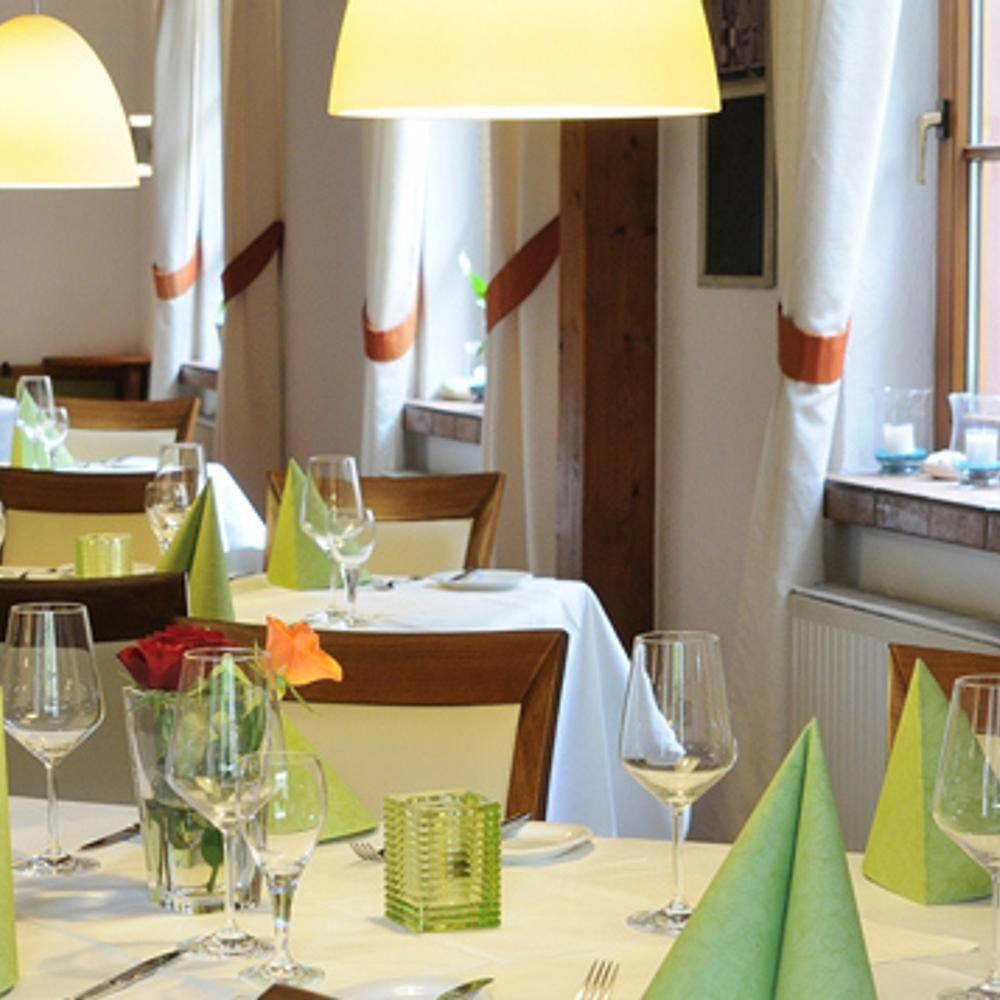
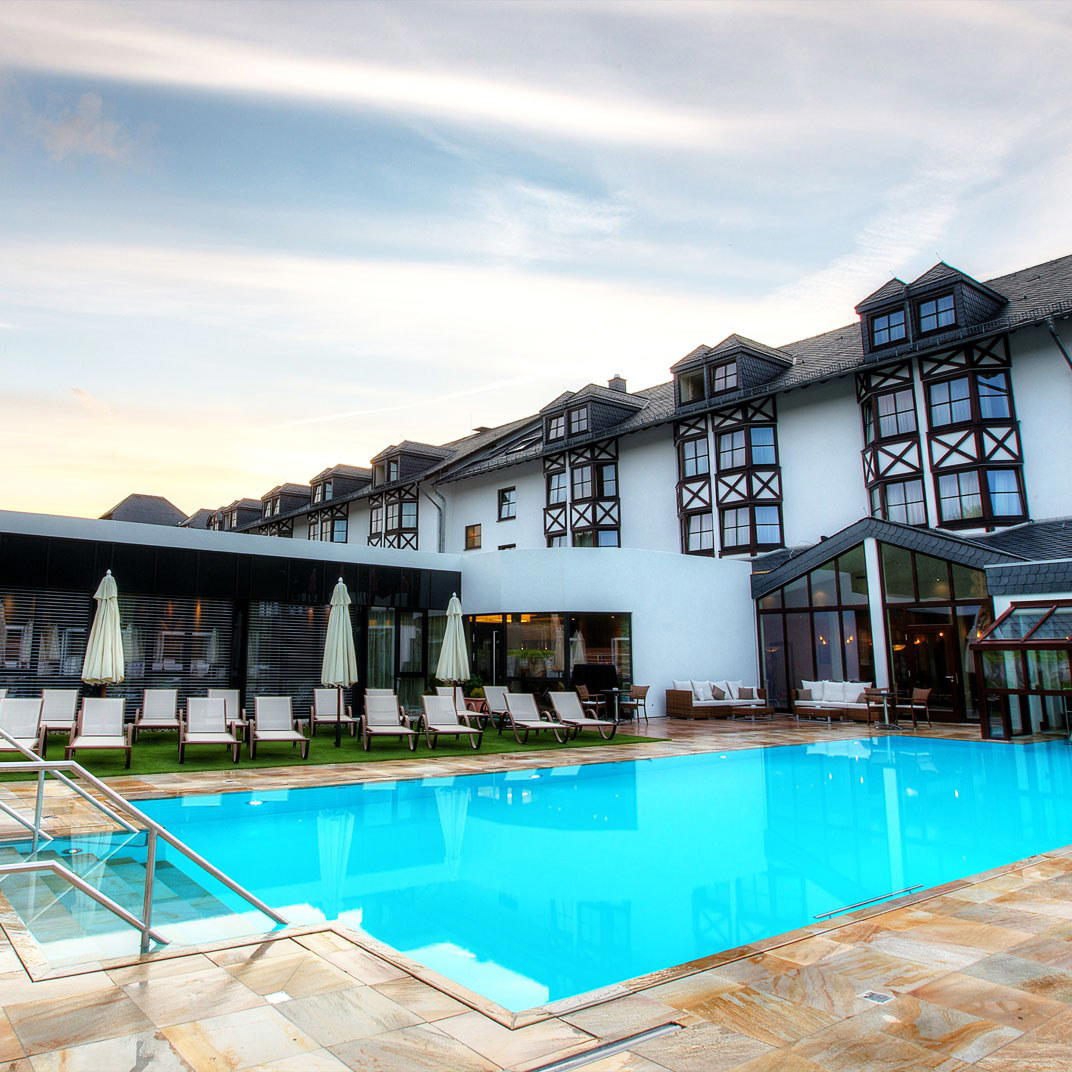
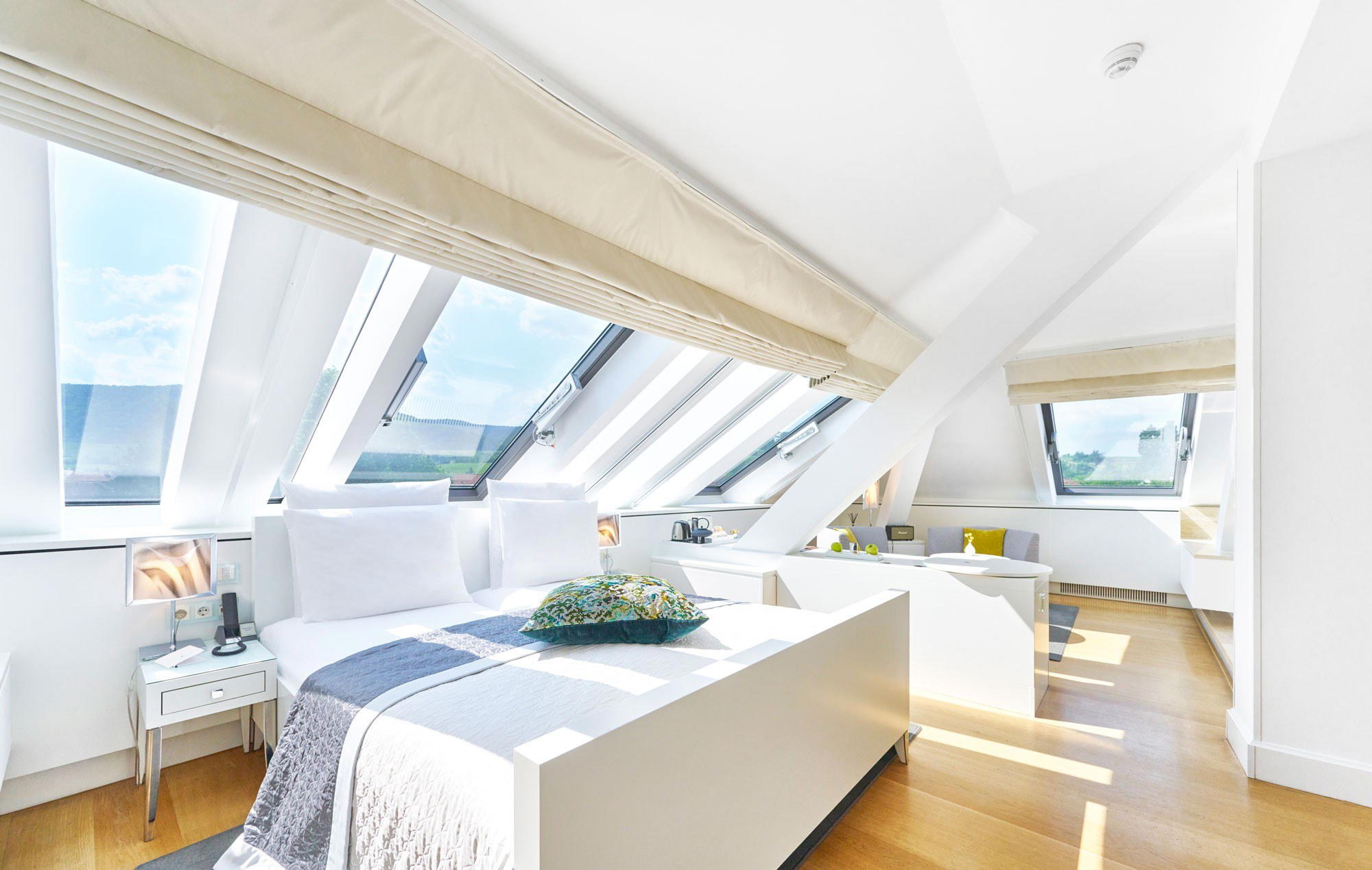
Set in steep vineyards with views of rugged rocks and forested mountains, offering a serene and elegant atmosphere.