
Weingut Hirsch sits in Kammern im Kamp, a small village in the Kamptal wine region where the river valley's steep primary rock terraces and continental climate shape wines of pronounced mineral character.
Pearl is the En Primeur Club membership app — saves, bookings, and concierge access live there. Same editors, same standards.
- Address
- Hauptstraße 76, 3493 Kammern
- Phone
- +43 2735 2460
- Website
- weingut-hirsch.at
- Directions
- Get directions
 Saves & bookings on Pearl
Kamptal's Geology at Work
The Kamptal wine region runs along the Kamp River as it cuts south through Lower Austria, exposing some of the oldest geological material in the country. The primary rock soils here, predominantly gneiss and granite with scattered loess pockets on lower slopes, impose a particular signature on wines made from them: high natural acidity, restrained fruit, and a mineral tension that loess-grown wines from flatter terrain rarely achieve at the same intensity. Kammern im Kamp, where Weingut Hirsch is based at Hauptstraße 76, sits within this corridor where the geological contrast between slope and valley floor is most sharply drawn.
This matters because Kamptal's reputation has always been built on site differentiation rather than a single regional style. The Heiligenstein, the documented single vineyard in the region, produces Riesling on volcanic rhyolite that reads differently from the gneiss-heavy Grüner Veltliner sites further upstream. Producers working across multiple soil types within Kamptal are, in effect, running parallel experiments in how the same grape variety responds to radically different parent material. Hirsch's position in Kammern places it squarely inside this site-specific conversation.
Where Hirsch Sits in the Kamptal comparable set
Weingut Hirsch in Kammern is a winery in Austria's Kamptal DAC, based at Hauptstraße 76, 3493 Kammern. That bracket in Kamptal is not especially crowded: the region's Grosse Lage (Grand Cru equivalent) classification under the DAC system restricts top-classification bottlings to specific registered vineyard sites, which means distinction at the upper level requires both site access and cellar discipline to express what those sites actually deliver.
Weingut Bründlmayer in Langenlois is one widely exported reference point for the region, often used as a benchmark for what Kamptal Grüner Veltliner looks like at scale and across multiple site classifications. Weingut Emmerich Knoll in Dürnstein, while technically in the Wachau, operates in an adjacent stylistic and geological conversation. Hirsch, with its Kammern address and prestige-tier recognition, occupies a distinct position: it is geographically anchored to the upper Kamp, where site expression tends toward tighter, more saline profiles than the broader Langenlois valley floor.
Across Austria more broadly, the shift toward DAC site-classification wines has sharpened the competitive vocabulary. Producers at the prestige tier are increasingly judged not on volume or export reach but on how precisely their single-vineyard wines translate site character into the glass.
The Terroir Argument for Kammern
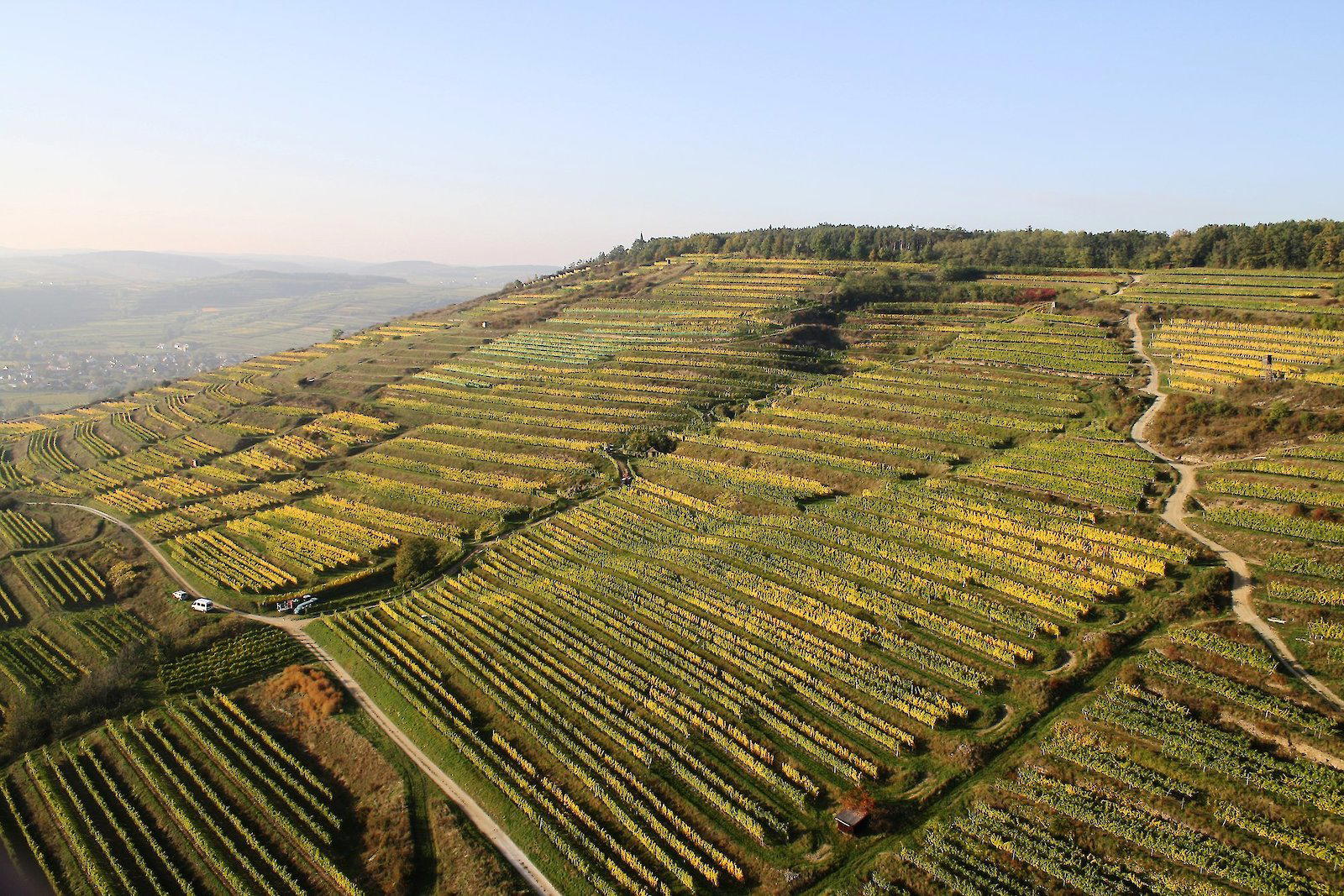
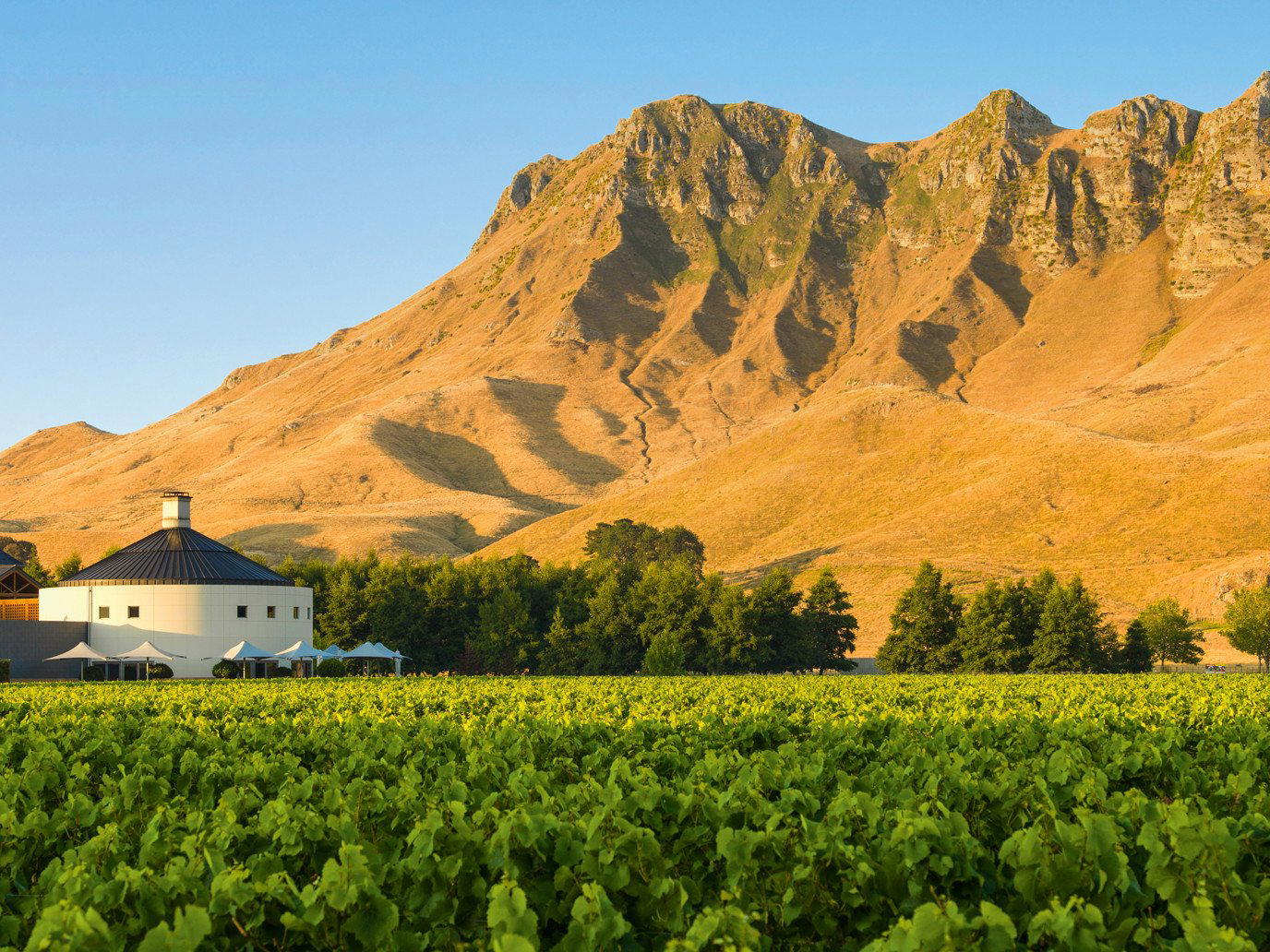
Visitors approaching Kammern from Langenlois pass through a landscape that compresses several distinct soil profiles within a short distance. The visual cues are there in the vineyard gradients: steeper pitches signal older, rockier material, while the broader, gentler slopes at valley level show the yellower tones of loess accumulation. For Grüner Veltliner, this distinction plays out directly in aromatic profile and aging potential. Wines from the steeper primary rock sites tend to develop more slowly, showing more grip and structural tension early and opening over years rather than months.
For Riesling, the geology argument is even more pointed. Riesling on gneiss in the Kamptal consistently produces wines with a saline, almost crystalline mineral quality that differs meaningfully from what the same variety delivers on calcareous soils in the Wachau's terraced sections or on the sandstone-heavy lower slopes elsewhere in Lower Austria. This is not a marketing narrative: it is a well-documented pattern that Austrian winemakers, critics, and the DAC classification committee have been formalising for two decades.
Weingut Hirsch, sitting inside this geological matrix, is participating in what is one geologically serious winemaking conversation in Austria.
Planning a Visit to Kammern
Kammern im Kamp is a small village. That is, in part, what defines the experience of visiting estates here: the focus is on the wine and the site, not on wine tourism amenities. The winery is based at Hauptstraße 76 in Kammern, accessible by road from Langenlois in approximately ten minutes. The nearest rail connection runs into Langenlois from Krems an der Donau, which connects to Vienna's Westbahnhof. From Vienna, the drive takes under ninety minutes via the A22 and B35. For serious Kamptal itineraries, pairing a Hirsch visit with estates in Langenlois and the surrounding villages makes practical sense given the proximity.
The broader Kamptal region rewards unhurried itineraries. The DAC appellation covers a relatively compact area, which means that a two-day circuit can reasonably include visits to estates across several soil types, building a working comparison of how geology translates to style. Those interested in the full range of Austrian prestige producers can extend south toward the Thermenregion, where Weingut Heinrich Hartl in Oberwaltersdorf operates, or east toward Burgenland, where Weingut Kracher in Illmitz and Weingut Pittnauer in Gols represent the Neusiedlersee end of the Austrian wine map. Styrian Riesling and Sauvignon Blanc, a stylistically different conversation entirely, is anchored at producers such as Weingut Wohlmuth in Kitzeck.
For those building a wider Austrian drinks itinerary, the country's distilling sector has grown substantially in recent years. Weingut Scheiblhofer Distillery in Andau, 1310 Spirit of the Country Distillery in Sierning, 1404 Manufacturing Distillery in Sankt Peter-Freienstein, 1516 Brewing Company Distillery in Vienna, A. Batch Distillery in Bergheim, and Abfindungsbrennerei Franz in Leithaprodersdorf collectively represent the breadth of the sector. Further afield, international reference points such as Aberlour in Aberlour and Accendo Cellars in St. Helena sit in EP Club's wider coverage for those planning international itineraries.
How It Stacks Up
Comparable venues nearby, for context on price, style, and recognition.
| Venue | Cuisine | Price | Notes |
|---|---|---|---|
| Weingut HirschThis venue — the venue you are viewing | Grüner Veltliner, Riesling | $$$ | Not listed |
| Weingut Emmerich Knoll | Riesling, Grüner Veltliner | $$$ | Unterloiben |
| Abfindungsbrennerei Franz | Thermenregion | $$$ | Leithaprodersdorf |
| Brennerei Baumann | Winery | Not listed | Stanz im Landeck |
| Weingut Petra Unger | Grüner Veltliner, Zweigelt | $$ | Furth-Palt |
| Weingut Salomon Undhof | Riesling, Grüner Veltliner | $$ | Stein an der Donau |
Recognition history
Dated appearances from independent guides and award organizations, with the underlying list record or original source where available.
Falstaff Winery - 5 Stars
Falstaff
Continue exploring
More in Kammern
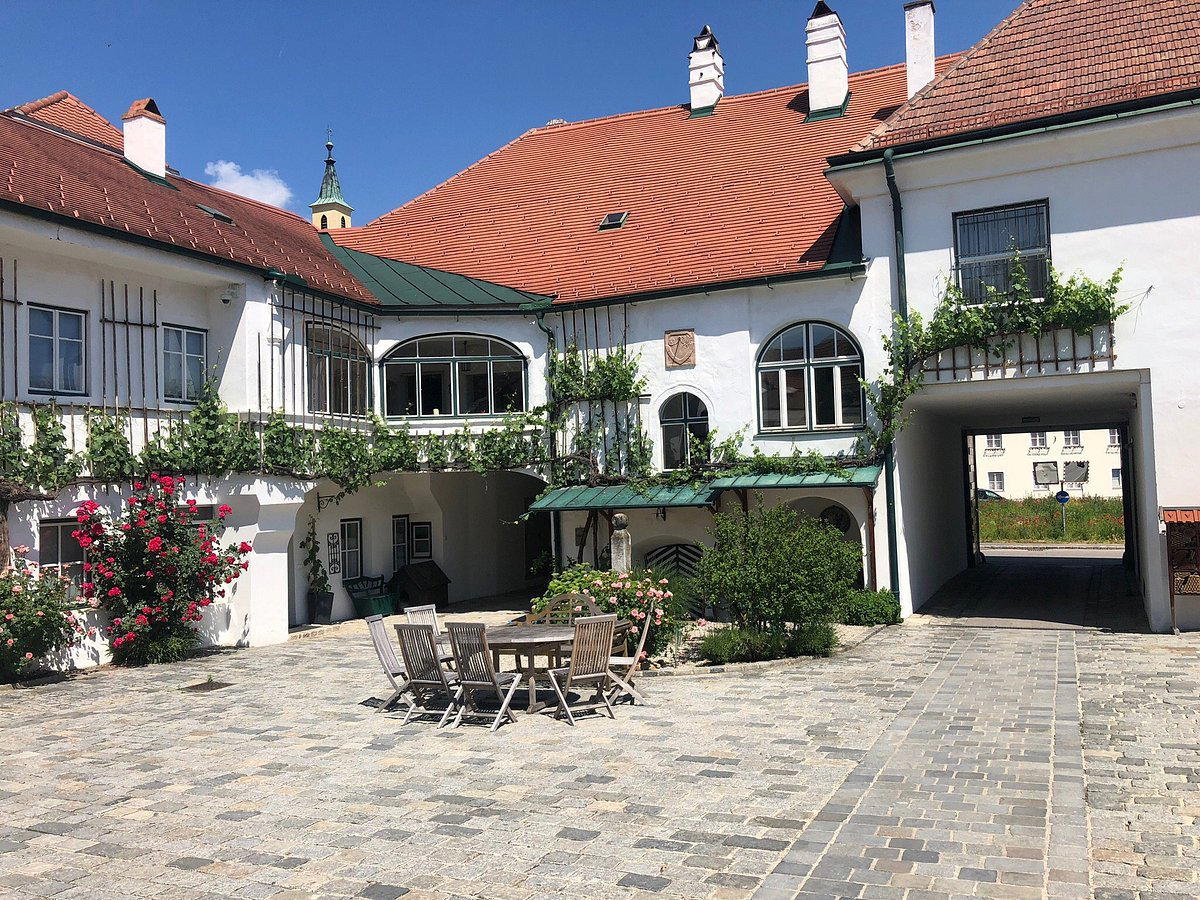
Wineries in Kammern
Browse all →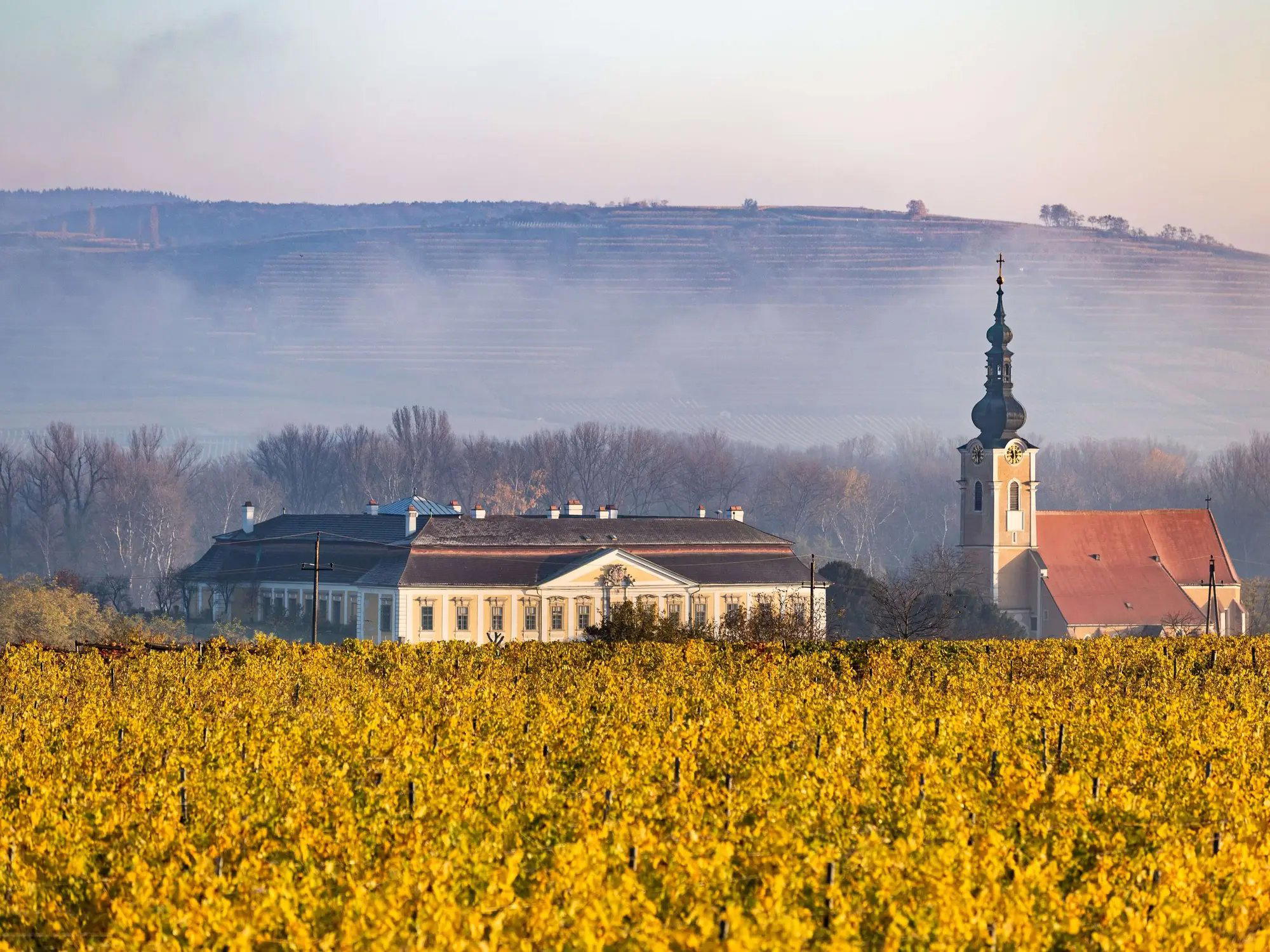
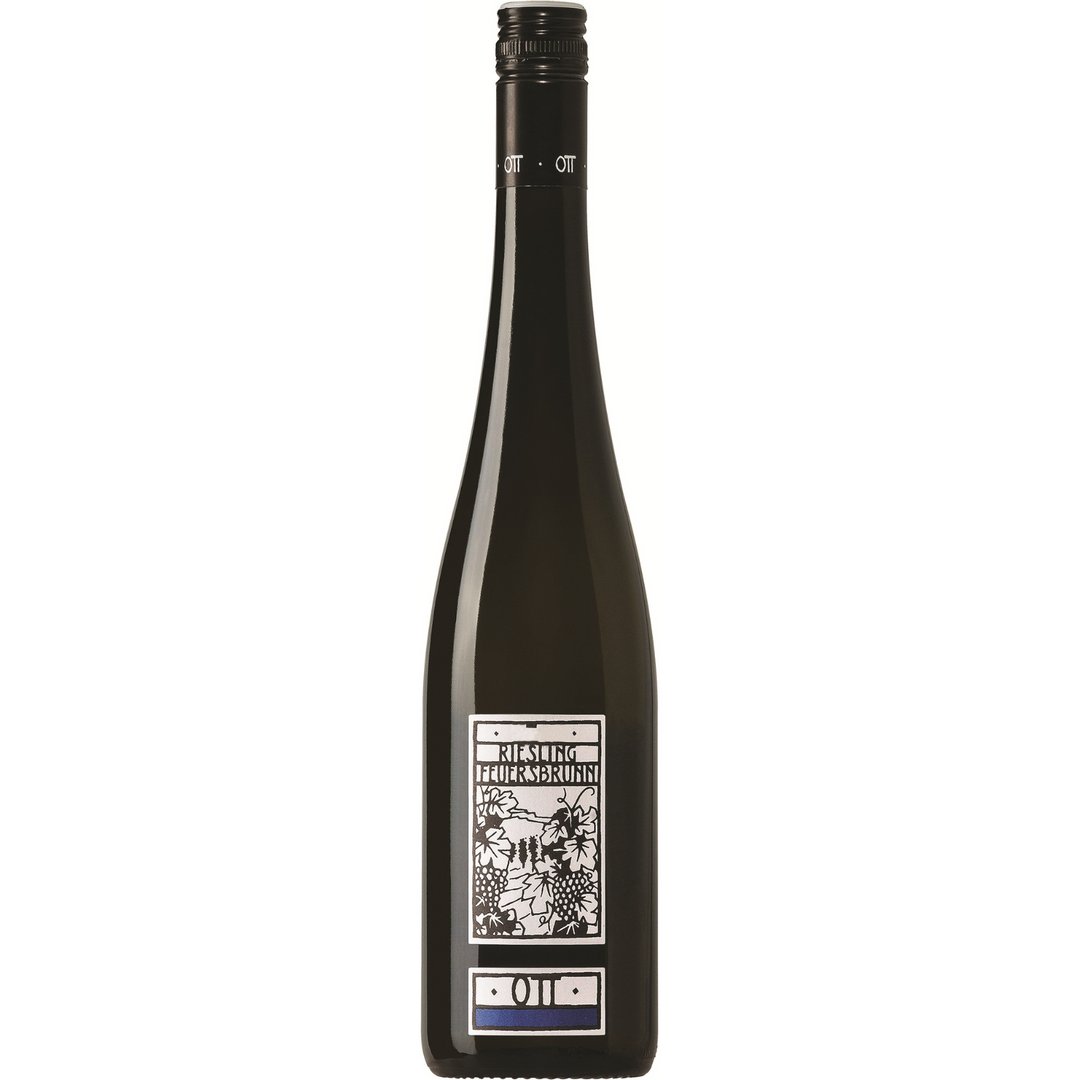
Bars in Kammern
Browse all →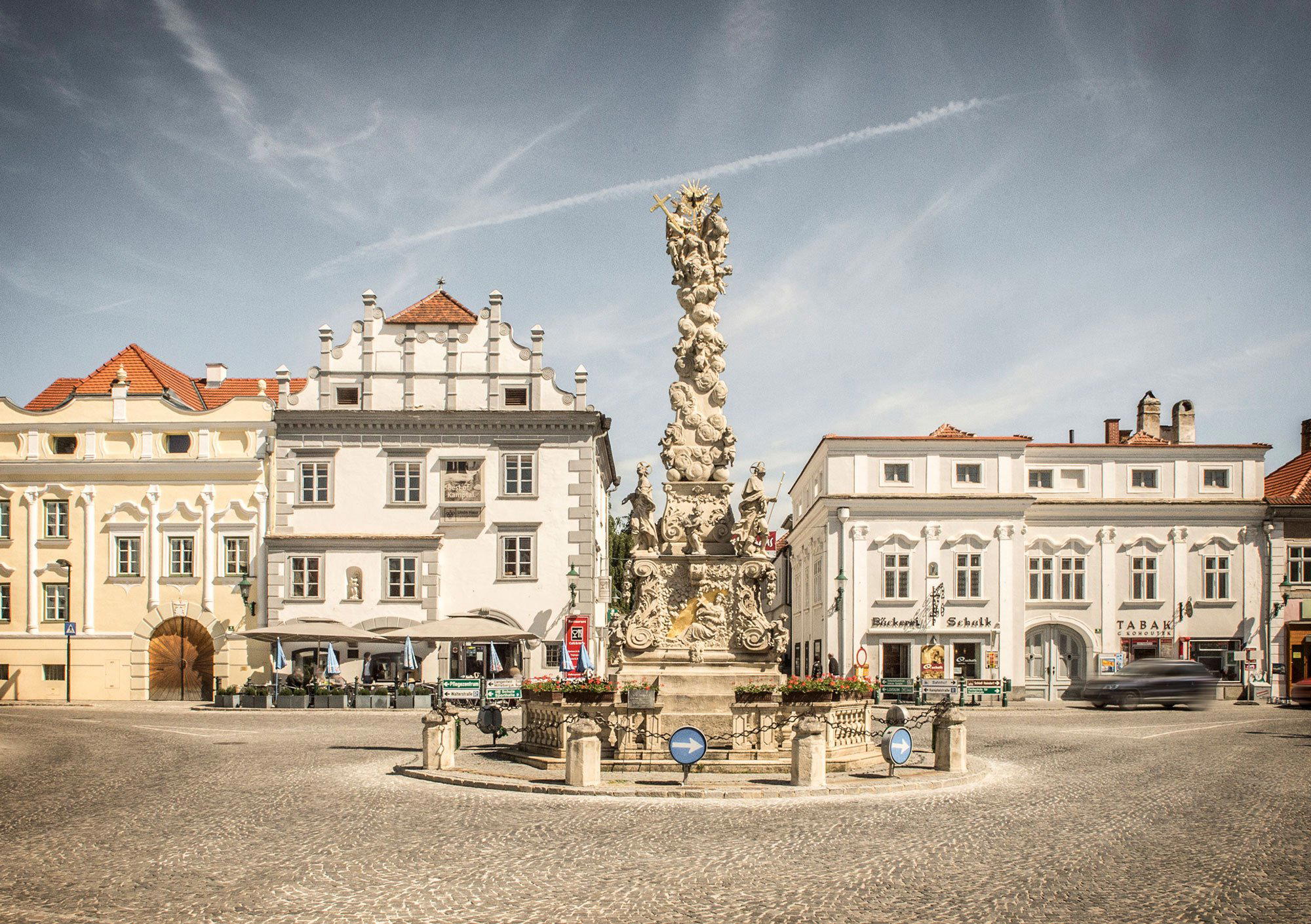
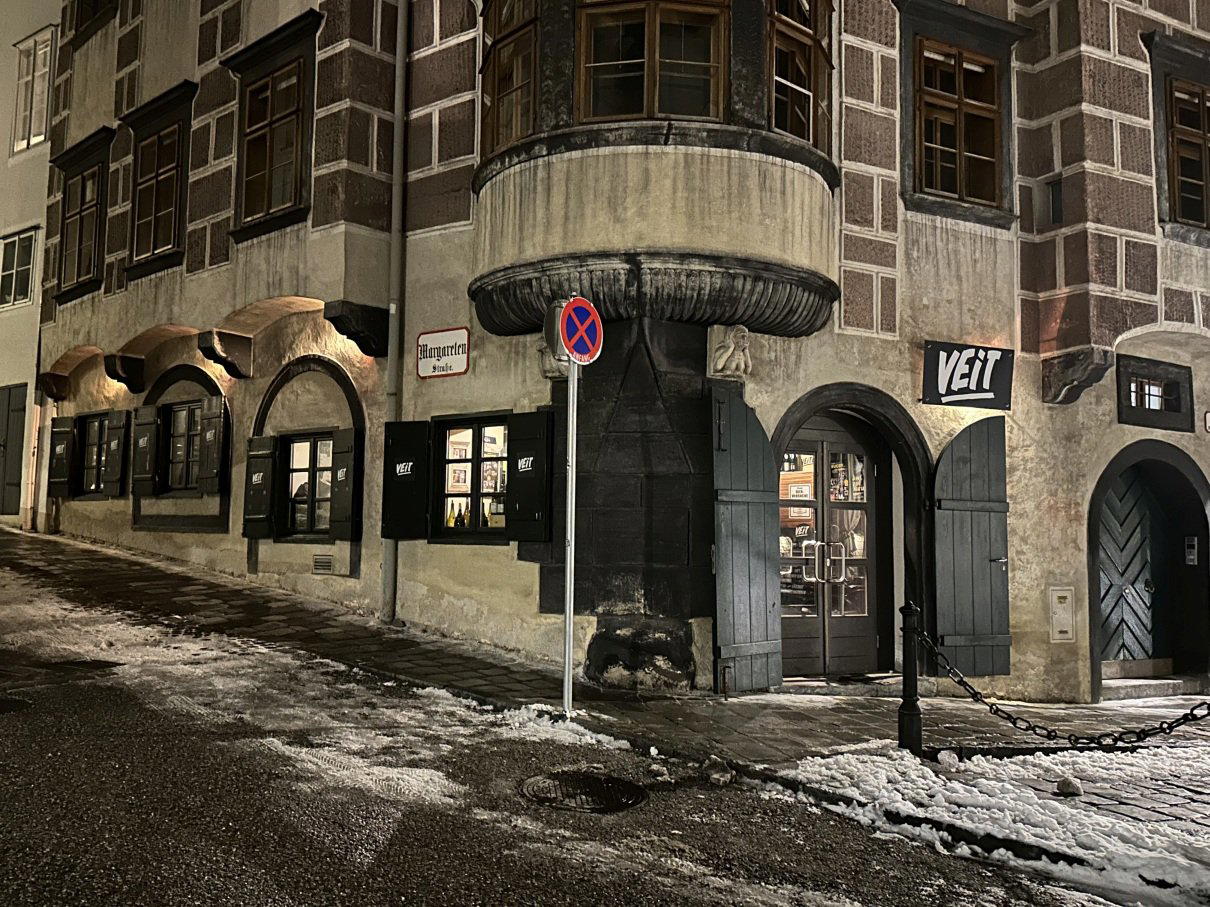
Restaurants in Kammern
Browse all →
At a Glance
- Rustic
- Scenic
- Elegant
- Intimate
- Wine Education
- Solo Exploration
- Special Occasion
- Vineyard Tour
- Estate Grounds
- Panoramic View
- Biodynamic
- Organic
- Vineyard
- Mountain
- Kamptal
- Grüner Veltliner
- Riesling
- Still White
- Estate Tasting
- Single Vineyard Tasting
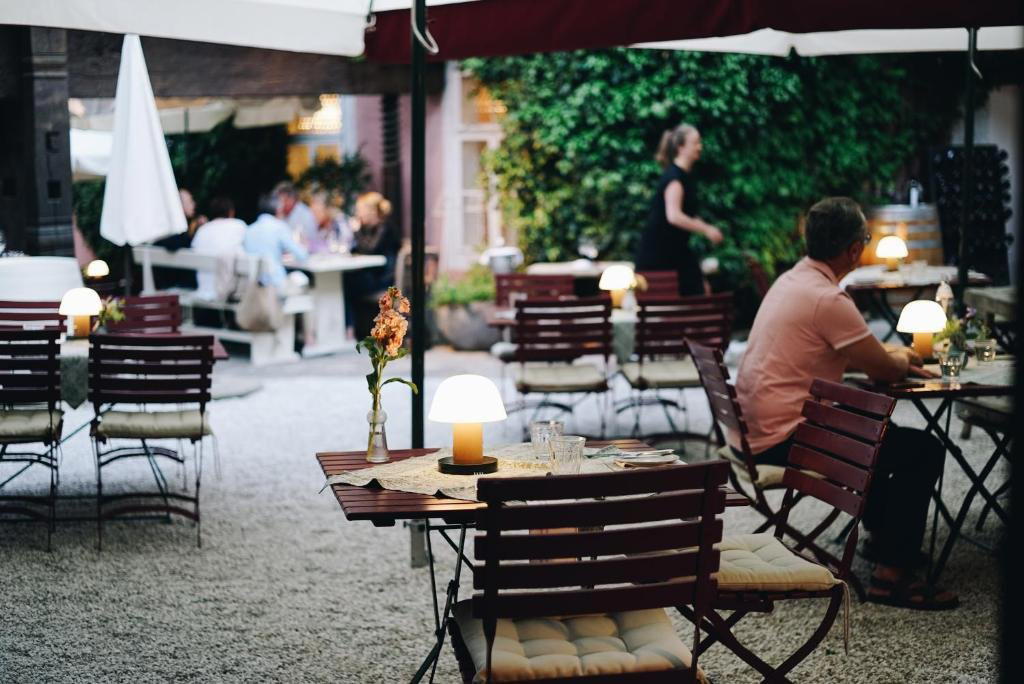
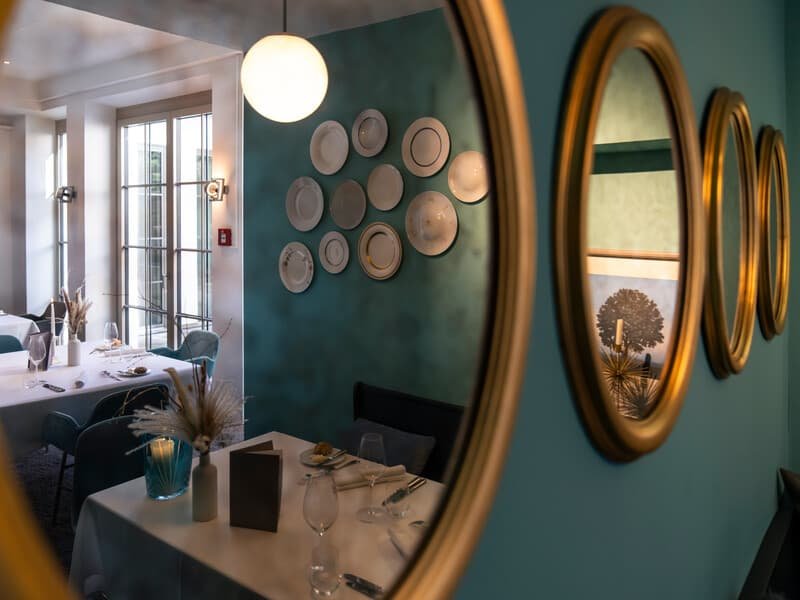
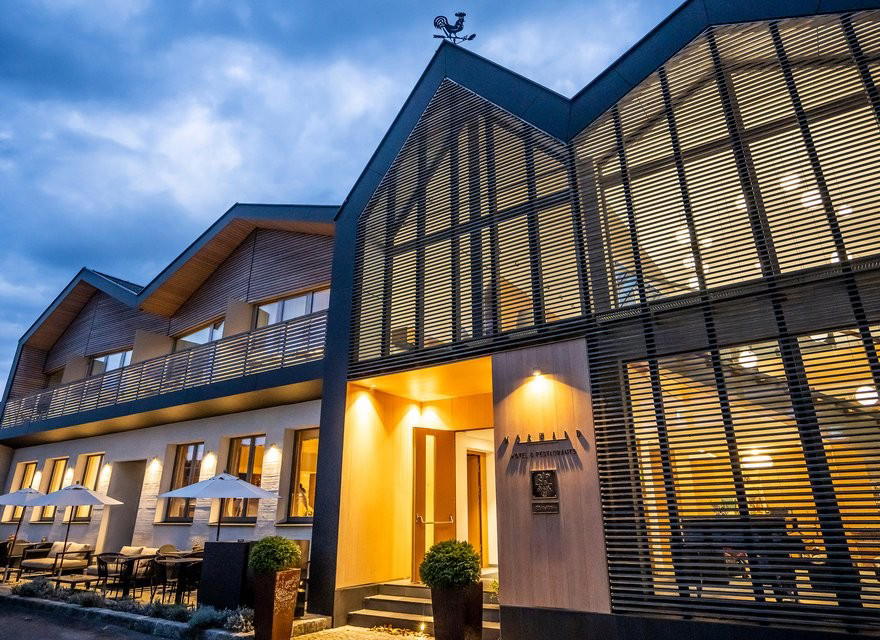
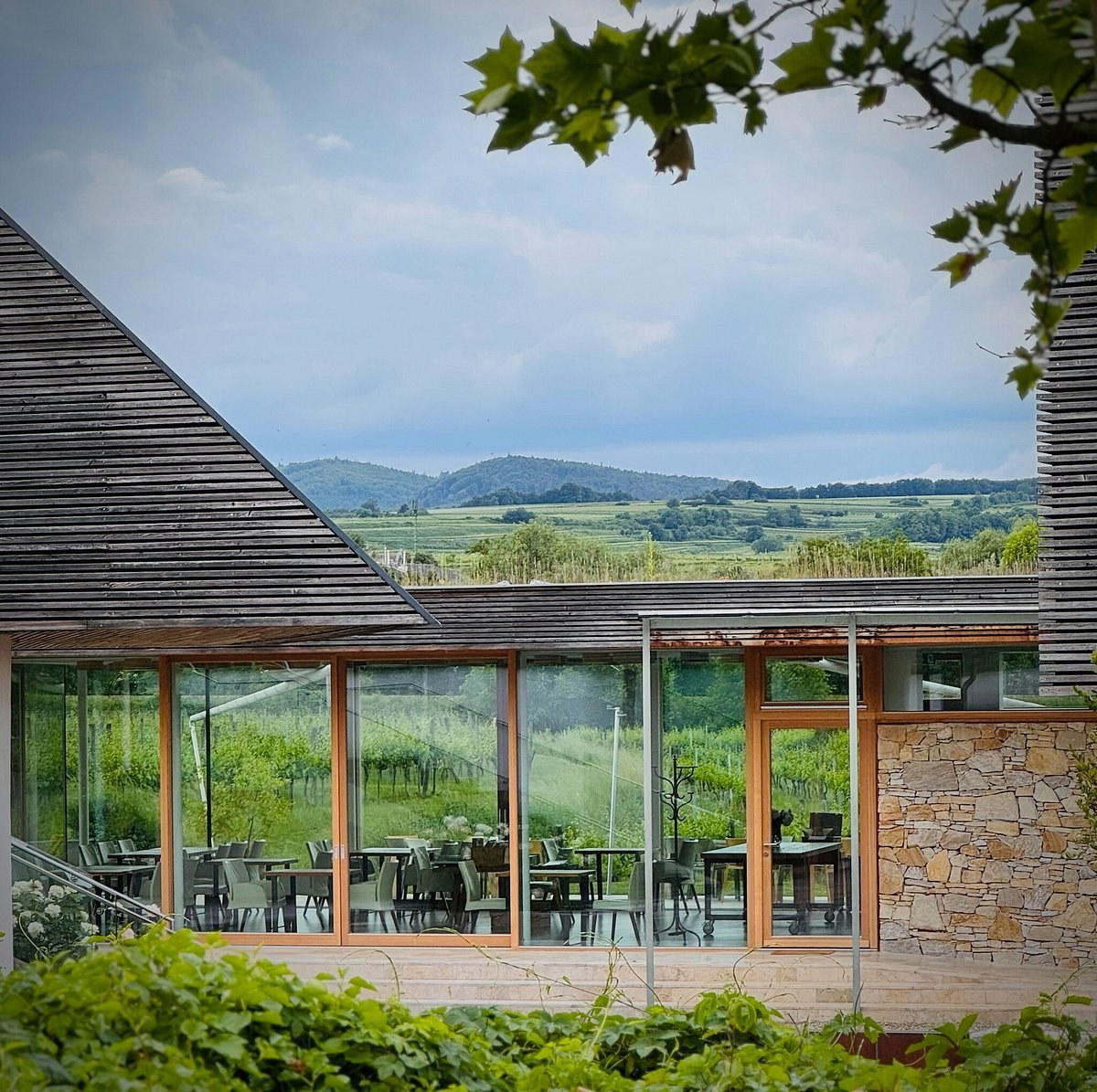
Serene and scenic with panoramic vineyard views from the tasting room, evoking a vital and elegant rural winegrowing atmosphere.