Famiglia Cotarella (Falesco)

Falstaff Winery - 4 Stars
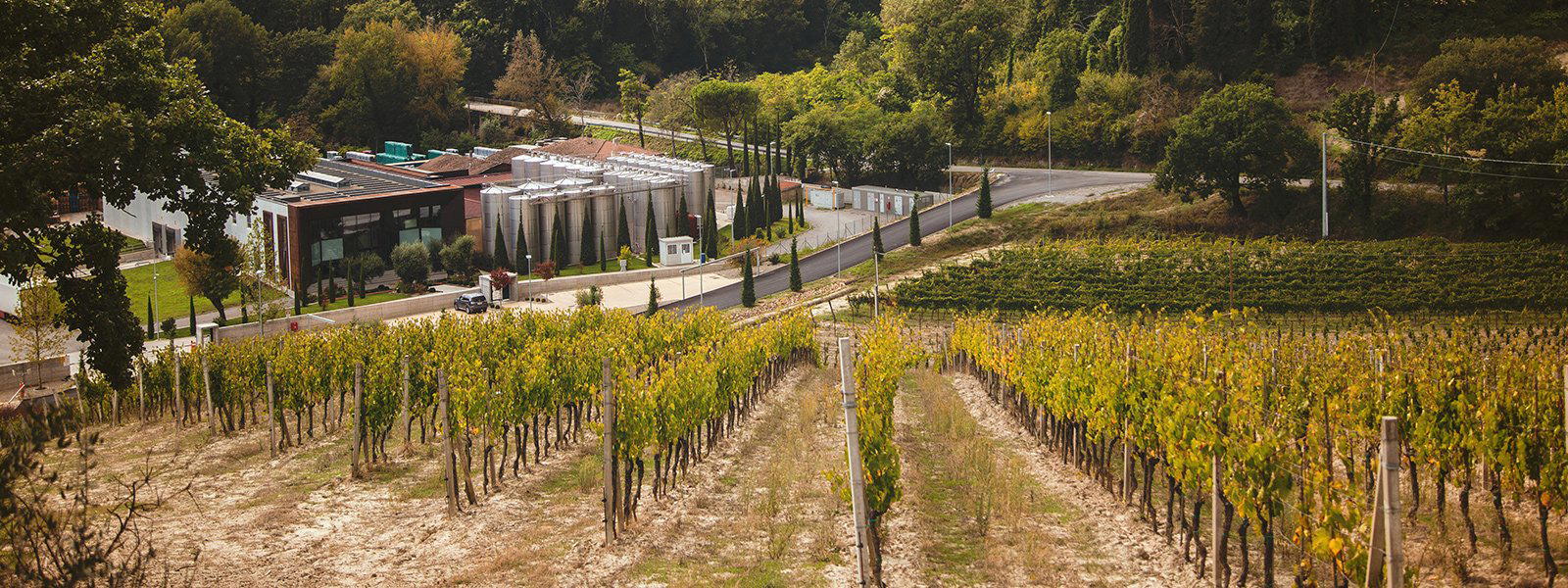
Famiglia Cotarella's Falesco estate operates out of the volcanic borderlands where Lazio meets Umbria, drawing on volcanic soils and a continental-Mediterranean climate that few Italian wine regions can replicate..

Pearl is the En Primeur Club membership app — saves, bookings, and concierge access live there. Same editors, same standards.
- Address
- SS205, 05020 Montecchio TR
- Phone
- +390761827032
- Website
- famigliacotarella.it
- Directions
- Get directions
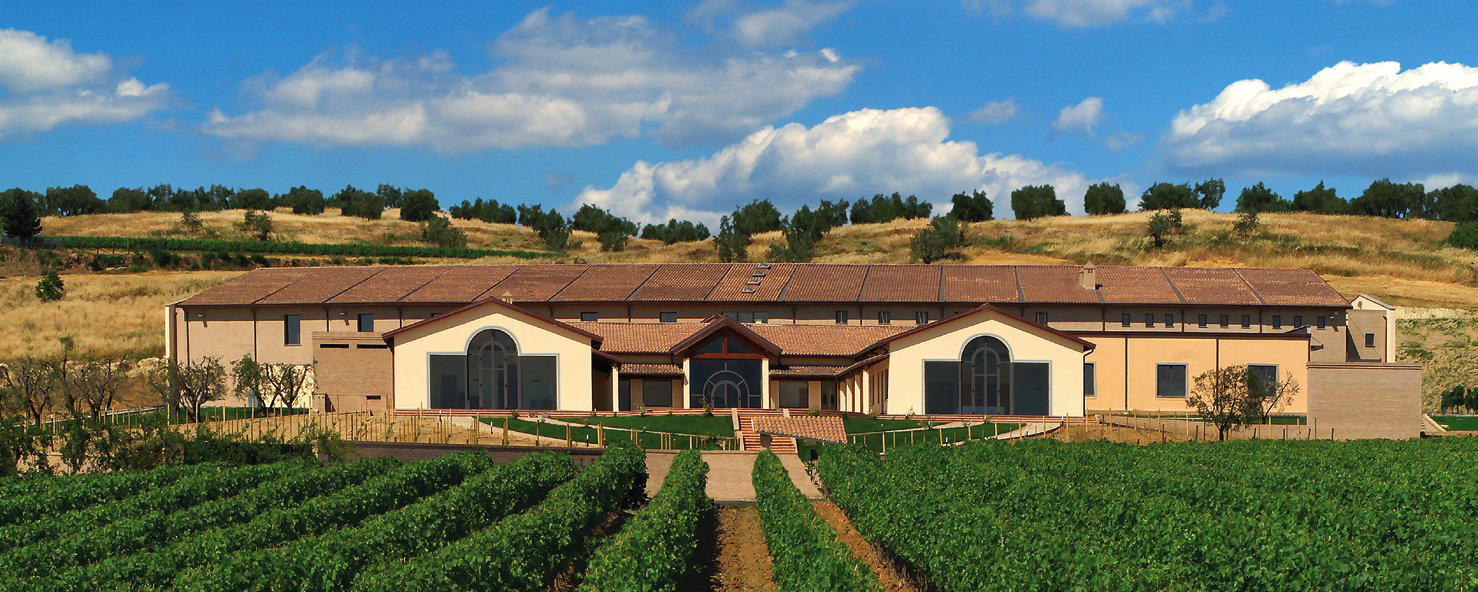
Volcanic Ground, Slow Recognition
The volcanic soils here — dark, mineral-dense, and shaped by millennia of geological activity from the Vulsini crater complex — carry a signature that shows up in the glass as a kind of grip that warmer, sedimentary-soil zones rarely produce. This is the context in which Famiglia Cotarella's Falesco operation should be read: not as an isolated producer, but as evidence that volcanic central Italy has been generating serious wine long before critics arrived to confirm it.
The address sits along the SS205, a road that connects Montecchio in Umbria with the Lazio lake country, running through territory where the regional boundary is more administrative than agricultural. Vines here don't observe those lines. The climate oscillates between continental cool nights and Mediterranean warmth through the growing season, a combination that preserves acidity while allowing phenolic ripeness, the structural foundation of wines built for the table rather than the trophy shelf.
Among Italian wine estates assessed at this level, the award functions less as a scoring exercise and more as a positioning signal: this is a producer whose output merits the same scrutiny applied to better-publicised names in Tuscany or Piedmont.
Central Italy's award map has historically tilted toward Brunello di Montalcino and Chianti Classico territory. Producers like L'Enoteca Banfi in Montalcino and Poggio Antico operate in a critical spotlight that Montefiascone producers rarely share, which means that recognition arriving from outside those established corridors tends to reflect something the market hasn't yet priced in. That's the more interesting reading of the 2025 award.
The Terroir Case for Montefiascone
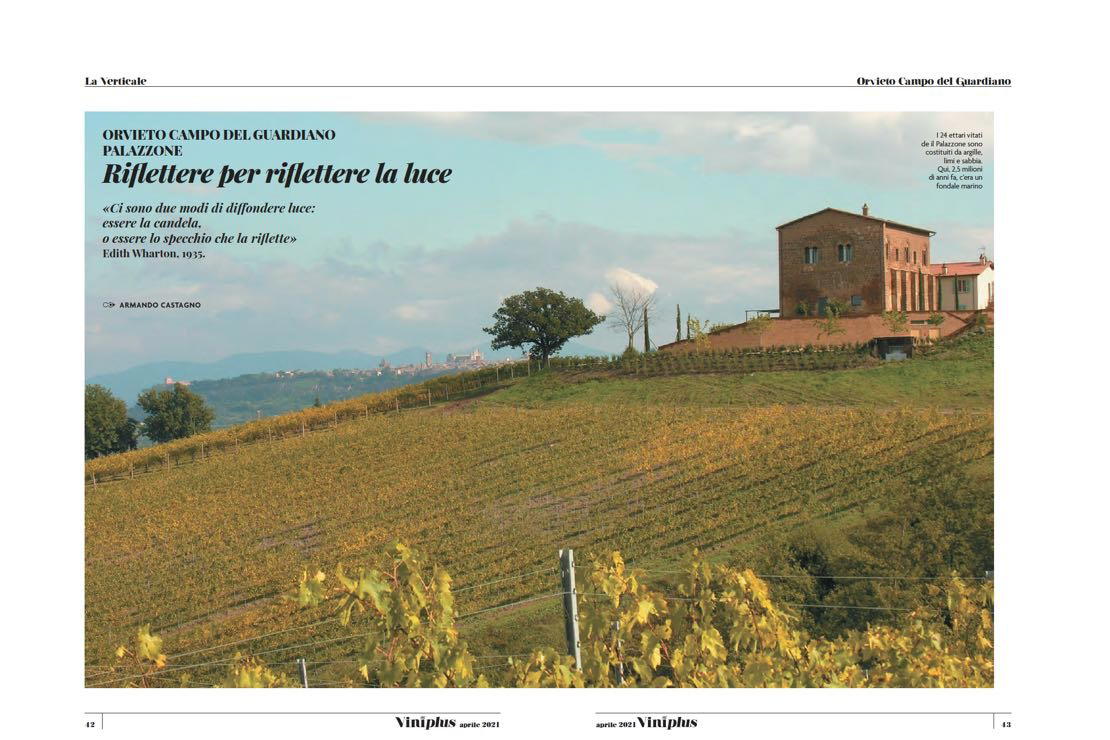
Est! Est!! Est!!! di Montefiascone, the DOC that covers much of this territory, has spent decades struggling against the weight of its own legend, a medieval story about a bishop and a wine so good his servant marked the door three times. The anecdote did more marketing harm than good, associating the appellation with novelty rather than seriousness. What it obscured was a genuine volcanic terroir argument.
The soils around Lago di Bolsena, a caldera lake that defines the geography of this corner of Lazio, deliver the kind of mineral tension that winemakers working in volcanic zones across Italy and abroad have been chasing deliberately. Compare this to the tufa-and-volcanic combinations driving interest in Campanian whites or the basalt terraces of Etna, and the structural logic becomes clear: volcanic geology produces wines with a particular kind of saline, stony character that clay or limestone regions cannot replicate regardless of technique. Falesco's position in this landscape is not incidental. The estate uses the ground as an argument.
For context on how Italian producers in other regions articulate terroir through place-specific viticulture, the approaches at Lungarotti in Torgiano and Castello di Volpaia in Radda in Chianti offer instructive comparisons, both estates where the land's particularity shapes the wine identity more than any single variety or winemaking intervention.
Placing Falesco in the Broader Italian Wine Estate Conversation
Italian wine estates that straddle regional boundaries tend to sit awkwardly in critical frameworks built around DOC and DOCG hierarchies. Falesco's Montecchio address in Umbria, combined with vineyards and production that extend into the Montefiascone zone of Lazio, puts it in a category of producer that resists easy pigeonholing, an advantage in some respects, a communications challenge in others.
The estates that have navigated this ambiguity most successfully are typically those with a consistent house style legible enough to transcend appellation branding. Among Italian producers worth studying in this respect, Planeta in Menfi built a national identity from a Sicilian base that was largely unknown to international markets at the time of its emergence. Ca' del Bosco in Erbusco did something similar in Franciacorta, a zone that required consistent producer-led advocacy before critical respect arrived. The pattern is recognisable: a region underpunches its reputation for years, a handful of producers maintain quality discipline through that period, and the recognition eventually closes the gap.
Falesco sits at a point in that arc where the gap between quality and recognition is narrowing.
Planning a Visit
The estate operates from its address on the SS205 between Montecchio and the broader Montefiascone zone, territory that rewards visitors who are already moving through central Italy rather than those making a dedicated single-destination trip. Orvieto is close enough to anchor an itinerary from the Umbrian side; Viterbo offers accommodation and connections from the Lazio direction. Neither city is more than forty minutes by road, which means a visit to Falesco integrates naturally into a circuit of central Italian wine country without requiring an overnight commitment to the immediate area.
Given the estate's profile and the 2025 award recognition, demand for visits has likely increased, and advance contact is sensible regardless of season. The harvest window in this part of Lazio typically runs through September and into October, when the volcanic plateau sees cooler mornings that extend the ripening window, the period when the estate's technical decisions about pick timing carry the most weight. For anyone planning a wine-focused itinerary through the region, our full Montefiascone restaurants and producers guide maps the wider local scene.
Producers across central and northern Italy worth pairing with a Falesco visit, depending on your itinerary direction, include Aldo Conterno in Monforte d'Alba for a study in how Piedmontese Nebbiolo handles terroir expression at altitude, or Distilleria Marzadro in Nogaredo and Nonino Distillery in Pavia di Udine if the itinerary extends toward the northeast. Further afield, Distilleria Romano Levi in Neive, Poli Distillerie in Schiavon, Campari in Milan, Aberlour in Aberlour, and Accendo Cellars in St. Helena each represent different reference points in understanding how producer identity shapes wine category perception across very different geographies.
A Quick Peer Check
Comparable venues nearby, for context on price, style, and recognition.
| Venue | Cuisine | Price | Awards | Notes |
|---|---|---|---|---|
| Famiglia Cotarella (Falesco)This venue — the venue you are viewing | Merlot, Roscetto | $20–30 | Falstaff Winery - 4 Stars | Not listed |
| Gruppo Campari | Winery | Not listed | Not listed | Milan |
| Lungarotti | Sangiovese, Sagrantino | Not listed | Falstaff Winery - 5 Stars | Torgiano |
| Lamoreaux Landing Wine Cellars | Winery | $10–20 | Not listed | Lodi |
| Tenuta Brancalupo | Sagrantino, Trebbiano Spoletino | Not listed | Not listed | Montefalco |
| Amaro Santa Maria al Monte | Winery | Not listed | Not listed | Chiavari |
Recognition history
Dated appearances from independent guides and award organizations, with the underlying list record or original source where available.
Falstaff Winery - 4 Stars
Falstaff
Continue exploring
More in Montefiascone
Wineries in Montefiascone
Browse all →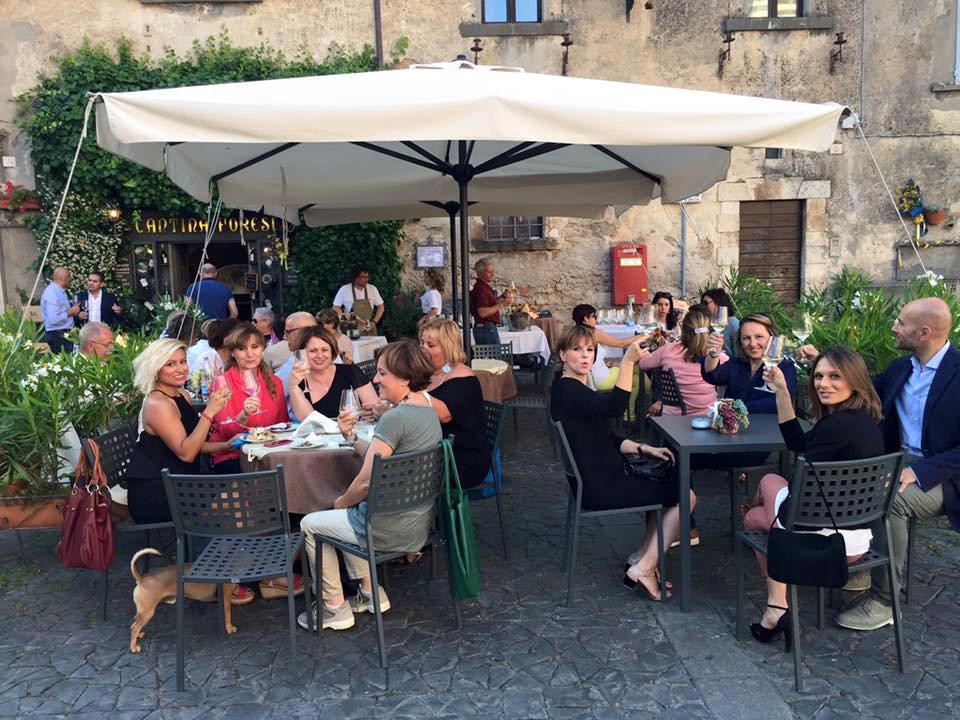

Bars in Montefiascone
Browse all →
Restaurants in Montefiascone
Browse all →
Details
- Rustic
- Scenic
- Classic
- Wine Education
- Solo Exploration
- Vineyard Tour
- Estate Grounds
- Sustainable
- Vineyard
- Merlot
- Roscetto
- Trebbiano
- Malvasia
- Sangiovese
- Cabernet Sauvignon
- Aleatico
- Vermentino
- Verdicchio
- Still White
- Still Red
- Estate Tasting
- Italian
- English
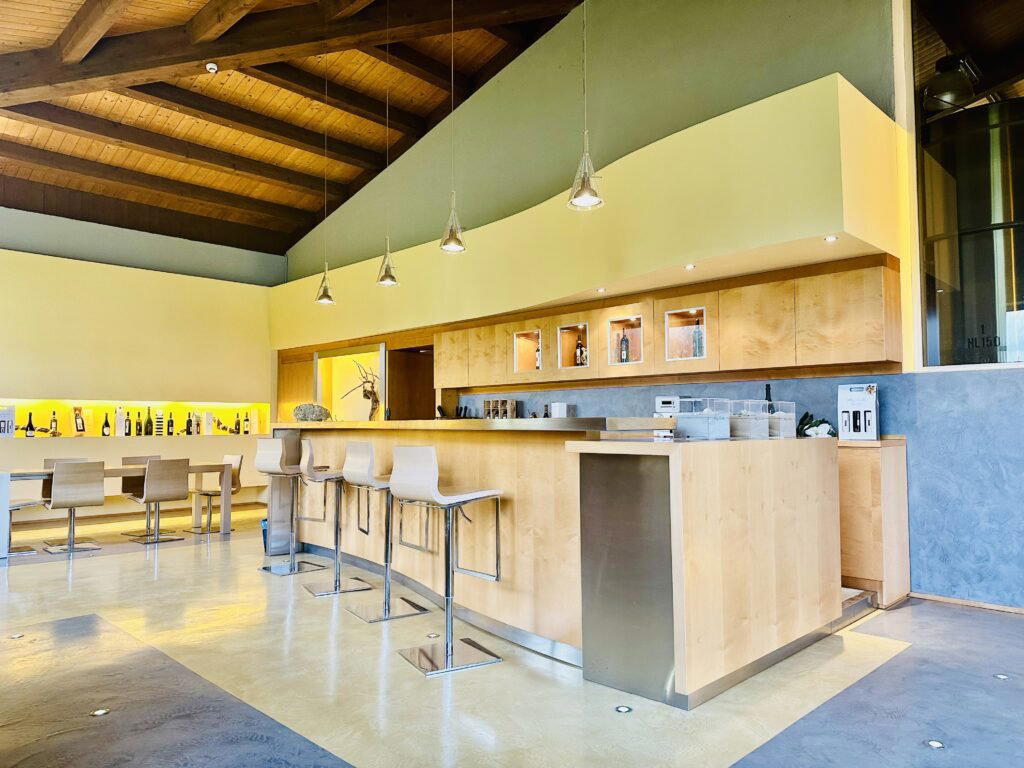
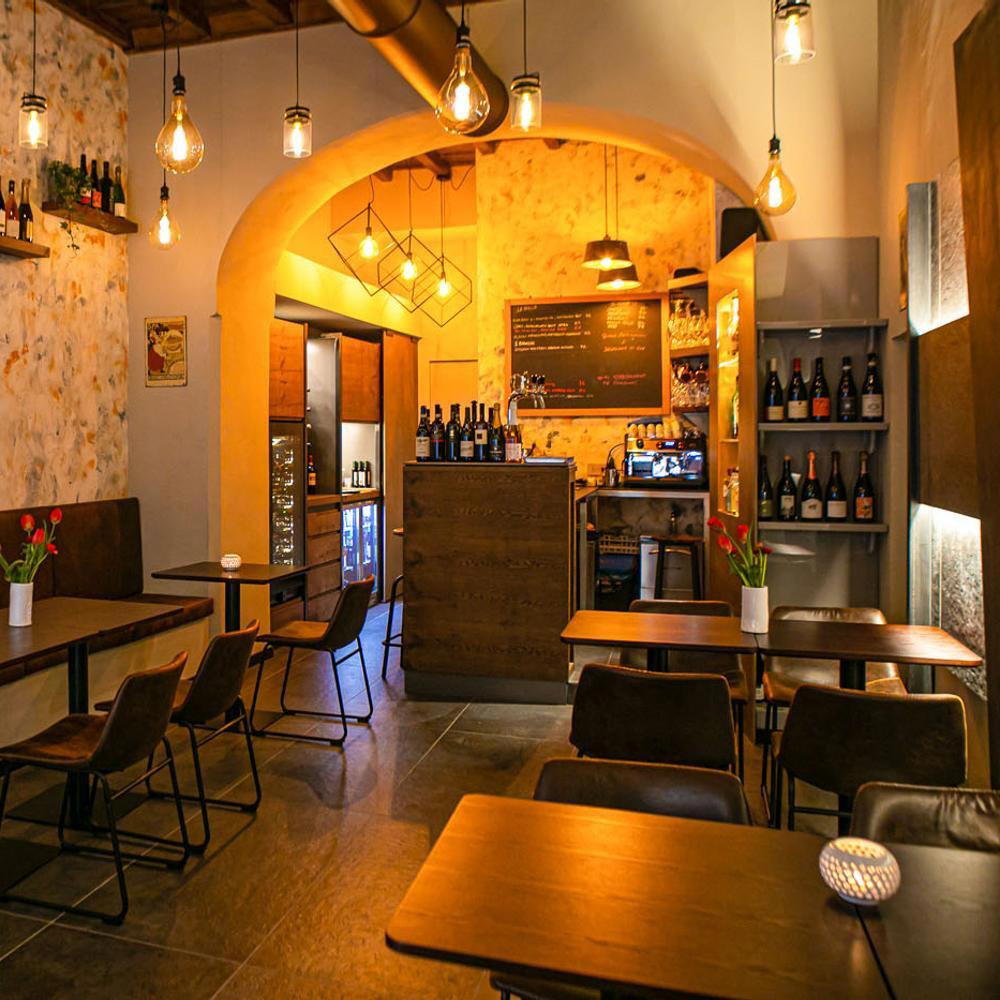
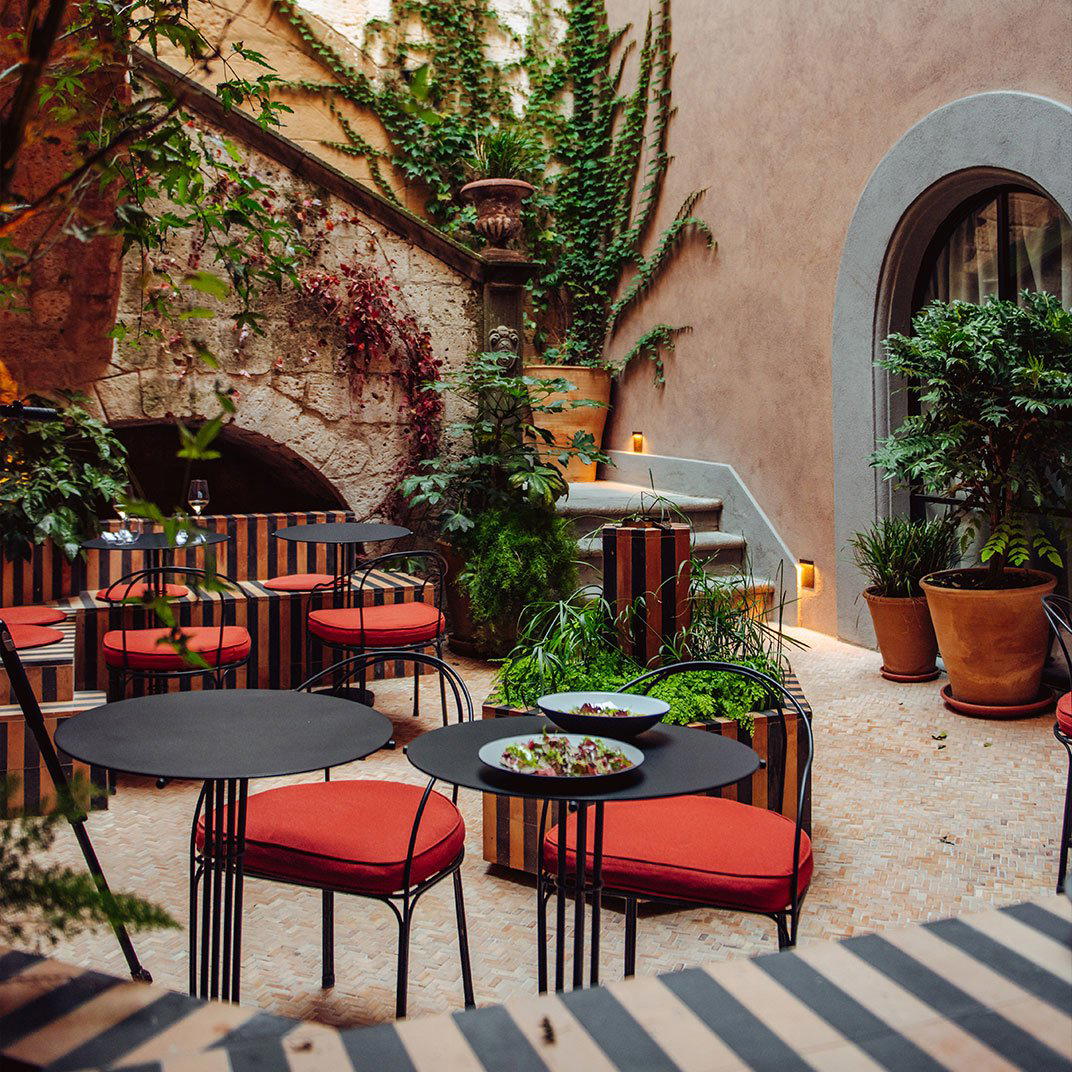
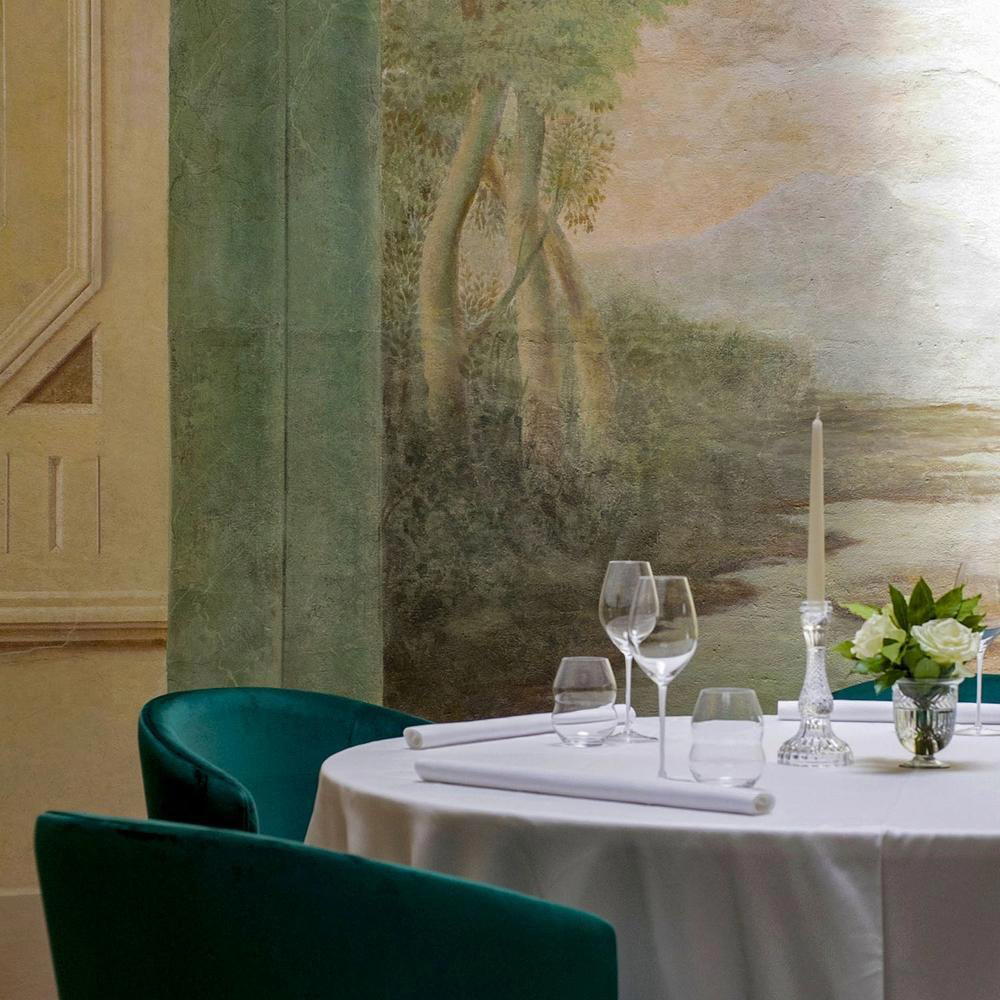
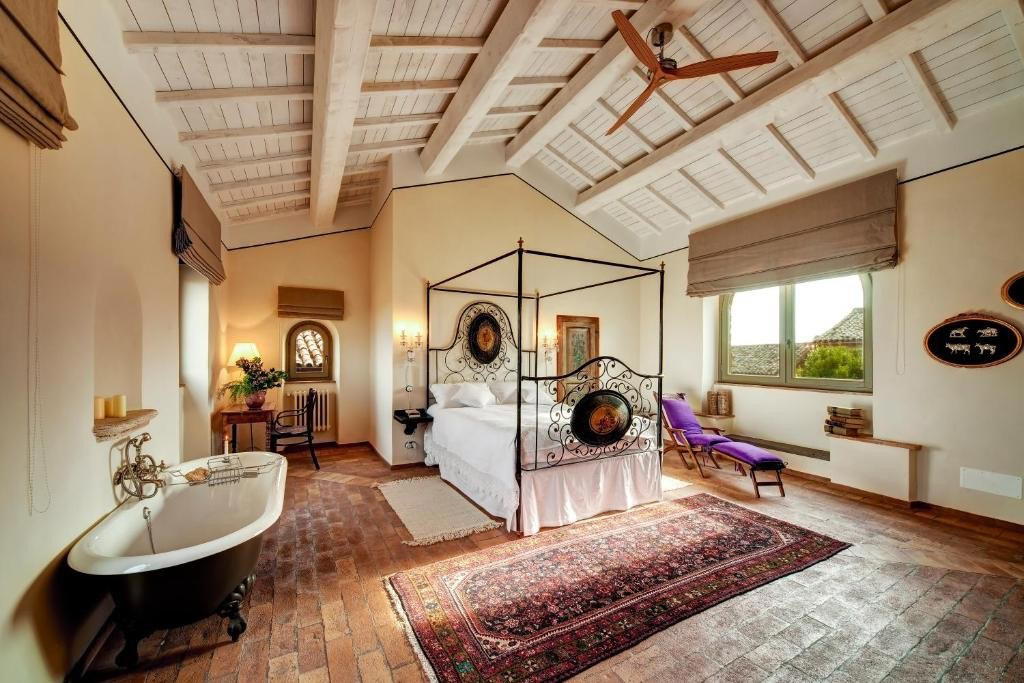
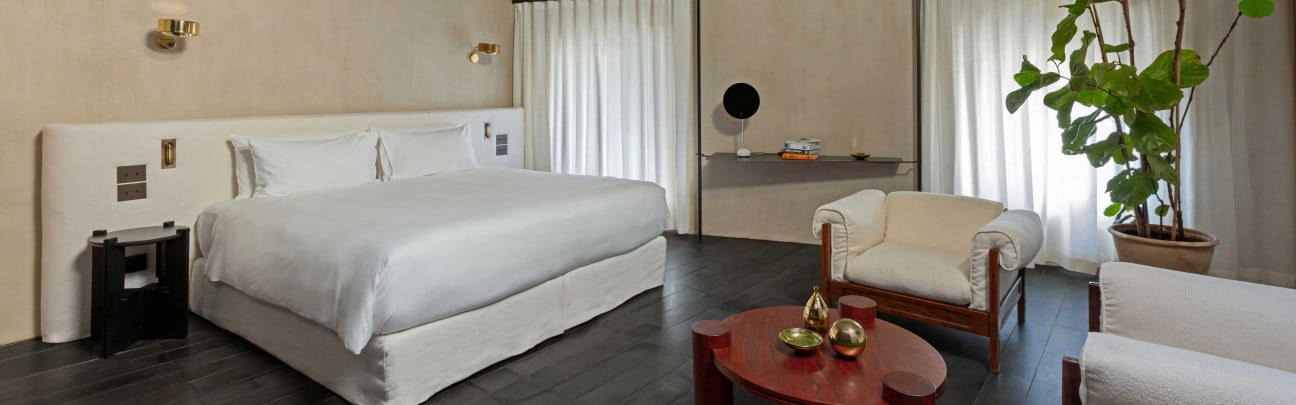
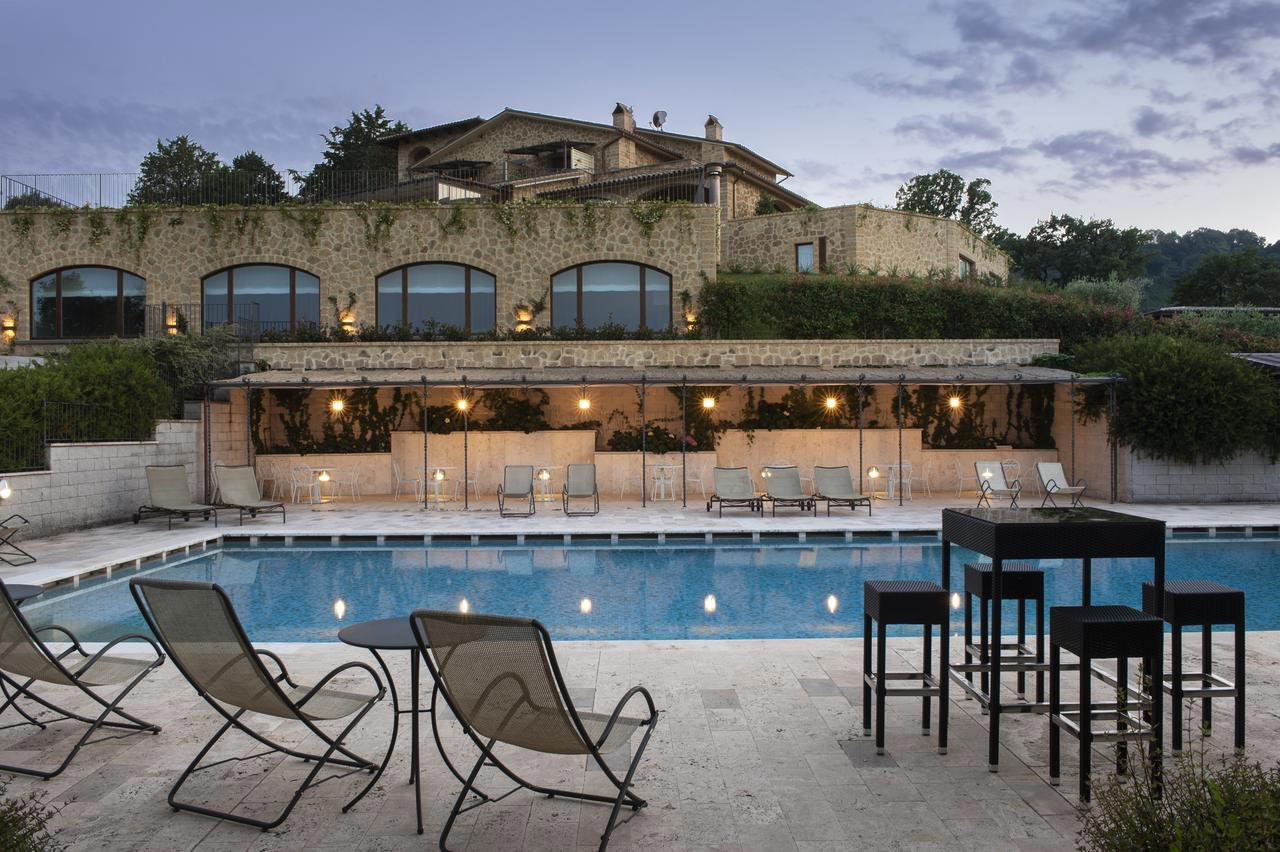
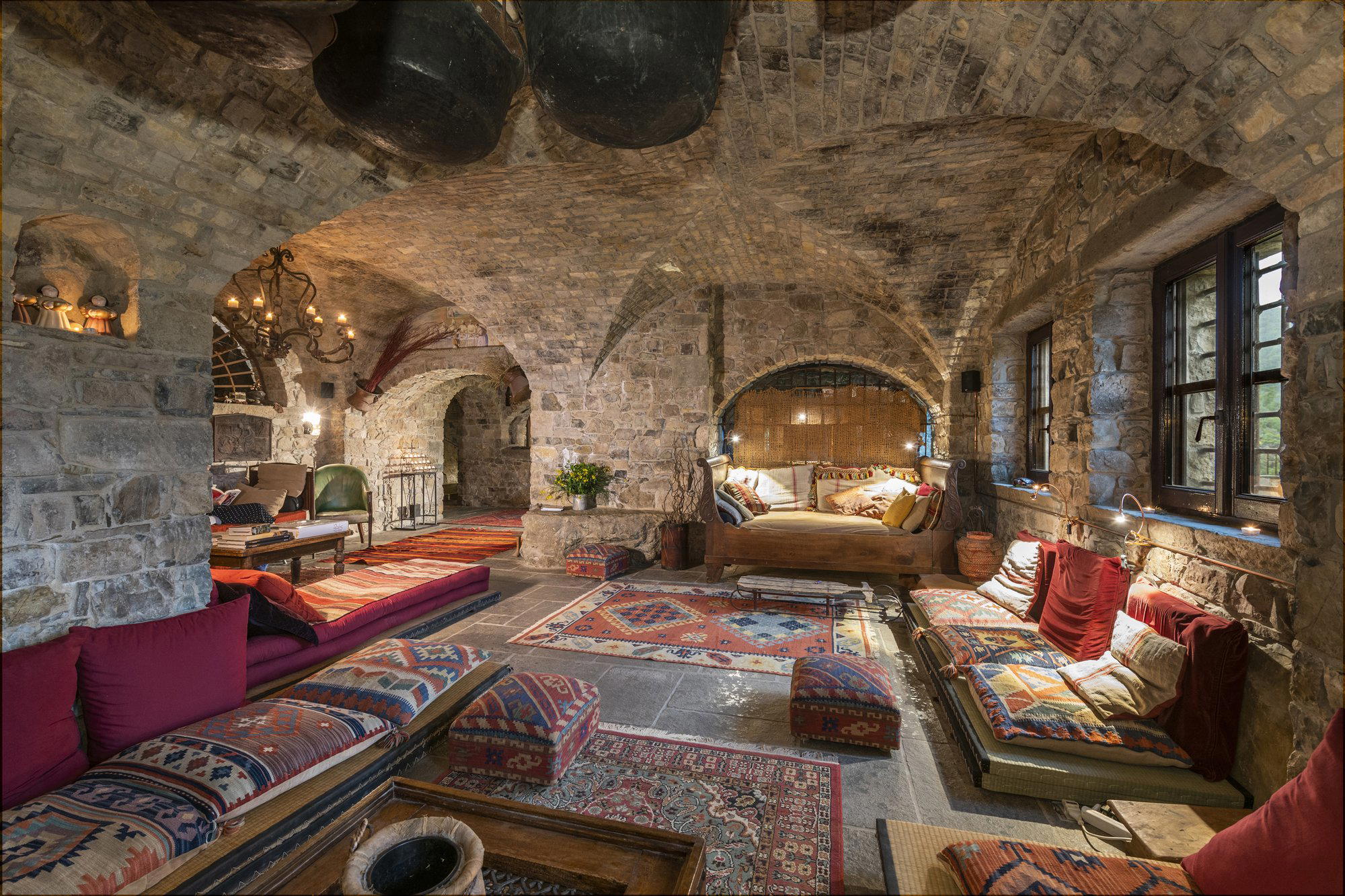
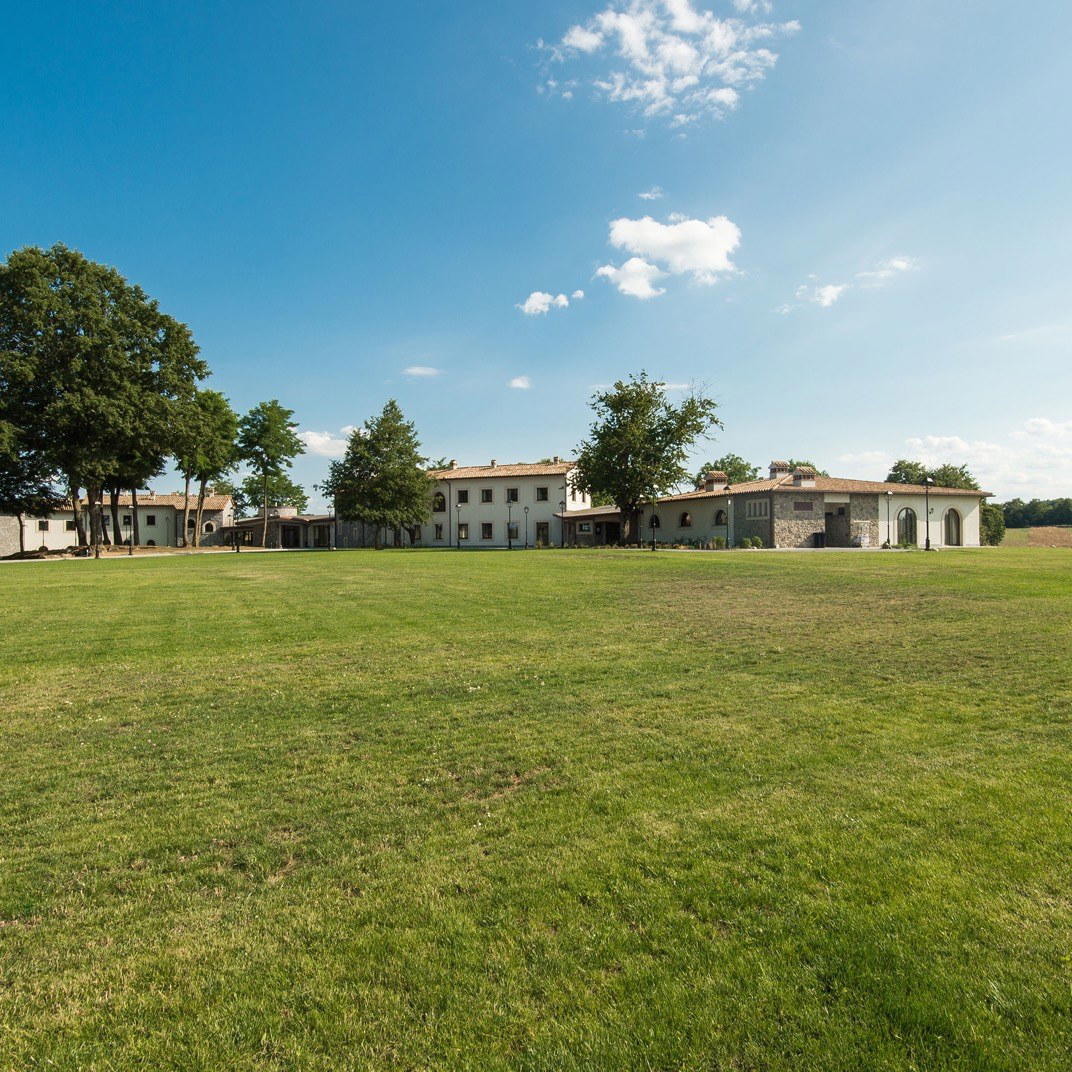
Modern state-of-the-art winery facilities blended with rustic historic winemaking atmosphere amid scenic vineyards.