Flörsheim-Dalsheim, Germany
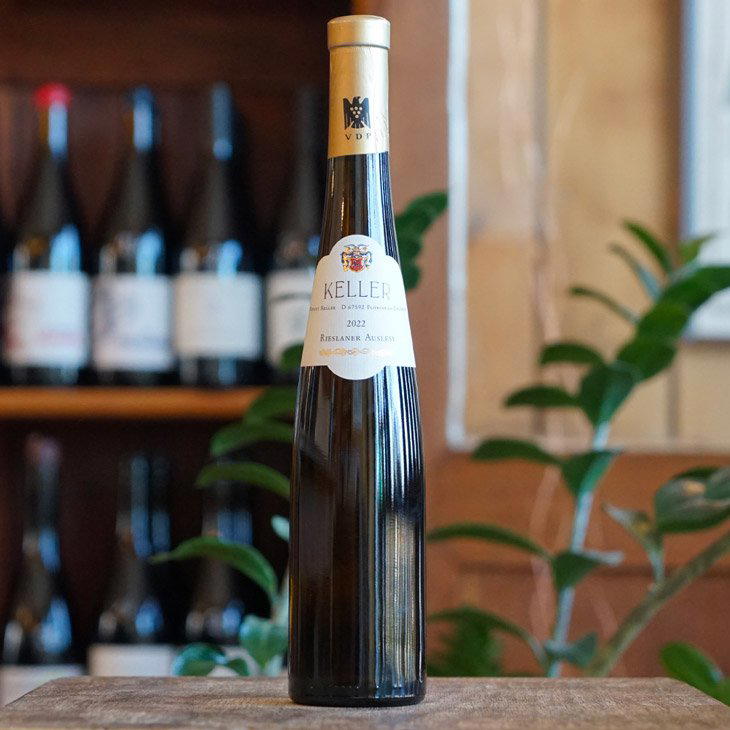
Weingut Keller
The estate draws visitors and allocations-hunters from across Europe, placing it in the upper tier of German wine destinations worth planning a dedicated trip around.
Restaurants, hotels, bars and wineries in Flörsheim-Dalsheim from the En Primeur Club guide.
Accolades in Flörsheim-Dalsheim
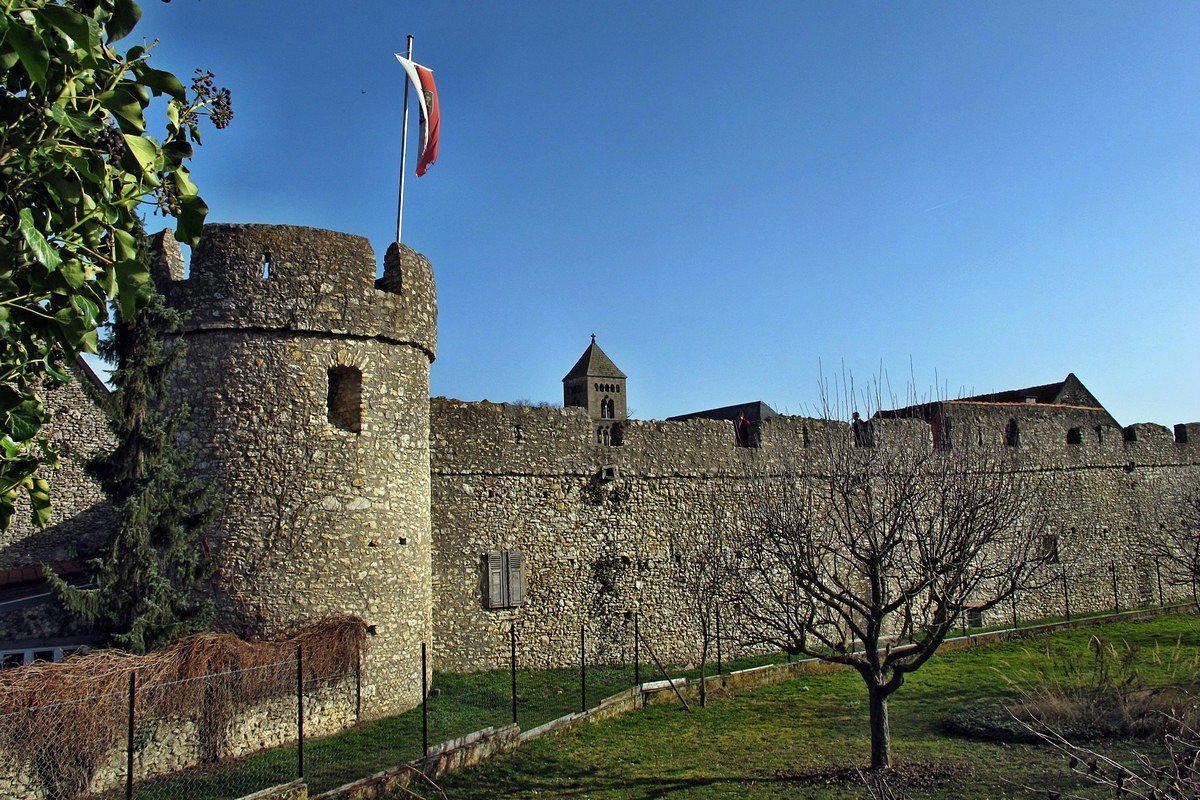
These estates define the village through dry wines, long family lines, and tasting formats that keep attention on the cellar.
Weingut Keller is a Flörsheim-Dalsheim estate with a family legacy since 1789, known for producing the world’s most expensive dry Riesling G-Max from old vines in top terroirs. It holds a Falstaff Winery listing in 2026.
Weingut Müller – Dr. Becker is a 12th-generation family winery in Flörsheim-Dalsheim with roots in Dalsheim traced to 1625. Its focus joins Riesling and Burgundian varieties with an early red-wine tradition, led by Pinot Blanc, Pinot Gris, Spätburgunder, Pinot Noir, and Saint Laurent.
Weingut Scherner-Kleinhanß is a ninth-generation winery founded in 1726, set in a heritage-listed estate in Flörsheim-Dalsheim. The tasting format is cellar-focused, the wines are dry, and the vineyard picture is led by Riesling and Burgundian varieties under warm, sheltered conditions.
These picks cover traditional-method Sekt, a cross-border project, and a vinotheque with regional bottles and sparkling styles.
Sekthaus Raumland exclusively produces traditional-method Sekt in Flörsheim-Dalsheim, aged on lees for 4 to 15 years and made with hand-harvested grapes and whole cluster pressing. It holds a Falstaff Winery 4 Stars award.
Velis Vineyards brings a cross-border wine project to Flörsheim-Dalsheim, with Bulgarian vineyard holdings, German cellar work, and a modern vinothek setting that includes a restaurant and winter garden. The emphasis is on low-yield, hand-harvested fruit, with Riesling, Chardonnay, and Pinot Noir among the German holdings.
Weingut Flörsheimer Hof is a Flörsheim-Dalsheim winery and vinotheque built around regional bottles and a nature-led format. Its range includes Riesling, Scheurebe, Bacchus, Müller-Thurgau, Grauer Burgunder, Weißer Burgunder, red, rosé, and sparkling styles, with the tasting and retail room shaped around the local wine culture.
Flörsheim-Dalsheim has no Michelin-starred restaurants in our guide. Our guide covers 16 wineries, including Weingut Keller, which produces old-vine dry Riesling, and Sekthaus Raumland, which exclusively makes traditional-method Sekt, both in Flörsheim-Dalsheim.
Flörsheim-Dalsheim has 10 venues in our guide. Wonnegau has 3, and Southern Wonnegau, Dalsheim, and Nieder-Flörsheim each have 1, which shows how the wine scene clusters across the village and its surrounding names.
Sekthaus Raumland is the dedicated sparkling producer in Flörsheim-Dalsheim, making traditional-method Sekt only. Weingut Flörsheimer Hof also includes sparkling styles in its range, alongside still wines and its nature-led vinotheque format.
Weingut Scherner-Kleinhanß has a cellar-focused tasting format, Weingut Ohnacker-Döß emphasises direct personal contact, and Weingut Flörsheimer Hof uses a nature-led vinotheque experience with regional bottles. Weingut Wolfgang & René Peth GbR also offers cellar and vineyard tours in the Wonnegau.
By Emmett Haley · Updated October 8, 2026 · Editorial standards
Flörsheim-Dalsheim
Selected entries from the current guide for Flörsheim-Dalsheim.
No venues found.
Flörsheim-Dalsheim
Selected entries from the current guide for Flörsheim-Dalsheim.
No venues found.
Flörsheim-Dalsheim
Selected entries from the current guide for Flörsheim-Dalsheim.
No venues found.
Flörsheim-Dalsheim
Selected entries from the current guide for Flörsheim-Dalsheim.
Flörsheim-Dalsheim, Germany
The estate draws visitors and allocations-hunters from across Europe, placing it in the upper tier of German wine destinations worth planning a dedicated trip around.
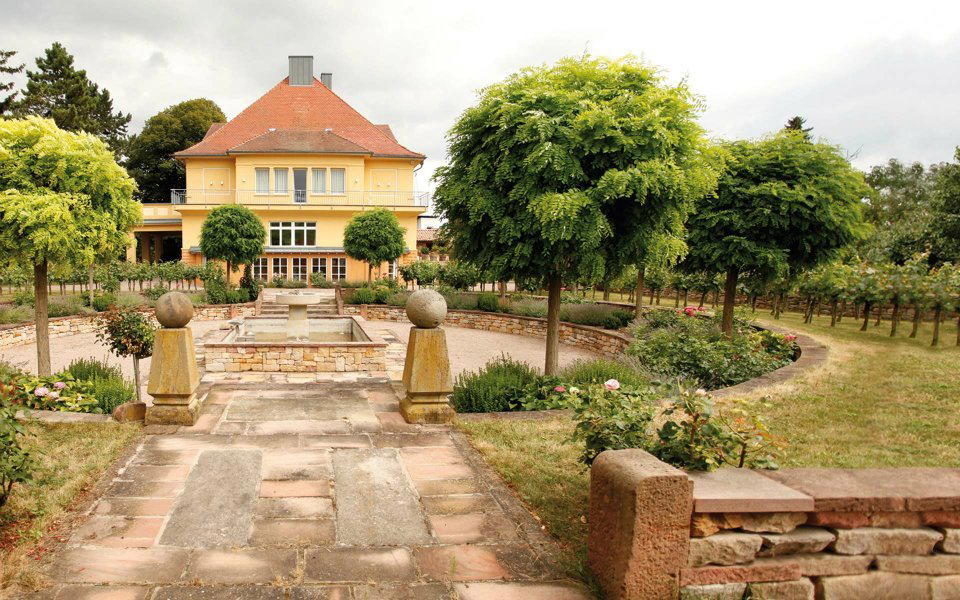
Flörsheim-Dalsheim, Germany
Operating from Alzeyer Strasse in one of Germany's most quietly serious wine villages, it occupies the upper tier of the country's Sekt scene, producing méthode traditionnelle wines that compete on quality against Champagne-region benchmarks rather than the domestic mass market.

Flörsheim-Dalsheim, Germany
Velis Vineyards brings a cross-border wine idea to Flörsheim-Dalsheim: Bulgarian vineyard holdings, German cellar work, and a modern vinothek setting with restaurant and winter garden. The emphasis is terroir through movement, with low-yield, hand-harvested fruit, Riesling, Chardonnay and Pinot Noir from German holdings, and ageworthy reds shaped through careful transport, sorting and maturation.
Flörsheim-Dalsheim, Germany
Weingut Beyer-Bähr is a family-run Rheinhessen estate in Flörsheim-Dalsheim, with roots dated to 1665 and a hospitality format built around guided tastings, food pairings, cellar spaces, courtyard gatherings, and garden events. Its appeal sits in the relationship between Wonnegau terroir, broad varietal range, and a historic estate setting rather than in trophy-label positioning.
Flörsheim-Dalsheim, Germany
Weingut Engel is a small family-run Rheinhessen winery in Flörsheim-Dalsheim, built around Wonnegau vineyard identity rather than spectacle. The interest is in hand-worked parcels, native-yeast fermentations, unfiltered bottlings, and a calm vinothek format that keeps attention on Riesling, Spätburgunder, Schwarzriesling, and other site-led wines.
Flörsheim-Dalsheim, Germany
Weingut Feth is a Rheinhessen winery in Flörsheim-Dalsheim, shaped around Wonnegau fruit, biodynamic farming, and a compact appointment-led tasting format. Its strongest signals are site-referenced bottlings, a 20-hectare vineyard base, Florian Feth’s direct winemaking role, and Golden Grape Awards Gold recognition for Riesling in 2024 and 2025.
Flörsheim-Dalsheim, Germany
Weingut Flörsheimer Hof is a Rheinhessen wine estate and vinotheque in Flörsheim-Dalsheim, shaped around regional bottles, quiet hospitality, and a nature-led view of wine. The draw is not spectacle but a compact, place-conscious tasting and retail format where Riesling, Scheurebe, Bacchus, Müller-Thurgau, Grauer Burgunder, Weißer Burgunder, red, rosé, and sparkling styles sit within a broader local wine culture.
Flörsheim-Dalsheim, Germany
Weingut Göhring is a long-established Rheinhessen estate in Flörsheim-Dalsheim, working from a Wonnegau base with a portfolio shaped by aromatic whites, red wine, sparkling styles, and late-harvest categories. The appeal is not architectural theatre or luxury staging; it is the older German cellar-door model, where regional grape culture, modest scale, and estate tastings carry the experience.
Flörsheim-Dalsheim, Germany
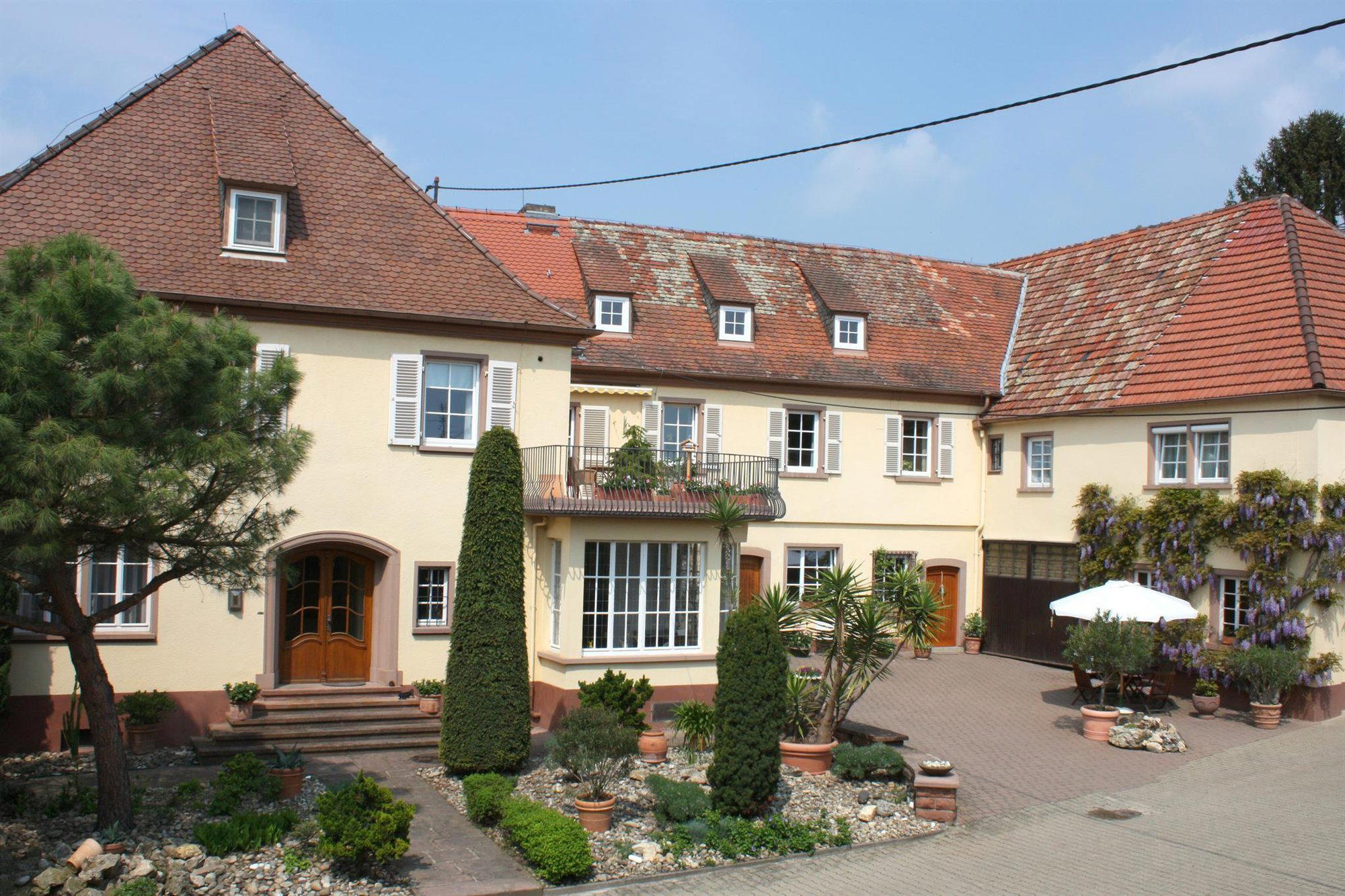
Weingut Müller – Dr. Becker is a 12th-generation Rheinhessen estate in Flörsheim-Dalsheim, with family roots in Dalsheim traced to 1625. Its strongest editorial case is the meeting point of regional white-wine tradition and an historically significant red-wine program, led by Riesling, Pinot Blanc, Pinot Gris, Spätburgunder, Pinot Noir and Saint Laurent.
Flörsheim-Dalsheim, Germany
A small, fourth-generation Rheinhessen winery in Flörsheim-Dalsheim, Weingut Ohnacker-Döß reads as a cellar-door address rather than a spectacle-driven estate. The emphasis is on varietal-typical white wines, structured reds, quiet hospitality, and direct contact with the family behind the bottles.
Flörsheim-Dalsheim, Germany
Weingut Schales is a historic Rheinhessen estate in Flörsheim-Dalsheim, founded in 1783, with a visitor format built around tasting, cellar atmosphere, and wine education. The draw is not spectacle but the older German estate model: varietal breadth, a wood barrel cellar, a rarity cabinet, and an on-site wine museum that frame Rheinhessen as a living wine culture rather than a label on a bottle.
Flörsheim-Dalsheim, Germany
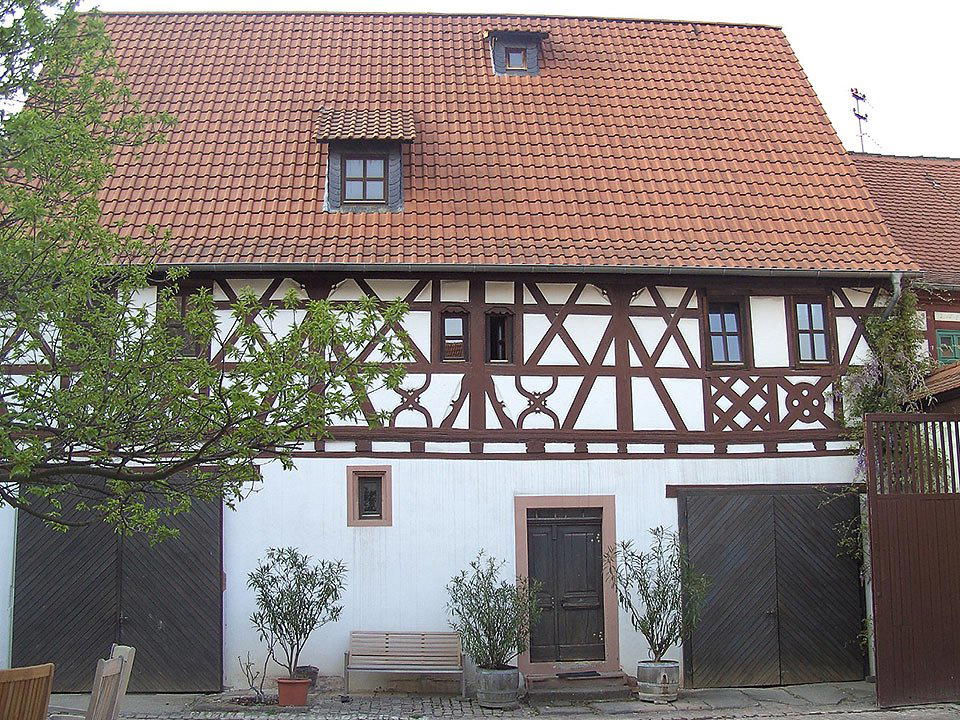
A ninth-generation Rheinhessen family winery in Flörsheim-Dalsheim, Weingut Scherner-Kleinhanß reads through place rather than polish: warm, dry regional conditions, Donnerberg shelter, and a broad planting mix led by Riesling and Burgundian varieties. The draw is a cellar-focused, appointment-led tasting format in a historic estate setting, with accessibility for children, dogs, and reduced-mobility guests.
Flörsheim-Dalsheim, Germany
Weingut Schmitt belongs to Rheinhessen’s low-intervention camp: a Flörsheim-Dalsheim estate working with biodynamic farming, Demeter certification, Riesling, Pinot Noir, Silvaner, Natúr wines and skin-contact orange styles. The draw is not trophy polish but a food-oriented cellar language, with a guest house and restaurant tying the wines to the table rather than to a tasting-room script.
Flörsheim-Dalsheim, Germany
Weingut Uhinck Steigerhof is a family-run Rheinhessen winery in Flörsheim-Dalsheim, with roots traced to 1783 and a place-name history reaching back to 1346. Its appeal is less trophy-led than site-led: broad white, red, rosé, and sparkling production, a modern vinothek, a wooden barrel cellar, and vineyard-facing hospitality that suits travelers interested in regional continuity over spectacle.
Flörsheim-Dalsheim, Germany
A family-run Rheinhessen winery in Flörsheim-Dalsheim, Weingut Wolfgang & René Peth GbR fits the Wonnegau model of site-linked wines and cellar-door hospitality. The range runs across Riesling, Burgunder varieties, Sauvignon Blanc, Blanc de Noir and Sekt, with vineyard and cellar tours giving the visit a stronger sense of place than a simple tasting counter.
Flörsheim-Dalsheim, Germany
A small Rheinhessen winery in Flörsheim-Dalsheim, Weingut Zink – Die Weinschmiede frames wine through craft language, blacksmith heritage, and regional grape identity. The estate’s focus on Riesling, Gewürztraminer, Spätburgunder, Dornfelder, and Blauer Portugieser puts it firmly inside the local still-wine tradition rather than the hospitality-heavy winery model.
Continue exploring