
Falstaff Winery - 5 Stars
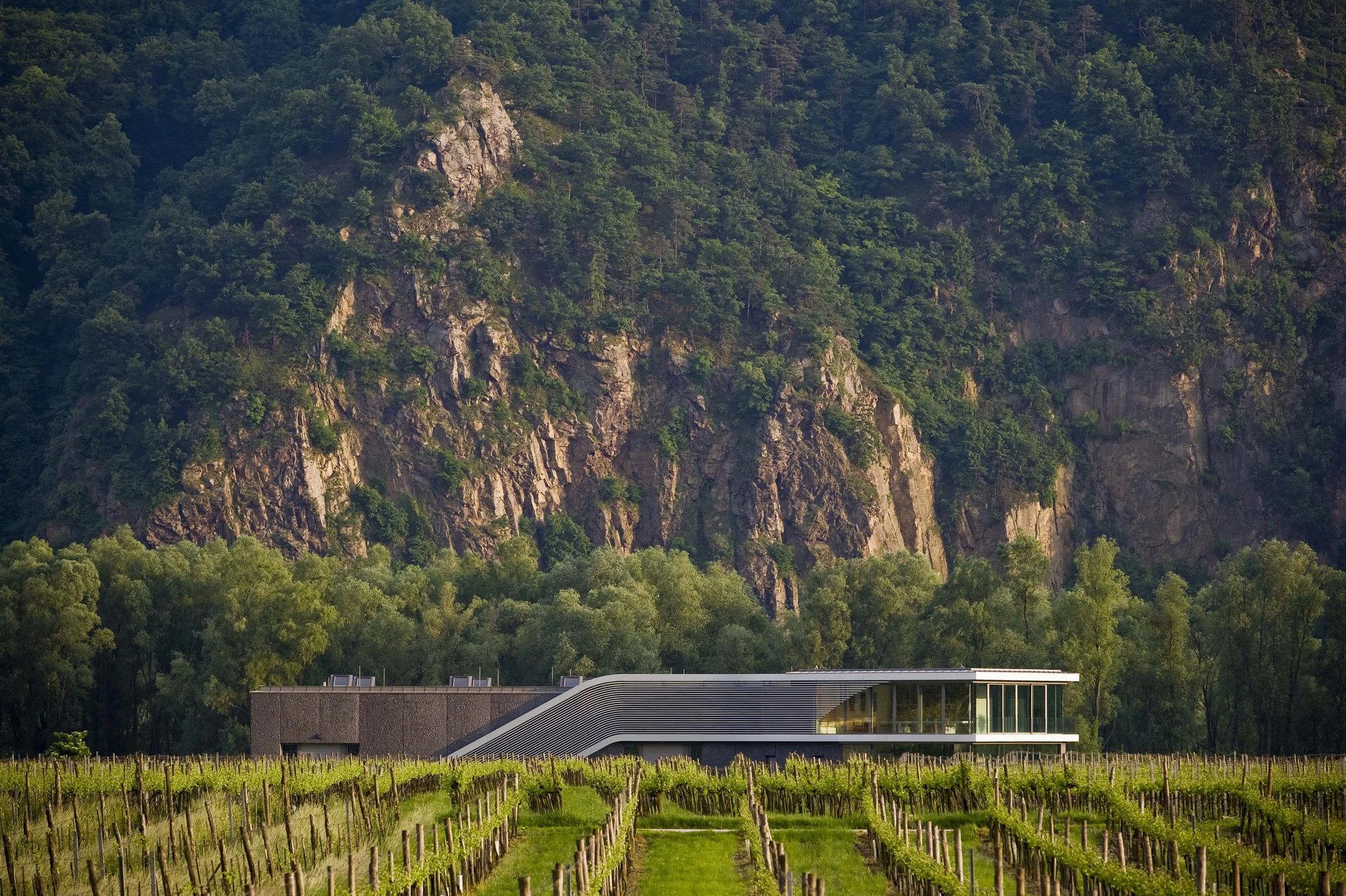
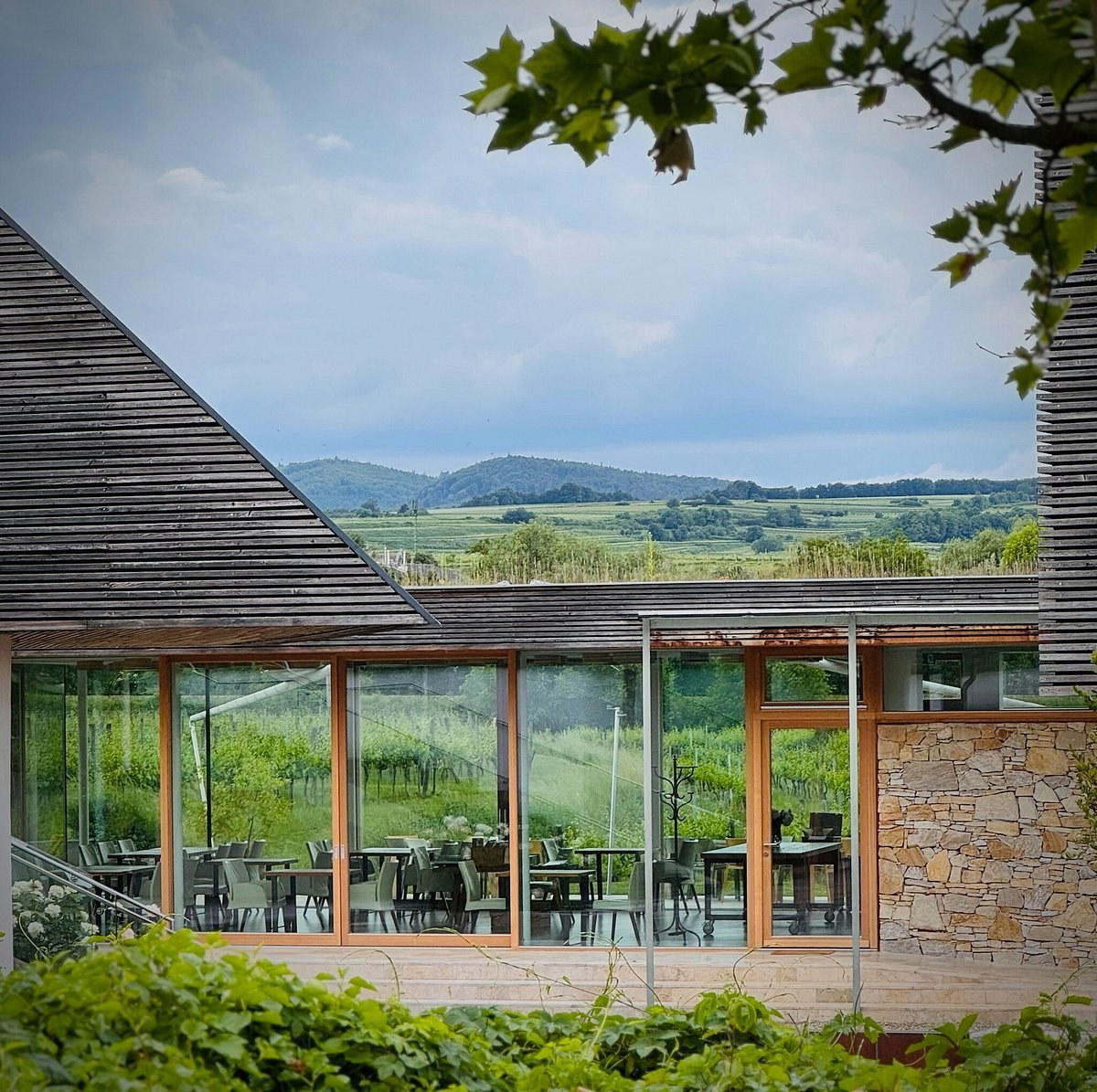
Weingut Rudi Pichler sits in the Wachau village of Wösendorf, where the terraced vineyards above the Danube produce some of Austria's most closely watched Grüner Veltliner and Riesling. Visitors arriving with serious interest in Austrian white wine will find this address worth planning around.

Pearl is the En Primeur Club membership app — saves, bookings, and concierge access live there. Same editors, same standards.
- Address
- Marienfeldweg 122, 3610 Wösendorf in der Wachau
- Phone
- +43 2715 2267
- Website
- rudipichler.at
- Directions
- Get directions
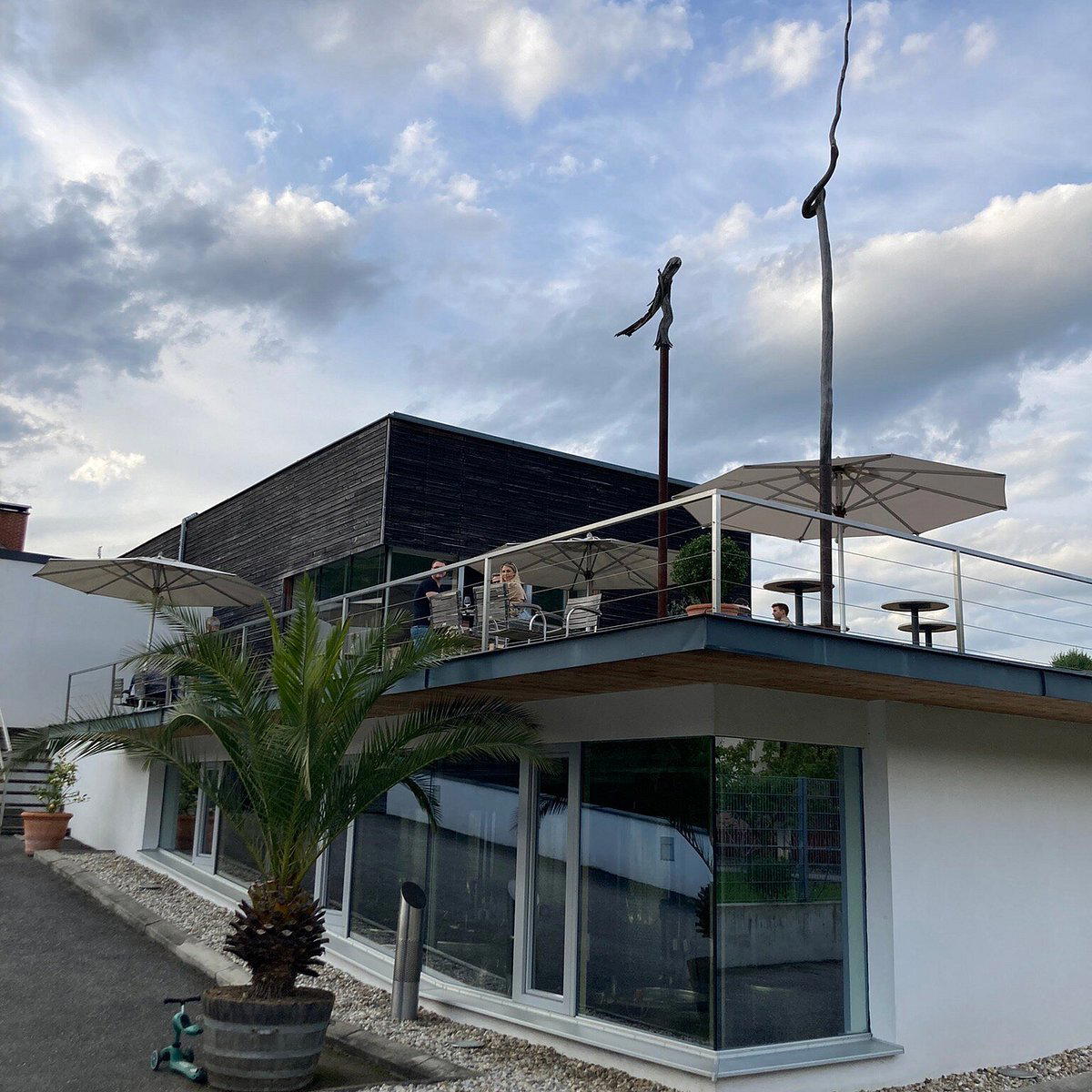
Wachau as a Wine Argument
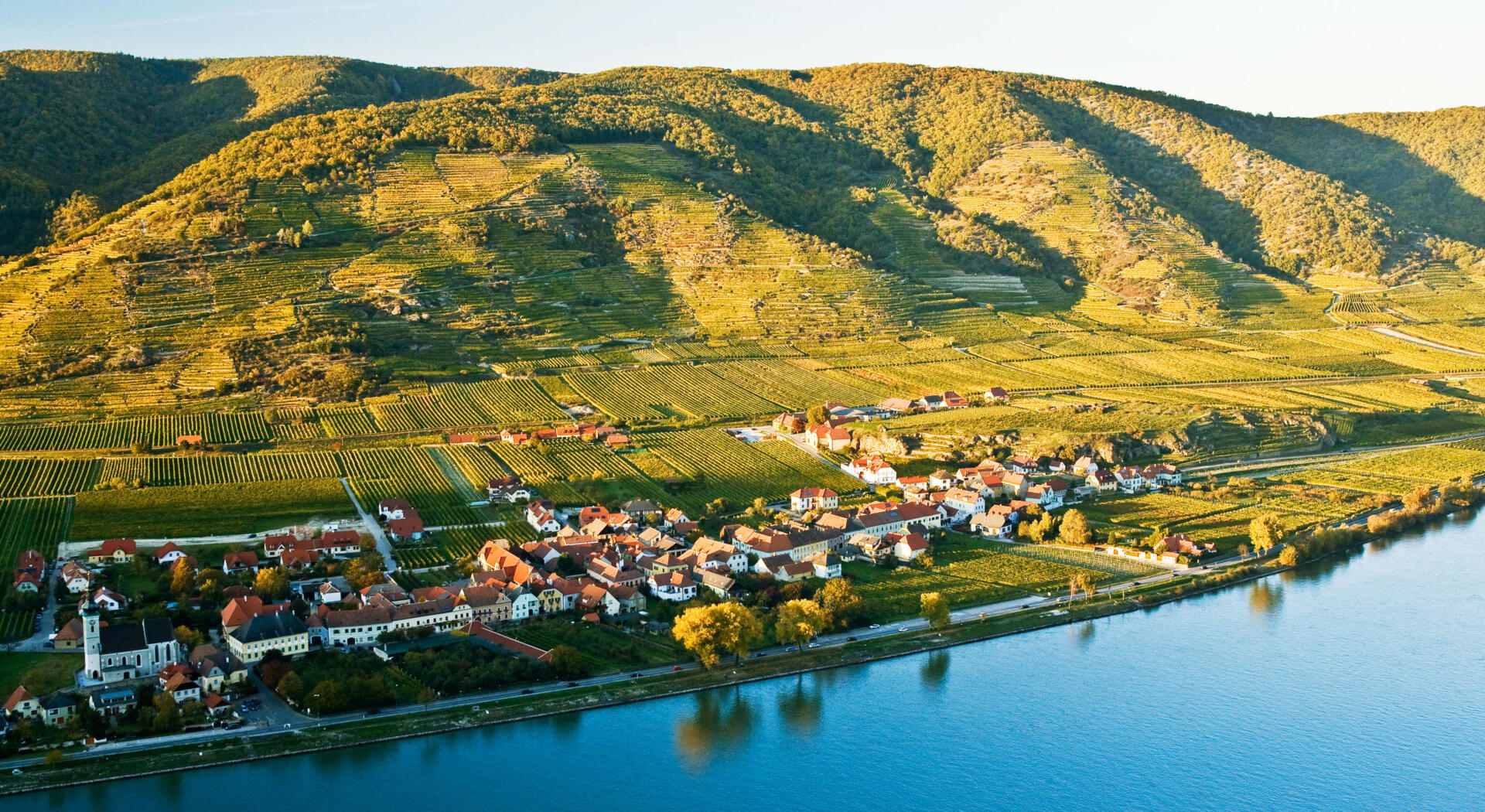
The Wachau is one of the more insistent wine regions in Europe. The Danube carves through steep gneiss and granite slopes between Melk and Krems, and the combination of cold continental air from the Waldviertel plateau above and warm Pannonian influence from the east creates a thermal friction that has no direct equivalent elsewhere in Austria. Grüner Veltliner and Riesling grown on these terraces carry that argument in every bottle: mineral tension, bracing acidity, and a structural precision that distinguishes Wachau whites from their counterparts in Kamptal or Kremstal.
Within that context, Wösendorf sits at the heart of the action. The village is small enough to walk in a few minutes, but its surrounding vineyards, including the celebrated Kollmütz and Hochrain sites, have produced wines that collectors in Vienna, London, and Tokyo follow by allocation.
Reading the Land Through the Glass
Wachau terroir is not a single thing. The valley has meaningful variation across its roughly thirty kilometres, and within that, site-level differences in aspect, elevation, and bedrock type translate into discernible differences in wine character. Primary gneiss and mica schist dominate the steeper terraces around Wösendorf, and wines from these sites tend to show a flinty, almost saline mineral quality that textbook descriptions of "stony" barely capture. It is the kind of minerality that requires no embellishment in the cellar, which is why the most serious Wachau producers typically work with low intervention and extended ageing on lees rather than introducing aromatic additions.
The Wachau classification system formalises the regional quality ladder through the Vinea Wachau designation, which divides wines into Steinfeder (light, low alcohol), Federspiel (medium, named after the falconer's lure), and Smaragd (full-bodied, minimum 12.5% ABV, named after the emerald lizard found on these sun-warmed slopes). Smaragd wines from the better sites and warmer vintages are the ones that age for ten to fifteen years and arrive at secondary market prices comparable to quality Burgundy. Pichler operates within this hierarchy, and the estate's prestige-tier recognition implies production focused on the upper end of that classification.
For a comparative read on how Wachau producers differentiate within a shared terroir framework, Weingut Emmerich Knoll in Dürnstein offers a useful counterpoint, with its own sites along the western stretch of the valley. The comparison illustrates how even within a single appellation, two kilometres and a different slope aspect can shift the character of a Riesling considerably.
Where Wösendorf Sits in the Austrian Hierarchy
Austria's fine wine geography has consolidated around a handful of benchmark producers whose wines function as reference points for the entire country. The Wachau sits at the top of that geography for white wine, alongside Kamptal, where estates like Weingut Bründlmayer in Langenlois produce Grüner Veltliner and Riesling from loess and primary rock sites with comparable international recognition. The key difference is stylistic: Kamptal wines tend toward a rounder, more generous mid-palate, while Wachau wines at their leading carry an almost austere precision that reads as tension rather than openness.
Further south, producers in Styria take a different path entirely. Weingut Wohlmuth in Kitzeck operates in the Südsteiermark, where the focus shifts to Sauvignon Blanc and Muskateller on chalk and slate soils, making any direct comparison with Wachau Riesling a study in Austrian regional diversity rather than competition. And at the other end of the spectrum, sweet wine specialists like Weingut Kracher in Illmitz on the Burgenland shore of the Neusiedlersee represent Austria's botrytis tradition, a category entirely separate from the bone-dry Smaragd model.
That award tier does not get attached to estates producing at commodity scale or without consistent quality evidence.
Arriving in Wösendorf
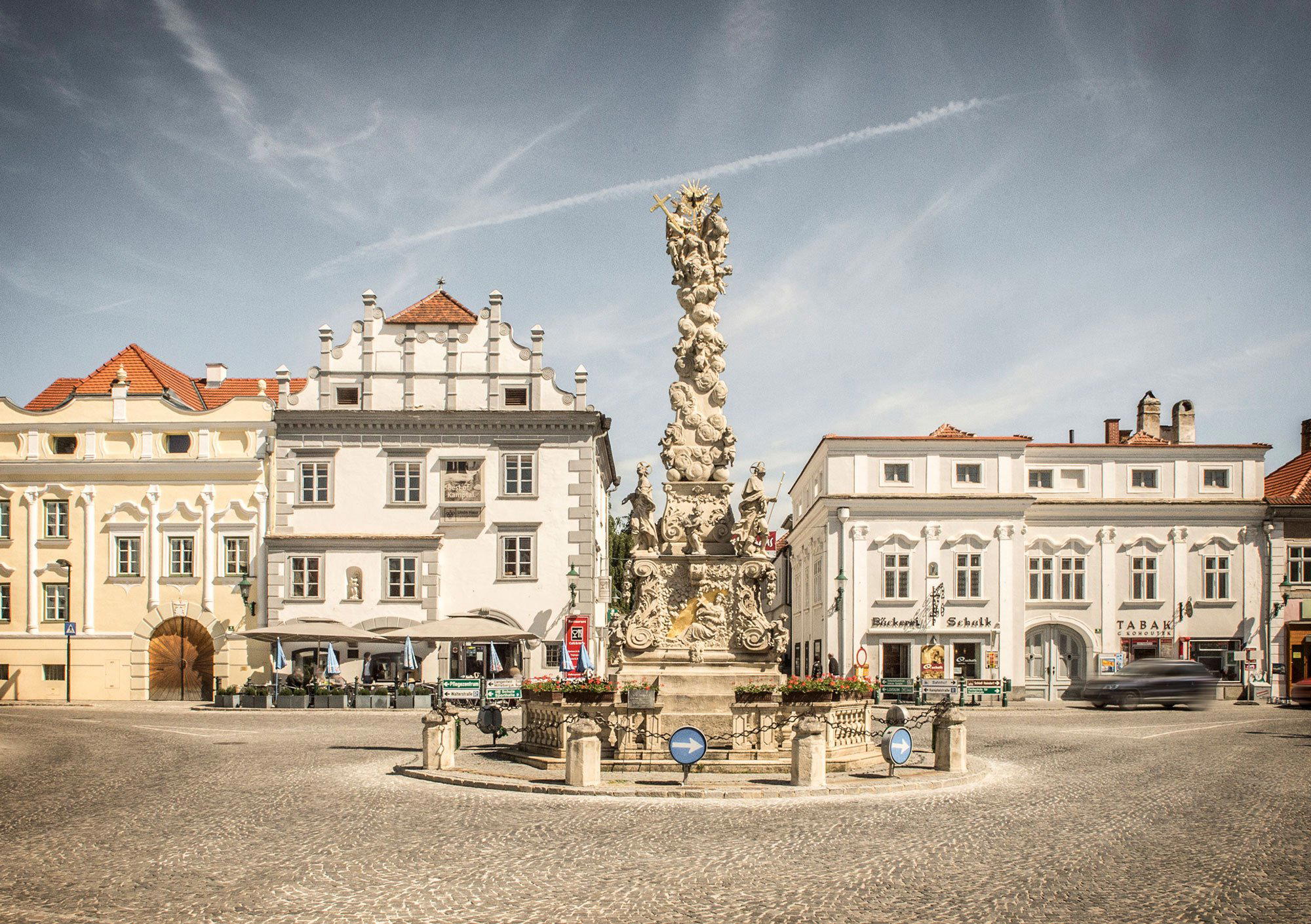
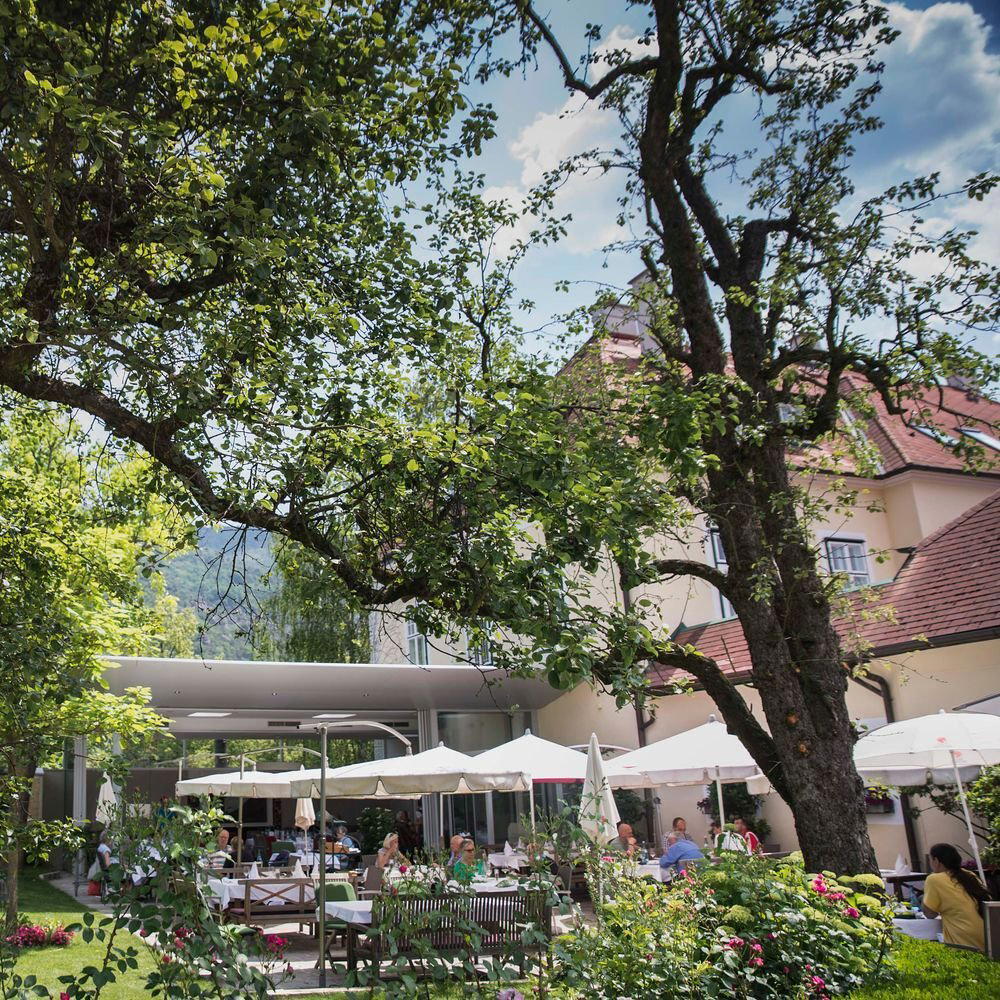
Wösendorf is not a destination that rewards arriving without intention. The village has no hotel strip, no cluster of tourist restaurants, and no obvious orientation point beyond the vineyard lanes and the river road. That is precisely the point. Visitors who come to this part of the Wachau do so because they want contact with the wine at source, not a curated experience packaged for casual tourism.
The most practical route from Vienna is the train to Spitz or Krems, with connections or car hire covering the final stretch along the Danube. The drive along the B3 river road from Krems to Wösendorf is useful for understanding the scale of the terraced vineyard system: the walls holding these slopes in place represent centuries of accumulated labour, and seeing the gradient firsthand changes how you read the wines. Winery visits in the Wachau typically require advance contact rather than walk-in access; arriving without an appointment at most serious estates will result in a closed door. Reaching Weingut Rudi Pichler at Marienfeldweg 122 directly to confirm availability before planning a visit is the practical starting point. For a broader sense of what Wösendorf and its surrounds offer, our full Wösendorf restaurants guide maps the surrounding options.
The Broader Austrian Winery Scene
Austria's wine scene extends well beyond the Danube valleys. Red wine production centred on Blaufränkisch and Zweigelt has produced serious estates in Burgenland, including Weingut Pittnauer in Gols, while distillery culture has its own geography entirely, from 1516 Brewing Company Distillery in Vienna to Weingut Scheiblhofer Distillery in Andau and smaller operations like A. Batch Distillery in Bergheim, 1310 Spirit of the Country Distillery in Sierning, 1404 Manufacturing Distillery in Sankt Peter-Freienstein, and Abfindungsbrennerei Franz in Leithaprodersdorf. These producers operate in entirely different categories, but taken together they illustrate how Austria's artisan production culture runs deep across multiple beverage traditions. For those building a broader European wine itinerary, international comparison points like Aberlour in Aberlour or Accendo Cellars in St. Helena place the Wachau in a global context of serious, site-specific production. Weingut Heinrich Hartl in Oberwaltersdorf rounds out the Austrian picture with a Thermenregion perspective that sits at a considerable remove from the Wachau's steep-slope model.
Side-by-Side Snapshot
Comparable venues nearby, for context on price, style, and recognition.
| Venue | Cuisine | Price | Awards | Notes |
|---|---|---|---|---|
| Weingut Rudi PichlerThis venue — the venue you are viewing | Grüner Veltliner, Riesling | Not listed | Falstaff Winery - 5 Stars | Not listed |
| Weingut Familie Proidl | Grüner Veltliner, Riesling | Not listed | Falstaff Winery - 5 Stars | Senftenberg |
| Weingut Markus Huber | Grüner Veltliner, Riesling | Not listed | Falstaff Winery - 4 Stars | Reichersdorf |
| Weingut Fritz Wieninger | Grüner Veltliner, Pinot Blanc | $50–100 | Falstaff Winery - 5 Stars | Bisamberg/Nussberg |
| Stroh Austria Distillery | Winery | Not listed | Not listed | Klagenfurt |
| Rosenberger Distillery | Winery | Not listed | Not listed | Markt Allhau |
Recognition history
Dated appearances from independent guides and award organizations, with the underlying list record or original source where available.
Falstaff Winery - 5 Stars
Falstaff
Continue exploring
More in Wösendorf
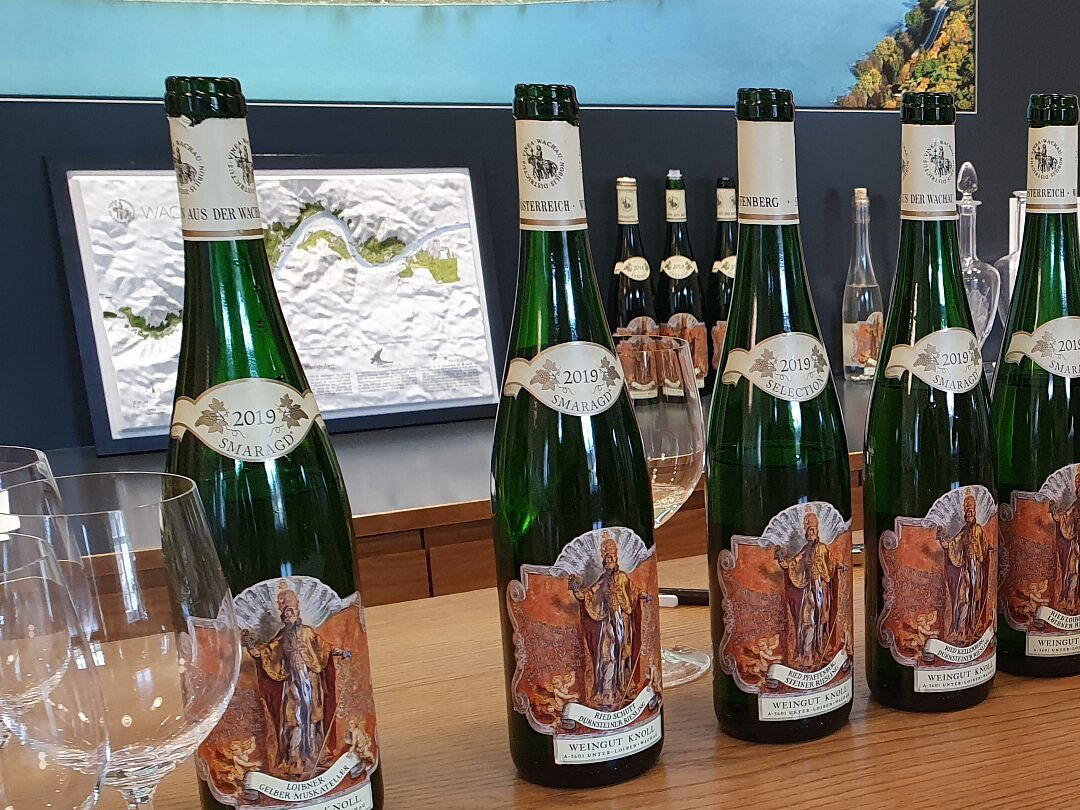
Wineries in Wösendorf
Browse all →
Bars in Wösendorf
Browse all →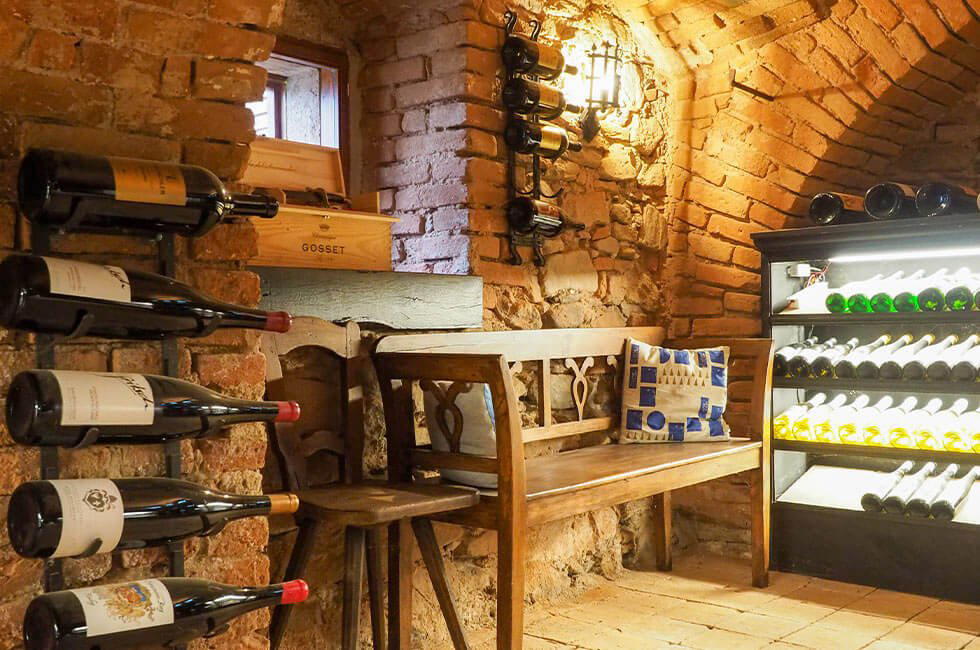
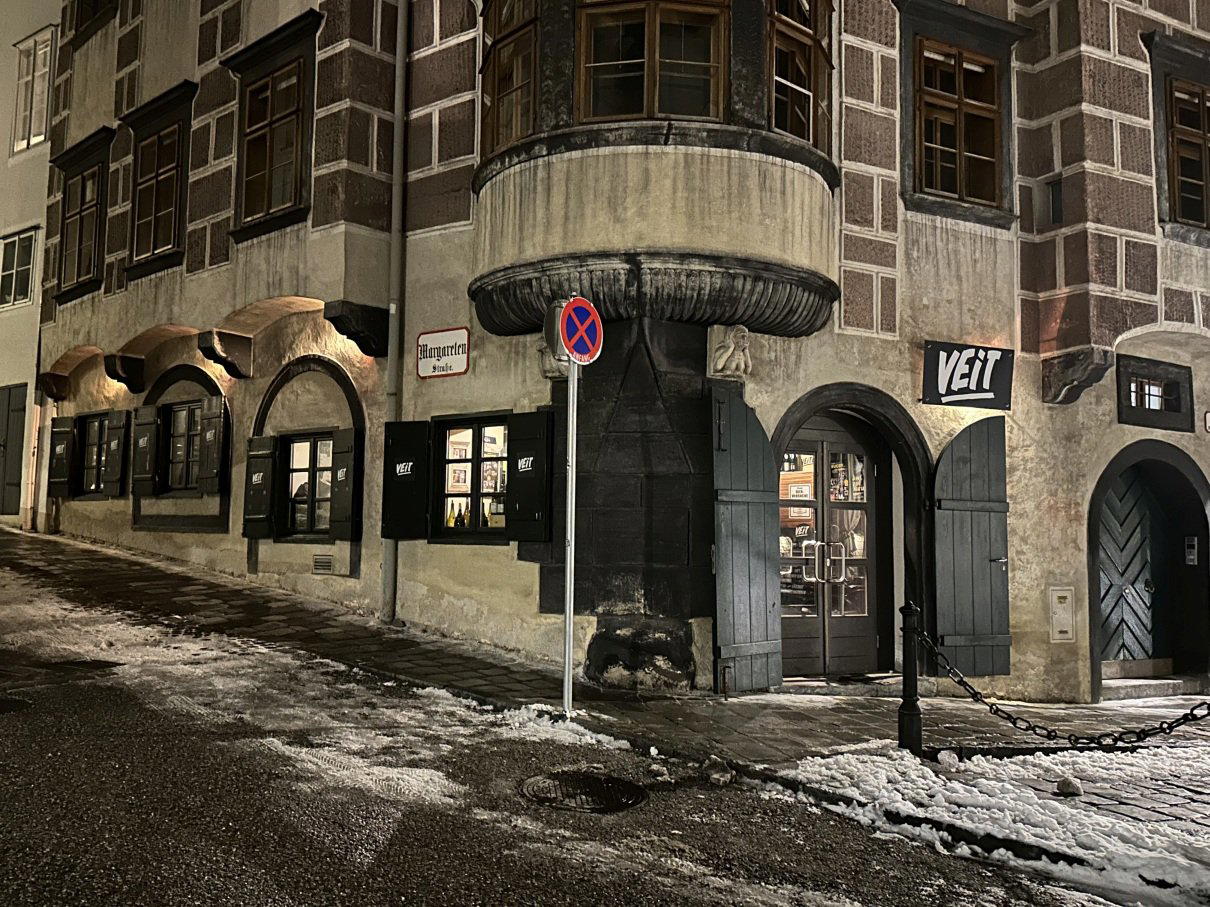

Restaurants in Wösendorf
Browse all →
Details
- Rustic
- Classic
- Scenic
- Elegant
- Wine Education
- Solo Exploration
- Special Occasion
- Vineyard Tour
- Estate Grounds
- Panoramic View
- Sustainable
- Vineyard
- Mountain
- Grüner Veltliner
- Riesling
- Weißburgunder
- Roter Veltliner
- Still White
- Cave Tasting
- Private Tasting
- English
Pure, dense, and taut wines reflecting vineyard terroir in a modern cellar amid historic family tradition.