
Falstaff Winery - 5 Stars
Weingut Rainer Schnaitmann is a Fellbach winery. The estate operates from Untertürkheimer Strasse in Fellbach, a town that punches above its size in wine terms, with several serious producers working a compact stretch of Swabian vineyard land.

Pearl is the En Primeur Club membership app — saves, bookings, and concierge access live there. Same editors, same standards.
- Address
- Untertürkheimer Str. 4, 70734 Fellbach
- Phone
- +49 711 574616
- Website
- weingut-schnaitmann.de
- Directions
- Get directions
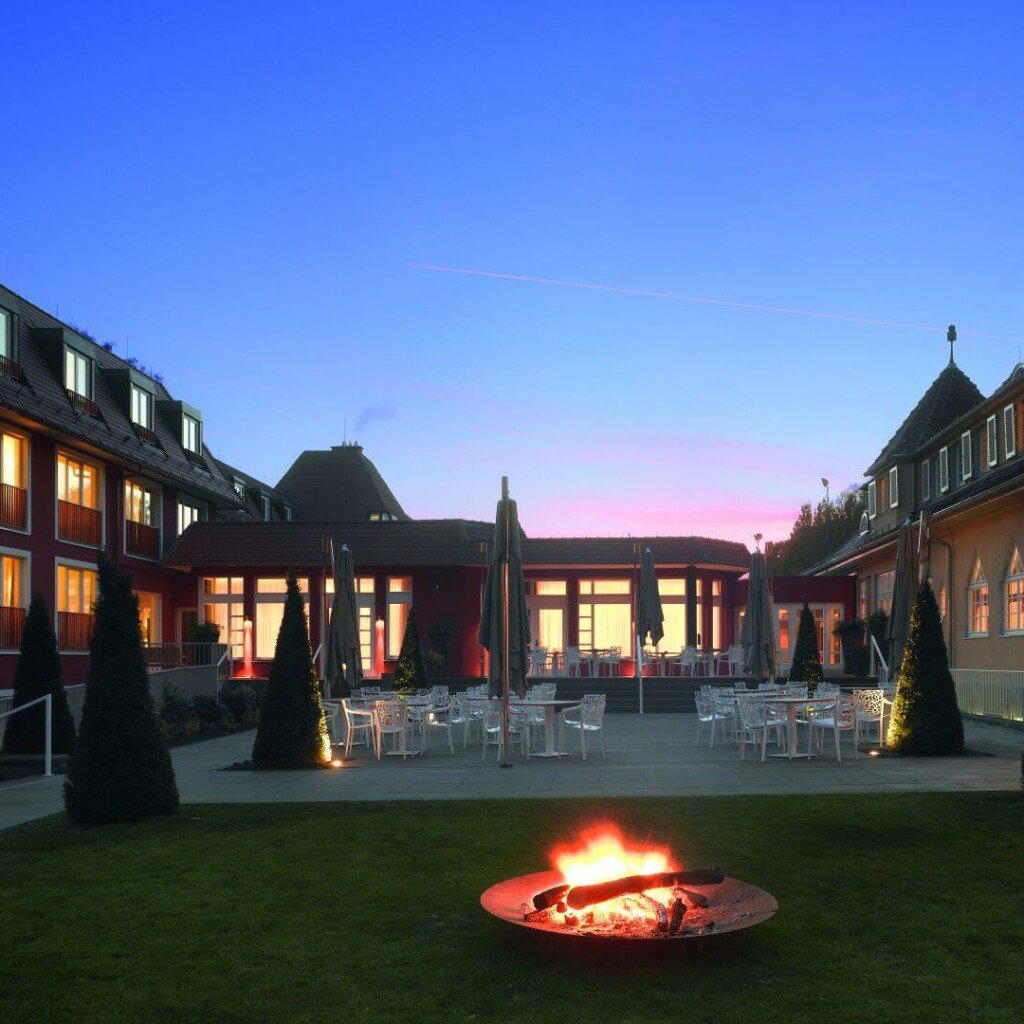
Württemberg's Quiet Confidence, Bottled in Fellbach
Fellbach sits just east of Stuttgart, close enough to the city to be reached by S-Bahn yet sufficiently removed that the rhythm here is set by vine rows rather than urban traffic. The town has developed a reputation within Württemberg wine circles that outpaces its modest footprint: a cluster of serious, award-tracked estates working the same red-soil slopes have turned it into a reference point for the region's ambitions. For a broader picture of what Fellbach's producers collectively represent, the full Fellbach restaurants and winery guide maps the town's wider offer.
The Estate in Its Regional Context
Württemberg is Germany's fourth-largest wine region by production volume, but its international profile runs well behind the Mosel, Rhine, or Pfalz. Within the region, Swabian producers have historically leaned toward Trollinger and Lemberger for red wines, while Riesling holds the white flagship position. The more ambitious estates have pushed those varieties harder and added Pinot Noir to portfolios in a move that implicitly invites comparison with producers in Baden or even further afield. Schnaitmann sits inside that more ambitious tier.
Visitors who arrive expecting the scaled-up visitor infrastructure of, say, the Rheingau — where a property like Kloster Eberbach in Eltville or Weingut Allendorf in Oestrich-Winkel can handle considerable visitor volume with cellar tour programmes and tasting rooms, will find Württemberg operates differently. The experience tends toward the direct and the local rather than the touristic.
Approach and Philosophy
Germany's southern wine regions have seen a generational shift over the past two decades, with producers trained in Burgundy, South Africa, or Australia returning with intervention-light instincts and applying them to local varieties. Whether Schnaitmann's approach fits that mould exactly requires direct visit verification, but the award tier positions the estate firmly in the quality-focused rather than the commodity-production camp.
For comparison, producers operating at equivalent prestige levels elsewhere in Germany, Weingut A. Christmann in Neustadt an der Weinstraße in the Pfalz, or Weingut Battenfeld-Spanier in Hohen-Sülzen, tend to share certain characteristics: careful vineyard site selection, controlled yields, and a commitment to expressing site character rather than winemaker intervention. Those parallels are instructive even if the specific varieties and soils differ. The Mosel has its own prestige tier examples in producers like Weingut Fritz Haag in Brauneberg and Weingut Grans-Fassian in Leiwen, though the variety profiles and climatic conditions diverge sharply from Württemberg's warmer, fuller-bodied style.
What to Expect on a Visit
Württemberg wineries at this quality tier typically offer tastings by appointment rather than walk-in access, the production scale doesn't support casual drop-in traffic the way a larger estate might. No specific booking method, hours, or appointment format can be confirmed from available data, so contacting the estate directly via its address at Untertürkheimer Strasse 4, 70734 Fellbach is the practical starting point. Fellbach's position within the Stuttgart metropolitan area means it is accessible by public transport, which is unusual among German wine regions where a car is often assumed. The S2 line from Stuttgart Hauptbahnhof reaches Fellbach in under fifteen minutes, making a visit compatible with a broader Stuttgart itinerary without requiring a rental vehicle.
The atmosphere at Württemberg estate visits of this tier tends toward the functional and the honest: expect working cellar environments rather than purpose-built visitor centres, and conversations that assume a baseline of wine knowledge. This is not a complaint, it is one of the reasons Württemberg remains underexplored relative to its quality. Visitors who have navigated the more theatrically produced tasting experiences at prestige estates in the Pfalz or Nahe often find the directness here refreshing. Those expecting the immersive hospitality programming of, say, the Mosel wine tourism circuit should calibrate expectations accordingly.
What to Taste
Württemberg's signature red varieties, Trollinger, Lemberger, and Schwarzriesling, form the backbone of most serious estates here, with Riesling occupying the flagship white position. Pinot Noir (locally called Spätburgunder) has become increasingly important as global comparisons have sharpened producer ambitions. For context on how Württemberg reds compare with production elsewhere in southern Germany, Weingut Bassermann-Jordan in Deidesheim and Weingut Dr. Bürklin-Wolf in Wachenheim an der Weinstraße offer useful Pfalz reference points for quality-tier white wines, while Weingut Georg Breuer in Rüdesheim am Rhein illustrates how Rheingau producers at comparable prestige levels approach Riesling.
Planning Your Visit
For visitors combining Schnaitmann with a broader German wine trip, the Württemberg region connects logically southward toward Baden, or northward toward the Pfalz and Mosel. Estates in those regions, including Weingut Bürgerspital zum Heiligen Geist in Würzburg and Weingut Clemens Busch in Pünderich, are well set up for visits and can be paired with a Swabian detour. For visitors whose wine travel extends beyond Germany, Accendo Cellars in St. Helena and Aberlour represent how prestige production operates at the high end of Napa and Speyside respectively, different categories, but useful calibration points for understanding how award tiers translate across wine cultures.
Price and Recognition
Comparable venues nearby, for context on price, style, and recognition.
| Venue | Cuisine | Price | Awards |
|---|---|---|---|
| Weingut Rainer SchnaitmannThis venue — the venue you are viewing | Fellbach, Pinot Noir, Lemberger | Not listed | Falstaff Winery - 5 Stars |
| Weingut Aldinger | Fellbach, Riesling, Lemberger | Not listed | Falstaff Winery - 5 Stars |
| Weingut Reichsrat von Buhl | Deidesheim, Riesling, Pinot Noir | Not listed | Falstaff Winery - 4 Stars |
| Weingut Rudolf Fürst | Bürgstadt, Spätburgunder, Riesling | Not listed | Falstaff Winery - 5 Stars |
| Weingut Kühling-Gillot | Bodenheim, Riesling, Spätburgunder | Not listed | Falstaff Winery - 5 Stars |
| Weingut Dr. Heger | Ihringen, Riesling, Grauburgunder | $20–30 | Falstaff Winery - 5 Stars |
Recognition history
Dated appearances from independent guides and award organizations, with the underlying list record or original source where available.
Falstaff Winery - 5 Stars
Falstaff
Continue exploring
More in Fellbach
Wineries in Fellbach
Browse all →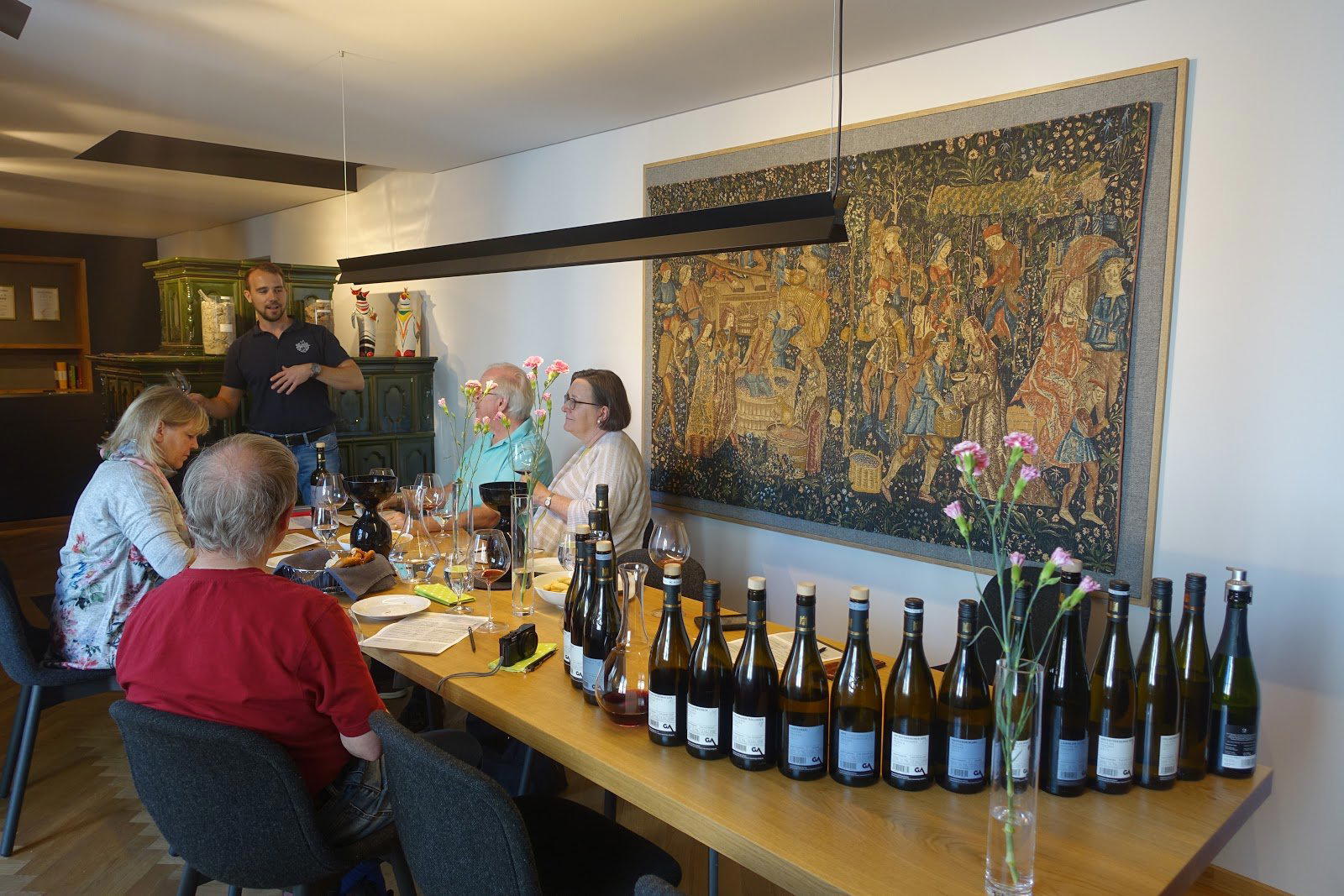

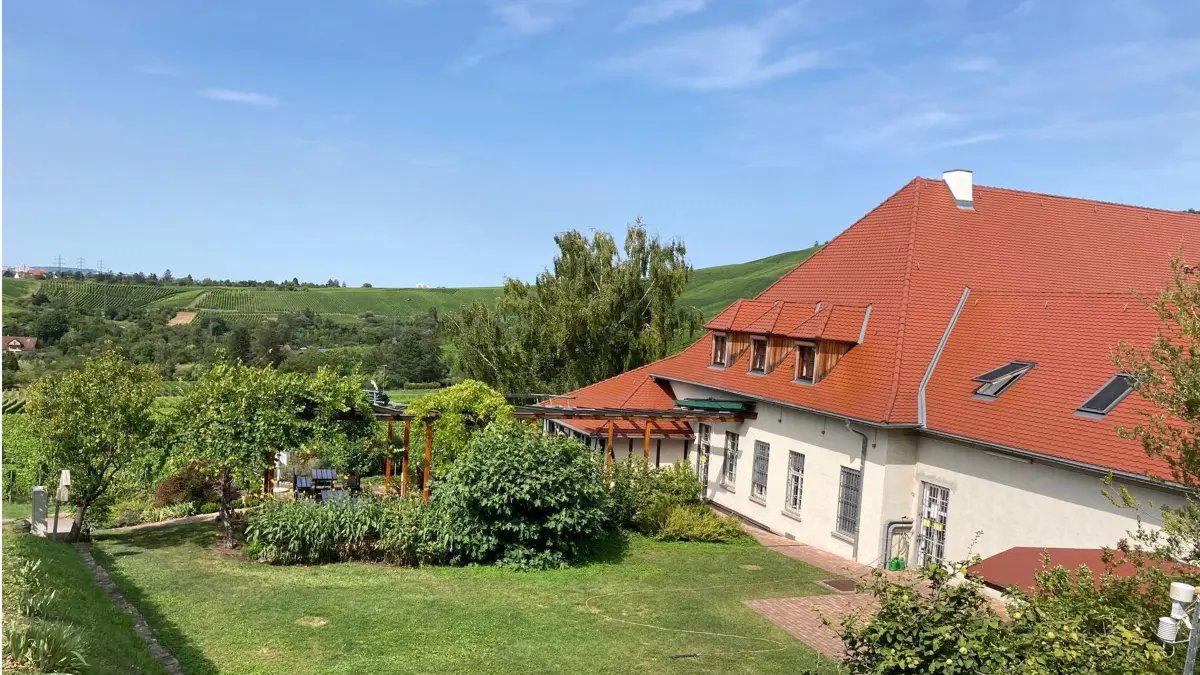
Bars in Fellbach
Browse all →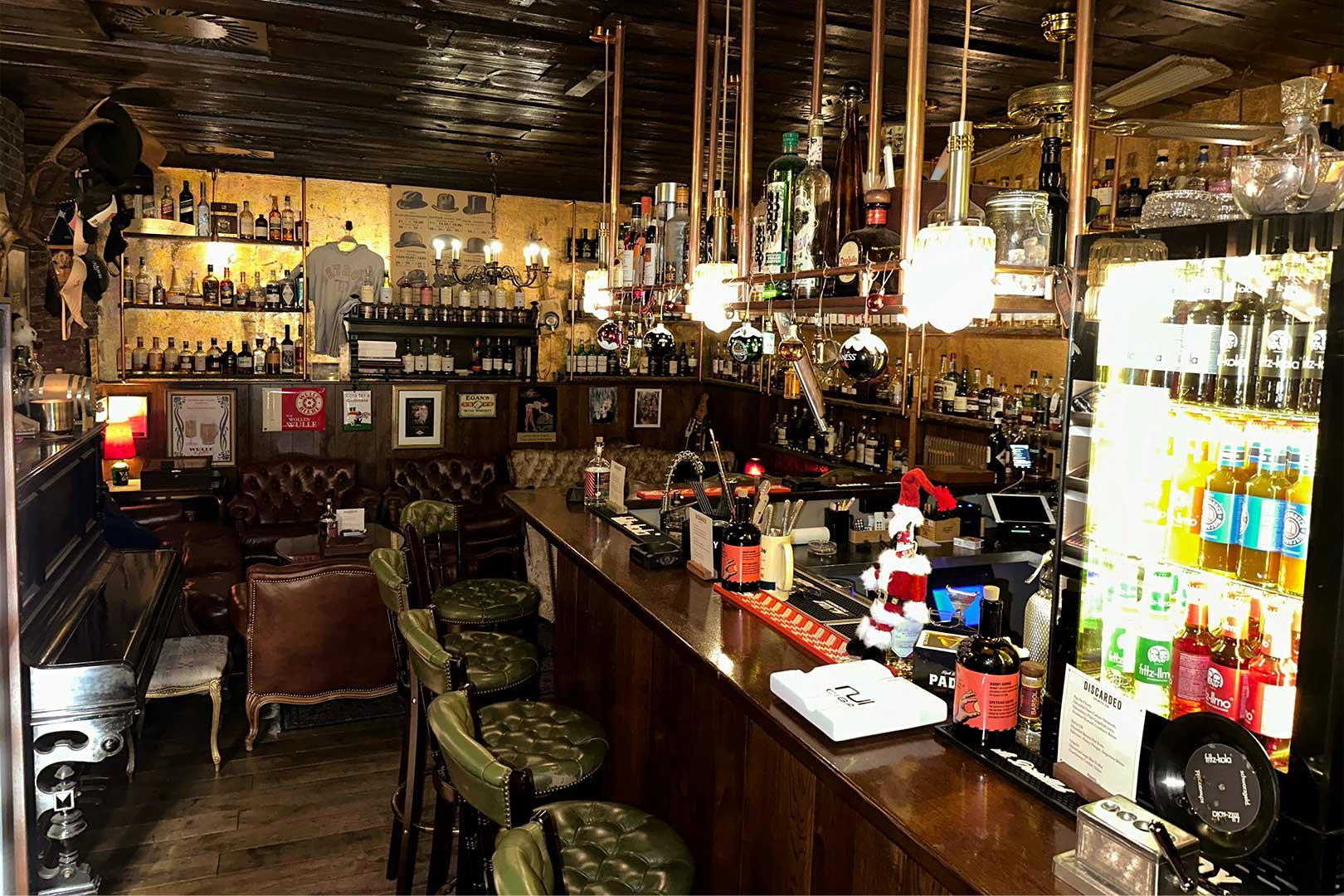

Restaurants in Fellbach
Browse all →
Details
- Rustic
- Elegant
- Scenic
- Classic
- Wine Education
- Solo Exploration
- Special Occasion
- Vineyard Tour
- Estate Grounds
- Organic
- Biodynamic
- Vineyard
- Mountain
- Pinot Noir
- Lemberger
- Riesling
- Trollinger
- Chardonnay
- Grauburgunder
- Weißburgunder
- Still Red
- Still White
- Wine Tasting
- German
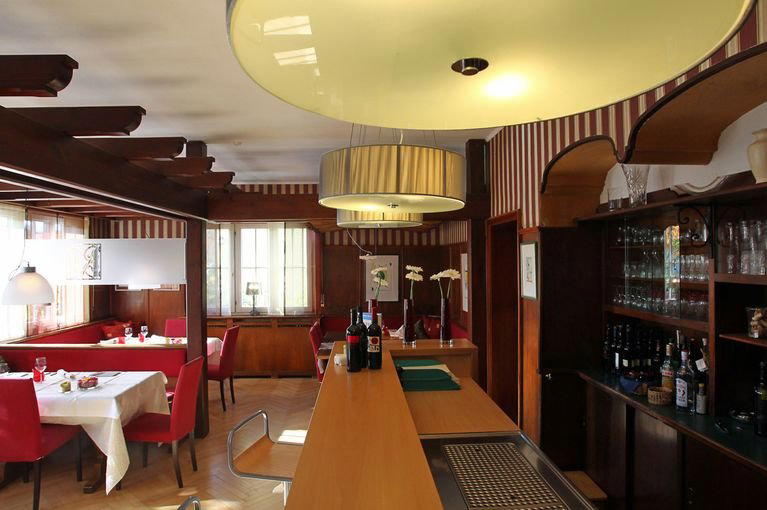
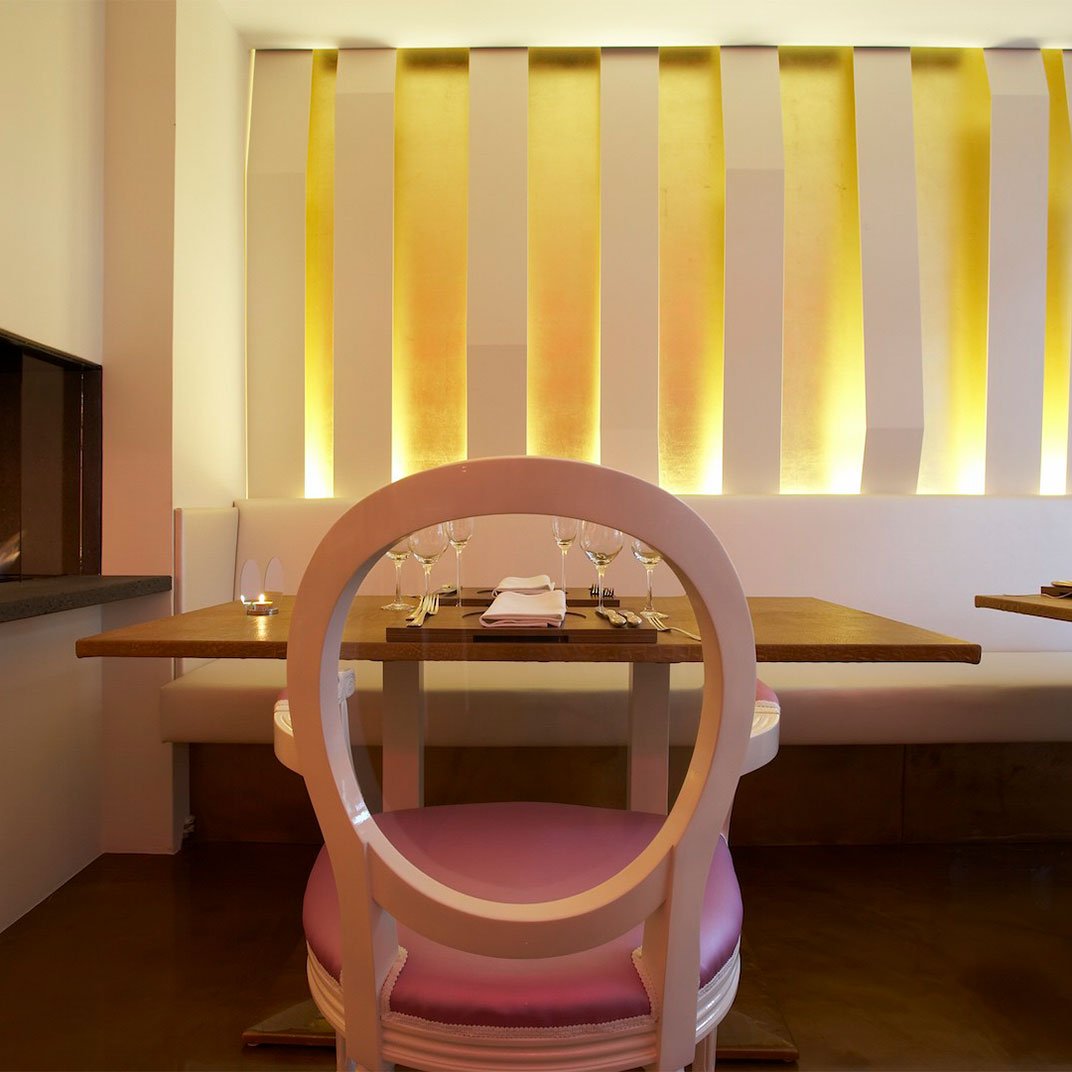
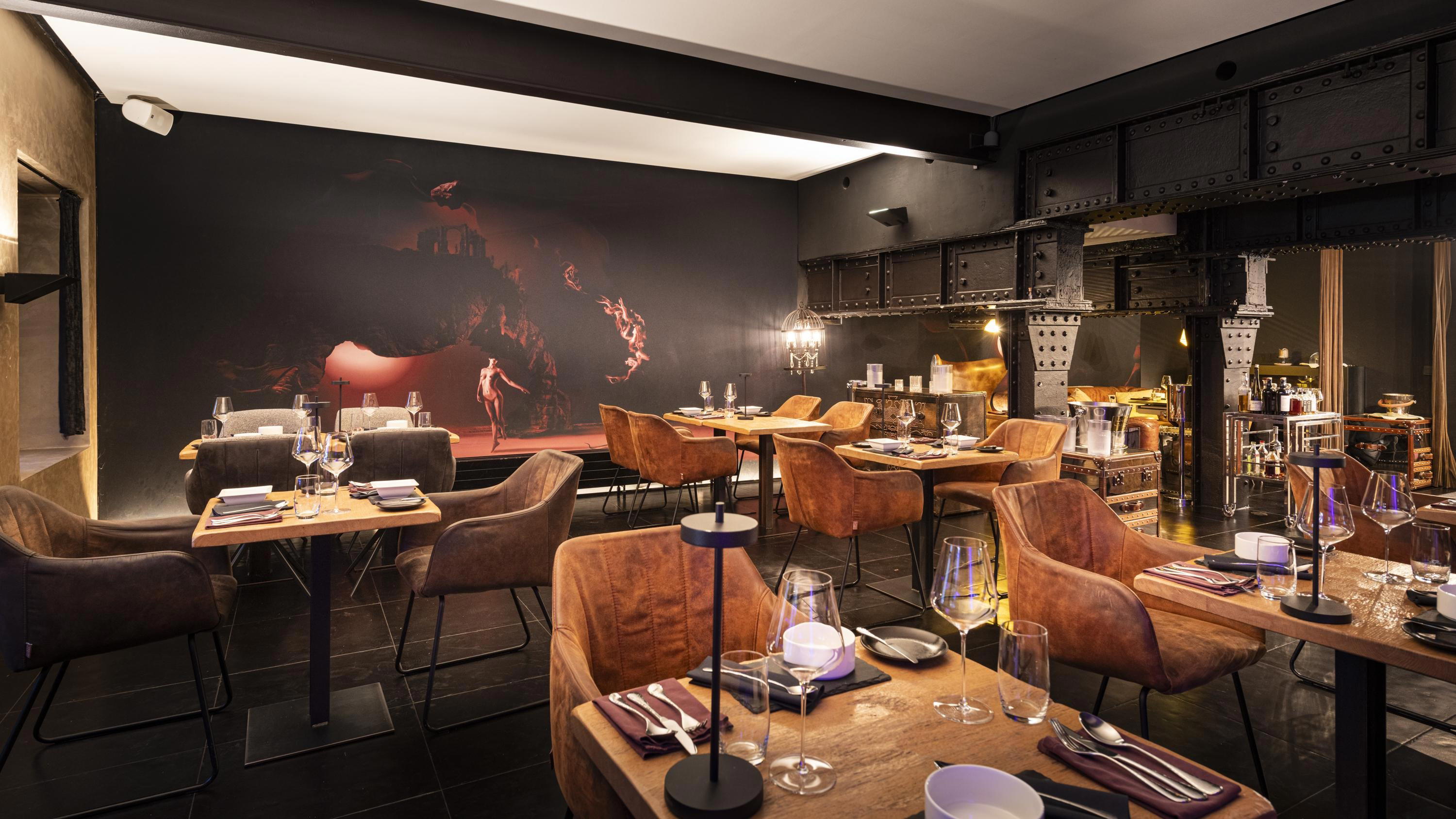
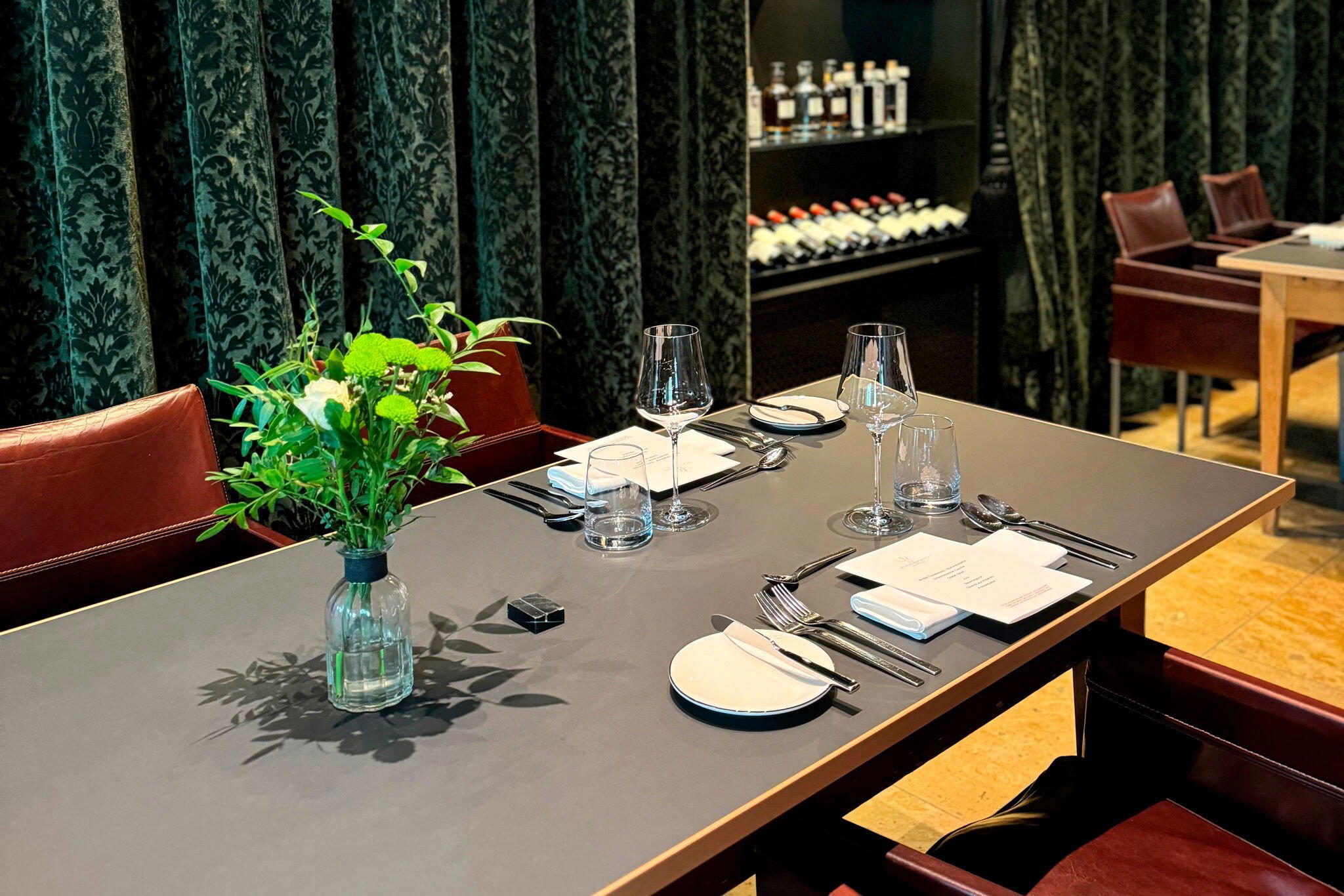
Traditional family winery atmosphere with respect for nature, focused on terroir-driven wines in a historic setting.