Weingut Gerhard Markowitsch

Falstaff Winery - 5 Stars
Weingut Gerhard Markowitsch is a Göttlesbrunn winery. The estate addresses sit at Pfarrgasse 6 in the village centre, positioning it within easy reach of the broader cluster of Göttlesbrunn producers. Visitors serious about Austrian red wine will find it a substantive stop on any regional itinerary.

Pearl is the En Primeur Club membership app — saves, bookings, and concierge access live there. Same editors, same standards.
- Address
- Pfarrgasse 6, 2464 Göttlesbrunn
- Phone
- +43 2162 8222
- Website
- markowitsch.at
- Directions
- Get directions
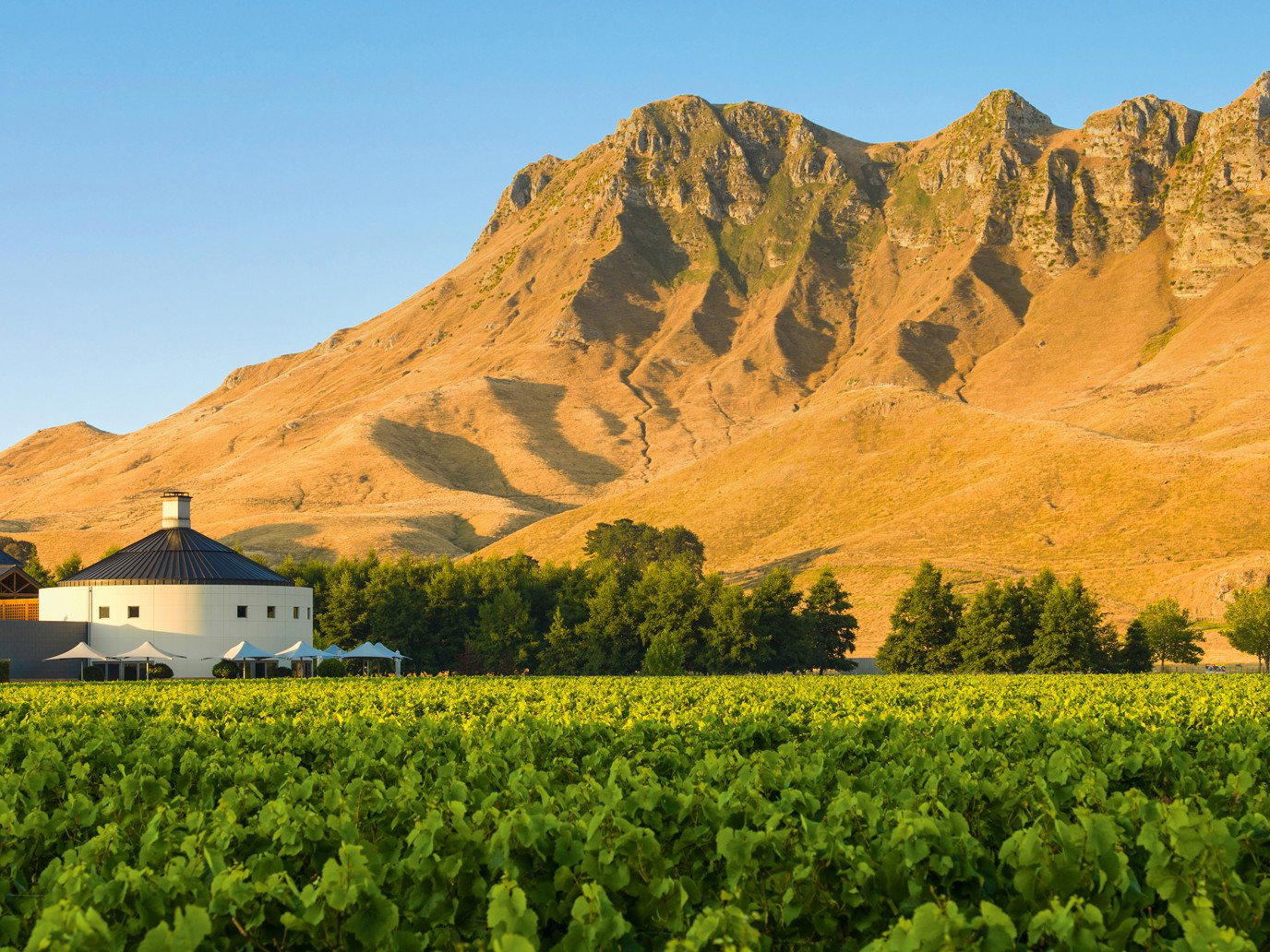
Carnuntum's Quiet Confidence: A Göttlesbrunn Producer in Context
The village of Göttlesbrunn sits in the Carnuntum wine region, east of Vienna along the Danube plain, in a zone that Austrian wine trade has spent the better part of three decades trying to distinguish from the more immediately legible Wachau and Kamptal appellations. That effort has been uneven but, in places, convincing. The soils here — primarily loam over gravel with pockets of clay — favour structured red wines in a way that the volcanic and crystalline terroirs further west do not, and a handful of producers have built their reputations precisely around that distinction.
It is not the ceiling of Austrian wine recognition, but it is not entry-level either. Within Göttlesbrunn specifically, where neighbours like Weingut Franz Glatzer, Weingut Netzl, and Weingut Philipp Grassl operate in the same award tier conversations, the 2025 designation confirms Markowitsch as part of the village's serious production cohort rather than its periphery.
The Carnuntum Red Wine Tradition and Where Markowitsch Fits
Carnuntum's winemaking identity is built primarily around Zweigelt and Blaufränkisch, the two red varieties that have driven Austrian red wine's international reputation since the 1990s. Zweigelt, Austria's most widely planted red grape, tends here toward dark fruit, moderate tannin, and an accessibility that made it the region's commercial calling card. Blaufränkisch, where it appears in Carnuntum, generally expresses more grip and spice than the same variety grown in Burgenland's iron-rich soils further south.
Markowitsch's positioning within this tradition connects to a broader pattern visible across Austria's premium red wine producers: the willingness to let Zweigelt age, to vinify it with the kind of care usually reserved for international varieties, and to argue through the bottle rather than the press release that Austrian red wine belongs in serious cellars. That argument has taken hold in export markets, particularly Germany, Scandinavia, and parts of the United States, over the past decade, and producers at the 2025 Pearl 2 Star level are typically the ones benefiting most from that shift in perception.
For a wider cross-section of Austrian winemaking ambition, the country's premium producers span from the Wachau's grand cru-equivalent Smaragd whites at estates like Weingut Emmerich Knoll in Dürnstein and Weingut Bründlmayer in Langenlois to the red-focused estates of Carnuntum and the Burgenland sweet wine houses like Weingut Kracher in Illmitz. Carnuntum's producers, including Markowitsch, occupy a distinct lane: red-wine specialists working in a region that has earned its recognition through structural seriousness rather than variety glamour or appellation prestige.
Approaching the Estate: Village Scale and Regional Timing
Göttlesbrunn is a small agricultural village, and the winery's address at Pfarrgasse 6 places it in the compact centre where most of the serious producers are within walking distance of one another. This is not a destination with hotel infrastructure or restaurant options at the estate level, the experience of visiting Göttlesbrunn is fundamentally one of village-scale wine tourism, where the cellar door is the destination and the surrounding countryside provides the context. The region is most naturally visited as a day trip from Vienna, roughly 35 to 40 kilometres to the west, or as part of a longer Austrian wine itinerary that might connect Carnuntum with Burgenland estates to the south, such as Weingut Pittnauer in Gols or Weingut Heinrich Hartl in Oberwaltersdorf.
Harvest season, typically late September through October in Carnuntum, is the period when the region is most active and when tasting visits carry the most atmospheric charge. Visiting earlier in the growing season offers a different perspective: the flat, open terrain of the Danube plain reads differently in summer's heat haze than in autumn's clarity, and the wines poured at cellar door often reflect the most recent bottled vintage rather than barrel samples. Either window is valid, but the autumn timing tends to generate the most concentrated engagements with producers across Göttlesbrunn as a cluster. See our full Göttlesbrunn restaurants and wineries guide for a broader picture of timing and logistics in the village.
The standard approach for visiting Carnuntum producers at this level is to make contact directly through the Austrian Wine Marketing Board's producer directory or through the regional wine route (Carnuntum Weinstrasse), which maintains current opening hours and tasting appointment availability across member estates.
Why the 2025 Recognition Matters in Austrian Wine Terms
Austrian wine's award ecosystem is less globally legible than Michelin or the Decanter World Wine Awards, but within the domestic and German-speaking export market it carries significant weight with trade buyers and serious private collectors. For a Carnuntum estate to hold that designation confirms a level of quality consistency that distinguishes it from the region's volume producers and aligns it with the cohort of Austrian red wine estates that export trade takes seriously.
Comparisons with other premium Austrian estates operating at different price and production tiers are useful here. Weingut Wohlmuth in Kitzeck operates in Styria with a white wine focus; Weingut Scheiblhofer in Andau works the southernmost Burgenland terroir. For visitors building an Austrian wine itinerary, that positioning matters: this is a cellar door where the wines on the table are likely to reward careful attention rather than casual sampling.
For those curious about how Austrian wine production connects to broader Central European craft traditions, the country's distillery scene offers a parallel reference point, from 1310 Spirit of the Country Distillery in Sierning to 1404 Manufacturing Distillery in Sankt Peter-Freienstein, though the winery tradition in Göttlesbrunn specifically is distinct and older. International reference points like Aberlour in Speyside or Accendo Cellars in St. Helena illustrate how regional identity can anchor producer reputation across very different winemaking cultures, a dynamic Carnuntum has been working to replicate in its own terms.
Planning a Visit
Weingut Gerhard Markowitsch is located at Pfarrgasse 6, 2464 Göttlesbrunn, Austria. Given the village's scale, combining a visit here with stops at Weingut Franz Glatzer, Weingut Netzl, and Weingut Philipp Grassl on the same day is logical and efficient. Arrange tasting appointments in advance through the producer directly or via the Carnuntum Weinstrasse; cellar door visits at this level in Austria are almost always by appointment rather than walk-in, particularly at harvest time. Vienna's city centre is a natural base, and the drive east through the Vienna Woods into the Danube plain takes under an hour in most traffic conditions.
Booking and Cost Snapshot
Comparable venues nearby, for context on price, style, and recognition.
| Venue | Cuisine | Awards | Notes |
|---|---|---|---|
| Weingut Gerhard MarkowitschThis venue — the venue you are viewing | Göttlesbrunn, Zweigelt, Merlot | Falstaff Winery - 5 Stars | Not listed |
| Weingut Philipp Grassl | Not listed | Falstaff Winery - 5 Stars | Göttlesbrunn, Zweigelt, St. Laurent |
| Weingut Netzl | Not listed | Not listed | Göttlesbrunn, Zweigelt, St. Laurent |
| Weingut Franz Glatzer | Göttlesbrunn, Zweigelt, Blaufränkisch | Falstaff Winery - 4 Stars | Not listed |
| Weingut Uwe Schiefer | Not listed | Falstaff Winery - 4 Stars | Welgersdorf, Blaufränkisch, Welschriesling |
| Karant Distillery | Winery | Not listed | Not listed |
Recognition history
Dated appearances from independent guides and award organizations, with the underlying list record or original source where available.
Falstaff Winery - 5 Stars
Falstaff
Continue exploring
More in Göttlesbrunn
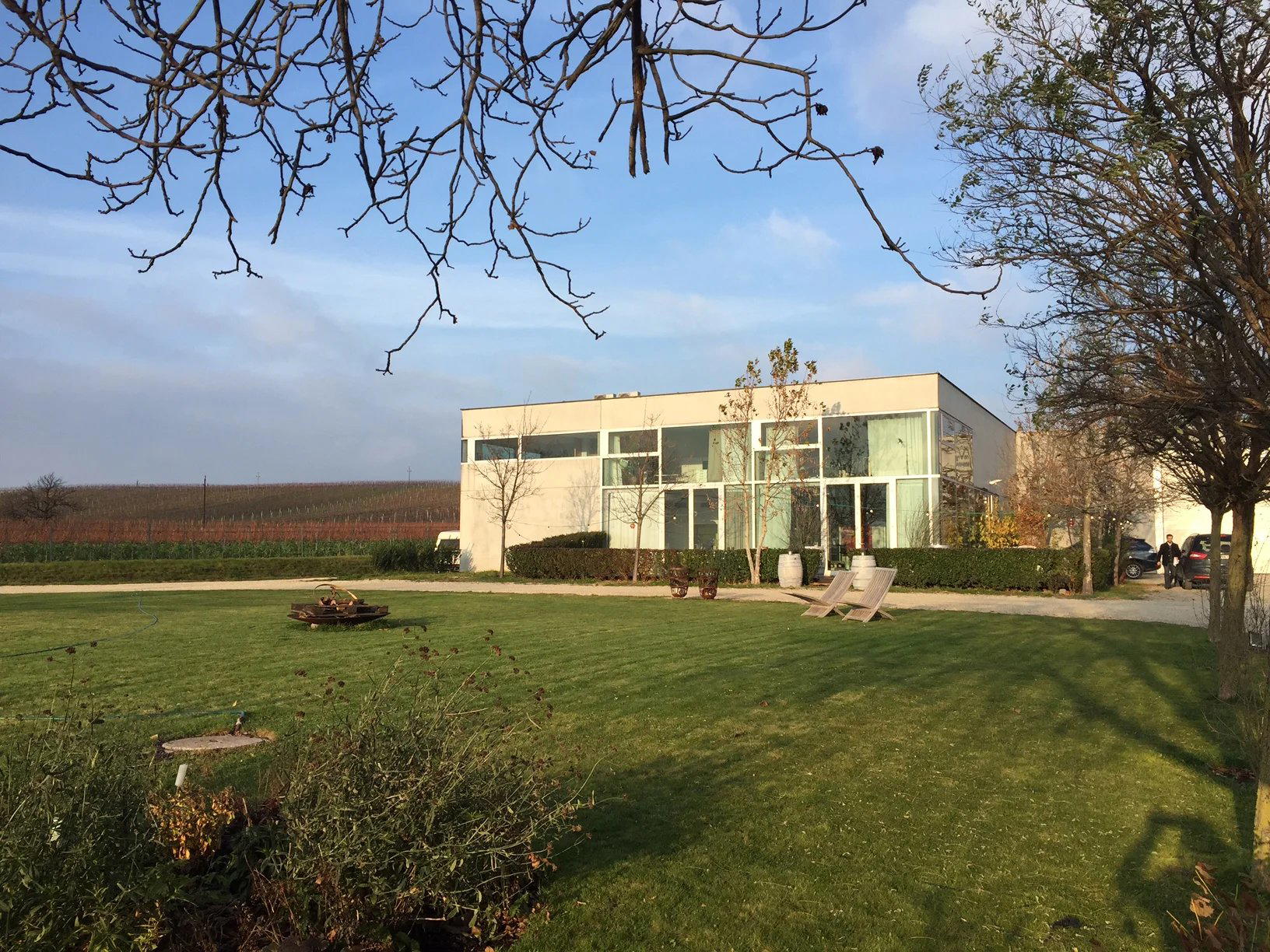
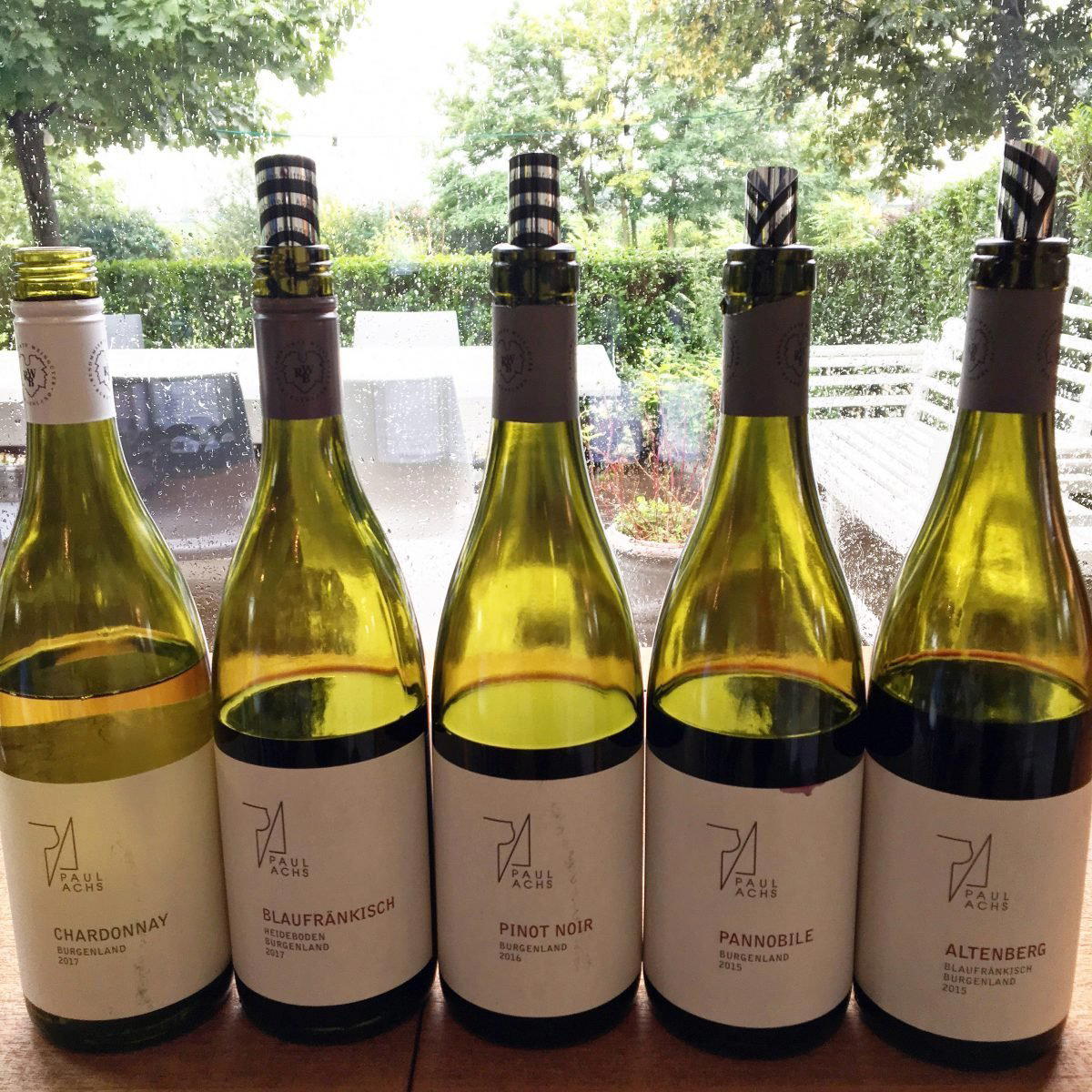
Wineries in Göttlesbrunn
Browse all →
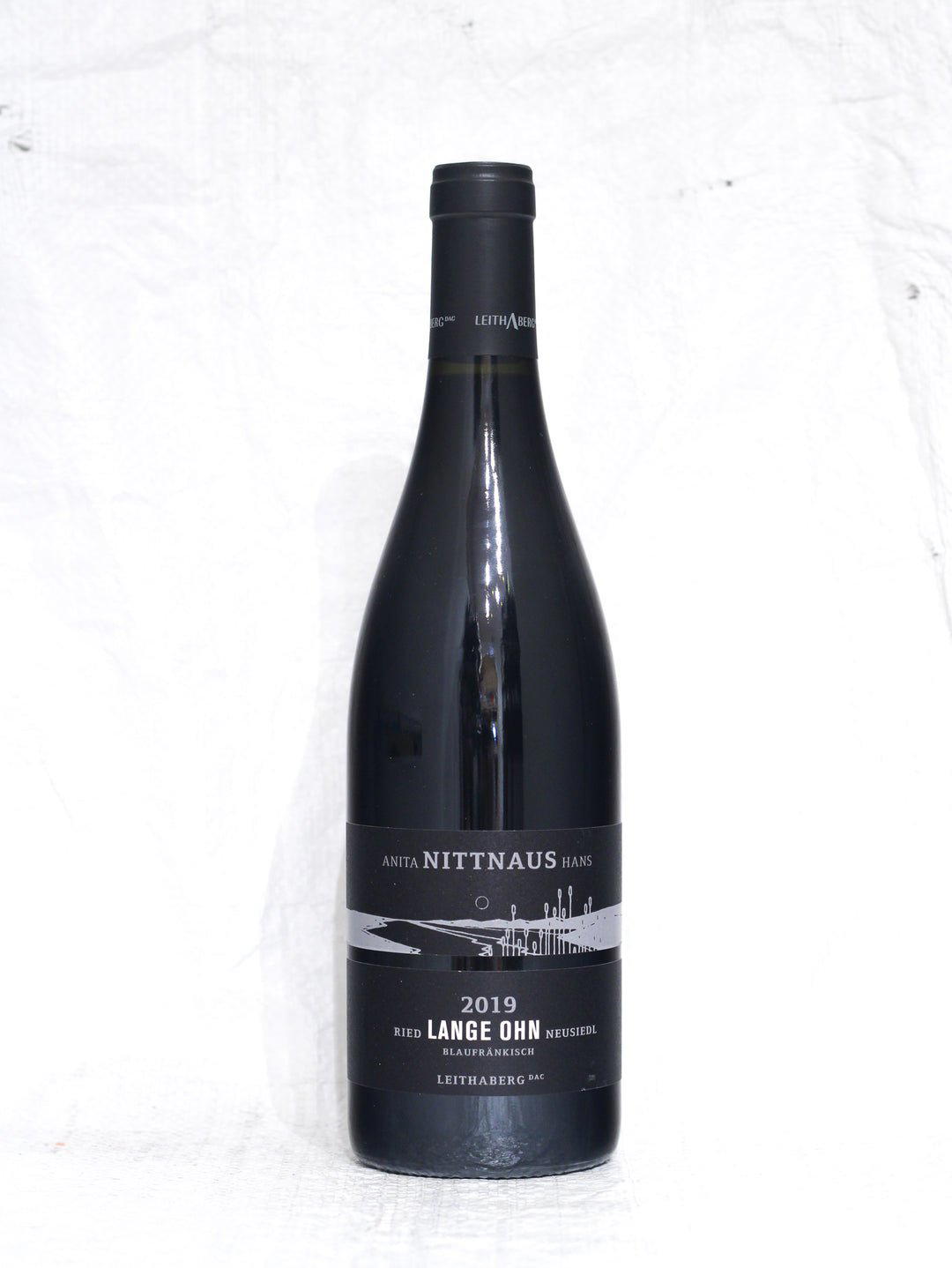
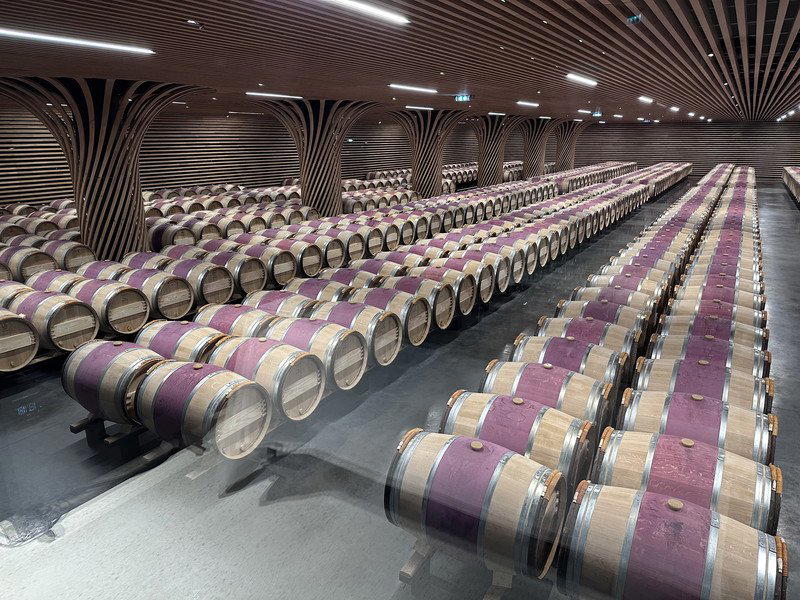
Bars in Göttlesbrunn
Browse all →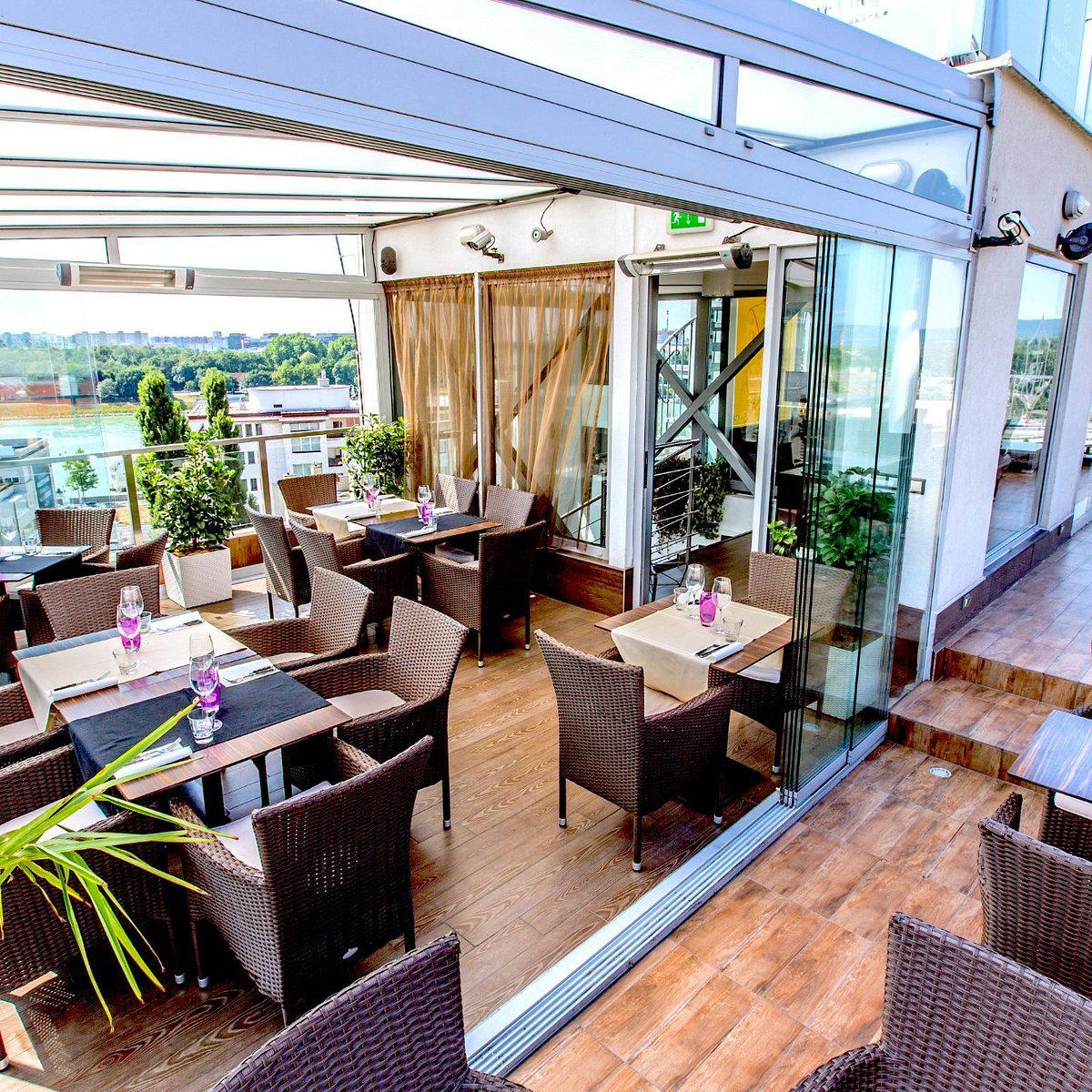
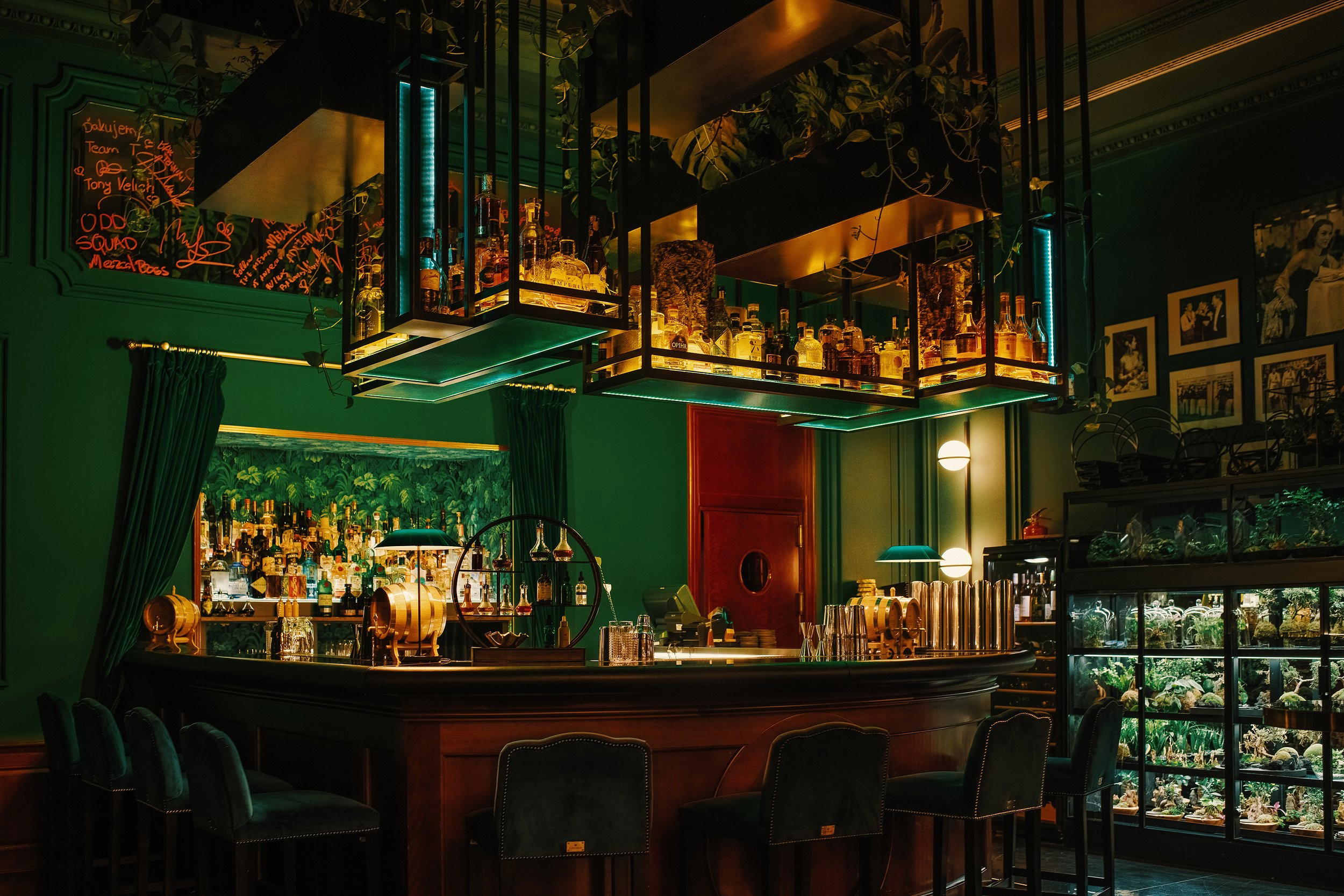

Restaurants in Göttlesbrunn
Browse all →

Details
- Elegant
- Sophisticated
- Classic
- Wine Education
- Special Occasion
- Solo Exploration
- Barrel Room
- Estate Grounds
- Private Tasting
- Sustainable
- Vineyard
- Zweigelt
- Merlot
- Blaufränkisch
- Pinot Noir
- Chardonnay
- Grüner Veltliner
- Still Red
- Still White
- Private Tasting
- Barrel Room Tasting
Professional, focused tasting environment with state-of-the-art cellar technology; emphasis on serious wine appreciation rather than casual hospitality.