
Falstaff Winery - 4 Stars
Weingut Dr. Crusius operates from Traisen in the Nahe, one of Germany's more quietly serious Riesling regions, where slate and sandstone soils produce wines of distinctive mineral tension. For those tracing the Nahe's expression of terroir, this address belongs on the itinerary.
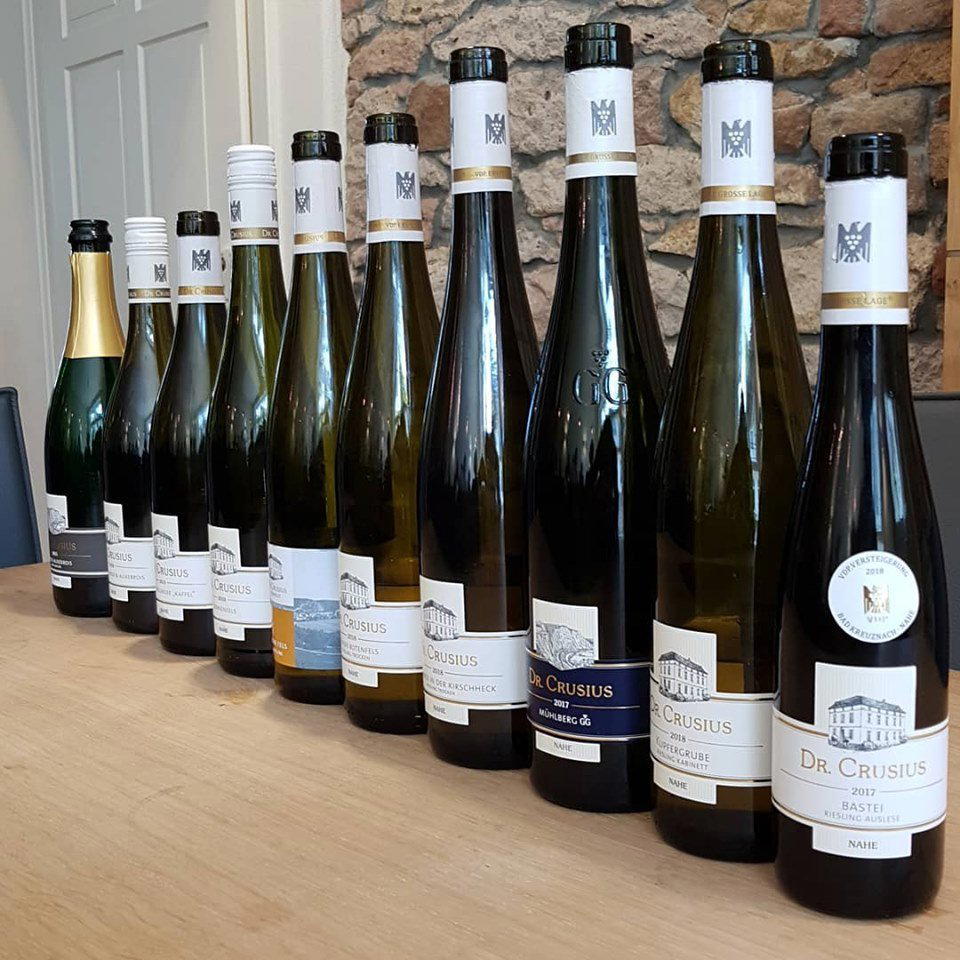
The Nahe's Case for Attention
Germany's wine map rewards those who look past the obvious appellations. The Mosel draws the tourists; the Rheingau carries the institutional weight; the Pfalz supplies volume and reliability. The Nahe, threaded between all three, tends to receive less column space than its quality warrants. That imbalance has made the region something of a specialist's reference point, a place where producers work without the pricing pressure of more celebrated neighbours and where the geology remains genuinely complex. Weingut Dr. Crusius, based at Hauptstraße 2 in the small town of Traisen, sits inside that regional argument as one of its established voices.
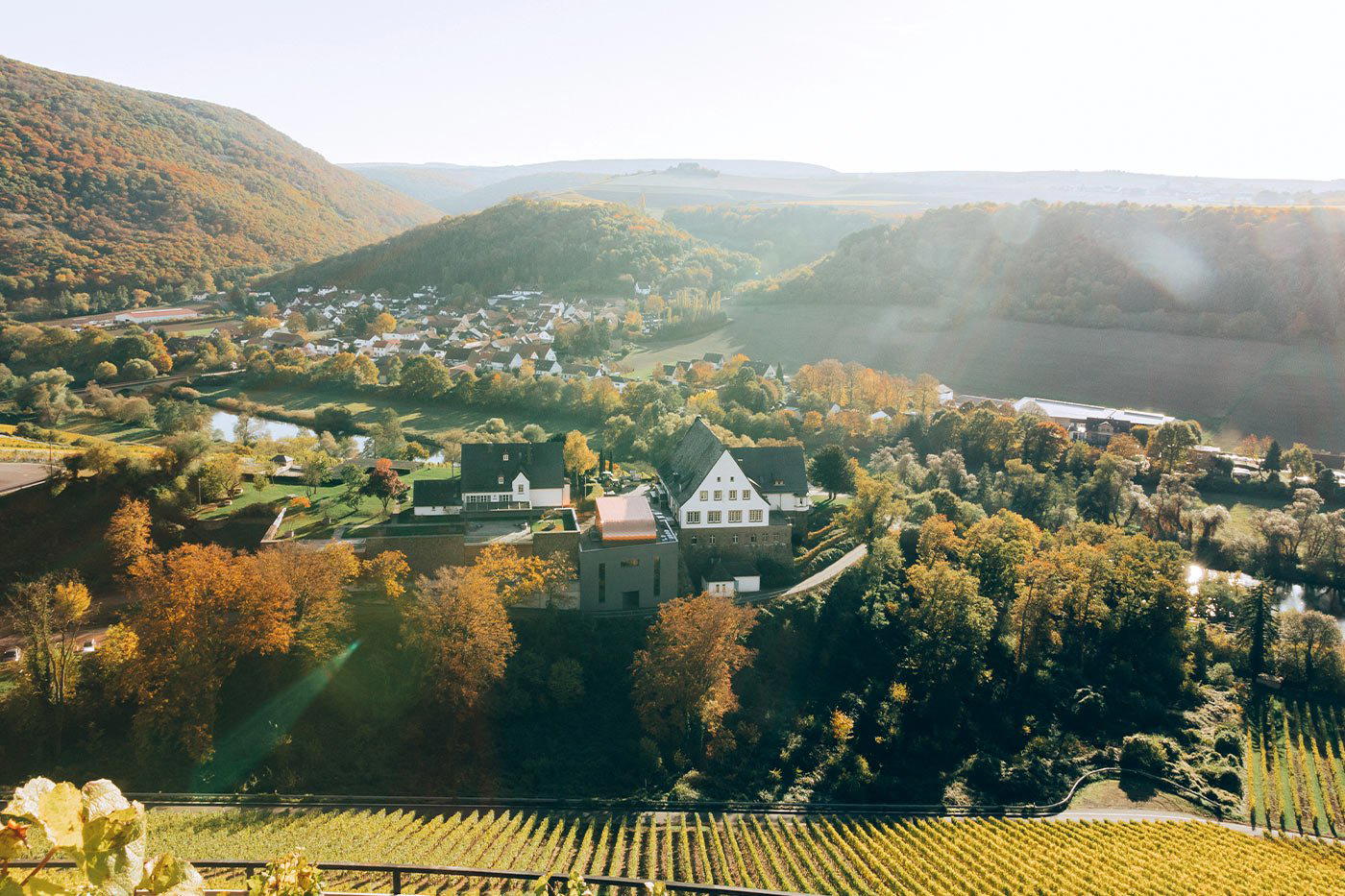
Traisen itself is a village-scale settlement, the kind of place where a winery address doubles as a local landmark. Approaching from the valley road, the domestic scale of the Nahe's wine country becomes apparent: this is not a region of grand chateaux or organised tourism infrastructure. It is a working agricultural landscape where the vineyards press close to the village edges and the cellars tend to be integrated into the fabric of the estate buildings. That physical intimacy between site and producer is, in the Nahe, a feature rather than an oversight. For visitors arriving to taste, the address in Traisen situates them immediately within that tradition.
What the Land Dictates
The Nahe is geologically unusual even by the standards of German Riesling country. The river cuts through a sequence of volcanic, slate, and sandstone formations over a relatively short distance, which means individual sites can differ dramatically in character within a few kilometres. This is not the more uniform blue-slate topography of the Mosel's central section, nor the limestone and clay of the Rheinhessen to the east. The Nahe rewards site-specific reading, and producers who work across multiple parcels are effectively making an argument about the region's range each time they release a range of single-vineyard or single-site bottlings.
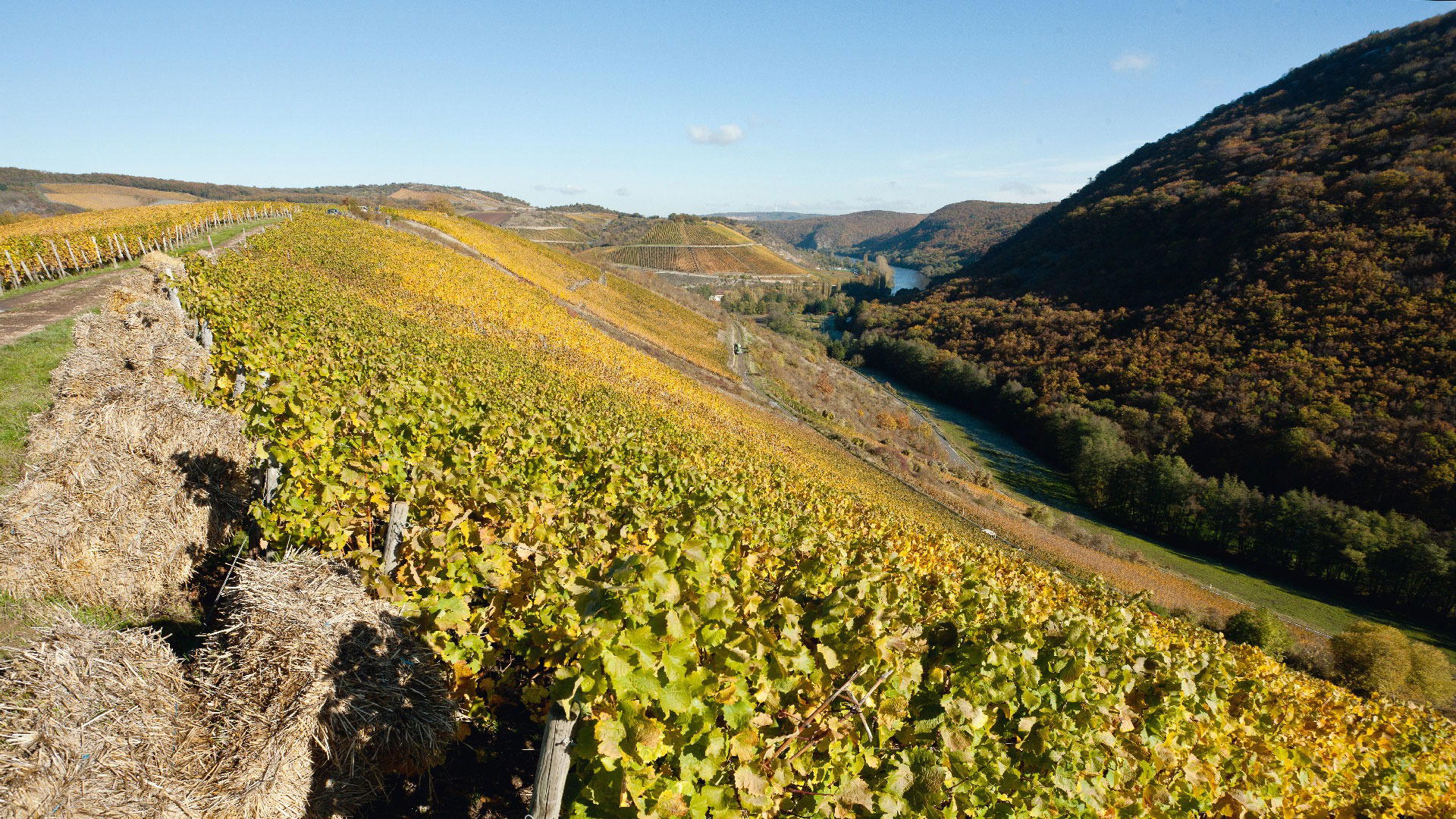
Traisen's vineyards, particularly those on the steep southern-facing slopes, are associated with volcanic basalt soils that drive wines toward a saline, almost mineral-forward character. This is the kind of terroir that resists softening with residual sugar without losing structure: the mineral framework remains present regardless of sweetness level, which is why the Nahe has historically produced credible wines across the full Prädikat range, from dry Spätlese through to Auslese and beyond. Understanding that geological backdrop is the entry point to understanding what a producer like Dr. Crusius is working with and what the wines are being asked to express.
German wine evaluation tends to reward producers who maintain expression across a range, not only at the Prädikat summit, and a prestige-level rating reflects performance across the portfolio. That places Dr.
For comparative orientation, the broader German Riesling conversation at this tier includes estates across different appellations: Weingut Fritz Haag in Brauneberg on the Mosel, Weingut Georg Breuer in Rüdesheim am Rhein in the Rheingau, and Weingut Clemens Busch in Pünderich for a lower-Mosel reference point. Each of these operates from a distinct geological and climatic base, which is precisely the point: comparing prestige-rated German estates across regions is an exercise in regional identity as much as producer quality. Dr. Crusius makes the Nahe's case.
The Pfalz offers its own prestige-level counterparts, among them Weingut A. Christmann in Neustadt an der Weinstraße, Weingut Bassermann-Jordan in Deidesheim, and Weingut Dr. Bürklin-Wolf in Wachenheim an der Weinstraße, all operating in a warmer, more southerly climate that yields a different stylistic register. Franken's institutional producer Weingut Bürgerspital zum Heiligen Geist in Würzburg adds another regional axis. Set against that field, the Nahe's producers occupy a distinctive middle ground: the climate sits between the cool precision of the Mosel and the warmth of the Pfalz, and the geology adds a mineral complexity that distinguishes the wines from both neighbours. Weingut Battenfeld-Spanier in Hohen-Sülzen and Weingut Grans-Fassian in Leiwen round out the picture of prestige-level German wine production across the broader region.
The Regional Calendar and Planning a Visit
The Nahe is a season-sensitive region for wine tourism. Harvest activity runs through October and into November in good years, when the focus at estates shifts to the cellar rather than the tasting room. The spring months, particularly April through June, tend to offer more availability for estate visits and more settled conditions for driving the valley roads. Summer visitors will find the vineyards at their visual peak but should book tastings in advance, as smaller Nahe estates do not always maintain walk-in hours. The estate address in Traisen, at Hauptstraße 2, provides the orientation point; direct contact with the estate is advisable before planning a visit, as hours and tasting formats at family-run German wineries often reflect the production calendar rather than fixed retail schedules.
For broader regional framing, Kloster Eberbach in Eltville in the Rheingau sits within a reasonable drive and offers one of Germany's most historically significant wine settings as a counterpoint to the Nahe's more domestic scale. Weingut Allendorf in Oestrich-Winkel provides another Rheingau reference point for those building a multi-estate itinerary across Germany's western wine corridor. For those approaching from further afield, the Nahe valley connects efficiently to the A61 motorway, placing Traisen within reach of Frankfurt and the broader Rhine axis.
Our full Traisen restaurants guide covers the supporting infrastructure for a day or multi-day visit, including dining options in the surrounding Nahe valley.
Who This Estate Is For
Dr. Crusius speaks most directly to the visitor who arrives with prior engagement in German Riesling and a specific interest in appellation comparison. The Nahe is not a region that rewards passive attention: its complexity is site-specific and rewards those who understand what they are tasting against.
The estate represents the Nahe's argument in its most concentrated form: precision from difficult, varied soils, in a valley that has not yet overcorrected for outside attention.
Frequently asked questions
What kind of setting is Weingut Dr. Crusius?
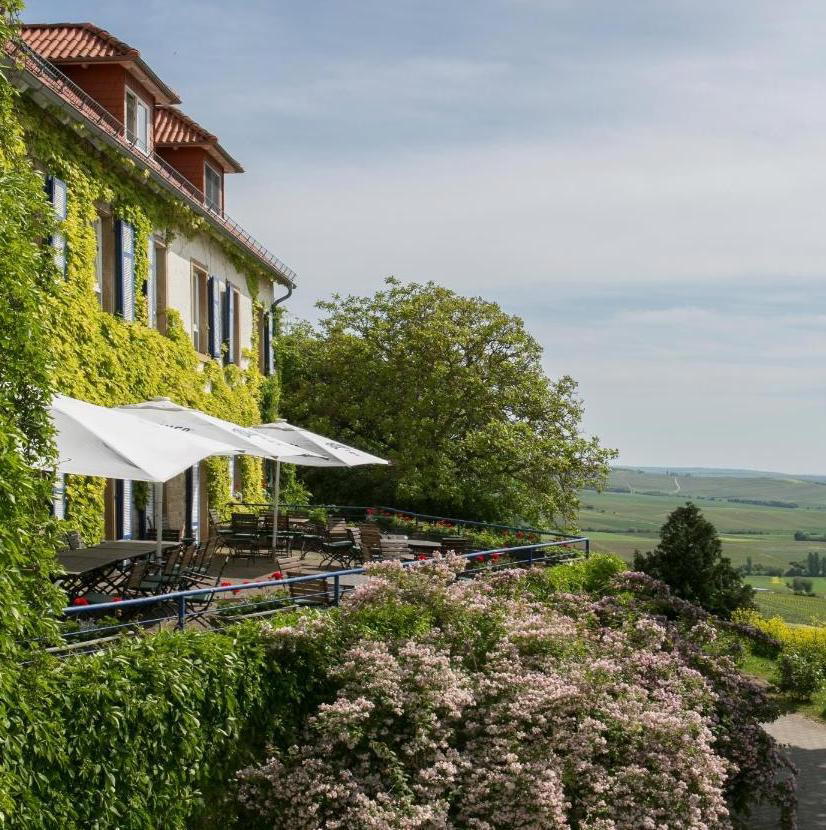
Dr. Crusius sits at Hauptstraße 2 in Traisen, a small Nahe valley village in Rhineland-Palatinate. The estate is family-scale, characteristic of the Nahe's working-winery tradition rather than a large visitor centre operation. The surrounding landscape is defined by the river valley and the volcanic and slate soils that distinguish this stretch of the appellation.
Is Weingut Dr. Crusius recognized by any major rating lists?
Weingut Dr.
What wines should I try at Weingut Dr. Crusius?
The Nahe's geological character around Traisen, particularly its volcanic basalt and slate substrates, shapes Rieslings with a mineral and saline profile distinct from Mosel or Rheingau benchmarks. Dr. Visitors with existing knowledge of German Riesling will find the site comparison with neighbouring appellations a useful frame for tasting here.
What's Weingut Dr. Crusius's location?
Weingut Dr. Crusius is located at Hauptstraße 2, 55595 Traisen, Traisen.
What's the main draw of Weingut Dr. Crusius?
That combination, a verifiable prestige-tier award at a low-profile address in Traisen, is the central reason to seek it out. It suits the traveller who prioritises appellation depth over convenience.
Quick Comparison
Comparable venues nearby, for context on price, style, and recognition.
| Venue | Cuisine | Price | Awards | Notes |
|---|---|---|---|---|
| Weingut Dr. CrusiusThis venue (the venue you are viewing) | Riesling, Weissburgunder | Not listed | Falstaff Winery - 4 Stars | Not listed |
| Walter Scott Wines | Winery | Not listed | Not listed | Salem |
| Weingut Nik Weis – St. Urbans-Hof | Riesling | Not listed | Falstaff Winery - 4 Stars | Leiwen |
| Weingut Josef Spreitzer | Riesling, Pinot Noir | $20–30 | Falstaff Winery - 4 Stars | Oestrich-Winkel |
| Weingut Andreas Laible | Riesling, Pinot Noir | Not listed | Falstaff Winery - 4 Stars | Durbach |
| Weingut Balthasar Ress | Riesling, Pinot Noir | $20–30 | Falstaff Winery - 3 Stars | Hattenheim |
Recognition history
Dated appearances from independent guides and award organizations, with the underlying list record or original source where available.
Falstaff Winery - 4 Stars
Falstaff
Enquire about visiting Weingut Dr. Crusius or buying its wine
Visits to Weingut Dr. Crusius are usually kept for the estate's regular buyers and the wine trade. Tell us when you would like to go and a little about how you buy, and we put the request to the estate and reply to you by email. For buying, we source directly from the producer or from a licensed seller we know and vouch for, and tell you the route before you pay.
Continue exploring
More in Traisen
Wineries in Traisen
All wineries in Traisen →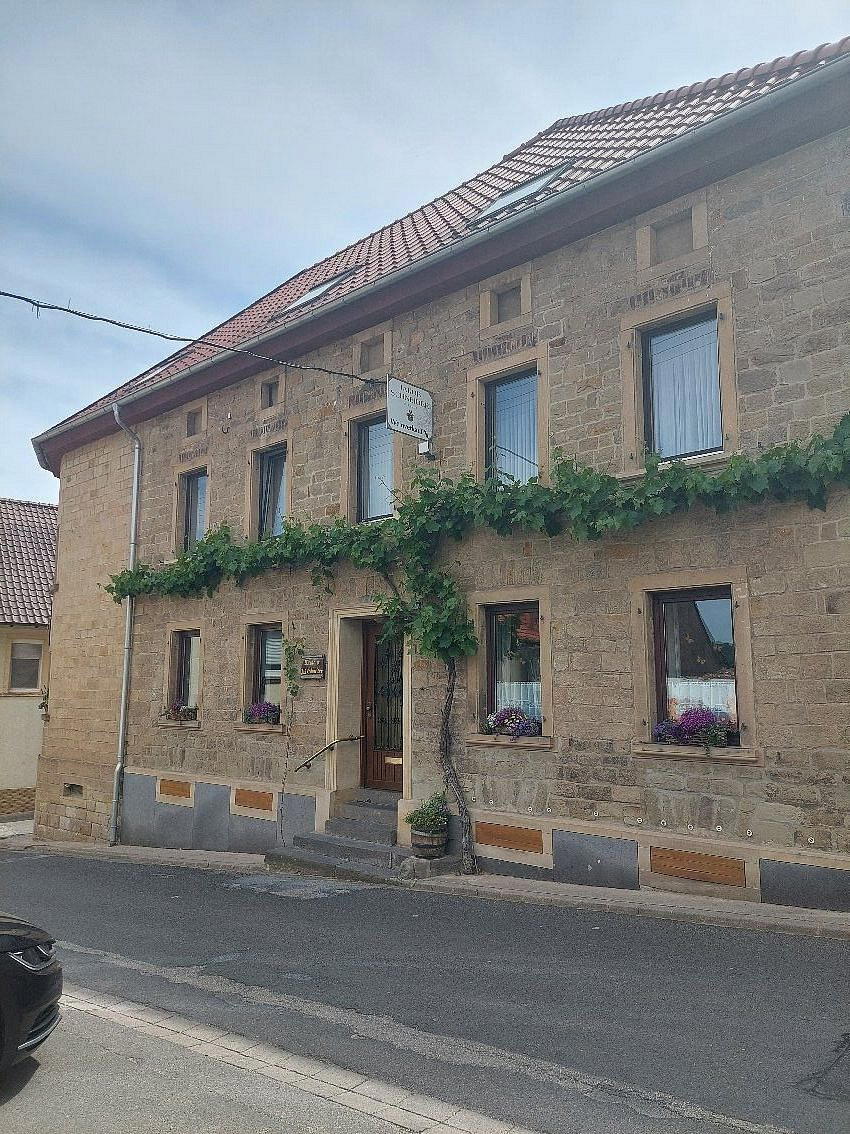
Bars in Traisen
Browse all →
Details
- Classic
- Rustic
- Scenic
- Elegant
- Wine Education
- Solo Exploration
- Special Occasion
- Vineyard Tour
- Panoramic View
- Historic Building
- Vineyard
- Mountain
- Riesling
- Weissburgunder
- Spätburgunder
- Frühburgunder
- Still White
- Cellar Tasting
- German
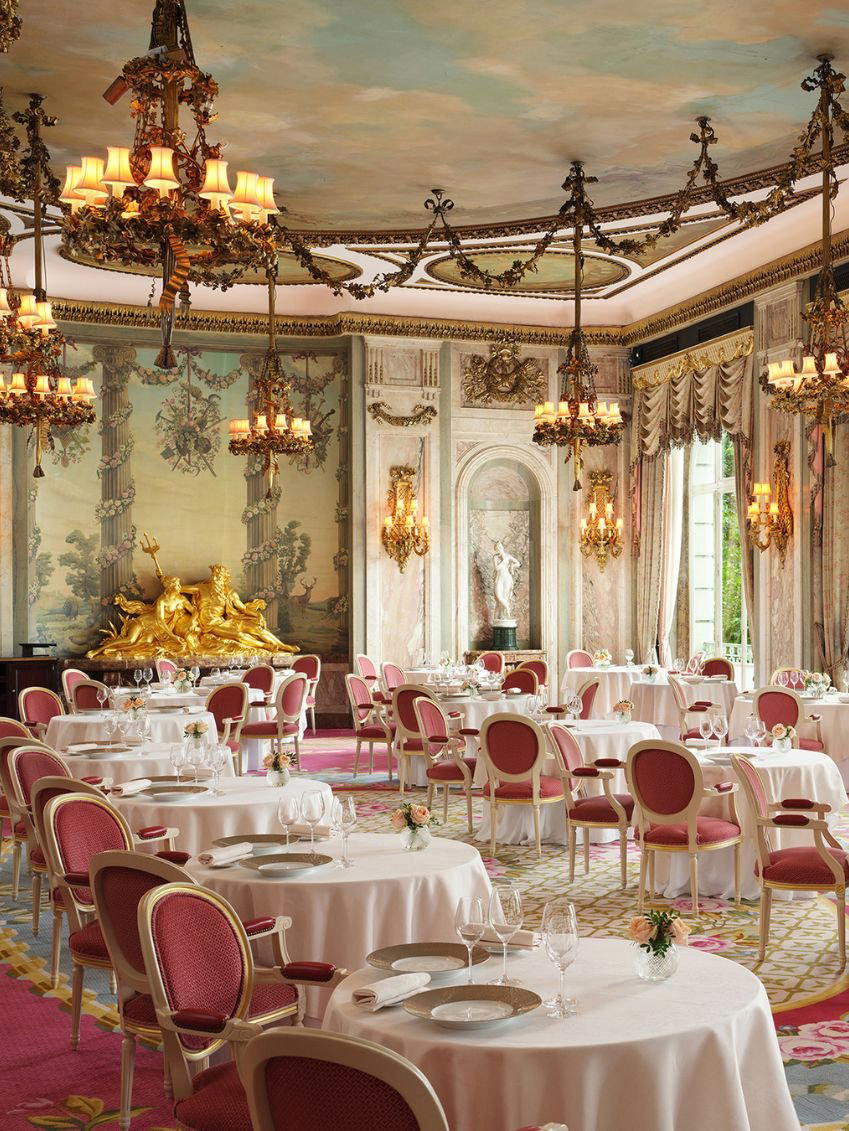
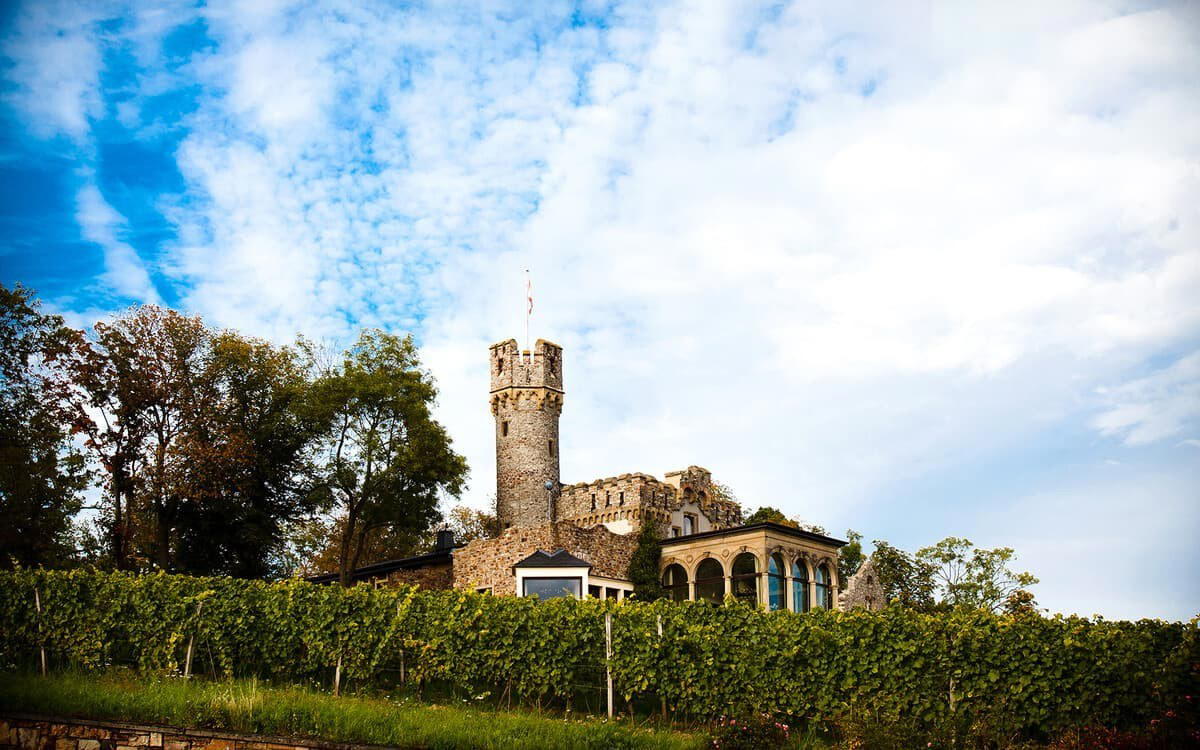
Historic 1888 estate buildings with vaulted cellar, offering an elegant and traditional atmosphere focused on precise, origin-reflecting wines.